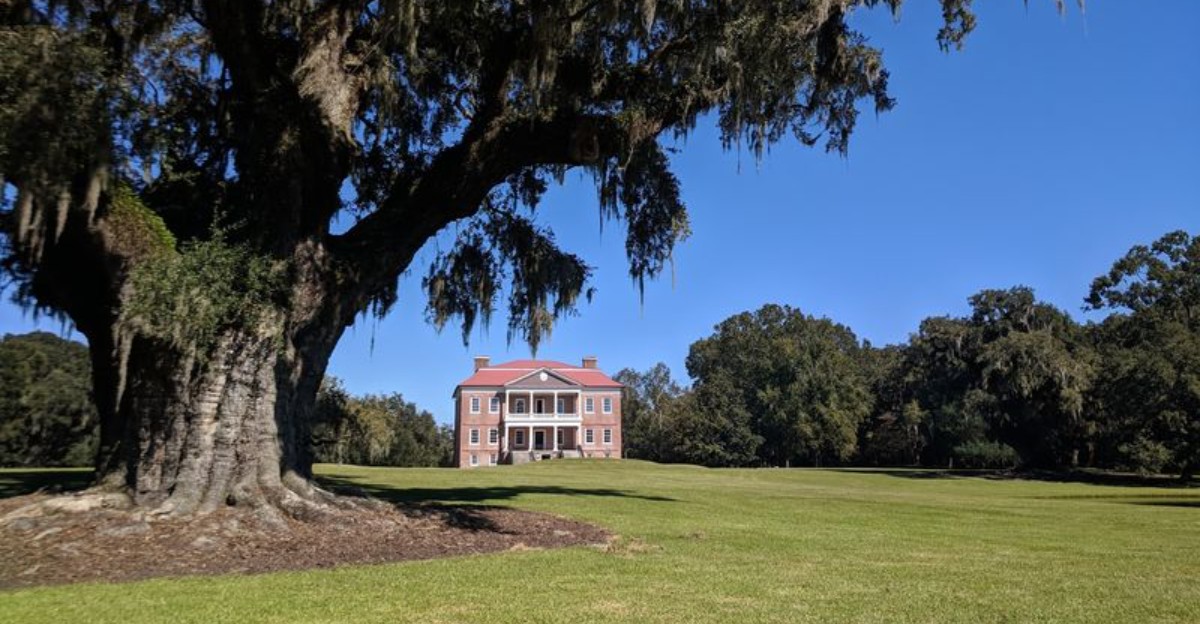
Some old houses look pretty, but Drayton Hall feels like it is quietly telling the truth.
This South Carolina landmark has stood near the Ashley River since the 1700s, surviving wars, storms, changing times, and long years of careful preservation.
Unlike many historic homes, it has not been rebuilt to look fancy or filled with pretend furniture, so visitors see the real walls, rooms, woodwork, and marks left by time.
That makes its story powerful, honest, and unforgettable.
At Drayton Hall, history is not just about one wealthy family.
It is also about the enslaved people whose labor shaped the plantation, the land, and the Lowcountry.
If you enjoy places that make the past feel close, this remarkable house deserves your attention.
Walk slowly, listen closely, and you may leave with a deeper view of America’s early story and its lasting impact today.
A House That Has Stood Since Colonial America
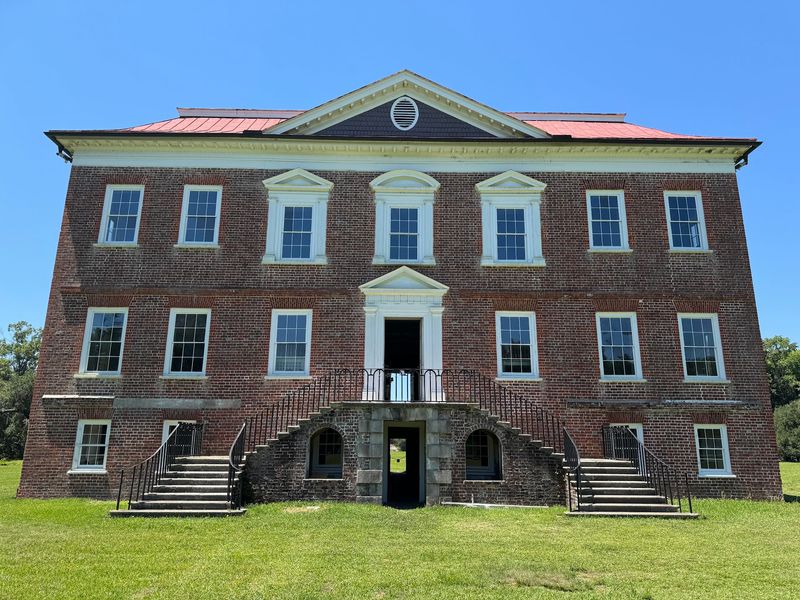
Brick walls can speak, if you know how to listen.
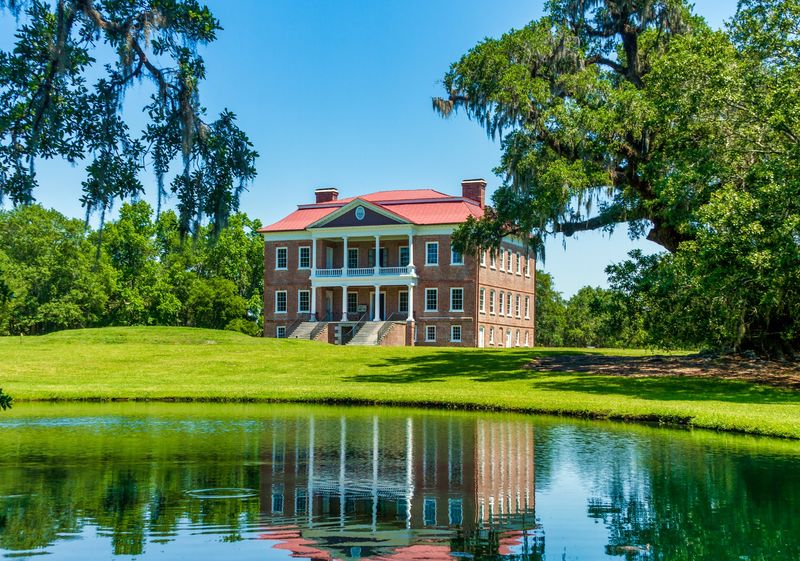
Drayton Hall was begun in 1738 by John Drayton, and it remains one of the oldest preserved plantation houses open to the public in the United States.
The house is famous because it survived when many other colonial buildings did not.
It stood through the American Revolution, the Civil War, hurricanes, earthquakes, and changing ownership, yet its main structure remains largely intact.
Visitors often notice that Drayton Hall feels different from a polished historic mansion.
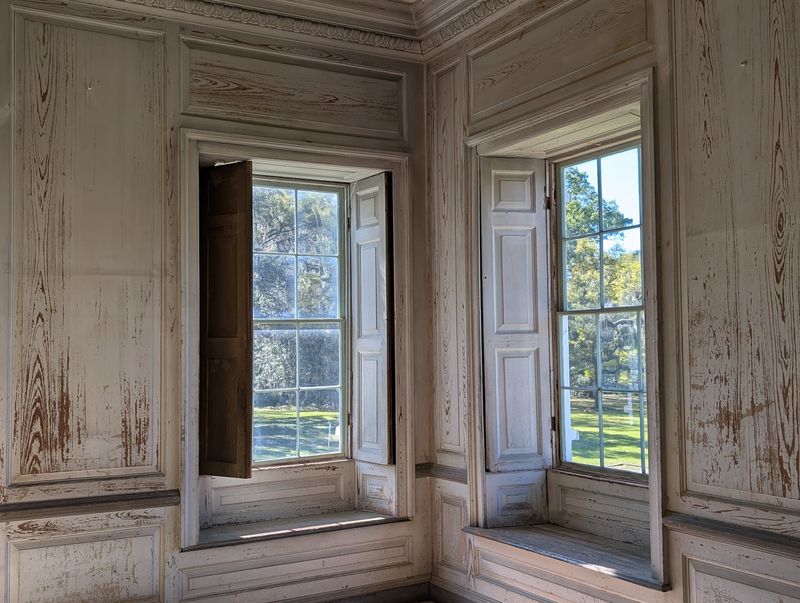
Rooms are mostly empty, paint is worn, and the woodwork shows age, but that is the point.
The site is preserved, not restored, so you see the building as a rare record of the past.
For travelers, the best way to understand its importance is to take the guided house tour.
A guide can explain details you might miss, such as the layout, building methods, and design choices.
Bring curiosity, comfortable shoes, and enough time to look closely.
This is not a quick photo stop.
It is a place that rewards patience, questions, and quiet attention.
Architecture With a Serious Sense of Style
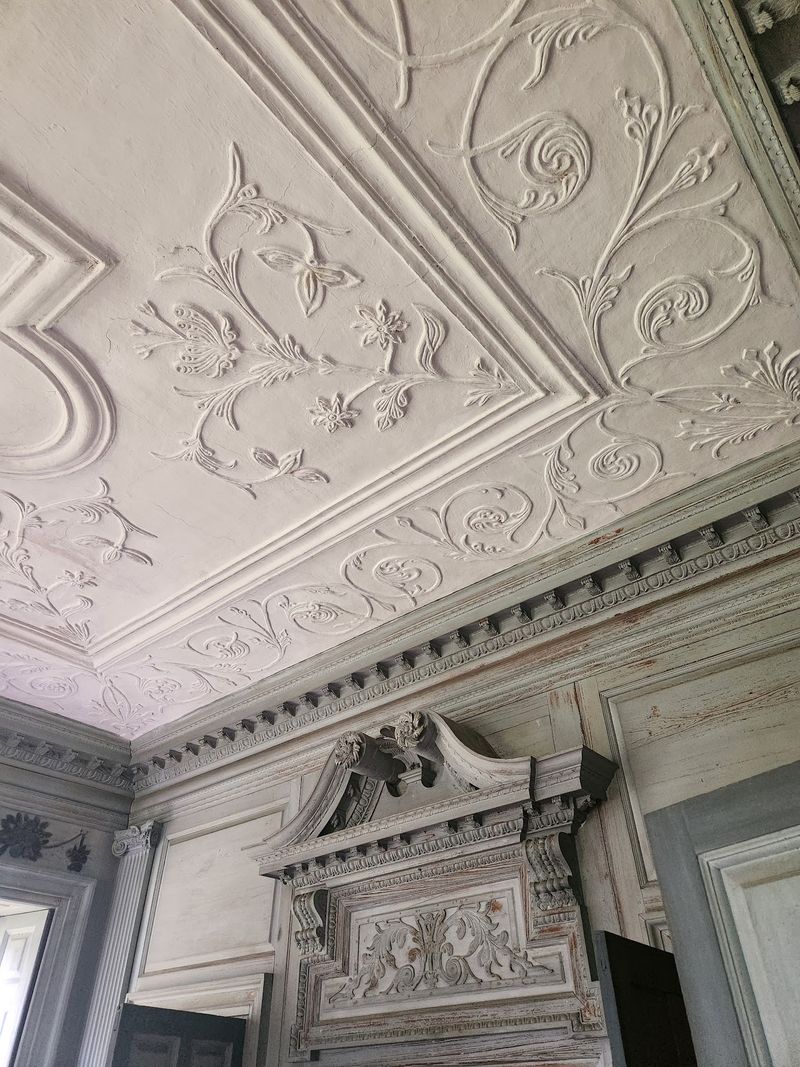
At first glance, the front of Drayton Hall looks calm and balanced, almost like a drawing made with a ruler.
That careful design comes from Palladian architecture, a style inspired by ancient Rome and popular in Britain during the 1700s.
Drayton Hall is often called the earliest fully executed Palladian house in America.
Its symmetry, raised main floor, grand entrance, and elegant proportions were meant to show power, taste, and wealth.
Even without furniture, the building still makes a strong impression.
Inside, visitors can study stairways, mantels, door frames, brickwork, and plaster that reveal skilled craftsmanship.
Some details look plain from far away, but up close they show careful planning and expert hands.
A helpful tip is to slow down in each room.
Look at the way sunlight enters, how rooms connect, and how the house sits above the landscape.
Guides often point out design features tied to social rank and daily life.
The beauty is real, but it also raises important questions about who built it, who maintained it, and who was allowed to enjoy it.
Preserved, Not Polished, And That Matters
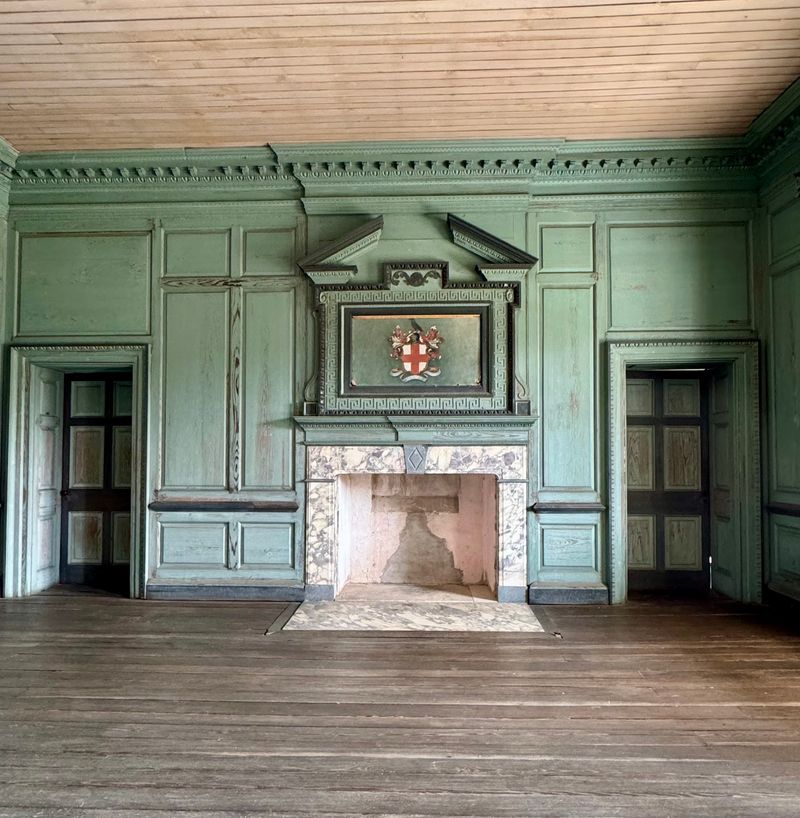
No velvet ropes around shiny parlor sets wait inside Drayton Hall.
Instead, the rooms feel spare, quiet, and honest, which surprises many first-time visitors who expect a furnished house museum.
The choice to preserve rather than restore is one of the site’s most important features.
Restoration often makes a building look like one chosen moment in history.
Preservation protects the layers that time has left behind, including wear, repairs, stains, and clues from different generations.
That approach helps visitors understand that history is not neat.
A cracked wall or faded surface may teach more than a newly painted room.
Experts continue to study the building, and ongoing conservation work helps protect it without hiding its age.
Before you go, set the right expectations.
You will not see rooms dressed like a movie set, and that can feel unusual at first.
Give your eyes time to adjust.
Notice the textures, tool marks, and empty spaces.
The house asks you to imagine carefully, not pretend.
For many history lovers, that makes the experience more moving and much more memorable than a decorative tour.
The Hard History of Enslaved Labor
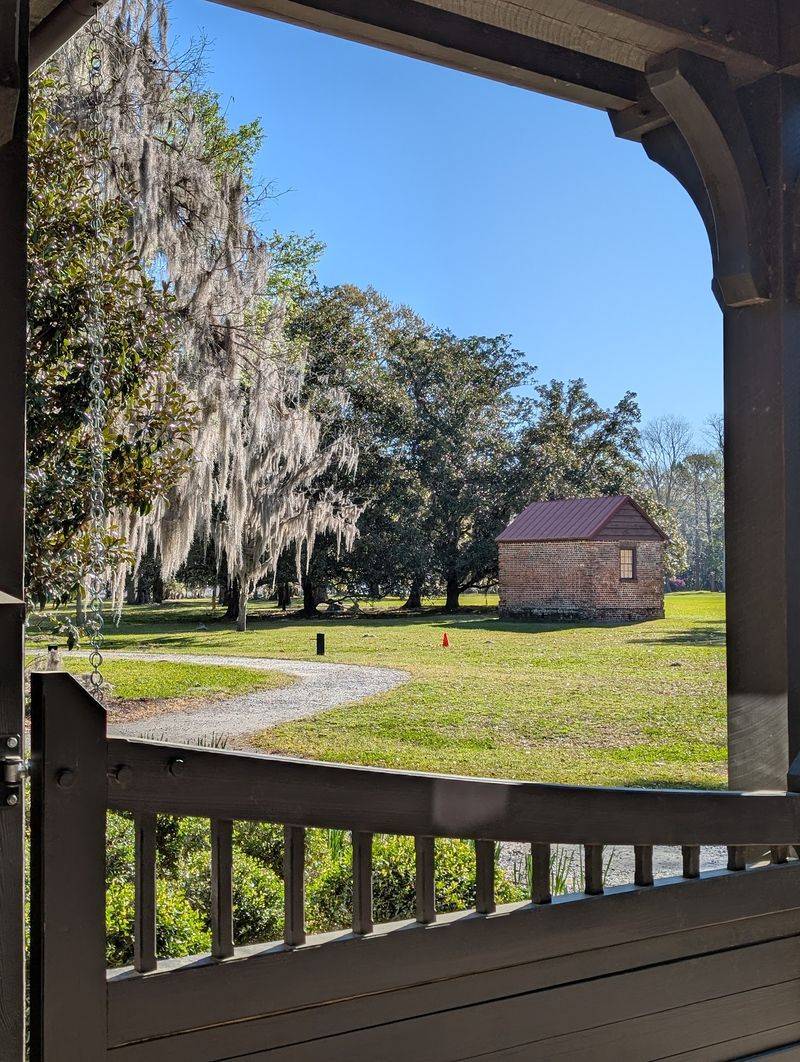
A beautiful landscape can hold painful truths.
Drayton Hall was a plantation, and its wealth depended on the forced labor of enslaved African and African American people who worked in the house, fields, and surrounding lands.
The site’s story includes rice and indigo agriculture, household labor, skilled trades, family separation, resistance, survival, and community.
Modern interpretation at Drayton Hall works to include these lives, not push them to the edge of the tour.
One of the most meaningful places on the property is the African American cemetery.
It is a sacred space connected to generations of people who lived, labored, and built lives despite harsh systems.
Visitors should approach it with respect, quiet voices, and thoughtful attention.
Parents and teachers can use Drayton Hall as a starting point for honest conversations.
The house is impressive, but its beauty came at a terrible human cost.
Ask guides about the people whose names appear in records and about the stories researchers are still uncovering.
A fuller visit means looking at both the architecture and the lives that made the plantation function.
Grounds Made for Slow Walking
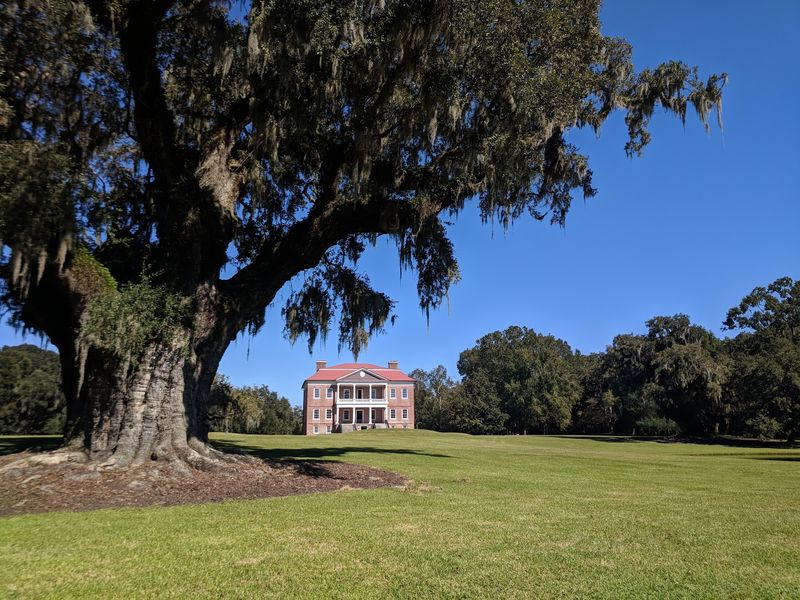
Spanish moss, river air, and wide lawns give Drayton Hall a peaceful feeling, but every path has a story.
The grounds stretch toward the Ashley River, where the landscape shaped plantation life and Lowcountry trade.
Many guests enjoy walking after the house tour because the land helps explain the site better.
The river, trees, fields, cemetery, archaeological areas, and outbuildings all add context.
Together, they show that Drayton Hall was more than a grand house.
The audio tour is useful if you like moving at your own speed.
You can pause, look around, take photos, and think about what you have heard.
Spring and cooler mornings are especially pleasant, since Charleston heat can make outdoor exploring tiring.
Pack water, sunscreen, and bug spray, especially in warm months.
Comfortable shoes matter because paths and parking areas may be uneven.
If you visit with children, give them small things to search for, such as old trees, river views, brick patterns, or wildlife.
A slow walk can turn the property from a pretty stop into a layered lesson about land, labor, wealth, and memory.
Tours That Bring the Empty Rooms to Life
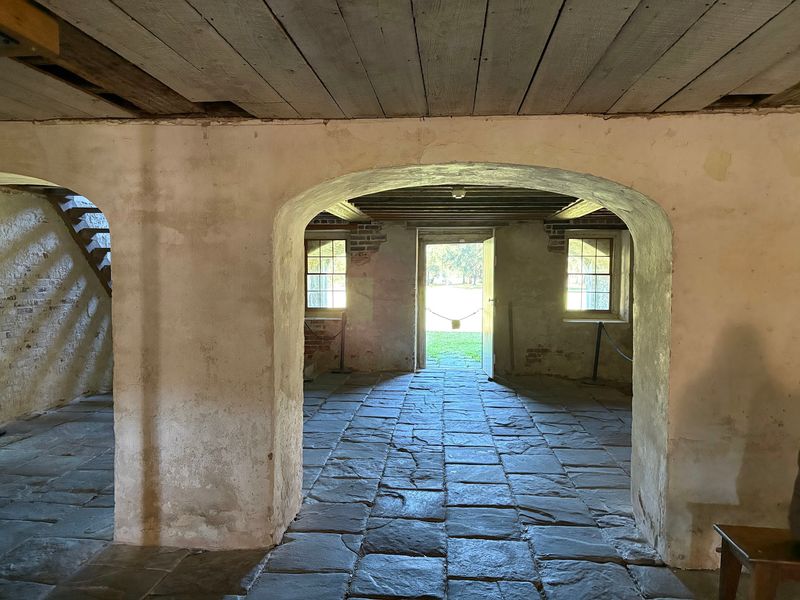
A good guide can turn bare rooms into a living classroom.
At Drayton Hall, the guided house tour is the key experience because entry into the historic house usually requires joining a tour.
Guests often praise the guides for explaining architecture, family history, preservation choices, and the lives of enslaved people.
The pace tends to be steady, and tours commonly last about one to one and a half hours.
That gives enough time to study details without feeling rushed.
Arriving early helps.
You can check in, watch the short orientation film, browse exhibits, use the restrooms, and get ready before your tour begins.
Booking online may also save time and sometimes money.
If you prefer quiet visits, try a weekday morning when crowds may be smaller.
Ask questions, because guides can often connect small features to big ideas.
Why are the rooms arranged that way?
What materials were used?
What stories do records tell?
Those questions make the visit richer.
The house may be empty, but with the right guide, it feels full of voices, choices, and consequences.
Artifacts, Archaeology, and Ongoing Discovery
Tiny objects can carry huge stories.
At Drayton Hall, artifacts found through archaeology help fill gaps that the empty rooms cannot explain by themselves.
The visitor center and museum displays may include items connected to daily life, construction, foodways, work, and the people who lived on the property.
Archaeological work also helps researchers better understand areas beyond the main house, including yards, work spaces, and places tied to enslaved communities.
For curious visitors, the conservation and research side of Drayton Hall is a real highlight.
The site is not frozen as a finished project.
Scholars continue to study materials, documents, landscapes, and objects, which means the story can grow more complete over time.
Take a few minutes to watch the introductory video and read exhibit labels before or after your tour.
Children who like mysteries may enjoy thinking of artifacts as clues.
Adults may appreciate how small finds challenge simple stories about plantation life.
A shard, button, nail, or written record can reveal trade, taste, hardship, skill, or survival.
History here is not just displayed.
It is still being investigated.
Planning a Thoughtful Visit to Drayton Hall
Smart planning makes a visit to Drayton Hall smoother and more meaningful.
The museum is located at 3380 Ashley River Rd, Charleston, SC 29414, a short drive from central Charleston along the scenic Ashley River historic corridor.
Drayton Hall is generally open 9 AM to 4:30 PM on Monday, Wednesday, Thursday, Friday, Saturday, and Sunday, and it is closed on Tuesday.
Hours can change for holidays, weather, or special events, so check draytonhall.org or call +1 843-769-2600 before going.
Visitors rate the site highly, with a 4.6-star rating from hundreds of Google reviews.
Many recommend buying the guided tour ticket if you want to enter the house.
The property also has parking, restrooms, a gift shop, exhibits, and peaceful outdoor areas.
Plan for at least two hours if you want the house tour, grounds, museum, and cemetery without rushing.
Bring water in warm weather, and consider sunscreen and insect repellent.
If mobility is a concern, call ahead and ask about current access conditions.
A prepared visitor can focus less on logistics and more on the remarkable story surrounding this rare American landmark.