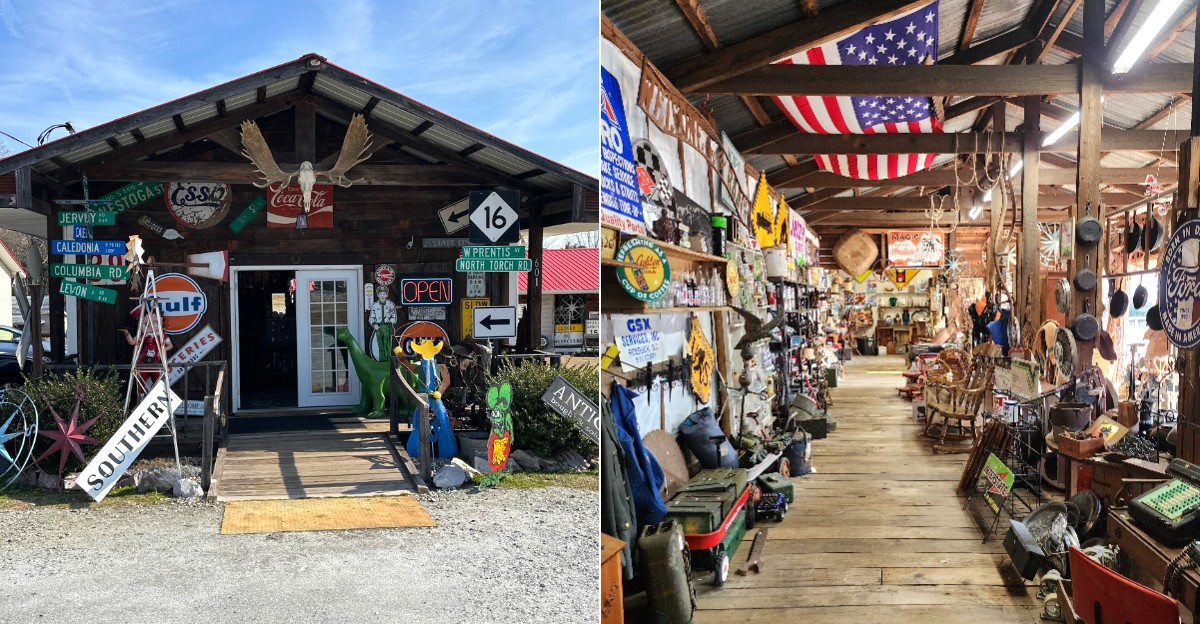
Tucked into the rolling foothills of South Carolina’s Upcountry, this charming little town moves at its own unhurried pace.
Wander down its historic Main Street and you’ll find storefronts brimming with treasures from decades gone by.
Antique shops line the sidewalks, each one holding a different story waiting to be uncovered.
Locals and weekend visitors alike spend entire afternoons sifting through vintage furniture, old records, and forgotten curiosities.
Between shops, cozy cafes and friendly faces make it easy to slow down and simply enjoy the moment.
Landrum, South Carolina, is the kind of place that rewards a little wandering and a lot of curiosity.
A Main Street Made For Slow Browsing
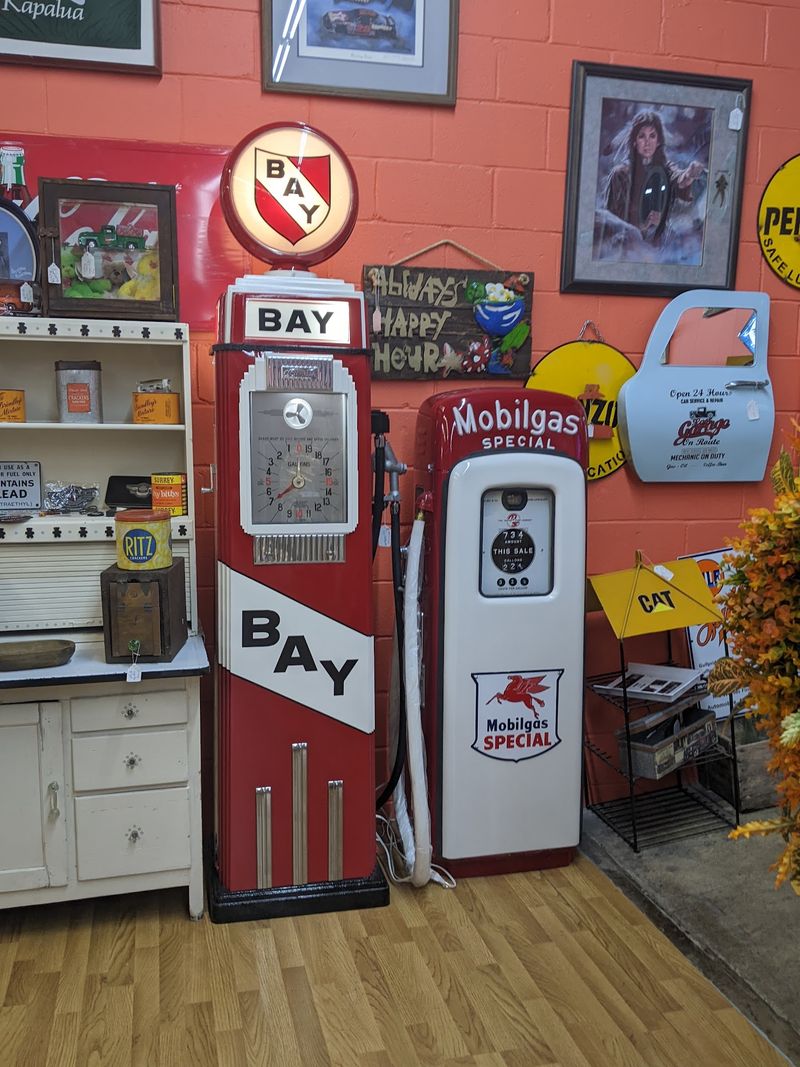
The best antique towns never feel rushed. They invite you to pause at windows, read faded signs, and wonder who owned that old lamp before it landed on a shop shelf. That easy pace is part of the appeal around Landrum · Columbus, SC 29356, USA.
Shoppers should plan more time than they think they need. A quick stop can turn into an hour when every booth holds old books, glassware, farm tools, framed prints, and furniture with worn edges. Bring a small notebook or use your phone to track prices, measurements, and shop names.
Parking, walking, and browsing are usually simpler here than in larger shopping districts. That makes the town a smart pick for beginners who feel nervous about antique malls or crowded flea markets. The real trick is to look twice, because the best find may be hiding behind something plain.
Give yourself permission to leave empty-handed, too. Antiquing is not only about buying. Sometimes the memory of a quiet street and a cabinet full of curious objects is the keepsake of the day.
Old Furniture With Real Character
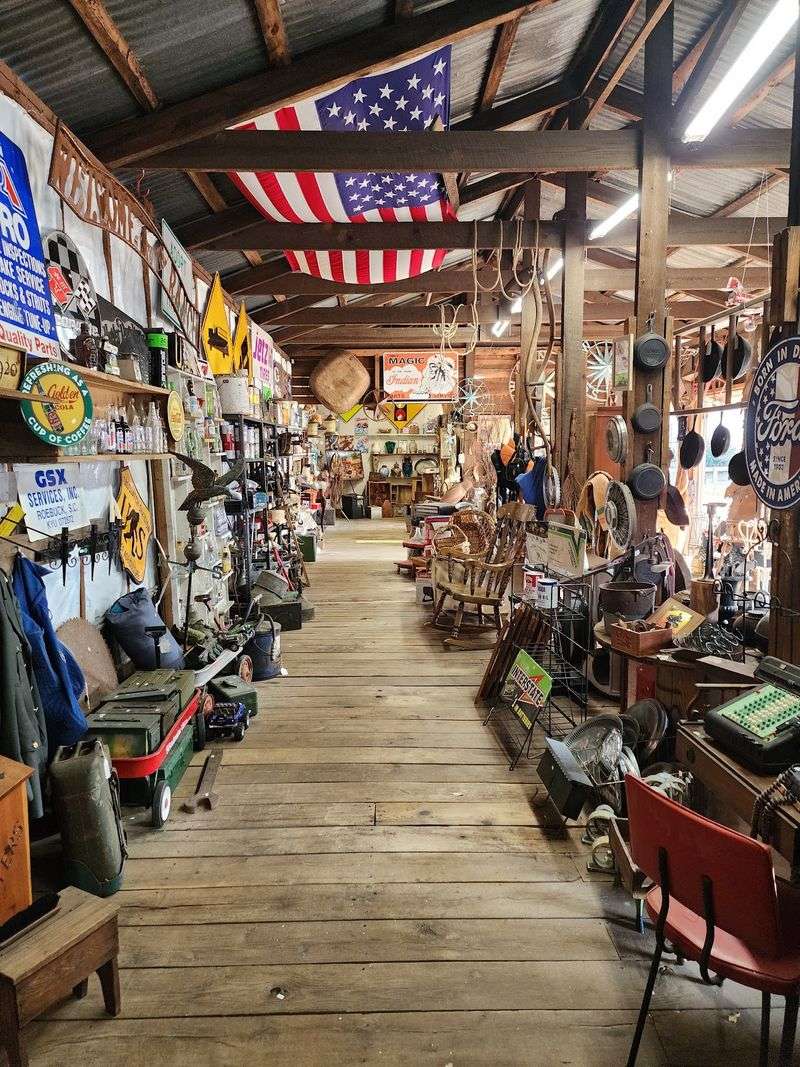
A scratched tabletop can say more than a brand-new one ever could. Old furniture often carries dents, darkened corners, and hand-worn handles that show years of meals, letters, and family life. That is why furniture hunting can feel so personal in a small antiquing town.
Before buying, check the bones of each piece. Open drawers, wiggle chair legs, look under tables, and smell inside cabinets for mildew. A beautiful dresser is less useful if it leans, sticks, or needs repairs beyond your budget.
Measure your room before the trip and keep those numbers with you. Small-town shops may have charming sideboards, benches, trunks, and rocking chairs, but not every treasure will fit through your doorway. Photos help, especially if you need to compare wood tones at home.
Do not be afraid of small flaws. Loose knobs, dull finishes, and light scratches can often be fixed with simple care. For many shoppers, those marks are exactly what make a piece feel honest, warm, and worth saving from another forgotten corner.
Tiny Treasures That Fit In Your Bag
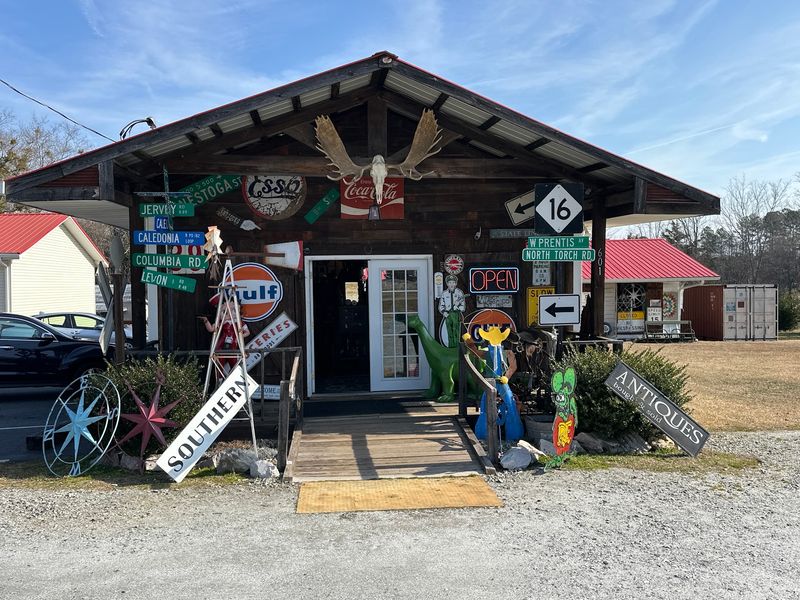
Not every great find needs a truck or a big budget. Small antiques are often the most fun because they can fit in a tote bag, sit on a shelf, or become a thoughtful gift. They also let new collectors learn without spending too much at once.
Look for items that make you smile right away. Old postcards, tiny picture frames, brass candlesticks, buttons, teacups, brooches, maps, and pocketknives can all tell a story in miniature. Ask shop owners if they know where an item came from, because even a short detail can make it feel special.
Condition still matters, even for little pieces. Check for chips in glass, missing stones in jewelry, torn paper, rust, or repairs that were done poorly. A lower price may be fair if the damage does not bother you.
Small finds are also easy to decorate with. Group three similar pieces together, place one odd object on a stack of books, or frame an old photo. A tiny purchase can bring a whole corner of your home to life.
A Day Trip That Does Not Feel Overplanned
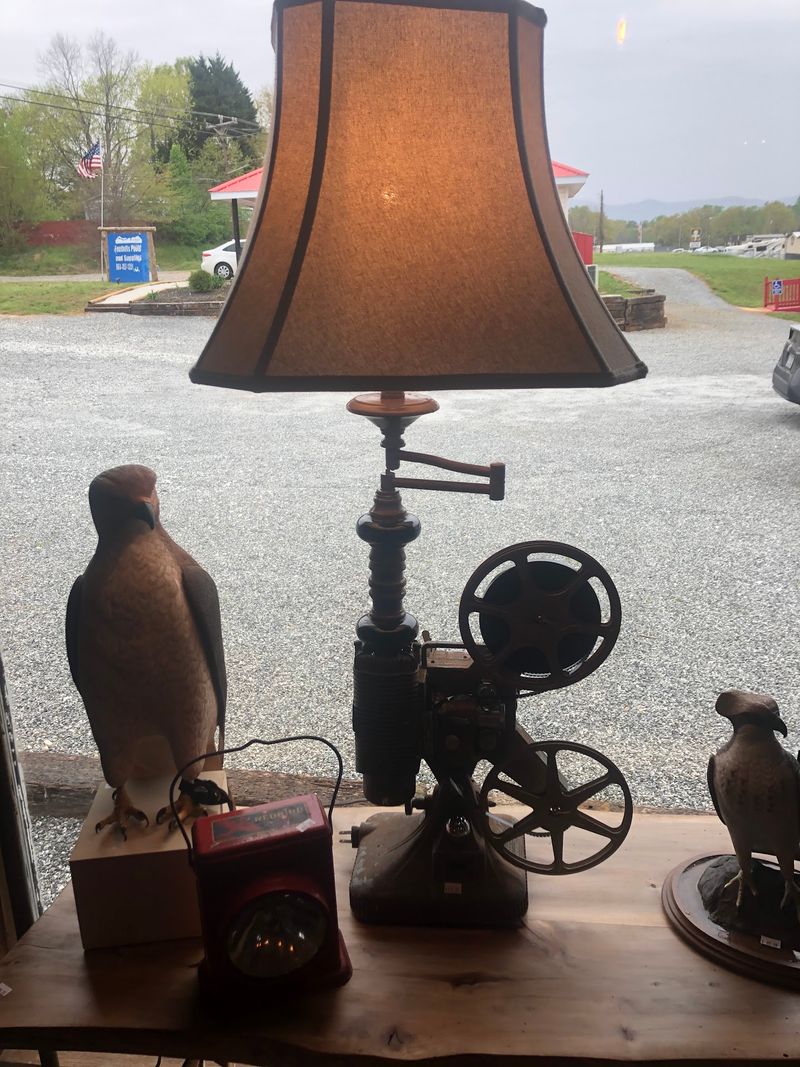
Some outings are better when the schedule stays loose. Antique shopping rewards curiosity, so a simple plan often works better than a packed list of stops. Arrive with time to wander, snack, rest, and circle back to anything you keep thinking about.
Start earlier in the day if you can. Morning light makes window shopping pleasant, and shopkeepers may have more time to answer questions before the afternoon picks up. Comfortable shoes matter because even short streets feel longer when you are stepping into one doorway after another.
Keep water in the car and leave space in the trunk. Even if you plan to buy only small items, a stool, mirror, crate, or framed print might change your mind. Reusable bags, bubble wrap, or an old blanket can protect fragile finds on the ride home.
A relaxed trip also gives you room to notice details beyond the shops. Porches, church steeples, old brick, and mountain views can turn the drive into part of the fun. That balance is what makes the day feel easy instead of exhausting.
Friendly Shopkeepers Who Know The Good Stories
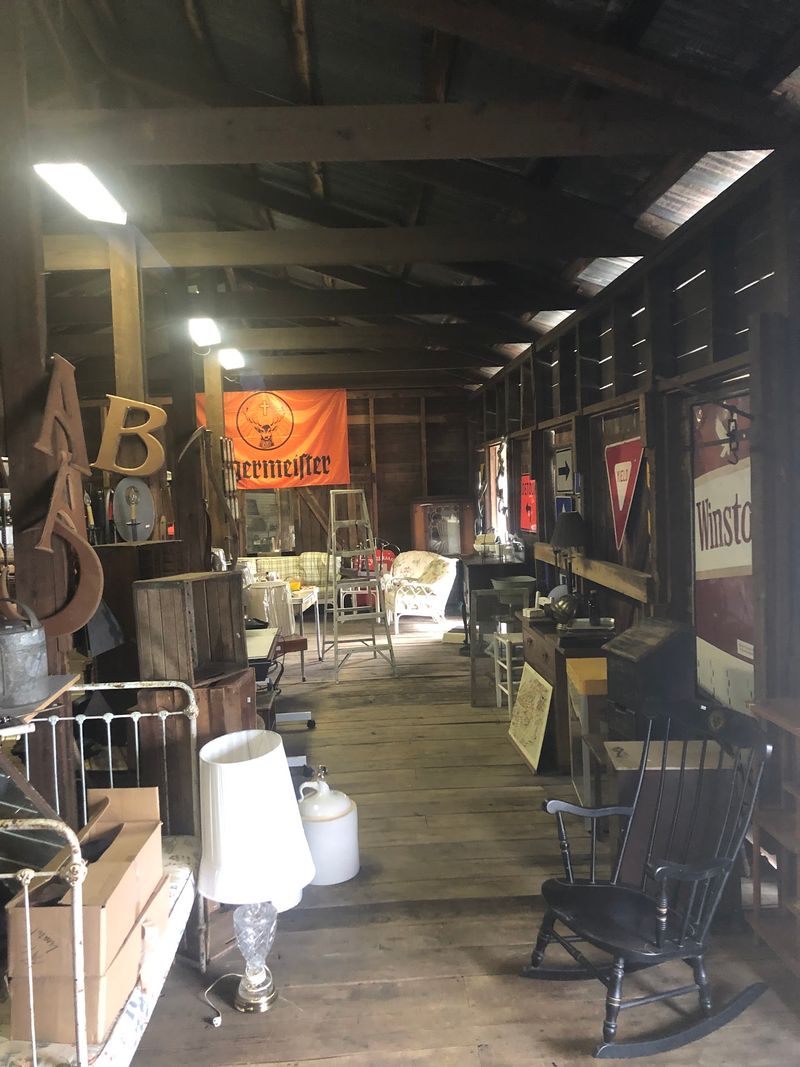
A good shopkeeper can turn a dusty object into a story you remember for years. In smaller antique towns, conversations often matter as much as price tags. You may learn which cabinet came from a farmhouse, which quilts are handmade, or which items sell quickly.
Polite questions go a long way. Try asking if a piece is local, how old it might be, or whether the seller has similar items tucked away. Many dealers enjoy sharing what they know, especially when visitors show real interest instead of rushing.
Negotiating can be okay, but kindness should lead the way. If you want to ask for a better price, be respectful and avoid insulting the item. A simple question about flexibility sounds better than demanding a discount.
Relationships can help future hunts, too. If you collect old signs, ironstone, records, or midcentury decor, mention it and leave your contact information if the shop allows. The next great piece might appear after you have already gone home, and a friendly chat could help it find you.
Vintage Decor Ideas Hiding In Plain Sight
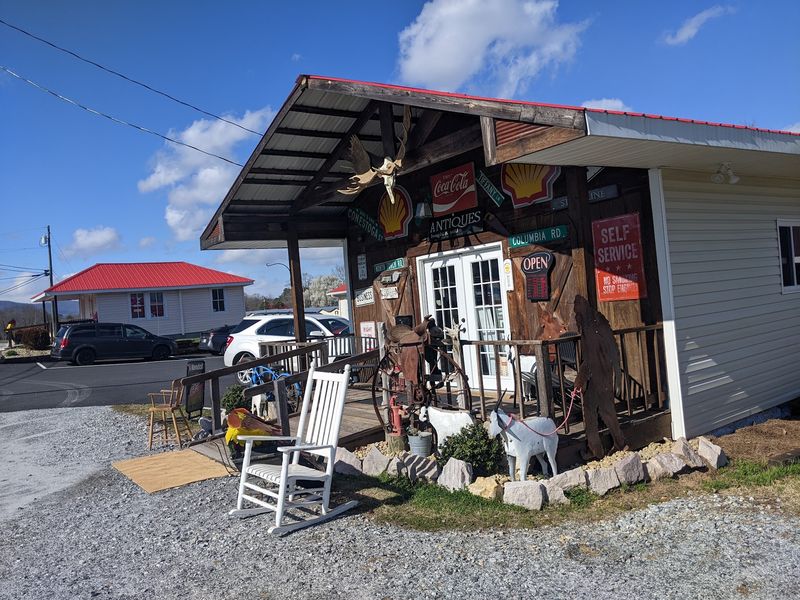
Decor inspiration often appears when you stop searching for perfect things. A chipped pitcher, an old mirror, or a faded landscape print can add warmth that new decor sometimes lacks. The key is seeing how one piece could work in your real home.
Think in layers while you browse. A wooden crate can hold blankets, a ladder can display quilts, and a stack of old books can lift a lamp. Antiques do not have to sit behind glass to be useful.
Color can guide your choices. If your home uses soft greens, creams, browns, or blues, look for pottery, art, and textiles in those shades. A small color plan keeps random finds from feeling messy once you bring them inside.
Mixing old and new is usually easier than decorating with all vintage pieces. One antique table beside a modern sofa can look fresh, not fussy. For renters or small-space dwellers, lightweight items like baskets, mirrors, trays, and framed prints make a strong style statement without requiring major changes.
A Smart Spot For Beginning Collectors
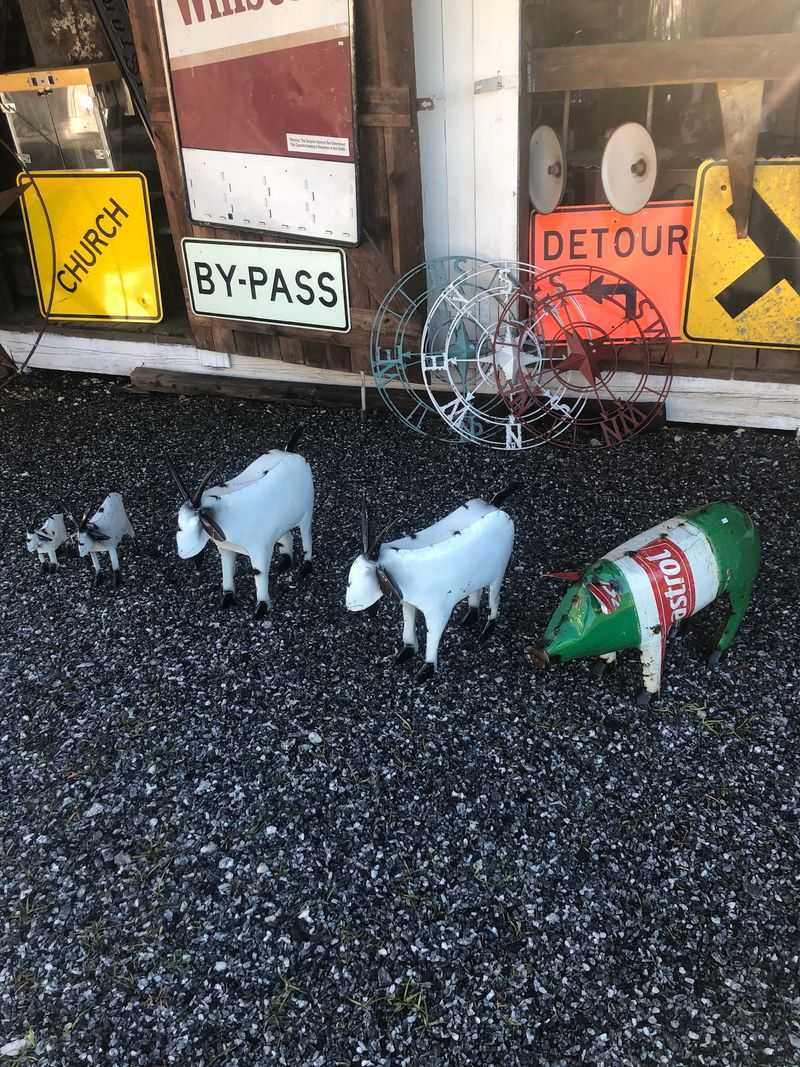
Starting a collection can feel confusing when every shelf holds something different. That is also what makes it exciting. A smaller antiquing area gives beginners room to learn slowly, compare prices, and discover what they actually enjoy.
Pick one or two categories before you shop. You might focus on pottery, cookbooks, advertising tins, records, tools, holiday decor, or vintage jewelry. A focus keeps spending under control and helps you notice quality over quantity.
Use your phone as a learning tool, not a final judge. Quick searches can show common price ranges, maker marks, and warning signs, but condition and local demand still matter. If something seems rare, ask questions and take your time before buying.
Beginners should also set a clear budget. Cash can help you stay honest, while a small extra amount allows for one surprise find. Over time, your eye will sharpen, and the shelves that once looked crowded will start to look like a map of possible treasures.
Quiet Charm Beyond The Antique Shelves
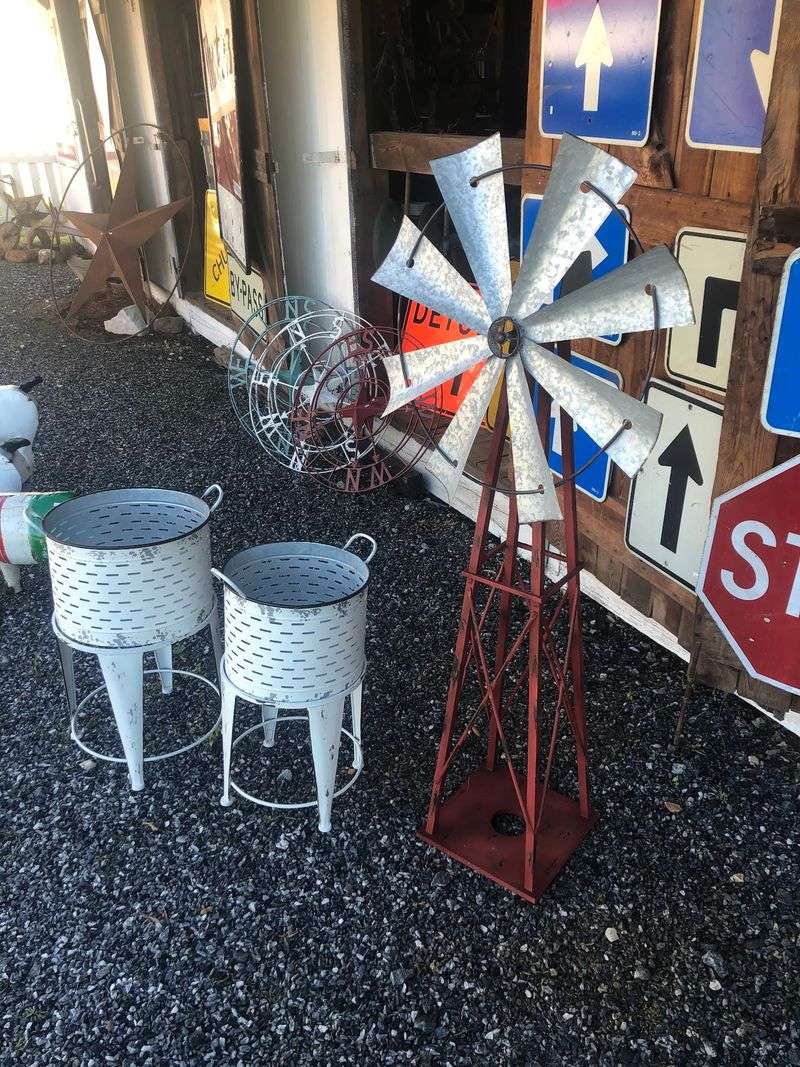
The shelves may pull you inside, but the setting helps make the visit memorable. Small towns near the foothills often have a calm rhythm that fits antique hunting perfectly. You can browse, step outside, breathe a little, and return with fresh eyes.
Notice the spaces between stops. A quiet bench, an old building front, a pretty window display, or a view down the street can become part of the experience. These details help a shopping trip feel more like a short getaway.
Travelers who enjoy photography should bring a camera or keep their phone ready. Vintage signs, weathered brick, porch railings, and stacked shop displays can make lovely pictures without needing a crowded landmark. Always be polite, and ask before photographing inside private shops.
The best visits usually blend buying with simply being there. Maybe you find a rare piece, or maybe you leave with only a few photos and a good story. Either way, the town offers a reminder that hidden gems do not need to be loud to be worth talking about.