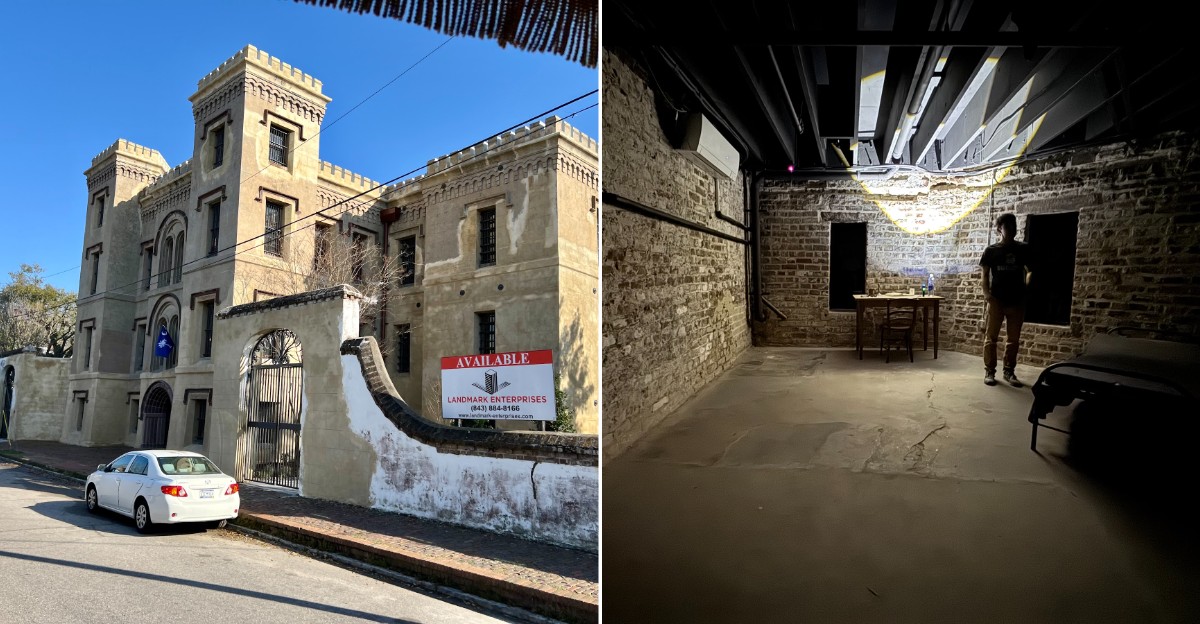
Behind Charleston’s colorful facades and graceful streets stands a building where the mood changes almost immediately. Heavy brick walls, narrow passages, and old ironwork give the Old City Jail at 21 Magazine St. a striking presence, while stories connected to its long history have helped make it one of South Carolina’s most talked-about haunted places.
Built in the heart of Charleston, the Old City Jail once held prisoners under harsh conditions, and its rooms still carry reminders of the people who passed through them. Today, visitors come to explore its architecture and difficult history, while ghost stories add another layer of mystery to the experience.
The building can feel quiet and unsettling in ways that contrast sharply with the lively city outside.
Inside, history and legend meet around every worn doorway and shadowed corner, revealing a Charleston landmark with plenty of stories still waiting to be uncovered.
A Dark Corner Behind Charleston’s Pretty Streets
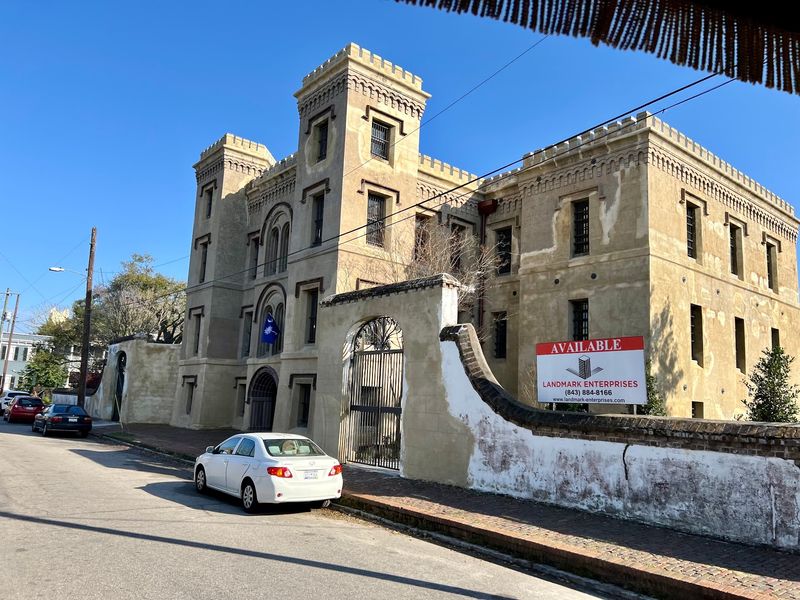
Past the flower boxes and soft porch lights, Charleston can suddenly feel much older and stranger. A short walk from the busier parts of town brings visitors to the Old City Jail at 21 Magazine St, where the mood changes fast.
Built in 1802, the jail held prisoners until 1939. Its thick walls, barred windows, and castle-like towers look out of place beside the calm streets of Harleston Village, which makes the building feel even more unsettling.
Travelers come here because it shows a side of Charleston that carriage rides and pretty gardens cannot explain. The ground level used for tours keeps a rough, shadowy feel, so every step hints at the hard lives once trapped inside.
If you visit, arrive with comfortable shoes and an open mind. Even before a guide begins speaking, the building’s silence can make you slow down, look closer, and wonder what stories never left.
Lavinia Fisher Still Owns the Rumors
A single name can make a dark room feel colder, and in Charleston that name is Lavinia Fisher. Her legend follows visitors through the Old City Jail like a whisper that refuses to fade.
Lavinia was held here before her 1820 execution, after being convicted with her husband for highway robbery. Later stories painted her as America’s first female serial killer, though the truth is tangled with folklore, rumors, and local drama.
Guides often share the famous tale of her bold words before death and the claim that she wore a wedding dress to the gallows. Some guests say they have felt scratches, sudden anger in the air, or the sense of a woman watching from the dark.
For travelers who love stories that blur history and mystery, this part of the tour is unforgettable. Listen carefully, but keep your feet steady, because Lavinia’s tale is less about easy answers and more about Charleston’s gift for haunting the imagination.
Cells That Remember Misery
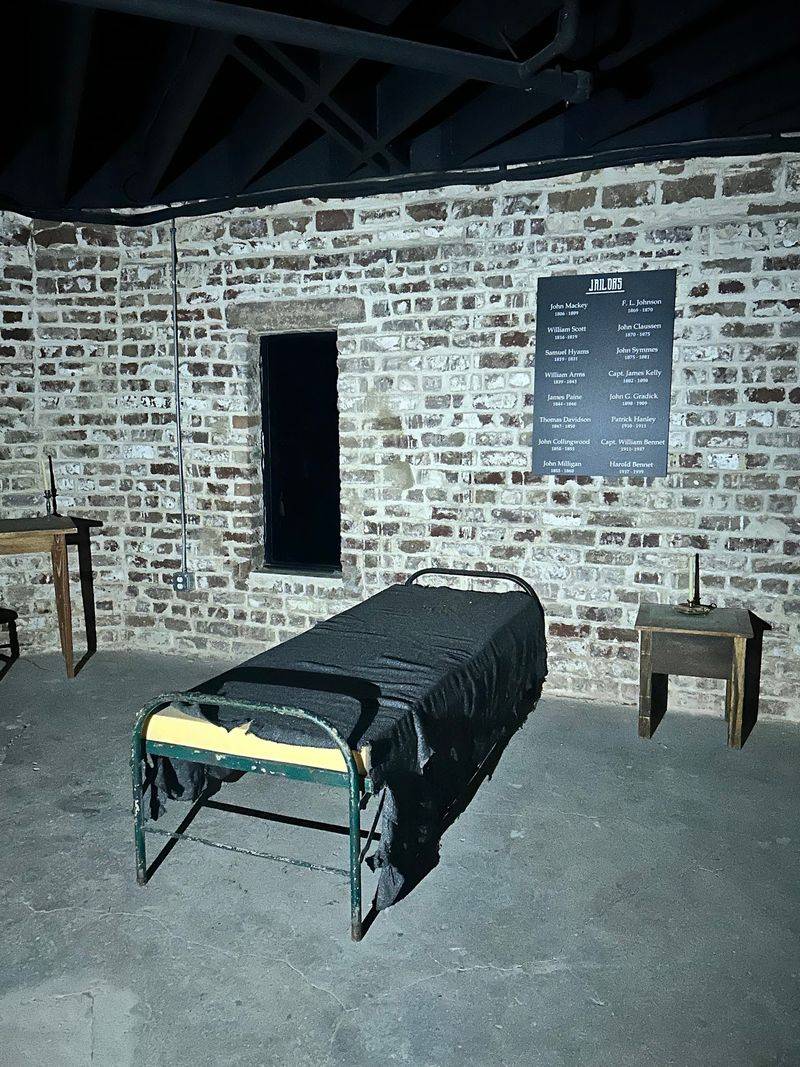
The hardest part of visiting may not be the ghost stories. It may be picturing daily life inside rooms where heat, cold, sickness, and fear were part of every hour.
The Old City Jail was built for far fewer people than it often held. At times, reports say hundreds were crowded into a space meant for about 130 inmates, with little comfort and almost no mercy.
There was no modern plumbing, no electricity, and little protection from Charleston’s humid summers or damp winter nights. Windows were barred and open to the weather, while prisoners could be chained to floors in rooms that must have smelled terrible.
When you tour the lower level, the darkness helps explain why people describe a heavy feeling here. The visit is not just spooky entertainment.
It is also a reminder that old buildings can carry lessons about justice, dignity, and how easily suffering can be hidden behind locked doors.
Denmark Vesey’s Story Adds a Deeper Weight
Some stories in Charleston do not rattle chains. They sit quietly in the chest and ask visitors to remember people who risked everything for freedom.
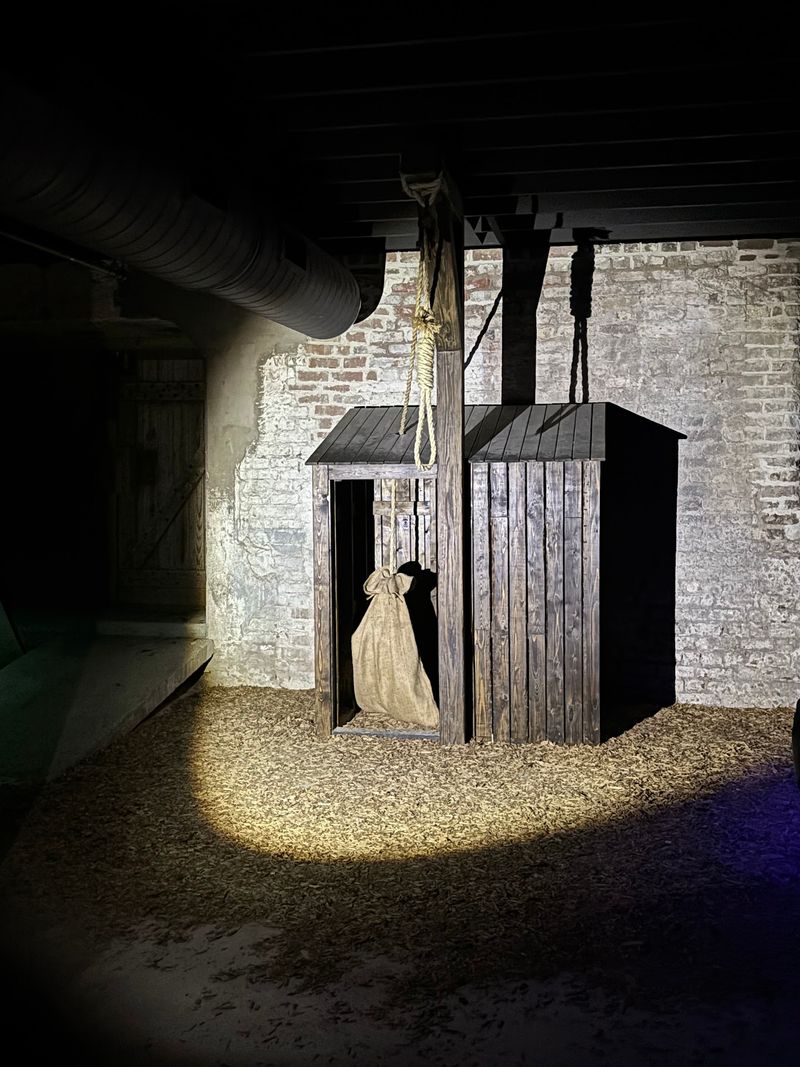
Denmark Vesey, a free Black man, was imprisoned at the Old City Jail after being accused of planning a large slave rebellion in 1822. His case led to many arrests, including enslaved people, free Black residents, and several white supporters.
Vesey was held in the jail’s tower area before his execution, making the site part of a painful and important chapter in American history. Standing near the building, it is easy to think about fear on both sides of those walls, and the courage it took to imagine freedom in a world built to deny it.
This is a reason to visit with respect, not just curiosity. The jail’s haunted reputation may bring people to the door, but stories like Vesey’s give the place its deeper meaning and make the silence feel earned.
Pirates, Soldiers, and Rough Company
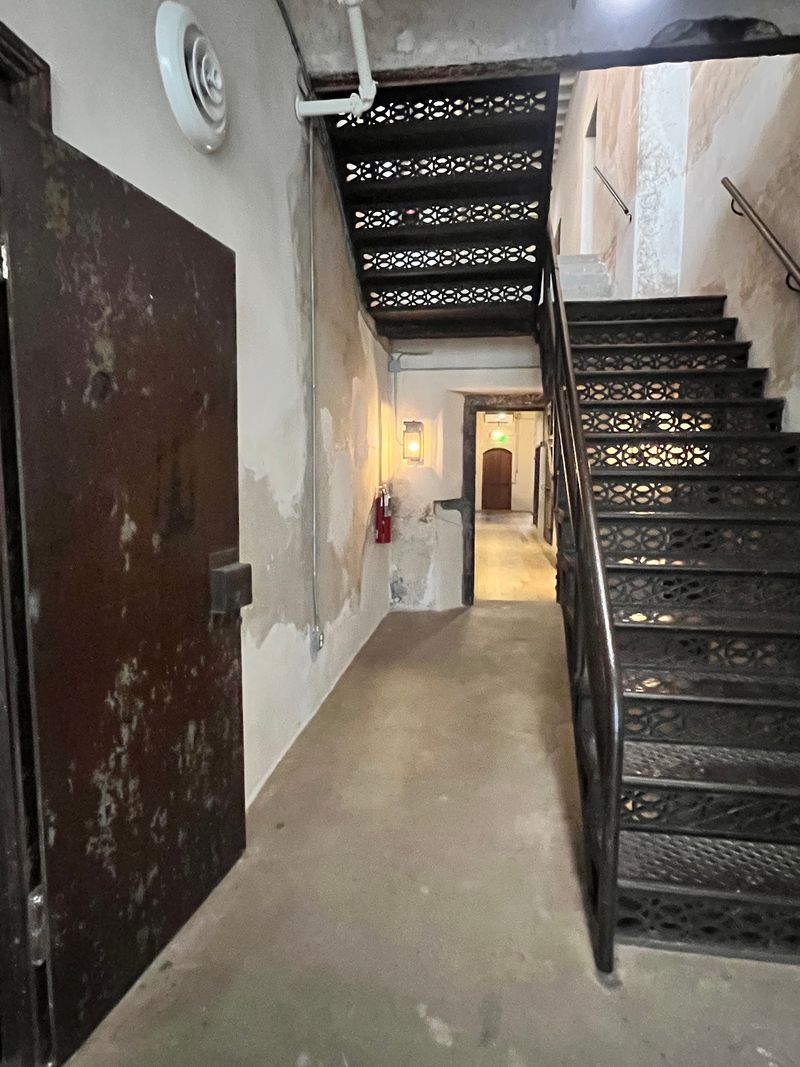
Imagine the noise when sailors, thieves, soldiers, and desperate townspeople were forced into the same grim lockup. The Old City Jail was never a quiet place in its working years.
Because Charleston was a busy port, the jail held people tied to the sea, including pirates accused of dangerous crimes. It also housed everyday offenders, murder suspects, debtors, and people whose names were barely recorded.
During the Civil War, the building took on another role as a prison for military captives. Stories connect it to Confederate and Federal prisoners, including men linked to the 54th Massachusetts Regiment after the fighting around Fort Wagner.
That mix of lives gives the tour a layered feeling. One room can suggest salt air and high-seas trouble, while another brings to mind exhausted soldiers and crowded wartime fear.
Visitors who enjoy history beyond textbook dates will find the jail useful because it turns big events into a small, dark space you can stand inside.
Sounds That Make the Darkness Feel Awake
Sometimes the scariest moment is not what you see, but what you think you heard behind you. At the Old City Jail, visitors often talk about sounds that seem to arrive without a clear source.
Reports include dragging chains, sudden knocks, doors moving, and odd noises in empty areas. Neighbors and workers have also shared stories of alarms and strange activity, adding to the building’s reputation as one of South Carolina’s most haunted places.
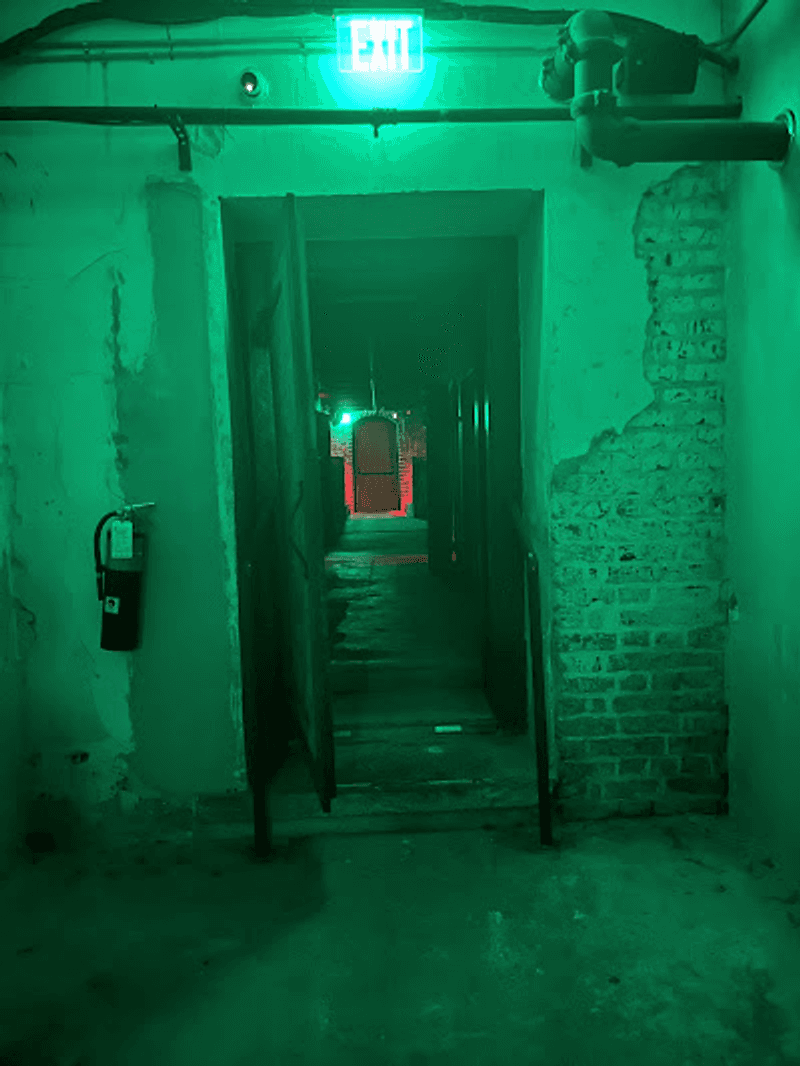
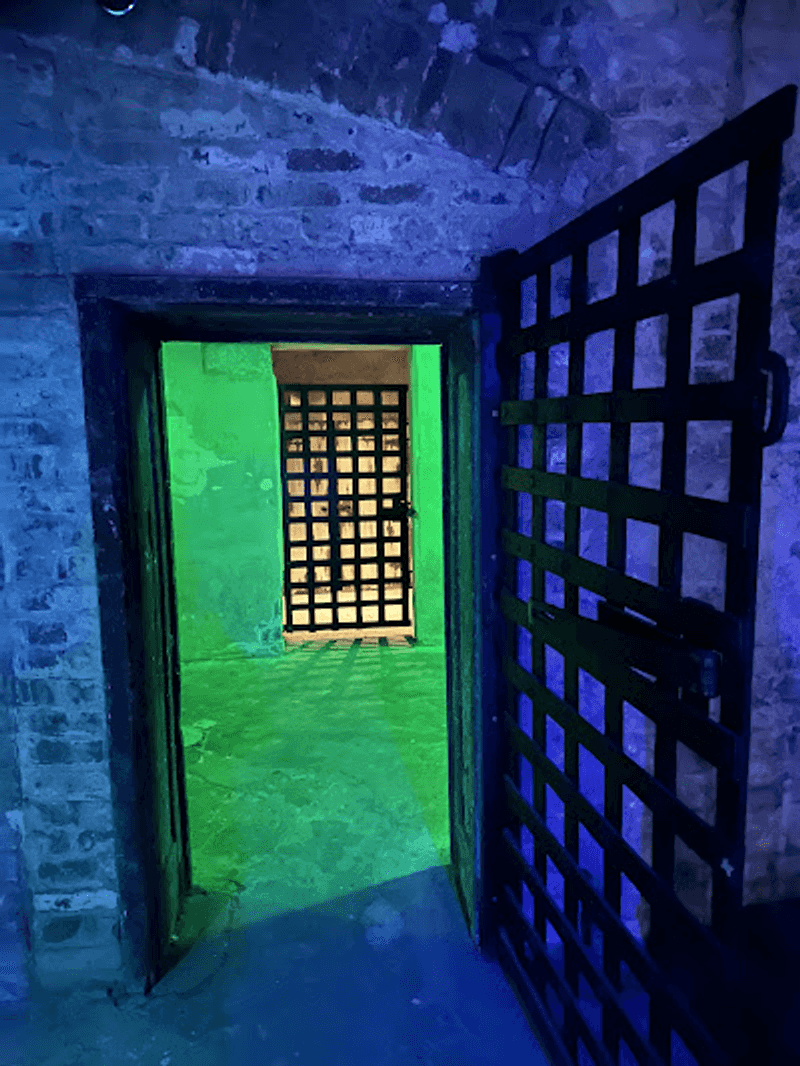
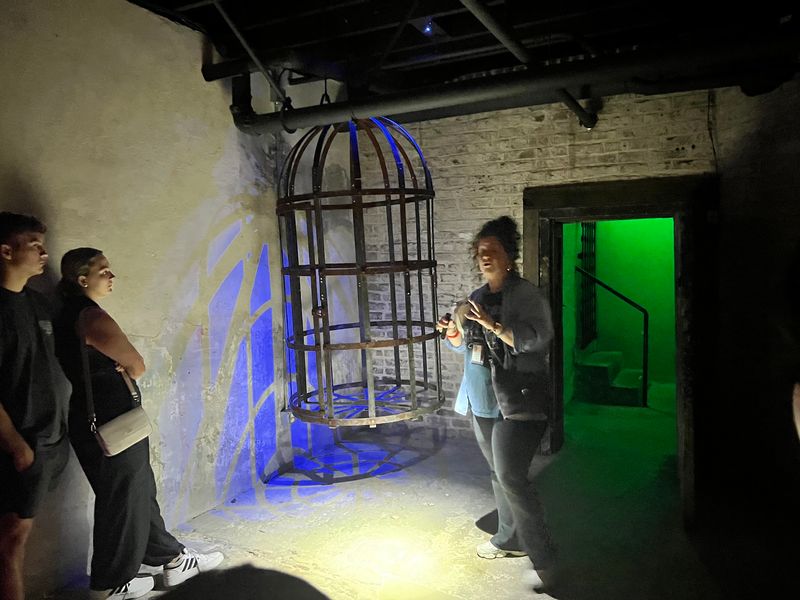
Guided tours use the jail’s darkness well. A flashlight beam moves across rough walls, colored mood lights glow in certain rooms, and the lack of natural light can make even a small scrape sound important.
If you go, keep your phone quiet and listen between the guide’s stories. Whether you believe in ghosts or not, the setting makes your senses sharpen.
That is part of the appeal, because the jail turns ordinary creaks into a travel memory you may retell for years.
When Visitors Feel More Than Fear
A nervous laugh can disappear quickly when someone feels a touch in a room where no one is standing close. That is the kind of story many guests bring home from the Old City Jail.
Some visitors describe cold spots, hair tugs, light grabs, or scratch marks that appear during or after a tour. Others speak of pressure around the neck or a sudden wave of dizziness in certain parts of the building.
Guides often treat these accounts carefully, mixing them with history rather than promising a ghost will perform on command. That balance matters, because the jail’s past is serious, even when the tour feels thrilling.
For the best experience, pay attention to your own comfort level. The space is dark, the steps can be uneven, and the stories may feel intense for younger kids.
If you enjoy a scare with real history behind it, this stop can feel personal in a way polished attractions rarely do.
A Building Raised Over Forgotten Graves
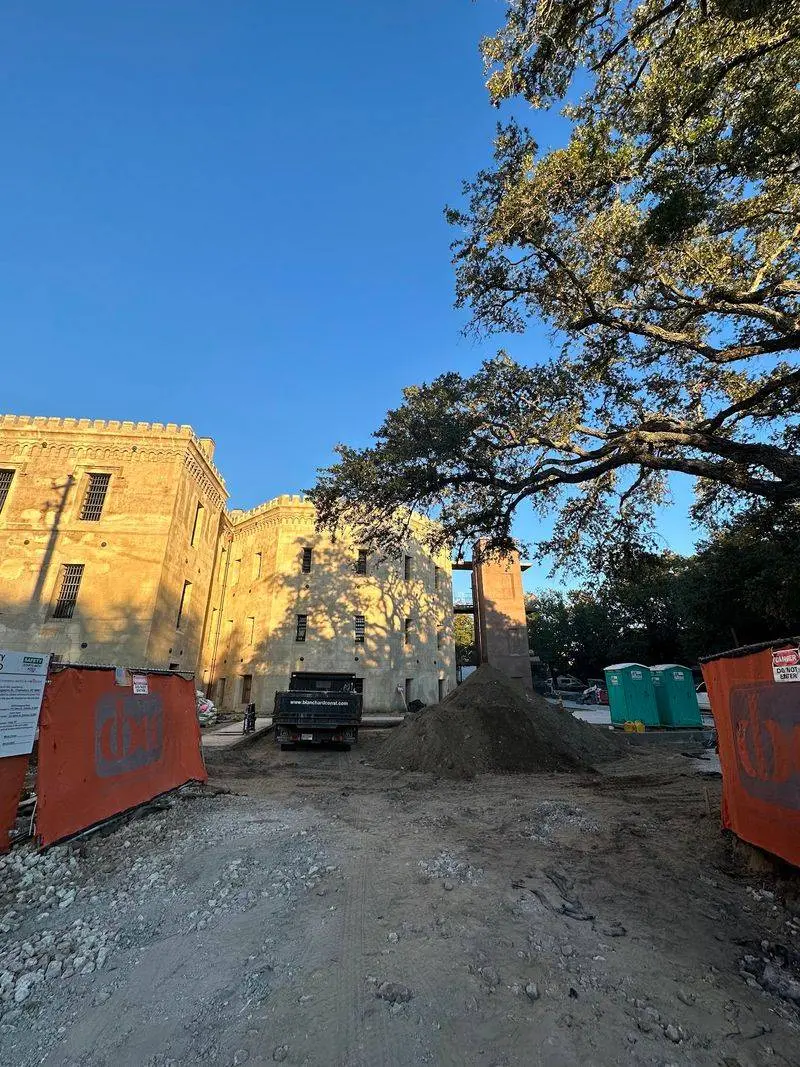
Long before tourists arrived with cameras, the land beneath the jail already had a sorrowful story. That fact changes the way many people feel when they stand outside its walls.
The property was set aside for public use in the late 1600s and later served different hard purposes, including a poorhouse, hospital, and workhouse connected to enslaved people. Part of the land was also used as a potter’s field, where poor or unknown people were buried in unmarked graves.
When the Old City Jail rose in 1802, it stood over ground tied to forgotten burials and suffering that came before the jail itself. For believers in hauntings, this helps explain why the place feels crowded even when a tour group is small.
Even skeptics may find this detail powerful. It reminds visitors that haunted travel is often about memory.
The stories under the floor can matter as much as the ones told inside the rooms.
The Architecture Looks Like a Warning
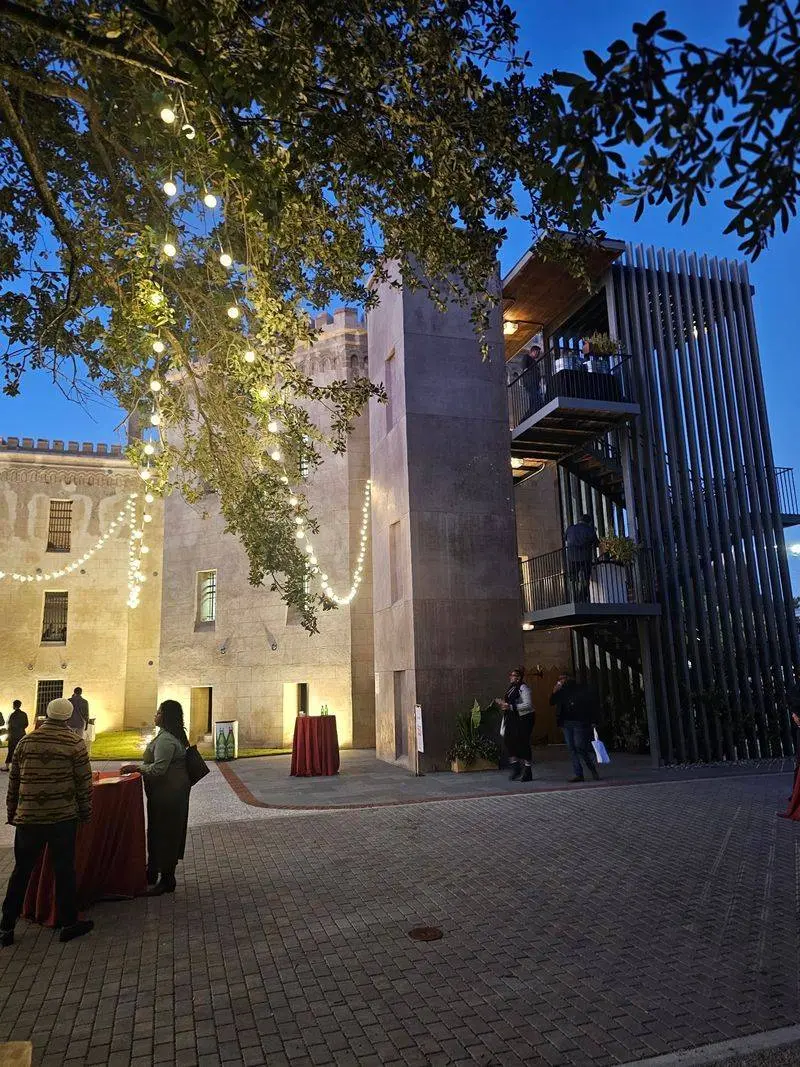
Some buildings welcome you with wide doors and bright windows. The Old City Jail seems to narrow its eyes before you even reach the entrance.
The structure began in 1802, but major changes in the 1850s gave it a more severe look. Arches, towers, barred openings, and heavy walls helped create the fortress-like shape people recognize today.
An earthquake in 1886 damaged Charleston and changed parts of the jail, including the loss of its taller tower. Even so, the remaining building still feels stern, with weathered stucco and windows that look more like warnings than decoration.
Architecture fans should take a slow look before stepping inside. The outside tells a story of control, punishment, and fear without needing many words.
Bring a camera for the facade, but do not rush past it. The building’s shape prepares you for the tour better than any sign could, especially when evening shadows settle along Magazine Street.
The Modern Tour Keeps the Chill Alive
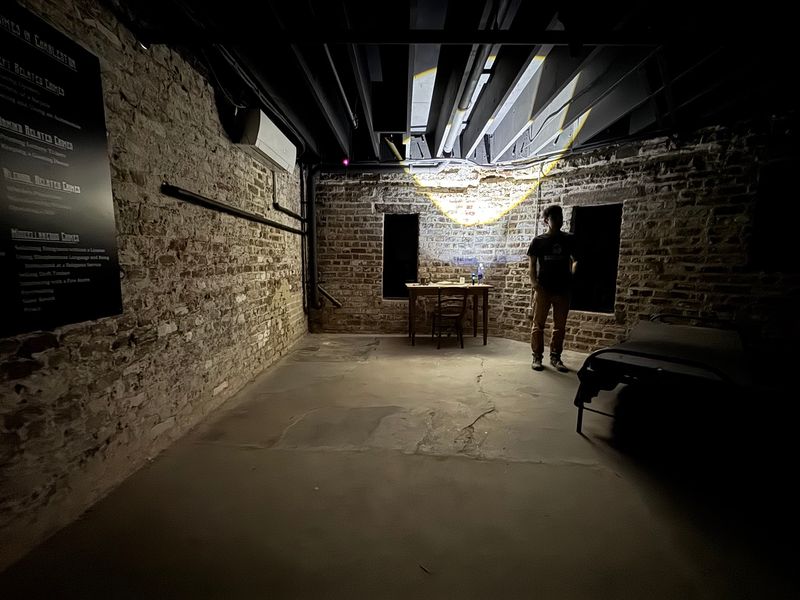
The best ghost tours make you forget the busy city is only minutes away. Inside the Old City Jail, daylight drops off fast, and the guide’s flashlight becomes the room’s most important object.
Today, much of the upper building has been restored for offices and event spaces, while public tours focus on the lower level. Many visitors see only a few rooms, so it helps to know that before buying tickets.
Bulldog Tours is known for haunted jail experiences, often around 45 minutes, with guides sharing history, local legends, and stories from past guests. Reviews often praise knowledgeable guides and the creepy mood, though some travelers wish more of the building were open.
To enjoy it most, book ahead, wear good shoes, and treat the tour as a focused story experience rather than a full-building museum. The value comes from standing in a real Charleston landmark where darkness, memory, and rumor still work together.