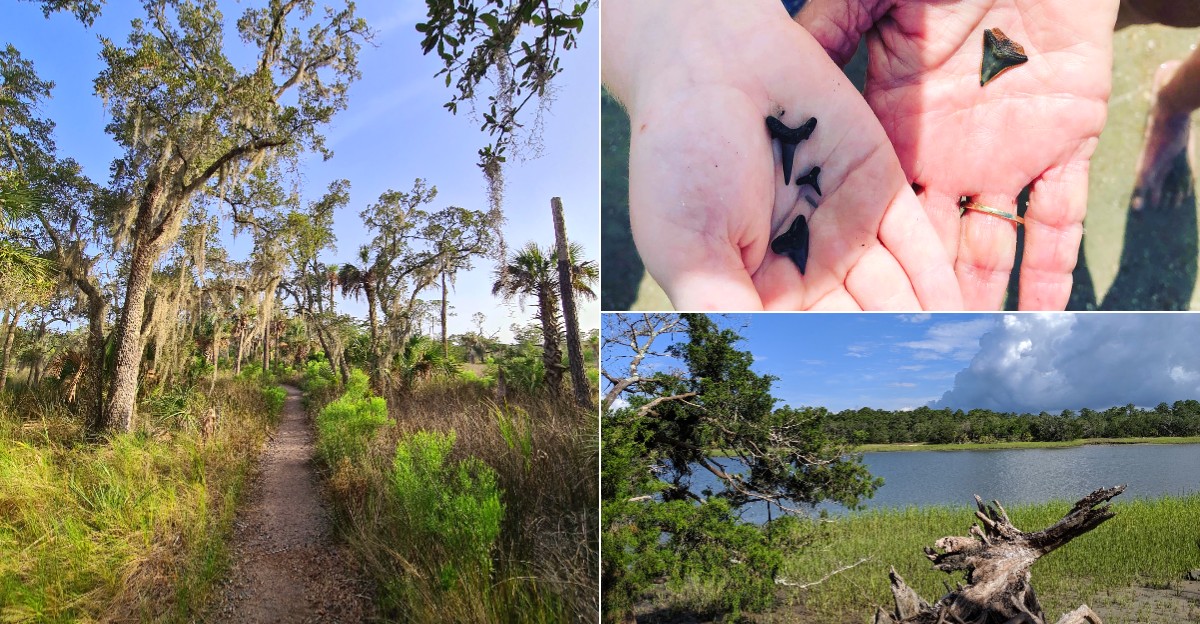
Not every beach in Georgia comes packed with crowds and beach umbrellas.
Here, quiet marsh trails wind through maritime forest before opening onto a peaceful stretch of coastline.
Sharp-eyed visitors scan the sand and shallow water for a very particular kind of treasure.
Fossilized shark teeth, some millions of years old, wash up along this stretch with surprising regularity.
Nature trails and observation towers nearby offer glimpses of deer, birds, and coastal wildlife.
It’s a peaceful alternative to crowded shorelines, rewarding those willing to look a little closer.
A Quiet Coastal Escape Before the Beach Crowds Arrive
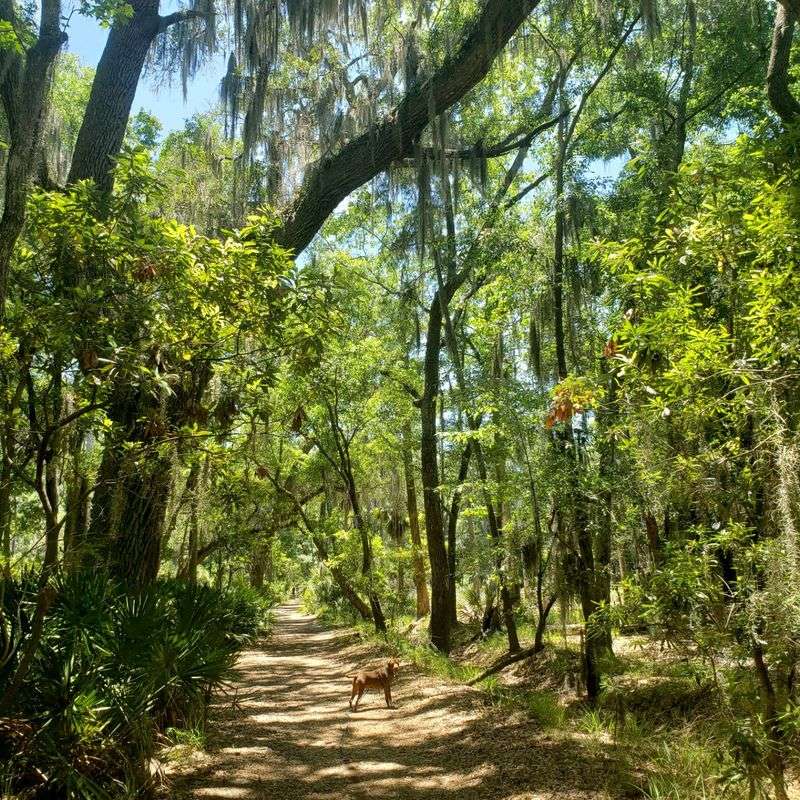
Morning feels slower here, with salt air drifting through the trees and marsh grass shining after sunrise. Instead of fighting for a towel-sized spot on a loud beach, visitors can follow shaded paths, listen for birds, and watch the tide move through the creeks.
The mood is calm, but it is not empty or dull.
Families picnic, campers sip coffee outside roomy sites, and hikers pause under Spanish moss that hangs like curtains from old oaks. Skidaway Island State Park, at 52 Diamond Causeway, Savannah, GA 31411, gives coastal travelers a quieter base near the water without feeling far from town.
Its 4.7-star rating reflects what many visitors notice right away: clean grounds, helpful staff, pretty trails, and a welcoming visitor center. For shark tooth hunters, the best plan is to treat the park as a peaceful starting point for a Lowcountry nature day.
Check tides, wear shoes that can handle mud, and bring patience.
Tiny treasures often appear where shell bits gather, especially after moving water sorts the sand and grit. Go early for cooler air, fewer bugs, softer light, and a better chance to notice small dark shapes before other walkers pass.
Shark Teeth Searching Starts With Tide Smarts
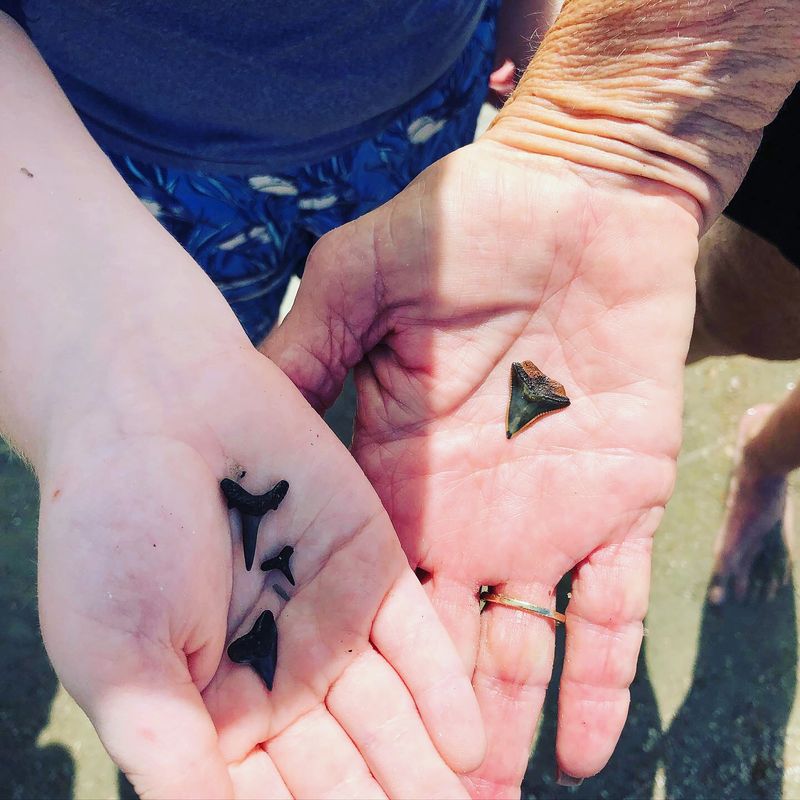
Small black triangles can hide in plain sight, and that is what makes fossil hunting so fun. Shark teeth are often dark, shiny, and shaped like tiny arrowheads, but broken shell pieces can fool beginners.
A careful eye matters more than fancy gear.
Low tide is usually the easiest time to search along coastal edges because more muddy banks, shell lines, and sandy patches are exposed. Before leaving home, check a local tide chart and plan to arrive as the water is moving out or near its lowest point.
Bring a small scoop, a mesh bag, and a plastic container so real finds do not get lost in a pocket.
A kneeling pad can help if you like studying one shell pile for several minutes. Move slowly and scan in rows, almost like reading a page.
Look for color first, then shape, then texture. If you find one tooth, stay nearby because water may have dropped several pieces in the same line.
Leave living animals alone, avoid digging into fragile banks, and follow all park rules. The best souvenir is a legal, low-impact find paired with a good story from a quiet coastal afternoon.
Trails That Trade Boardwalk Noise for Birdsong
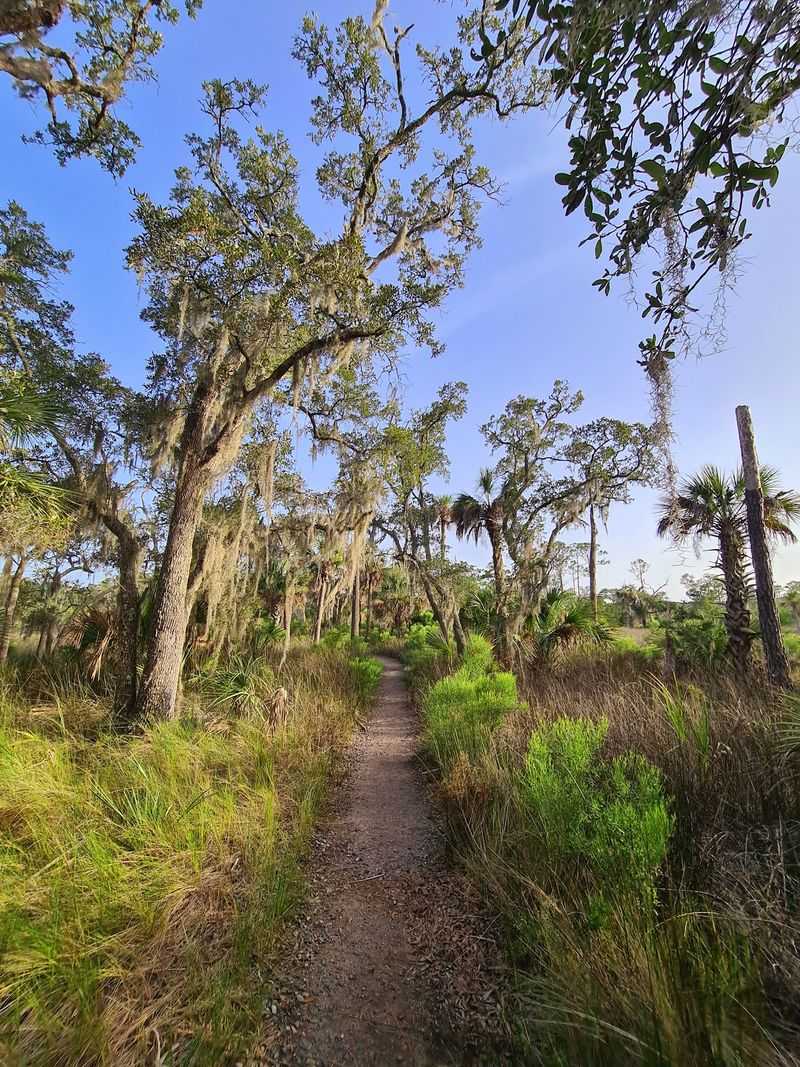
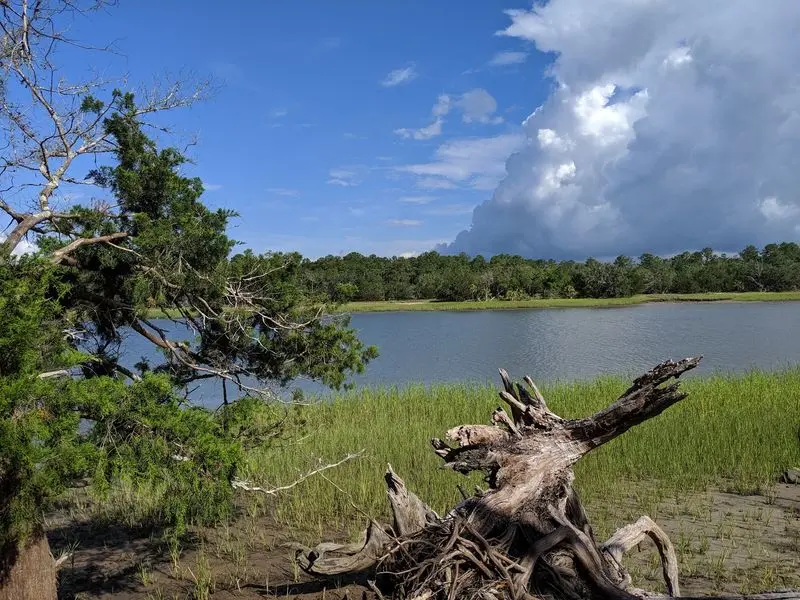
A trail walk can feel like a secret passage when branches meet overhead and the marsh peeks through the trees. The park is known for walking routes that wind through maritime forest, tidal flats, and open views of grass and creek water.
Many visitors praise the trails for being well kept and easy to enjoy. Wear comfortable shoes because roots, damp spots, and sandy patches can appear along the way.
Kids often enjoy the changing scenery, especially when fiddler crabs hurry across the ground or birds flash between branches.
Adults may like the slower pace, since the paths invite stopping, listening, and looking closely. For shark tooth hopefuls, trails help you understand the coastal setting before you search.
Notice where water rises, where shells collect, and where muddy edges form after the tide drops. Those clues can make later searching smarter.
Bring water, a simple trail map, and bug spray, especially in warm months. Reviewers often mention ticks, so check clothing, socks, pets, and children after walking.
Stay on marked routes to protect plants and avoid surprise mud. A quiet trail here is more than exercise; it is a slow lesson in how the Georgia coast stores its hidden treasures.
Wildlife Watching Adds Surprise to the Treasure Hunt
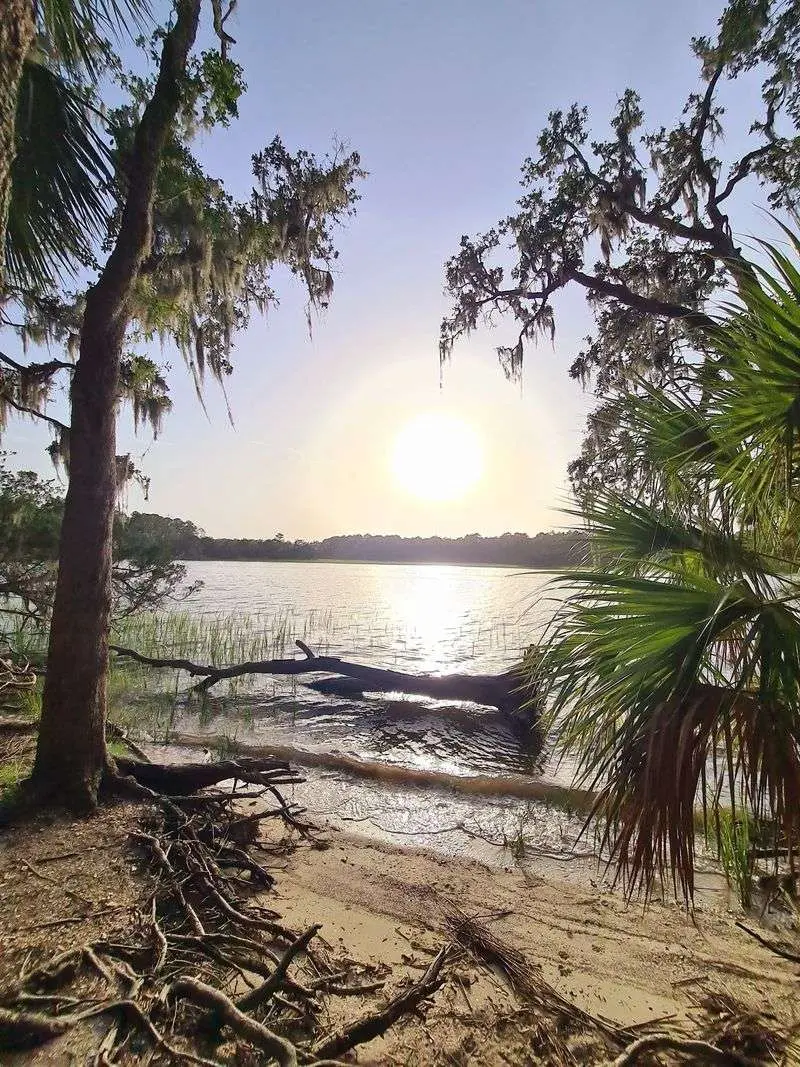
Something rustles, clicks, or darts away before you can name it, and suddenly the whole marsh feels alive. Wildlife viewing is one of the big reasons people slow down here instead of rushing straight to a beach.
Crabs scurry through leaves, birds call from high branches, and patient visitors may spot raccoons, deer, or other coastal animals.
Bird lovers should bring binoculars because the area is known for colorful species, including painted buntings when the season is right. Move quietly and pause often near open marsh views.
Fast walking makes you miss the small moments, while stillness turns the park into a nature show. Wildlife also teaches useful shark tooth hunting habits.
Crabs reveal wet ground, birds may gather near tidal food sources, and shell lines show where water recently pushed material together. Keep snacks sealed, never feed animals, and give every creature space.
Pets should stay leashed, both for their safety and for the safety of wildlife. Bug spray is wise, and tick checks are not optional after grassy or wooded walks.
The treasure you remember most may not be a fossil at all. It might be the flash of a bright bird or the funny sound of tiny crab feet.
Camping Turns a Short Search Into a Slow Weekend
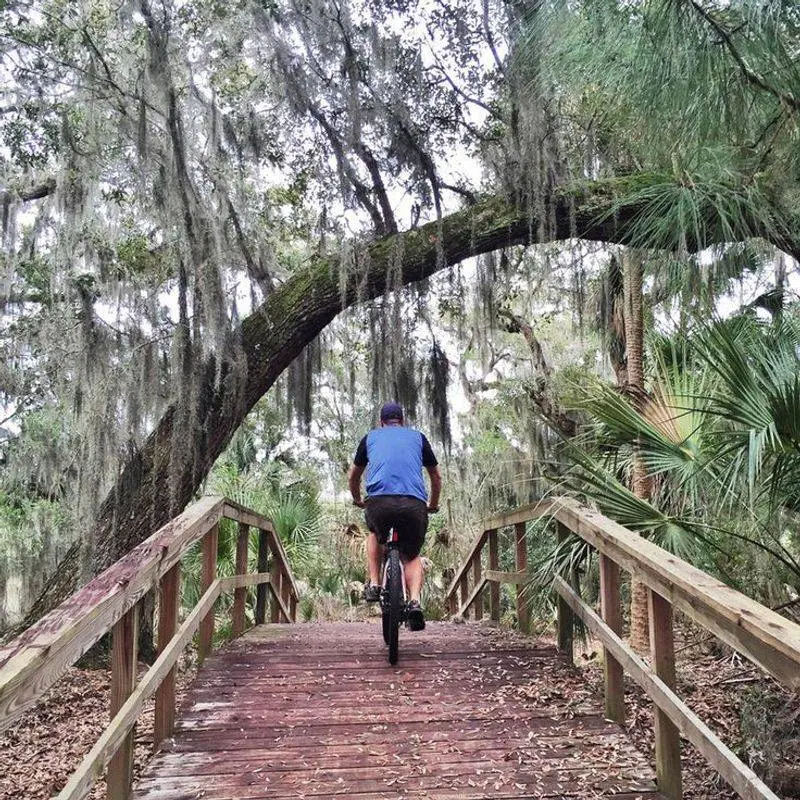
One afternoon rarely feels long enough once the tide, trails, and mossy trees start working their charm. Camping lets visitors stretch a shark tooth hunt into a relaxed weekend, with time for early walks, evening marsh views, and unhurried meals outside.
Many reviewers like the large campsites, clean bathhouses, and friendly staff. RV travelers often appreciate the space, though bigger rigs should watch for low branches and tight campground roads.
Arrive before dark if possible because some guests say nighttime navigation can be confusing and site numbers may be hard to see. A printed or saved map helps, especially when cell service or lighting is not ideal.
Pack headlamps, insect repellent, closed-toe shoes, and a small container for any fossils found during the day.
If construction or renovations are underway, call ahead for updates before booking. Daytime noise may affect visitors who hoped for total quiet, and some sections can change access or traffic patterns.
Still, a campsite here can feel tucked away from the busier coast.
After sunset, keep food stored, drive slowly, and respect quiet hours. A good camp setup makes the next morning easy: coffee, tide chart, trail shoes, and another chance to search.
The Visitor Center Makes Planning Easier
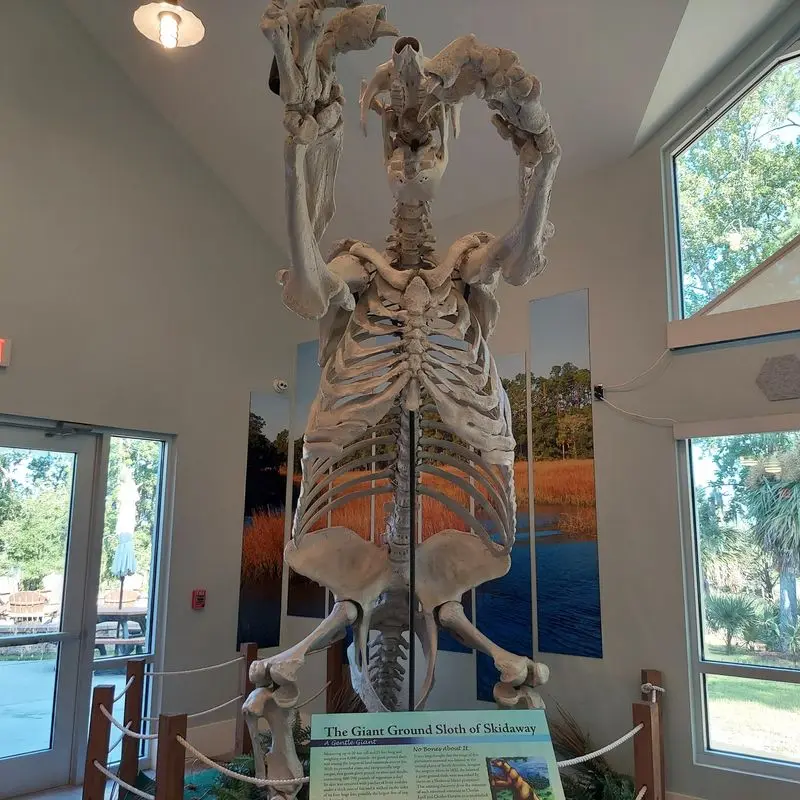
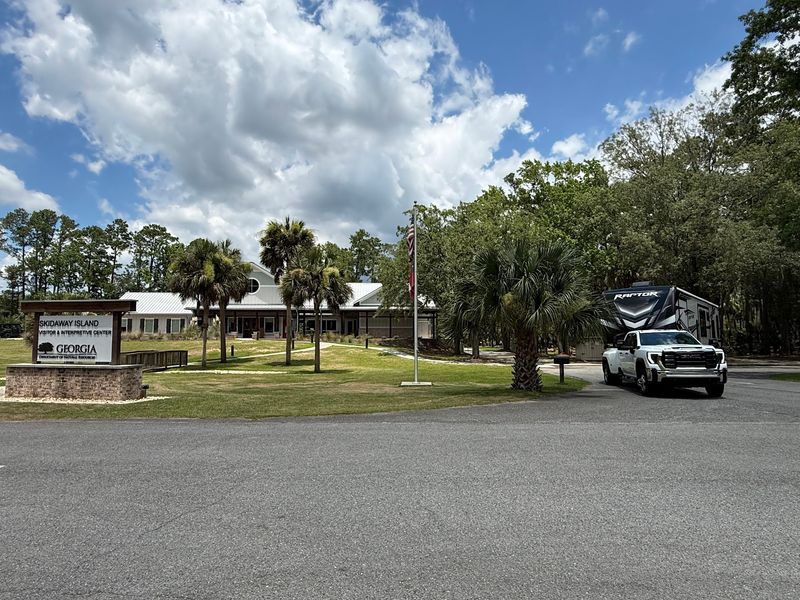
A good first stop can save a lot of wandering, especially when tides, trails, and park updates all matter. The visitor center is often mentioned by guests as attractive, organized, and helpful.
Before starting your search, stop in to ask about current trail conditions, nature programs, campground changes, and any temporary closures.
Staff can point out family-friendly routes, restroom locations, and safer areas to explore without harming marsh plants or wildlife. This is also the right place to confirm rules about collecting natural items.
State parks protect special places, so visitors should never assume every shell, fossil, or object can be taken.
If collecting is limited, photos still make great keepsakes. Use the center to build a simple plan: check the map, choose a trail, note the tide time, then decide where to pause for snacks or a picnic.
Families with younger kids can ask about shorter walks and programs that explain coastal animals in an easy way. Bring questions, not just supplies.
Rangers and park staff know what has changed recently, including construction areas, trail access, and safety concerns.
That local knowledge can turn a random outing into a smoother day with fewer surprises and more time for careful searching.
Bug Spray, Tick Checks, and Smart Shoes Matter
Pretty places can still be prickly, buggy, muddy, and full of tiny problems if you arrive unprepared. Several visitors mention ticks, and coastal woods can also bring mosquitoes, gnats, and biting insects during warm weather.
Pack bug spray and use it before you hit the trail, not after the first bites start.
Long socks, lightweight pants, and closed-toe shoes are smarter than flip-flops for marshy edges and forest paths. After each walk, check ankles, waistbands, hairlines, pets, and children carefully.
A tick remover or fine-tipped tweezers takes little space and can be very useful.
Dogs should be on vet-approved prevention, and a tick mitt can help after grassy stops. Mud is another reason to dress well.
Shark tooth hunting often leads people toward damp shell lines, and those spots can be slippery or soft.
Do not step into deep mud or climb unstable banks just for a possible fossil. Bring water, sunscreen, a hat, and a small first-aid kit.
Tell kids to look with their eyes first and ask before touching sharp shells, mystery bones, or live animals. Comfort keeps the day fun, and safety lets everyone enjoy the hunt without itchy regrets later.
A Savannah Side Trip Without the Beach Traffic Stress
Some trips work best when you can enjoy nature by day and still reach city comforts without a long drive. The park sits close enough to Savannah that many campers use it as a peaceful base for visiting historic streets, restaurants, and museums.
That balance is part of its appeal.
You can spend the morning scanning shell lines, walk a shaded trail after lunch, then head into town for dinner if you want a change of pace. Compared with a crowded beach day, the schedule feels easier to control.
Parking pressure, hot sand, and packed boardwalks are replaced by trees, campsites, and quieter corners. Tybee Island is also in the broader coastal area, but beach traffic can build during popular seasons.
If your main goal is a calmer shark tooth adventure, start with nature time and keep beach visits optional.
Call the park at +1 912-598-2300 or check the official Georgia State Parks website before going for current hours, programs, and campground updates. The listed daily hours run from 7 AM to 10 PM, but conditions can change.
A little planning helps you avoid frustration. Leave room for slow discoveries, because the best coastal memories often appear when the day is not packed too tightly.