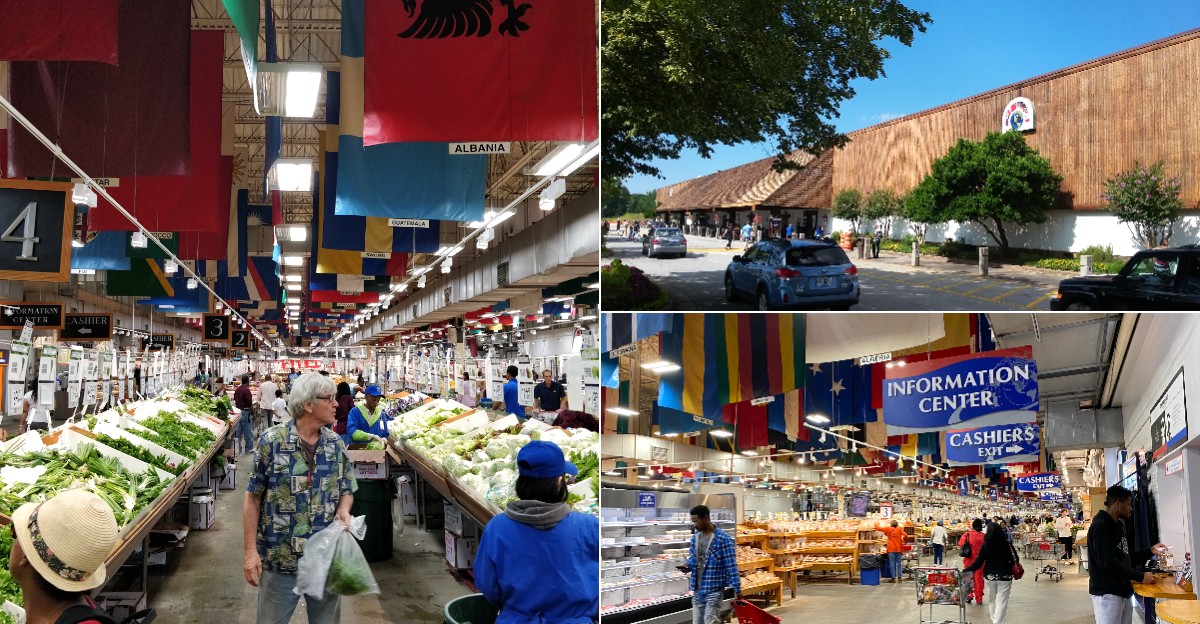
Step through the doors and the sheer scale of this place hits you immediately.
Towering shelves stretch in every direction, packed with ingredients from cuisines around the world.
Exotic fruits, fresh seafood, and imported spices sit alongside everyday grocery staples.
Home cooks and professional chefs alike wander the aisles hunting for something they’ve never tried.
Prepared food counters offer a taste of global flavors without ever leaving the building.
It’s a food lover’s playground that rewards curiosity at every single turn.
A Giant Market Built for Slow Wandering
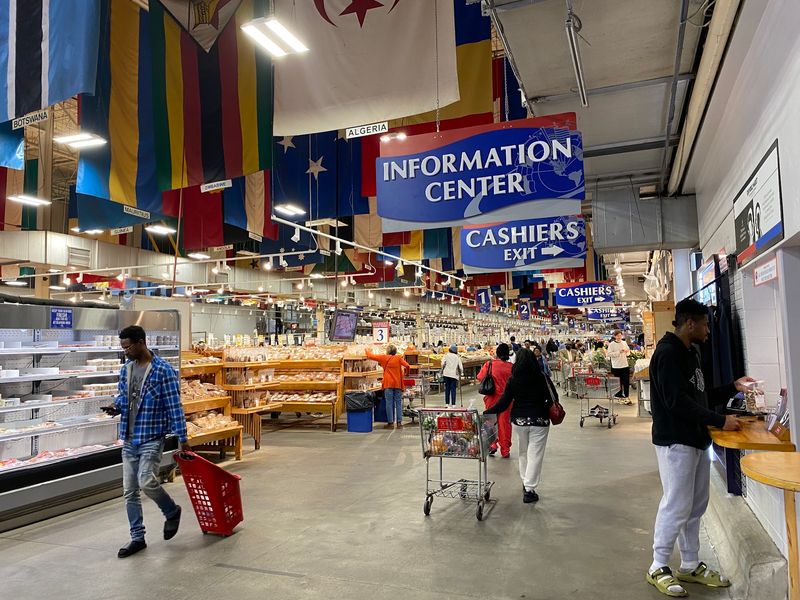
The first surprise is the size, because a quick stop can turn into a long, happy wander. Your DeKalb Farmers Market sits at 3000 E Ponce de Leon Ave, Decatur, GA 30030, and it feels more like a food hall, grocery store, and world market blended together. Cooks who enjoy browsing should plan extra time, especially on weekends.
Start with a small list, then leave room for ideas that appear as you walk. You might arrive for onions and rice, then notice fresh herbs, unusual beans, pretty fruit, or a cheese you have never tried. That kind of discovery is part of the fun.
Many regular shoppers say weekday mornings are easier, with fuller shelves and smaller crowds. Bring a jacket, since several shoppers mention the building can feel chilly, almost like a huge cooler. Also remember that checkout is cash or debit only, not credit.
For serious cooks, the best plan is simple: walk slowly, compare sections, and think in meals. A roast chicken, grain salad, soup pot, or seafood dinner can begin here with one basket.
Produce Aisles That Shape the Menu
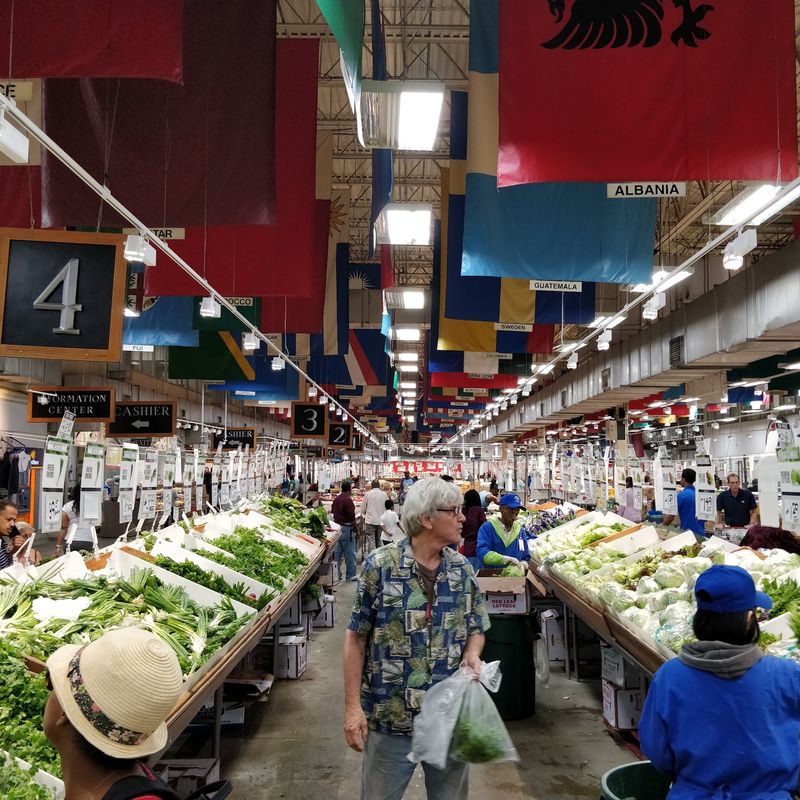
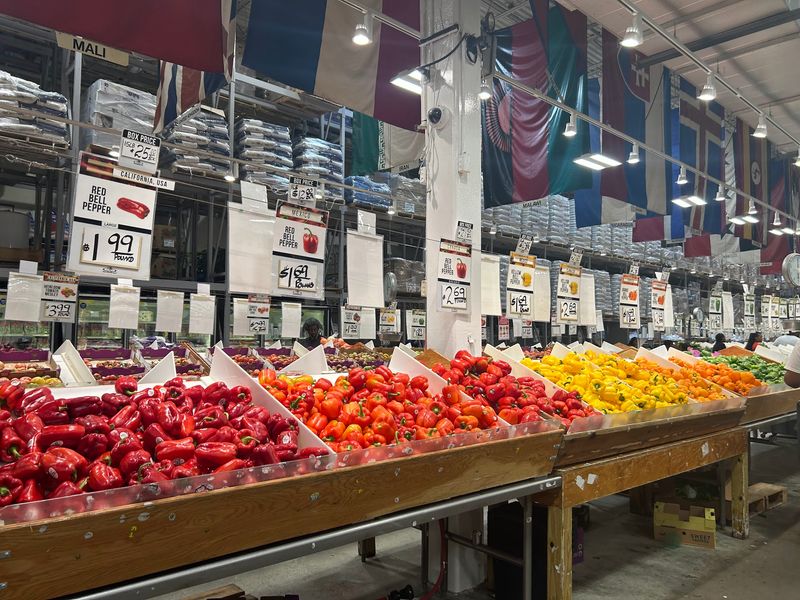
Color hits you first in the produce area, with greens, peppers, roots, herbs, citrus, and fruit stacked in long rows. For home cooks, that kind of variety makes meal planning feel less boring. Instead of buying the same vegetables every week, you can build dinner around what looks freshest.
Several shoppers praise the fruits and vegetables for lasting longer in the fridge. That matters when you cook at home often, because fresh produce saves money and cuts waste. Look for firm textures, bright color, and clean smells before adding anything to your cart.
A smart trip starts with basics like onions, garlic, potatoes, carrots, lemons, and greens. After that, choose one item that feels new, such as an unfamiliar squash, pepper, mushroom, or tropical fruit. Use it in a simple dish so the flavor can stand out.
Weekend crowds can make the section busy, so patience helps. If you are shopping for a dinner party, go early and bring reusable bags for delicate items. Keep herbs on top, heavier produce below, and cold foods separate later.
The Spice Wall That Rewards Curious Cooks
A serious cook can lose all sense of time near the spices. Rows of seasonings, dried herbs, peppers, blends, teas, and fragrant powders make this section feel like a library for flavor. Many longtime shoppers call the spice selection one of the strongest reasons to visit.
Buying spices here can also help you cook more boldly. A small amount of cumin, smoked paprika, turmeric, coriander, cardamom, or chili powder can change plain rice, chicken, beans, or roasted vegetables. If you are unsure, start with one familiar spice and one new one.
Try smelling before you buy when possible, because fresh spices should have a clear aroma. At home, store them away from heat, light, and steam. Label the date if you refill jars, so you know when flavors begin to fade.
This is also a good place to think across cuisines without feeling fancy. Tea for breakfast, curry spices for dinner, cinnamon for baking, and pepper blends for grilling can all land in one cart. That is why cooks often leave with more ideas than planned.
Seafood Counters With Big Dinner Energy
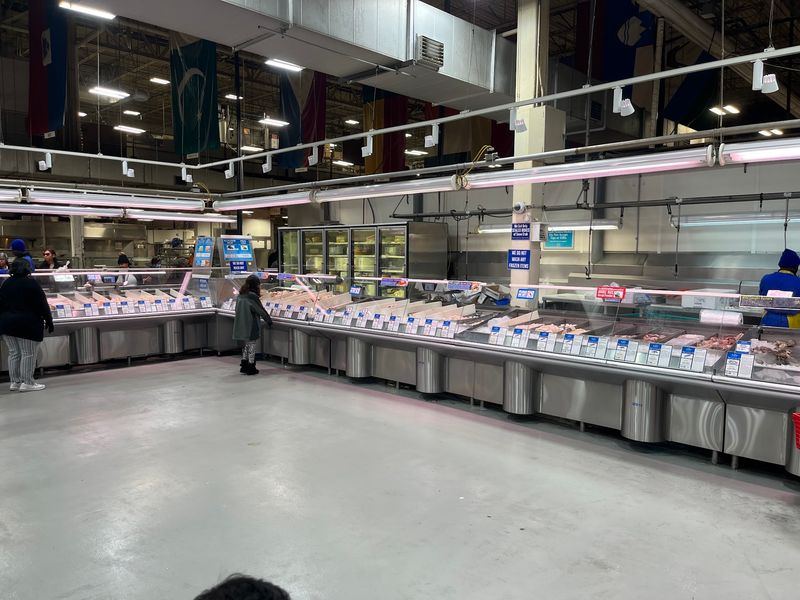
The seafood area has the kind of buzz that makes dinner feel exciting before you even turn on the stove. Shoppers often mention a wide selection, including shrimp, salmon steaks, lobster, black cod, and even unusual choices like shark. For cooks who enjoy experimenting, that range opens many doors.
Fresh seafood rewards planning, so bring a cooler bag if your ride home is long. Look for clear eyes on whole fish, a clean ocean smell, and flesh that looks firm and moist. Ask counter staff simple questions about cooking style, thickness, or best uses.
A beginner-friendly plan is shrimp with garlic and lemon, salmon with herbs, or white fish baked with tomatoes. More confident cooks might try a fish stew, grilled steaks, or a seafood pasta. Keep seasonings balanced, because good seafood does not need much help.
Prices can vary, so compare options before choosing. If one item feels costly, ask about another cut or smaller amount. Buying just enough for tonight is often better than guessing, since seafood tastes best when cooked soon after shopping.
Meat Cases for Everyday Meals and Bold Experiments
Some cooks want chicken for Tuesday, while others are hunting for goat, rabbit, oxtail, sausage, or something harder to find. The meat section can serve both kinds of shoppers. Reviews mention poultry, meats, Italian chicken sausage, and unusual proteins that make the market stand apart from ordinary grocery runs.
Before buying, think about cooking time. Quick cuts work well for weeknight skillets, stir-fries, and sheet pan meals. Tougher cuts often need slow cooking, but they can become rich stews, braises, soups, and Sunday dinners.
Ask for help if you are unsure how much to buy. A pound can feed different numbers of people depending on bones, fat, and the recipe. For soups and stews, a smaller amount of flavorful meat can stretch farther with beans, grains, or vegetables.
Food safety matters, especially when shopping many sections. Pick meat near the end of your trip, keep it away from produce, and head home soon after checkout. If you are trying an unfamiliar protein, choose a trusted recipe first, then adjust the seasoning next time.
Bakery Sweets, Breads, and Little Treats
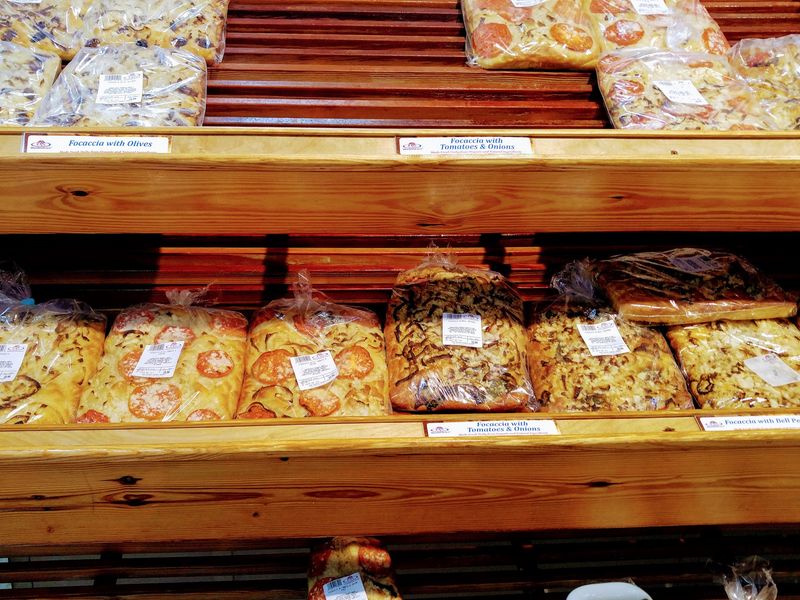
The bakery area feels like a reward after pushing a cart through busy aisles. Fresh breads, pastries, cakes, fig treats, granola, and chilled sweets give shoppers something ready-made to enjoy later. Several reviewers praise the pastries, honey, desserts, and helpful staff in this section.
Bread is useful for serious cooks because it can finish a meal without extra work. Pair a crusty loaf with soup, serve soft bread with roast chicken, or turn leftovers into croutons and bread pudding. If the loaf is large, slice and freeze part of it right away.
Sweet items are best chosen with a plan, because it is easy to buy more than expected. Pick one dessert for tonight and one small treat for breakfast or coffee. That keeps the cart fun without filling the kitchen with too many extras.
Some shoppers feel bakery prices can be high, so compare size, freshness, and use before choosing. A simple rule helps: buy what you will truly enjoy within a day or two. That way, each pastry or loaf feels special, not wasted.
Cheese, Dairy, Coffee, and Pantry Finds
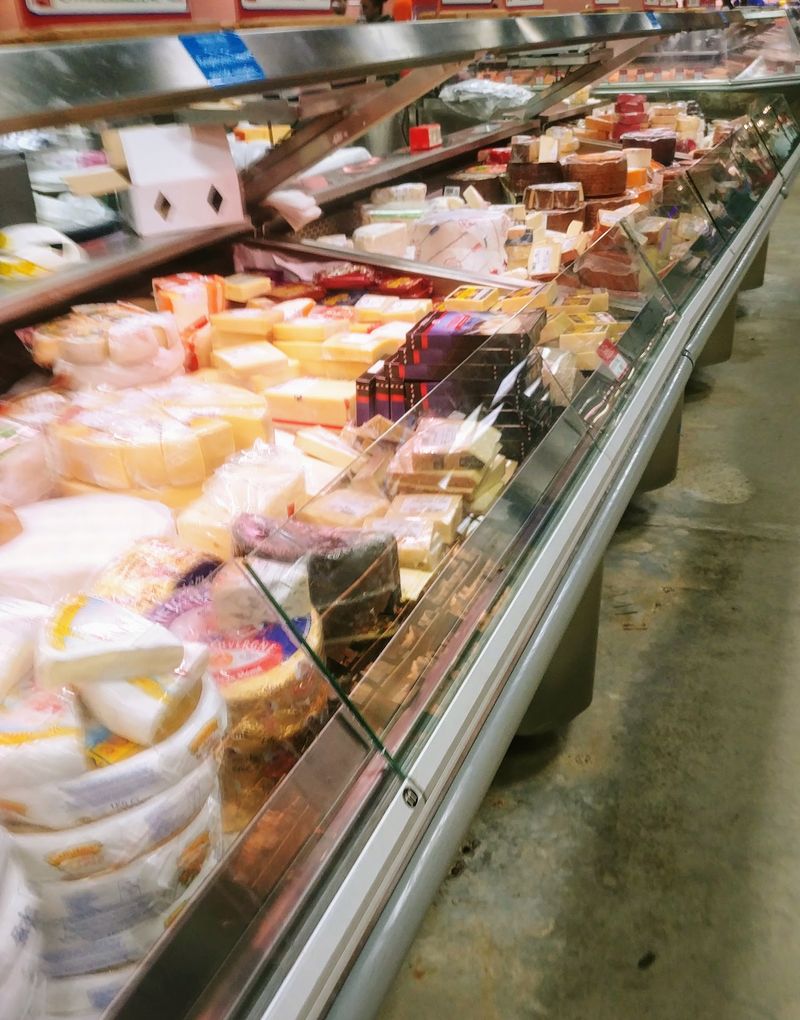
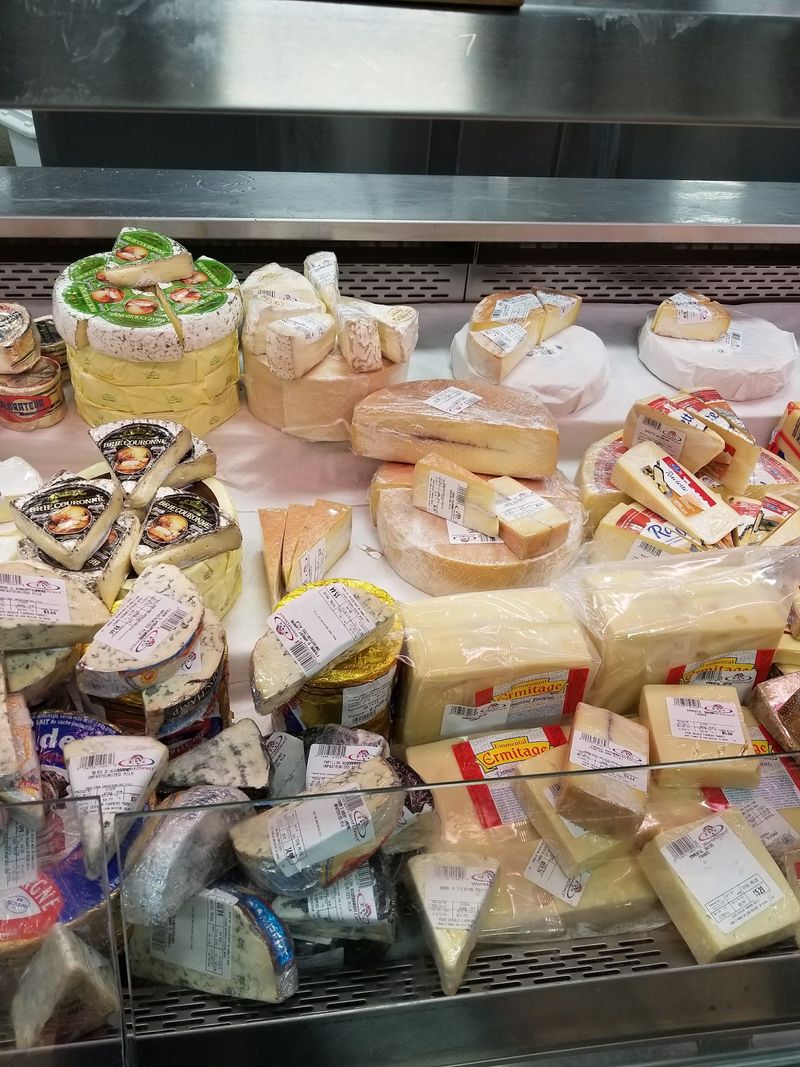
Beyond the fresh counters, the shelves and coolers hold quiet treasures for people who cook often. Cheeses, dairy, whole bean coffee, honey, chocolates, grains, lentils, pasta, flours, and condiments can turn a simple pantry into a useful toolbox. This is where slow browsing really pays off.
Cheese lovers may find everyday choices plus more interesting varieties for boards, sandwiches, gratins, and sauces. A small wedge can make eggs, soup, pasta, or roasted vegetables taste richer. Check labels, compare prices, and buy only what you can use while it is fresh.
The coffee section also gets attention from shoppers who like whole beans. If you are curious, choose one bag that fits your brewing style instead of grabbing several at once. Coffee stays better when sealed tightly and kept away from heat.
Pantry shopping works best with a checklist. Stock rice, beans, lentils, flour, pasta, tea, honey, and a few favorite condiments, then add one new item for fun. Over time, those small choices help you cook faster, waste less, and build meals without another store run.
Smart Shopping Tips Before You Go

A great visit starts before you park, because this market can overwhelm first-timers in the best and busiest ways. The hours are steady, usually 9 AM to 9 PM daily, which makes planning easier. Still, crowds can build fast, especially on weekends and near popular departments.
Bring cash or a debit card, since credit cards are not accepted. That detail surprises many new shoppers, and forgetting it can slow down the trip. Reusable bags, a cooler tote, and a light jacket are also smart, because shoppers often mention cold indoor temperatures.
Write your list by section: produce, spices, meat, seafood, bakery, dairy, and pantry. This keeps your cart organized and helps you avoid walking in circles. Leave a small budget for surprise finds, but decide a limit before entering.
If you are cooking for the week, think in building blocks. Choose vegetables for roasting, protein for two meals, grains for bowls, spices for flavor, and one treat for joy. With that simple plan, the giant market feels less confusing and much more useful.