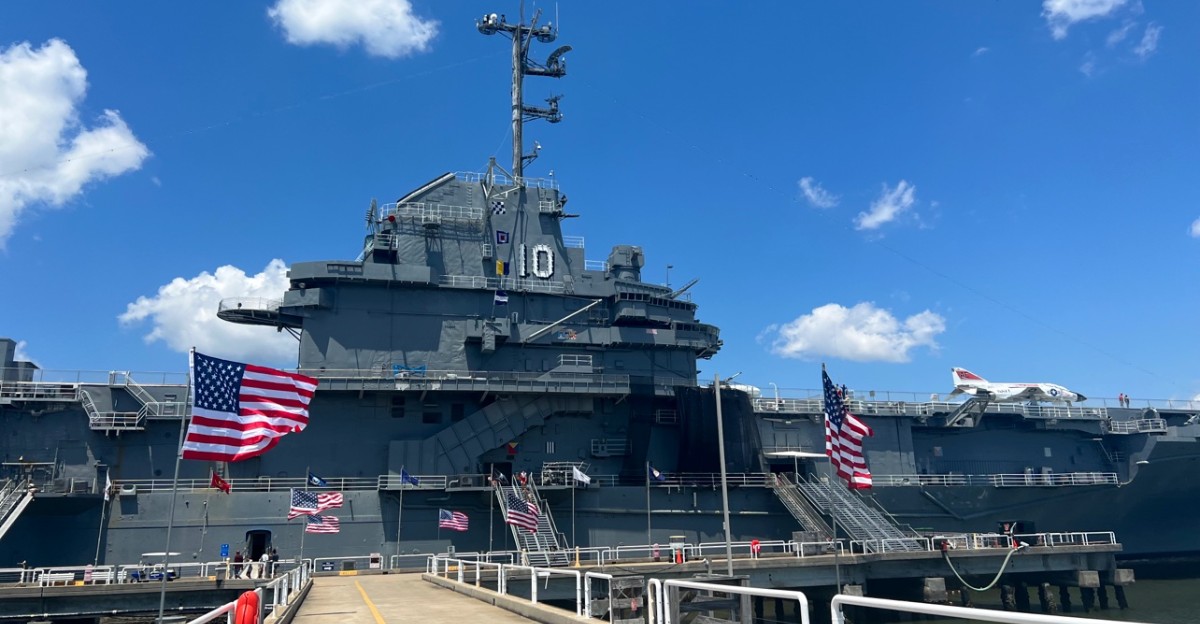
A giant aircraft carrier waits beside Charleston Harbor, and you can step aboard instead of just staring from a distance.
Patriots Point Naval & Maritime Museum brings World War II history to life through real ships, aircraft, exhibits, and stories from the people who served at sea.
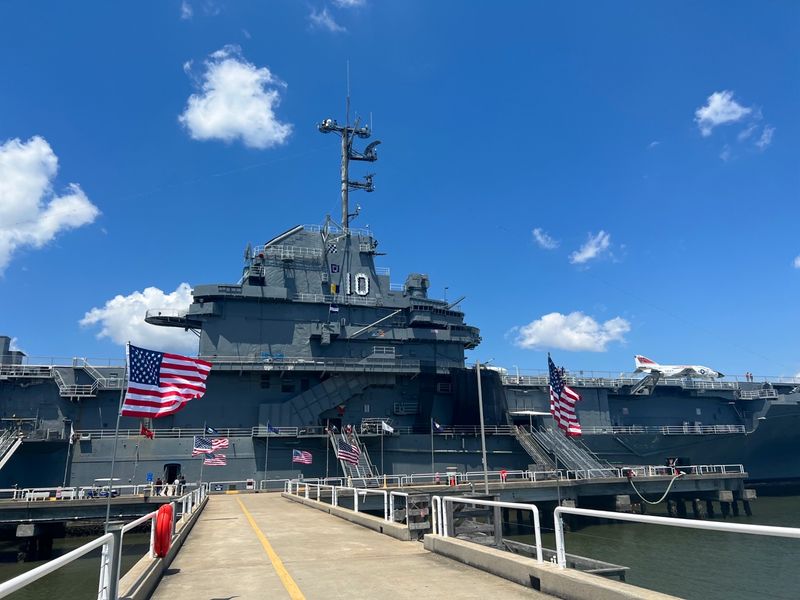
The star is the USS Yorktown, a massive carrier where visitors can walk through narrow halls, climb steep ladders, and see how sailors worked, ate, slept, and faced danger.
If you enjoy history, family trips, military stories, or places that feel bigger than a normal museum, keep reading and start planning a visit that feels like walking straight into the past.
Step Aboard the USS Yorktown
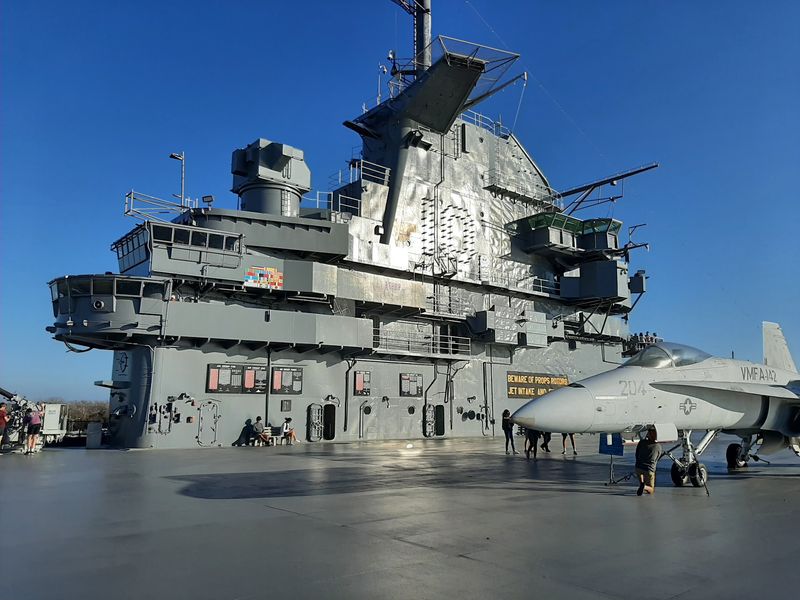
Steel walls, long passageways, and the smell of old machinery make the USS Yorktown feel alive the moment you step aboard.
This World War II era aircraft carrier is the main reason many people visit Patriots Point Naval & Maritime Museum.
Nicknamed The Fighting Lady, the ship served in major Pacific battles and later became a floating museum.
Walking through it helps visitors picture how thousands of sailors lived and worked far from home.
You are not just reading signs behind glass.
You are moving through the same kind of spaces where crews slept, cooked, planned missions, and repaired equipment.
Give yourself plenty of time because the carrier is huge and easy to underestimate.
Many guests spend three to four hours here, especially if they stop to read the displays.
Comfortable shoes matter because stairs and ladders are steep.
Tall visitors may need to duck in tight areas.
Bring water, eat before boarding, and avoid rushing.
The best moments often happen when you slow down and notice small details.
Follow the Marked Self-Guided Routes
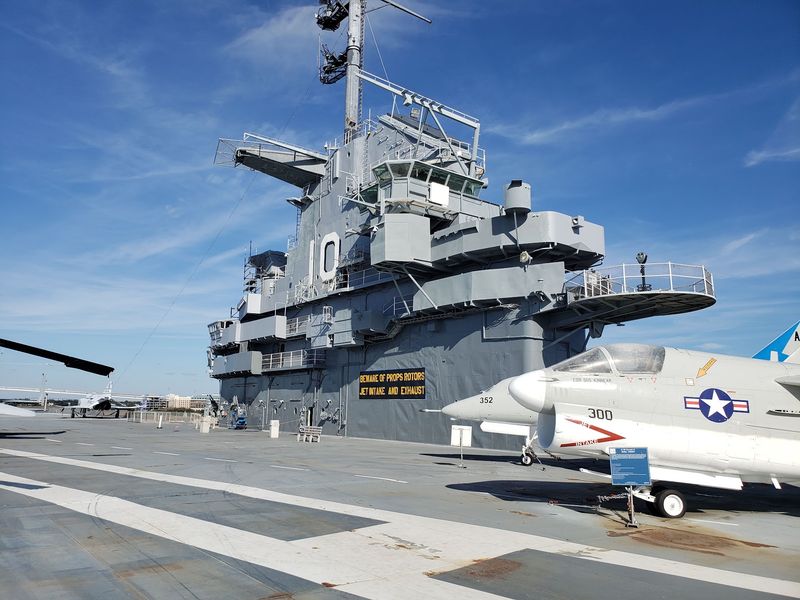
Colored route signs become your best friends on a ship that feels like a floating maze.
The USS Yorktown has several self-guided paths that lead visitors through different parts of the carrier.
One route may take you toward the bridge and flight operations areas.
Another may guide you into crew spaces, medical rooms, or engineering sections.
The system helps you explore without feeling totally lost, which can happen quickly on a vessel built for function, not easy sightseeing.
Signs, arrows, and display panels explain what happened in each space.
Move at a pace that fits your group.
Families with older kids may enjoy turning the tour into a quiet treasure hunt for bunks, radios, aircraft tools, and mess areas.
History fans should pause often because small labels share details that are easy to miss.
If mobility is a concern, check route difficulty before heading down ladders.
Some sections involve tight turns and narrow hatches.
A phone photo of the route map can help you stay oriented and choose what to see next.
Stand on the Flight Deck
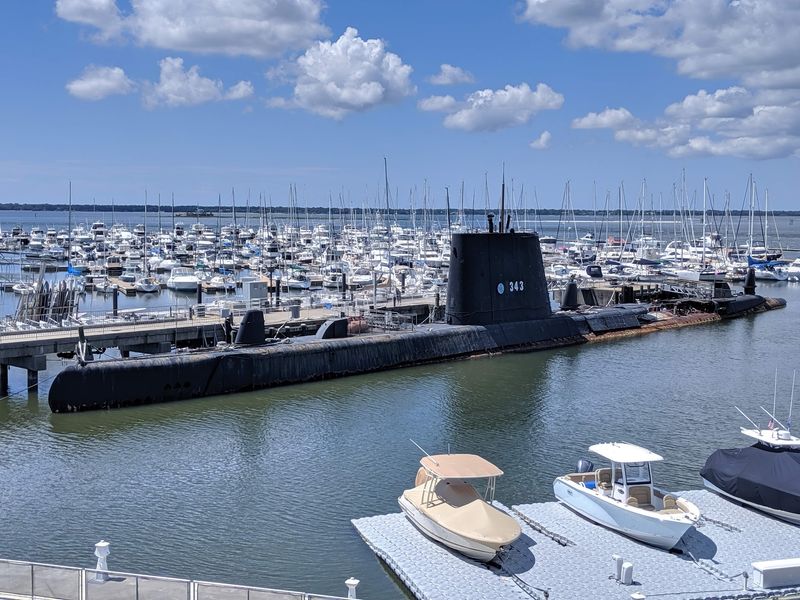
Wind hits differently when you are standing on a runway floating above Charleston Harbor.
The flight deck of the USS Yorktown is one of the museum’s most memorable spots.
Vintage aircraft sit across the wide surface, giving visitors a close look at the machines that once launched from carriers like this.
From up there, the ship’s size finally makes sense.
The deck stretches out like a small airport, yet it rests on top of layers of rooms, equipment, and history.
The harbor views add another reason to linger.
Weather can affect access, especially during thunderstorms or strong winds, so check conditions before making the flight deck your only must-see stop.
Bring sunscreen on bright days because there is little shade.
Photos look great from many angles, but be aware of signs and barriers.
Kids often love the planes, while adults tend to pause at the view and scale.
This is a good place to imagine the noise, speed, and focus required when aircraft took off at sea.
Explore the Hangar Bay Aircraft Displays
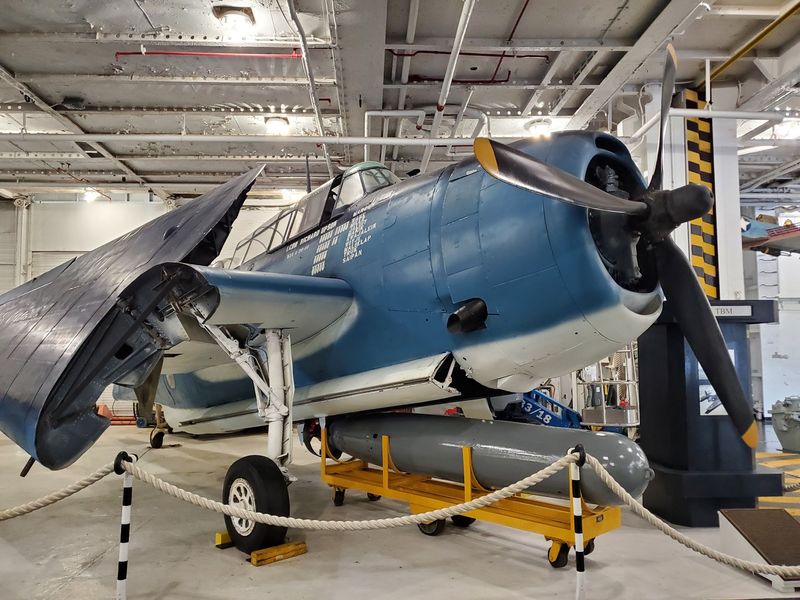
Rows of aircraft inside the hangar bay can make even casual visitors stop and stare.
The hangar bay shows how much of an aircraft carrier’s work happened below the open deck.
Planes were stored, checked, repaired, and prepared in this large interior space.
At Patriots Point, restored aircraft help connect the ship to the pilots, mechanics, and deck crews who kept missions moving.
Display signs explain the planes in simple ways, so you do not need to be an aviation expert to enjoy them.
This area is also a helpful break from tighter ship sections.
It feels more open, and visitors can take photos, regroup, and decide which route to follow next.
Some exhibits are especially good for younger visitors because the shapes, colors, and size of the aircraft grab attention quickly.
Look closely at folded wings, landing gear, and cockpit areas.
Those details show how designers solved the challenge of fitting powerful machines onto a crowded ship.
The hangar bay reminds you that teamwork mattered as much as flying skill.
See How Sailors Lived at Sea
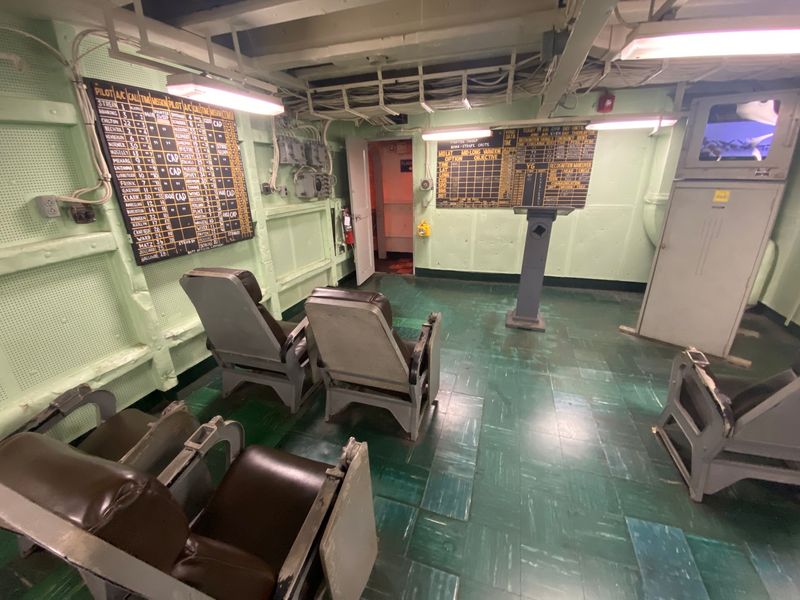
A row of stacked bunks says more about Navy life than a textbook ever could.
Life aboard the USS Yorktown was crowded, busy, and carefully organized.
The museum lets visitors peek into sleeping areas, dining spaces, workrooms, medical areas, and other places sailors used every day.
These rooms help you imagine the challenge of sharing a ship with thousands of people.
Privacy was rare.
Noise was constant.
Every space had a purpose, and every sailor had a job that helped the carrier run.
Pay attention to the small things, like lockers, narrow beds, kitchen equipment, and posted instructions.
They show how people managed normal needs in a very unusual home.
Visitors often leave with more respect for service members after seeing the tight conditions.
If you travel with kids, ask them to compare their bedroom to a sailor’s bunk.
That simple question can start a great conversation.
The exhibit works because it makes history personal.
You see courage, but you also see laundry, meals, sleep, and daily routine.
Visit the Medal of Honor Museum Onboard
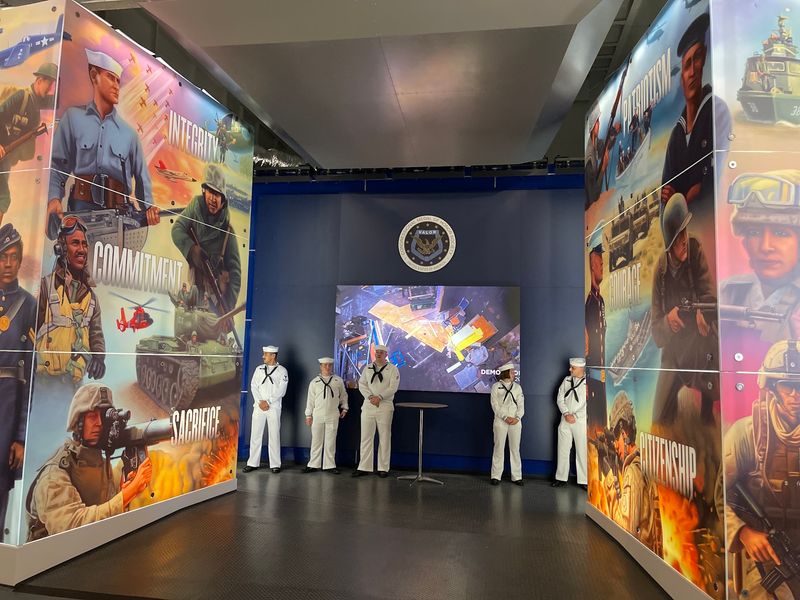
Quiet rooms can sometimes leave the strongest impression.
The Medal of Honor Museum aboard the USS Yorktown honors Americans who received the nation’s highest military award for valor.
Exhibits share stories of people who acted with extreme courage, often while facing terrible danger.
The displays help visitors understand that history is not only about ships, battles, and machines.
It is also about choices made by real people in frightening moments.
Plan to slow your pace here.
Reading the stories takes time, and the tone feels more serious than other parts of the ship.
Older children and teens may connect with the personal accounts, especially when adults help explain the meaning behind the award.
Keep voices low and treat the space with respect.
The museum adds emotional depth to a visit because it links the carrier experience to sacrifice and service across many conflicts.
After climbing ladders and seeing aircraft, this section gives the day a human center.
It is a strong reminder that bravery often came from ordinary people placed in extraordinary situations.
Experience the Vietnam Exhibit on Land
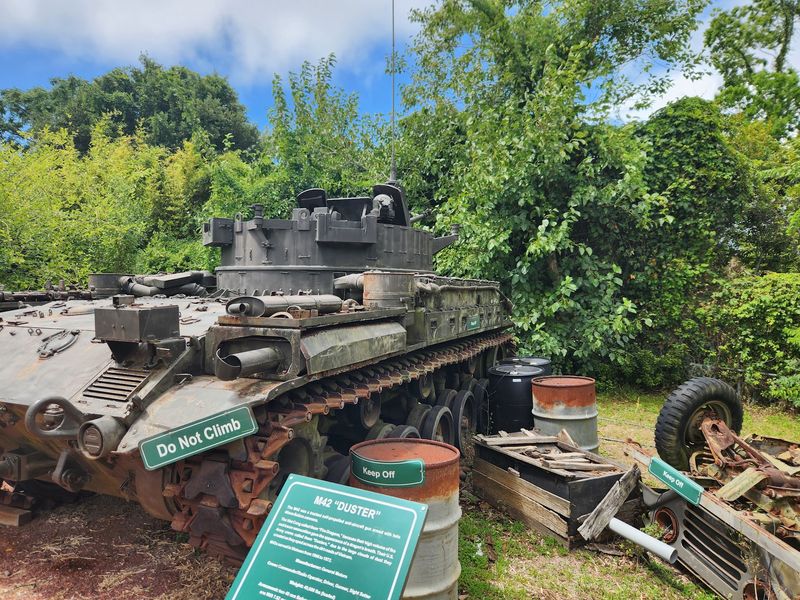
Helicopters, sounds, and recreated field scenes shift the visit from shipboard life to a different kind of battlefield.
The Vietnam Experience exhibit at Patriots Point is located on land and often surprises visitors who focus only on the aircraft carrier.
It uses outdoor settings, military equipment, and immersive details to show parts of the Vietnam War experience.
The exhibit helps explain how service looked very different in jungles, bases, and river areas compared with life on a carrier.
Sounds and staged scenes make the area feel more active than a normal display.
Do not skip it if you have enough time.
Many reviewers mention that people miss this section, yet it adds important context to the museum’s broader military story.
The exhibit can feel intense for sensitive visitors, so parents should guide younger children thoughtfully.
Wear comfortable shoes because it adds more walking to an already active day.
Visiting this area before or after the Yorktown also gives your group a break from ladders and enclosed ship spaces while still staying connected to history.
Plan Your Visit Like a Pro
A little planning can turn a good museum day into a smooth one.
Patriots Point Naval & Maritime Museum is at 40 Patriots Point Road in Mount Pleasant, South Carolina, just across the harbor from Charleston.
The museum is highly rated by visitors and is usually open from 10 AM to 5 PM, but always check the official website before you go.
The phone number is +1 843-884-2727, and the website is patriotspoint.org.
Buying tickets in advance may save time, and some visitors report small online savings.
Arrive early if you want to see the carrier, aircraft, Medal of Honor Museum, and Vietnam exhibit without rushing.
Parking may cost extra, so read the posted rules and choose enough time.
Many guests suggest planning at least three hours, while history lovers may want most of the day.
Wear sturdy shoes for ladders and uneven surfaces.
People with allergies may want medicine because old ship spaces can be dusty.
Bring patience, curiosity, and a charged phone for photos.