In 1748, a small group of young men in Charleston decided their town needed something it did not have.
They wanted books, fresh ideas, and news from across the ocean, and waiting for ships to bring them one at a time was too slow.
So they pooled their money and built a library together. That bold move shaped the city for more than 275 years.
The story includes a royal charter, a destructive fire, a museum that still exists, and a building on one of the busiest streets in South Carolina.
It also comes with a twist, since this historic library still runs on memberships today.
More than 275 years later, the Charleston Library Society remains a remarkable part of the city’s cultural life, preserving rare collections, hosting literary events, and connecting modern readers with its colonial past.
A Famous Address on King Street
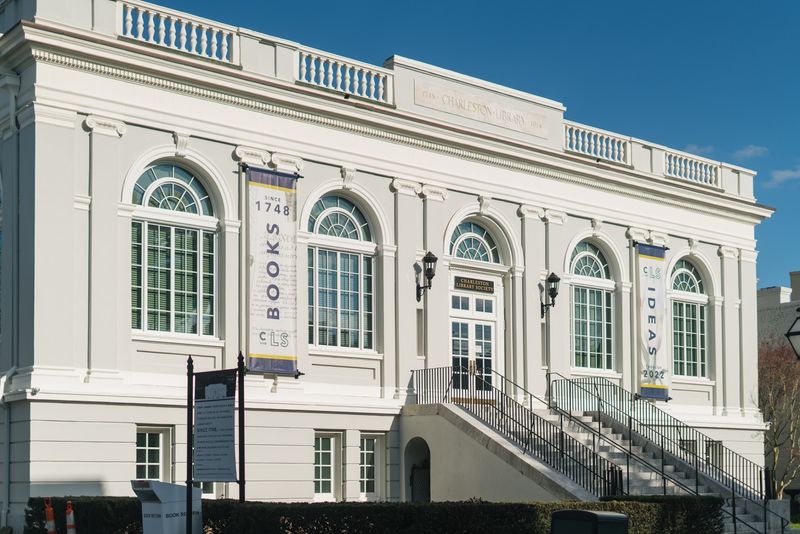
Some places hide on quiet side streets, but this one sits right in the middle of the action. The Charleston Library Society stands at 164 King St, Charleston, SC 29401, in the heart of the historic downtown area of South Carolina.
King Street is known as the main shopping corridor of the city. That makes the library easy to find on a walking tour of the peninsula.
Hours are simple to remember. Doors open at 9:30 am Monday through Friday and close at 5 pm, while Saturday hours run from 9:30 am to noon.
Sunday is a day off for the building. Holidays can also change the schedule, so checking the official website before heading over is a smart move.
Parking downtown can be tricky on busy days. A public garage sits close by, which helps a lot when the street spots are full.
Plan your stop for a weekday morning, and you will have the best chance to fit it into a full day of exploring the city.
Seventeen Friends and a Big Idea
Back in 1748, a group of young Charleston men came together to share the cost of books, pamphlets, and periodicals from Great Britain, laying the foundation for what became the Charleston Library Society.
Their solution was clever. Each member paid into a shared fund, and the group used that money to order books and pamphlets from London.
Sharing the cost meant everyone got to read far more than they could afford alone. It was a practical plan built on teamwork.
The idea worked so well that the Society grew quickly. Within a few years, it became one of the leading cultural groups in the city.
It also ranks among the oldest libraries of its kind in the country. That is a long time to keep a good idea going.
The lesson still holds up today. Sometimes the best way to get something your community lacks is to gather a few friends and build it yourselves.
A Royal Stamp of Approval
Getting official status in colonial times was a big deal. The Charleston Library Society received official recognition when its charter was confirmed by the British Crown on June 24, 1755, giving the growing institution a stronger legal foundation.
A charter worked a bit like a permission slip from the government. It allowed the Society to own property, manage money, and operate as a lasting organization.
That step showed how serious the founders were. They were not running a casual book club anymore.
Members kept ordering newspapers, scientific works, and books on farming and trade. Much of that reading helped people in Charleston make decisions about business and daily life.
The library became a place where educated residents traded ideas. Conversations that began over its books often spread across the town.
For history fans, this chapter is a reminder that the Society was tied closely to the growth of colonial Charleston itself. Its paperwork may be old, but its purpose has stayed surprisingly steady across the centuries.
The Fire That Changed Everything
On January 15, 1778, a devastating fire swept through Charleston, destroying nearly the entire collection of the Charleston Library Society. Of the more than 5,000 volumes held by the library, only 185 survived.
Only a small number of books survived, often reported as around 185 volumes. Those books are some of the most treasured items connected to the Society.
Losing almost everything could have ended the story right there. Instead, members chose to rebuild.
They started ordering books again and slowly brought the collection back to life. The recovery took years, but the library kept going.
Here is a fun fact worth sharing with friends. The surviving volumes carry a history that reaches back before the United States was even officially a country.
This chapter shows something every reader can relate to. Setbacks happen, but starting over is often better than giving up.
The comeback of this library is proof that a community can protect what it values, even after a very rough year.
The Museum It Helped Launch
Here is a twist many people miss. In 1773, members of the Charleston Library Society started collecting natural history items, and that effort became the Charleston Museum.
The Charleston Museum is often called the first museum in America. So a library helped give the country its first museum, which is a pretty impressive side project.
Members gathered specimens of plants, animals, and minerals from the region. They wanted to study the natural world around them, not just read about it.
That curiosity fits the spirit of the whole Society. Learning was meant to be active and shared.
Today the museum operates as its own separate institution. Still, its roots trace straight back to these early library members.
For anyone mapping out a history-packed trip, visiting both places makes a fun pairing. One explains the other, and together they tell a bigger story about how Charleston valued knowledge early on.
A Building Worth the Walk
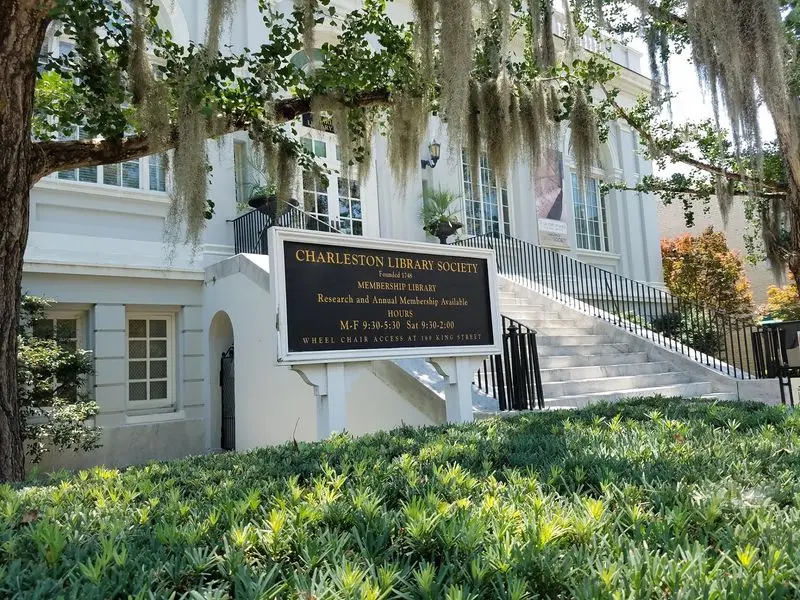
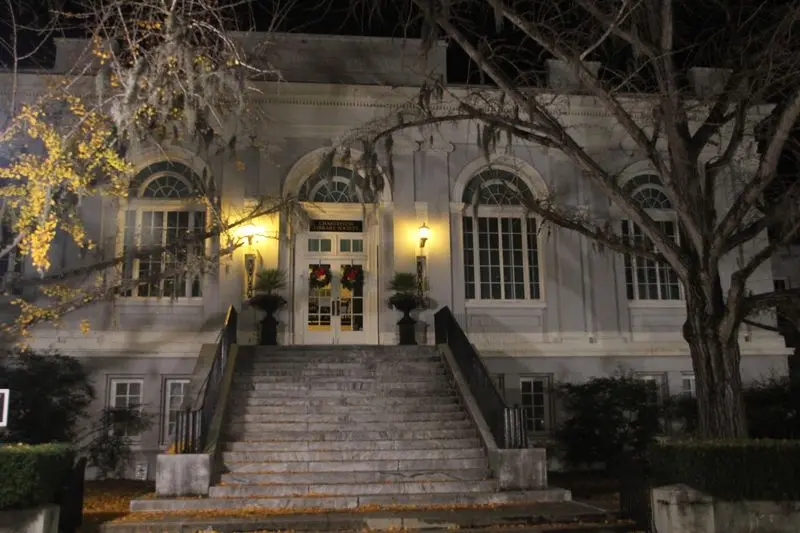
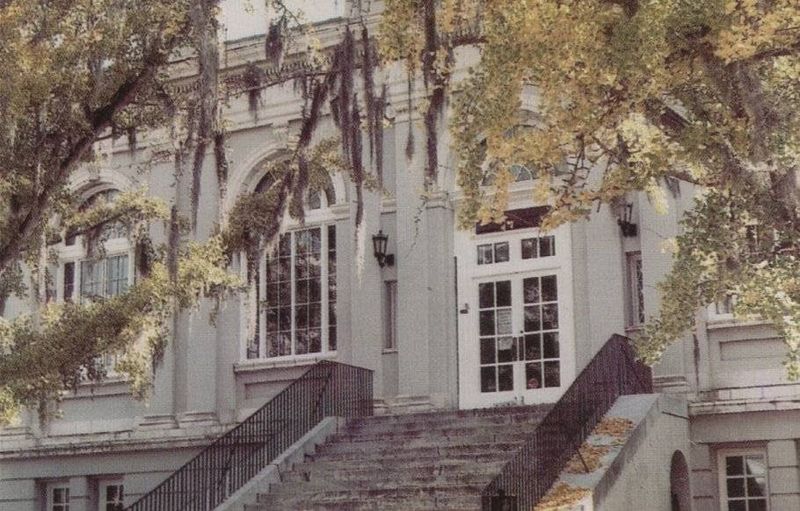
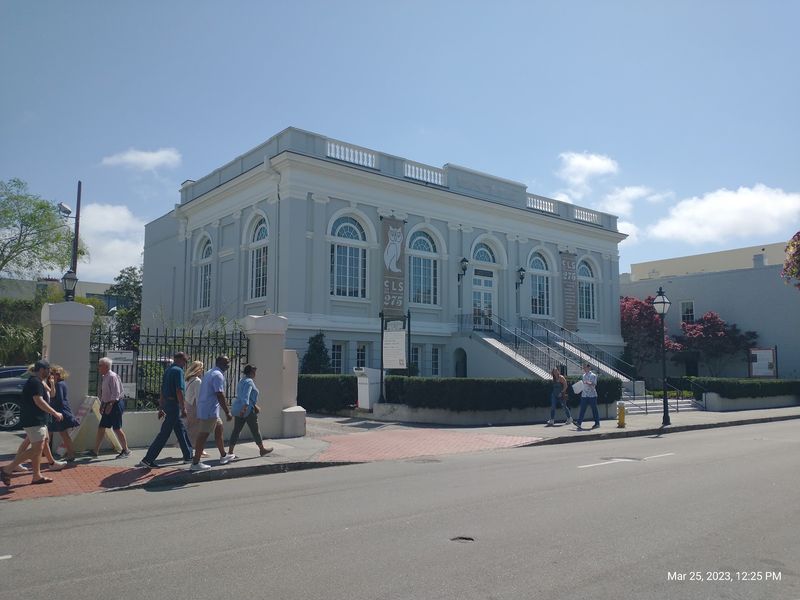
The Society moved around Charleston several times over the years. Its current home on King Street opened in 1914, and it has become one of the most admired buildings downtown.
The design follows the Beaux-Arts style, which was popular for public buildings in that era. Expect columns, tall windows, and a grand but welcoming look.
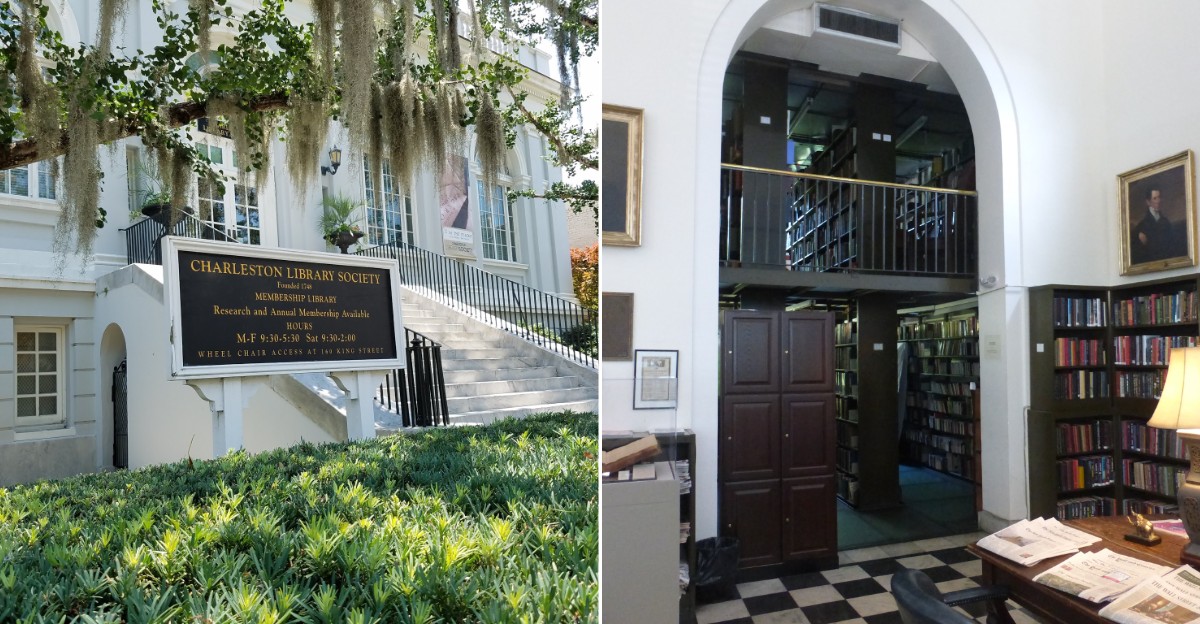
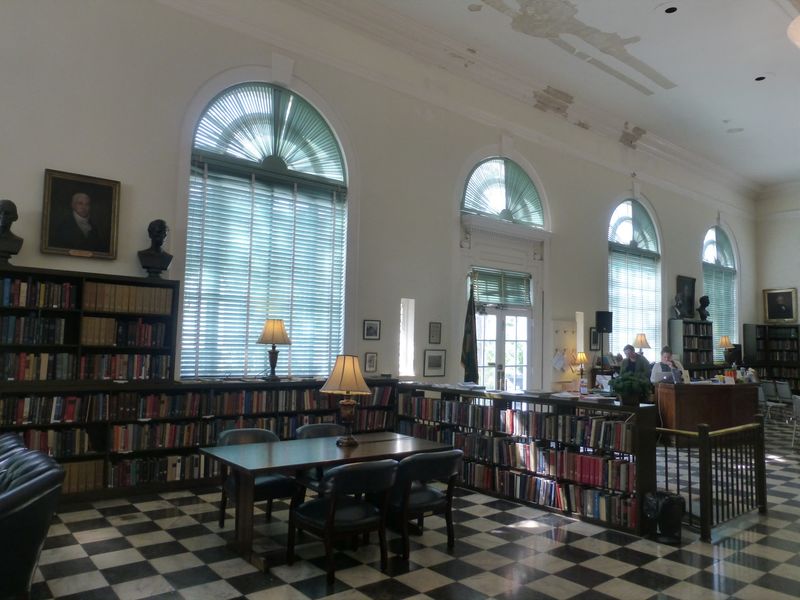
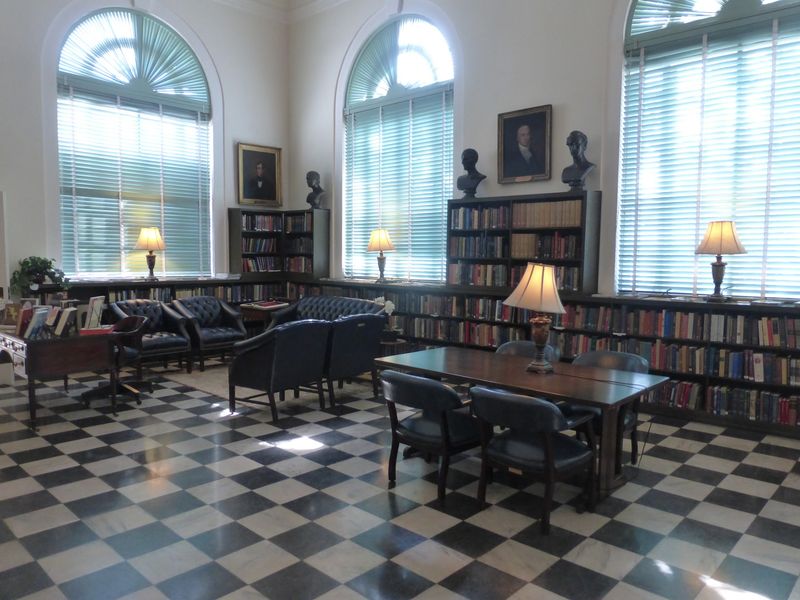
Inside, the black and white checkerboard floor gets plenty of attention. It is one of those details people remember long after their trip ends.
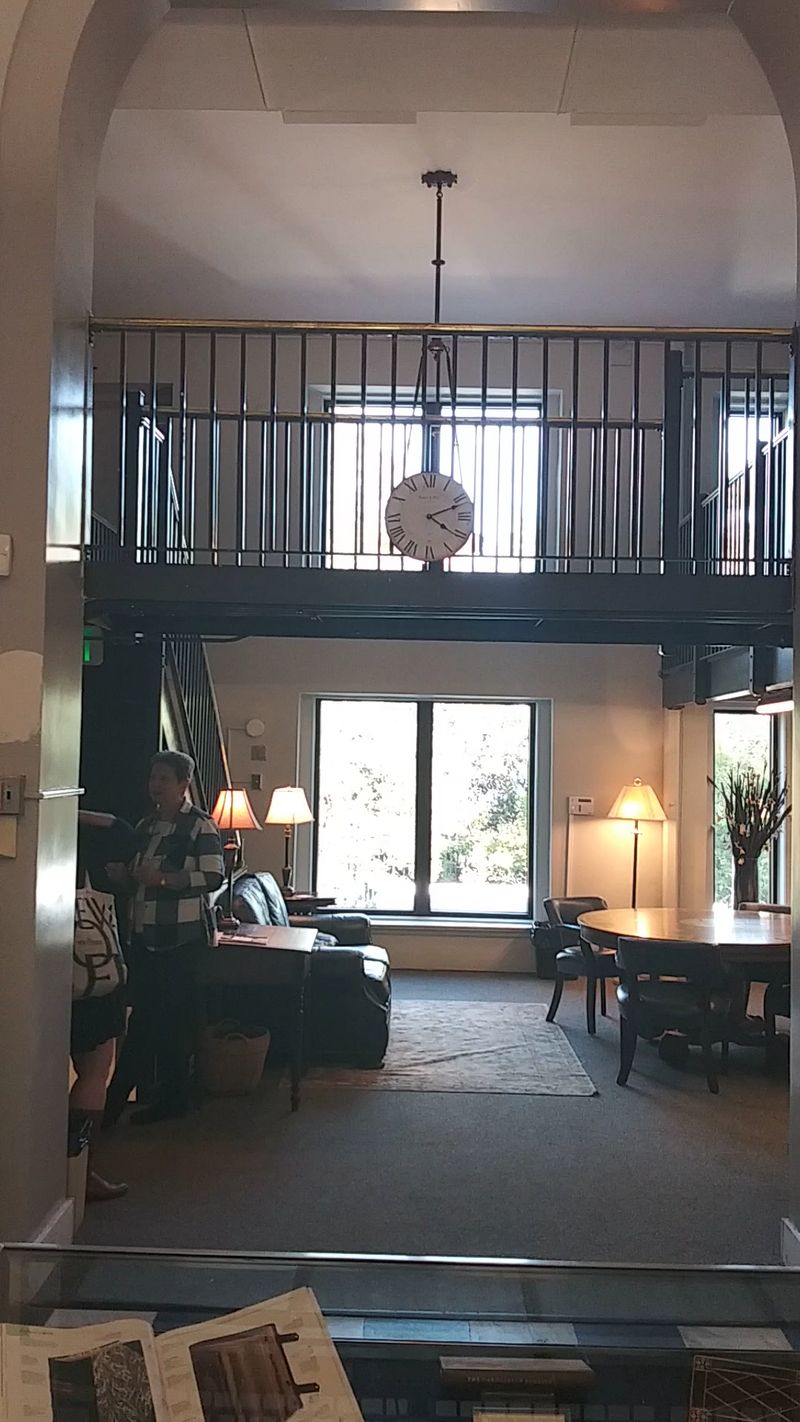
Tall shelves and open reading spaces give the main room a classic library feel. Researchers still work here, so the space has a calm, studious mood.
Architecture lovers often stop just to admire the exterior. Even a quick look from the sidewalk is worth a few minutes.
Bring your camera for the outside view. Photos inside usually require permission, so ask the front desk first and avoid any awkward moments.
Members Only, With a Side Door for Guests
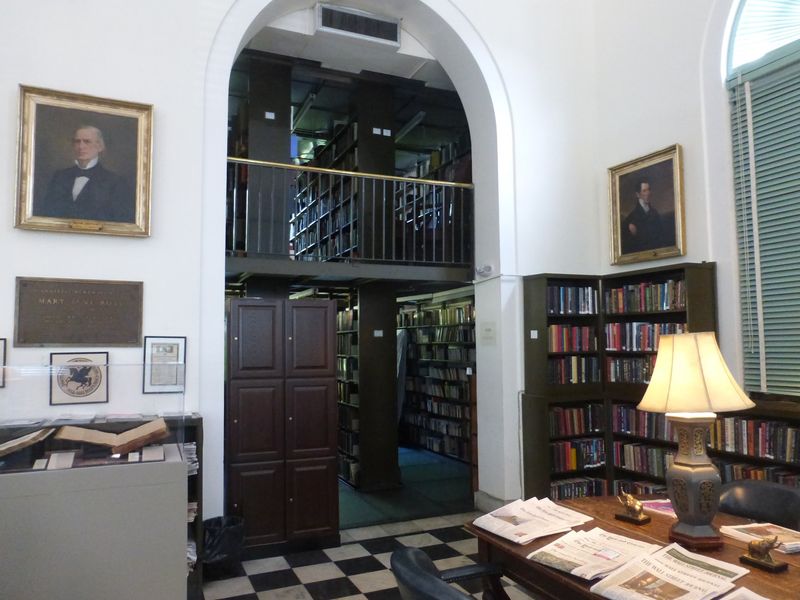
Plenty of travelers expect a free public library and get surprised at the door. The Charleston Library Society is a private, membership-based library, and that rule still applies today.
Members can use the collections and reading spaces. Guests without a membership generally cannot browse around freely.
Good news, though. Guided tours can be booked with tickets, which opens the doors for curious travelers.
Buy tour tickets in advance through the official website. Spots and dates vary, so last-minute plans may not work out.
Double-check the schedule if your visit lands on a holiday. Closures can happen, and it is better to know before you show up.
Staff at the front desk are helpful with questions about tours and events. A quick conversation can save a lot of confusion.
Treat it like a club with a guest pass. A little planning turns a closed door into a memorable visit.
Shakespeare Gets His Own Room
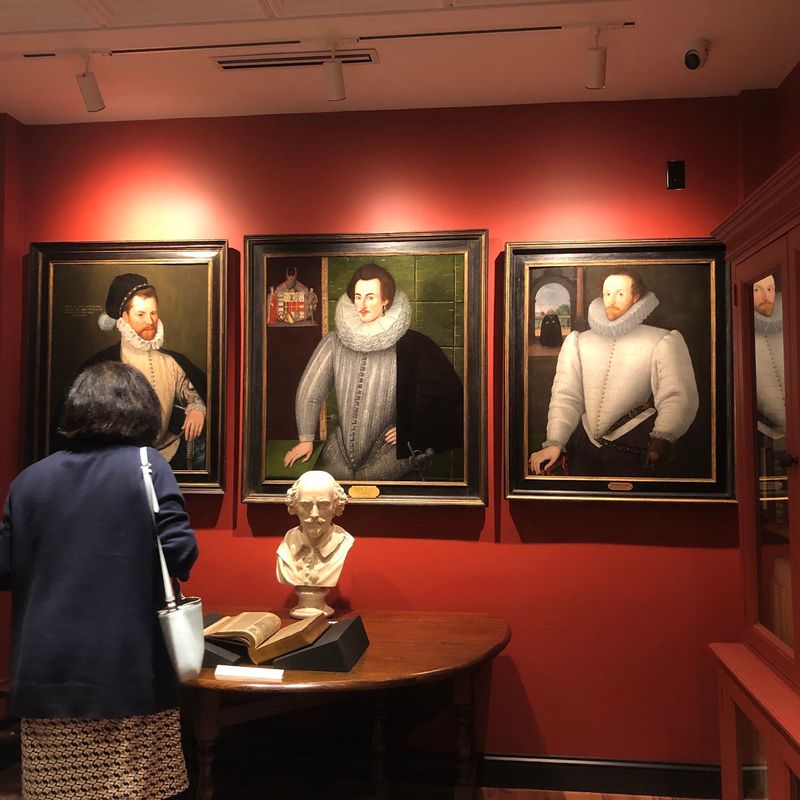
Book lovers, this one is for you. The library features the Igoe Shakespeare room, a space devoted to the most famous playwright in the English language.
It is a fun surprise to find a Shakespeare-focused spot inside a colonial-era institution in South Carolina. It shows how wide the interests of the Society have always been.
The archival collection goes well beyond plays, too. Historic documents, rare books, and old newspapers are part of what makes this library special.
Charleston newspapers form an important piece of the holdings. They give researchers a window into daily life across many generations.
Some guests get to view archival items during tours or special programs. Ask about what is on display before you go.
Displays of historical artifacts in the lobby add another layer of interest. Even a short stop can teach you something new.
To be or not to be a member is a real question here, but tours make the treasures easier to reach.
Lectures That Pack the House
Evenings at the library often feature talks from authors, historians, and experts. Many lectures start around 6 pm and last about an hour.
Topics change often, which keeps people coming back. One week might cover local history, while another might focus on a brand new book.
Costs are friendly. Some lectures are free for members, others cost around $10, and non-members usually pay a little more.
Tickets can sell out, so buying ahead is the safest plan. Check the online calendar a few weeks before your trip.
These events are one of the best ways for non-members to see the building. You get a great program and a look inside at the same time.
Locals treat the library as a regular gathering place. Sitting in on a talk gives travelers a real slice of community life.
An hour of learning in a 1914 building is a pretty great way to end a day downtown.
Home of a Big Literary Party
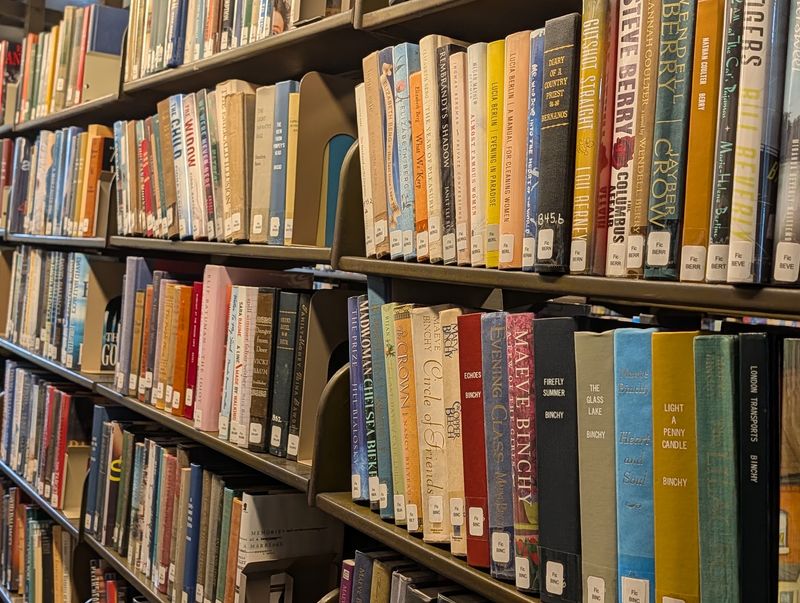
The Charleston Library Society helped establish the Charleston Literary Festival in 2017 through a collaboration with the Charleston Trust in England. Today, the festival operates independently, bringing celebrated authors and readers together in Charleston each November.
The festival includes author conversations, panels, and special programs held around the city. Big names and rising writers both show up.
It has quickly become one of the most anticipated cultural events in town. That makes sense for an organization that started with a love of books.
Tickets for popular sessions can go fast. Signing up for the Society email list is an easy way to hear about dates early.
Plan hotel stays ahead too, since autumn is a busy season in Charleston. The weather is often pleasant, which draws plenty of travelers.
The festival also connects the library to readers far beyond South Carolina. A small group from 1748 would probably be thrilled to see how far their idea has traveled.
Concerts, Shows, and Special Nights
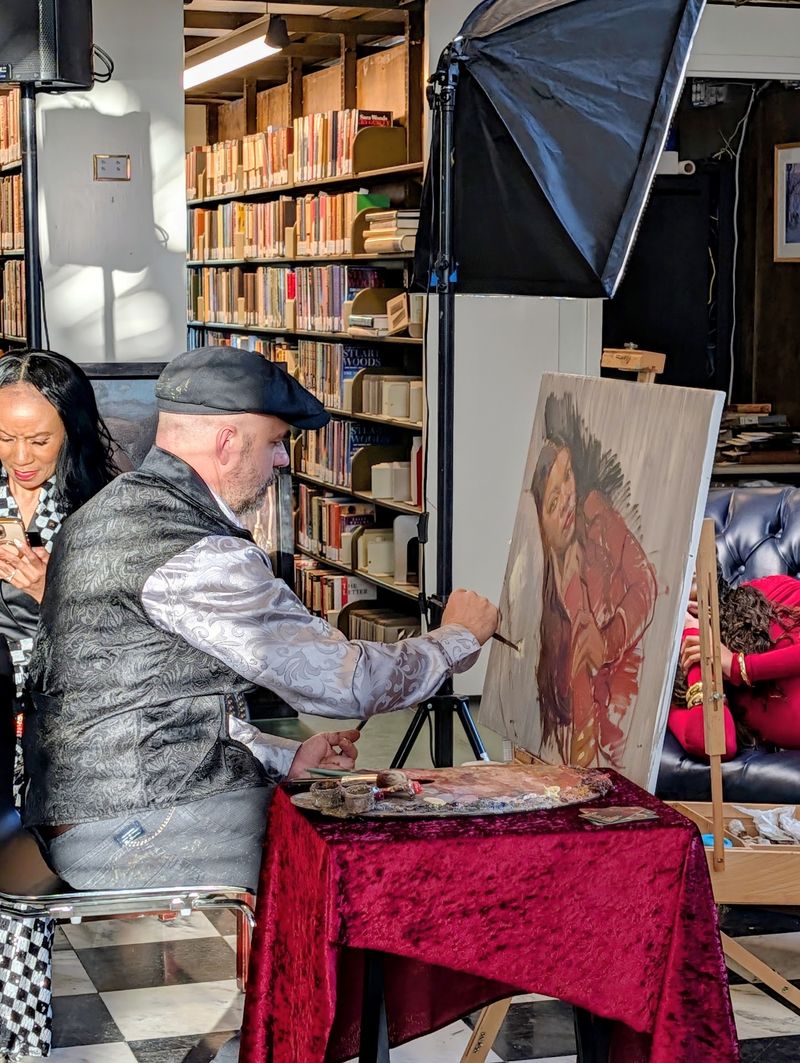
Books are the headline, but the calendar holds much more. The library hosts concerts, author nights, and special events that turn the main floor into a stage.
Orchestra performances have filled the space with rows of chairs. Even a fashion show connected to a study abroad program has taken place inside.
The building also works as a rental venue for private events. Couples and photographers sometimes book it for portraits.
A smart tip for anyone reserving the space is to confirm details in writing close to your date. Large events can change how the floor is set up.
Ask exactly which rooms will be open and what furniture will be in place. Clear communication helps avoid last-minute surprises.
An annual open house has also given the public a chance to explore. Watch for announcements if you want an easier way inside.
One night it is a library, the next it is a concert hall, and that range keeps things lively.
Smart Tips Before You Go
A little homework makes this stop much smoother. Start by booking a tour or event ticket online before you arrive.
Remember that the building closes on Sundays and Saturday hours end at noon. Weekdays offer the most flexibility.
Holidays such as federal observances may affect the schedule. A quick email or call to confirm can spare you a wasted trip.
Families with kids interested in history will find plenty to talk about. The story of the 1778 fire and the first museum tends to spark questions.
Restrooms and reading spaces are generally for members and ticket holders. Plan breaks at nearby public spots on King Street.
Pair your visit with a walk around the historic district. The library fits nicely between shops, churches, and old homes.
Since 1748, this place has been about sharing ideas. A well-planned visit lets you become part of that long story, even for just an afternoon, and leaves you with a new favorite chapter of Charleston history.