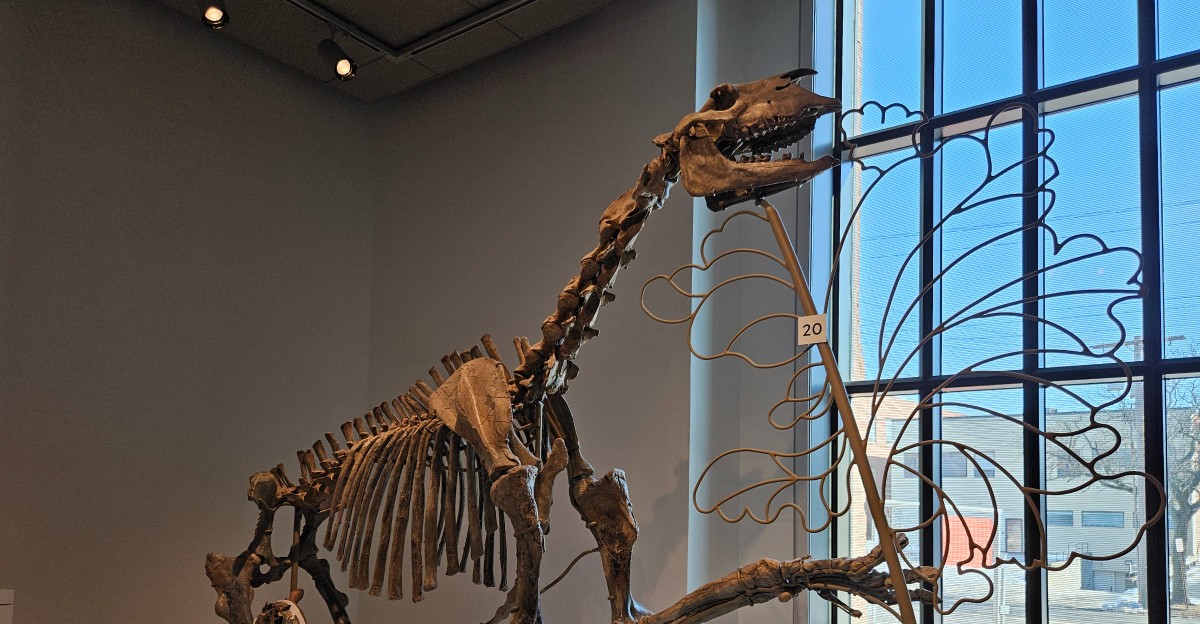
A giant Brontosaurus can make a regular day feel like a movie scene, especially when it greets you inside a museum that costs nothing to enter.
The Yale Peabody Museum in New Haven is one of Connecticut’s most exciting places for curious kids, parents, students, and anyone who still gets wide-eyed around fossils.
After a major renovation, the museum feels bright, clean, modern, and easy to explore, with dinosaurs, sparkling minerals, lifelike animals, live creatures, and stories about Earth packed across several levels.
Best of all, free admission means families can spend their money on snacks, parking, or a fun gift shop surprise instead of tickets.
If you want a day trip that feels smart, surprising, and a little bit magical, this museum delivers big moments without a big price.
Even a quick visit can turn into two happy hours of discovery.
A Brontosaurus Steals the Spotlight in the Main Hall
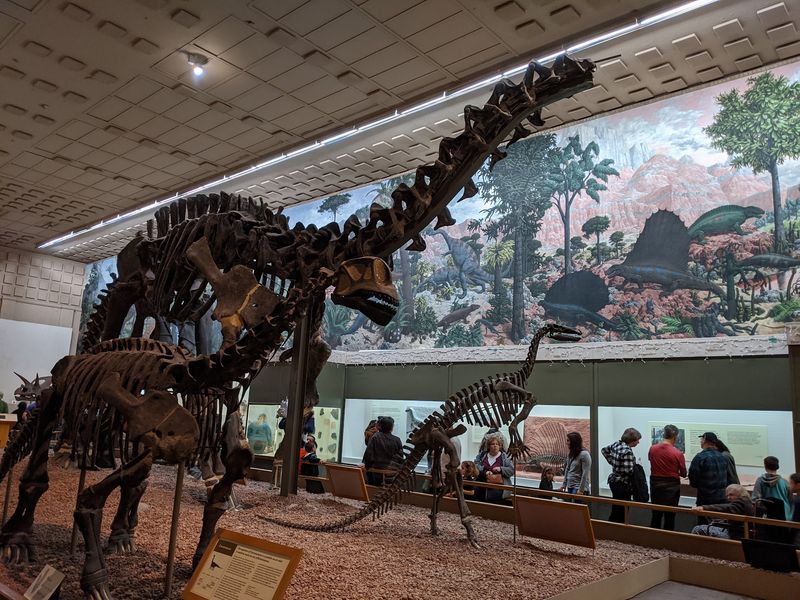
Nothing says school field trip magic like looking up and realizing a Brontosaurus is practically running the room.
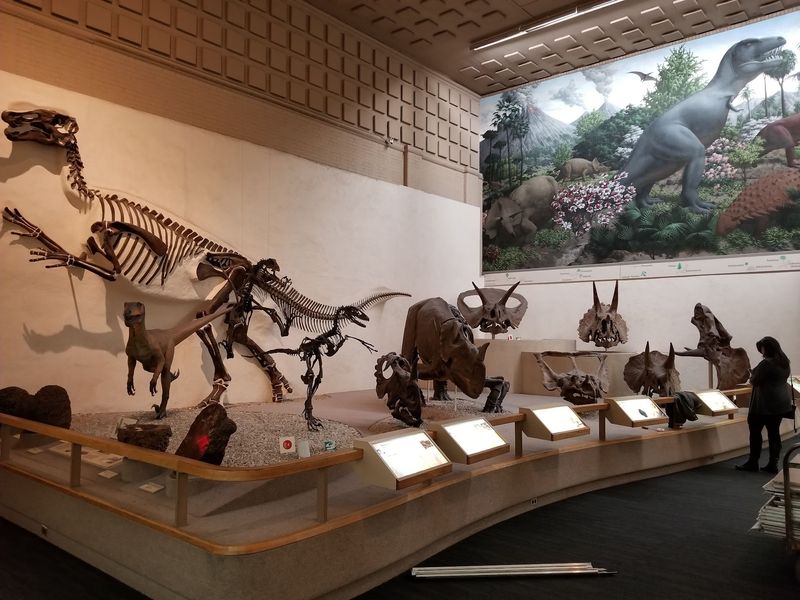
Inside Yale Peabody Museum, the dinosaur displays are the headline act, and the famous Brontosaurus gives the main hall a huge sense of wonder.
Its long neck, towering body, and carefully mounted bones help visitors understand just how enormous these animals were.
Photos are fun here, but standing beneath the skeleton feels far better than seeing it on a screen.
Kids usually rush toward the dinosaurs first, and honestly, many adults do too.
The museum makes the fossils feel lively instead of dusty, with clear signs and interactive information that explain what scientists know.
You do not need to be a dinosaur expert to enjoy it.
Read a few labels, compare sizes, and let younger visitors point out claws, tails, and teeth.
Plan to spend extra time in this area because it can become the memory everyone talks about later.
If the hall is crowded, step back and view the Brontosaurus from another angle.
The scale suddenly becomes even more amazing.
Free Admission Makes the Visit Feel Like a Win

Your wallet gets to breathe before the adventure even begins.
One of the biggest reasons people praise Yale Peabody Museum is simple: admission is free for everyone.
That changes the whole mood of a family outing.
Instead of counting tickets or asking whether the visit is worth the cost, you can walk in ready to explore at your own pace.
For a museum with major dinosaur fossils, minerals, cultural exhibits, and live displays, that feels like a rare gift.
Free entry also makes the museum easier to enjoy with young kids.
If someone gets tired after an hour, the trip still feels worthwhile.
If everyone is having fun, you can stay longer without feeling rushed.
Families often use the savings for lunch nearby, a small souvenir, or another stop around Yale’s campus.
Check the museum website before going, especially on busy weekends or holidays, because reservation rules can change.
The museum is closed on Mondays and usually opens at 10 AM Tuesday through Saturday, with Sunday hours beginning at noon.
A little planning keeps the free day smooth.
Three Floors Turn Curiosity Into a Full Afternoon
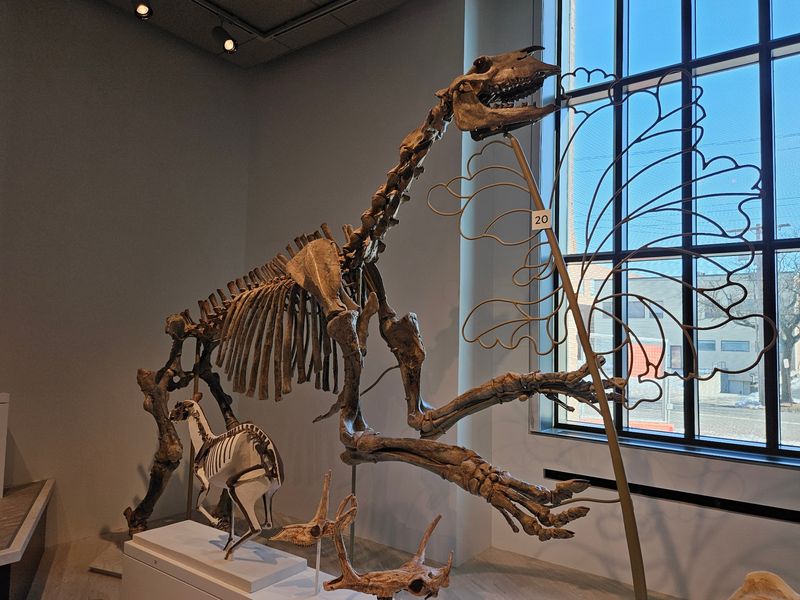
Bring comfortable shoes, because one quick look can quietly turn into a full afternoon.
The Yale Peabody Museum spreads its collections across multiple levels, giving visitors a nice mix of big showpieces and quieter corners.
Dinosaurs may pull you in first, but the building keeps offering more.
You can move from fossils to minerals, from animal dioramas to human history, and from hands-on learning to peaceful displays where people slow down and study details.
A good strategy is to start either at the top floor or the dinosaur level, depending on your group.
Some visitors like beginning upstairs when the museum opens, since those galleries may feel calmer.
Families with small children may prefer starting with the dinosaurs, then exploring other exhibits once the first burst of excitement settles.
The renovated layout makes the museum easier to navigate than many older natural history museums.
Signs are clear, galleries feel bright, and the flow does not feel confusing.
Give yourself two to three hours if you want a relaxed visit.
Curious kids, rock lovers, and detail hunters may want even longer.
Minerals and Gems Add Serious Sparkle
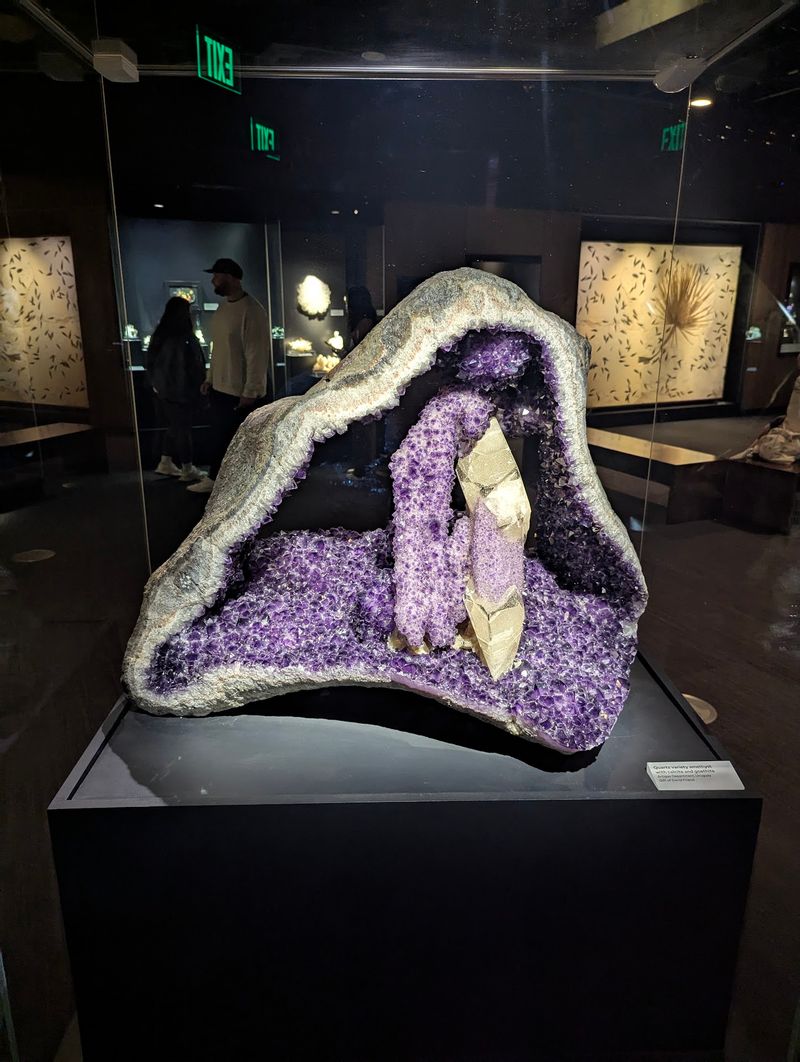
Sparkly rocks have a sneaky way of turning quiet visitors into excited collectors.
The mineral hall at Yale Peabody Museum is a favorite for people who love color, shape, and shine.
Crystals, geodes, gems, and rare minerals sit in clean displays that make them look almost like art.
Some pieces glow with deep blues, purples, greens, and gold tones.
Others look strange enough to seem from another planet, even though they formed right here on Earth.
This gallery is a smart stop for kids who may not think they care about geology yet.
Ask them to choose the weirdest rock, the brightest crystal, or the one they would put in a treasure chest.
Suddenly, science feels like a game.
Adults often linger too, especially around the dramatic specimens that show how beautiful natural processes can be.
Take your time reading the labels because the stories behind the stones are often surprising.
Minerals connect to volcanoes, pressure, heat, water, and time.
The gallery reminds visitors that Earth has been making masterpieces long before people built museums.
Lifelike Dioramas Feel Like Windows Into the Wild

A wolf frozen mid-scene can feel strangely alive when every twig and shadow looks real.
The North American dioramas at Yale Peabody Museum show animals in detailed natural settings, and they are easy to enjoy even if you usually skip wildlife displays.
The scenes include careful backgrounds, plants, animals, and poses that make the glass cases feel like windows into forests, fields, and wild places.
Visitors often notice small details first, such as fur texture, alert eyes, or the way a scene suggests movement.
These displays are useful for teaching observation.
Instead of rushing past, pick one diorama and ask what story it tells.
Is the animal hunting, resting, hiding, or watching?
What season does the scene show?
Simple questions help kids slow down and look closely.
The dioramas also connect well with the museum’s bigger themes.
Dinosaurs show ancient life, while these habitats show how animals fit into environments today or in recent history.
That makes the museum feel connected, not random.
By the time you leave, nature may seem more complex, fragile, and interesting than it did when you arrived.
Live Animals Bring a Wiggle of Surprise
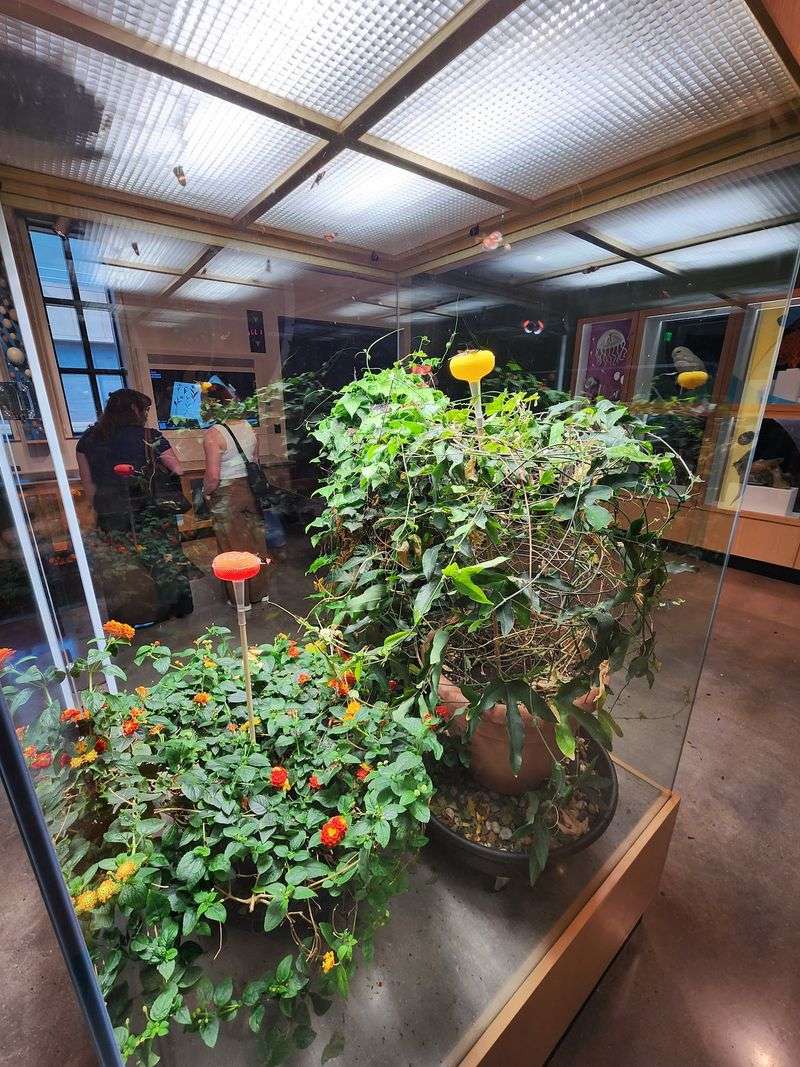
Tiny frogs can steal attention from giant fossils faster than you might expect.
Along with skeletons and preserved specimens, Yale Peabody Museum includes live animal exhibits that add movement and surprise to the visit.
Colorful creatures such as poison dart frogs are especially fun to watch because they are small, bright, and easy to miss at first glance.
Finding them in their habitats can feel like a mini treasure hunt.
Live displays help younger visitors understand that natural history is not only about the past.
Animals are living right now in rain forests, wetlands, deserts, oceans, and neighborhoods.
A frog in a carefully built habitat can lead to conversations about food webs, camouflage, climate, and conservation.
The museum keeps the information clear, so kids do not feel buried under hard science words.
Remind children to use quiet voices and avoid tapping on glass.
Watching patiently often brings better rewards, since small animals may move, hide, climb, or suddenly appear in plain sight.
After the huge dinosaur bones, these living exhibits offer a nice change of pace and scale.
The New Haven Location Makes Planning Simple
A great museum trip gets even better when the address is easy to build around.
Yale Peabody Museum is located at 170 Whitney Ave, New Haven, CT 06511, close to the heart of Yale’s campus.
That makes it a strong choice for a Connecticut day trip, a college-town walk, or a smart stop while traveling through the area.
The museum’s phone number is +1 203-432-8987, and its official website is peabody.yale.edu, which is the best place to confirm hours before you go.
Parking can be simple on some days and frustrating on others.
Reviews mention free or validated parking at times, but also note that lots can fill up.
Arrive early if you are visiting with children, during school breaks, or on weekends.
Nearby garages may help if the main options are full.
After your museum visit, the surrounding area offers a chance to enjoy New Haven’s campus atmosphere.
Keep the schedule flexible.
A relaxed plan works better than trying to squeeze too much into one day, especially if your group spends extra time with the dinosaurs.