A movie scene can feel like another world until you learn that its woods, streets, or shoreline are places you can visit.
North Carolina has played everything from a future nation in The Hunger Games to the lakeside setting of Dirty Dancing, and spotting those places in real life makes familiar scenes feel fresh again.
Some locations are easy afternoon stops, while others call for hiking shoes, a little planning, and respect for the people who live or work nearby.
Bring your camera, check current access before you go, and see which spot sends you home ready to press play.
1. Henry River Mill Village, Hildebran: The Hunger Games
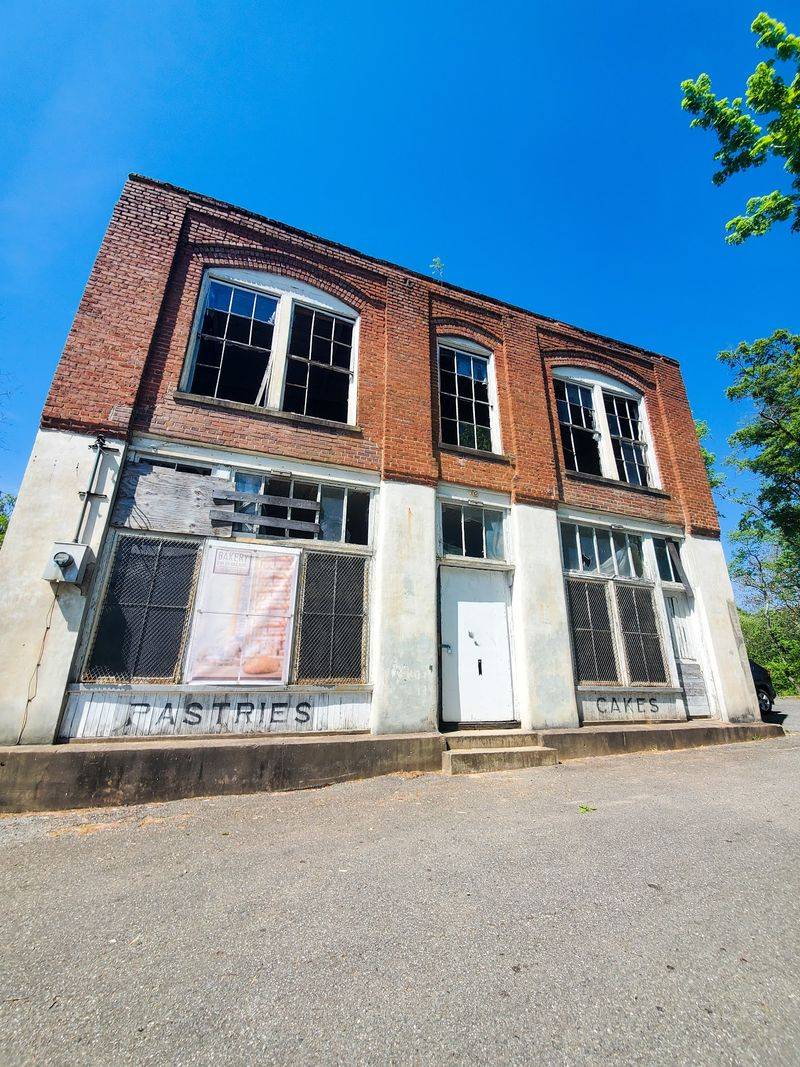
The bakery from District 12 has a real address, and its weathered surroundings feel strikingly familiar.
Henry River Mill Village, near Hildebran, stood in for parts of Katniss Everdeen’s home district in The Hunger Games.
Its old houses and industrial buildings helped create a place that looked worn by years of hard work.
Long before cameras arrived, this was a working textile community.
Families lived near the mill, which makes the site more than a movie backdrop.
Look at the buildings, then picture how a film crew used costumes, props, and careful camera angles to turn a North Carolina village into Panem.
Plan your visit rather than treating the property like an open public park.
Access, tours, and overnight stays can change, so check Henry River Mill Village’s current visitor information before leaving.
Follow marked routes and respect closed buildings.
Old structures may look tempting to explore, but a good photo is never worth entering an unsafe space.
For a fun rewatch, pay attention to the scenes around District 12 instead of watching only the main characters.
Notice how the setting tells you about daily life before anyone explains it.
That is movie magic with a little local history tucked inside.
2. Lake Lure: Dirty Dancing
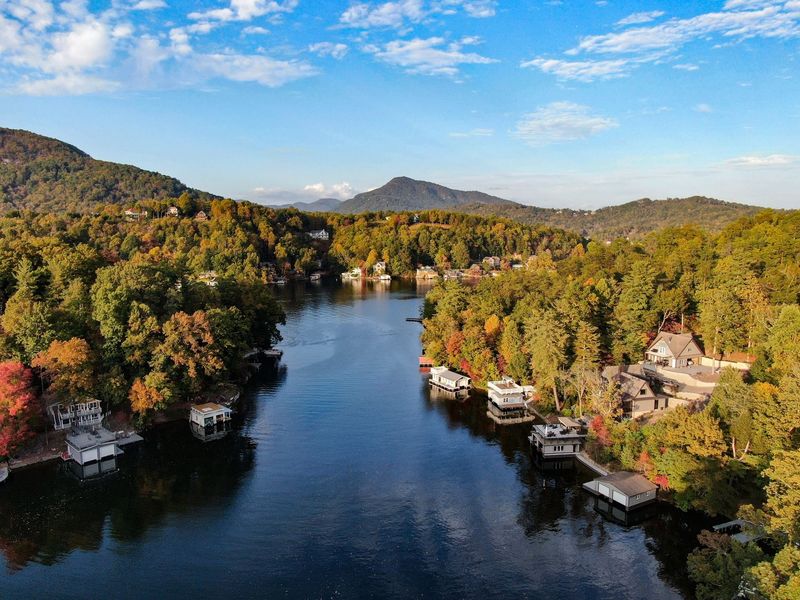
One look at Lake Lure and it is easy to hear a dance number starting in your head.
Parts of Dirty Dancing were filmed around this mountain lake, even though the story takes place at a resort in New York’s Catskills.
The water and surrounding hills gave the movie much of its summer holiday feeling.
Do not expect to find every building from the film.
Sets and filming sites have changed over time, and some places connected to production are not open to visitors.
Instead, enjoy the wider landscape that helped sell the story.
A public lake view can bring back the mood without turning your trip into a hunt for one exact camera angle.
Check current lake access, boat tour schedules, and swimming rules before setting out.
Conditions can change, especially after storms.
If you rent a boat or paddleboard, follow local safety guidance and wear the proper gear.
You can also keep things simple with a shoreline stroll and a picnic.
On your next viewing, watch the outdoor scenes as closely as the dancing.
Those mountain views do quiet work in the background.
They make a teenage summer feel wide open, which may be the best excuse for a lakeside day trip.
3. Chimney Rock: The Last of the Mohicans
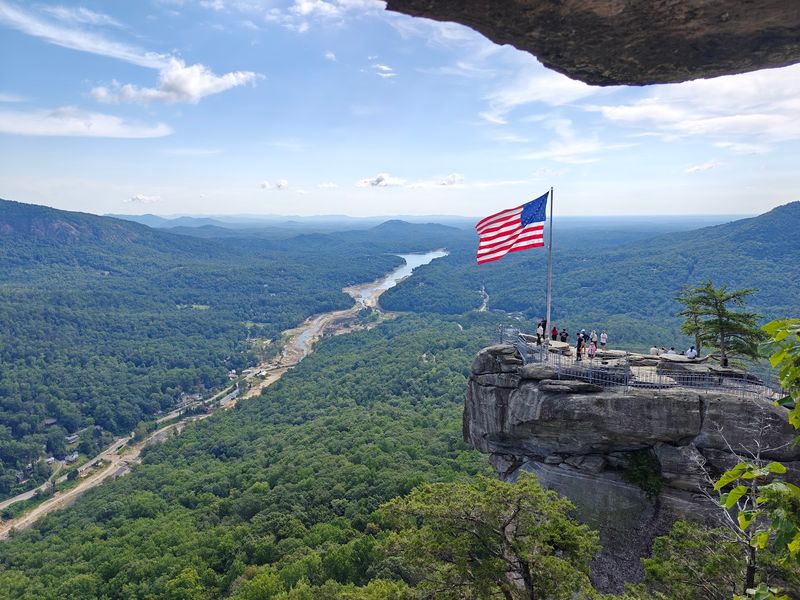
High above the trees, Chimney Rock looks ready for a dramatic chase.
The area appears in The Last of the Mohicans, a film known for its sweeping mountain scenery.
Its cliffs and wooded views helped the story feel wild and far from ordinary life.
The movie does not turn the park into a theme attraction, and that is part of its charm.
Visitors come for the scenery first.
Choose a viewpoint that fits your comfort level, then let the landscape remind you how much a setting can add to a film.
A wide shot here can do the work of pages of dialogue.
Before traveling, check Chimney Rock State Park’s latest information about openings, tickets, trails, and weather.
Some routes include steep steps or uneven ground.
Bring water, wear shoes with grip, and stay behind barriers near drop-offs.
If a trail is closed, leave it closed; no re-created movie moment is worth a risky shortcut.
Try watching the film again after your visit and notice how often the camera uses distance.
Tiny people against huge mountains can make a chase feel even more urgent.
In person, the views invite the opposite reaction: slow down, breathe, and give the scenery your full attention.
4. Grandfather Mountain, Linville: Forrest Gump
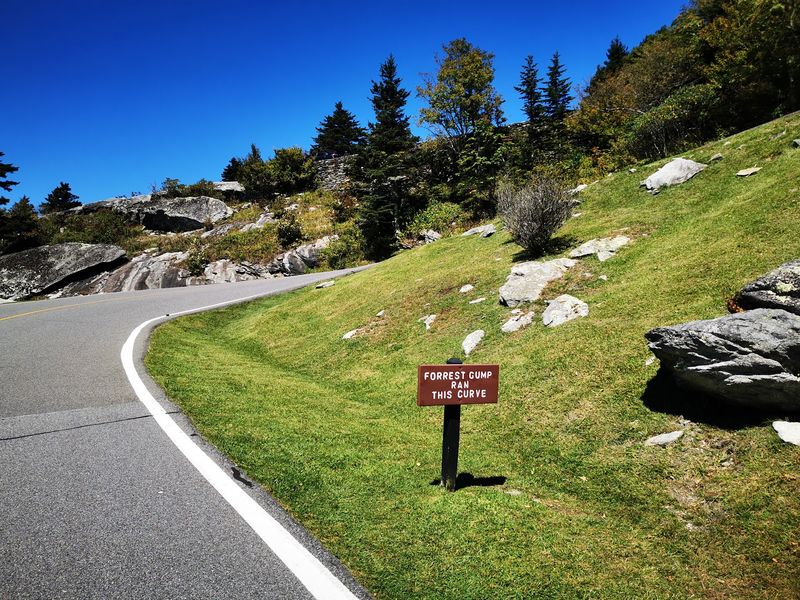
Forrest Gump ran a long way, but one stretch took him through North Carolina.
The film used a road near Grandfather Mountain for part of Forrest’s cross-country run.
With the Blue Ridge Mountains rising around it, even a brief scene gets a memorable backdrop.
Here is the important visitor tip: a filming road is still a road.
Do not stop in traffic, stand on a curve, or walk into a lane to copy a movie shot.
Find a legal overlook or visit an established attraction in the Grandfather Mountain area instead.
You will enjoy the view more when you are not worrying about passing cars.
Grandfather Mountain has famous high-country scenery, but access and fees depend on which area you plan to visit.
Check official information for Grandfather Mountain State Park and the separate Grandfather Mountain attraction before your trip.
Weather can turn chilly or foggy quickly at higher elevations, so bring an extra layer.
Rewatch Forrest’s running sequence when you get home.
The road passes by in seconds, yet it helps show how far his journey reaches.
That small screen appearance is a reminder that a familiar highway can become part of a very big story.
5. Triple Falls, Brevard: The Hunger Games and Masterminds
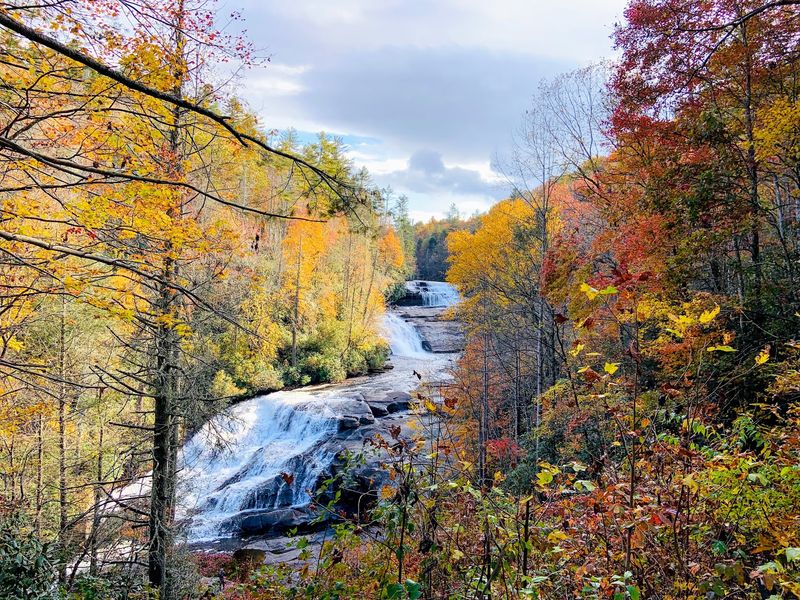
Three tiers of rushing water make Triple Falls look like it was built for a camera.
Located in DuPont State Recreational Forest near Brevard, the waterfall appears in The Hunger Games and Masterminds.
Those productions have very different moods, which shows how one place can play more than one part.
The real attraction is the waterfall itself.
Watch from a designated viewing area and notice how the broad rock ledges split the water into separate drops.
After heavy rain, the current can become especially powerful.
Rocks near waterfalls are often slick, so keep a safe distance from the edge and never treat the water like a movie set.
DuPont offers marked trails, but distances and conditions matter.
Check the forest’s current maps and alerts, bring water, and allow enough daylight for the walk back.
Wear sturdy shoes rather than hoping your everyday sneakers will suddenly become hiking gear.
Leave plants, rocks, and wildlife where you find them.
When you revisit either film, look for the falls behind the action.
A waterfall can add tension, beauty, or a little chaos without saying a word.
At Triple Falls, you get to choose your own soundtrack: the steady roar of real water.
6. Airlie Gardens, Wilmington: Dawson’s Creek, Sleepy Hollow and The Choice
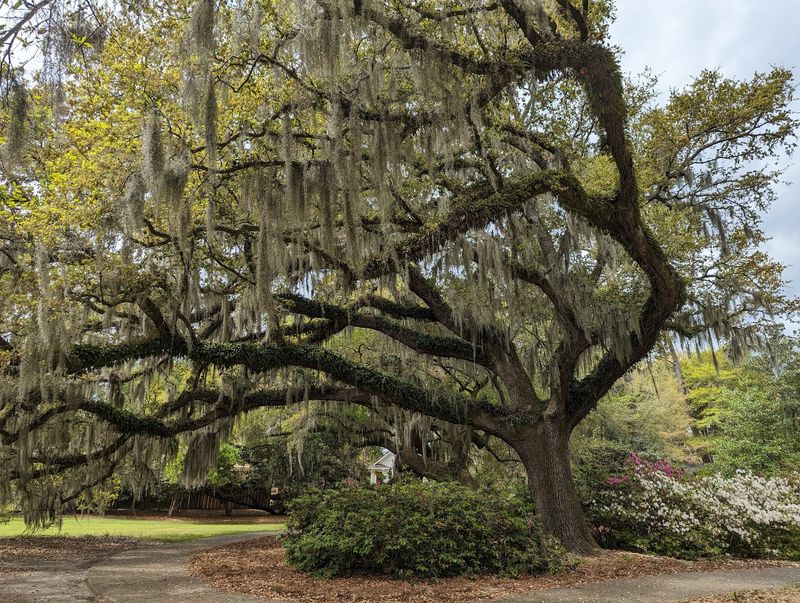
Spanish moss hangs overhead like the gardens dressed up for their own close-up.
Airlie Gardens in Wilmington has appeared in Dawson’s Creek, Sleepy Hollow, The Choice, and other productions.
Its paths, trees, and water offer filmmakers several looks without requiring a long trip between scenes.
For visitors, Airlie is a real garden rather than a collection of sets.
Walk slowly and look for details a camera might love: light through oak branches, a quiet pond, or bright flowers along a path.
The experience changes with the season, so photos from another month may not match what you see.
That makes your visit its own version of the story.
Check opening hours, admission, event dates, and any reservation rules before you go.
Stay on public paths and follow garden guidelines, especially around delicate plantings.
A camera or phone is fine for ordinary memories, but review the site’s photography policies if you plan a formal shoot.
Afterward, revisit a favorite episode or movie scene and watch the background.
Gardens can make a moment feel romantic, mysterious, or peaceful, depending on the story.
Airlie manages all three while remaining a lovely place for an unhurried walk.
7. Fort Fisher State Recreation Area, Kure Beach: The Summer I Turned Pretty
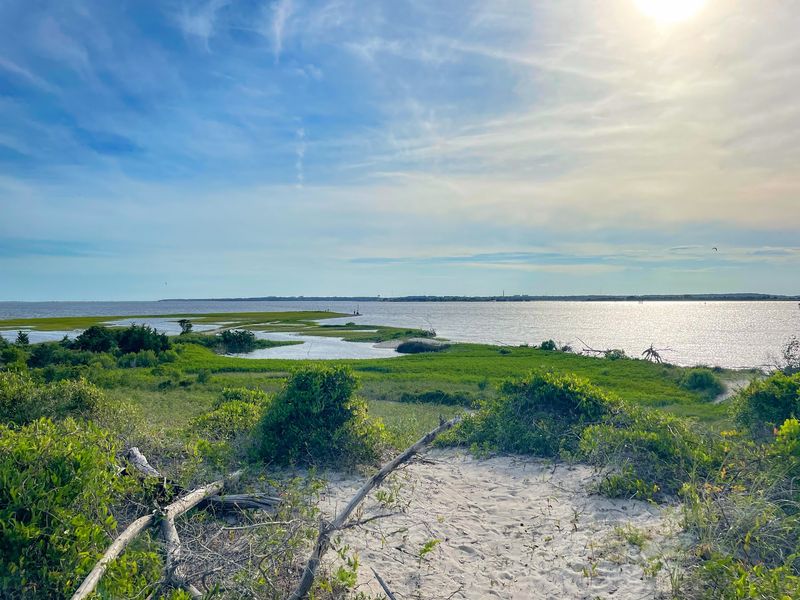
Salt air and open sand help explain why this coast works so well on screen.
Fort Fisher State Recreation Area, near Kure Beach, is among the North Carolina locations linked to The Summer I Turned Pretty.
The shore gives the series room for its beachside feeling, even though its fictional setting has a different name.
Go for the real coast, not a guaranteed match with a single scene.
Tides, weather, and production choices can make the beach look different from what you remember.
A morning walk offers space to watch waves and seabirds while the day is still quiet.
Bring sunscreen and water; a cloudy sky does not cancel the need for either.
Read current park notices before visiting.
Beach access, parking, swimming conditions, and protected areas can change.
Follow posted signs, give wildlife room, and stay out of fragile dunes.
If the surf looks rough, admire it from dry sand rather than testing your luck.
Later, put on an episode and notice how the beach shapes the mood.
Sometimes it feels carefree; other times, a long stretch of sand gives characters room to think.
Your own visit can be simpler: walk, listen to the water, and leave only footprints where permitted.
8. Carolina Beach Boardwalk: The Summer I Turned Pretty
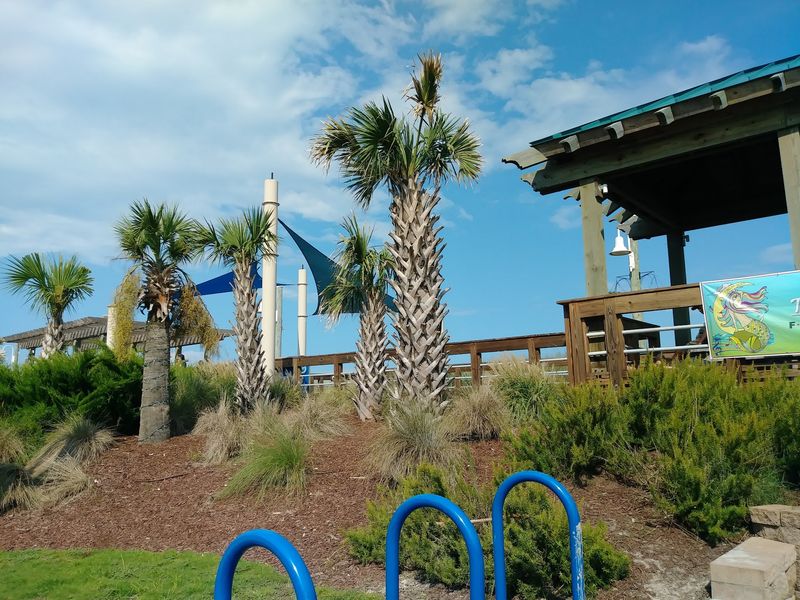
Arcade energy and ocean air make the Carolina Beach Boardwalk feel ready for a summer episode.
The boardwalk appears among filming locations for The Summer I Turned Pretty, adding a lively contrast to quieter shore scenes.
It is the kind of place where a short walk can turn into snacks, people-watching, and one more photo.
Visit for the boardwalk’s everyday character, not a promise that every storefront will look exactly as it did on screen.
Businesses and seasonal attractions can change.
Take a slow lap, notice the ocean beside you, and imagine how lights and crowds help a scene feel busy.
Then choose a treat if something catches your eye.
Research has never tasted so good.
Check local information for parking, public events, and seasonal hours before heading out.
Summer evenings can be crowded, so keep track of your group and use marked crossings.
Carry out any trash, and be considerate if you photograph businesses or other visitors.
During a rewatch, notice how the setting changes the pace.
A boardwalk makes chance meetings feel possible because everyone seems to be moving at once.
In real life, there is no script to follow.
That leaves plenty of room for your own easy beach memory.
9. Downtown Burgaw: Under the Dome
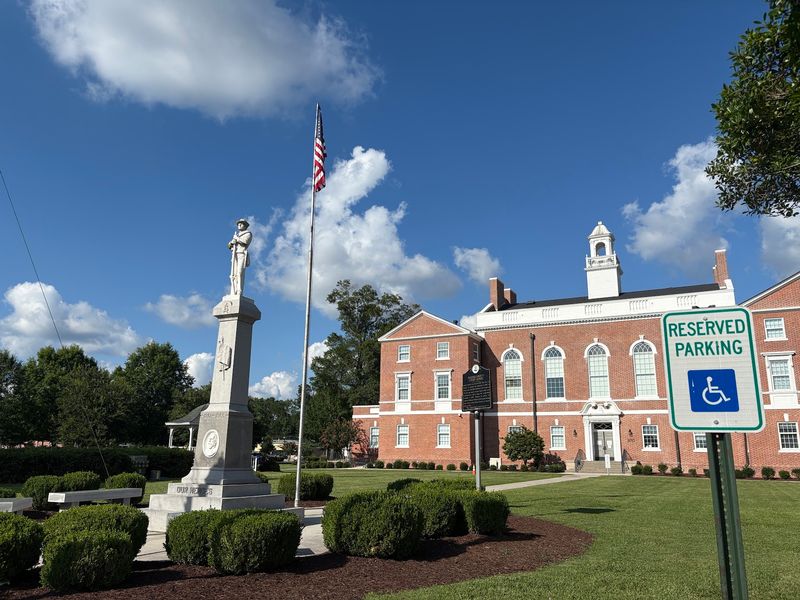
A quiet downtown can look surprisingly tense when a television story traps everyone inside it.
Burgaw helped portray Chester’s Mill in Under the Dome, the series based on Stephen King’s novel.
Its small-town streets provided a believable home for a plot built around a very unbelievable barrier.
Walk through downtown and watch for the ordinary details that make a fictional town convincing: storefronts, sidewalks, and the spaces where neighbors might cross paths.
There is no dome overhead, thankfully.
The fun lies in seeing how a familiar sort of town becomes strange once a story changes the rules.
Make this a respectful visit.
Downtown Burgaw is a working community, not a standing television set.
Shop if something interests you, use public parking, and avoid blocking doorways while lining up a photograph.
Businesses may have changed since filming, so enjoy what is here now rather than expecting a scene frozen in time.
Before you travel, check for local events that might affect parking or street access.
Back home, replay an episode and pay attention to the places between the big plot moments.
Those everyday views help sell the central idea: something impossible has happened to people in a town that feels real.
10. Southport: The Waterfront and Safe Haven
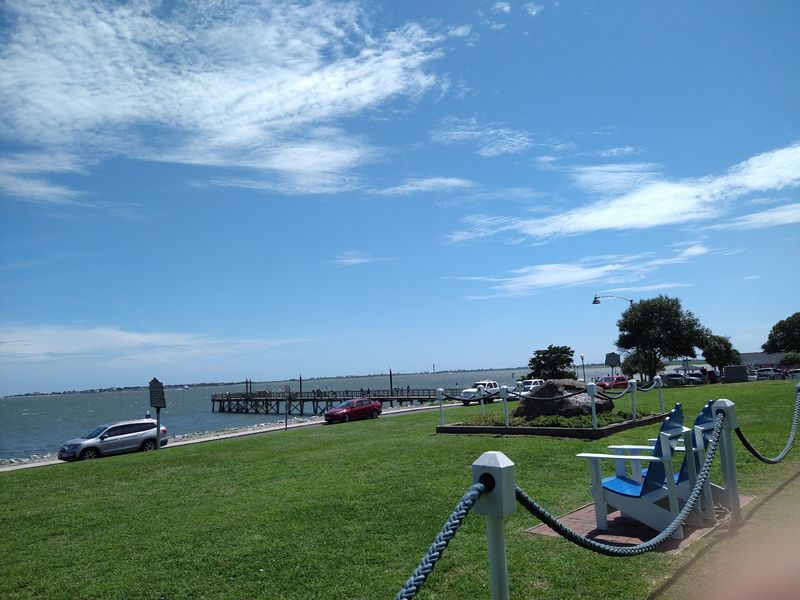
Boats rocking by the shore give Southport an easy charm that cameras have noticed, too.
This coastal town is associated with productions including The Waterfront and Safe Haven.
In Safe Haven, its streets and waterfront help create the welcoming small-town setting that draws the main character into a new life.
Start with a walk near the water, then explore public streets at a relaxed pace.
Look at the docks, older buildings, and river views rather than racing between supposed scene spots.
Film productions can change signs, dress storefronts, or frame a view tightly.
The real town has its own story, and it deserves more than a quick screenshot comparison.
Check Southport’s visitor information for public parking, events, and waterfront access.
Keep clear of private homes and working docks.
If you take a boat tour, confirm schedules and weather first.
A breezy day on the Cape Fear River may call for an extra layer, even when the sun looks friendly.
For a rewatch, notice how the town’s pace supports the stories told there.
Water, porches, and walkable streets can make a place feel close-knit before characters say much.
Southport offers the bonus of letting you experience that atmosphere without waiting for the next scene.