Eating lunch in a room where people have been slurping oysters since 1826 may sound like a museum trick or a movie set, but it is not.
It is Union Oyster House, the oldest restaurant in America that has never stopped serving guests.
The floors creak, the booths are worn smooth, and the walls tell stories about presidents, patriots, and plenty of hungry travelers.
Boston is packed with history, but most of it sits behind glass. Here, you get to pull up a chair, grab a warm piece of cornbread, and taste the past with a spoon.
Families love it, history fans rave about it, and seafood lovers keep coming back for the chowder.
Thousands of reviews give it a solid 4.3 stars, which says a lot for a place this busy.
So why not plan a visit and see what almost 200 years of good cooking feels like? Your table in history is waiting.
Union Oyster House: A Seat Inside Nearly Two Centuries of Boston Flavor
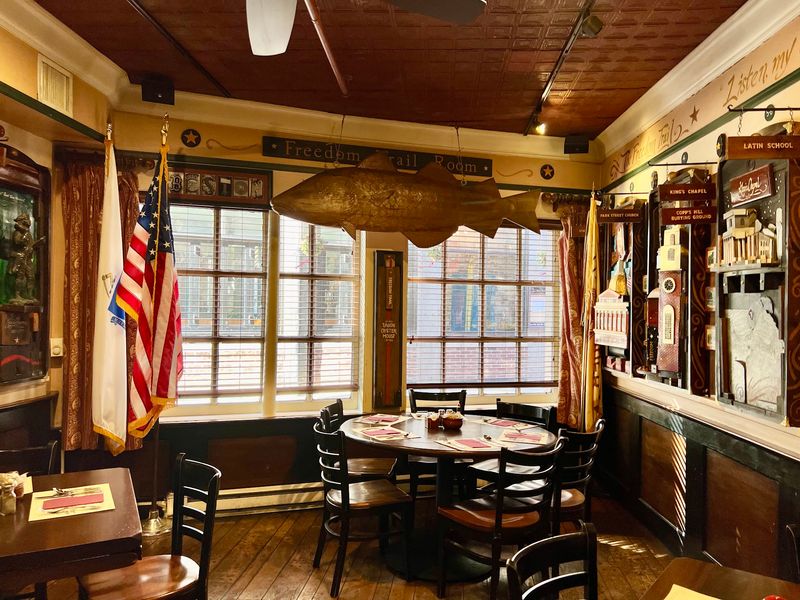
Picture a creaky wooden floor under your feet and the salty smell of fresh oysters in the air. That is your welcome at Union Oyster House, open since 1826.
No other restaurant in America has served guests longer without closing.
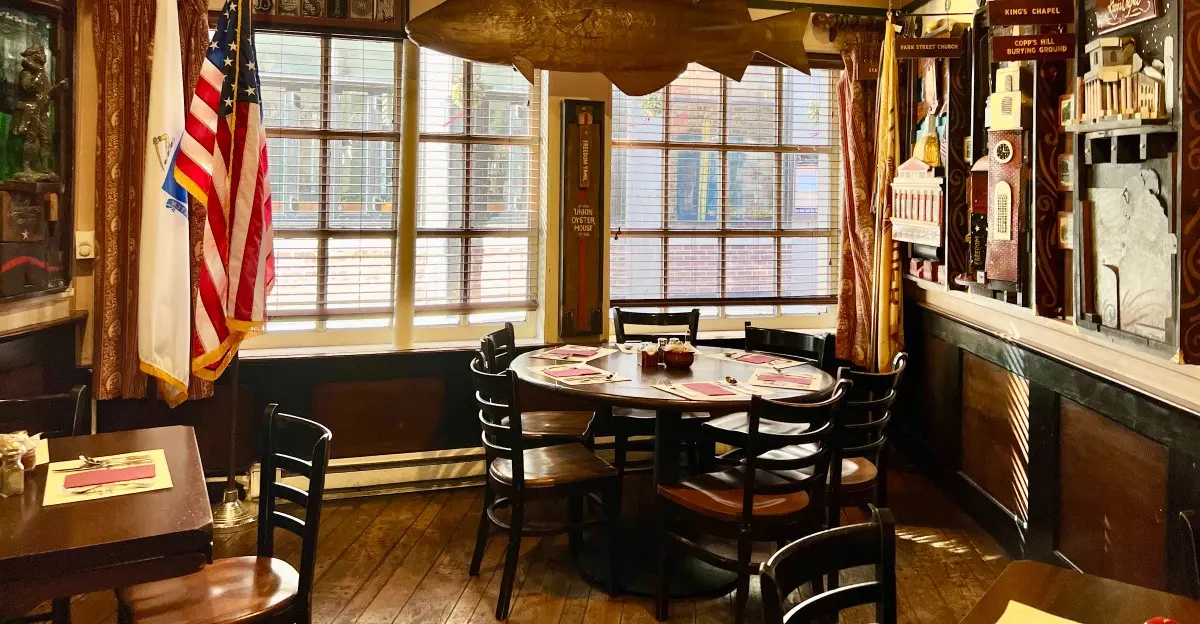
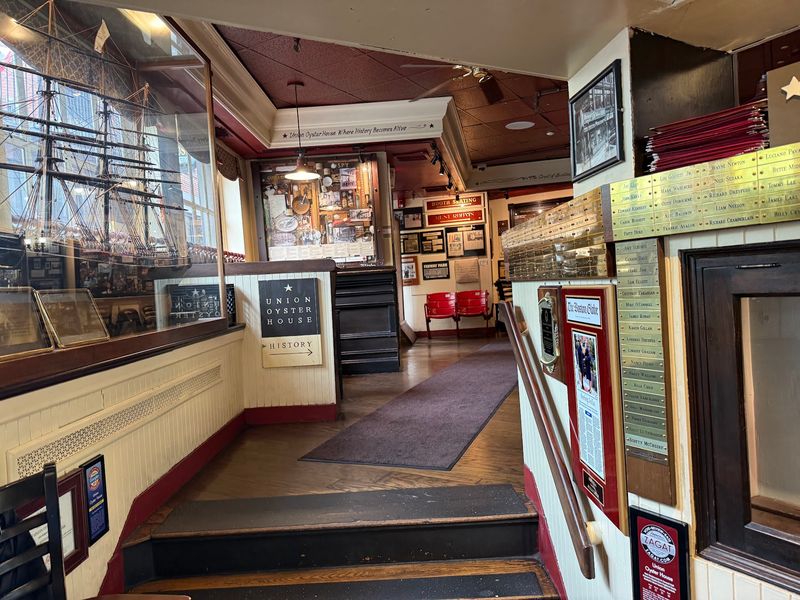
History hangs everywhere here. The building is a National Historic Landmark, and the walls feel like a scrapbook of old newspapers, celebrity photos, and Freedom Trail art.
Ask for the famous Kennedy booth, where John F. Kennedy liked to eat, or Booth 18, which is labeled and can be requested.
Now for the food. The creamy clam chowder earns the most praise, and free sweet cornbread lands on every table.
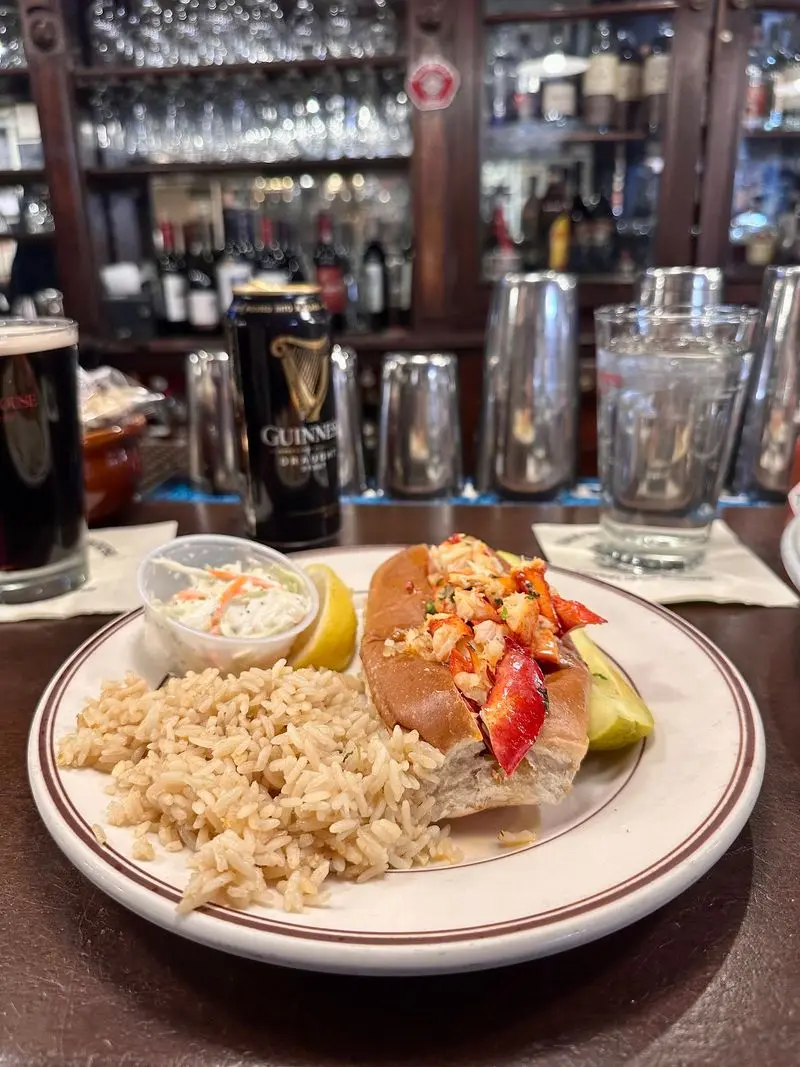
Grab a stool at the oyster bar to watch the shuckers work fast right in front of you. Lobster rolls, crab cakes, and Boston cream pie are also big crowd favorites.
You will find it at 41 Union St, Boston, MA 02108, steps from Faneuil Hall.
It opens daily at 11 am, closing at 9 pm most nights and 10 pm on Fridays and Saturdays. Call 617-227-2750 or book online, since lines form quickly.
Quick tip: parking is tough, so walk or take the T. Try the Sam Adams Colonial beer, brewed only for this spot.
The Raw Bar: Where Oysters Have Been Shucked Since 1826
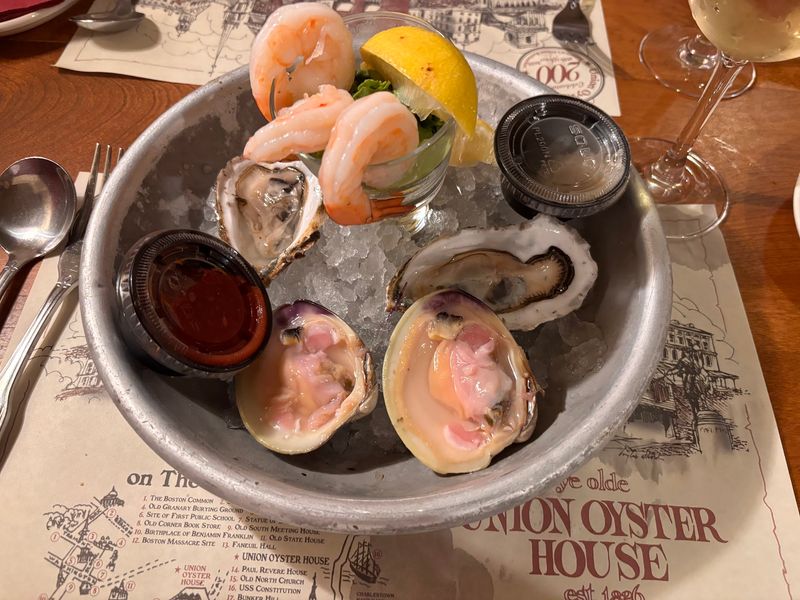
Watch closely and you might see a shucker open an oyster in two seconds flat.
The half-circle raw bar is the heart of the restaurant.
It is the same bar where guests slurped oysters back when Andrew Jackson was president.
Sitting here feels like a front-row show.
Shuckers chat, joke, and share tips about where each batch came from.
Many oysters are local, pulled from cold New England waters.
New to oysters?
Ask for a milder kind first.
Add a squeeze of lemon and a dab of cocktail sauce.
Then just tip the shell and enjoy the fresh, briny bite.
Booth 18: A Famous Table With a Presidential Story
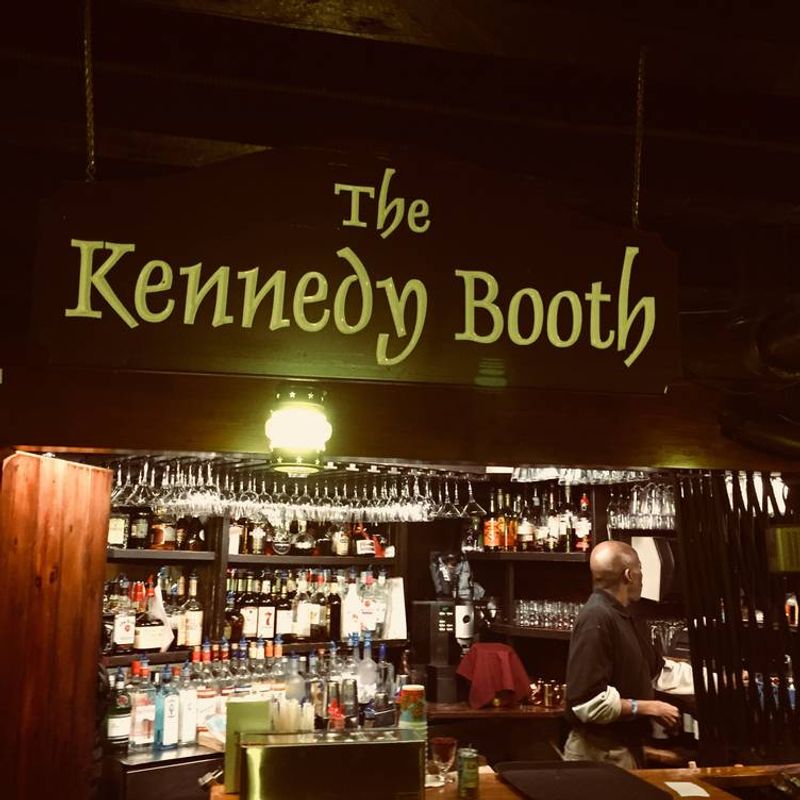
John F.
Kennedy loved this place so much that he had a favorite spot.
He often sat upstairs in Booth 18, reading the Sunday paper over a warm bowl of lobster stew.
Today the booth has a plaque in his honor.
Fans of history ask for this table all the time.
You can request it when you arrive, though you may need to wait a bit.
Sitting there is a small thrill.
Picture a future president sipping soup in the very same seat.
It turns an ordinary lunch into a story you will tell friends back home for years.
Clam Chowder: A Creamy Bowl of New England Comfort
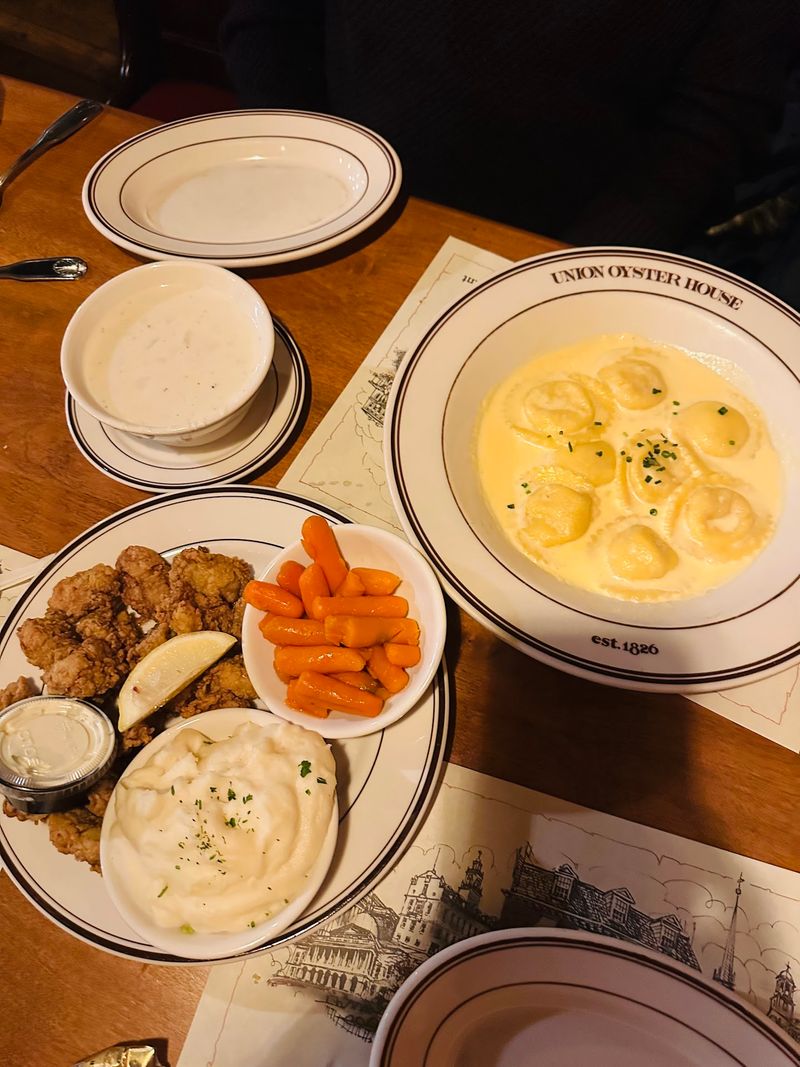
Nothing beats a hot bowl of chowder on a chilly Boston afternoon.
Here, the clam chowder is thick, creamy, and packed with tender clams and soft potatoes.
It tastes like a warm hug from the ocean.
Locals will tell you real New England chowder never has tomatoes.
That red version belongs to Manhattan, and Bostonians feel strongly about it!
Try crumbling a few oyster crackers on top for extra crunch.
A cup makes a great starter, while a full bowl can be a meal.
Pair it with fresh cornbread, and you have a classic Boston lunch done right.
The Building: Older Than the Restaurant Itself
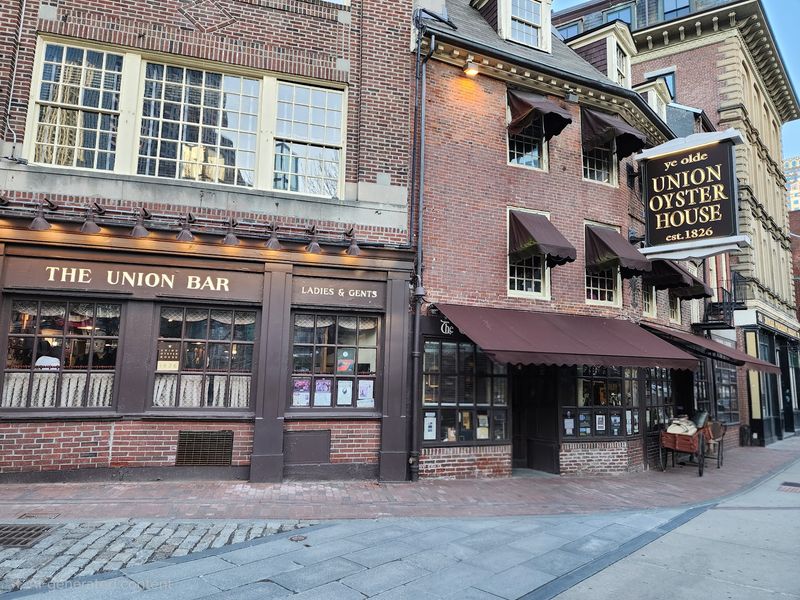
Here is a fun surprise.
The brick building is even older than the restaurant, dating back to before 1742.
Long before oysters, it was a shop selling fancy silks and fabrics.
During the American Revolution, a newspaper called the Massachusetts Spy was printed upstairs.
Later, a future French king named Louis Philippe lived here and taught French lessons to pay his bills.
Take a minute outside before you walk in.
Look up at the old bricks, the glowing sign, and the narrow street.
It is a National Historic Landmark, so snap a photo.
Few dining spots come with a backstory this rich.
The Toothpick Legend: A Tiny Tradition With a Big Story
Ever wondered who made toothpicks popular in America?
Legend says it started right here.
In the 1800s, a businessman named Charles Forster wanted to sell wooden toothpicks he had imported.
His clever trick was hiring Harvard students to eat at Union Oyster House.
After meals, they would ask loudly for toothpicks.
When the restaurant had none, it soon started ordering them from Forster.
Whether every detail is true or not, it makes for a great tale.
Grab a toothpick on your way out as a tiny souvenir.
It is a free piece of history that fits right in your pocket.
Freedom Trail Stop: History Waiting Right Outside the Door
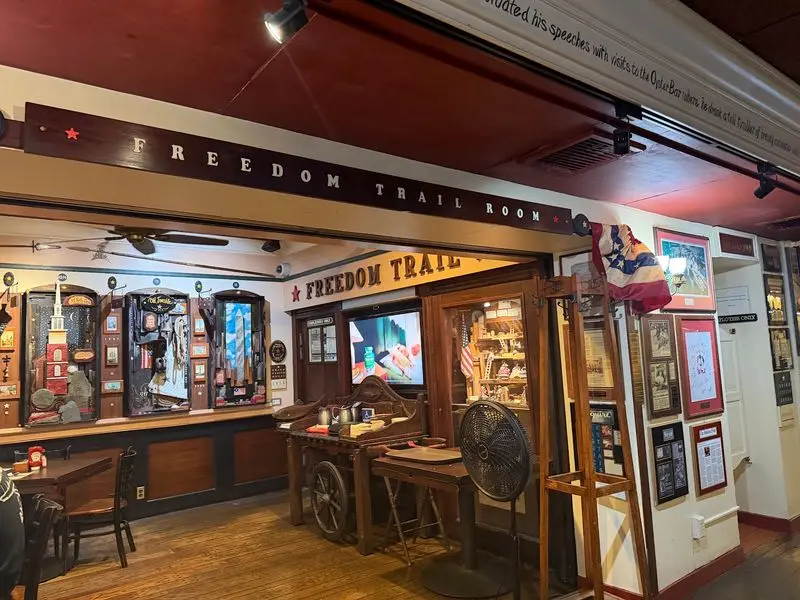
Walking Boston’s Freedom Trail makes for hungry feet.
Luckily, Union Oyster House sits just steps from the red brick path.
It is part of the Blackstone Block, one of the oldest neighborhoods in the city.
Nearby you will find Faneuil Hall, Quincy Market, and the Boston Holocaust Memorial.
So plan your meal as a break between sights.
A smart tip: eat a late lunch around two or three o’clock.
Crowds thin out, and tables open up faster.
You can rest, refuel with seafood, and head back out to explore more of Boston’s past with plenty of energy.
Planning Your Visit: Simple Tips for a Great Meal
A little planning goes a long way at a place this popular.
Reservations are a good idea, especially on weekends and during summer.
Weeknights are usually calmer and easier.
Families are welcome, and the menu has choices for picky eaters too.
Kids who skip seafood can try chicken or a simple pasta.
Grown-ups might go big with a whole steamed lobster.
Wear comfy shoes, since the stairs are old and a bit steep.
Parking nearby can be pricey, so take the T to Haymarket or Government Center.
Then relax and soak up nearly two hundred years of Boston hospitality.