A movie scene can make an ordinary street, diner, or staircase feel larger than life, but the real place often has a better story waiting outside the camera frame.
Across Pennsylvania, familiar screen locations sit beside busy neighborhoods, old industries, local businesses, and places where people still gather every day, so a visit can feel like a small trip through movie history and real life at once.
You do not need to be a film expert to enjoy them: bring comfortable shoes, check hours before leaving, and give yourself time to notice the details that never made the final cut, from a theater marquee to a view across a river.
Ready to see what the camera left out?
Follow these stops from Philadelphia to Pittsburgh and beyond, and you might come home talking less about the famous scene than about the surprising place where it happened.
1. Philadelphia Museum of Art Steps, Philadelphia: Rocky
Your legs understand Rocky before your brain does.
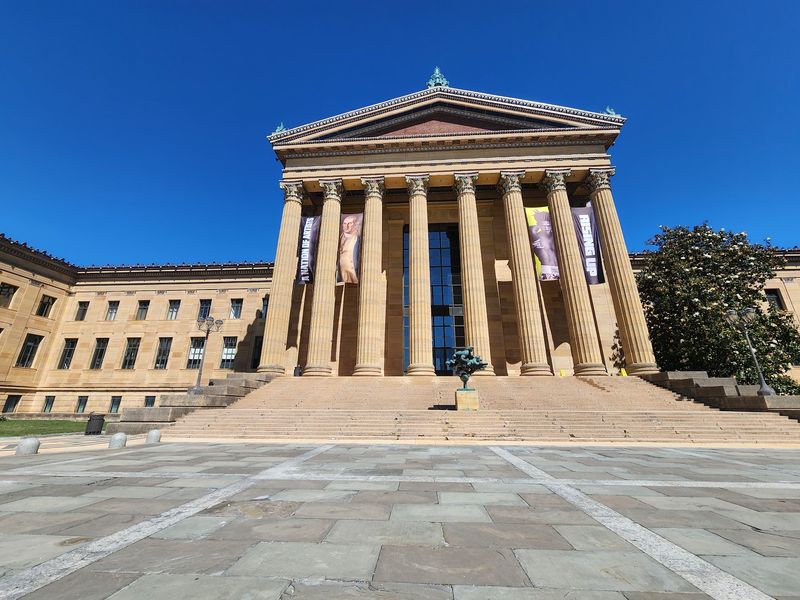
Climb the broad steps of the Philadelphia Museum of Art, and that famous training scene suddenly feels less like movie magic and more like exercise.
The reward is a sweeping view down Benjamin Franklin Parkway, with city traffic and grand buildings stretching ahead.
The steps are part of a working art museum, not just a backdrop for victory poses.
Give the museum itself some time if you can; its galleries hold far more than the view outside.
Near the bottom of the steps, you can also find the Rocky statue, a popular photo stop that often draws a line.
For a calmer visit, try an early morning walk and leave room for runners who are actually training.
Watch your footing when the stone is wet, and respect people using the steps for their everyday commute or workout.
You do not need to sprint to enjoy the scene, though a gentle jog earns extra style points.
Look back at the entrance after reaching the top.
On screen, the moment is about one man’s determination.
In person, it becomes a shared city ritual: strangers cheer, friends laugh, and someone almost always raises both arms against the skyline.
That small crowd gives the famous finish its own lively soundtrack.
2. Llanerch Diner, Upper Darby: Silver Linings Playbook
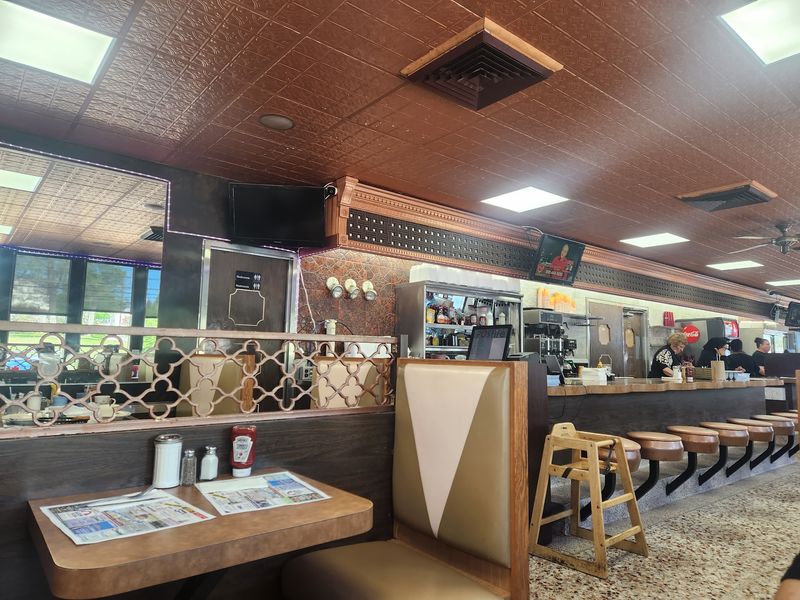
A movie date can look painfully awkward, especially when dessert arrives.
Llanerch Diner in Upper Darby appears in Silver Linings Playbook, where Pat and Tiffany share a memorable meal that is hardly smooth.
Seeing an actual neighborhood diner afterward makes the scene feel more human, not less strange.
Unlike a studio set, a diner has its own daily rhythm.
Servers move quickly, regulars know what they want, and the booths invite you to slow down over coffee.
If you plan to eat, check current hours first and remember that a film connection does not turn the dining room into a museum.
Order what sounds good rather than expecting the exact meal from the movie.
A respectful photo outside is usually easier than taking pictures around other guests.
Give staff space to work, especially when the place is busy, and leave a tip if you sit down for service.
The fun here lies in the contrast.
Silver Linings Playbook uses the setting for an uneasy, funny exchange between two people trying to understand each other.
In person, you can notice the small things the camera passes over, from the flow of traffic outside to the steady hum of conversation.
It is a reminder that memorable scenes can happen in places built for completely ordinary Tuesdays and very good pie.
3. SteelStacks, Bethlehem: Transformers: Revenge of the Fallen
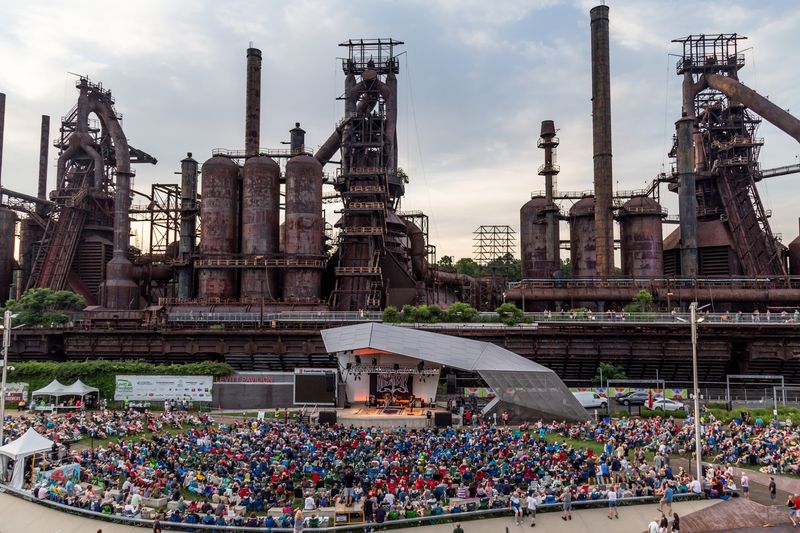
Giant robots have some stiff competition here.
At SteelStacks in Bethlehem, the old Bethlehem Steel blast furnaces tower over the arts campus with enough pipes, platforms, and rusted steel to steal any scene.
Transformers: Revenge of the Fallen used the industrial setting, but the real history has greater staying power.
For decades, Bethlehem Steel helped shape the city and supplied steel for projects far beyond Pennsylvania.
The furnaces no longer make steel; today, the surrounding campus hosts concerts, festivals, and community events.
Seeing creative life beside the enormous structures gives you two chapters of the same place at once.
Start in the public areas and look for signs explaining the site’s past.
Check the SteelStacks schedule before going, since an event can change parking, crowds, or access.
Never climb barriers or enter closed industrial spaces for a closer picture; the best view is not worth a fall.
As evening arrives, the furnaces can look especially dramatic against the sky.
Take a wide photo to show their size, then step closer to notice the maze of beams and walkways.
The movie makes the place feel futuristic.
Walking below it reveals something even more impressive: real workers built, ran, and maintained this massive operation long before computer effects made metal move.
4. Fort Pitt Tunnel and Bridge, Pittsburgh: The Perks of Being a Wallflower
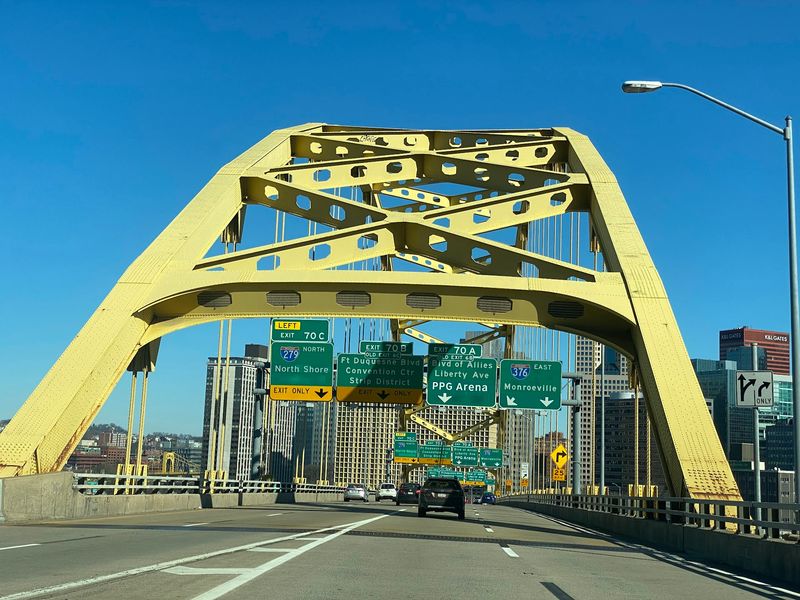
One tunnel exit can make an entire city feel like a surprise party.
In The Perks of Being a Wallflower, a ride through Pittsburgh’s Fort Pitt Tunnel becomes a moment of freedom for the young characters.
The real reveal is just as striking: downtown suddenly appears beyond the tunnel, framed by the rivers and hills.
Remember that the tunnel and Fort Pitt Bridge are active highways, not places to stop for a picture.
Keep your attention on traffic if you are driving, and let a passenger enjoy the view.
There is no safe reason to pull over, slow down for a shot, or copy anything risky from the film.
For an easier look at the city, visit a legal overlook on Mount Washington instead.
You can study the skyline at your own pace and spot how bridges connect Pittsburgh’s neighborhoods.
Check transit options or parking rules before setting out, especially during games and busy weekends.
What makes this location special is how quickly the mood changes.
One minute, concrete walls fill your sight.
The next, buildings, water, and bridges spread out ahead.
The film uses that switch to capture a feeling that is hard to explain.
In person, it also shows how Pittsburgh’s hills shape the way visitors first see the city.
5. St. Paul’s Episcopal Church, Mt. Lebanon: The Fault in Our Stars
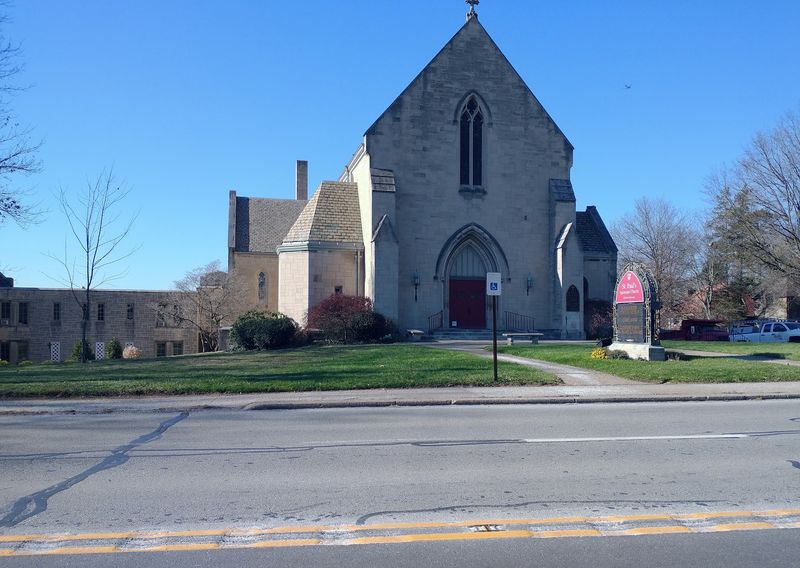
Quiet places can carry the loudest feelings.
St. Paul’s Episcopal Church in Mt.
Lebanon has a connection to The Fault in Our Stars, a story that balances teenage humor with illness and loss.
Standing near the church, away from a film’s music and editing, gives its emotional scenes a very different weight.
This is an active place of worship, not a film attraction with open access at all hours.
Check the church’s website for service times and visitor guidance before going.
If a wedding, funeral, or service is underway, give everyone privacy and return another time for an exterior look.
The surrounding neighborhood deserves the same courtesy.
Stay on public walkways, keep voices low, and avoid blocking entrances for photos.
You can appreciate the building without reenacting a scene or asking people who are there for worship to become part of your visit.
Movies often move quickly past the everyday purpose of a location.
Here, that purpose matters: people gather to support one another, mark important moments, and find comfort.
That real life context makes the stop more thoughtful than a simple screen comparison.
Bring a friend if you want to talk about the story afterward, then choose a spot away from the church grounds for that conversation and a warm drink nearby.
6. Cooper’s Seafood House, Scranton: The Office
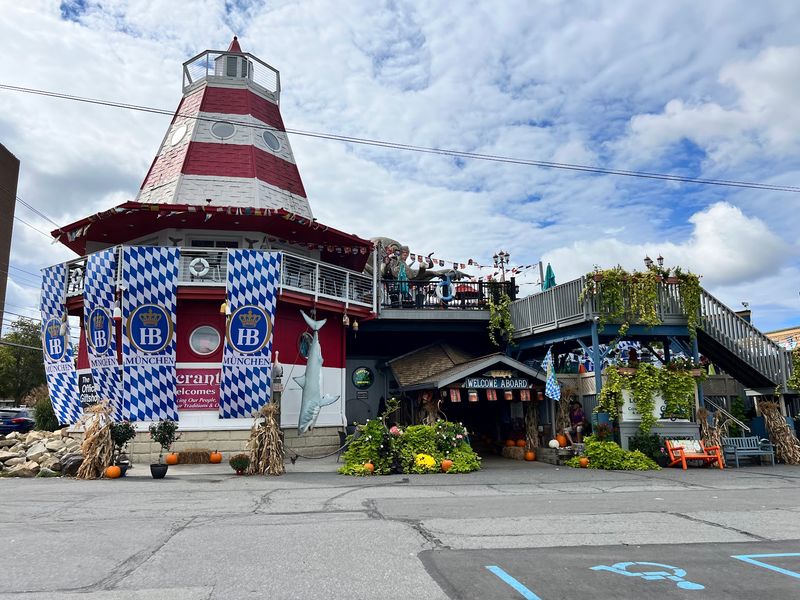
Scranton has plenty of real workers, even if none answer to Michael Scott.
Cooper’s Seafood House is among the local spots fans of The Office recognize from its many Scranton references.
Visiting the restaurant lets you enjoy the city behind the jokes while giving your own workday stories a break.
The place is a functioning seafood restaurant, so arrive hungry rather than treating it only as a photo stop.
Check the menu, hours, and reservation options before heading over.
If seafood is not your favorite, look at current choices in advance instead of assuming the television connection will provide dinner.
Take time to notice the restaurant’s playful decor, but keep your camera out of other diners’ meals.
Staff can tell you what is available that day; they are not required to deliver an Office tour during a rush.
A meal, a kind word, and a fair tip make for a better fan visit.
Afterward, explore more of downtown Scranton on foot if time and weather allow.
The show’s version of the city is often a punch line, yet the actual place has businesses, history, and neighbors who give it character.
Cooper’s is a fun starting point for seeing Scranton as more than a name beneath a television opening scene.
7. Evans City Cemetery, Evans City: Night of the Living Dead
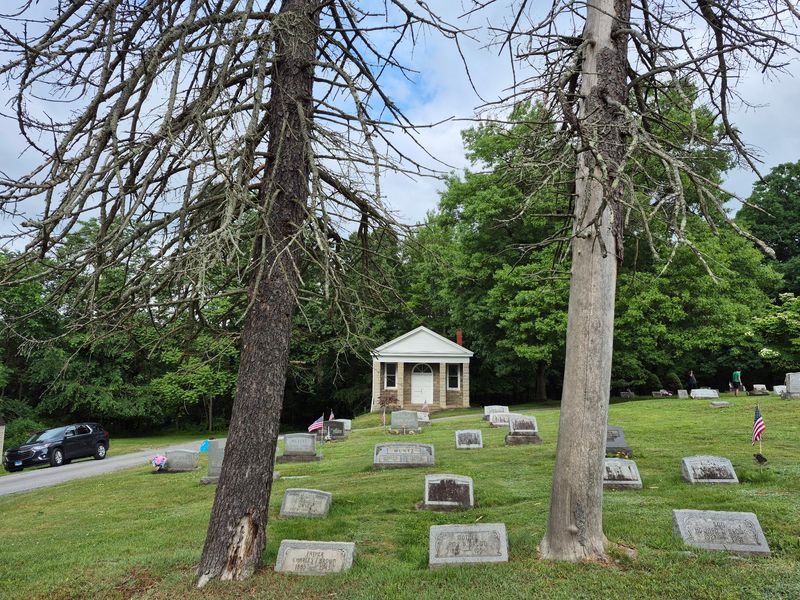
Before movie zombies chased anyone, this was a peaceful cemetery.
Evans City Cemetery appears in the opening of George A.
Romero’s Night of the Living Dead, the 1968 horror film that changed the genre.
The contrast between its quiet paths and the scene’s sudden panic is startling when you visit.
Fans often come looking for familiar views from the opening sequence.
Rather than rushing between headstones with a screenshot, pause to remember that this is a burial ground.
Families may be visiting loved ones, and the people named on the stones deserve more care than any movie landmark.
Check posted hours and rules, remain on appropriate paths, and do not touch or lean on grave markers.
Wear shoes suited to uneven ground.
Skip costumes, loud reenactments, and nighttime exploring unless an organized event clearly permits them; a respectful daytime visit is more rewarding anyway.
The film’s small budget helped turn an ordinary Pennsylvania setting into unforgettable cinema.
In person, the cemetery shows how much atmosphere a filmmaker can create with simple choices of place, light, and sound.
Listen to the birds or the breeze, then picture how differently those sounds feel after watching the opening.
It is a lesson in movie craft hiding in a place meant for reflection.
8. Colonial Theatre, Phoenixville: The Blob
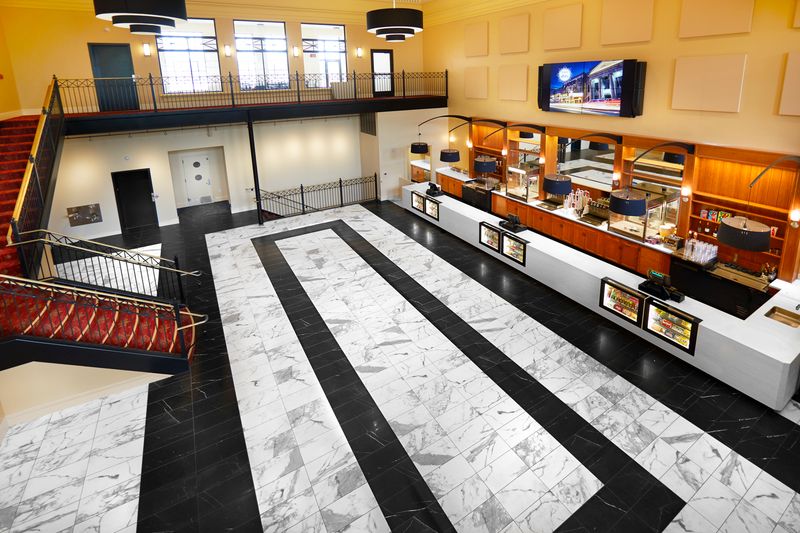
Imagine a movie audience fleeing a theater because the monster refuses to stay on screen.
That unforgettable moment in The Blob was filmed at the Colonial Theatre in Phoenixville.
The good news for today’s visitors is that the theater still offers entertainment, with no giant jellylike threat included in the ticket price.
The Colonial is a historic downtown venue with a busy program of films and live events.
Check its calendar and buy tickets ahead when a show catches your eye.
Seeing something inside adds far more to the visit than a quick picture of the marquee, though the outside is worth admiring too.
Arrive early enough to walk around Phoenixville’s nearby shops and restaurants.
Local events can make downtown lively and parking harder, so leave extra time on popular nights.
Ask before taking interior photos, and keep your phone dark once a show starts; the audience deserves its own uninterrupted movie moment.
The theater’s screen history is only part of its appeal.
Its continued use shows what can happen when a town values an older gathering place.
You can enjoy the building, support a current performance, and then step outside to picture those famous fleeing moviegoers.
Fortunately, your exit should be a great deal calmer.
9. Buffalo Bill’s House, Perryopolis: The Silence of the Lambs
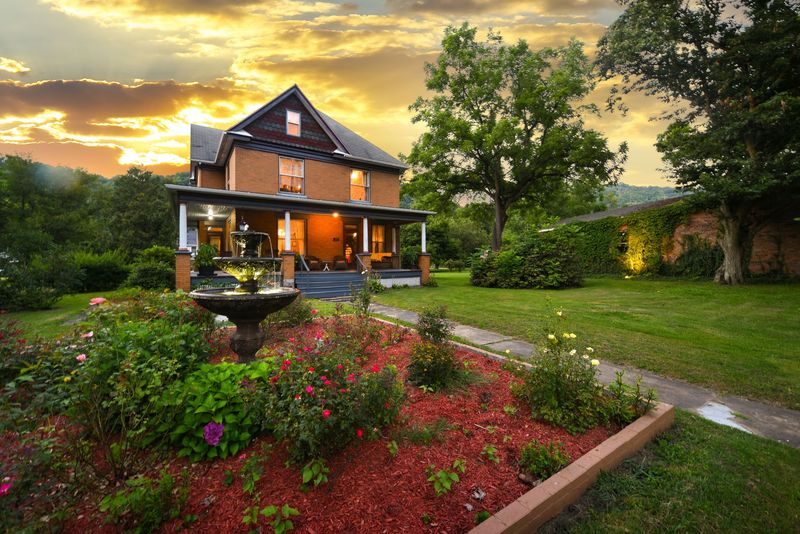
Some movie houses make you hope nobody answers the door.
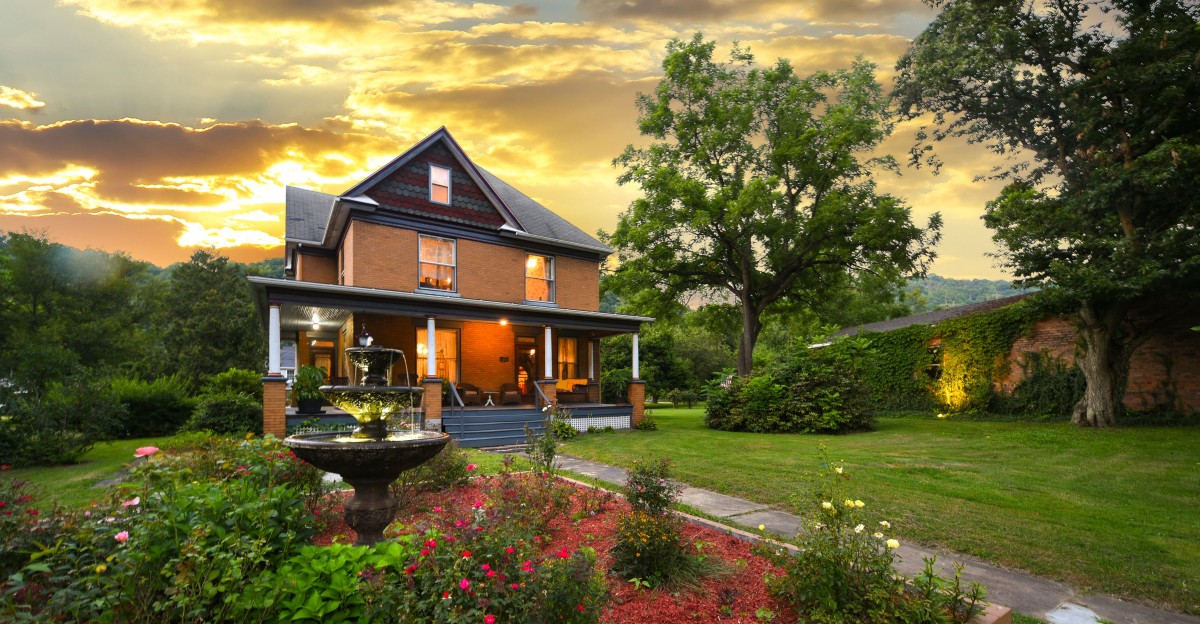
Buffalo Bill’s House in Perryopolis is tied to The Silence of the Lambs, and its recognizable exterior gives horror fans an uneasy thrill.
Off screen, though, it is a real property, so the most important rule is to respect its boundaries.
Check the property’s official information for current tour or overnight stay options before making plans.
Availability, prices, and access can change.
Do not assume that seeing the house in a movie gives visitors permission to enter the yard, walk onto the porch, or peer through windows.
If you only want an exterior view, use a lawful public spot and avoid blocking the road or neighboring homes.
Keep the visit brief when others are nearby.
The fictional story is disturbing, but there is no need to bring that drama to a quiet community with loud jokes or surprise costumes.
What makes the stop interesting is how ordinary the building can appear in daylight.
Film lighting, camera angles, and a chilling story turned a house into a lasting image.
Seeing the real structure helps separate the craft of suspense from the everyday place that supplied it.
Afterwards, give Perryopolis more than a passing glance; its wider area has its own history beyond Hollywood’s darkest imagination.
10. Ontario Street Comics, Philadelphia: Unbreakable and Glass
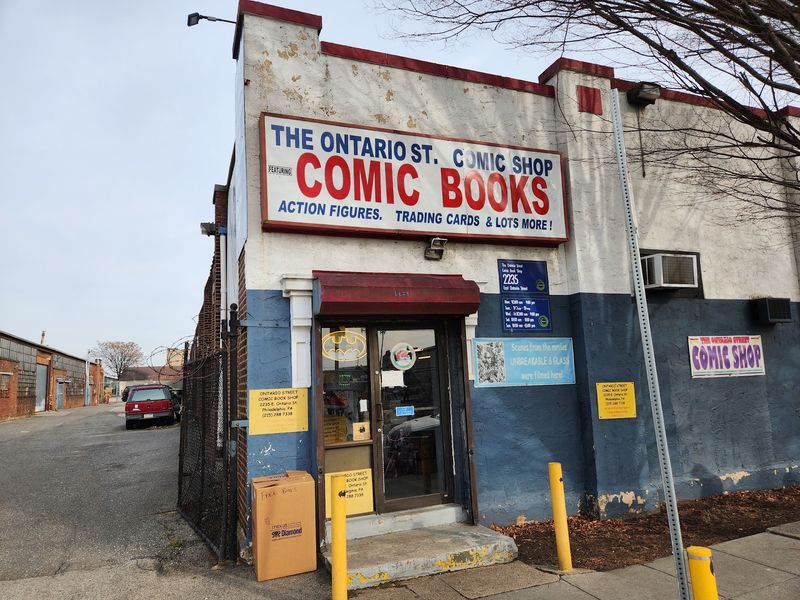
A comic shop is a fine place to discover that your favorite hero needs reading glasses.
Ontario Street Comics in Philadelphia is linked to M.
Night Shyamalan’s Unbreakable and Glass, films that treat comic book ideas with unusual seriousness.
The real shop adds something the movies cannot: shelves you can actually browse.
Before visiting, confirm current opening hours and the store’s latest details.
Independent shops can have schedules that differ from major chains.
Once inside, ask staff for a recommendation if you are new to comics; a good starting issue can save you from feeling lost in a wall of colorful covers.
Handle books carefully and ask before photographing displays or other customers.
Buying a comic or small item is a friendly way to support the business behind your film stop.
Even if you have never seen the movies, browsing stories about heroes and villains makes their themes easier to understand.
Shyamalan’s films use Philadelphia as more than a backdrop, and a neighborhood comic shop fits that grounded approach.
Outside, ordinary traffic keeps moving.
Inside, dramatic worlds wait between paper covers.
That mix is the fun of the visit: a screen location becomes a working store where you might find a new favorite story to take home.
11. Henry Hillman Hall at the Kovalchick Complex, Indiana: Southpaw
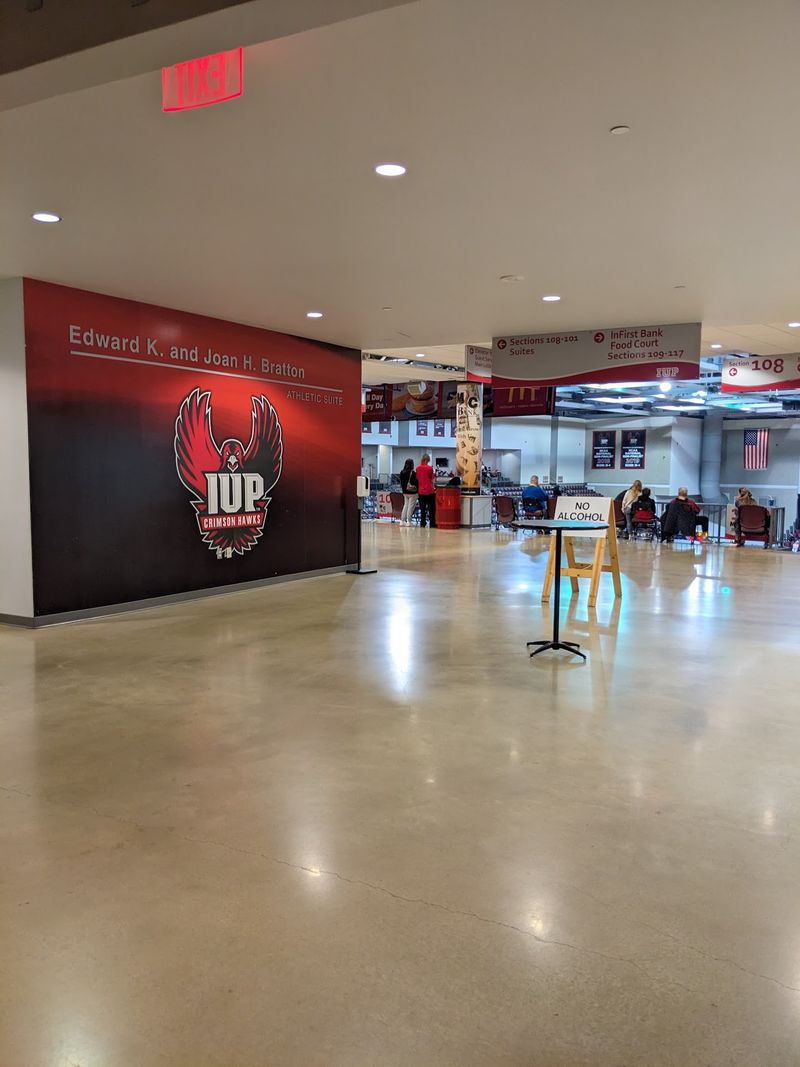
The crowd may be gone, but the building still feels ready for a big night.
Henry Hillman Hall, within Indiana’s Kovalchick Convention and Athletic Complex, has a connection to the boxing drama Southpaw.
Seeing the arena in person shows how a practical event space can become the setting for high stakes movie action.
Check the complex’s current calendar before traveling.
Games, concerts, and other events may offer a chance to experience the venue from inside, while access to certain areas can be limited between shows.
Never assume a film location includes a public tour or permission to wander backstage.
Arrive with time to find approved parking and locate the correct entrance.
If you attend an event, follow its rules on bags, cameras, and tickets.
The best souvenir may be a lively crowd rather than a photo of an empty hallway.
Southpaw builds tension through training, fights, and the people watching them.
A visit helps you notice the less dramatic work behind such scenes: lights, seating, entrances, and staff who keep a venue running.
Explore the town of Indiana while you are nearby, too.
The arena is one stop in a community with shops, students, and its own everyday energy, even when no boxer is in sight.