The clang of a trolley bell and the hum of overhead wires can carry you back a full century in a matter of seconds.
The East Troy Railroad Museum on Church Street in East Troy, Wisconsin, keeps that old electric railway spirit alive.
Visitors can climb aboard lovingly restored vintage trolleys and interurban cars for a scenic ride through the southeastern Wisconsin countryside.
The line rolls past farm fields and woodlands, with a popular stop at The Elegant Farmer, a farm market known for its baked treats.
Back at the depot, the museum shares stories of the electric railways that once linked towns across the region.
Check the seasonal ride schedule before you go, and plan on a relaxed, old-fashioned kind of afternoon.
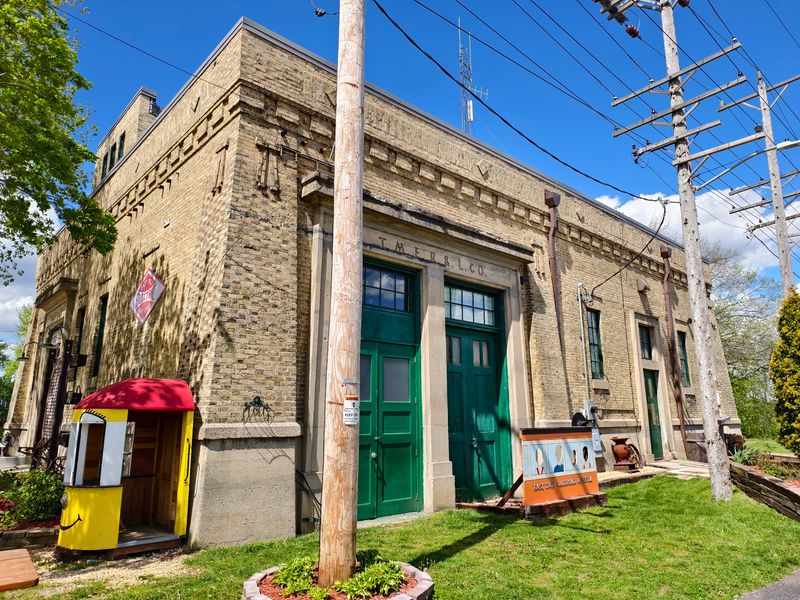
Start at the Historic Depot
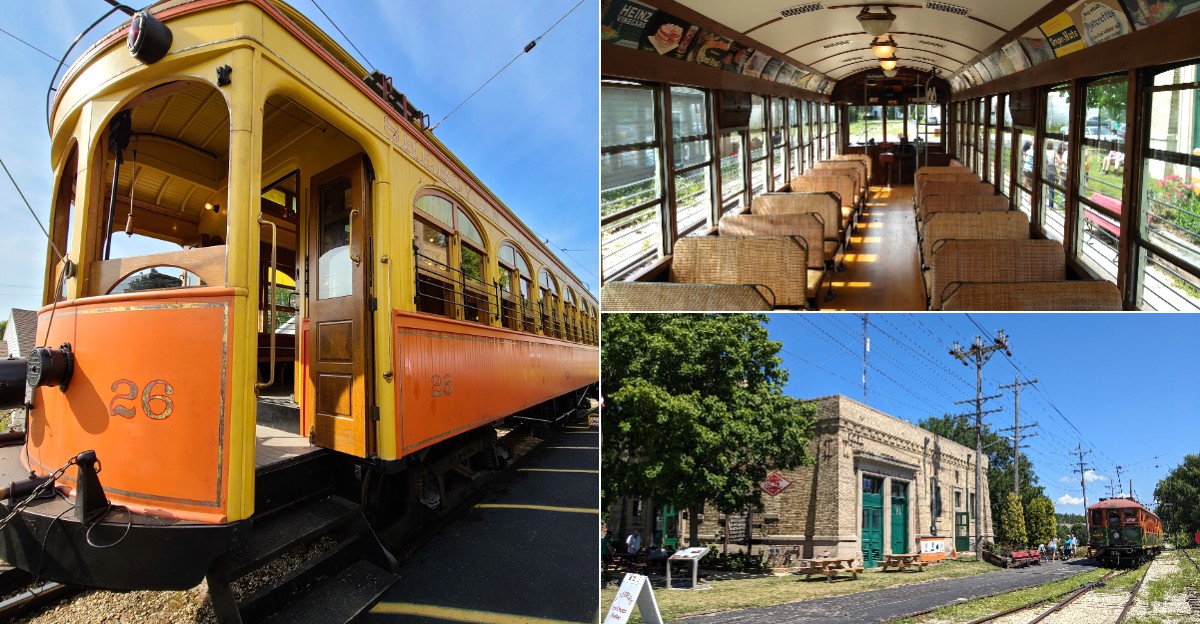
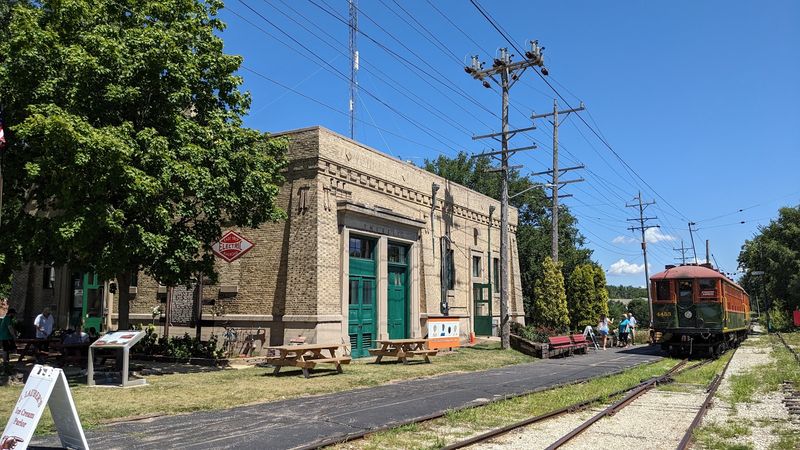
A station platform has a special kind of excitement when an old railcar is waiting nearby. At the East Troy Railroad Museum, 2002 Church St, East Troy, WI 53120, the depot is a useful first stop before your ride. You can find ticket information, look over museum displays, and get a feel for the railroad’s past.
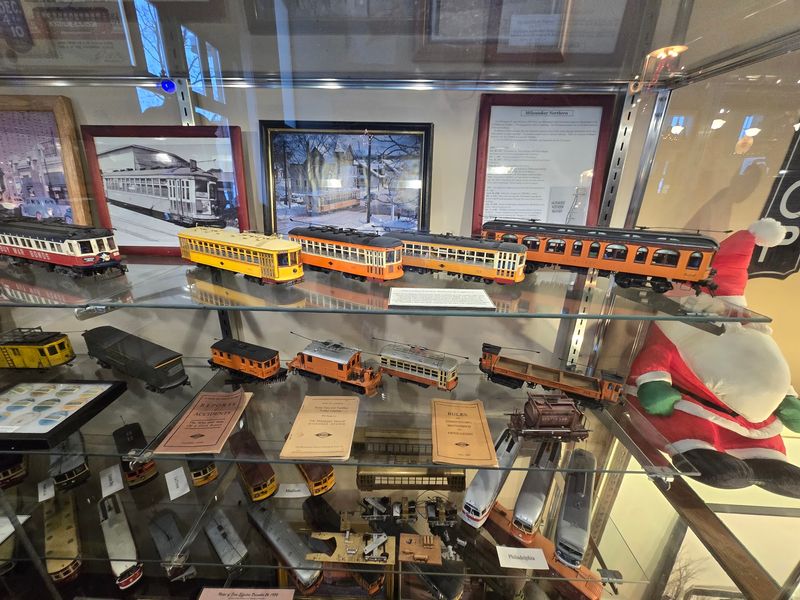
Arriving early gives your group time to settle in without rushing toward the platform. Take a moment to notice the old photographs and railroad objects inside. They help explain why people have worked to keep these electric cars running rather than leaving them parked as exhibits.
The depot also has a gift shop, which can be fun for young train fans after the ride. If someone in your group needs a restroom, check the facilities before boarding. Visitors have reported free parking, but it is smart to confirm current arrangements before setting out.
Think of the depot as more than a place to buy a ticket. It is where the trip begins to make sense: the displays introduce the history, while the platform lets you see that history still moving. Check the museum’s website for current operating days, departure times, and ticket options, since schedules may change with the season.
Climb Aboard a Vintage Electric Car
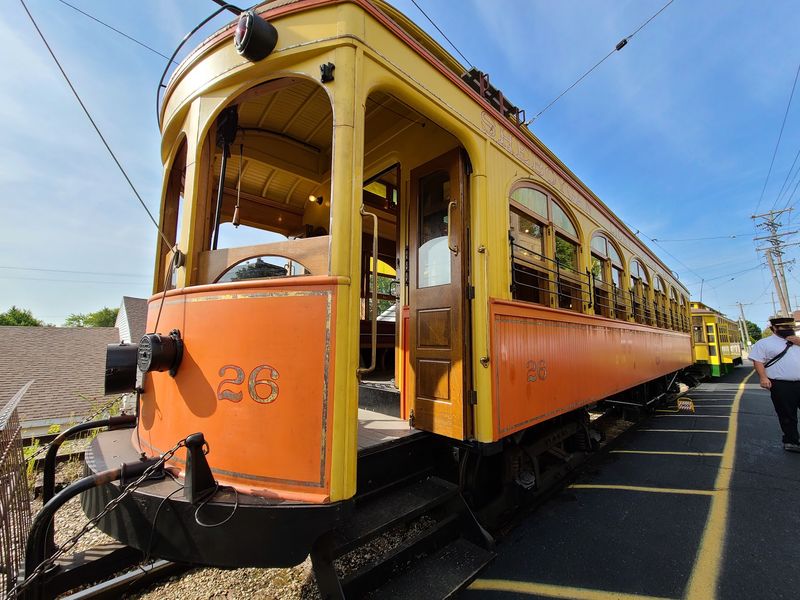
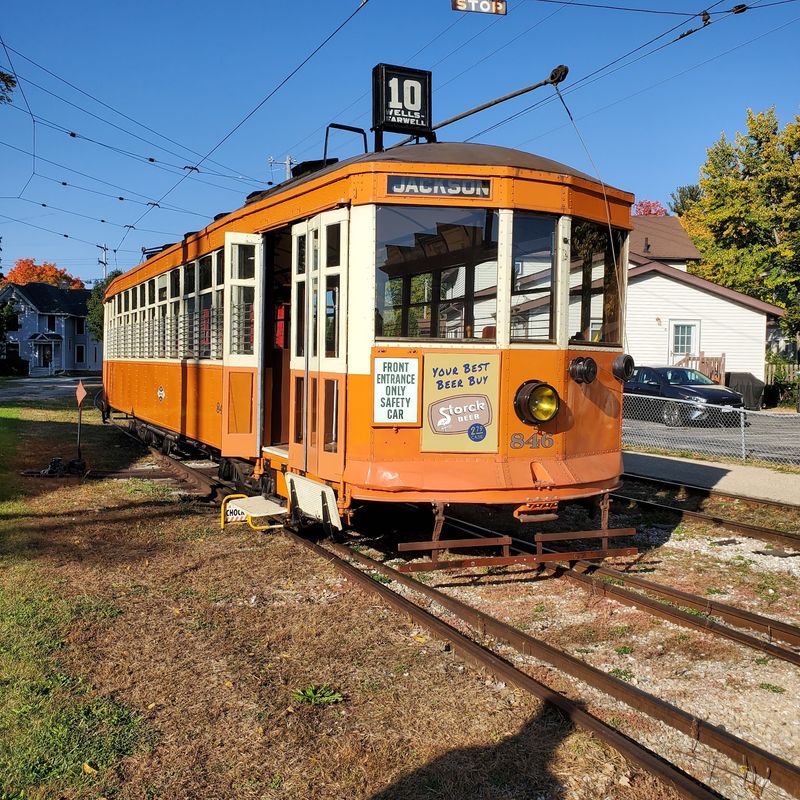
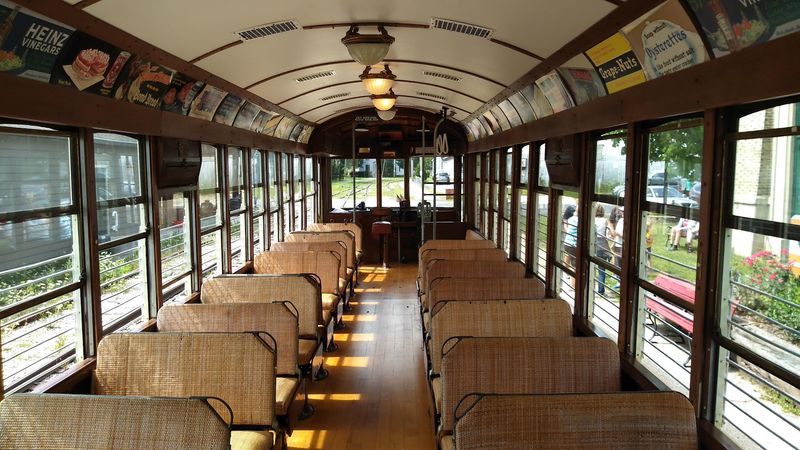
The first step into a vintage car can feel like stepping into an old family photograph. Seats, windows, and carefully kept details show what rail travel looked like before most people relied on cars. Instead of seeing a trolley behind a rope, you get to experience one in motion.
Look around before the car starts moving, and give yourself time to notice its design. Different railcars may be used for different trips, so the exact car you ride can vary. That surprise is part of the appeal for visitors who return more than once.
Boarding may involve climbing steps, according to past visitors. If stairs could be difficult for anyone in your group, contact the museum ahead of time and ask about the car scheduled for your trip. Staff can explain current boarding arrangements better than an old review can.
Once seated, keep bags out of the aisle and follow the crew’s directions. Children may enjoy watching the conductor, while adults can appreciate the work required to preserve a working electric railroad. Bring a camera for memories, but spend some time simply looking out the window. The moving car, its sounds, and the view together make this experience different from browsing a museum exhibit.
Enjoy the Countryside, Not a Lakefront
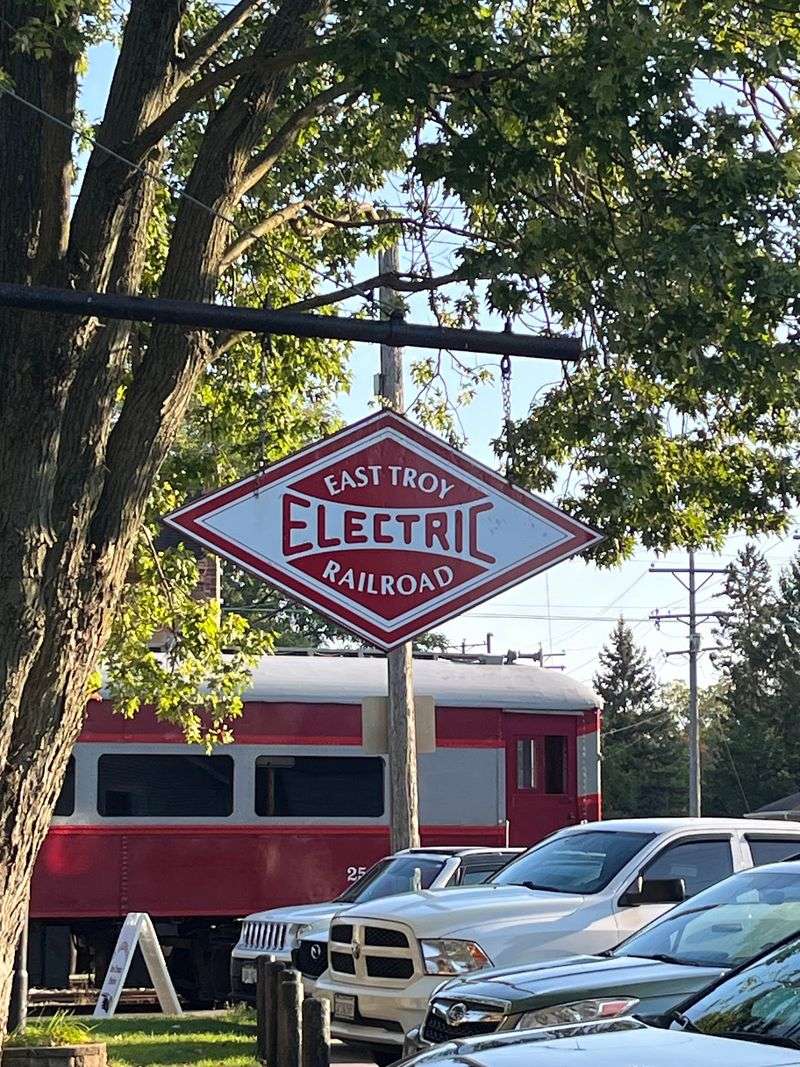
Fields and trees replace the lake views you might expect from the headline. The museum’s trolley route runs inland, not along Lake Michigan or its shoreline. Knowing that before you buy tickets helps you choose the trip for what it truly offers: a relaxed ride through Wisconsin countryside.
Watch how the scenery changes as the car rolls along the tracks. Depending on the season, you might see fresh leaves, summer greenery, or fall color outside the windows. The route also gives you room to notice the railcar itself, from its movement to the sounds it makes.
Some outings are round trips, while certain schedules may allow a stop before the return ride. Check the timetable carefully if you plan to get off, since you will need to know when and where to board again. Do not assume every ticket follows the same plan.
For a better view, choose a window seat if one is available, and let children take turns looking out. A slow pace is a strength here, not a flaw. You are not racing to a destination; you are riding a piece of transportation history through a landscape that gives everyone a chance to pause and look around.
Listen to the People Who Keep It Running
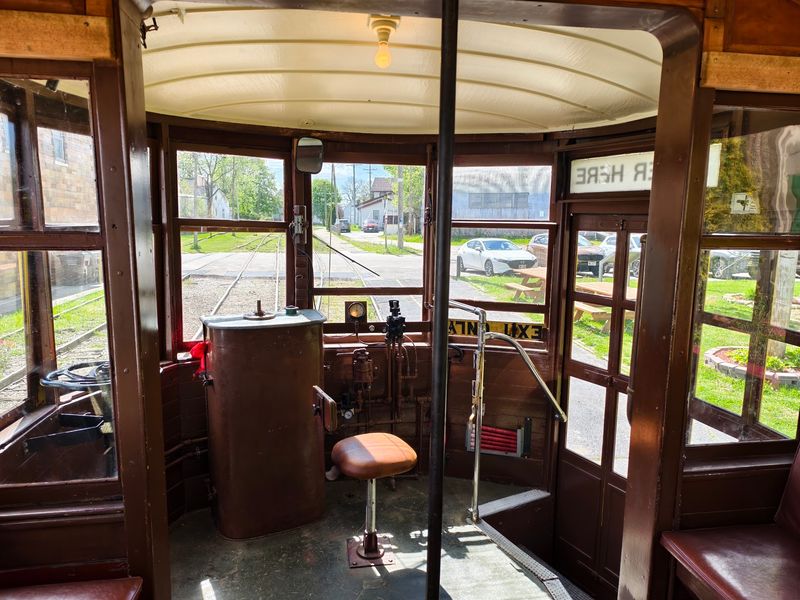
Sometimes the best part of a ride is the story you did not know to ask about. The museum is supported by volunteers, and visitors often praise their knowledge and friendly manner. A crew member may explain the cars, the tracks, or the people who depended on electric rail service.
Listen for details that turn a passing view into a piece of local history. You might learn why a particular car matters or how much care it takes to keep older equipment ready for passengers. The volunteers’ enthusiasm can make unfamiliar terms easier for younger riders to understand.
Questions are welcome when the crew has time and it is safe to ask. Try asking what job the car once did or what parts are hardest to maintain. A simple question can lead to a story that makes the whole trip more memorable.
Remember that the crew also has work to do. Follow boarding instructions, stay behind any marked boundaries, and let them focus during stops. Their efforts help preserve a working railroad for future visitors, not just a collection of objects behind glass. Thanking a volunteer at the end of the ride is a small way to recognize the time and skill that make your outing possible.
Give Curious Kids Time to Explore
A button, an old photograph, or the sound of a railcar can hold a child’s attention longer than expected. Families can pair the trolley ride with a look at the museum’s memorabilia and displays. That combination gives kids something to see, hear, and ask about rather than a long lecture to sit through.
Start with one small challenge: ask children to spot something inside the depot that people no longer use every day. Then compare it with what they notice aboard the car. Looking for differences between past and present turns the visit into an easy game.
Keep the day’s plan flexible, especially with younger children. Allow extra time for the restroom before boarding, and check the current rules about snacks and drinks. Past riders report that water was permitted but other food and drink were not allowed on regular trains.
Railcars have steps, aisles, and moving parts, so remind children to walk carefully and listen to the crew. A seat near a window can make the ride especially engaging. If a child gets restless, point out passing trees or ask them to describe the sounds they hear. Small moments like those can make a family outing feel personal without needing a packed schedule.
Consider a Stop Along the Route
A trolley trip can be more than a ride out and back if your chosen schedule includes a stop. Some visitors have described getting off along the route to shop for farm goods before returning by rail. That can add a pleasant break to the day, but it takes a little planning.
Check the museum’s current route and ticket details before making promises to your group. Stops, departure times, and reboarding rules may differ by date or event. Ask where passengers may leave the train and whether their ticket covers the return journey.
Write down the departure time for the ride back instead of trusting your memory. Keep your ticket handy, and leave enough time to reach the boarding area without hurrying. If you buy treats or other goods, choose an amount that is comfortable to carry on the car.
A stop works best when it fits the pace of your group. Some riders would rather stay aboard and enjoy the railcar; others like adding a short shopping break. Neither choice misses the point of the trip. The useful question is how much time you want to spend away from the train. When the schedule is clear, you can relax and enjoy both the ride and the pause between departures.
Look for a Special Event Ride
A familiar train ride feels different when a holiday or celebration gives it a theme. The museum has offered seasonal family rides and special dining trips in addition to its regular trolley outings. Past visitors have enjoyed events connected with Easter, Christmas, and meals served aboard historic cars.
Each event has its own schedule, ticket price, and experience. A daytime family ride is not the same as a dinner train, so read the event page closely before booking. Check the age guidance, meal information, arrival instructions, and how long the trip is expected to last.
Popular dates can fill up, and one visitor reported finding tickets sold out. Buying ahead when reservations are available may save your family a disappointing drive. If you are planning a surprise, confirm the event first rather than counting on a past year’s calendar.
For children, a themed ride can make the old cars feel even more magical. For adults, a dining trip may offer a different way to appreciate a restored railcar. Either way, the historic equipment remains the heart of the experience. Choose the event that suits your budget and group, then leave time to enjoy the depot before departure.
Plan the Visit Before You Leave Home
Nothing takes the fun out of a train day faster than arriving after the last departure. Check the museum’s official website for current operating dates and ride times before leaving home. The hours supplied for this location show weekend openings, but schedules can change for seasons, special events, and maintenance.
Tickets are another detail worth sorting out early. Look for the ride you want, confirm its departure point, and see whether advance purchase is recommended. If you have questions about boarding steps or other access needs, call the museum before booking.
Dress for the weather you expect during your visit and bring a layer in case the day turns cool. Keep your phone charged for photos and ticket information. If you are traveling with children, explain beforehand that the trolley follows an inland route rather than the shore of Lake Michigan.
Leave a little extra time for parking, restrooms, and the depot displays. That buffer makes a missed turn or slow arrival less stressful. A good plan does not need to be complicated: know when to arrive, which train you are taking, and what your group hopes to enjoy most. Then let the old railcar provide the day’s main adventure.