A maple tree can spend weeks giving away its sweetest secret one drop at a time. In Virginia, the sugaring season turns cold mornings into busy days on farms, where clear sap is collected from tapped trees and carefully transformed into the amber syrup that ends up on breakfast tables.
Visiting Virginia maple syrup farms offers a chance to see that process before the bottle reaches the pantry. You might spot buckets or tubing running between trees, hear sap moving through collection lines, or watch producers boil it down over heat until the liquid becomes richer and sweeter.
The work is hands-on, seasonal, and surprisingly detailed, giving a familiar breakfast staple a much deeper story.
For anyone curious about where maple syrup comes from, these farms offer a closer look at sugaring in action. Here are 9 Virginia maple syrup farms that made us want to see the process for ourselves.
Mill Gap Farms: A Modern Take on Maple
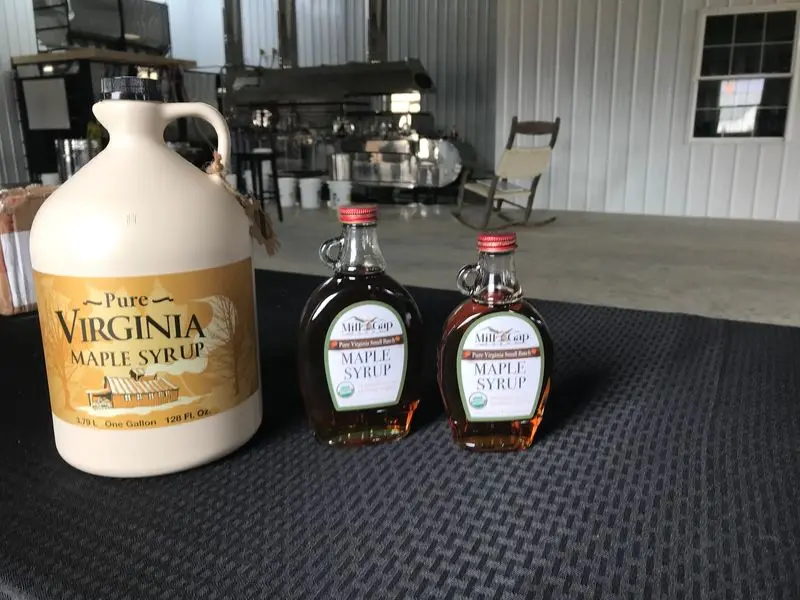
A line of tubing running between bare trees can look almost like a quiet science experiment. At Mill Gap Farms near Monterey, it leads to a maple operation that pairs a mountain tradition with modern equipment.
The farm is known as Virginia’s first USDA Certified Organic maple syrup producer, giving visitors another question to ask: what does organic sugaring involve?
Sap starts in the trees, but collecting it is only the beginning. During a tour, look for the equipment that moves sap toward the sugarhouse and ask how the farm cares for its maple woods.
The tools may differ from an old-fashioned bucket and kettle, yet the basic job remains the same: remove water until the sap becomes syrup.
Farm animals add a wider view of life here beyond maple season. If you hope to see syrup being made, contact the farm before driving to 2760 Mill Gap Road, since sap runs depend on the weather.
A visit is most rewarding when you can connect the trees outside with the careful work indoors.
Back Creek Farms: Sugaring on a Working Farm
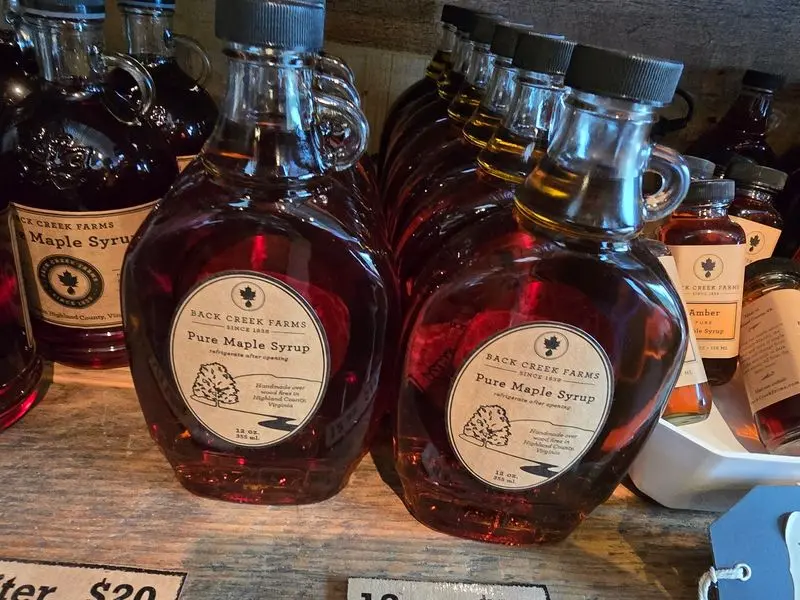
Some farm roads make you slow down before you reach the gate. The route to Back Creek Farms near Monterey passes through a landscape where fields and wooded slopes share the work of a farm.
Its sugar camp is part of that larger picture, rather than a display set apart from everyday life.
Here, maple production offers a reason to think about the seasons. Trees provide sap during a short stretch of suitable weather, while the rest of the farm has other jobs to do.
If you have a chance to speak with the people working there, ask how they decide when to tap and how quickly collected sap must be boiled. Those answers can make the timing of a syrup batch easier to understand.
Back Creek Farms is at 7781 Upper Back Creek Road, but a working farm may not keep regular visitor hours. Check for tours or festival access before setting out, and wear shoes that can handle mud.
The appeal is seeing sugaring as one part of a busy, changing place.
Puffenbarger’s Sugar Orchard: Old Roots, New Tools
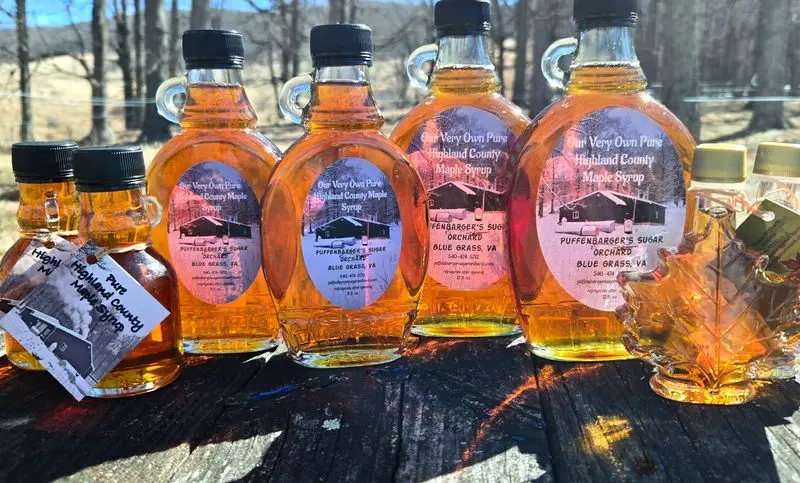
More than a century of family sugaring might bring buckets and horses to mind. At Puffenbarger’s Sugar Orchard in Blue Grass, the family history is long, but the tools tell a story of change.
The operation taps more than 1,800 trees, so moving all that sap takes careful planning.
Tubing and vacuum pumps help collect it, while reverse osmosis removes some water before the sap reaches an oil-fired evaporator. Think of that middle step as giving the boiling process a head start, not replacing it.
Seeing the equipment in order can help you follow a drop of sap from tree to finished syrup. Ask which step saves the most time and which still depends most on a watchful person.
The orchard is at 17 Maple Syrup Lane, a fitting address for a place shaped by its maples. Check current tour arrangements before visiting, and do not count on finding syrup for sale: the farm reported selling out of its 2026 supply.
The process itself is worth your attention, even without a bottle to bring home.
Laurel Fork Sapsuckers: A Mountain Sugar Camp
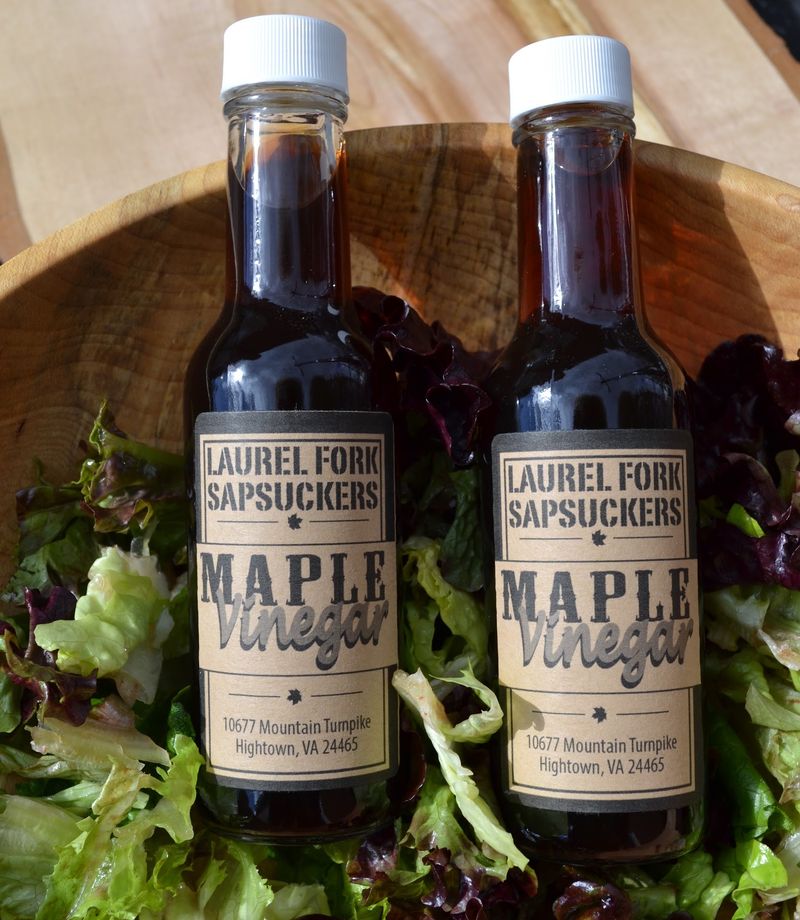
Cold air, open mountain views, and the bustle of a farm make a sweet combination. Laurel Fork Sapsuckers near Hightown brings maple making into that setting, where a sugar camp belongs to a working family farm.
It is a place to watch for the small details behind a food most of us see only in a bottle.
During the 2026 Highland County Maple Festival, visitors could tour the sugar camp, see farm animals, and enjoy maple products. If similar activities are offered when you go, start with the trees before heading inside.
Notice how sap is gathered, then ask how the makers tell when boiling has brought it to the right thickness. Watching those steps in order helps explain why fresh sap and finished syrup look so different.
The camp is at 10677 Mountain Turnpike, where the drive is part of the outing. Festival offerings can change, so confirm access and activities before you leave.
Bring a jacket, leave room for muddy ground, and give yourself time to enjoy the farm as well as the syrup.
Fair Lawn Farm: The Older Ways Still Matter
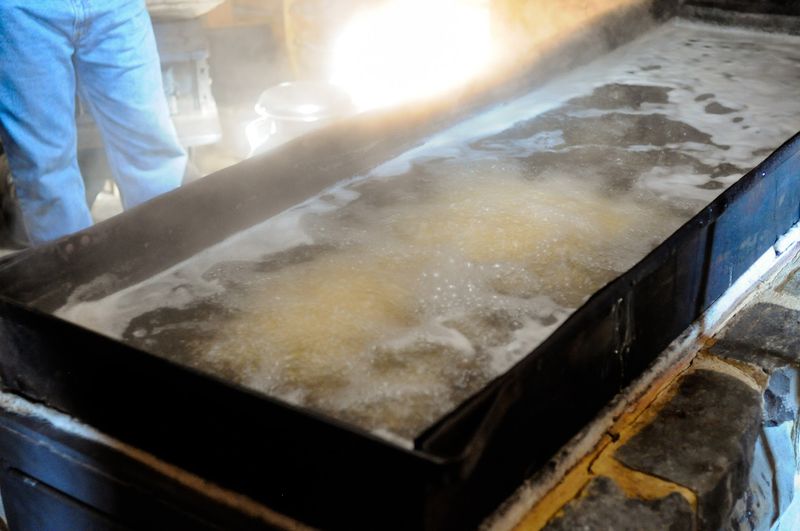
An old sugarhouse can make an ordinary winter morning feel connected to many seasons before it. At Fair Lawn Farm near Monterey, Duff’s Sugar House is the farm’s maple operation, not a separate stop.
Guided visits offer a chance to look closely at the more traditional side of turning sap into syrup.
Pay attention to the work that starts before any boiling happens. A maple must be tapped, sap must be collected, and the sugarhouse must be ready when the weather allows the sap to run.
Ask a guide how people once handled those jobs and what has changed over time. The answers can turn a simple pan of boiling sap into a story about labor, timing, and learned skill.
Fair Lawn Farm is at 3118 Mill Gap Road, close enough to other Monterey-area stops to make careful trip planning useful. Arrange a tour ahead of time rather than assuming the sugarhouse is open every day.
Its older features invite you to slow down and imagine how much attention each batch once required.
Sugar Tree Country Store: A Shortcut Before the Boil
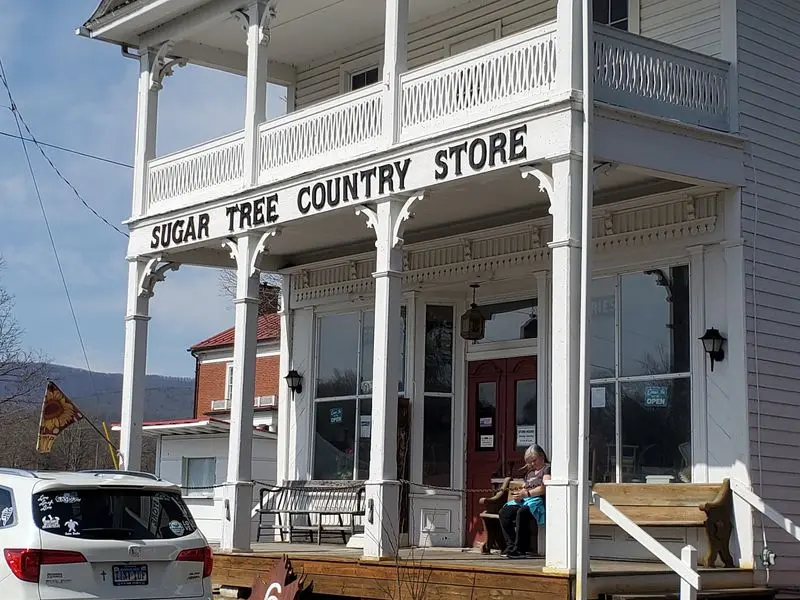
High on the mountain, a maple tree holds a drink that is far less sweet than you might expect. Sugar Tree Country Store and Sugar House in McDowell makes syrup from sugar maples growing at roughly 3,000 to 4,000 feet.
That setting adds a sense of place to the bottles waiting in the store.
The sugarhouse uses reverse osmosis, which removes some water from sap before boiling. Picture the difference between heating a full pot of watery sap and heating sap that has already lost part of its water.
There is still boiling to do, but less water needs to leave as steam. If a visit includes a look at production, ask how the makers decide when the concentrated sap is ready for the evaporator.
The business is at 185 Mansion House Road and says it operates from March through December. Hours and sugarhouse access may differ, so check before traveling, particularly if you want to see active sugaring.
The store and equipment together make the science behind a familiar breakfast topping easier to picture.
Tonoloway Farm: Syrup Beyond the Maple
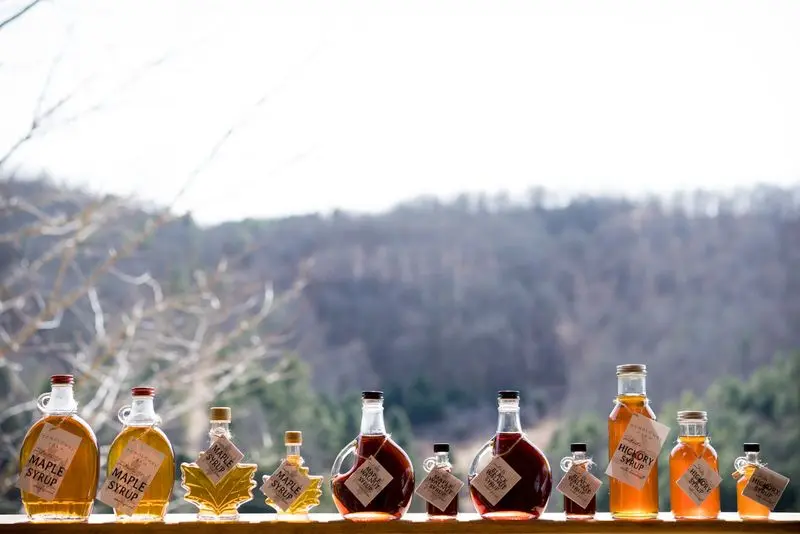
What if the most surprising syrup at a maple stop came from another tree? Tonoloway Farm near McDowell makes maple syrup along with black-walnut and hickory syrups.
That mix invites a simple but fascinating question: how much of a syrup’s character comes from the tree itself?
Different tree saps can have different flavors, and the way a maker prepares them matters too. If tasting is offered, try a small sample of each on its own before adding it to food.
Describe what you notice in everyday words, such as mild, nutty, or rich, rather than worrying about a perfect answer. Ask which trees produce sap in the local season and how the farm handles each kind.
You may leave thinking differently about the trees along the road.
Tonoloway Farm is at 9943 Highland Turnpike. Contact the farm to confirm visiting opportunities and what products are available, since production and stock can change.
Even without a tasting, its range of syrups opens up a side of sugaring that many pancake fans have never considered.
Sugar Creek Ranch: A Newer Sugaring Story
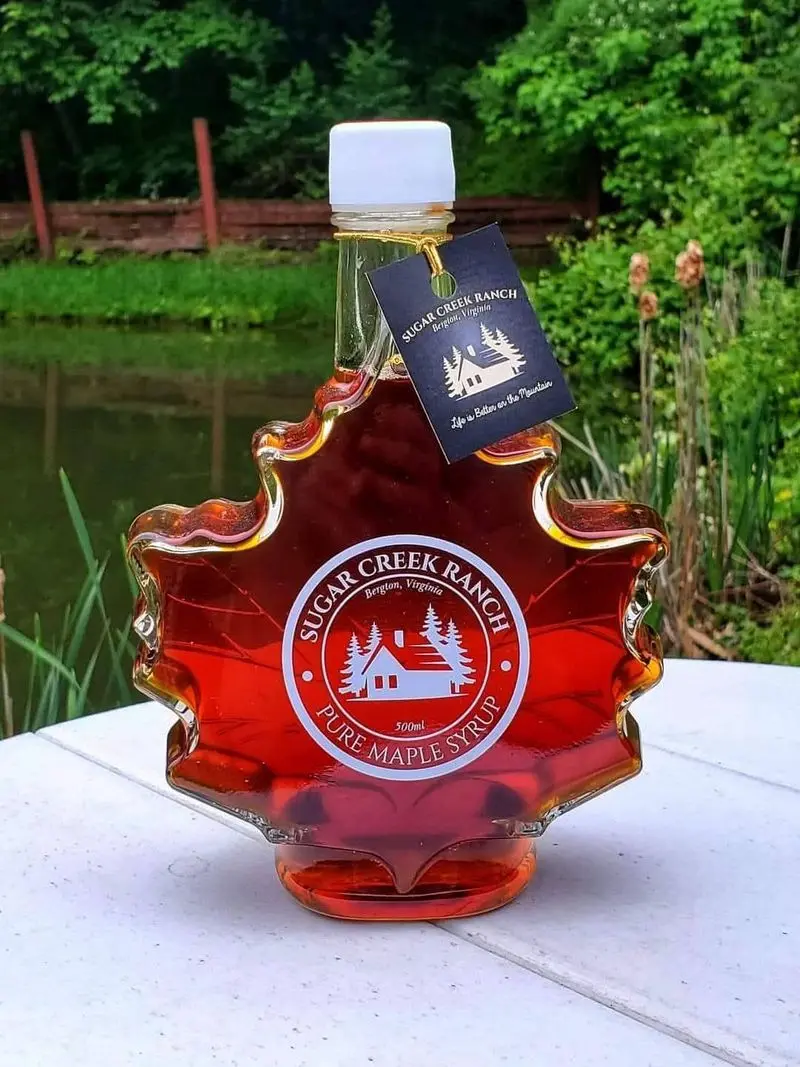
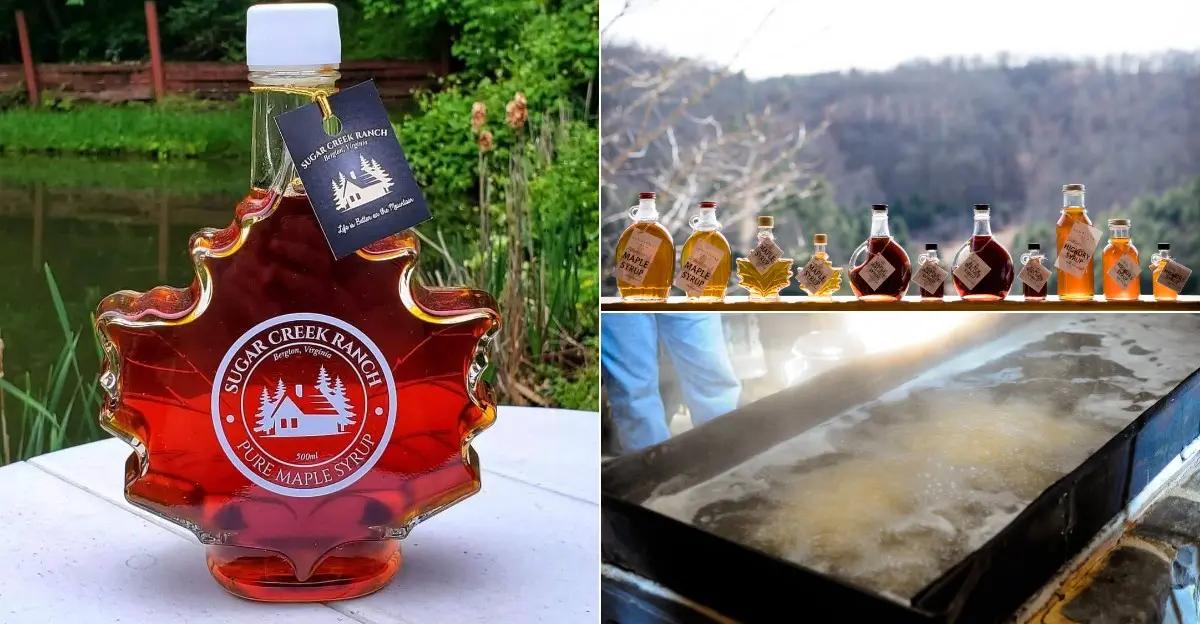
Five tapped trees do not sound like the start of a big project, but they were a beginning worth following. Sugar Creek Ranch in Bergton says its maple operation started with five sugar maples in 2018 and has since grown.
Compared with families who have sugared for generations, this farm offers a newer chapter in Virginia’s maple story.
That modest beginning makes the work easy to imagine. A small first batch still requires taps, clean collection, enough sap, and the time to cook it down.
As an operation grows, those needs grow too. Ask what the ranch learned from its earliest seasons and which jobs changed as more trees joined the route.
The answers might interest anyone who has ever started a project without knowing how far it would go.
The ranch produces syrup from sap collected and cooked on the farm at 22971 Bennett Run Road. Check directly for visits or events before heading to Bergton; maple work follows the weather rather than a fixed showtime.
It is a reminder that a local food tradition can still welcome newcomers.
Bruce’s Syrup & Candies: Maple Takes New Shapes
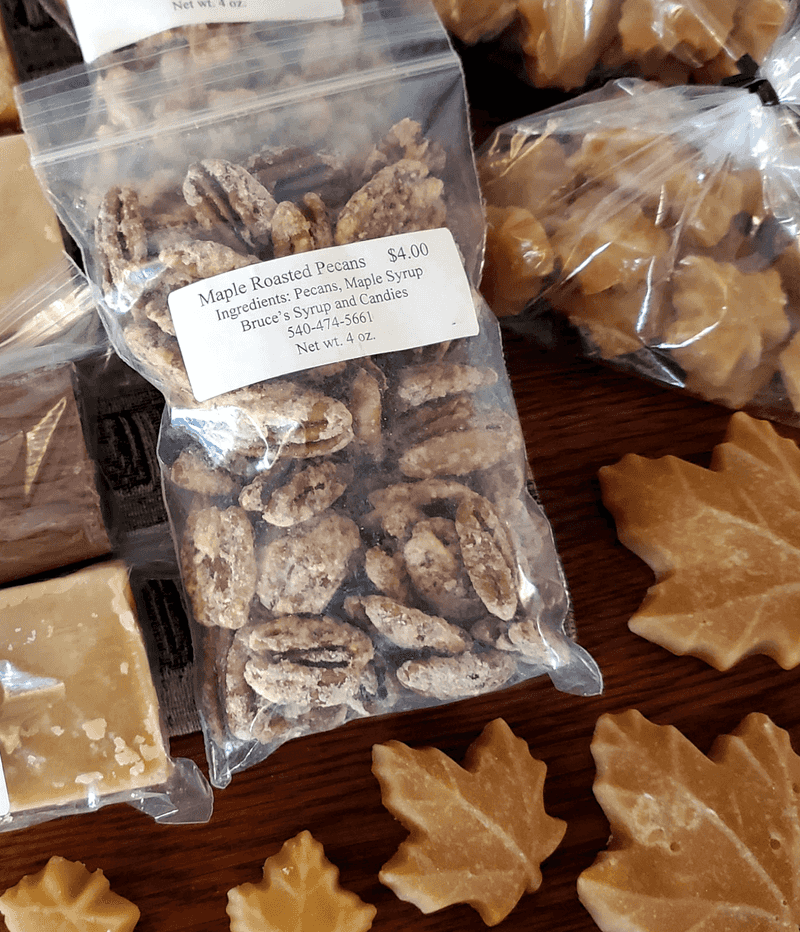
A bottle of syrup is only the first answer to the question of what maple can become. Bruce’s Syrup & Candies in Blue Grass also makes maple candy, suckers, and fudge.
Its mountain camp draws on approximately 1,600 maple trees across 90 acres, giving those treats a close connection to the surrounding woods.
Consider how a liquid poured over pancakes turns into a candy you can hold. The key is further cooking and careful handling, which change the syrup’s texture.
If you can speak with a maker, ask how the cooking steps differ for fudge and hard candy. Looking at several finished products side by side can make the range of maple making feel wonderfully clear, even if you have never watched a batch being prepared.
The listed Google Maps address is 824 Folks Drive, though some other listings show a different address. Confirm directions and visiting hours with the business before setting out.
Product availability may vary, but the idea stays with you: the same trees can lead to a surprising number of sweet results.