Live oaks draped in Spanish moss arch over winding paths, and every turn seems to reveal a new quiet surprise.
Brookgreen Gardens in Murrells Inlet, South Carolina, blends lush gardens, wildlife, and art in one peaceful setting.
Founded in the 1930s by Archer and Anna Hyatt Huntington, it holds one of the country’s most impressive collections of American figurative sculpture.
Graceful statues rise among fountains, flower beds, and reflecting pools, so every stroll feels like a walk through an outdoor museum.
Families can also visit the on-site zoo, which features animals native to the Lowcountry.
Wear comfortable shoes, bring water, and give yourself plenty of time to wander.
Begin Beneath the Live Oaks

Cool shade can make the first steps of a long walk feel easy. At Brookgreen Gardens in Murrells Inlet, South Carolina, the live oaks invite you to look up before you look at a map. Their wide branches and hanging Spanish moss make this a memorable place to begin. Walk slowly enough to notice how the view changes as you move beneath each tree.
The oak avenue is also a useful meeting point if your group wants to split up later. Take a photo of a nearby sign so everyone can find the same spot again. If you arrive with children, ask them to count the trunks or spot different shapes in the branches. It turns a short walk into a simple game without adding anything to your bag.
Early morning often feels cooler than the middle of the day, though weather and crowds can change. Bring water even if you plan to stay in the shade, and wear shoes made for walking. The grounds cover a large area, so there is no prize for rushing past the first sight. Give yourself a minute to listen to the leaves before choosing your next path.
That small pause sets a comfortable pace for the visit ahead. You can always come back to the oaks before you leave.
Let a Sculpture Stop You

A figure stands beside the path, and suddenly the walk becomes a conversation without words. Sculptures are a major part of the garden, not small decorations tucked between flower beds. Some show people or animals, while others may catch your eye because of their shape or setting. Choose one piece and spend a full minute looking before you read its label.
From a few steps away, you may notice the outline first. Up close, look for details in the face, hands, surface, or base. Then read the label to learn what you can about the work and its artist. There is no need to understand every choice an artist made to enjoy what you see.
If you are walking with a friend, compare what each of you noticed first. Children can pick a favorite sculpture and explain their choice in one sentence. Keep a respectful distance from the art, and follow any signs about touching or photography. A quiet look often reveals more than a quick photo taken on the way past.
The collection is large, so trying to find every piece in one visit may become tiring. Mark a few works on your map, then leave room for surprises. The best stop might be the one you did not plan.
Follow the Flowers, Not a Checklist
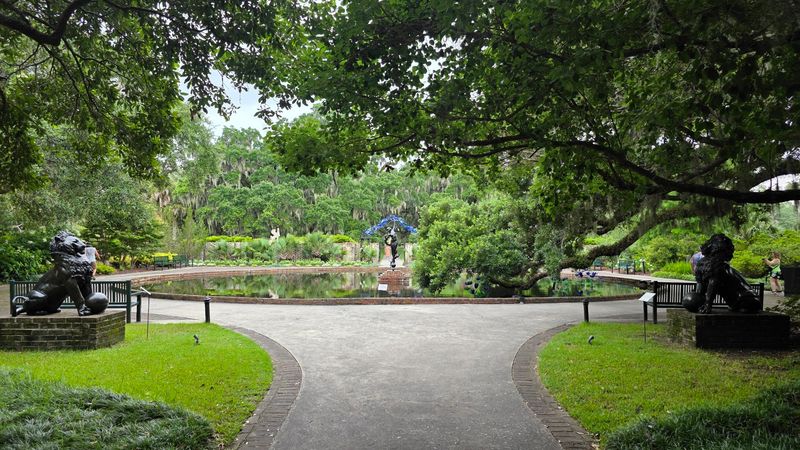
One bright bloom beside a path can be enough to make you stop. The planted areas offer different colors, leaves, and shapes to notice as you walk. What looks lively on one visit may look different a few weeks later. Rather than arriving with one flower in mind, let the season show you what is ready.
Notice how the plants are arranged around paths and sculptures. A low bed may leave a clear view of a statue, while taller growth can make a corner feel tucked away. If you enjoy taking pictures, try one wide shot and one close view of a leaf or petal. Stay on the paths and avoid leaning into beds for the perfect angle.
Warm days can make a slow garden walk feel longer than expected. Carry water, use sun protection, and take shade breaks before you feel worn out. After rain, some paths or nearby ground may be damp, so comfortable shoes are a smart choice. A small notebook can help you remember a color or plant shape that caught your eye.
You do not need to know plant names to enjoy this part of the grounds. Point out one change in color as you turn a corner. That simple habit keeps your attention on the garden instead of the clock.
Give the Animals Their Own Time
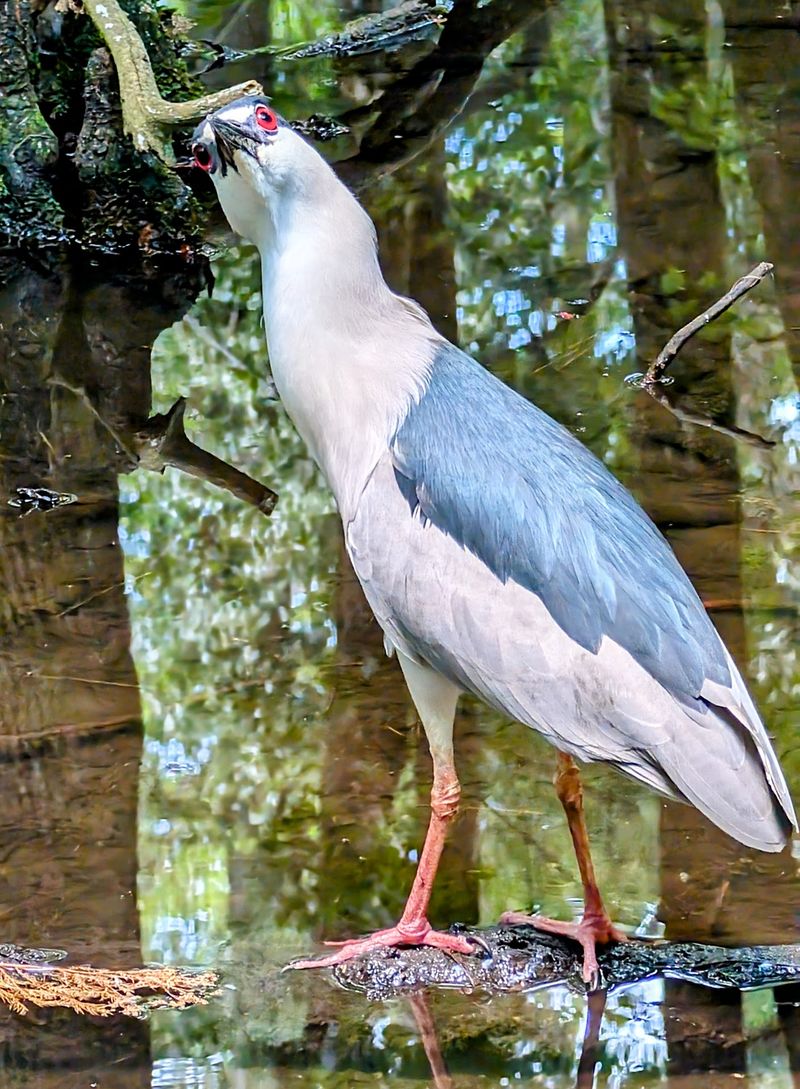
A rustle, a splash, or a sudden movement can turn a quiet walk into a moment of discovery. The Lowcountry Zoo gives visitors another way to learn about animals connected to this region. Guests have reported enjoying otters, birds, and other wildlife during their visits. Animals may be resting or out of sight, so bring patience instead of a list of must-see moments.
Read the signs near each habitat to learn what the animals eat and how they live. If a staff presentation is offered during your visit, it may answer questions you did not think to ask. Check the current schedule rather than planning around a time found in an older review. Speak softly near habitats and follow posted rules about food, barriers, and photographs.
The zoo area has paved sections that visitors with strollers may find easier to use. Even so, confirm current access details if someone in your group needs a particular route. Build in extra walking time because the zoo is only one part of the grounds. A short rest before heading back can make the return trip much more pleasant.
Children often want to move quickly from one habitat to the next. Invite them to watch one animal for a little longer. Its smallest actions may become their favorite memory.
Make Room for the Stories

A garden can hold stories as well as flowers. Signs, exhibits, and guided programs can add meaning to what you see along the paths. The grounds bring together art, history, and the natural world, so a small bit of reading can change your view. Give yourself time to stop at a sign that sparks a question.
You might learn more about an artist, a sculpture, or the land around you. If an exhibit is open, step inside when you want a break from walking outdoors. Program choices and access can change, so check the garden’s official schedule before your visit. Staff and volunteers may also help you find information when you are unsure where to begin.
Try reading just a few displays closely instead of skimming every one. Share one new fact with your group, then look again at the place it describes. You may notice a detail that meant little to you only minutes earlier. For younger visitors, turn the search into a gentle challenge: find a sign about an animal, an artist, or a plant.
History does not have to feel like homework here. It can be a reason to sit, think, and ask another question. Leave enough time for curiosity to lead you around the next bend.
Take a Break Before You Need One

Halfway through a walk, sitting down can be the smartest part of the plan. These grounds can fill several hours, and visitors often find more to explore than they expected. A pause gives tired feet a break and helps everyone enjoy the next stop. Watch for places to rest as you go rather than waiting until someone feels exhausted.
Bring a refillable water bottle and check the forecast before leaving home. Sunscreen and insect repellent can also help on warm days. Food choices and service hours may vary, so look up current dining information if lunch matters to your schedule. If you plan to bring food, confirm the garden’s rules before packing a meal.
A map helps you judge the distance between areas. Ask staff about shuttle service and current routes if walking the whole property is not a good fit. Do not assume a shuttle will run in every condition or reach every place you want to see. Give your group a simple goal, such as one garden area before lunch and another afterward.
Rest can be part of the experience, not a delay. Listen to the sounds around you while you drink some water. When you stand up again, the next path may feel inviting instead of long.
Leave Space for a Small Detour

The path you almost skip may hold your favorite view of the day. Large grounds make it tempting to draw a strict route and follow it without looking around. A little room for a detour can lead you toward a sculpture, a shady corner, or a fresh view of the plants. Keep your map handy, but let it guide you rather than hurry you.
Before turning down a side path, check where it leads and how far you have already walked. Agree on a meeting place if your group likes to explore at different speeds. Keep children close, and stay on marked visitor routes even when a shortcut looks tempting. If a path or building is closed, choose another direction and follow posted signs.
Try a simple game as you wander: each person picks one thing the others might miss. It could be a tiny flower, an unusual leaf, or a sculpture partly hidden by trees. This keeps everyone looking without turning the visit into a race. A slower pace also makes it easier to notice when someone needs water or shade.
You do not have to cover every path to have a full day. A short, unplanned turn can be enough. Let one discovery be your reason to keep exploring another time.
Save Something for Another Day
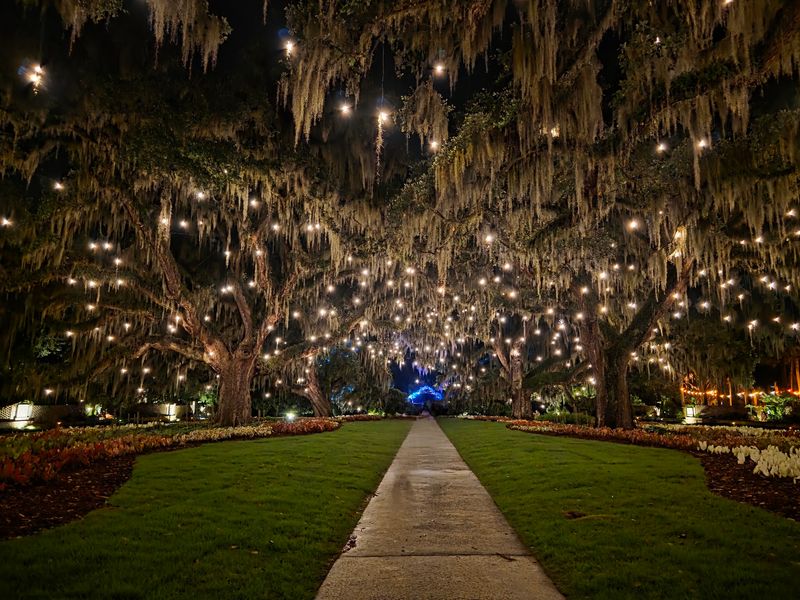
Leaving before you have seen everything can feel strange, but it may be the best choice. A visit feels calmer when you stop because you are ready, not because you have run out of energy. Many visitors say the grounds take more than one day to explore fully. Pick the sights that matter most to your group and let the others wait.
Some visitor reviews describe general admission tickets that allowed return visits over several days. Ticket terms, prices, hours, and special event access can change, so confirm them on the official website before you buy. Keep your ticket and check any return rules if you hope to visit again. Special evening events may require a separate purchase rather than being included with daytime admission.
Before leaving, mark one place you would like to see next time. Maybe you want another look at the sculptures, more time with the animals, or a slower walk among the flowers. Take one final moment to enjoy where you are instead of planning every minute ahead. A return visit can have a completely different pace.
There is no need to finish a garden like a task. The paths will still offer something to notice another day. Go home with a good memory and a reason to come back.