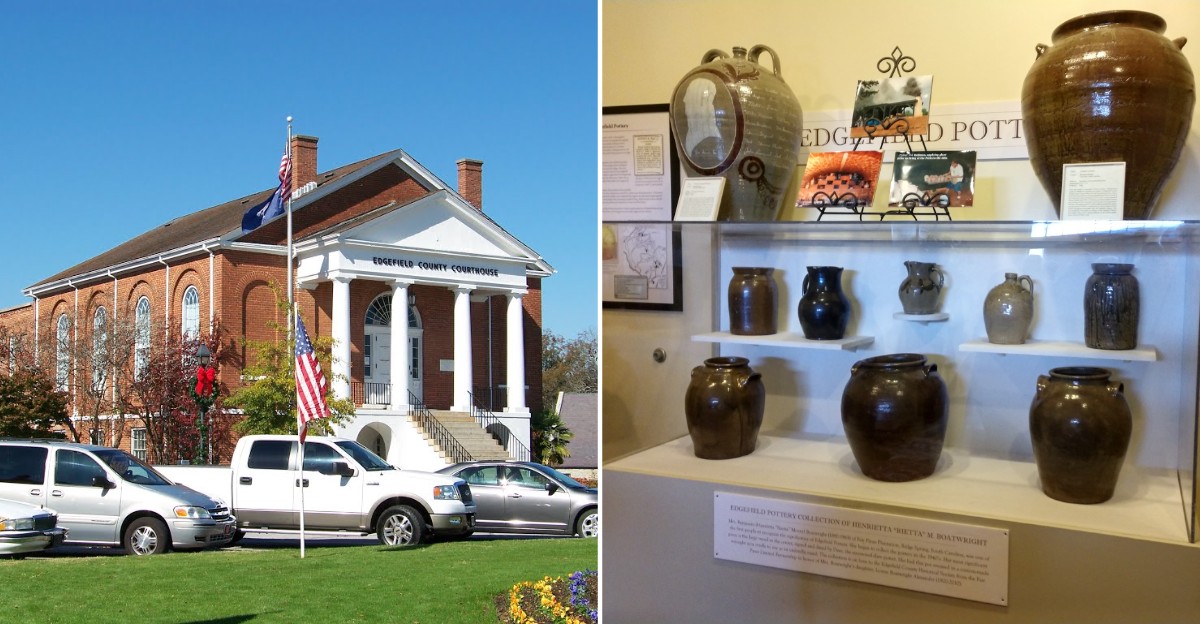
A pottery shop, a historic courthouse, and a quiet town square might not sound like the makings of an unexpected adventure—but in Edgefield, South Carolina, they tell a much bigger story. This small town has deep roots, with historic buildings and local landmarks that reveal how generations shaped the community.
History runs deep in Edgefield, but the town is far from feeling like a place frozen in time. Handmade pottery adds a creative touch, peaceful walks offer a chance to slow down, and seasonal treats bring a little sweetness to the experience.
Along the way, details tucked into storefronts, streets, and familiar local places make the past feel surprisingly close. From stories etched into old buildings to simple pleasures around town, these nine stops reveal more of Edgefield than you might expect—and show you where to look next.
A Slow Walk Around Courthouse Square
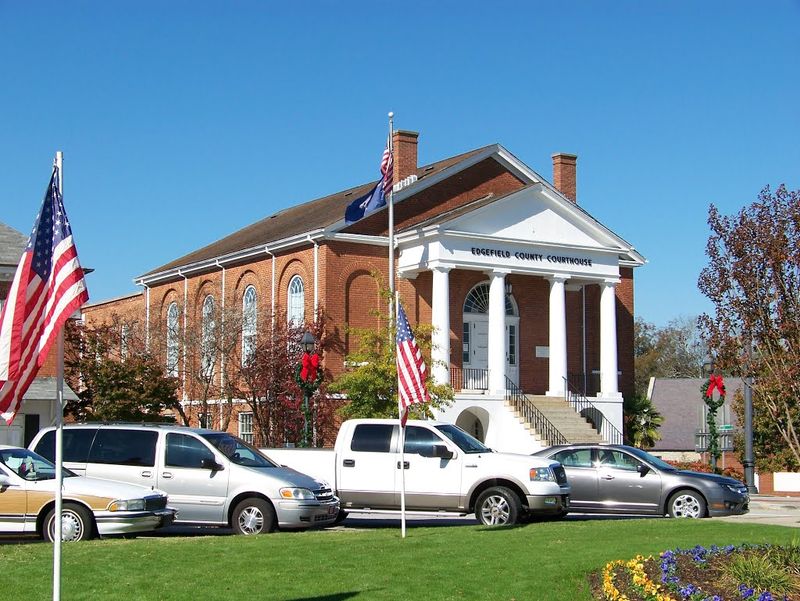
Some town squares feel built for passing through. This one makes you want to stay awhile.
In Edgefield, a green space sits among buildings that have watched generations of daily life, from courthouse business to neighbors meeting on the sidewalk.
Begin with an unhurried lap around Courthouse Square. Look at the older storefronts before stepping onto the grass to take in the whole scene.
The courthouse and monuments show how much public life has centered here. A stone honors the many South Carolina governors connected to Edgefield, a surprising number for a small town.
Those markers also invite careful thought. Some honor people and causes whose histories remain painful or disputed, so take time to read rather than treating every monument as simple decoration.
You can appreciate the square’s beauty while asking whose stories were recorded and whose were left out.
For a relaxed visit, come in daylight, wear shoes made for walking, and leave room to browse nearby businesses. The square works best as a starting point: it gives you a feel for Edgefield before you explore the stories behind its buildings and handmade goods.
The Courthouse and Its Complicated Stories
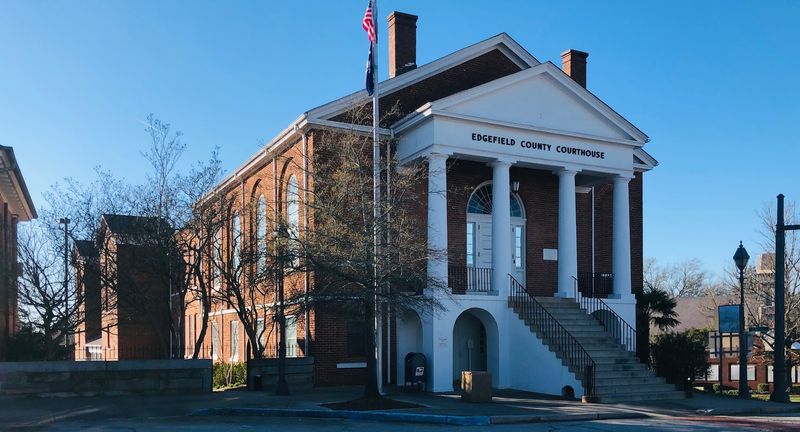
A courthouse can look calm from the outside, even when its past is anything but. Edgefield’s courthouse has stood at the center of town since the nineteenth century, making it a natural place to begin asking how the community changed over time.
The current building dates to 1839. From the square, notice its solid shape and imagine the many reasons people once gathered nearby: trials, elections, public announcements, and ordinary county errands.
Stories of conflict have long been tied to this part of town, but the building also represents the quieter work of local government.
Nearby markers point to Edgefield’s unusual political influence. They can lead to good questions about leadership, voting, and who had a voice in different eras.
If you are visiting with children, ask them what a courthouse does today, then compare their answers with what life might have been like here long ago.
Check local visitor information before expecting to enter; the outside alone rewards a careful look. Rather than rushing past for a photo, spend a few minutes reading what you can find around the square.
It makes the rest of Edgefield’s historic sites easier to understand.
Clay, Fire, and Old Edgefield Pottery
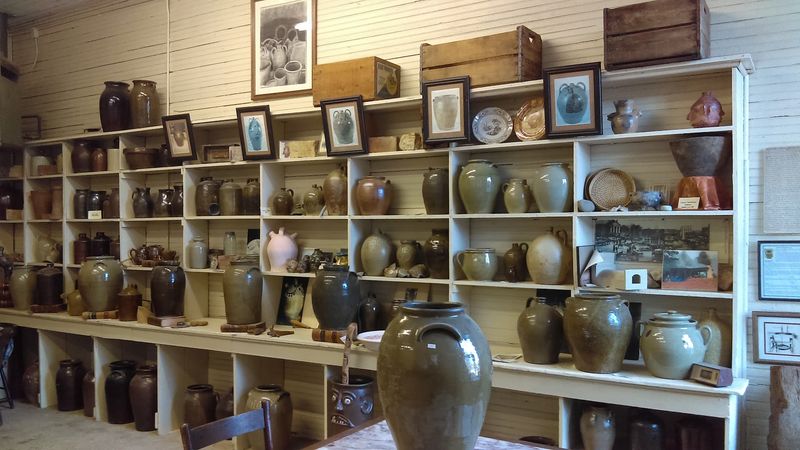
A heavy clay jar might not seem exciting until you notice the fingerprints of the person who shaped it. Pottery is one of Edgefield’s most distinctive stories, and its earthy colors make the town’s past feel close enough to touch.
Local potters became known for sturdy stoneware made with clay from the area and finished with alkaline glazes. Many pieces were useful household objects, including jars for storing food.
Their beauty came from the same choices that made them practical: strong walls, simple forms, and a finish that could survive daily use.
At Old Edgefield Pottery, visitors may find a way to see this tradition carried forward. Check ahead for current studio access or demonstrations rather than counting on a drop-in visit.
If you get to watch a potter work, notice how steady hands guide the clay while small changes alter the whole shape.
Look beyond the finished pieces, too. Enslaved African Americans played a major part in the area’s early pottery industry, and their labor deserves clear recognition.
Learning that history gives a jar more meaning than a souvenir label ever could. A visit here connects craft, local soil, and human lives in one small space.
A First Stop at the Discovery Center
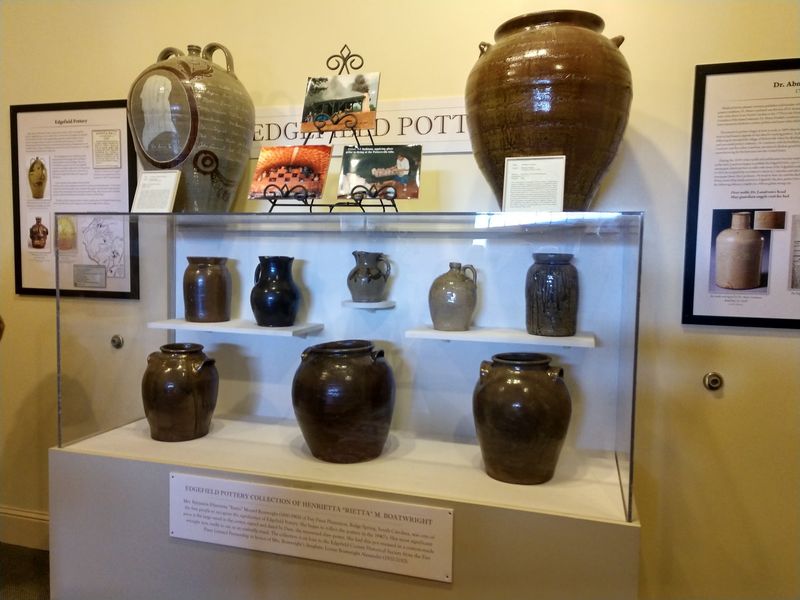
Every historic town is easier to explore once you know what you are looking at. In Edgefield, the Discovery Center offers a chance to gather that context before the names on plaques and the buildings around the square begin to blur together.
The center occupies a historic building and presents exhibits about Edgefield County’s past. Give yourself time to read, not just glance at displays.
A useful approach is to choose one story that interests you, perhaps pottery, local government, or daily life, and follow it when you head back outside.
Traveling with younger visitors? Ask each person to pick one surprising fact to share during lunch.
That small game turns a museum stop into a conversation and helps everyone notice different details. You may find yourself looking more closely at the courthouse or wondering who made the objects people used at home.
Confirm hours and exhibit access before you go, since small cultural sites can change their schedules. If it is open, make this an early stop rather than an afterthought.
The Discovery Center can help turn a pleasant walk through Edgefield into a visit with a clearer sense of place.
Rooms Full of Stories at Magnolia Dale
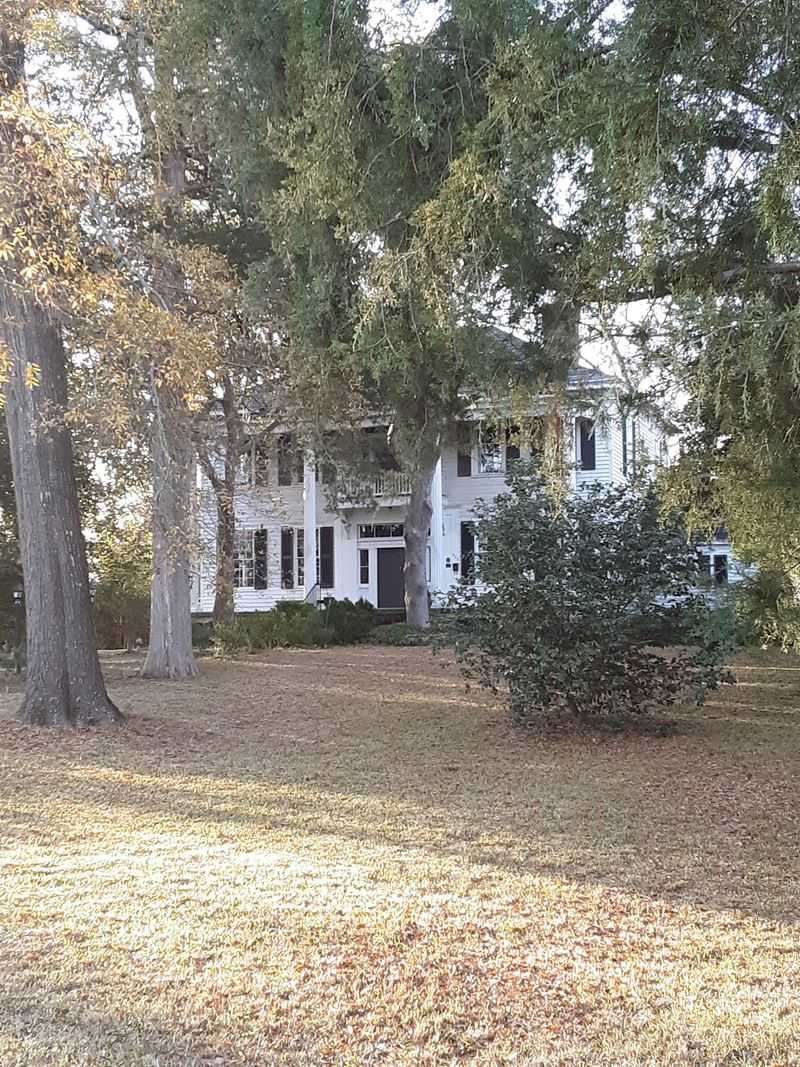
Old houses can make history feel wonderfully close and uncomfortably complicated at the same time. Magnolia Dale offers both experiences.
Its rooms invite you to notice the objects people kept, while the home’s wider story asks you to think about the people who lived and worked there.
Built in the 1840s, Magnolia Dale now serves as the headquarters of the Edgefield County Historical Society. Period furnishings, portraits, and other objects can help you picture a household from another century.
Look for small details, such as the size of a room or the style of a chair, instead of trying to take in everything at once.
Remember that a historic home is never only the story of its owners. Ask what you can learn about enslaved workers and others whose labor supported households like this one.
If information is missing, that absence is worth noticing, too. Thoughtful questions often stay with you longer than a list of dates.
Check tour arrangements before visiting, since access may be limited. When you do go, leave a little time afterward to walk through Edgefield and compare the private world of the house with the public life around Courthouse Square.
A Different View of History at Oakley Park

From the lawn, a grand old house can seem to offer one neat story. Step closer, and the questions multiply.
Oakley Park in Edgefield is a place to think about wealth, architecture, and the way later generations choose to remember the past.
The house was built in 1835 and is known for its neoclassical design. It later became closely associated with Confederate General Martin W.
Gary. Those facts make it more than a stop for pretty photographs: they open a window onto plantation society, the Civil War era, and the meanings people have attached to this building since then.
As you look around, notice the house’s formal lines and imagine the work required to maintain a property like it. Ask whose lives are highlighted in the stories you encounter and whose lives are harder to find.
You can admire skilled design while being honest about the unequal society connected to it.
Find out about current tours or visiting arrangements before making plans. A guided visit, when available, can help you move past first impressions.
Pair Oakley Park with another Edgefield history stop so that no single house has to stand for the whole town.
Peach Season and a Taste of Local Life
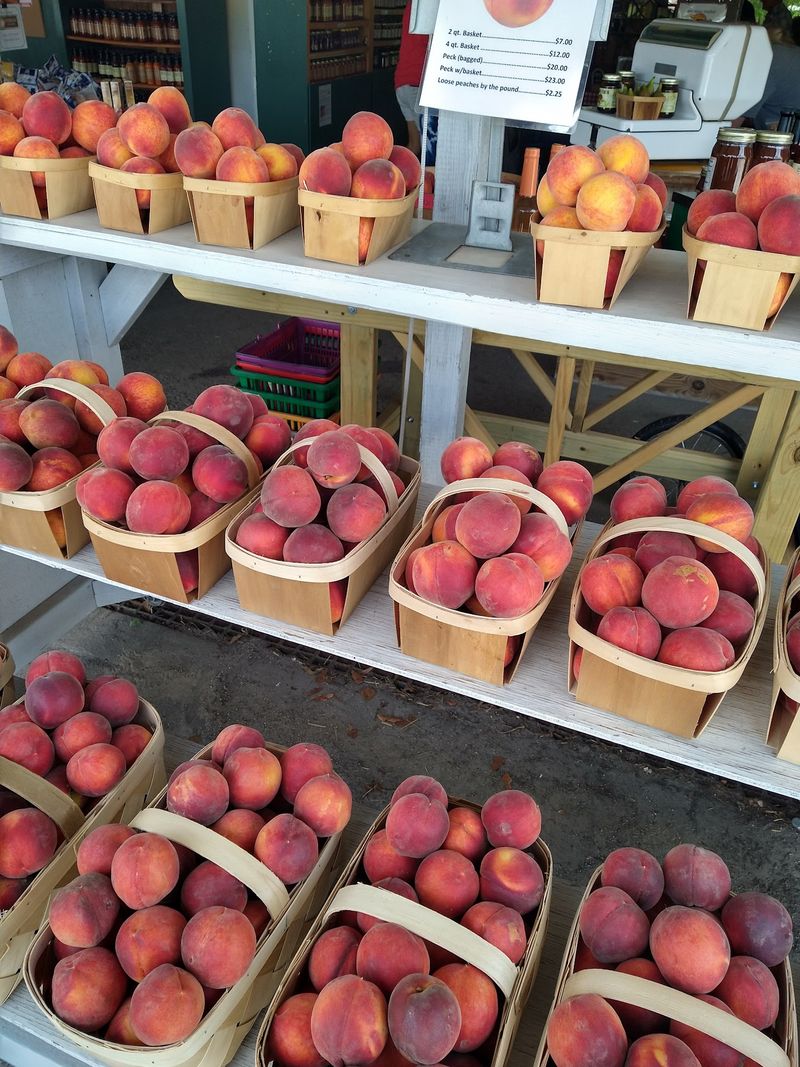
One good peach can bring a long afternoon to a happy stop. Edgefield sits in a part of South Carolina closely tied to peach growing, so the fruit makes a fitting treat after a walk through town.
In spring, blossoms in the surrounding area hint at the harvest to come. During peach season, check for local stands or shops selling fresh fruit and ask where it was grown.
The best choice is often simple: a ripe peach you can enjoy outside, with a napkin close by. Availability changes with the weather, so do not build your whole day around finding one.
Food also gives you a way to meet the present-day town. Spend a little time browsing a local business or stopping for a meal near the square.
Ask about seasonal offerings, and give yourself permission to linger. Not every memorable part of a history trip needs a date attached to it.
If your visit falls outside peach season, the idea still holds: look for a small taste of local life between historic stops. Edgefield’s past is rich, but a friendly conversation and a fresh snack can make the town feel like more than a collection of landmarks.
Family Clues at Tompkins Library
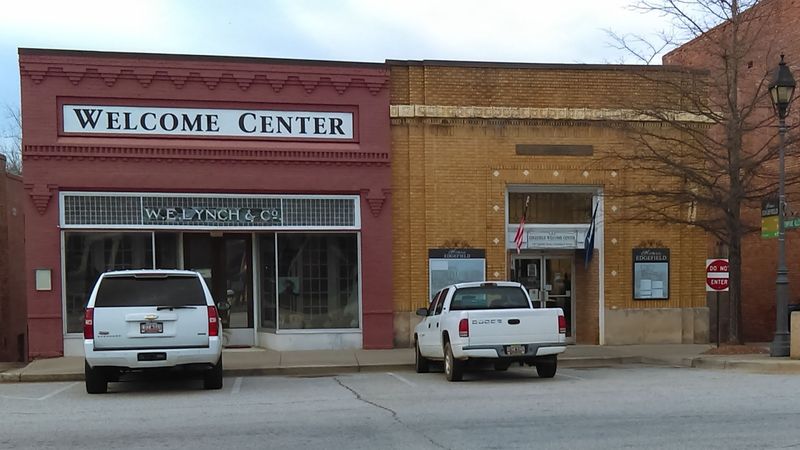
A quiet library can open the door to much more than books. At the D.A.
Tompkins Memorial Library and Edgefield Welcome Center in Edgefield, South Carolina, visitors can explore the stories, families, and traditions that shaped the area. The library serves as Edgefield’s official visitor center and offers historical displays, artifacts, local information, and resources for genealogy research.
For anyone curious about an old family name, historic property, or local story, the collection offers plenty of places to begin. It holds thousands of books, surname files, subject files, maps, and other research materials focused on the Old Edgefield District and beyond.
Even if you are not researching your own family tree, the displays can help put Edgefield’s past into context. Located at 104 Courthouse Square, the library also makes a convenient starting point for exploring historic downtown Edgefield.