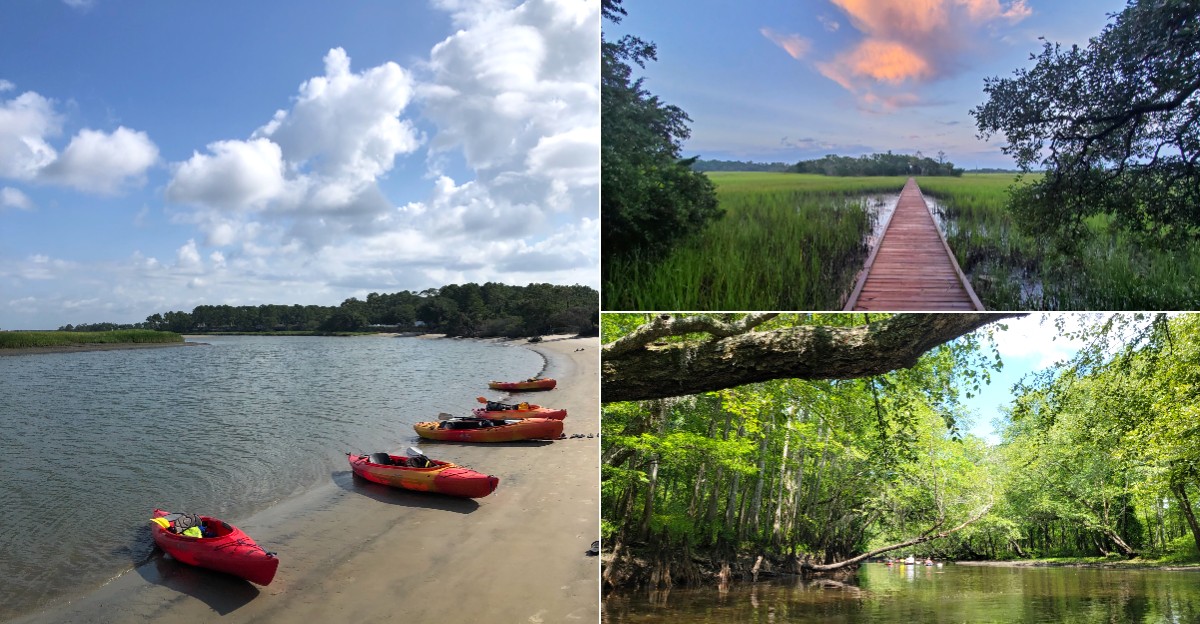
Tea-dark water, cypress knees, and drifting Spanish moss set the mood long before you ever reach the coast.
The Edisto River is one of the longest free-flowing blackwater rivers in North America, winding through the heart of the South Carolina Lowcountry.
Near Canadys, paddlers slip into its tannin-stained current and float past sandbars and quiet swamp forest.
Follow that same river far enough downstream and it meets the Atlantic around Edisto Island, a laid-back barrier-island escape.
Together they make a wonderful pairing for families who want river adventure and beach time in one trip.
Pack sunscreen, bug spray, and a healthy sense of curiosity, because the Edisto loves to surprise first-time visitors.
First, Know Where the River Changes
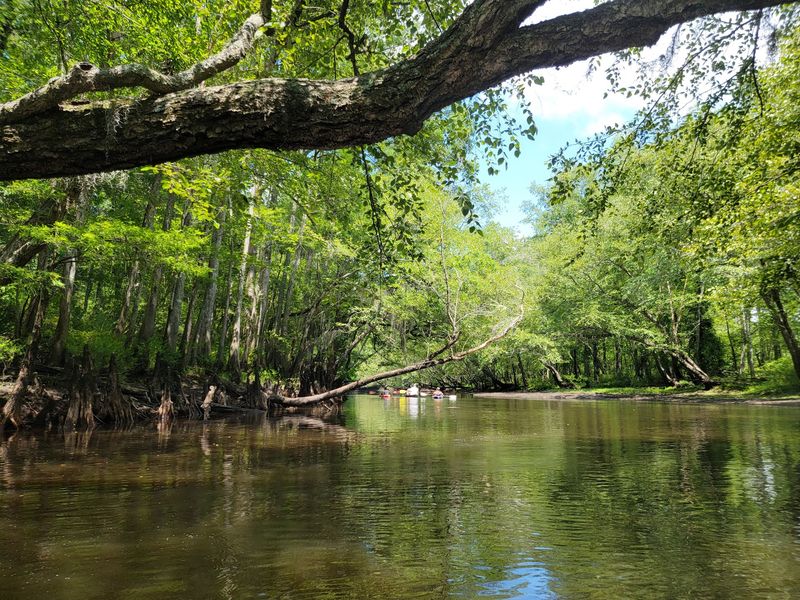
Dark water and tall trees may come to mind when someone mentions the Edisto River. Near Canadys, paddlers find an inland river run, but the scene changes much farther downstream.
Edisto Island, SC 29438, sits near the river system’s coastal end. Here, tidal creeks and marshes take the place of a simple, one way river route.
That difference matters if you are planning a day on the water.
A river current usually carries a paddler downstream, while a tide can change direction during a trip. Coastal channels may also spread into several branches that look alike from a kayak.
Before leaving home, check a current map and choose a launch suited to your skill level. Do not assume a route described near Canadys starts anywhere on the island.
On shore, look for the mix of woods, fields, marsh, and beach that makes this Sea Island special. Take time to notice how the landscape shifts as freshwater from inland meets coastal water.
A short walk can teach you plenty without requiring a boat. If you do paddle, tell someone where you are going and when you expect to return.
That small step gives others a useful plan if weather, tides, or trouble slow your trip.
Dark Water Has a Story
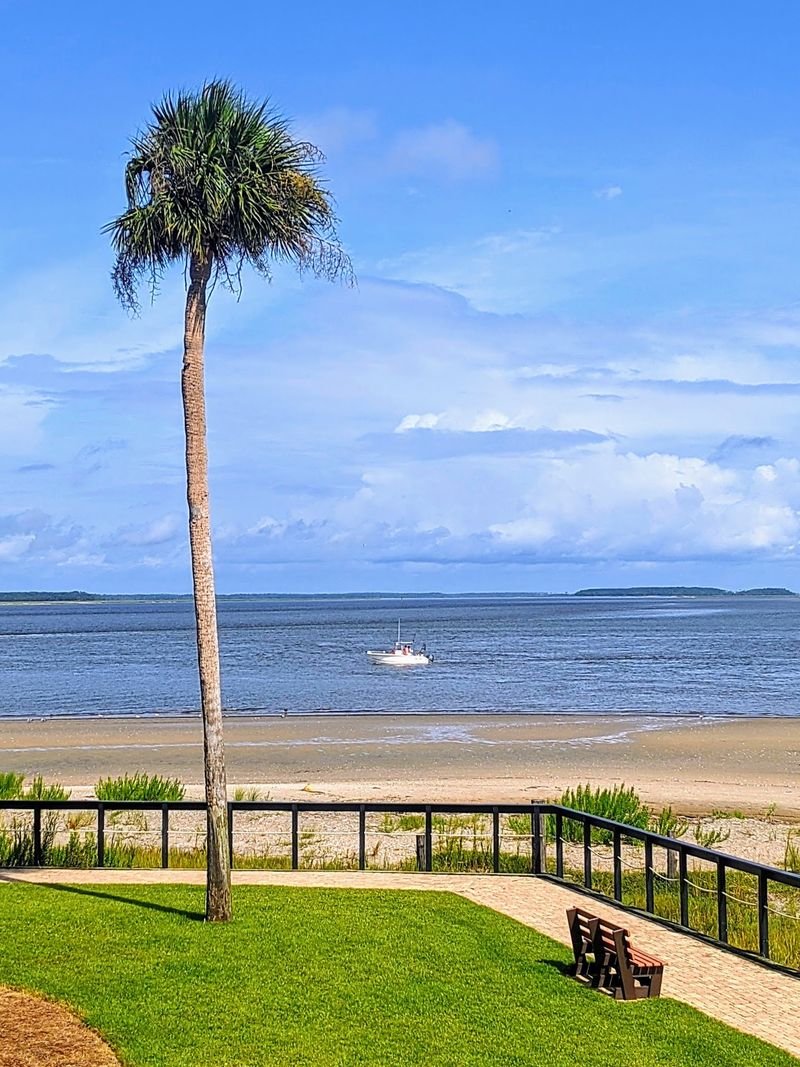
Tea colored water can look mysterious, yet its color has a natural cause. Leaves and other plant material release tannins as they break down.
Those compounds can tint water brown without making it dirty by themselves. The inland Edisto is famous for this blackwater look, which helps explain the title’s appeal.
At the coast, however, water conditions do not stay the same all day. Tides move through creeks, and rain can change how much freshwater reaches them.
Wind may stir up mud, making a channel look cloudy instead of clear or dark. Never judge whether water is safe to drink, swim in, or enter by color alone.
Follow posted notices, and bring your own drinking water.
If you photograph the water, try morning or late afternoon, when low sunlight catches reflections. Watch from a stable bank or marked path rather than stepping into soft marsh mud.
A simple observation game can make the stop fun for children: spot a leaf, its reflection, and any ripples nearby. Notice which way floating bits move, but remember that a breeze can push surface objects too.
The view invites curiosity, while a little caution keeps the visit pleasant for everyone in your group.
Let the Tides Set the Schedule
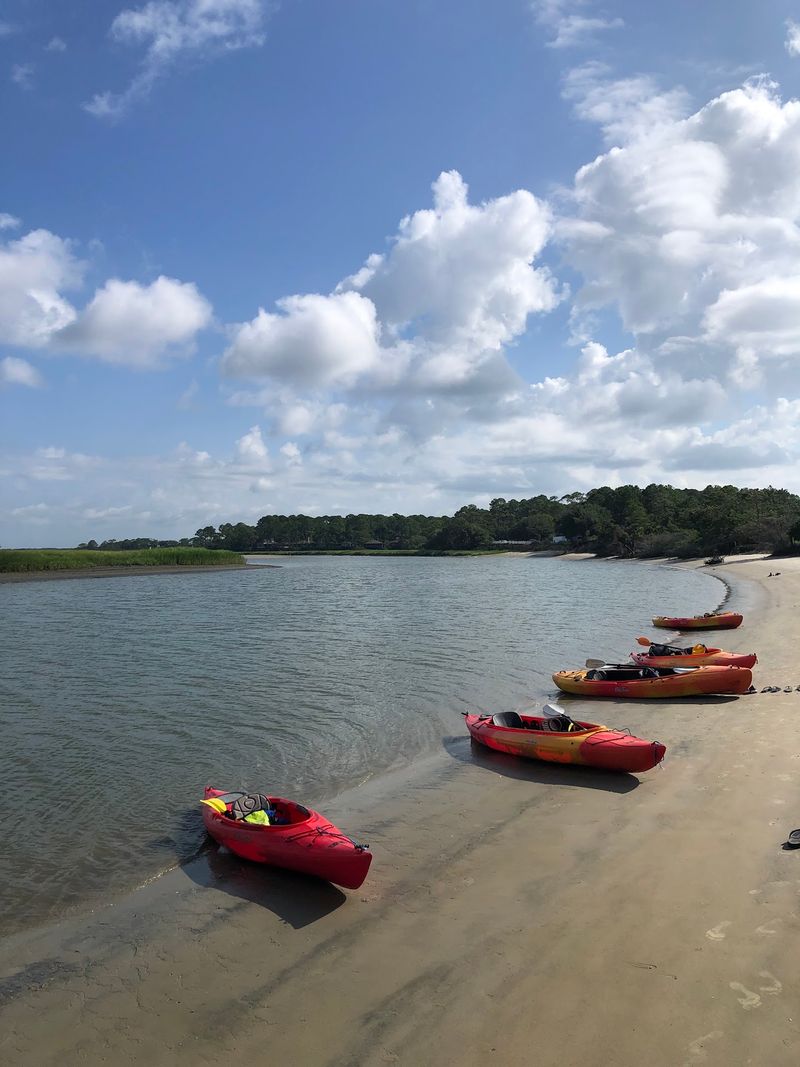
A creek that looks easy at breakfast may feel very different by lunch. Rising water can cover muddy banks, while falling water may leave a narrow channel behind.
For paddlers used to an inland blackwater run, the changing tide is a major difference. It can help you move one way, then make the return harder.
Check a local tide chart for your launch area before making plans. High and low tide times alone do not tell the whole story, so allow extra time.
Ask an experienced local outfitter about the route if the channels are new to you. Carry a map that works without cell service, and keep a charged phone in a dry bag.
A personal flotation device belongs on every paddler, even when the surface looks smooth.
Wind deserves a place in your plan as well. It can slow a small boat and make open stretches feel much longer.
Choose a short out and back trip if you are learning, and turn around before you feel tired. Set a clear time to be off the water, leaving room for delays.
If conditions change quickly, head for a safe, legal landing instead of pushing onward. The best outing is one you can enjoy without racing the tide home.
Marsh Trails Reward a Slow Look

From a distance, a salt marsh can seem like one wide patch of grass. Stand still for a minute, and the place becomes busy.
Small channels cut through the plants, birds search for food, and the waterline marks the tide’s reach. That living edge gives coastal outings a different feel from an inland river paddle.
Marsh grass helps hold soil in place and gives many animals shelter. Its roots and stems also help slow moving water near the shore.
You can enjoy that work without stepping into the marsh itself. Stay on public paths and boardwalks, where they exist, and respect signs marking private land or protected areas.
Mud may be deeper than it appears, and walking through plants can damage their roots.
For an easy nature activity, pause at the same viewpoint twice during your visit. Compare the water level, exposed mud, and number of birds you can see.
Bring binoculars if you have them, but your eyes alone are enough to notice change. Keep voices low so wildlife has space to feed.
Take photos from a distance rather than chasing a better angle. A slower pace often reveals more than a long checklist of stops ever could on a busy day.
Give Wildlife Room to Work
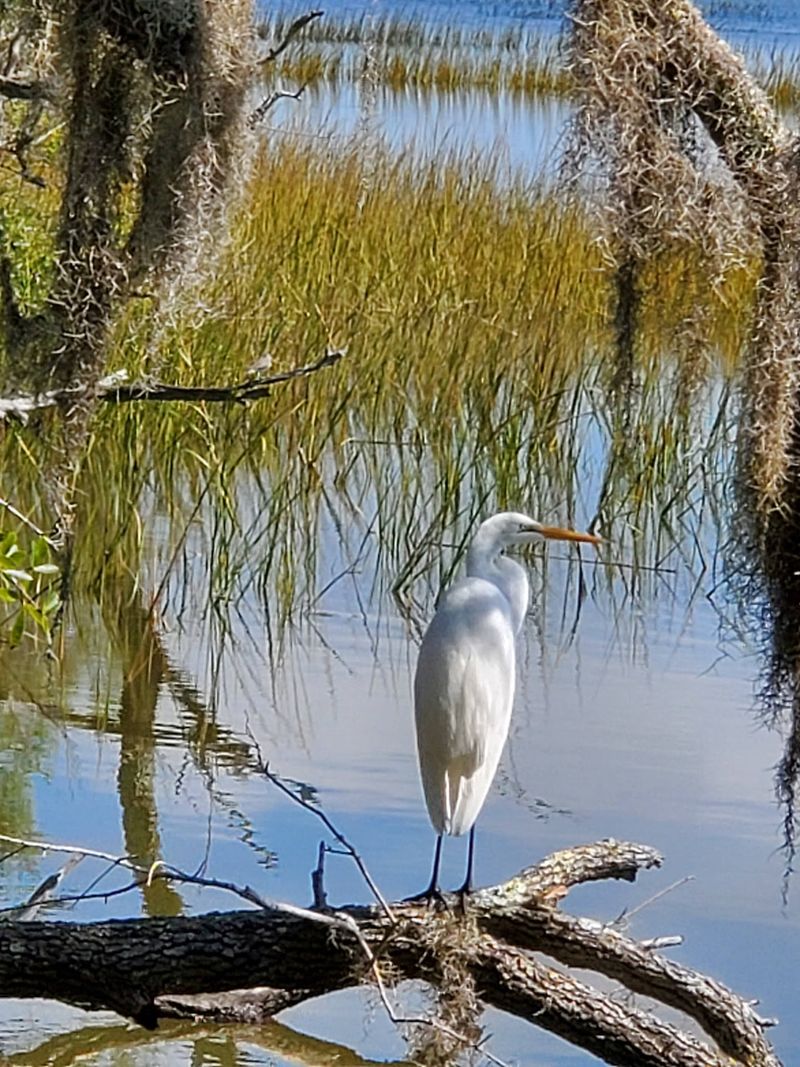
A sudden splash beside a creek can turn a quiet outing into a great story. Fish, crabs, and birds all use the water and marsh edge for food or shelter.
Visitors may also see dolphins in suitable coastal waters, though sightings are never promised. Watching patiently is more rewarding than trying to make an animal come closer.
Bring binoculars or use your camera’s zoom to keep your distance. Do not feed wildlife, since human food can harm animals and change their habits.
If a bird flies away when you approach, give it more room next time. Stay clear of nesting areas and follow any seasonal signs.
On the water, slow down near shorelines so your wake does not trouble feeding animals or other visitors.
For families, a small notebook can turn wildlife watching into a simple game. Record colors, shapes, and sounds instead of guessing every species name.
Look for tracks on firm sand, but leave shells, plants, and living creatures where you found them. Pack out wrappers and fishing line, which can hurt animals long after a visitor has gone.
You may not see the same creature twice, and that is part of the fun. Each careful visit leaves room for the next surprise.
Pack for Sun, Bugs, and Sudden Rain
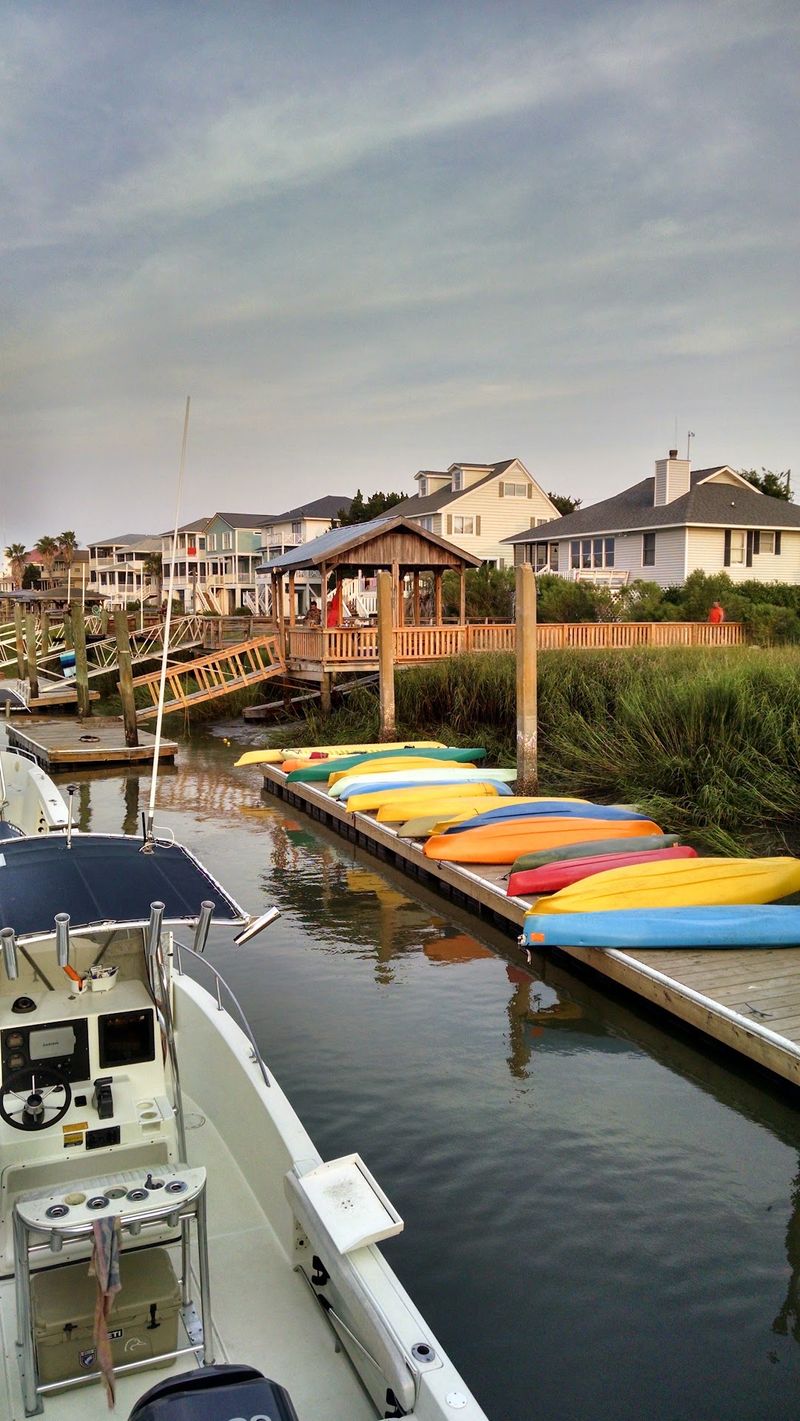
Bright skies can make a coastal trip feel simple, but conditions can shift fast. Open marsh offers little shade, and reflected sunlight adds to the heat.
Insects may be active near wet ground, especially at some times of day. A small packing list can prevent these ordinary problems from taking over your visit.
Carry more drinking water than you think you will need, along with a hat and sunscreen. Wear shoes that can handle wet sand or a splash, not footwear that slips off easily.
Add insect repellent and a light rain layer. If you plan to paddle, place keys, medication, and a phone in a waterproof container.
Keep an eye on the forecast, including wind and thunderstorms, before leaving and while you are outside.
Heat can sneak up on people who are busy taking pictures or watching birds. Rest in shade when possible, and check that everyone in your group is drinking water.
Thunder is a signal to leave exposed areas and seek proper shelter. Do not wait for rain to begin.
Pack a bag for trash as well, since even a short stop can produce wrappers. Good preparation may not sound exciting, but it gives you more time to enjoy the coast.
Choose Access Before Choosing a Route
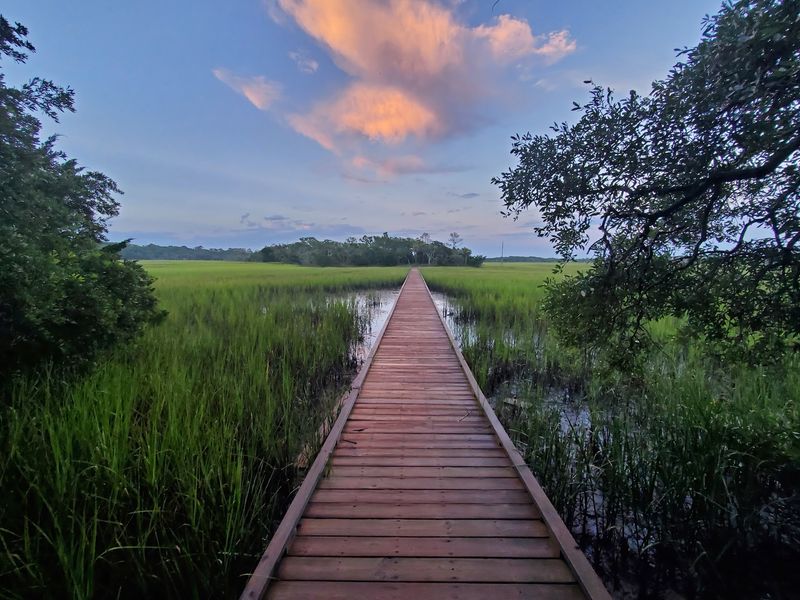
A line on a map does not always lead to a public launch. Shoreline access can cross private property, and a landing that looks open may have rules or limited hours.
Check official information before you drive, especially if you plan to carry a kayak. A little research can save a long, disappointing detour.
Start by finding a legal place to park and enter the water. Look for posted fees, launch rules, and closing times.
If you rent equipment, ask the outfitter where your trip should begin and end. Share your route with someone who will stay on land.
Bring a paper map or an offline map, because a phone signal is not a safety plan by itself.
When you reach the launch, take a few minutes to watch the water. Note the tide’s direction, nearby markers, and safe places to return.
Photograph the launch from the water so it is easier to recognize later. Give other users room to load their boats, and move your gear aside when you are ready.
If parking or access signs are unclear, choose another spot rather than guessing. Respect for property and local rules helps keep places welcoming for future visitors too.
Match the Outing to Your Group
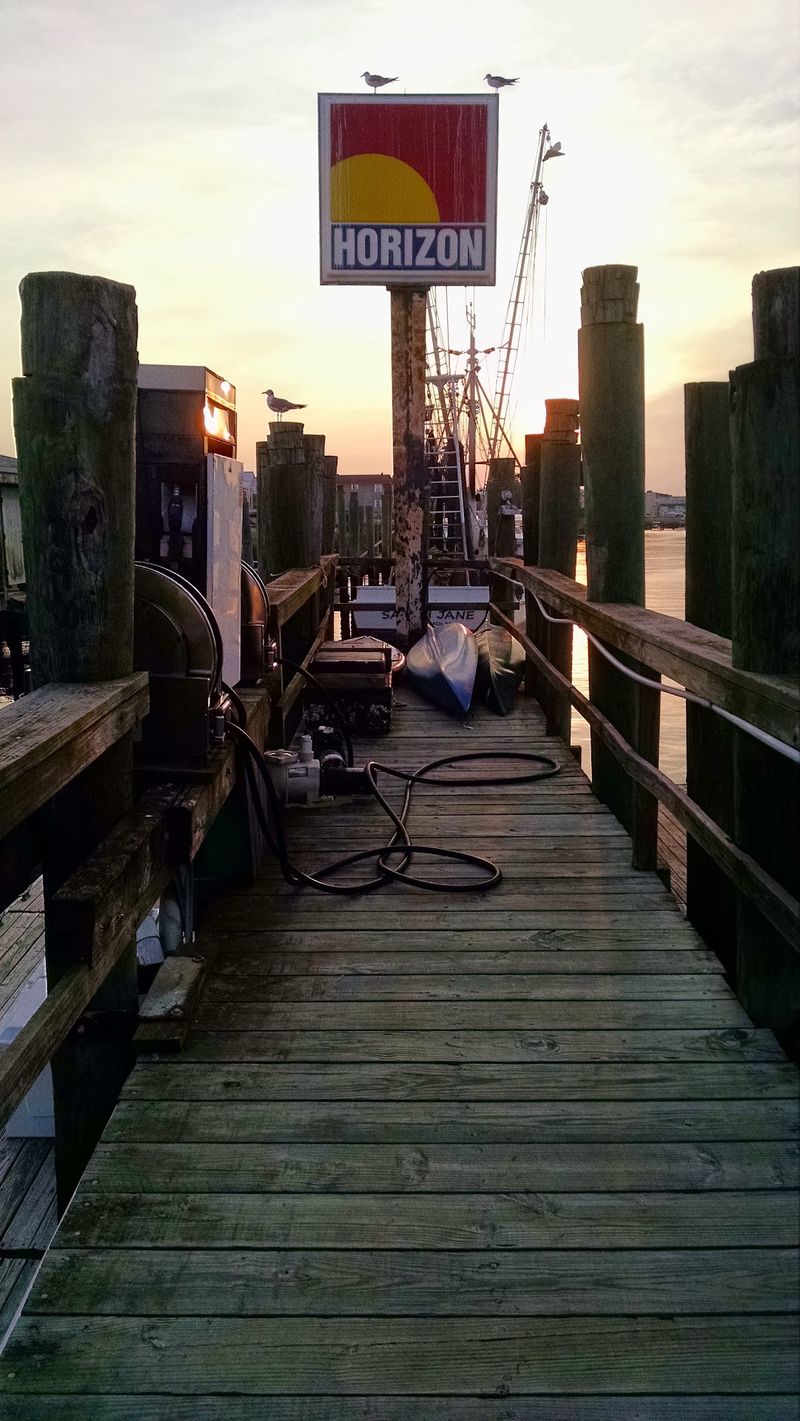
Not every memorable water day needs a long paddle. Some people want a quiet view, while others hope to spend hours in a kayak.
Children, first time paddlers, and visitors with limited time may enjoy a short outing most. The right plan fits the people coming along, not just the most exciting photo online.
Ask everyone what sounds fun before setting a schedule. A shoreline walk can offer marsh views without the work of paddling against wind or tide.
If the group chooses a boat trip, start with a short route and a clear turnaround point. Check age and safety rules with any rental company, and make sure each person has properly fitted safety gear.
Never split up just to keep an ambitious plan on track.
Leave space for a snack, a rest, and a change of plans. Weather or tired legs may call for an early finish, and that is perfectly fine.
Try sharing one thing each person noticed, such as a bird call or the shape of a creek bend. Those small details often become the best memories.
Whether you watch from land or travel by water, a thoughtful pace makes the day safer and more enjoyable.