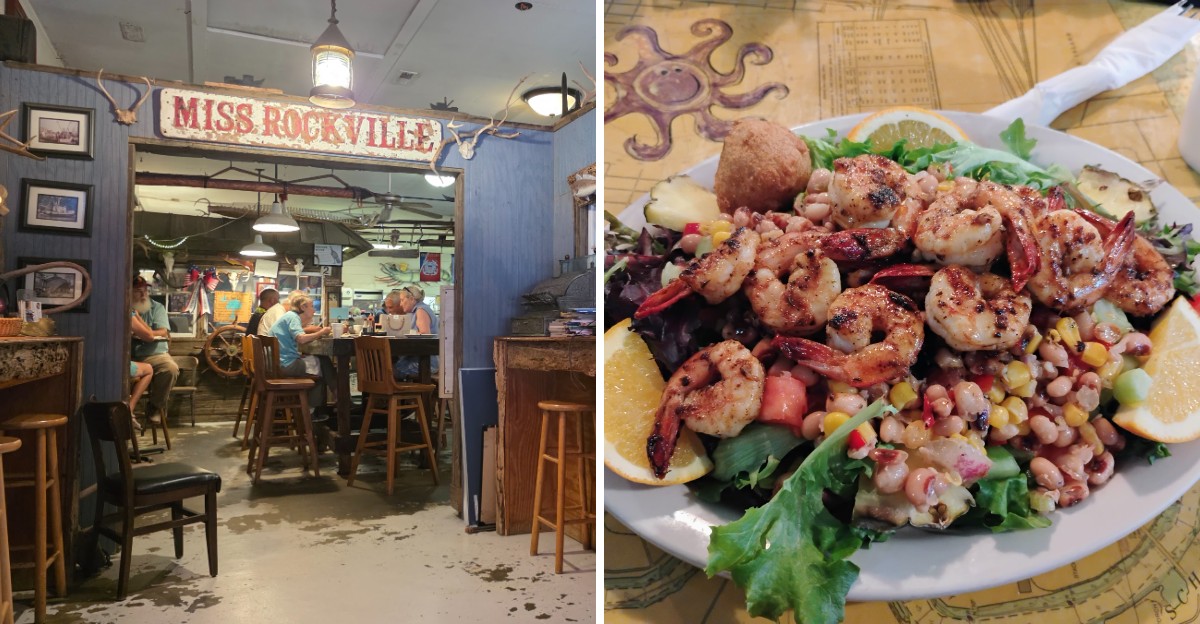
Fresh shrimp tastes different when the boats that caught it are still working just down the creek.
In McClellanville, South Carolina, the shrimping trade is woven into everyday life, and T.W. Graham & Co. puts that heritage right on the plate.
This unassuming seafood spot has been feeding locals and travelers for generations, keeping its focus on simple food and the day’s coastal catch.
Step outside, and the scenery tells the rest of the story.
Shrimp boats sit along Jeremy Creek, docks hum with activity, and the salty air makes it clear that this is still a working fishing community.
Come hungry for fried shrimp, local seafood, and a taste of the Lowcountry that feels wonderfully removed from polished tourist restaurants.
Here, the boats are real, the food is unfussy, and the waterfront atmosphere is part of the meal.
A Seafood Restaurant With Deep McClellanville Roots
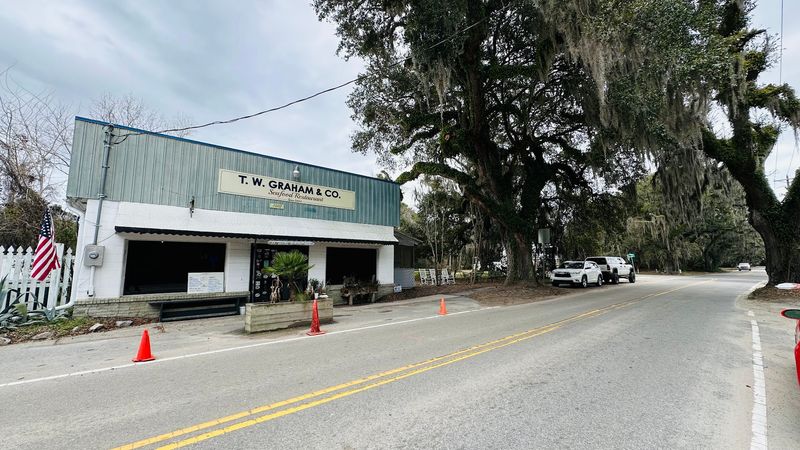
Since 1894, this restaurant has occupied the same historic storefront along Pinckney Street, making it older than most people’s great-grandparents. That kind of longevity doesn’t happen by accident in a small coastal town.
Generations of local families have walked through these doors, and the building itself tells stories of how McClellanville fed itself when shrimping was the backbone of the local economy.
The restaurant fits naturally into a community where seafood and fishing shaped everything from work schedules to Sunday dinner. Unlike newer coastal restaurants that play at being authentic, this place earned its reputation by simply staying put and doing what it does best.
Walk inside and you’re stepping into a piece of Lowcountry history that still functions exactly as it was meant to.
The setting matters because it connects your meal to over a century of coastal tradition. Every plate of shrimp links back to generations of shrimpers who built this town.
McClellanville Is Still A Working Shrimping Village
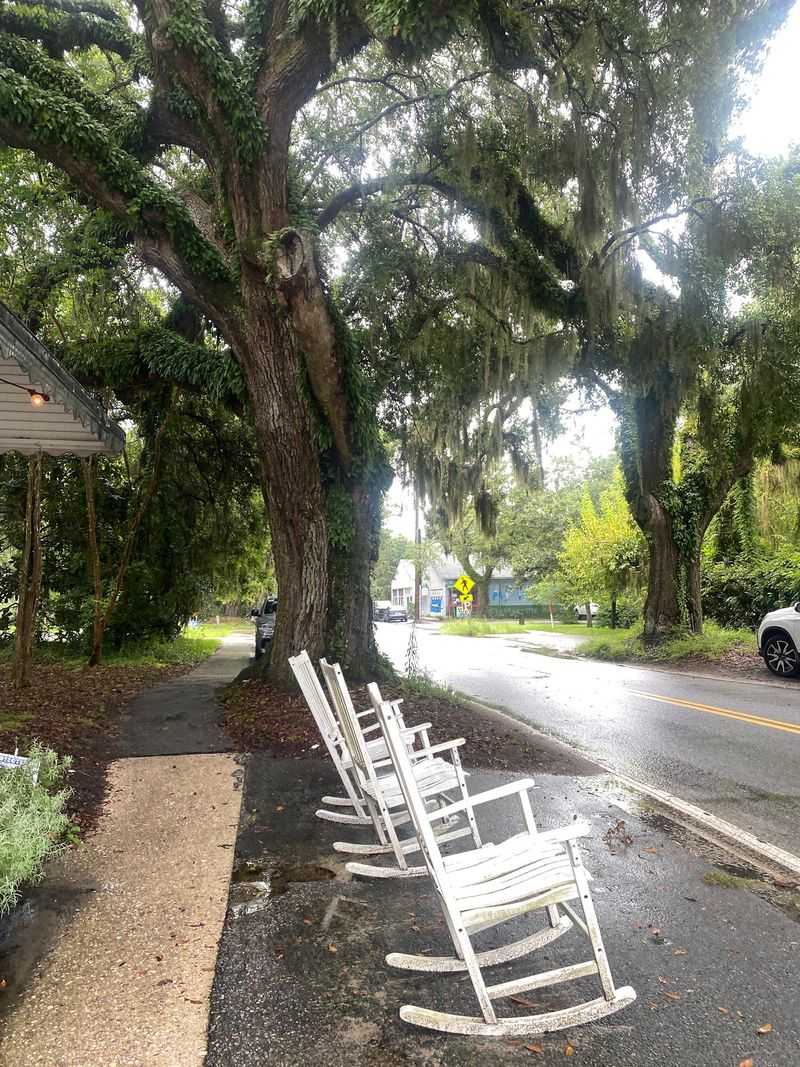
Most coastal towns gave up their working waterfronts decades ago, trading fishing docks for vacation condos. McClellanville chose differently.
Jeremy Creek still bustles with actual shrimp trawlers, seafood processing businesses, and the kind of commercial docks that smell like work instead of sunscreen.
The town protected its shrimping heritage when development pressure could have easily transformed it into just another pretty beach community. Fishing remains a real occupation here, not a historical reenactment.
You’ll see boats heading out before dawn and coming back loaded with the catch that ends up on restaurant menus the same day.
This working-waterfront character gives your meal context that no amount of nautical decor can fake. The shrimp on your plate came from boats you can actually walk down and look at.
Local families still make their living from these waters, and the town takes pride in keeping that tradition alive.
Eating here means supporting a community that values its maritime roots.
Fresh Local Shrimp Is The Main Attraction
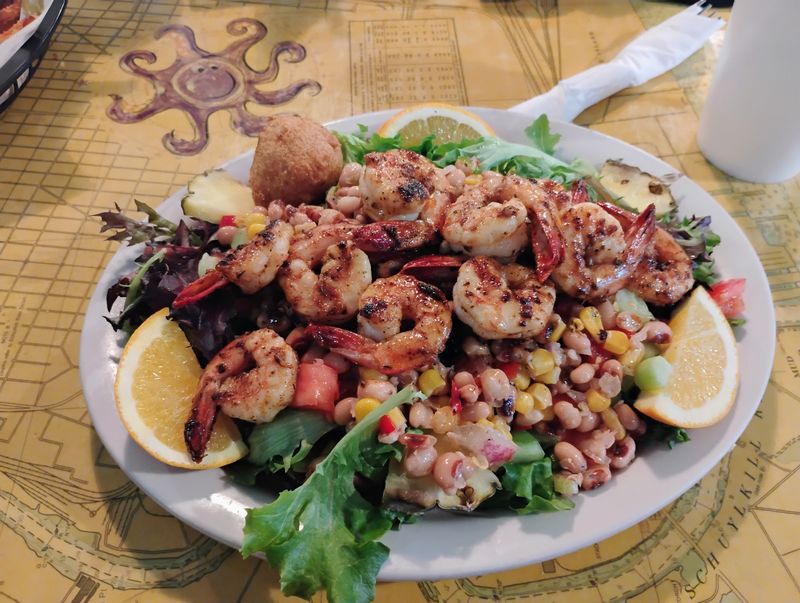
Everything else on the menu exists to support the star performer: local shrimp pulled from nearby waters. When your town built its entire economy around commercial shrimping, serving fresh shrimp isn’t a marketing gimmick.
It’s just what makes sense.
The restaurant offers both fried and grilled preparations because sometimes the best thing you can do with perfect shrimp is keep the cooking method simple. Fried shrimp gets that golden exterior and tender inside that Lowcountry cooks have perfected over generations.
Grilled shrimp lets the natural sweetness come through without much interference.
What matters most isn’t how fancy the preparation gets but how recently those shrimp were swimming. Freshness changes everything about seafood, especially shrimp, which can go from sweet and firm to mushy disappointment faster than almost any other catch.
McClellanville’s working waterfront means the time between boat and plate stays short.
Order the shrimp and you’re tasting what this community was built on.
Order The Fried Shrimp With Classic Southern Sides
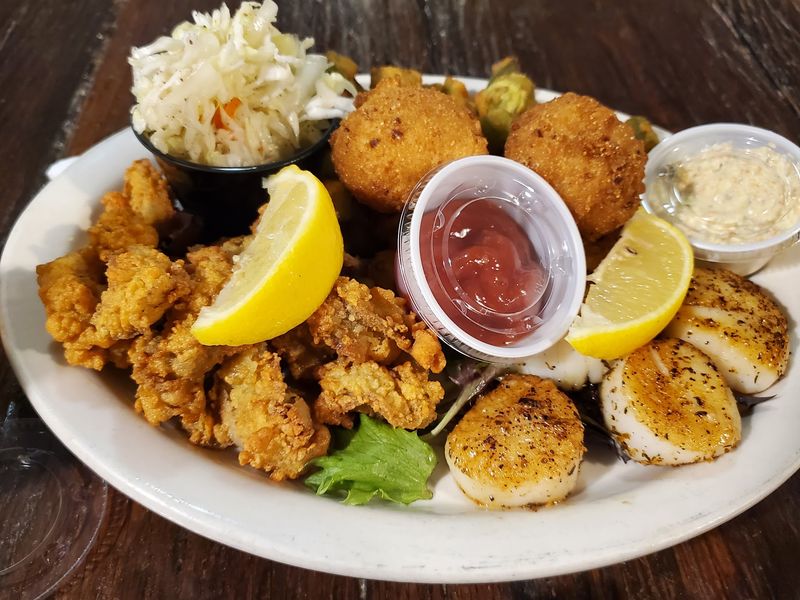
The fried shrimp plate comes with the kind of sides that Lowcountry grandmothers would approve of: coleslaw, fries, or red rice. Nobody’s trying to reinvent southern coastal food here.
The combination works because it has worked for decades, maybe longer.
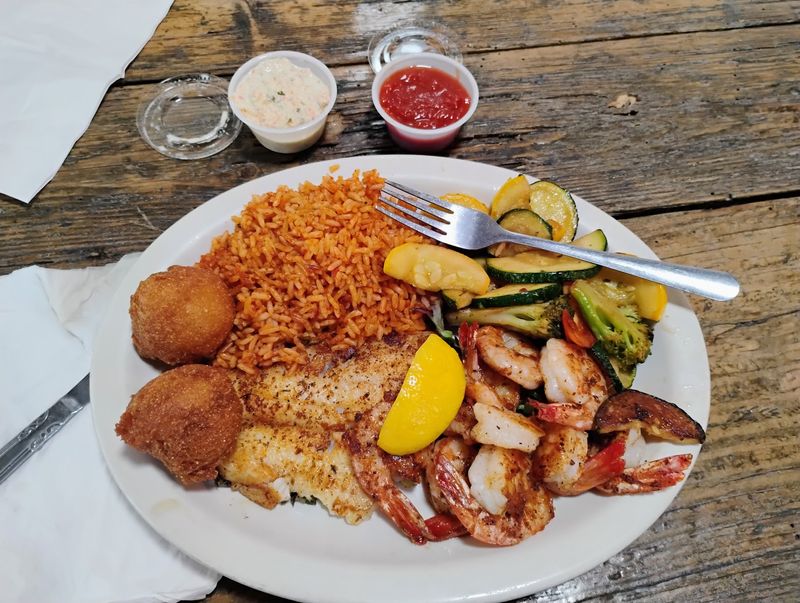
Red rice deserves special mention as a Lowcountry staple that too many restaurants skip over in favor of fancier options. It’s rice cooked with tomatoes and seasonings until it turns that distinctive reddish color, and it soaks up seafood flavors beautifully.
Coleslaw provides the cool, crunchy contrast that fried food needs, while fries are just reliable.
This straightforward approach keeps attention where it belongs: on the shrimp itself. When you start with genuinely fresh seafood, elaborate sauces and complicated sides just get in the way.
The fried coating adds crunch and richness without overwhelming the sweet shrimp flavor underneath.
Sometimes the best meal is the one that doesn’t try too hard to impress you.
Try The Shrimp And Flounder Combination
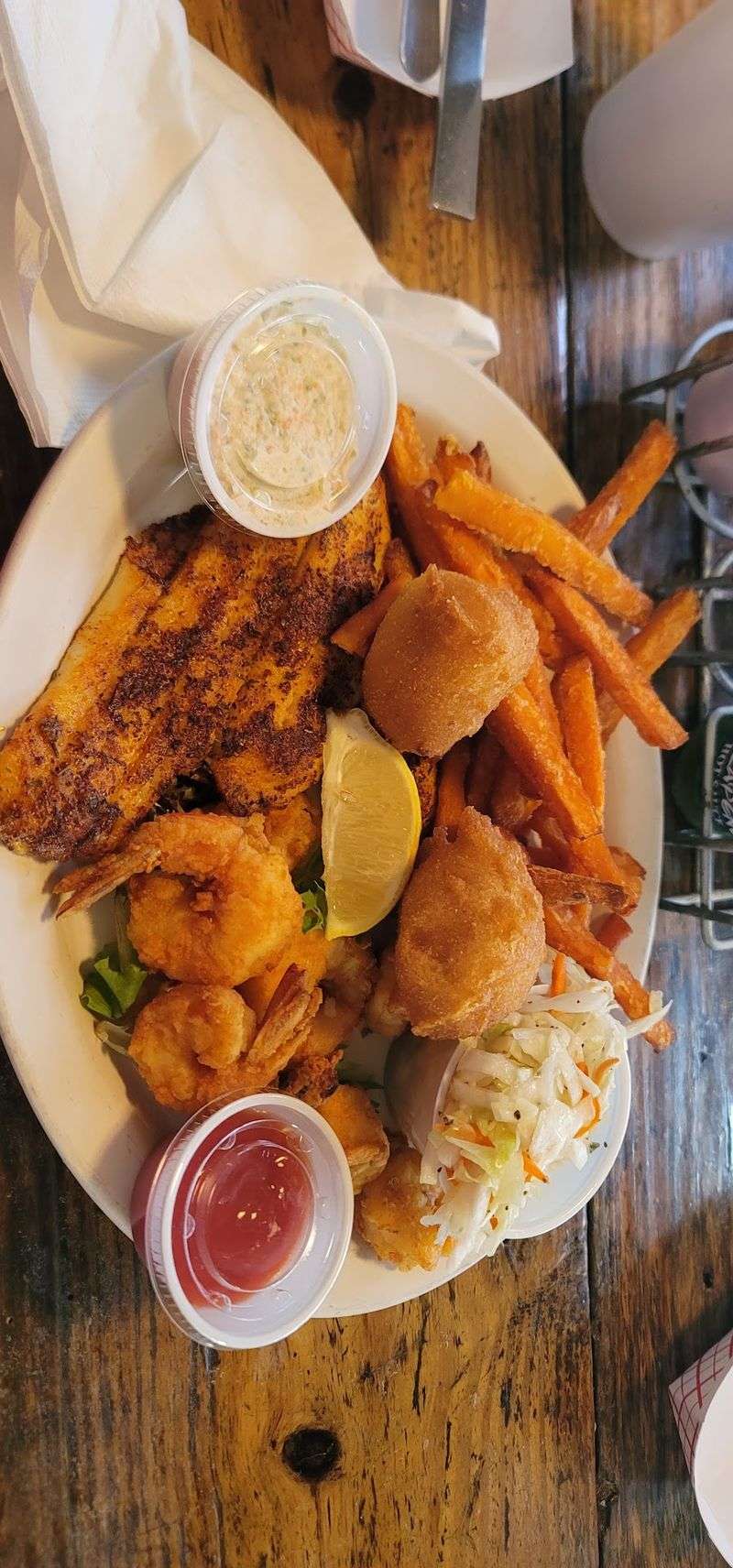
Can’t decide between shrimp and another local catch? The combination plate solves that problem by bringing both to your table.
Flounder is a flatfish that thrives in these coastal waters, and it has its own devoted following among seafood lovers who appreciate its mild, slightly sweet flavor.
You can get the flounder fried or grilled, which gives you some control over how rich you want this combination to be. Fried brings two different textures of golden crust to one plate.
Grilled keeps things lighter and lets you taste more of the fish itself without the coating.
This option works well for first-time visitors who want to sample more than one type of local seafood in a single meal. Both shrimp and flounder represent what McClellanville fishermen harvest regularly, so you’re getting an authentic taste of the area’s commercial catch.
The combination plate shows you why this town’s fishing industry focuses on multiple species rather than putting all its nets in one basket.
Don’t Skip The Crab, Shrimp And Corn Chowder
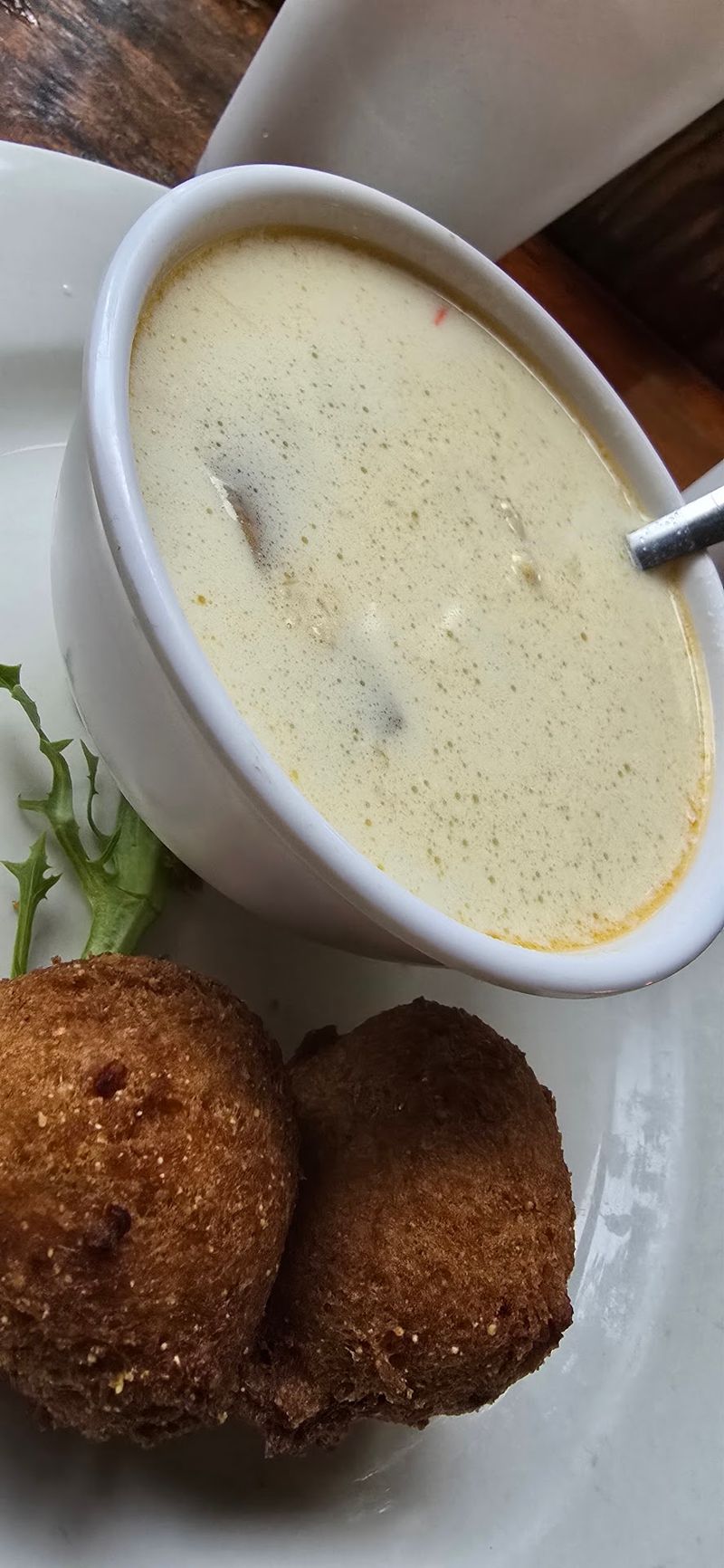
Homemade seafood chowder tells you a lot about a coastal restaurant’s commitment to doing things right. This version combines crab, shrimp, and corn into the kind of soup that tastes like somebody’s grandmother spent all afternoon at the stove.
It’s thick, creamy, and loaded with chunks of actual seafood instead of being mostly broth with promises.
Corn belongs in this chowder because it grows abundantly in South Carolina and pairs beautifully with seafood. The sweetness of both corn and shrimp plays off the richer crab flavor.
Together they create the kind of bowl that makes you slow down and pay attention to what you’re eating.
In a fishing village where multiple types of seafood come off the boats daily, chowder makes perfect sense as a way to showcase that variety. It’s comfort food that happens to be full of high-quality local ingredients.
Order a bowl before your main course or make it your whole lunch on a cooler day.
The Building Has Its Own Piece Of McClellanville History
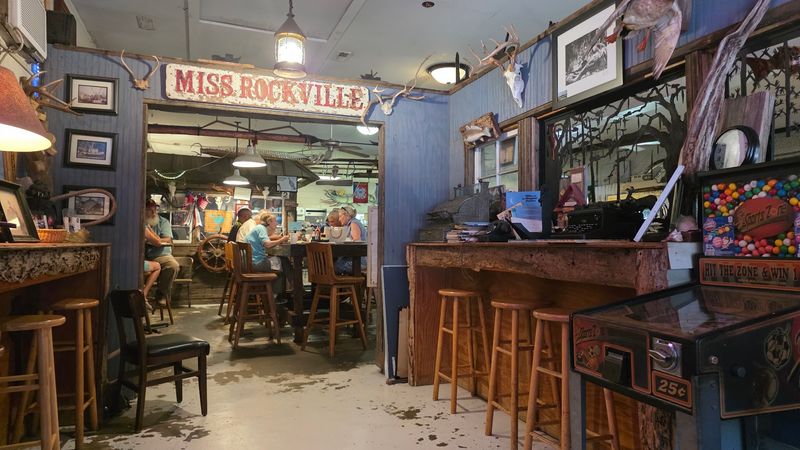
Dating back to the late 19th century, this commercial building has sheltered various businesses throughout its long life. The structure predates most modern conveniences and survived more than one major hurricane.
Those old walls have absorbed over a century of conversations, celebrations, and everyday meals that fed this community.
Historic district regulations help preserve buildings like this one, but what really keeps them alive is continued use. An empty historic building is just a monument.
A working restaurant in a historic space connects past and present in ways that matter more than any museum display.
The atmosphere inside reflects that age without turning it into a theme park version of history. You’re not eating in a museum recreation of an old restaurant.
You’re eating in an actual old building that happens to still function as it was designed to.
McClellanville’s compact historic district contains numerous longtime businesses, and this building fits naturally among them. Architecture tells stories when you know how to read it.
Pair Lunch With A Look Around Historic McClellanville
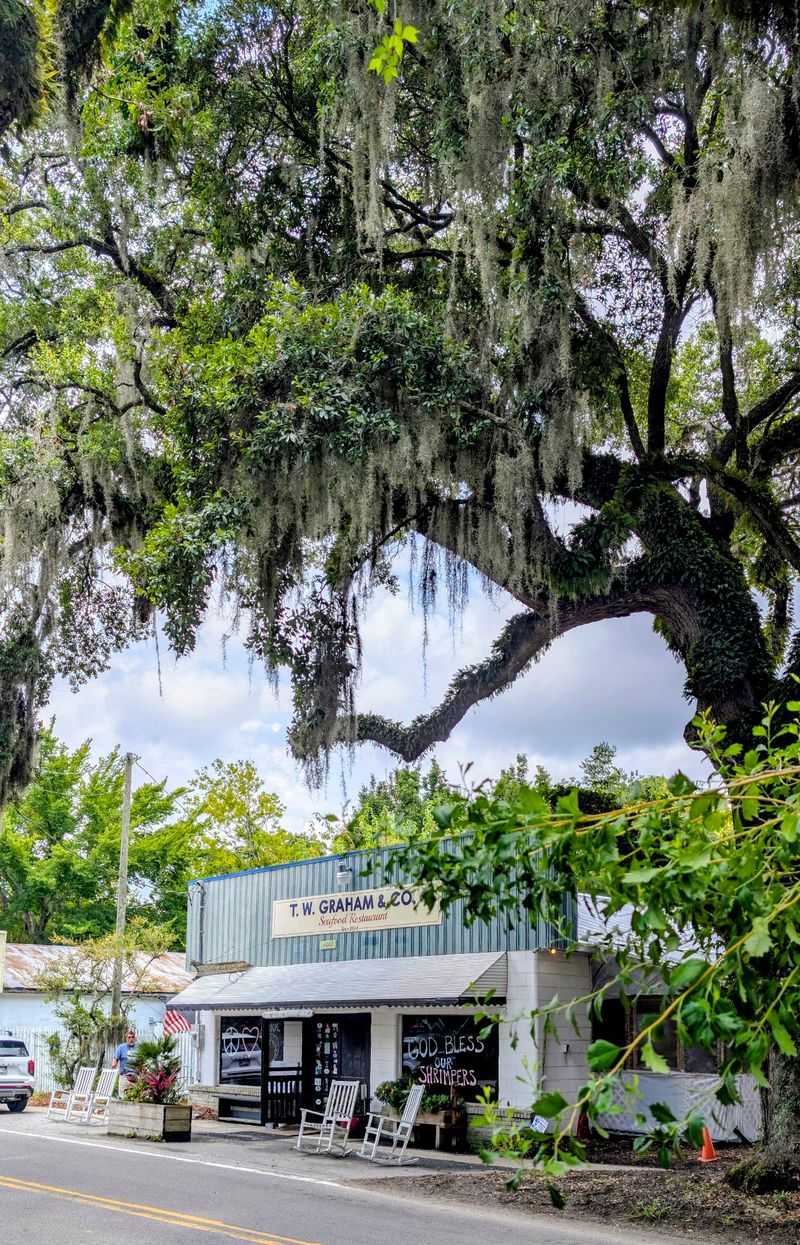
McClellanville rewards visitors who arrive with extra time on their hands. Pinckney Street and the surrounding village contain the kind of historic homes and small businesses that modern development usually bulldozes.
This town survived by staying small and protecting what made it distinctive.
The pace here moves differently than on the resort-heavy stretches of the South Carolina coast. You won’t find big chain stores or crowds of tourists consulting their phones.
What you will find is a coastal community that still functions as a real town where local residents outnumber visitors.
Walking these streets provides a clearer understanding of what the Lowcountry looked like before development transformed most of it. Historic preservation works best when it serves living communities rather than creating frozen-in-time displays.
McClellanville manages that balance better than most places.
The waterfront remains the main attraction, but the village itself tells important stories about how coastal South Carolina communities adapted, survived, and occasionally thrived. Give yourself an hour or two to explore properly.
Plan Your Visit
You’ll find T.W. Graham & Co at 810 Pinckney St., McClellanville, SC 29458.
The phone number listed is 843-887-4342. Current information shows the restaurant closed on Mondays, with lunch service available Tuesday through Sunday and dinner service added Thursday through Saturday evenings.
Hours can change, especially in smaller restaurants that sometimes adjust schedules based on season or staffing. Calling ahead before making the drive saves disappointment.
McClellanville sits about 35 miles north of Charleston, making it far enough off the beaten path that showing up at the wrong time means your backup dining options get limited quickly.
The restaurant’s location near Jeremy Creek makes combining your meal with a waterfront walk easy to manage. Street parking in McClellanville rarely presents problems, and the whole downtown area stays walkable.
This isn’t the kind of place where you need reservations months in advance or wait in long lines.
Bring cash as a backup payment option, as smaller restaurants sometimes have card reader issues.