Somewhere along South Carolina’s coast, a private island still feels wonderfully removed from the rush.
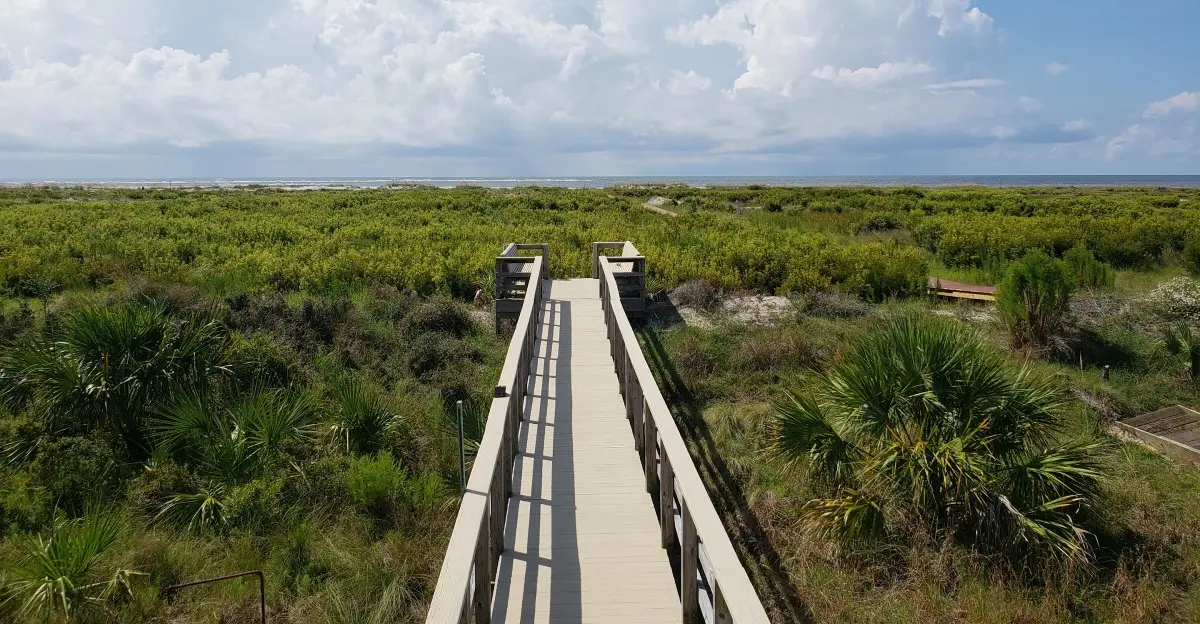
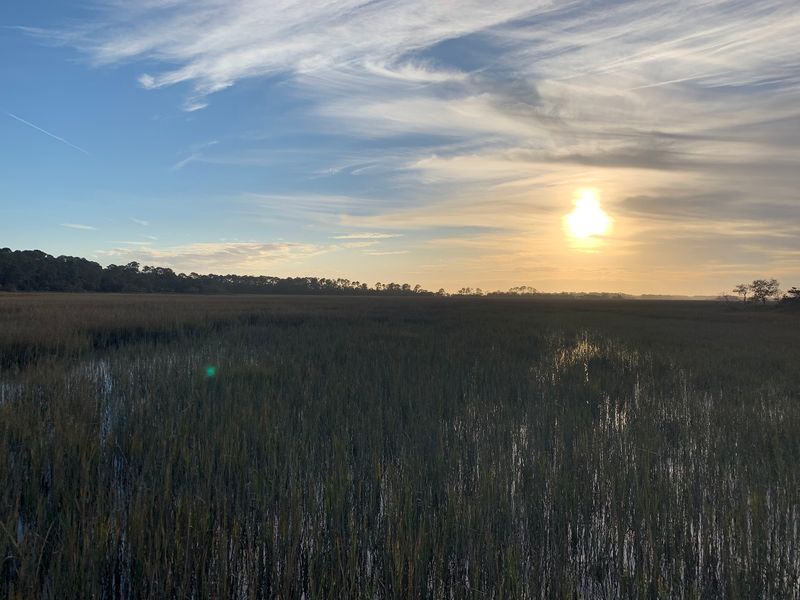
Fripp Island, tucked near Beaufort, trades crowded boardwalks and towering hotels for quiet roads, maritime woods, salt marshes, and wide stretches of shoreline.
It has the kind of setting that makes you wonder how a place this close to popular coastal towns stayed so peaceful.
There’s plenty of intrigue here, too.
Pirate legends swirl around the island, while deer roam freely and coastal birds fill the skies.
Loggerhead sea turtles also return to its beaches to nest, adding another layer to Fripp’s wild character.
Fripp isn’t your typical beach town.
Its private, gated nature has helped preserve a slower pace and a strong connection to the coast, making its story just as fascinating as its scenery.
Fripp Island Was Once a Remote Hunting Retreat
Picture a time when Fripp Island served as someone’s private escape for hunting and fishing adventures. Before any homes or golf courses existed, the island’s thick forests and marshy edges made it perfect for tracking game and casting lines into tidal creeks.
This hunting retreat history explains something important about Fripp today. Because wealthy landowners kept the island private for so long, developers never carved it up the way they did to many other coastal areas.
The tradition of keeping things quiet and unspoiled became part of Fripp’s DNA.
When you walk through the island’s nature trails now, you’re seeing landscapes that haven’t changed much in centuries. The same oak trees that sheltered hunters back then still spread their branches over sandy paths.
That continuity between past and present gives Fripp an authentic feeling that planned beach communities often lack.
Understanding this hunting heritage helps explain why conservation matters so much to today’s residents. They inherited not just land, but a philosophy about respecting natural spaces.
The Island Is Named After Captain Johannes Fripp
Captain Johannes Fripp earned his place in history books when he received this island as his property back in the 1600s. As a British privateer, he sailed under government authority to attack enemy ships during wartime.
This dangerous work came with rewards, including land grants in the colonies.
The Fripp family didn’t just visit occasionally. They became deeply rooted in South Carolina’s Lowcountry culture over generations.
Their descendants helped shape the region’s agriculture, politics, and social life for hundreds of years.
Walking around the island today, you’re literally standing on land that has carried one family’s name for more than three centuries. That kind of historical continuity is increasingly rare in America.
Most places get renamed, redeveloped, or completely transformed every few decades.
The captain probably never imagined his name would still identify this beautiful barrier island in the 21st century. His legacy lives on not through monuments or statues, but through the very geography itself.
Local Legend Says Blackbeard May Have Hidden Treasure Here
Every great coastal island needs a pirate story, and Fripp delivers with tales of Edward Teach himself. You probably know him better as Blackbeard, one of history’s most notorious pirates.
According to local storytellers, he used these secluded shores to hide stolen gold and jewels from his raids.
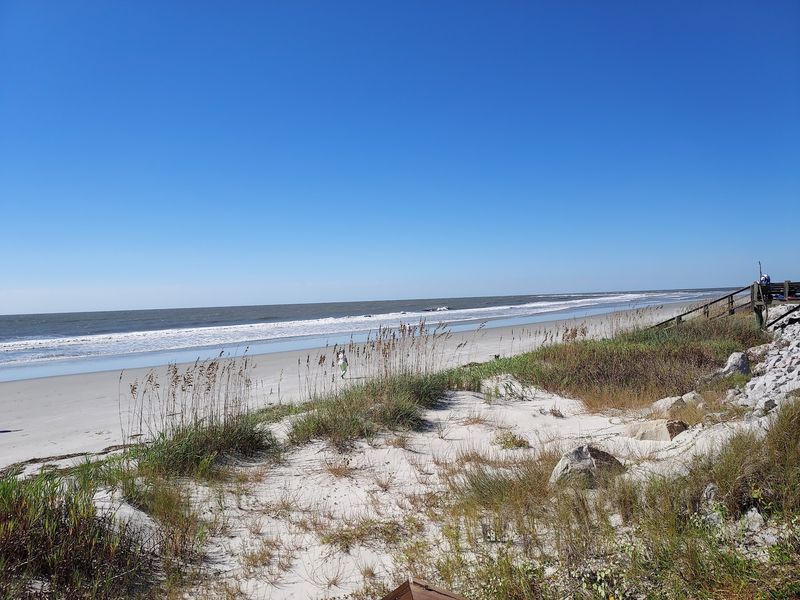
Now, historians haven’t found actual proof that Blackbeard buried anything here. But that hasn’t stopped generations of islanders from imagining treasure chests hidden beneath ancient oaks or buried in coastal sand dunes.
The legend adds mystery to your beach walks and exploration.
Blackbeard certainly sailed these waters during his active years in the early 1700s. The intricate network of islands, inlets, and marshes around Fripp provided perfect hideouts for pirates escaping naval patrols.
Geography supports the possibility, even if evidence doesn’t confirm it.
Whether treasure actually exists or not, the stories enrich your visit. They connect today’s peaceful beaches with an era of adventure, danger, and maritime lawlessness that shaped coastal Carolina’s early history.
Fripp Island Was Transformed in the 1960s
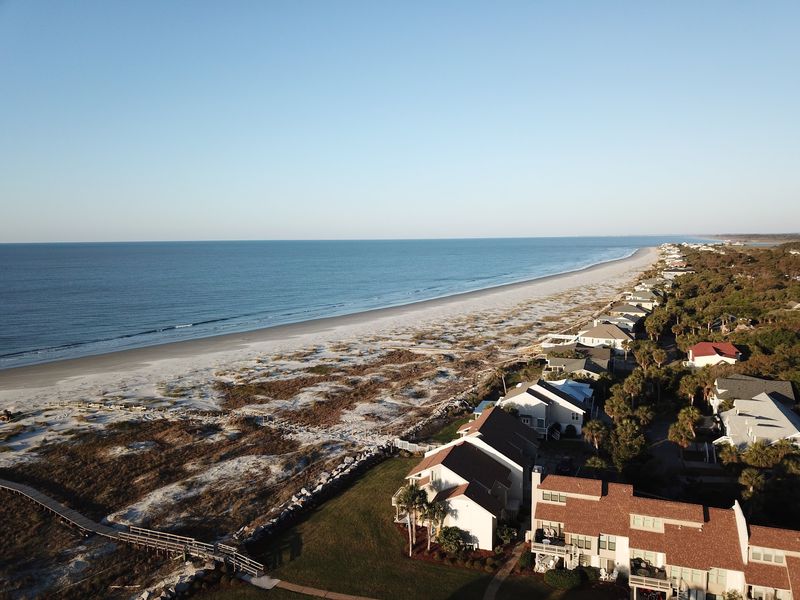
Everything changed for Fripp around 1961 when investors looked at this wild, undeveloped island and saw potential. They imagined transforming the private hunting ground into a residential resort where families could own vacation homes surrounded by natural beauty.
This vision required massive planning and investment.
The most dramatic change came with bridge construction. Before that permanent connection, reaching Fripp meant using boats or temporary crossings that made the island genuinely isolated.
That bridge literally connected two worlds and made year-round living practical for the first time.
Developers faced important choices about balancing progress with preservation. They could have packed the island with as many homes as possible to maximize profits.
Instead, they chose lower-density development that left substantial land untouched. Those early decisions still shape what Fripp feels like today.
The 1960s transformation wasn’t just about building houses and roads. It was about creating a new kind of coastal community that would attract people seeking peace rather than nightlife and boardwalk attractions.
Its Bridge Once Cost Just $2 to Cross
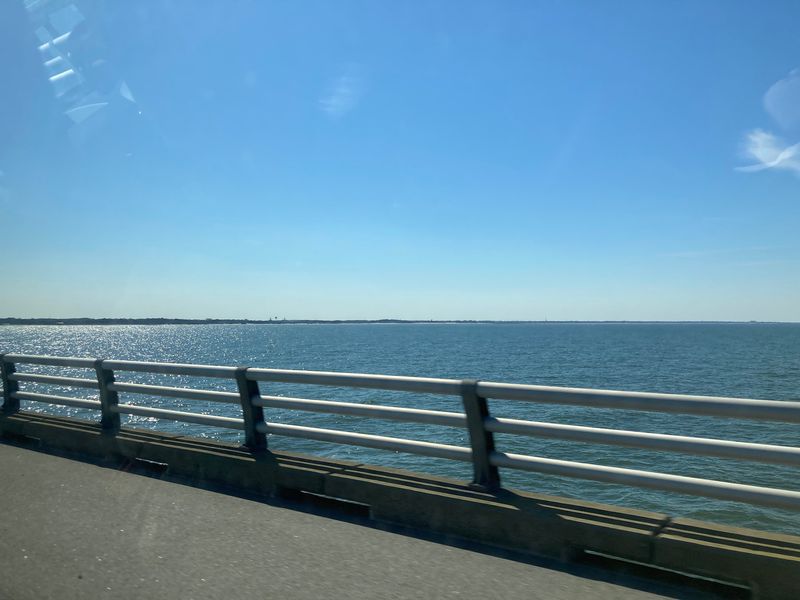
Imagine pulling up to the Fripp Inlet Bridge in the early 1960s and handing over two dollar bills for the privilege of crossing. That small toll paid for bridge maintenance and represented your ticket to island life.
Two dollars bought a lot more back then, but it still seems like a bargain for accessing paradise.
The toll system made practical sense when the bridge first opened. Private developers had funded construction, and they needed revenue to cover costs and upkeep.
Every car that crossed contributed to the bridge’s financial sustainability during those early years.
Today, the Fripp Island Public Service District maintains the bridge without charging tolls. The infrastructure that once represented progress and profit has become community property serving residents and visitors alike.
That shift reflects how the island matured from speculative development into an established community.
The bridge remains the only vehicle route connecting Fripp to the outside world. It physically links the island to Hunting Island and the broader South Carolina coast.
Without it, Fripp would return to its isolated past.
Fripp Is a Private Island, Not a Typical South Carolina Beach Town
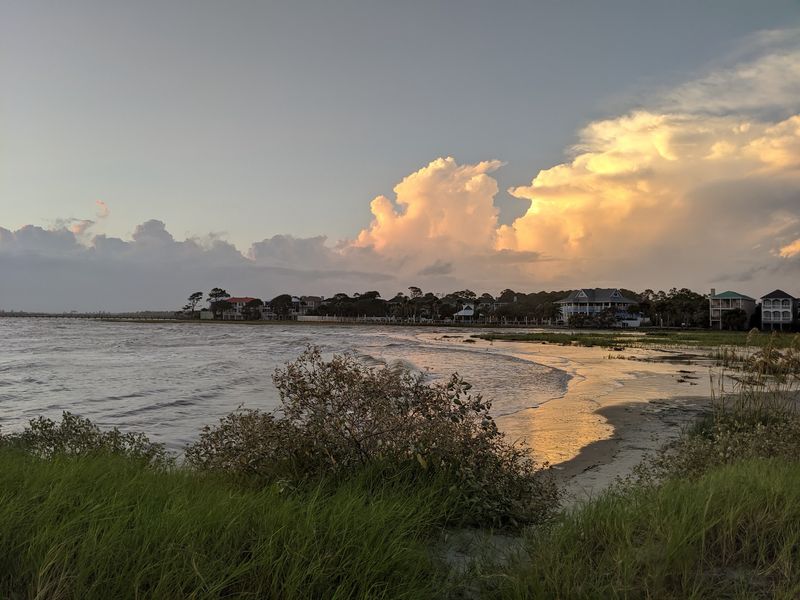
Here’s what surprises many first-time visitors: Fripp operates as a private, gated community rather than a public beach town. You can’t just drive onto the island whenever you want.
Access requires being a property owner, renting an approved property, or receiving an invitation from a resident.
This unusual status fundamentally changes the island’s character. Public beach towns need restaurants, shops, and entertainment to serve tourists and generate tax revenue.
Fripp doesn’t depend on those businesses, so it never developed the commercial strips that line most coastal highways.
A property owners association governs the island alongside municipal services. They make decisions about everything from architectural standards to wildlife protection.
This structure gives residents direct control over their community’s future in ways that public towns cannot match.
The private nature keeps crowds away by design. During peak summer weekends when nearby Hilton Head swarms with visitors, Fripp remains relatively quiet.
That exclusivity is precisely what draws people seeking genuine escape from crowded tourist destinations. Privacy comes with trade-offs, but for many visitors, the peace is worth it.
Wildlife Was Built Into the Island’s Identity
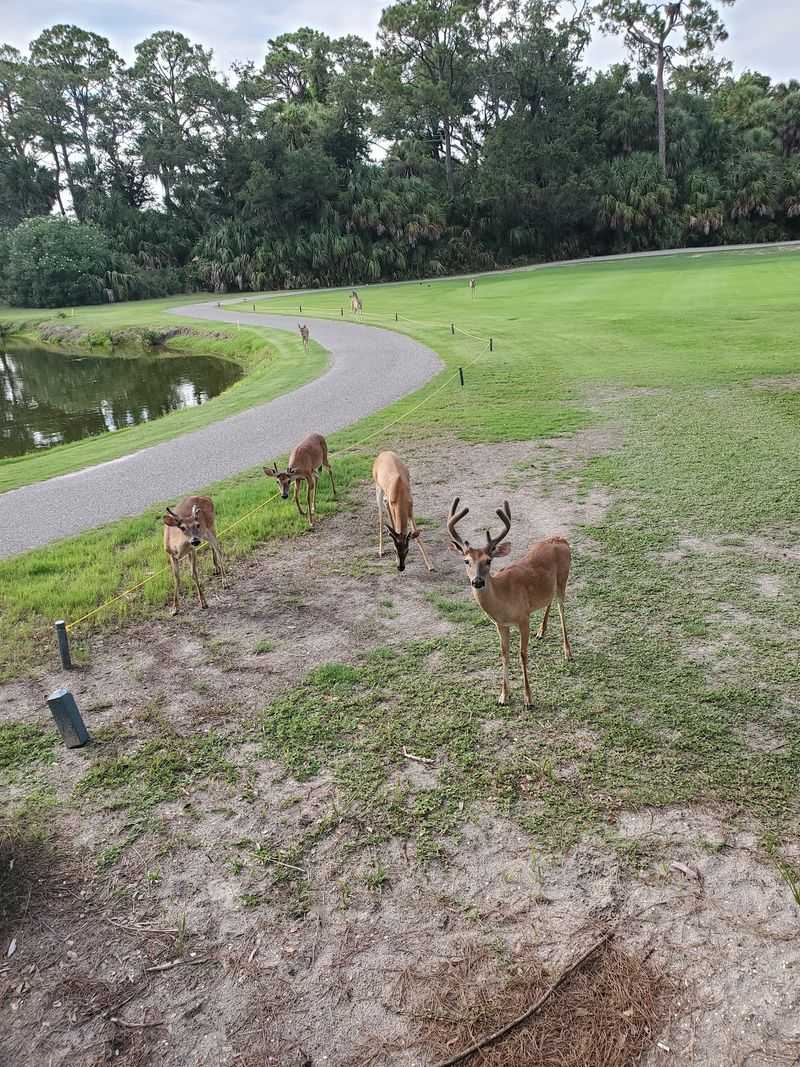
Developers made a crucial choice when planning Fripp’s transformation. Rather than clearing every acre for maximum construction, they intentionally preserved substantial wildlife habitat.
That decision means sharing the island with creatures who were here first.
Deer wander freely across Fripp, browsing on vegetation near homes and crossing roads without much concern for human activity. They’ve grown accustomed to people while remaining genuinely wild animals.
Watching them graze at dawn or dusk adds a magical quality to island life.
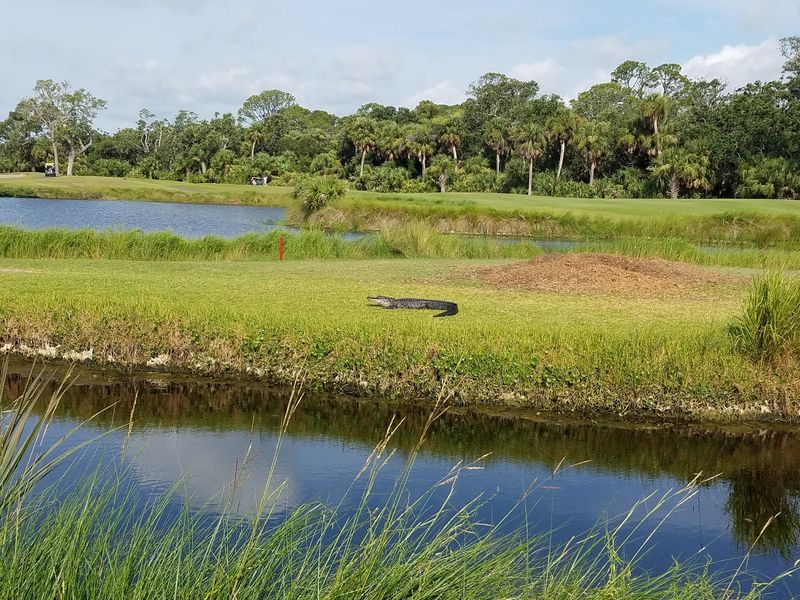
Alligators inhabit many of the lagoons and ponds scattered throughout the island. These prehistoric reptiles sun themselves on banks and cruise through dark water with just their eyes visible.
Residents learn to respect their space and understand that alligators are simply part of the ecosystem.
The surrounding wetlands support incredible biodiversity. Herons stalk through shallow water, egrets pose like living sculptures, and countless smaller species populate the marshes.
This wildlife presence isn’t accidental or incidental. It reflects intentional planning that valued ecological preservation alongside human recreation.
The Island Has an Unusually Strong Birding History
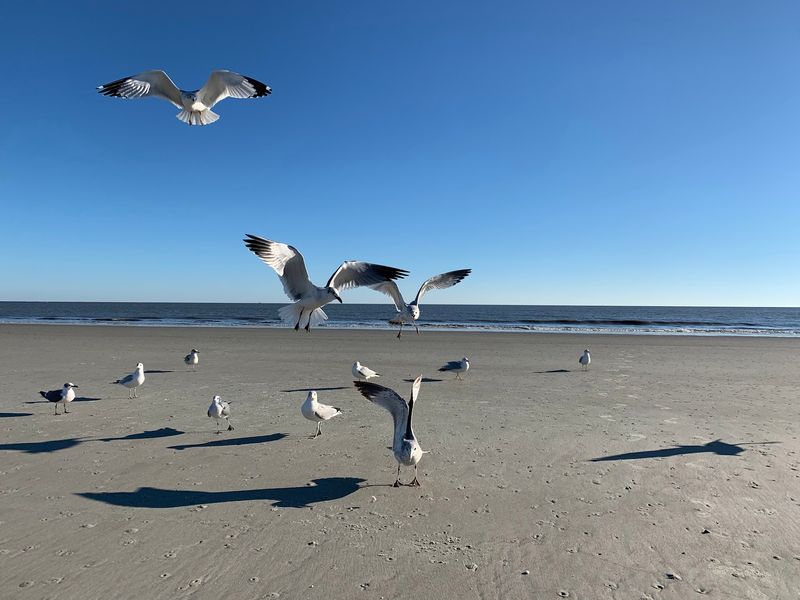
Bird enthusiasts discovered something special about Fripp long ago. In 1978, residents formed an Audubon Club dedicated to studying and protecting the island’s feathered residents.
That commitment earned Fripp official recognition as an Audubon bird preserve, a designation that highlights its ecological importance.
More than 175 documented bird species have been spotted on or around the island. This impressive diversity reflects Fripp’s varied habitats.
Maritime forests shelter one group of birds, salt marshes attract another, and open beaches host species that need sandy nesting grounds. Each ecosystem supports different avian communities.
Serious birders travel specifically to Fripp for opportunities to add rare sightings to their life lists. Spring and fall migrations bring temporary visitors passing through on journeys between breeding and wintering grounds.
Patient observers with binoculars can spot species they’d never encounter inland.
The birding culture on Fripp goes beyond casual observation. Residents participate in citizen science projects, monitor nesting sites, and work to minimize human disturbances during critical breeding seasons.
This active stewardship helps ensure that future generations can enjoy the same remarkable bird populations.
Much of Fripp Island Still Remains Undeveloped
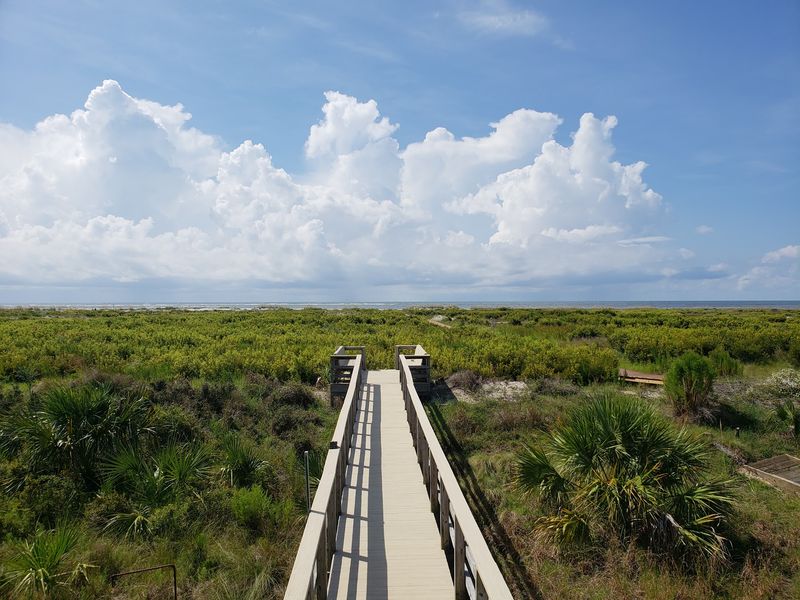
Walk around Fripp today and you’ll notice something remarkable. Despite decades of residential construction and resort development, large portions of the island remain completely wild.
Dense maritime forests, extensive wetlands, quiet lagoons, and pristine marsh edges still dominate the landscape.
Historical planning documents reveal that developers intentionally left substantial acreage undeveloped. This wasn’t land they couldn’t sell or forgot about.
It was deliberate conservation that preserved the natural character that made Fripp special in the first place. Those green spaces prevent the island from feeling crowded or overdeveloped.
The undeveloped areas serve crucial ecological functions. They filter water, provide wildlife habitat, buffer storms, and maintain the island’s unique character.
Without them, Fripp would feel like any other beach community where every square foot gets monetized and developed.
This commitment to preservation means future generations will inherit an island that still feels wild and authentic. In an era when coastal development too often destroys what makes places special, Fripp stands as an example of doing things differently.
The empty spaces are just as important as the developed ones.