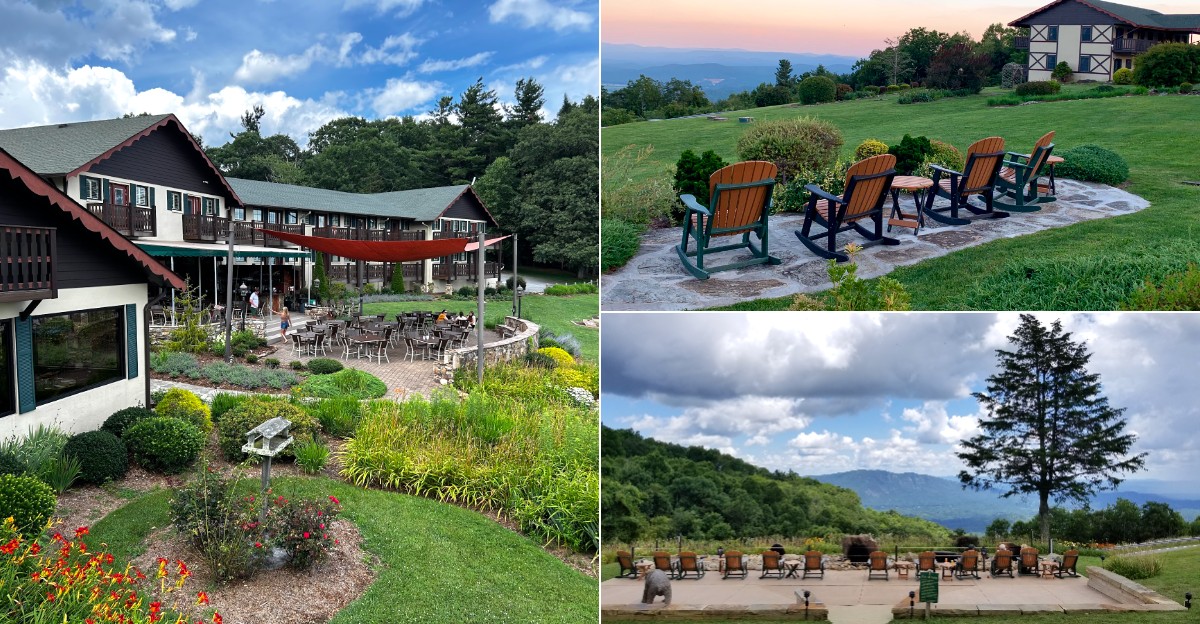
Rolling blue ridgelines stretch to the horizon, and cool mountain air makes it easy to forget you are still in the South.
Little Switzerland is a tiny resort village perched right along the Blue Ridge Parkway in western North Carolina.
Founded in the early 1900s, it earned its name from sweeping views that reminded early visitors of the Swiss Alps.
Cozy inns, a charming bookstore, and small shops give the village a relaxed, old-fashioned feel.
Nearby, families can hike to waterfalls, cruise the Parkway’s scenic overlooks, or dig for gems at local mines.
Fall is especially stunning, when the hillsides glow with reds, oranges, and golds.
Bring a jacket, slow down, and let the mountain views work their magic.
A Village High Above the Valleys
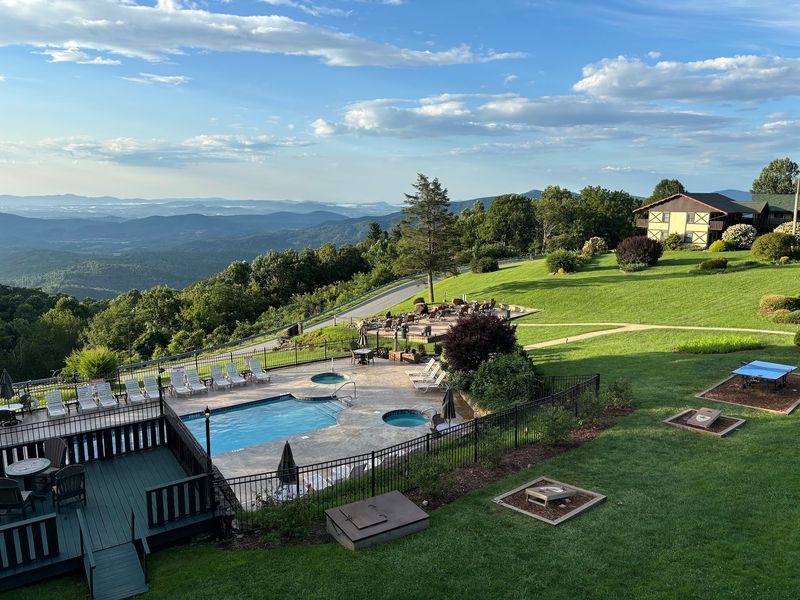
The first thing you may notice is how far the land seems to fall away. Little Switzerland sits about 3,468 feet above sea level, so even a short walk can bring a new view of the surrounding mountains.
The community is small, but its setting gives it a grand feel.
Look past the nearby trees and you may see ridge after ridge fading into the distance. On a clear day, the layers can appear blue, which helps explain the name of the Blue Ridge Mountains.
Clouds and changing light make the same scene look different from one hour to the next.
Plan to slow down rather than race between stops. A quiet place to stand and look can be just as rewarding as a busy viewpoint.
Bring a light jacket, since air at this height may feel cooler than you expect, especially in the morning or after sunset.
Keep your camera ready, but take time to look without it, too. Watch how shadows move across the slopes and how small buildings appear against the hills.
Those simple details help show why the views here can make familiar North Carolina mountains feel like a faraway place.
Ridges That Seem to Go On Forever
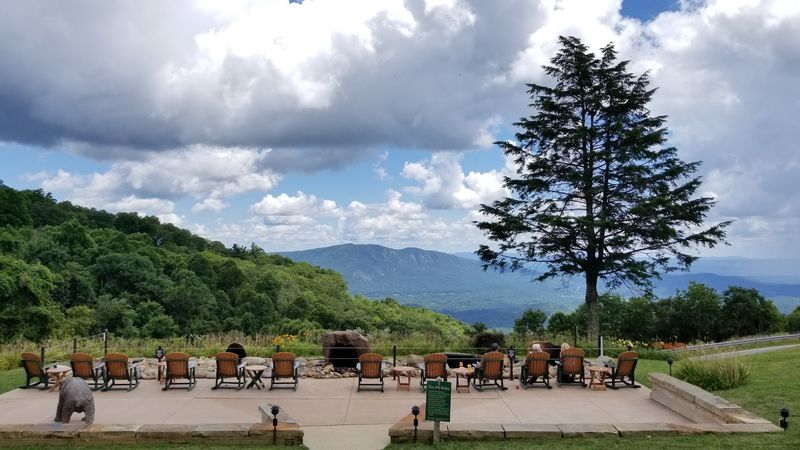
Count the mountain ridges from a safe viewing spot and you might lose track. Near slopes look green and clear, while distant ones often appear softer and bluer.
That change in color gives the landscape a sense of depth, almost like a painting made in layers.
For a better look, choose a clear day and give your eyes time to adjust to the distance. Early light can make the shapes easier to see, while late afternoon may bring long shadows.
Neither time is always best; weather can change the view in minutes.
A pair of binoculars can help you notice lines of trees and folds in the land, but you do not need special gear. Try looking first at the nearest hillside, then follow the ridges toward the horizon.
It is a simple way to see just how wide the mountain scene is.
Stay on public paths and established viewing areas, even when a better angle seems close. Thick plants can hide a steep drop or uneven ground.
If haze blocks the far peaks, enjoy the shapes you can see nearby. A partly hidden view still tells a story about this rugged setting.
The Winding Road Into the Mountains
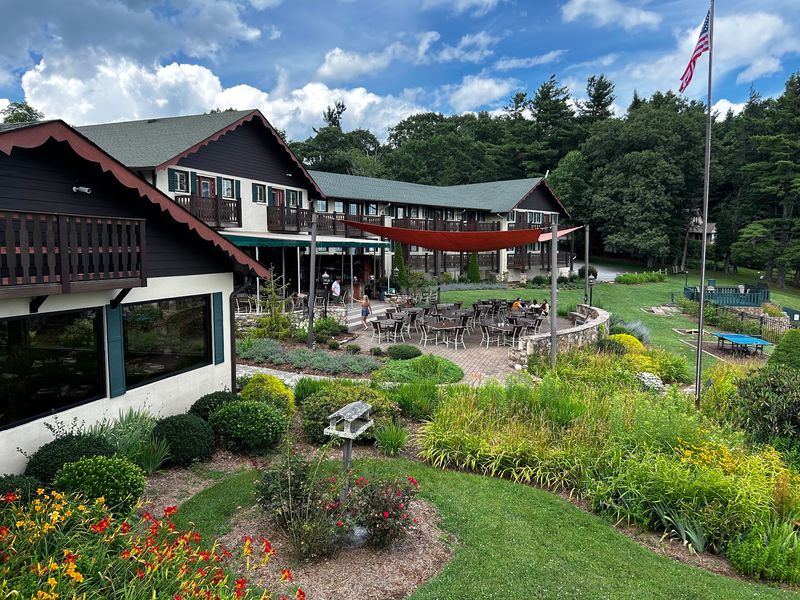
A bend in the road can reveal a view you could not see a moment earlier. The route through the community follows mountain terrain, with curves that make the trip feel different from a drive across flat land.
The scenery is part of the experience, but safe driving comes first.
North Carolina Highway 226A serves this area and connects with the Blue Ridge Parkway nearby. Before you leave, check current road conditions and directions.
Mountain weather, maintenance, or seasonal closures may affect your plans, especially if you hope to use the parkway for part of your trip.
Keep your speed comfortable, watch for cyclists, and let a passenger enjoy the camera. Never stop in a travel lane for a photo.
If you want a longer look, use a legal place to park and check that you have enough room to get out safely.
Allow more time than a mileage estimate suggests. Curves can slow the trip, and a rushed drive leaves little chance to enjoy the changing hills.
Once you arrive, you can see how the roads fit the land rather than cutting straight across it. That winding approach makes the mountain views feel earned.
Morning Light on the Hills
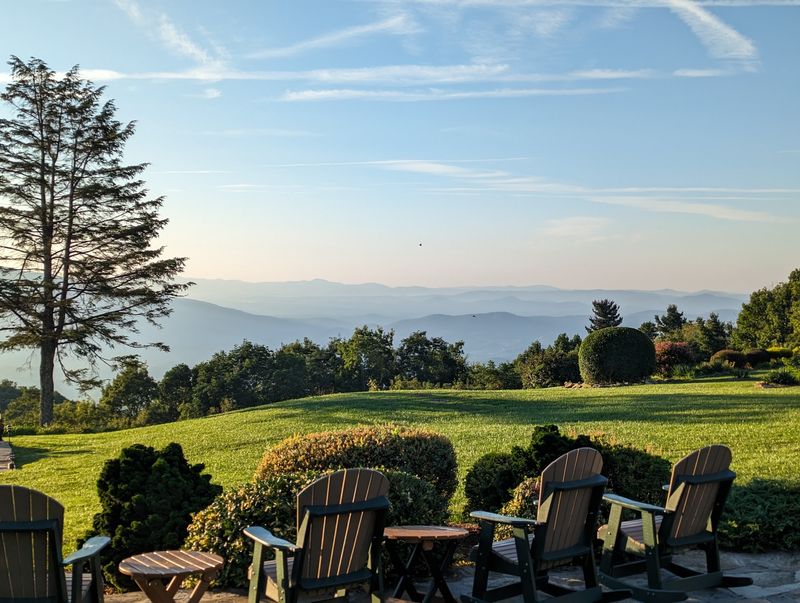
Before the day gets busy, the hills can look especially calm. Soft morning light reaches some slopes while others remain in shadow, bringing out the shapes of the land.
If mist gathers in lower areas, the higher ridges may seem to float above it.
That scene is not promised every morning. Clouds, rain, and wind all play a part, so treat mist as a welcome surprise rather than the reason for your whole visit.
Even without it, the cooler air and quieter streets can make an early start worthwhile.
Check the sunrise time before setting an alarm, and choose a viewing spot you can reach without crossing private land. Take a warm layer and shoes with a good grip.
Grass and paths may be damp, and a view is never worth a slip near a steep edge.
If you like taking pictures, try including a nearby tree or roofline to show how far away the hills appear. Then put the phone down for a minute.
Listen to the morning sounds and watch the light move. The change can be slow, but that is what makes it easy to miss when you hurry.
An Autumn Hillside Full of Color
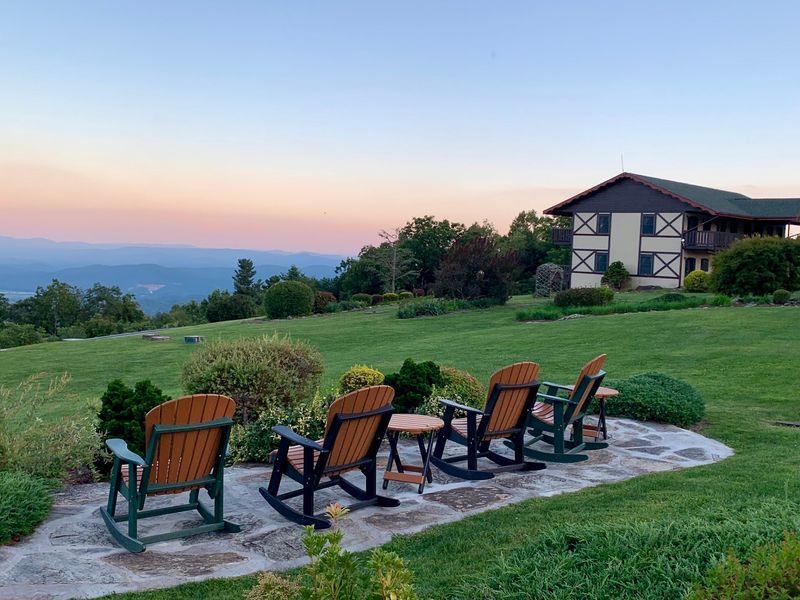
Fall gives the hills a new look, with patches of red, orange, and gold among the green. Color spreads unevenly across the slopes, so a distant ridge may look different from the trees beside you.
That mix makes it fun to pause and study the view.
Do not count on one perfect date for bright leaves. Cooler weather, rain, and each tree’s timing affect what you will see.
Check recent local foliage reports before traveling, but leave room for surprise. A hillside with only a little color can still be lovely.
Dress in layers so you can stay outside as the temperature changes. If roads or viewing areas are busy, be patient and use only legal parking spaces.
Fallen leaves can make the ground slick, especially after rain, so take care when walking toward a view.
Look beyond the brightest trees for another detail: the shape of the mountains beneath them. A patch of color may trace a hollow or mark a steep slope.
Once you notice those patterns, the scene becomes more than a postcard. It becomes a way to read the land, one colorful hillside at a time.
Clouds That Change the Whole View
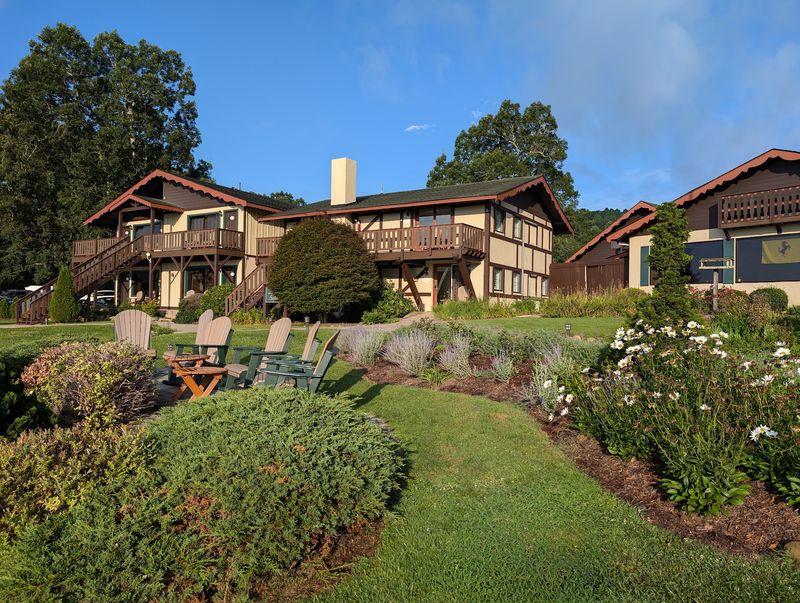
One cloud can turn a wide mountain view into a mystery. A ridge that looked clear a few minutes ago may vanish, then return when the wind moves the cloud along.
Instead of treating changing weather as a ruined plan, watch what it does to the landscape.
Cloud shadows can race over the trees, leaving bright spots on distant slopes. After rain, the air may look clearer, though wet ground calls for extra care.
On other days, low cloud may hide almost everything. It helps to have a flexible schedule and a sheltered place to wait.
Check the forecast before you go, especially for storms. If you hear thunder, leave exposed areas and head to a safe building or vehicle.
Do not stand near an overlook just to catch a dramatic picture. Good judgment matters more than any photograph.
When conditions settle, give the view another chance. You may see only a small opening between clouds, but that brief glimpse can show how tall and folded the mountains are.
Bring a rain layer and keep your plans loose. Around here, the sky often joins the hills in putting on the show.
Small-Town Stops With a Big Backdrop

Not every great view needs a long hike. In a small mountain community, everyday stops can come with a backdrop of trees and steep hills.
You might notice the scenery while walking between places, taking a break, or simply waiting for a travel companion.
Make time to explore at an easy pace rather than planning every minute. Check business hours before your trip, since small communities may have limited or changing schedules.
If you stop for food or shopping, support local businesses when you can and respect their parking rules.
Pay attention to traffic as you walk. Mountain roads can have curves and narrow edges, so use safe crossings and stay off the roadway.
A quick picture is not worth stepping into a driver’s path. Look for a secure spot where you can enjoy the hills without blocking others.
The contrast is part of the charm: a modest street scene in front of a much larger landscape. Nearby buildings give the mountains scale, making the slopes seem taller.
Spend a little time noticing both. The community is not just a place to pass through on the way to a view; it is part of the view itself.
A Sunset Worth Slowing Down For
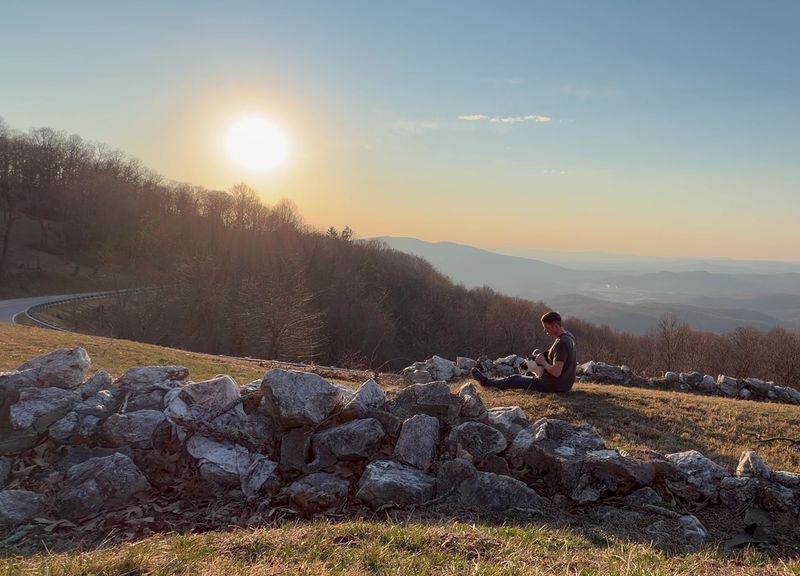
As daylight fades, mountain ridges often turn into dark shapes against a colorful sky. It is an easy moment to miss if you are busy packing up or checking the time.
Give yourself a little room in your plans to stand still and watch the day end.
Find a safe, public viewing spot before sunset rather than searching for one in the dark. Check the direction of the view, since not every spot faces the setting sun.
Even without a direct look at the sun, the changing light on nearby slopes can be beautiful.
Bring a jacket and a flashlight or charged phone for the walk back. Temperatures can feel cooler once the sun is gone, and paths become harder to see.
Keep track of where you parked, and avoid walking close to steep edges as the light fades.
A sunset does not have to be bright orange to be memorable. Some evenings bring soft pink clouds; others end in quiet gray.
Look for the last details you can make out in the valleys, then watch them disappear. It is a peaceful way to finish a day spent seeing the mountains from different angles.