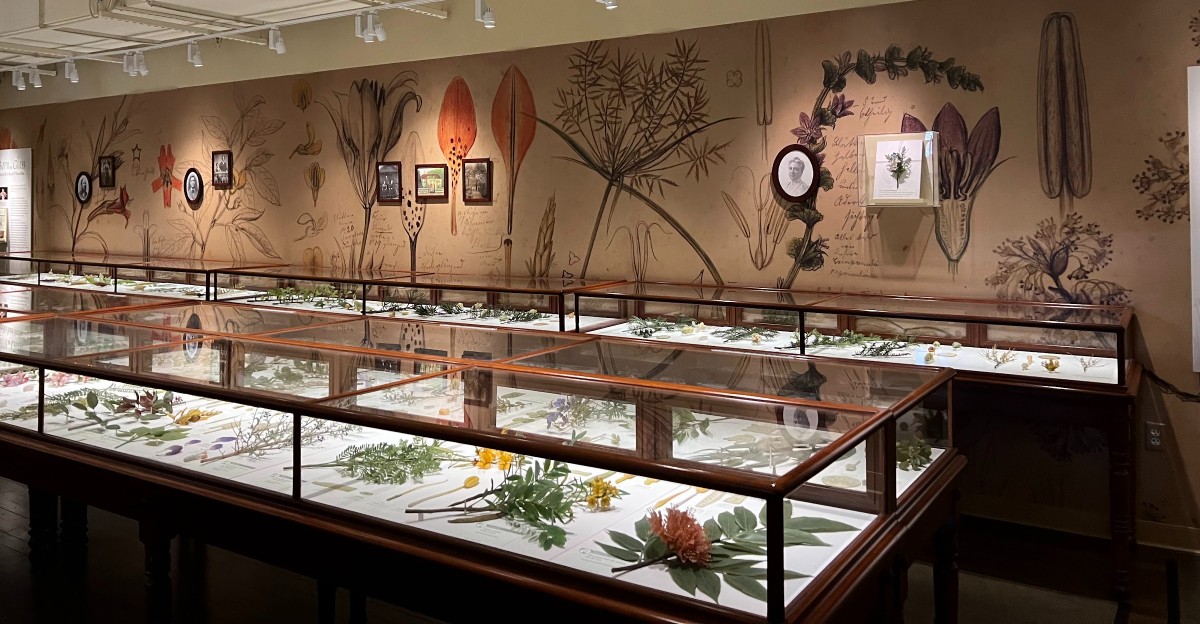
A flower made of glass sounds like something that belongs on a fancy dining table, not in a science museum, but The Harvard Museum of Natural History has an entire collection of them.
Behind the museum’s familiar displays of animals, fossils, and rocks, lifelike plants wait in glass cases, with petals, leaves, and tiny details that can make you forget what they are made of.
The collection matters because it helped students study plants closely, and it still gives visitors a surprising way to see how art and science can work together; you do not need to know a thing about botany to enjoy the moment when a glass flower fools your eyes.
If you are planning a visit to Cambridge, keep reading for the best ways to explore this unusual display, understand its story, and make time for the other museum rooms that turn a quick stop into an afternoon of discoveries.
Flowers That Fool Your Eyes
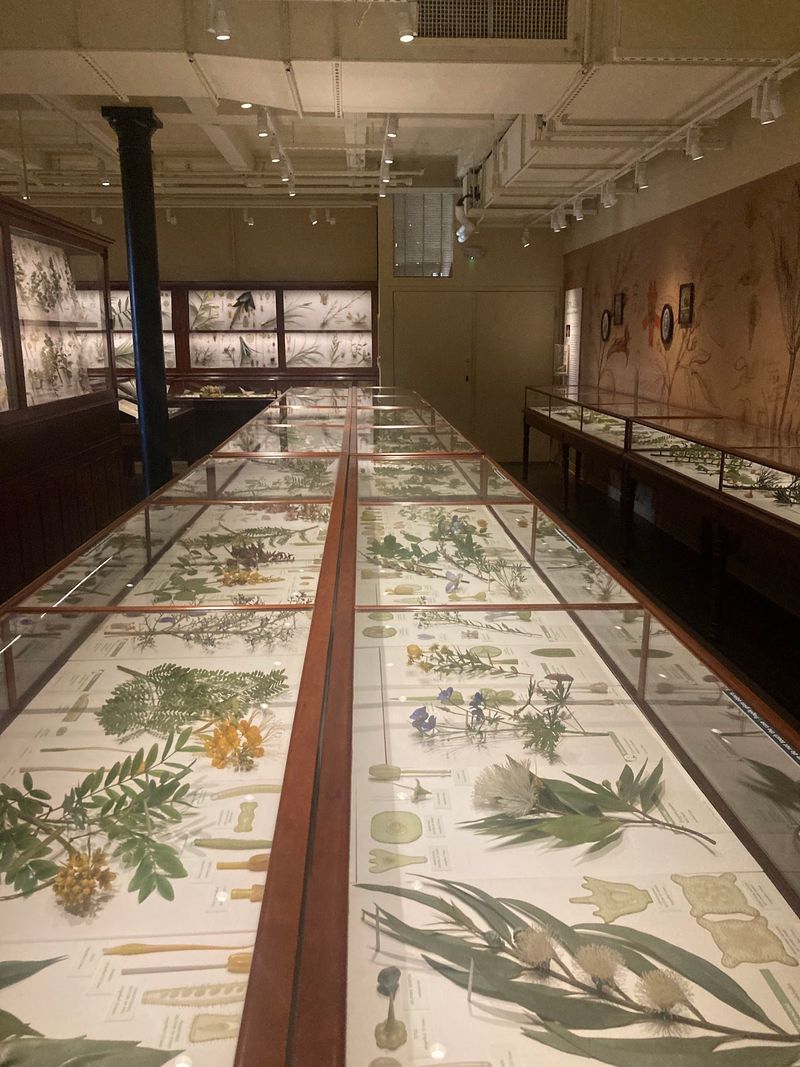
At first glance, you may wonder why fresh flowers are sitting inside a museum case. Look closer, and the trick becomes clear: the petals, stems, and leaves are glass. The Harvard Museum of Natural History displays these models as part of its famous Glass Flowers collection, and their lifelike appearance is the reason many visitors stop in their tracks.
Instead of racing past the cases, pick one plant and study it from top to bottom. Notice whether its leaves curl, its petals overlap, or its stem changes color near a flower. Small details are easy to miss when you try to see everything at once.
Children can make a game of guessing which parts would feel fragile, while adults may enjoy spotting the features they recognize from gardens or grocery store bouquets. Keep your hands off the cases, of course; looking is the whole adventure here. The models reward patience more than speed.
Real flowers wilt, but these carefully made examples keep their shapes for visitors to examine year after year. That makes the display more than a clever visual joke. It offers a close, lasting look at plants you might otherwise walk past without a second thought.
A Museum Surprise on Oxford Street
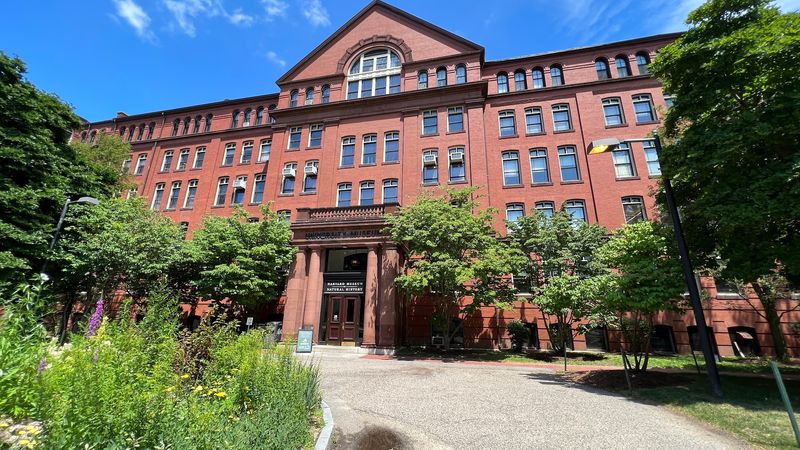
A museum door does not give away every surprise waiting behind it. The Harvard Museum of Natural History stands at 26 Oxford St in Cambridge, Massachusetts, where its displays bring plants, animals, fossils, and minerals together under one roof. The Glass Flowers can feel like a secret discovery if you arrive expecting only dinosaur bones or rows of animal specimens.
Plan your visit before you set out rather than relying on an old screenshot of museum hours. The listed schedule is 9 AM to 5 PM daily, but it is smart to check the museum website for current admission details, holiday changes, and any gallery updates. That quick check can save a wasted trip.
Once inside, ask a staff member where to find the Glass Flowers, or follow the signs at your own pace. Visitors report finding the collection on the second floor. An elevator is available, which may make moving between floors easier for some guests.
Give yourself room to wander beyond the flowers, too. Some visitors finish a focused trip in an hour or two, while others happily spend much longer. A little planning leaves more time for the fun part: being surprised.
The Glassmakers Behind the Garden
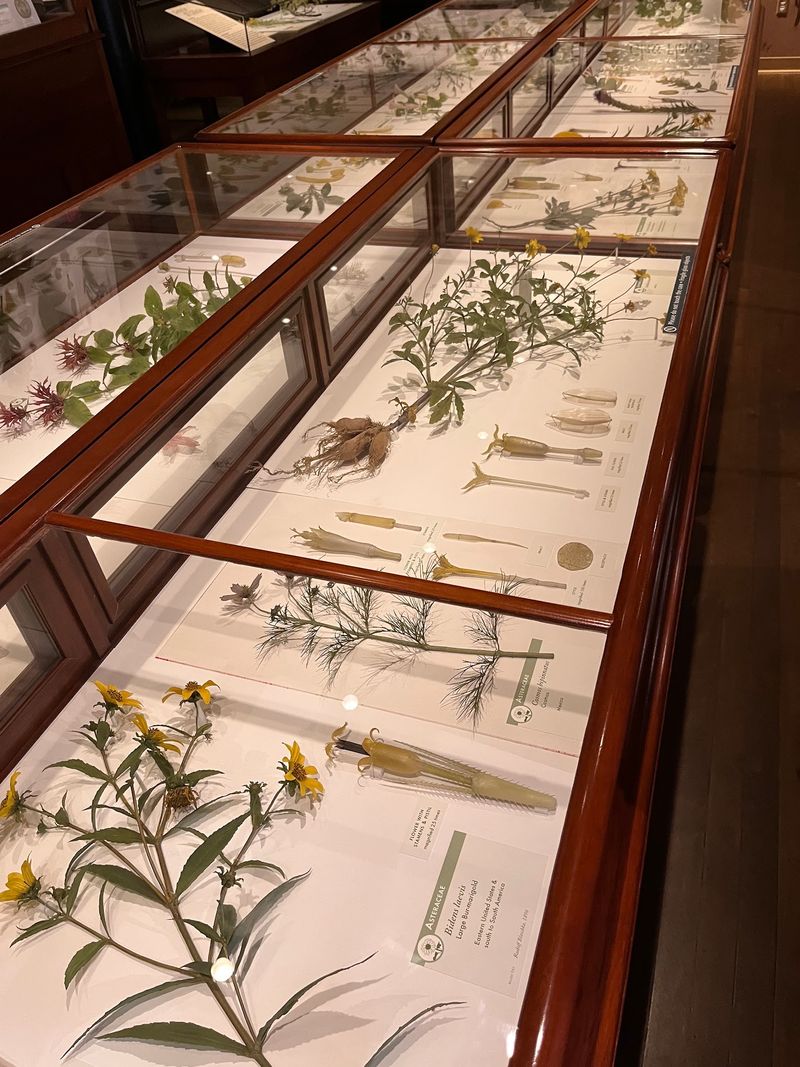
Imagine being asked to make a plant so convincing that students could study it like the real thing. That was the challenge behind the Glass Flowers, formally known as the Ware Collection of Blaschka Glass Models of Plants. Leopold Blaschka and his son Rudolf made the models, joining careful observation with remarkable glassworking skill.
The collection was created for teaching botany, the study of plants. A real flower can droop, lose its color, or appear only during a short season. A glass model stays ready for the next class, with useful features kept in view.
When you visit, think about the makers as well as the finished flowers. Each smooth leaf and tiny stem took human effort; these were not objects that simply rolled off a factory line. That thought adds another layer to the display, especially when a piece looks almost too delicate to exist.
Read a few labels rather than trying to memorize every plant name. You will come away with a clearer sense of why these objects belong in a natural history museum, not just an art gallery. They were made to help people learn, and they still do that job beautifully today.
Tiny Plant Parts, Big Ideas
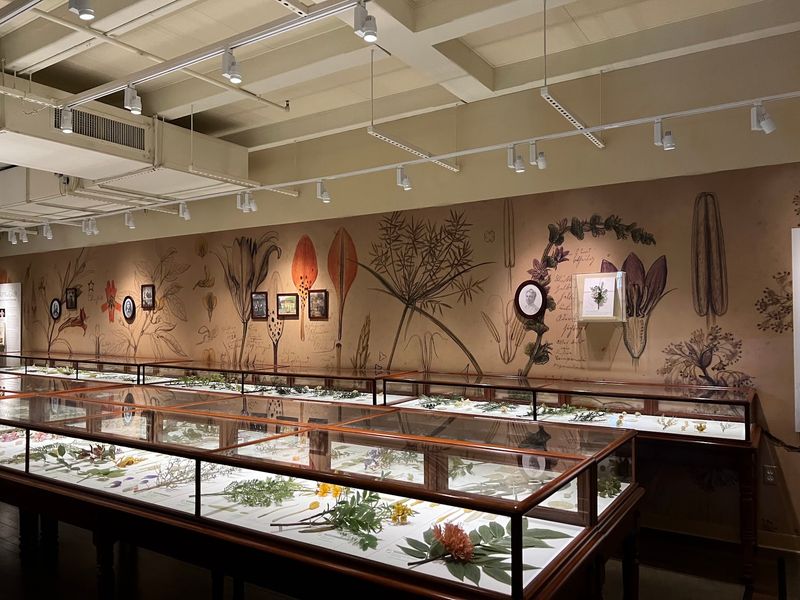
Petals get the applause, but the smallest plant parts deserve a turn in the spotlight. Among the Glass Flowers, visitors can examine models that show structures a casual glance at a living plant might miss. Some displays help reveal how flowers, seeds, and other parts fit together, making the collection useful for curious minds of any age.
Try a simple challenge as you move from case to case: find one detail you have never noticed on a plant outdoors. It could be the shape of a seed, the way leaves join a stem, or a surprising pattern inside a bloom. You do not need scientific words to describe what you see.
Families can take turns making observations, then check the labels to learn more. A child might spot a color change that an adult missed, while someone else notices a familiar shape. There is no prize except the pleasure of seeing better, which is a pretty good prize.
This habit can follow you home. The next time you see a flower in a park or on a windowsill, pause for a closer look. The glass models may change how you notice the real plants around you.
A Quiet Look Beats a Quick Photo
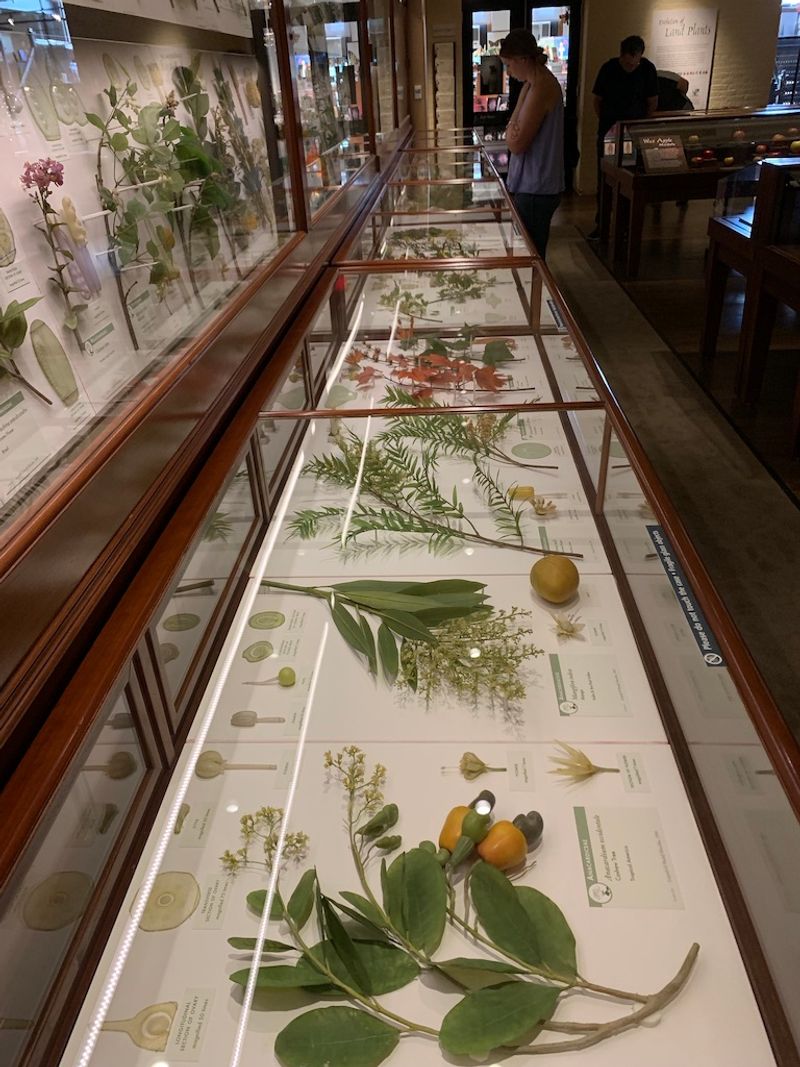
Camera ready, you lift your phone and discover that glass cases love reflections almost as much as they love flowers. Lighting and glare can make a quick picture less impressive than the view in front of you. Give yourself a few minutes to enjoy the collection with your eyes before worrying about a photo.
Move gently to one side of a case if a reflection blocks a detail. Avoid pressing your phone against the glass or holding up people behind you. If you take pictures, follow the museum’s current photography rules and keep your flash off when required.
For a more memorable visit, choose a favorite model and explain why it caught your eye. Maybe it looks like a flower you know, or perhaps its color seems almost impossible to make from glass. Sharing one observation can be more fun than collecting twenty blurry pictures.
Busy rooms can make close viewing harder, so consider arriving early if your schedule allows. Visitors have described calmer galleries near opening time, though crowds vary by day. Whether the room is quiet or lively, patience helps you notice the details that make this collection so unusual.
More Glass Life Beyond the Flowers
Just when you think the glassmakers’ talent stopped at petals, another delicate subject may catch your eye. The museum also has glass models of sea creatures made by the Blaschkas. Their shapes offer a striking change from the flowers and show how the makers represented forms from different parts of nature.
Look for the marine models while exploring the galleries, and check current displays before making them the main reason for your trip. Exhibitions can change, and visitors have described the sea life display as smaller than the flower collection. Treat it as a bonus discovery rather than a promise of an equally large room.
Compare the two kinds of models if you see both. A flower has familiar parts you may recognize right away, while a sea creature might look like something from a science fiction story. Both invite the same question: how did anyone make glass look so alive?
If you are visiting with children, ask which model they would find harder to create. There is no need to know how to work glass to have an opinion. The conversation turns a museum case into a small lesson about observation, skill, and imagination.
A Rainbow of Rocks Nearby
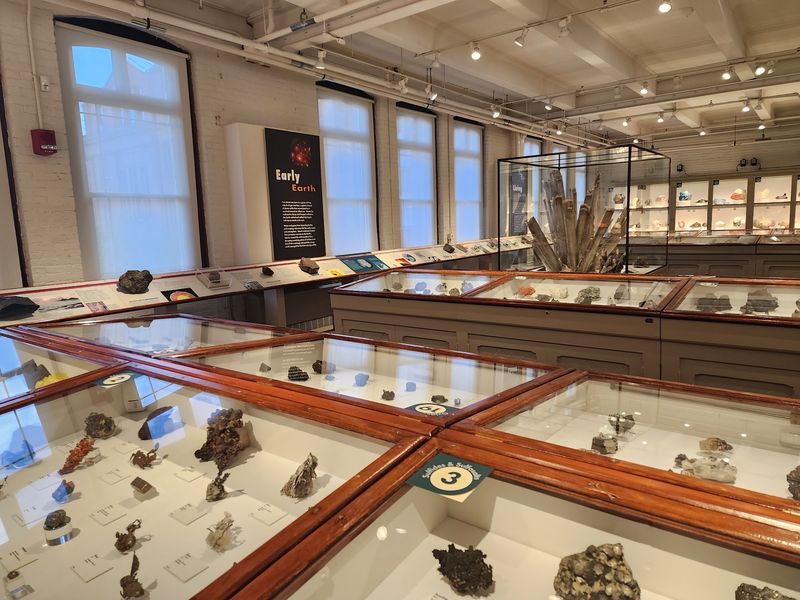
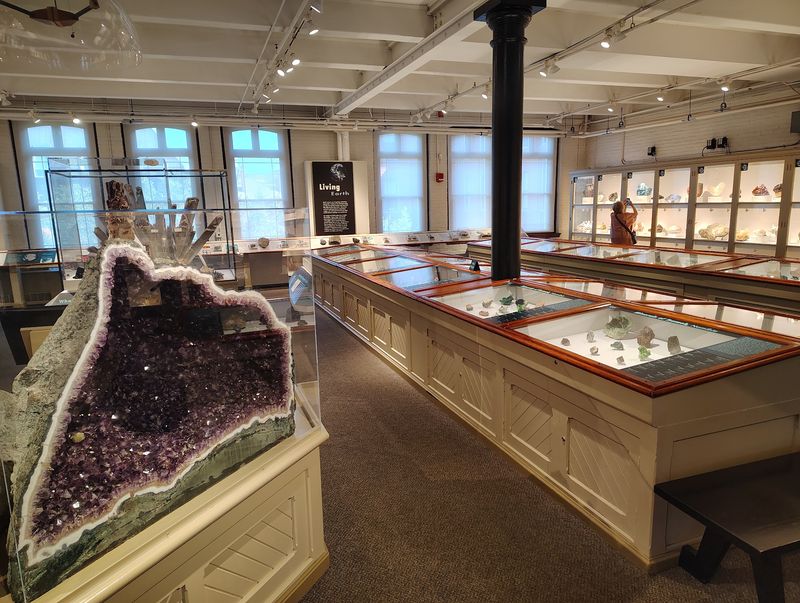
After so many careful petals, a room full of glittering minerals feels like nature changing costumes. The Harvard Museum of Natural History has displays of gems, crystals, and other rocks that offer a colorful break from the Glass Flowers. Some visitors even enjoy hunting for the stone linked to their birth month.
Give the mineral cases more than a passing glance. Pick two specimens with different colors or shapes and see whether their labels explain what sets them apart. Even without knowing the science, you can notice sharp edges, smooth surfaces, and surprising patterns.
For families, a small scavenger hunt can keep everyone involved. Ask each person to find a favorite color, a crystal that looks like a tiny building, or a rock that seems too strange to be real. Keep the game quiet enough for other visitors to enjoy the room.
The shift from glass plants to natural minerals makes for an interesting thought. People shaped the flowers to teach us about living things, while the rocks formed through processes in Earth. Seeing both during one visit makes the museum feel wonderfully varied, without asking you to become an expert first.
Bones and Animals Complete the Visit
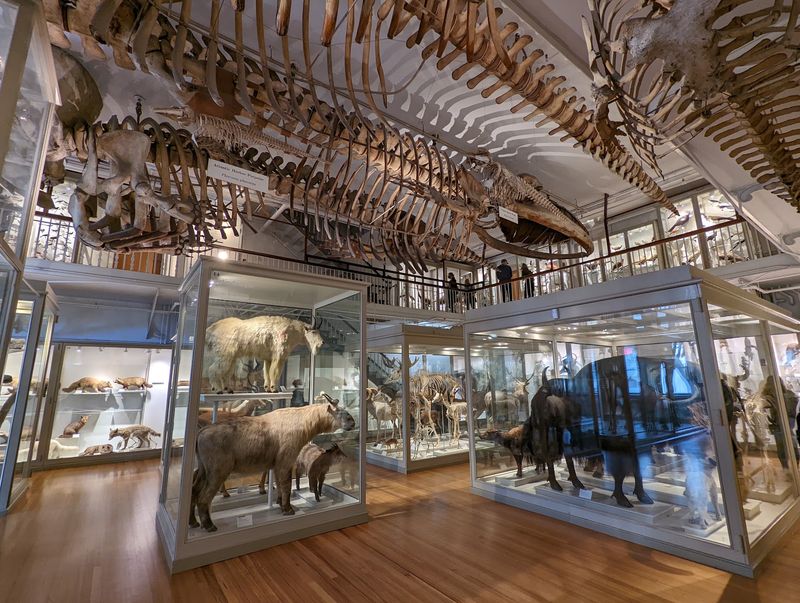
A whale skeleton overhead is a sharp reminder that this museum has more than one way to make you say wow. Beyond the Glass Flowers, animal specimens and skeletons fill galleries with creatures of many shapes and sizes. The contrast is part of the fun: one room asks you to study a tiny petal, while another makes you look up.
Try linking what you see instead of treating every display as a separate stop. Flowers depend on the living world around them, and animals depend on plants in ways both direct and indirect. That simple connection can make a walk through the museum feel like a story rather than a checklist.
If your time is short, choose a few displays that truly hold your interest. Read their signs, compare an animal specimen with a nearby skeleton when possible, and leave space to return to the flowers. Trying to inspect every object can turn a pleasant visit into a race.
Visitors with a longer afternoon can slow down and let curiosity lead. A bright mineral, a towering skeleton, or an impossibly realistic glass leaf may become the memory that stays with you. There is no wrong favorite in a museum with so many surprises.