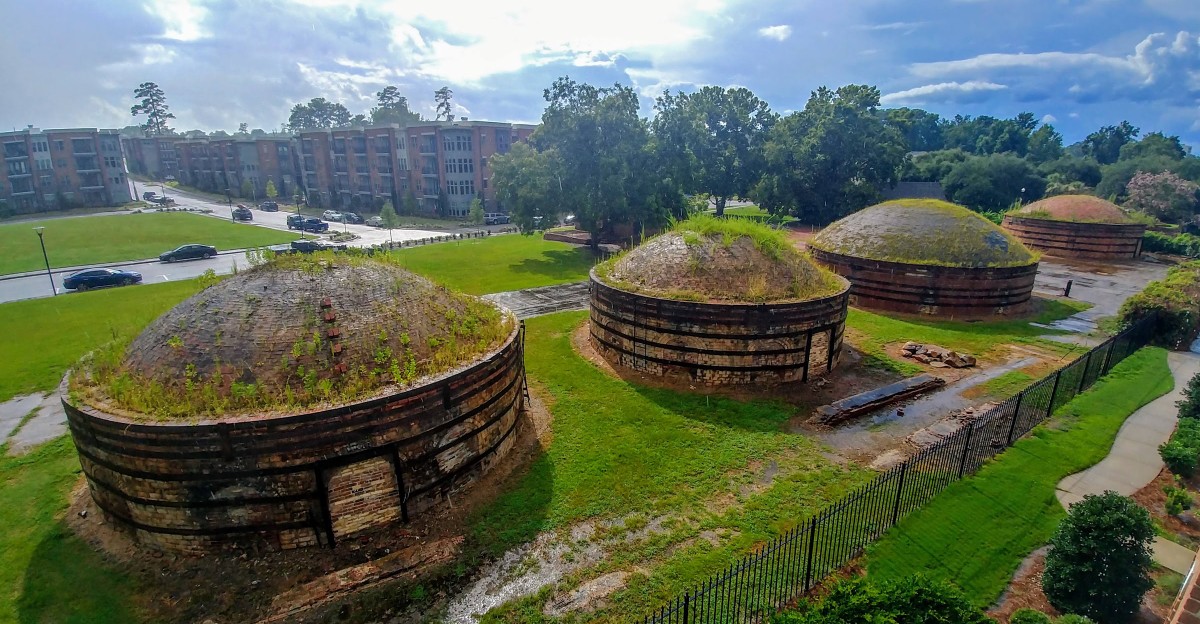
A few old brick kilns can tell a bigger story than you might expect, especially when they are still standing where people once worked with clay, fire, and heavy loads of brick.
At Guignard Brick Works, the round structures offer a chance to picture the labor behind buildings that many of us pass every day without a second thought, even though the work that made those buildings possible is easy to overlook.
The site also raises a question about what happens to places like this when a growing neighborhood changes around them, and why saving an old industrial landmark can matter just as much as saving a grand house.
If you enjoy finding history in unexpected places, take a closer look at these surviving kilns, notice the small details in their walls, and use the eight stops below to imagine how a simple brick could become part of South Carolina’s story.
A Small Site With a Big Story
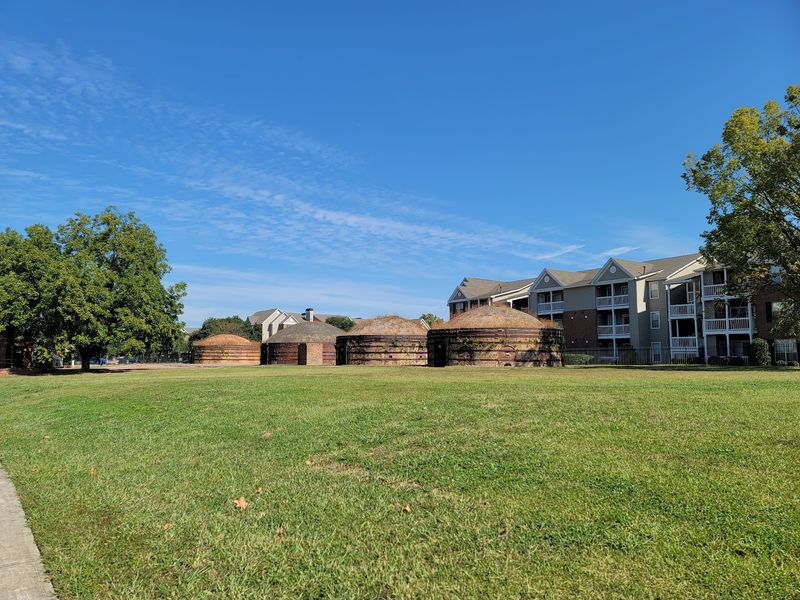
At first glance, the old kilns might look like curious brick buildings left behind by accident. Guignard Brick Works is a historical place at 100 Granby Crossing in Cayce, South Carolina, where visitors can see surviving structures connected to brickmaking. A reviewer describes four kilns and a separate office, though visitors should check current conditions before making the trip.
The appeal is not a polished museum experience. It is the chance to stand near buildings made for work, not display, and think about what that work required. Look at the size of each structure and picture workers moving materials through a busy yard.
Take a few minutes before your visit to read about basic brickmaking. That little bit of background can make plain walls feel much more interesting. Several visitors have wished for more information at the site, so bringing notes on your phone may help.
Keep expectations realistic and stay in areas open to the public. You may find an unassuming stop rather than a full tour, but its modest size makes the story feel close. The kilns invite you to notice the people and effort behind an everyday building material.
Why the Kilns Are Round
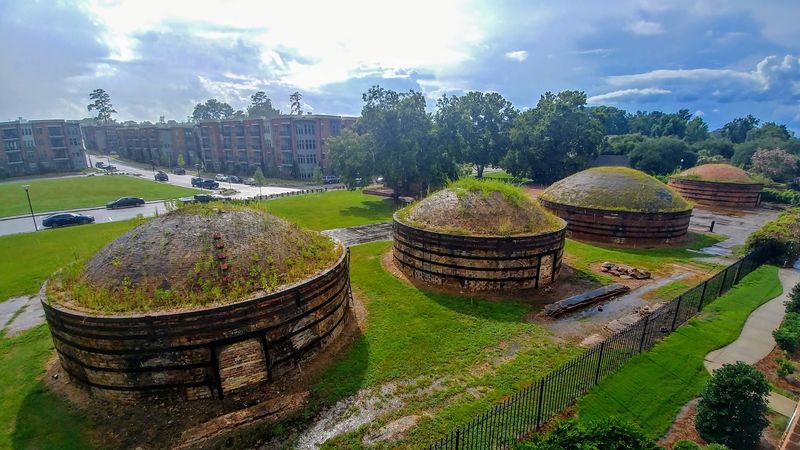
Curved walls make these kilns stand out from the square buildings nearby. Their shape is a useful clue: a kiln had to hold intense heat while bricks hardened inside. From outside, you can begin to imagine a chamber where fire changed soft clay into a strong building material.
Brickmaking takes more than stacking blocks and lighting a flame. Freshly shaped clay must dry, then heat carefully enough to become durable without being ruined. The surviving structures help turn that slow, demanding process into something you can picture.
Notice how bricks form the kiln walls themselves. That detail makes the place feel like a brickmaker’s workshop and a sample of its craft at the same time. Try looking for differences in color or surface texture, but avoid touching loose material.
No visit can show exactly how every firing happened here without records or a guide. Still, asking how fuel, heat, and labor came together gives the ruins a purpose beyond their unusual shape. Photograph the exterior from a safe distance, then compare it with pictures of working brick kilns to see what remains and what has disappeared.
Clay, Heat, and Hard Work
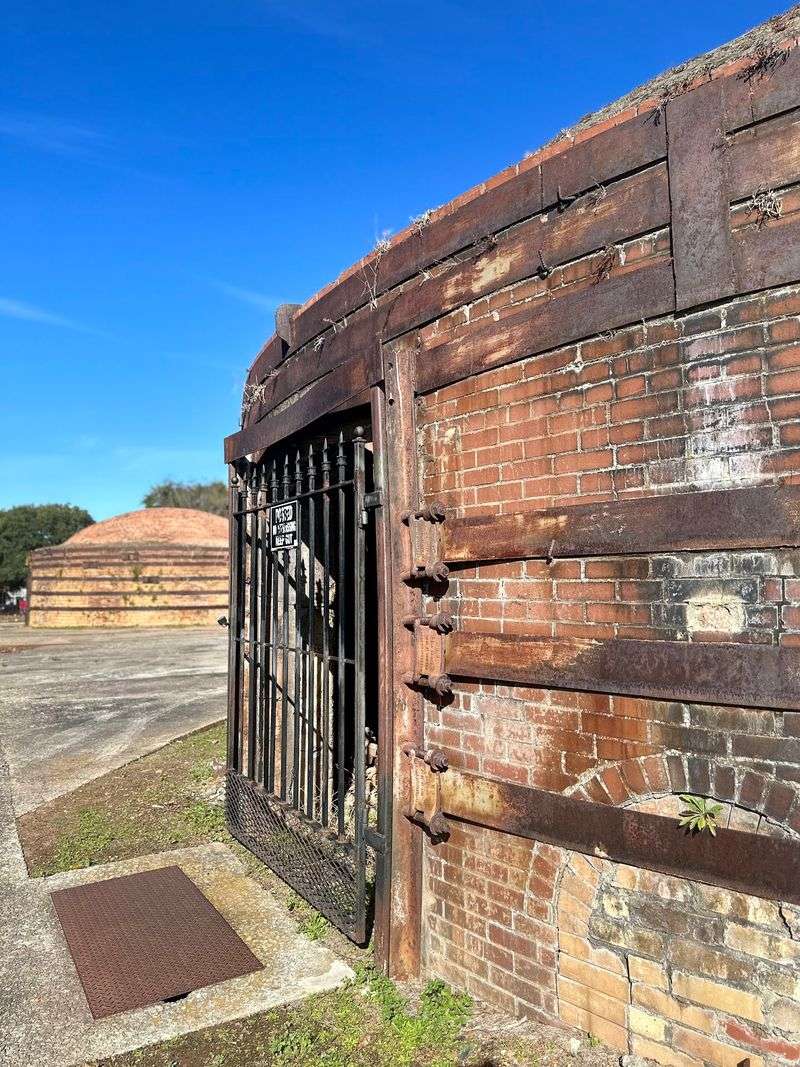
Every brick begins as earth, but turning earth into a useful block takes many steps. Clay must be prepared, shaped, dried, fired, and moved. Standing beside the Guignard kilns makes it easier to remember that people handled the materials at each stage.
Think about the weight of one brick in your hand. Now imagine making enough bricks for walls, streets, or other construction projects. Even without working equipment on view, the site points toward a job that demanded steady effort and close attention.
Heat mattered just as much as muscle. If a brick dried or fired unevenly, it might crack or fail to serve its purpose. That is why a kiln was an essential part of the operation, not simply a striking backdrop for photos.
For younger visitors, try a simple observation game. Find a brick with a rough face, then spot one with a smoother surface without removing either from the site. Ask what might have caused the difference, and be honest when the answer is uncertain. History becomes more interesting when you connect a familiar object to the choices and labor needed to make it.
The Office Beside the Ovens
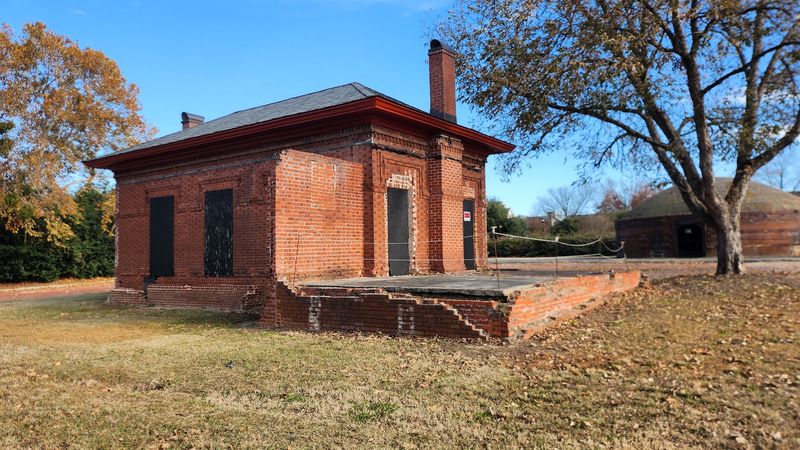
A brickworks needed more than a place to fire clay. One visitor reports that a separate office still stands near the Guignard kilns, a reminder that the business also involved plans, orders, and records. Even a small workplace needed someone to organize what was made and where it went.
Give the office a second look instead of walking straight to the round structures. Its quieter shape helps tell the human side of the story. Workers did physical jobs in the yard, while the business also depended on communication and careful decisions.
We cannot learn who sat inside simply by looking at the building today. That gap is a useful reminder to separate what you can see from what you can only imagine. A photo of the office beside the kilns can help you remember how the different parts of the site fit together.
Historic workplaces often survive in pieces. Here, the buildings offer clues rather than a complete answer. If you share pictures afterward, label the office and kilns clearly so friends can see why both matter. That small step gives an overlooked work building some attention of its own.
The River’s Place in the Picture
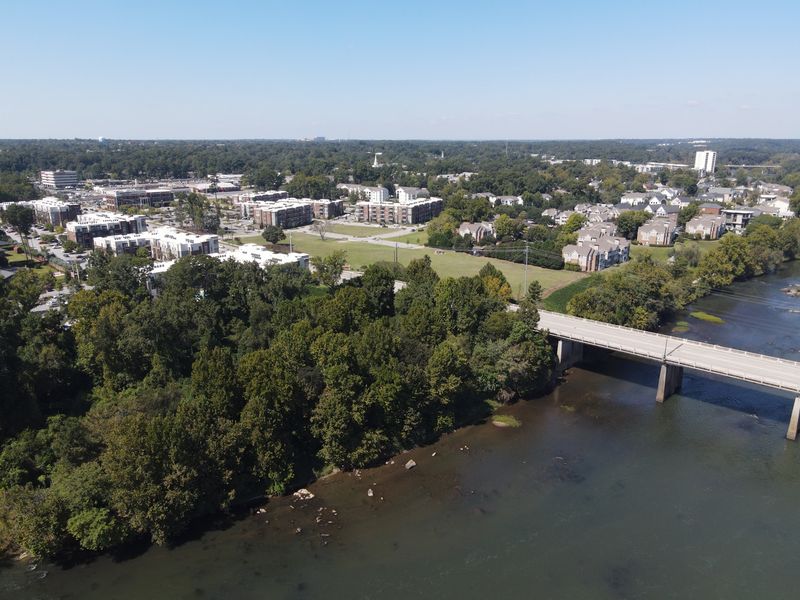
Rivers can shape where towns grow, where people work, and how materials move. The Guignard kilns sit in the Cayce area near the Congaree River, making their setting part of the story even when you focus on the brick walls. It is tempting to invent a detailed river shipping tale, but the surviving buildings alone cannot prove one.
Instead, use the landscape as a question. What resources would brickmakers need nearby, and how might finished bricks reach builders? Thinking about those practical problems can help you understand why a workplace has a location, not just an address.
Bring a map if you want to see how the river, streets, and modern development relate to the site. The map can add context without turning a guess into a fact. If you walk beyond the kilns, follow marked public routes and respect neighboring property.
The most useful lesson may be simple: buildings connect to their surroundings. The river and the brickworks belong to a larger picture of South Carolina’s growth. Looking at both helps you ask better questions about the work that happened here.
What Brick Walls Leave Out
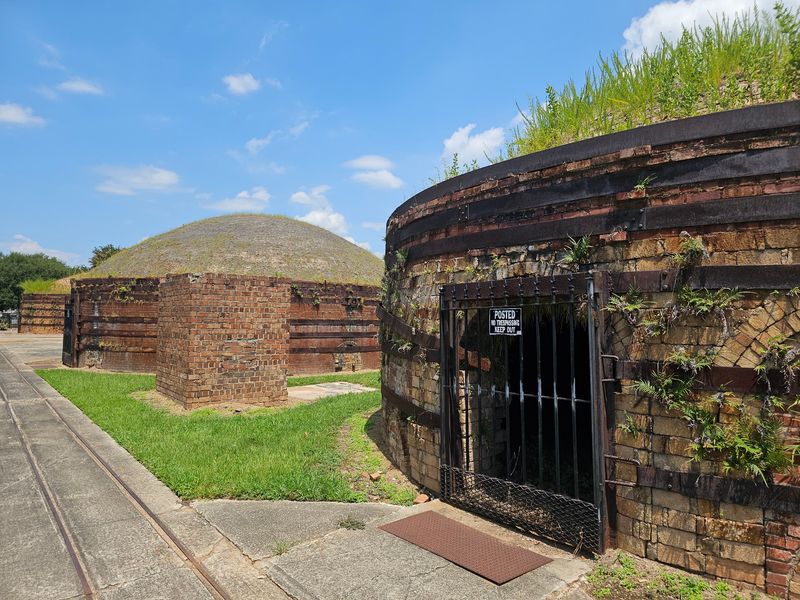
Quiet places can hide noisy histories. Today, you may hear traffic or footsteps near the kilns, but a working brick yard would have centered on making, moving, and firing heavy material. The buildings remain, while the daily routines of the people who worked around them are much harder to see.
Pause at a safe spot and picture the repeated tasks behind each finished brick. Someone had to keep the process moving before a builder could ever lay a wall. That thought shifts attention from the finished structure to the workers whose effort made construction possible.
Be careful not to treat an imagined scene as a recorded fact. Without more evidence, you cannot name individual workers, count their hours, or describe a particular day here. You can still recognize that industrial history is also human history.
If you are visiting with a child, ask who usually gets credit for a building. The owner or designer may come to mind first. Then ask about the people who made its materials. The kilns offer a clear way to start that conversation, even when their walls cannot tell every story on their own.
A Landmark That Needs Care
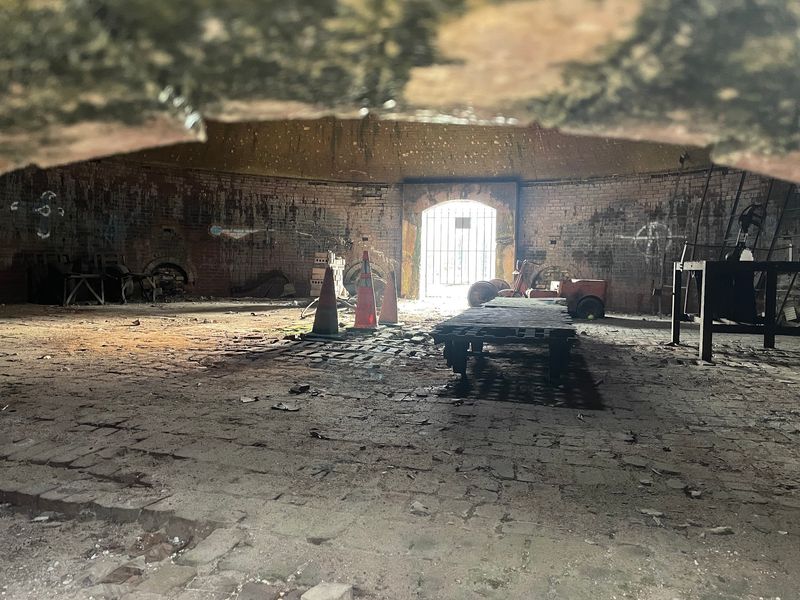
Old industrial buildings do not stay standing through good luck alone. Several visitors praise the Guignard kilns for surviving, while others report trash, graffiti, and a lack of helpful signs. Those different reactions make the site a good place to think about what preservation actually involves.
Saving a structure is one step. Keeping it clean, explaining its history, and making visits safe are separate challenges. A sign can help someone understand why an odd round building deserves attention, but visitors should not assume one will be available.
You can help in small, sensible ways. Take photos without climbing on the kilns, leave bricks where they are, and carry away your own litter. If you notice damage, consider contacting the appropriate local authority rather than trying to fix historic masonry yourself.
A little care protects more than a photo opportunity. It keeps physical evidence available for future visitors who may have different questions about the place. Preservation works best when curiosity comes with respect. The kilns have already lasted long enough to surprise people today; thoughtful choices can help them keep telling their story tomorrow.
How to Make the Most of a Visit
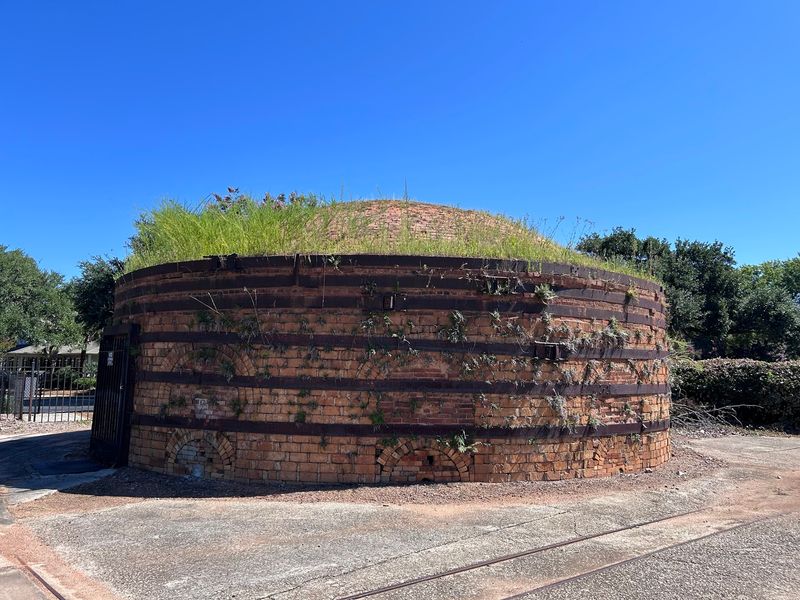
Go expecting a brief outdoor history stop, not a guided museum tour. Visitors describe the Guignard site as interesting but small, with limited information about the kilns. That can be disappointing if you arrive hoping for exhibits, yet rewarding if you enjoy studying what remains.
Before leaving home, check current access and bring a short account of how bricks are made. Wear comfortable shoes, carry water on hot days, and plan to view the structures from safe public areas. One reviewer remembers the place getting especially hot, so morning or cooler weather may feel more comfortable.
Use your phone camera with a purpose. Take one wide image showing the buildings together, then photograph details such as curved walls and brick patterns. Avoid entering closed spaces or disturbing loose pieces just to get a closer shot.
When you are ready to leave, look back once more. The stop may take little time, but it can change how you see ordinary walls elsewhere. Each brick in a building began with materials, heat, and someone’s work. That connection is the lasting reward of visiting these kilns.