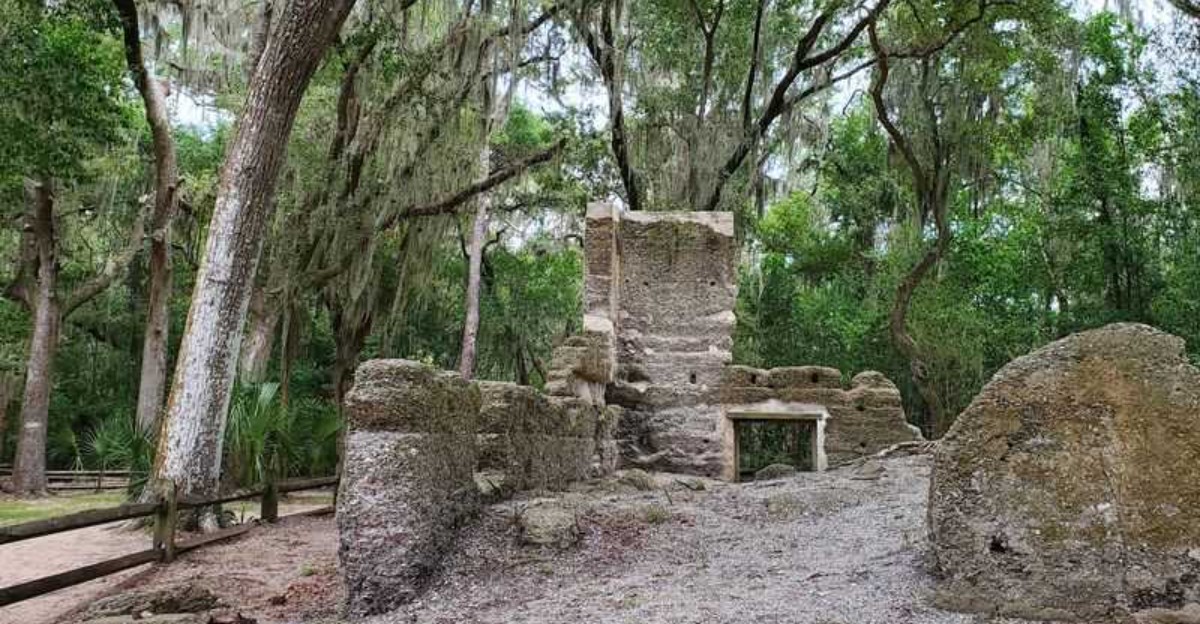
A quiet trail can feel very different when it leads to the broken walls of a house with more than two centuries of history.
At the Stoney Baynard Ruins, old tabby walls stand beneath trees, and stories of ghostly encounters add a shiver to a visit that is already full of questions about the people who once lived and worked here.
These remains matter for reasons much deeper than a spooky tale: they offer a chance to learn about early building methods, plantation life, and the enslaved people whose labor helped shape the site.
Bring your curiosity, read the signs, and take your time as you follow the path, because the best part of this stop is not spotting a ghost but noticing how much history still stands in plain sight.
You might hear only leaves moving overhead, yet the walk can leave you thinking about the island long after you head home.
A Trail That Sets the Mood
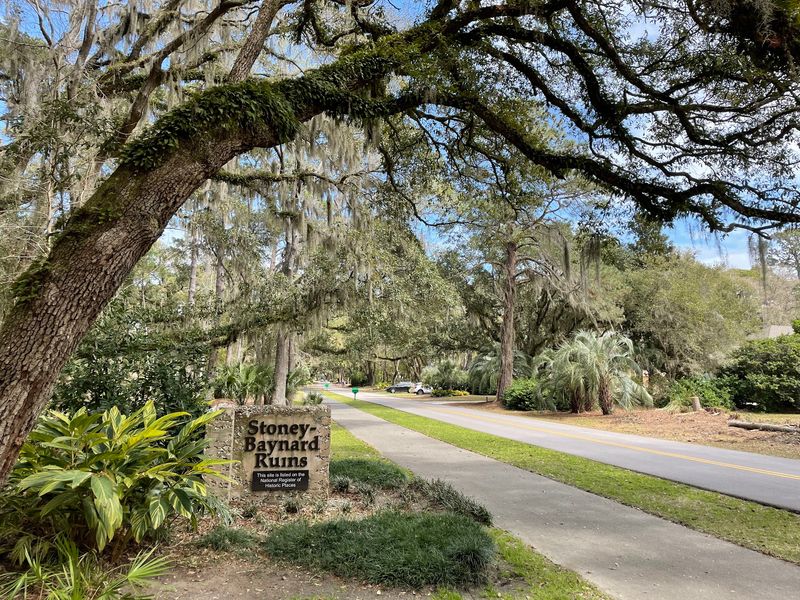
Leaves rustle overhead before the old walls come into view. The short walk to Stoney Baynard Ruins gives you time to slow down and notice the trees, birds, and changing light. That quiet approach helps explain why ghost stories feel so at home here.
You will find the historic site along Plantation Dr in Sea Pines on Hilton Head Island, South Carolina. Visitors arriving from outside Sea Pines may need to buy a vehicle pass at the gate, so check current access details before leaving. Parking near the ruins is limited, and many people choose to arrive by bike.
Follow the marked route rather than cutting through plants or around barriers. The ground may be uneven, and parts of the approach include a slight rise, so wear shoes that feel steady. If you visit with children, invite them to spot details in the landscape while staying close to the path.
Give yourself enough time to enjoy the walk without rushing toward a dramatic reveal. The setting is peaceful rather than flashy, and that is part of its appeal. Even without a ghost sighting, the trail prepares you to look closely at a place shaped by real lives.
Walls Made With Oyster Shells
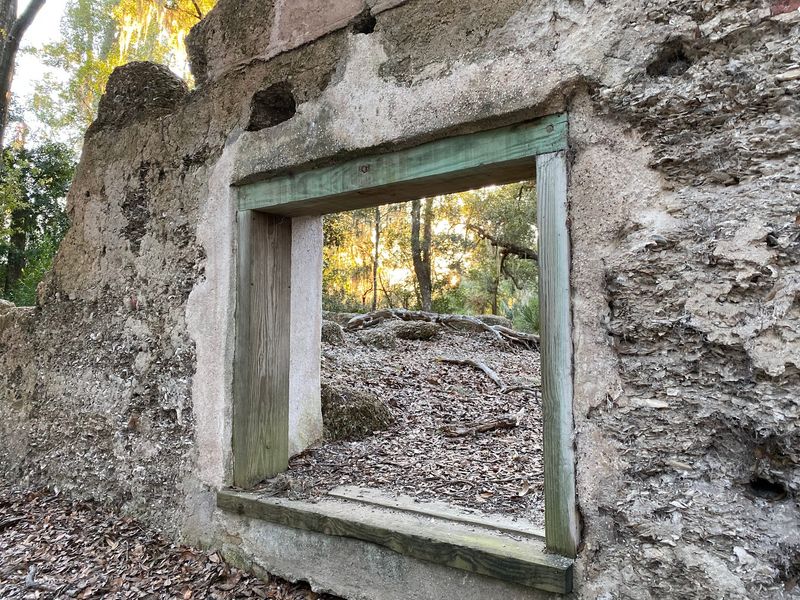
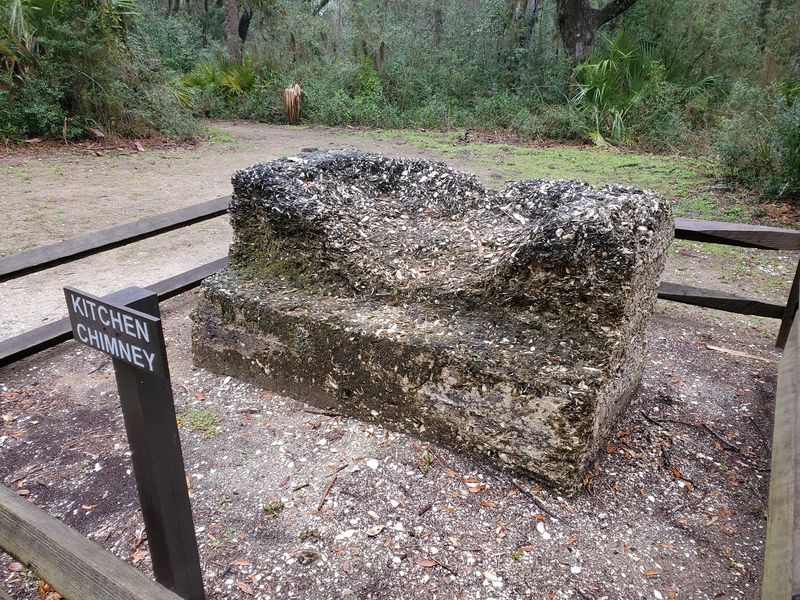
Look closely at a broken wall, and tiny oyster shells appear in its rough surface. The material is called tabby, a historic building mix made with lime from burned shells, sand, water, and more shells. Its texture makes these ruins different from a plain pile of bricks.
Tabby was useful in coastal areas where shells were plentiful. Builders poured the mixture into forms, then let it harden into thick walls that could last for generations. Seeing it up close turns a simple walk into a lesson about local materials and skilled labor.
Read the signs for more details, then compare the smoother sections with places where shells show clearly. Keep your hands off loose pieces, and never take a shell as a keepsake. What looks like a small souvenir may be part of a fragile historic structure.
Remember that people made this material through demanding work, not by magic. Enslaved workers helped build and sustain plantation sites, and their labor belongs in the story of every surviving wall. A careful visit honors that effort while helping protect the ruins for the next person who comes to learn.
A House You Must Imagine
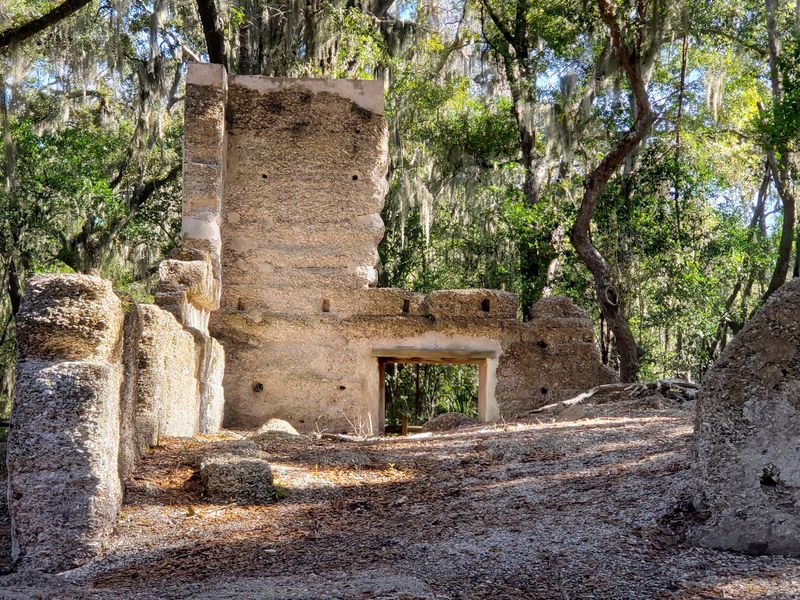
A grand house is easier to picture when you stand beside what remains of its walls. The Stoney Baynard site holds remnants of a plantation home associated with the late eighteenth century. Today, gaps in the structure ask visitors to imagine rooms rather than walk through them.
Instead of expecting a complete mansion, try tracing the outlines you can see from the path. Where might a wall have divided one space from another? Which parts of the building have vanished, leaving only a hint of its former size?
Those questions can make a brief stop feel richer without turning guesses into facts. Use the information boards to separate what historians know from what your imagination supplies. A photograph of the surviving walls can help you remember the layout later.
The house was part of a plantation, not simply a pretty old home. Its story includes the people who owned the land and the enslaved people whose lives and work supported it. Hold both parts of that history in mind as you look across the ruins, and you will leave with more than a picture of crumbling stone.
Ghost Tales in the Trees
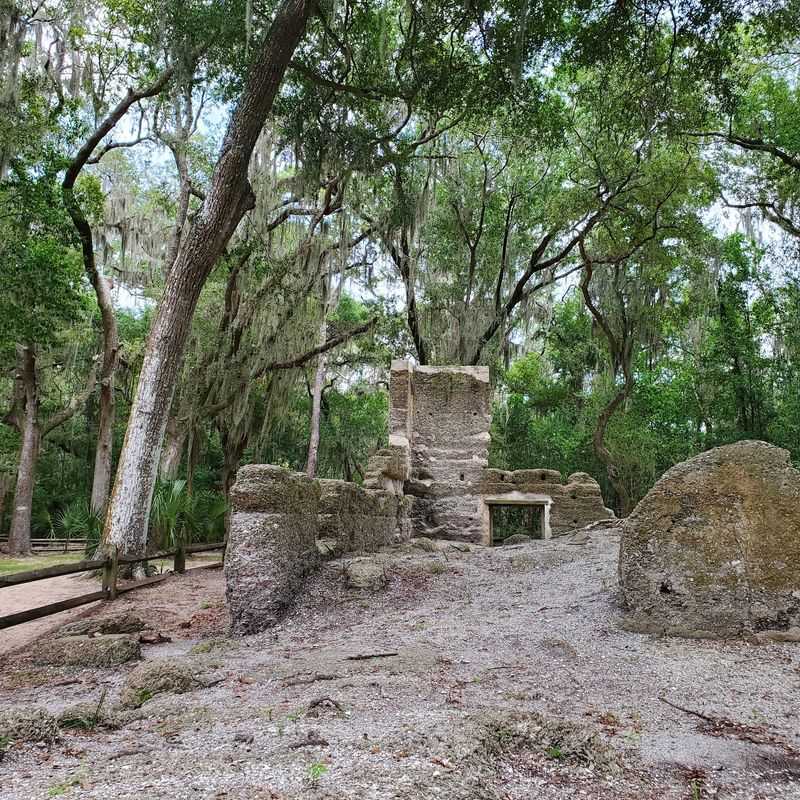
Some visitors say the air around the ruins feels unusually still. Tales of ghost sightings have followed the site for years, adding a spooky layer to its already striking setting. A creaking branch or sudden patch of shade can make an ordinary sound feel mysterious.
Enjoy those stories as folklore, not proof that spirits are present. People can experience the same place in different ways, especially when they arrive knowing its history. That mix of memory, silence, and expectation is often powerful enough on its own.
If you want the eerie atmosphere, pause on the path and listen for a minute. You may hear wind in the leaves, nearby wildlife, or the sound of another visitor approaching. Stay aware of your surroundings rather than wandering off in search of a scare.
There is a deeper story beneath the ghost talk. Plantation history involves real hardship, including enslavement, and it deserves more attention than any rumor about a haunting. Share the legends gently, read the historical signs, and let curiosity lead to respect instead of treating the ruins like a haunted attraction.
History Beyond the Main House
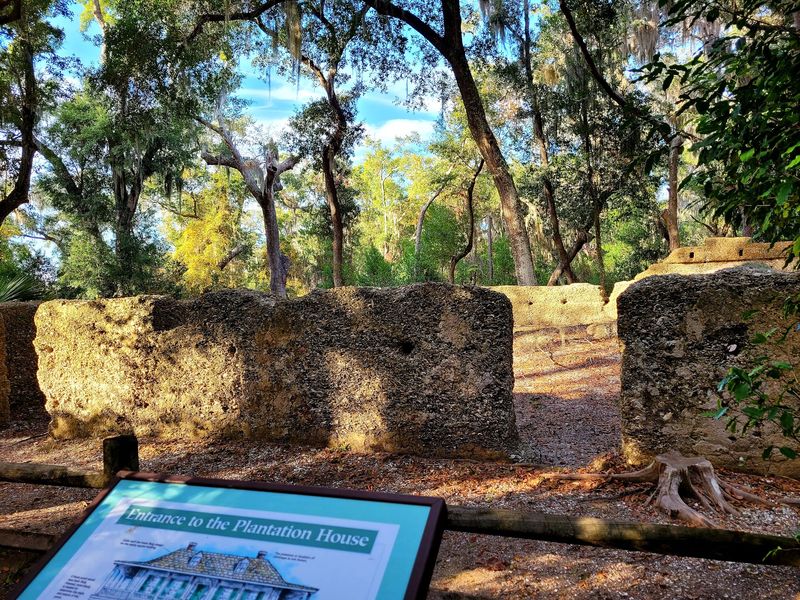
The smallest remains can hold the hardest questions. At Stoney Baynard, the story reaches beyond the former main house to the people enslaved on the plantation. References to living quarters and outbuildings remind visitors that many lives shaped this ground.
A ruined wall cannot tell you everything about a person who lived nearby. Signs and historical research offer clues, but much of the daily experience of enslaved people was never recorded in their own words. That gap is worth noticing rather than filling with a made up story.
When you visit, spend as much time considering these spaces as you do photographing the larger ruins. Talk with children in direct, age appropriate language about forced labor and unfair treatment. A respectful conversation can make the stop educational without hiding difficult facts.
Keep voices calm, and do not climb or play on any remains. The site is both a place to learn and a place tied to suffering. Taking its full history seriously makes room for the people whose work is visible in the walls, even when their names are not.
Signs That Reward a Slow Read
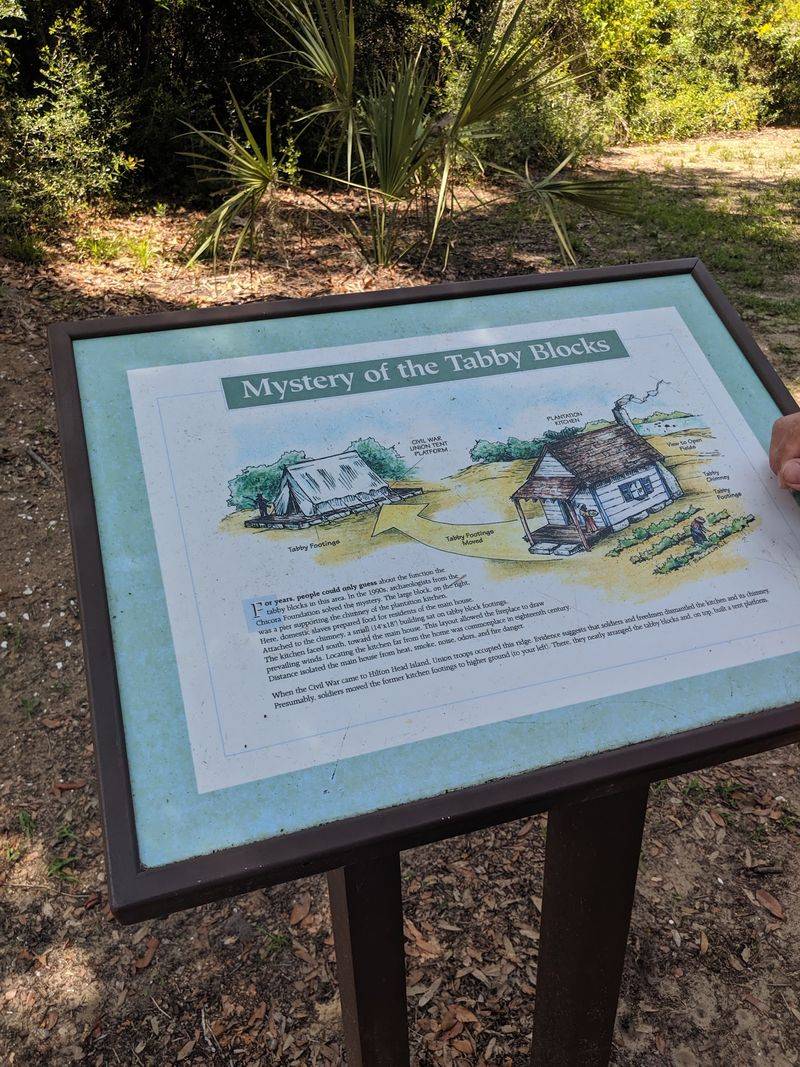
A good clue may be standing beside the path, not hidden in the woods. Interpretive signs at Stoney Baynard Ruins help visitors understand the buildings and the people connected to them. Stop to read before trying to decide what every broken section once was.
Start with one sign, then look back at the nearby remains. Matching words to walls makes the information easier to remember than reading every board at once. If you are visiting with a friend, trade one interesting fact each before moving on.
Signs cannot answer every question, and the amount of information may feel limited to some visitors. That is a good reason to notice what is known, what remains uncertain, and what you would like to research later. The site’s history rewards curiosity without requiring you to become an expert.
Take a clear photo of a sign if you want to revisit its details at home. Avoid blocking the path while others read, and leave the displays untouched. A few extra minutes with the posted history can turn a quick look at old walls into a more thoughtful visit.
Big Oaks, Small Details
Spanish moss hangs above the ruins like a loose curtain. Live oaks and patches of shade give the site a peaceful look, even when its history feels heavy. It is easy to focus on the old walls and miss how the setting shapes the whole visit.
Listen for birds and watch how sunlight changes the color of the tabby. After rain, the ground and steps may feel slippery, so slow down instead of hurrying toward a photo. A quiet walk gives you a better chance to notice both wildlife and small details in the ruins.
Try taking one wide photograph before moving closer for a careful view from the path. The wide frame shows how the remains sit among the trees today. Closer views can capture shells in the walls without needing to touch or cross a barrier.
Keep the mood gentle for other visitors who may be reflecting on the site’s past. Leave plants, shells, and historic material where you found them. The landscape is part of the experience, and treating it kindly helps preserve the calm that draws people here.
A Visit Worth Planning
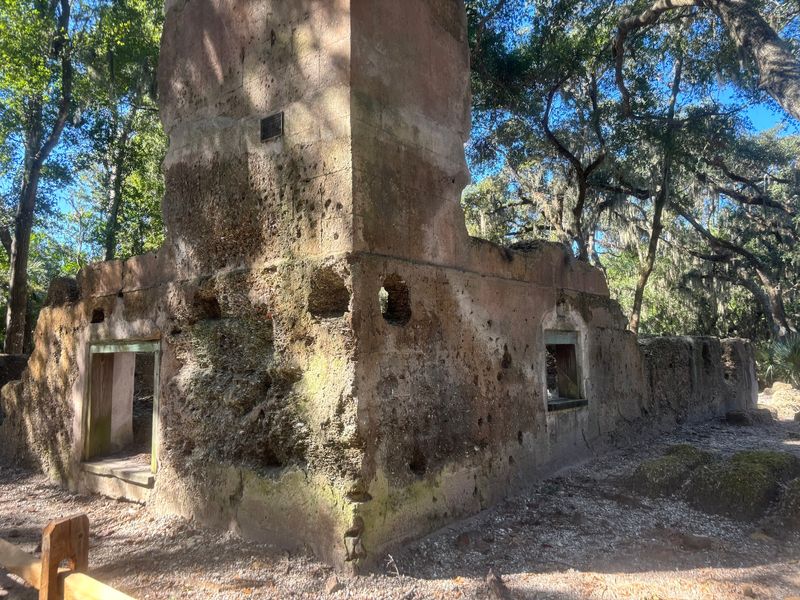
Fifteen quiet minutes can be enough to see the ruins, but extra time makes the visit better. The site is modest in size, so arrive expecting a thoughtful stop rather than a full house tour. Its appeal lies in the walk, the signs, and the chance to study what survives.
Some visitors bike to the trail, while others use the small number of nearby parking spaces. Plan for limited parking and check current gate fees and site hours before you travel. Posted information can change, so treat old reviews as helpful stories rather than final answers.
Bring water on warm days, and choose shoes suited to a natural path. A slight uphill stretch and steps may make the approach difficult for some people with limited mobility. If access is a concern, seek current guidance before making the trip.
Most of all, come ready to leave the ruins as you found them. Stay off the walls, take your photographs from safe spots, and give other visitors room to reflect. The best memory may be the simple moment when a shell filled wall connects a quiet afternoon to centuries of history.