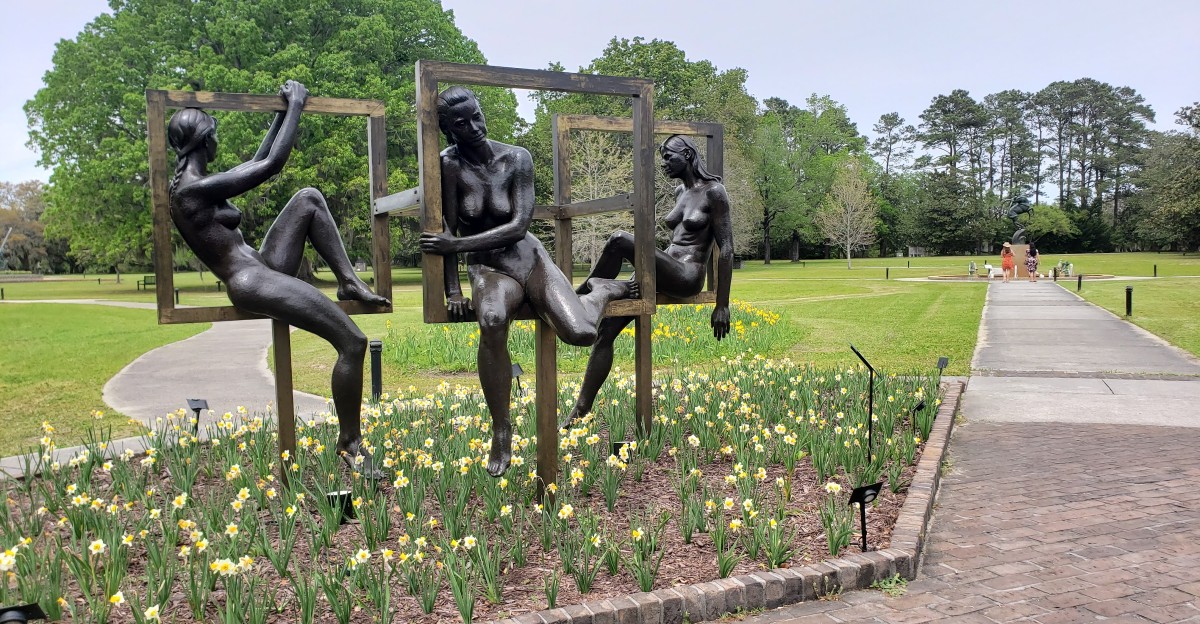
A sculpture can appear where you least expect it, half-hidden beyond a flowering path and framed by trees instead of gallery walls. At Brookgreen Gardens in Murrells Inlet, South Carolina, more than 2,000 sculptures are spread across a vast landscape where art and nature become part of the same experience.
Instead of moving from room to room, visitors wander beneath trees, past flowers, ponds, and quiet garden paths, never quite knowing what might come into view next.
The setting gives every piece a different backdrop, from leafy trails to open lawns where sculptures stand in the sunlight. Some invite a close look at their details, while others seem to blend naturally into the surrounding landscape.
With so much to explore, even a familiar path can reveal something new when you slow down and look around. The next turn may bring another sculpture, another garden, or a view worth pausing for.
The First Turn Sets the Pace
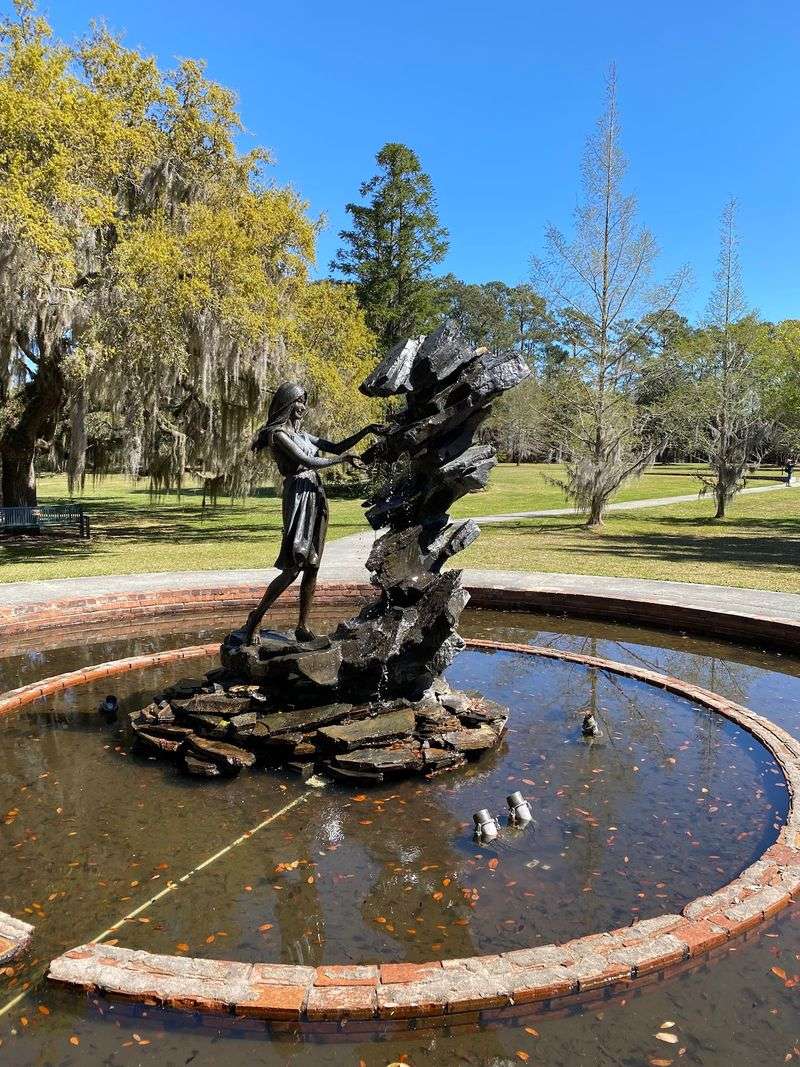
Something changes when a garden path curves just enough to hide what comes next. You stop rushing and start looking.
At Brookgreen Gardens in Murrells Inlet, that small shift is part of the fun: a sculpture might appear beside flowers, beyond a hedge, or across an open lawn.
Begin with a map, but do not treat it like a race plan. The grounds are large, and visitors often spend hours without seeing everything.
Pick a few areas that interest you, then leave room for an unplanned turn. A sculpture that catches your eye may lead you to a quiet spot you would otherwise pass.
Wear comfortable walking shoes and bring water, especially on a warm South Carolina day. If you are visiting with someone, take turns choosing the next path.
That simple game keeps the walk lively and gives everyone a chance to notice something different.
The reward is not just a photo of one famous work. It is the feeling that the garden keeps offering another discovery when you give it time.
Even a short visit feels richer when you slow your steps and let curiosity lead.
Under the Old Oaks
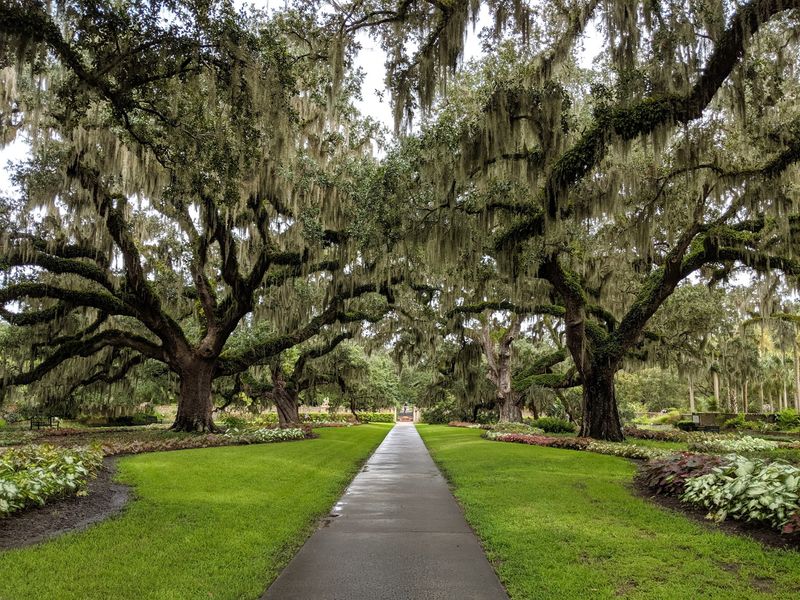
Long branches stretch overhead like a roof made of leaves. Spanish moss hangs from the live oaks, and the light beneath them feels softer than it does out in the open.
Brookgreen Gardens has many beautiful corners, but its oak-lined spaces can make you pause before you even spot a sculpture.
Walk beneath the trees without staring only at the path ahead. Look at the shapes of the trunks, then notice how nearby artwork stands against them.
A figure that seems bold in full sun may feel quieter in the shade. That contrast is one reason the outdoor setting matters so much.
If you enjoy taking pictures, try a wide shot first. It can show the size of the trees and the space around a work of art.
Then move closer for the details. Keep to marked paths and give other visitors room to enjoy the view.
On a hot afternoon, the oaks also offer a welcome change of pace. Find a place to pause, listen to the sounds around you, and let the scene settle in.
The trees are not a break from the art; they help tell its story.
Faces With Stories to Tell
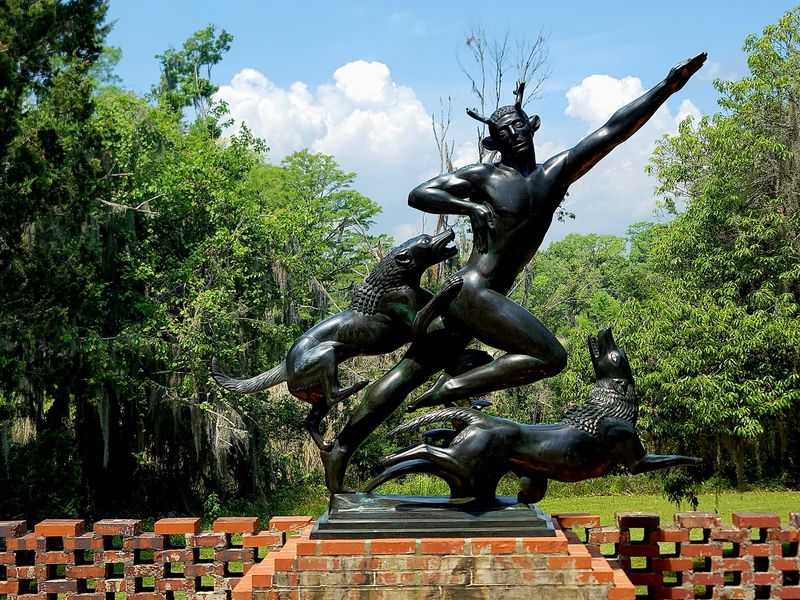
A face made of bronze can seem almost ready to speak. Perhaps the eyes look thoughtful, or a pair of hands suggests a task just finished.
Among the sculptures at Brookgreen Gardens, human figures invite you to look beyond the material and imagine the stories an artist wanted to share.
Give one work more than a quick glance. Walk around it if the path allows, and notice how its shape changes from another side.
Read its label for the artist’s name and title. Those few lines may change what you think you are seeing, or they may leave room for your own ideas.
For families, a simple question works better than a long art lesson: what do you notice first? There is no need to agree.
One person may focus on an expression while another notices how sunlight falls across a shoulder. Talking about those differences makes the visit more personal.
Do not touch a sculpture unless signs clearly say you may. Instead, step back and see how the plants frame it.
The work is not tucked away behind a museum wall, and that open air gives its story a different kind of life.
A Garden That Changes the Art
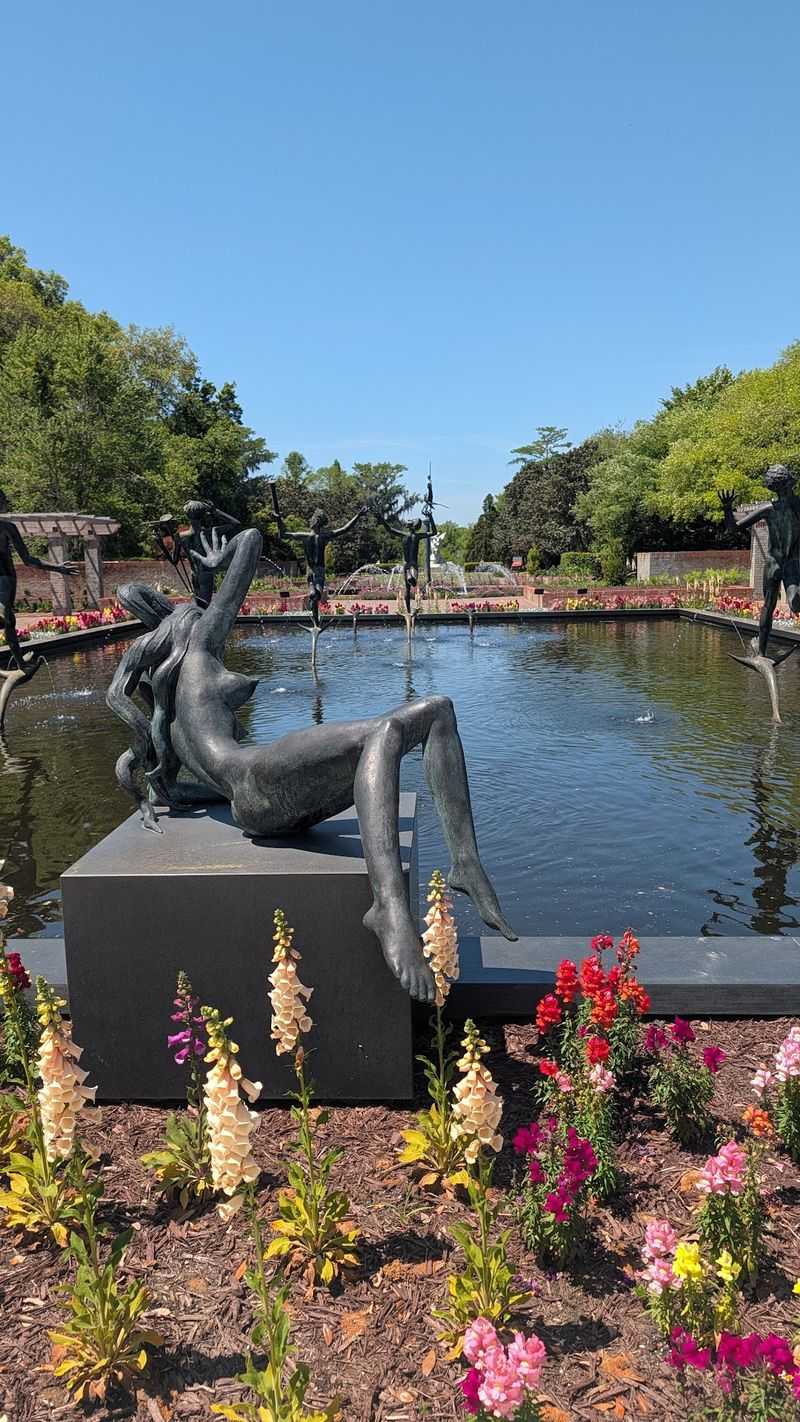
Flowers do not stay the same for long, and that makes every visit a little different. A sculpture might stand beside fresh spring color on one trip and deep green leaves on another.
At Brookgreen Gardens, the plants are more than decoration around the artwork. They change how you see it.
Notice the colors closest to a sculpture as you walk. Bright blooms can pull your eye toward a small detail, while a plain green backdrop can make the whole shape stand out.
If you visit in a different season, return to the same spot and compare what has changed.
Check the garden’s website before you go if a certain flower display matters to you. Bloom times depend on weather, so even a well-planned trip should leave space for surprises.
You might miss one favorite plant and find another looking its best around the next corner.
Bring a phone or small notebook if you like remembering details. A quick photo or a few words about the light can help you recall more than a list of sculptures would.
Here, the setting is never fixed, and that is part of the reason to come back.
The Surprise of a Smaller Sculpture
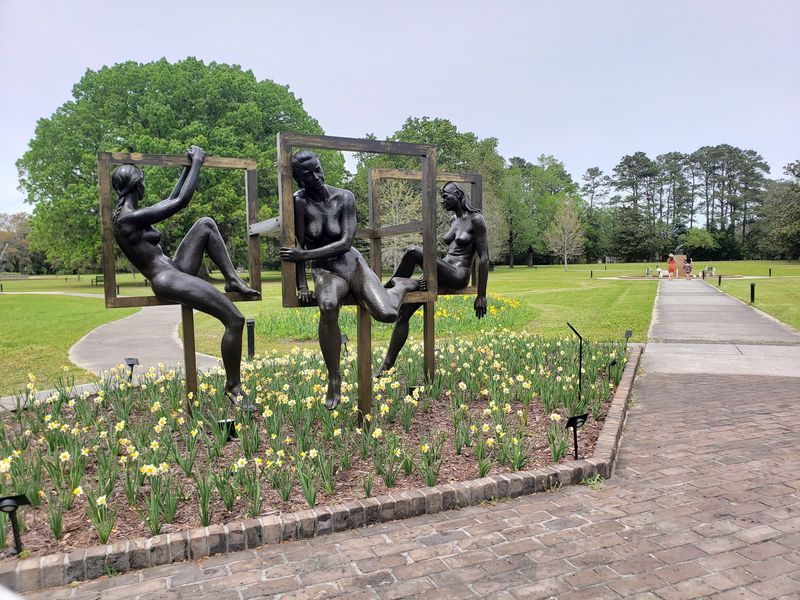
Big works often get the first photograph, but smaller ones can hold your attention longer. A quiet figure beside a walkway may be easy to pass when you are searching for the next grand view.
At Brookgreen Gardens, slowing down helps you find the art that does not announce itself from far away.
Try scanning both sides of the path as you walk. Look low as well as straight ahead, and notice spaces between shrubs or near garden beds.
When you spot a piece, stop where you will not block others. Give yourself a moment to see why the artist chose its pose or shape.
Children can turn this into a gentle spotting game, without running ahead or stepping off marked paths. Ask them to describe a sculpture before anyone reads its label.
Their answers may be funny, thoughtful, or both, and each one gives the group a new way to look.
You do not have to see every work to enjoy the collection. In fact, one unexpected find can stay with you longer than a crowded photo album.
The best souvenir may be remembering where you nearly walked past something wonderful.
Where Wildlife Joins the Day
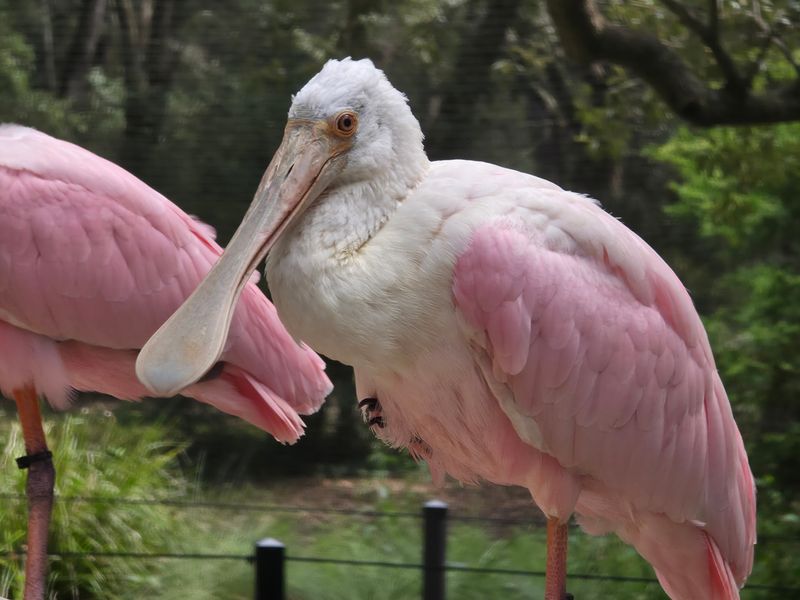
After a stretch of still bronze figures, a moving otter can catch everyone by surprise. Brookgreen Gardens pairs its sculpture collection with a Lowcountry Zoo, giving visitors another way to connect with the region.
The change from looking closely at art to watching an animal is especially welcome for curious kids.
Make time for the zoo if you want a fuller day, but check current access and programs before you arrive. Animals do not keep a visitor’s schedule, so patience helps.
Pause near a habitat, read the information posted there, and see what you learn about the wildlife of this part of South Carolina.
Visitors have noted paved areas that are easier to manage with strollers. Even so, plan for walking and bring water for everyone in your group.
If you happen to catch an animal presentation, listening for a few minutes can add more to the experience than a rushed photo.
The zoo is not a substitute for the sculpture paths. It is a different chapter in the same outdoor day.
By the time you head back toward the gardens, you may notice animals in the artwork with fresh eyes.
A Clue on Every Art Label
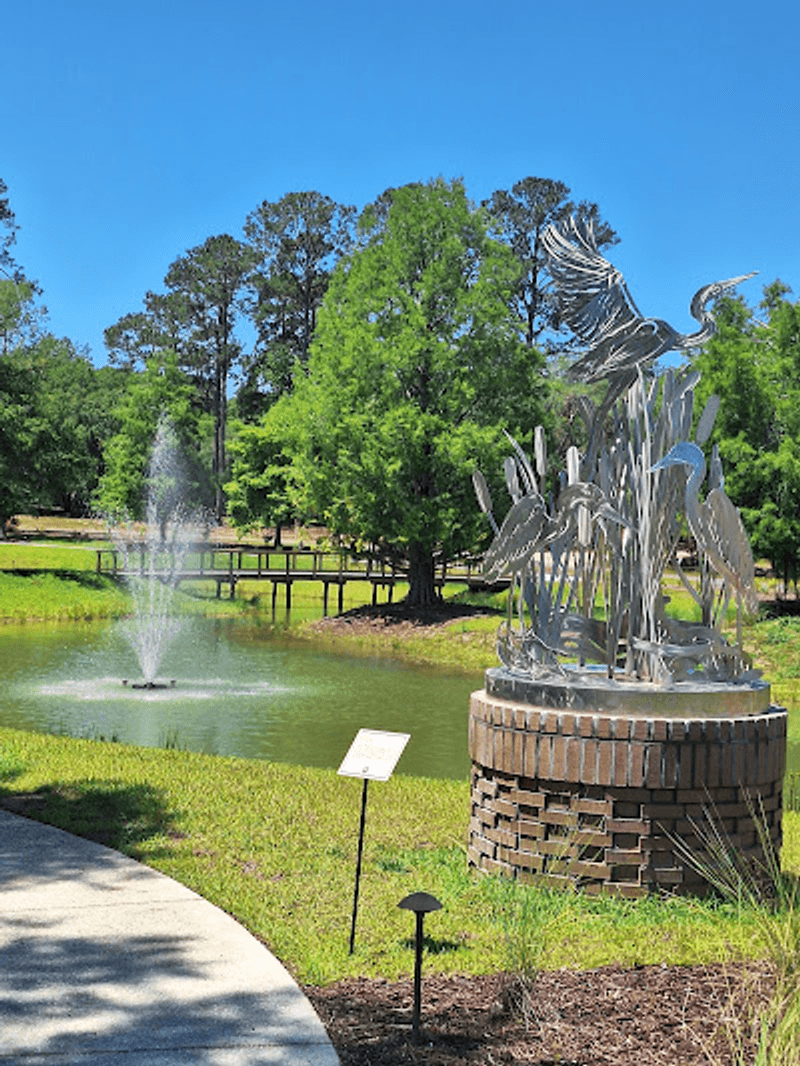
Sometimes a few printed words can send you back for a second look. A sculpture label may tell you its title or introduce the person who made it.
At Brookgreen Gardens, those small clues can turn a pleasant walk into a closer look at American sculpture and the ideas behind it.
Start by making your own guess about a work before reading anything. Does it seem calm, busy, playful, or serious?
Then check the label and look again. You may find that the title supports your first thought or opens a completely different path.
There is no test at the end, so follow what interests you. If a name catches your attention, jot it down to learn more later.
Some visitors also enjoy indoor exhibits when they are available. Check what is open on the day you visit rather than counting on every gallery being accessible.
A short break from walking can help, too. Sit where seating is provided and talk about one piece each person would return to see.
That conversation often reveals more than trying to remember every name. You leave with a story attached to the art, not just a picture of it.
Room to Wander Without Hurrying
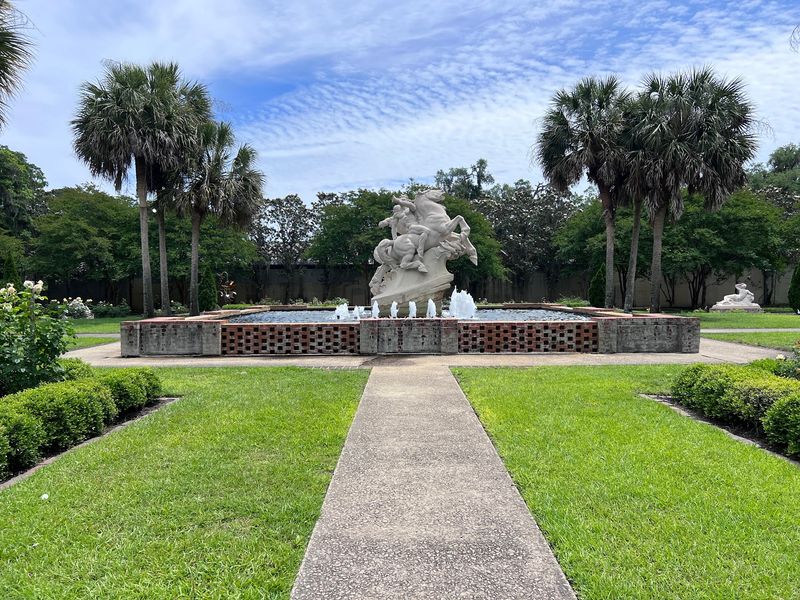
It is easy to think one afternoon will cover everything until you start walking. Brookgreen Gardens spreads its art, plants, and other attractions across a large property.
The size is exciting, but it also asks you to make a choice: see a few places well, or hurry past many.
Choose the slower plan if you can. Pick a starting area and allow time to follow paths that look inviting.
Keep a map handy so you know where to find facilities and how to return. Visitors have mentioned shuttles, but routes and service may change, so ask staff what is running that day.
Comfort matters more than a perfect schedule. Wear shoes suited to long walks, carry water, and use sunscreen or bug spray when conditions call for them.
On a hot day, build in breaks instead of waiting until everyone is tired. A little planning makes it easier to enjoy the next discovery.
If your ticket allows return visits, check its current terms before leaving. Coming back another day can give you time for paths you missed.
There is pleasure in knowing you do not have to finish a garden to have a wonderful visit.
A Quiet Pause Between Discoveries
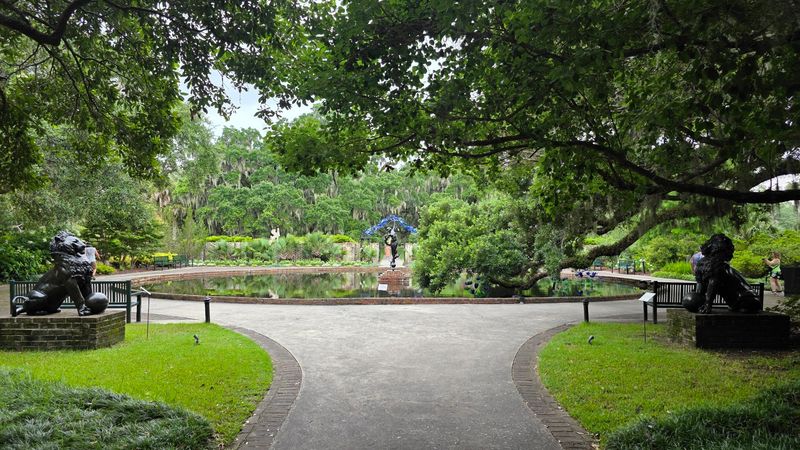
A bench can be as valuable as a map when you have spent the morning exploring. Sit down, let your feet rest, and watch how people discover the same view at different speeds.
At Brookgreen Gardens, a pause gives the grounds time to feel like more than a checklist of artwork.
Choose a spot near a sculpture you like and look at it from where you sit. What stands out now that you are not walking toward it?
Perhaps the outline is clearer, or the plants around it begin to matter more. Even the light can shift enough to change the mood.
Pack water and plan your food break before hunger takes over. Dining options and their hours can vary, so check ahead if you expect to buy lunch on site.
Follow posted rules about where outside food is allowed. A comfortable break can save the afternoon, especially when you are visiting with children.
Quiet moments also leave room for conversation, or for none at all. You can hear the garden, rest in the shade, and decide which path deserves your energy next.
A memorable walk is built from pauses as much as miles.
A Different Glow After Dark
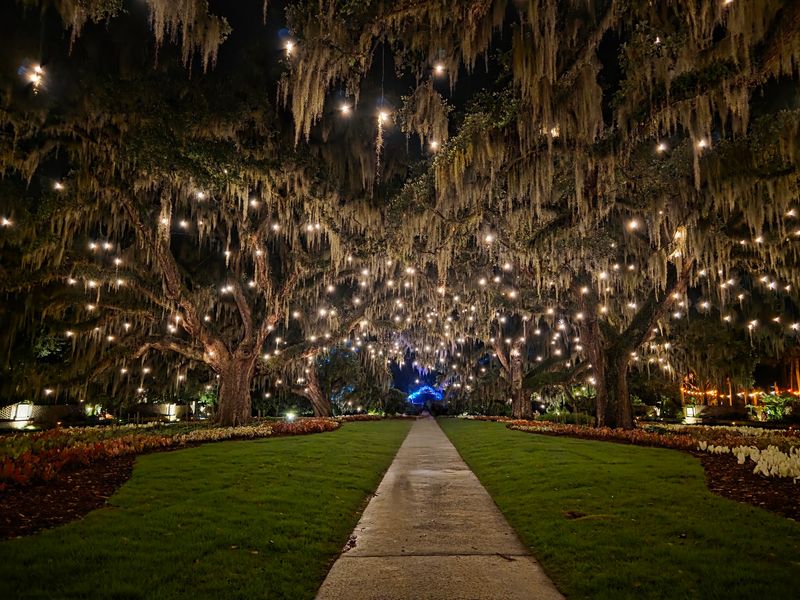
As daylight fades, a familiar path can feel new again. Brookgreen Gardens hosts special evening events at certain times of year, including its well-known candlelit holiday experience.
Light draws attention to shapes you might overlook in the afternoon, while the garden takes on a quieter, more festive mood.
Do not assume an evening visit works like regular admission. Check the official calendar, ticket details, hours, and areas open for the event you want to attend.
Some special programs require separate tickets, and access may differ from a daytime visit. Planning ahead keeps a lovely night from becoming a frustrating one.
Wear shoes you trust on paths after dark and bring a layer if the forecast calls for cooler air. Let your eyes adjust, then look at how a lit sculpture stands against the trees.
If you take photos, avoid using a flash that interrupts the atmosphere for other guests.
An evening event does not replace a daytime walk, when it is easier to study details and explore widely. Instead, it offers another reason to return.
Seeing the same garden in different light can make the whole place feel full of fresh surprises.