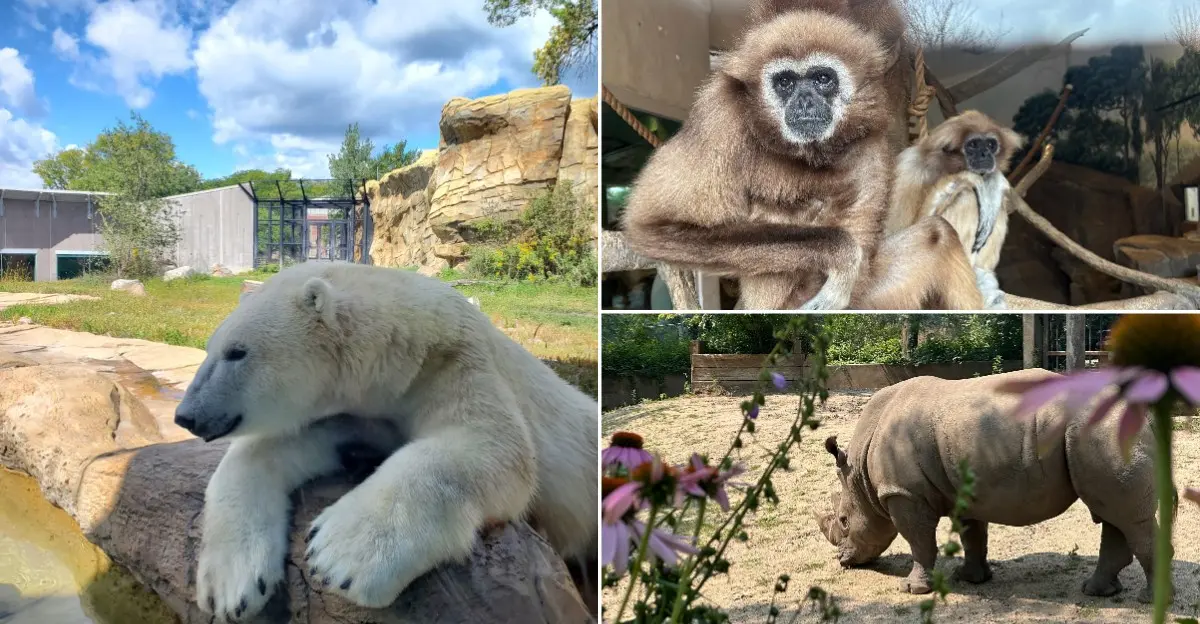
A family outing feels even better when the biggest surprise is not the ticket bill, and Henry Vilas Zoo gives visitors a chance to enjoy wildlife, share a few laughs, and spend time together without paying for admission or feeling pressure to squeeze every possible activity into one visit.
With hundreds of animals to discover, the zoo offers plenty of reasons to slow down, from watching a bear explore its habitat to spotting a small creature that might otherwise escape your notice while the kids race toward their next favorite animal.
Free entry also leaves room in the family budget for an optional ride, a snack, or a donation, although a simple walk through the exhibits can be rewarding all by itself.
Grab comfortable shoes, bring your curiosity, and use these ideas to plan a relaxed visit that puts animal watching first and keeps the day easy for your whole family.
Free Entry Takes the Pressure Off
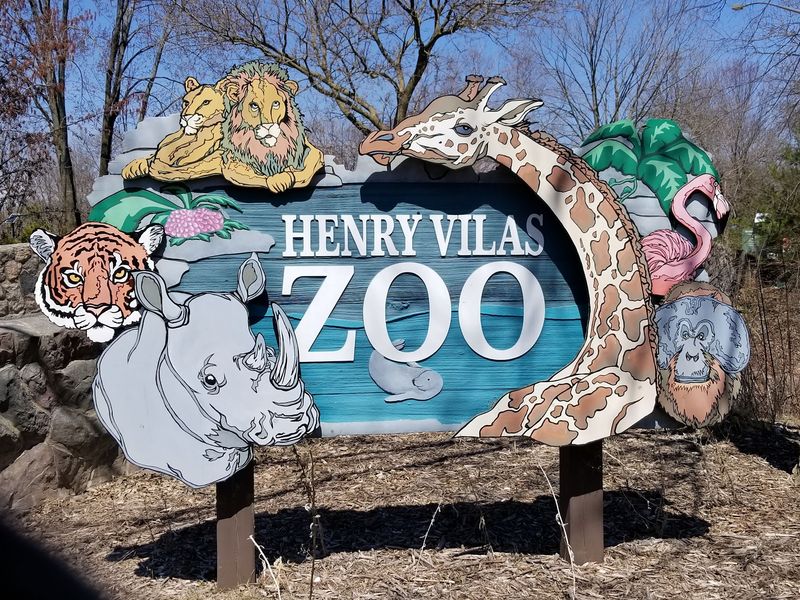
Your wallet can relax before the animal watching even begins. Henry Vilas Zoo offers free admission, making a quick visit just as reasonable as a longer family outing. You do not need to turn every stop into a race to get your money’s worth.
Located at 702 S Randall Ave, Madison, WI 53715, United States, the zoo makes a straightforward destination for families planning a wildlife outing. Save the address before leaving home, and check the official website for current visitor information. That small step helps prevent arrival confusion when excited children are already asking about bears.
Free entry does not mean every extra costs nothing. Food, gifts, and optional attractions can add to your spending, so decide ahead of time whether your day includes treats or simply the exhibits.
A donation is another option if your budget allows, and visitors often appreciate having that choice. Most importantly, you can leave when everyone feels tired instead of stretching the afternoon past its happy ending. Sometimes the smartest family plan is knowing when to call a lovely day complete and head home together smiling.
Hundreds of Animals Invite a Slower Look
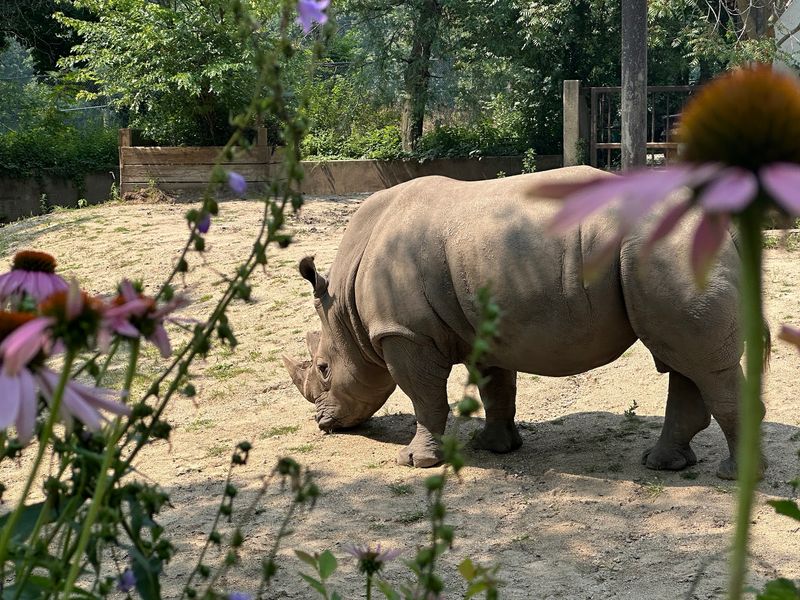
A tiny twitch of an ear can be more exciting than a big dramatic roar. With hundreds of animals calling the zoo home, there is plenty to notice beyond the familiar favorites. Give each habitat a little time rather than treating the visit like a checklist.
Visitors regularly mention animals such as red pandas, lions, and rhinos among their highlights. However, animal availability changes, and an individual may be indoors, resting, or outside public view. Check current zoo updates before promising a child one specific sighting.
Try a simple observation game at each stop. Ask everyone to find one detail, such as the shape of a foot, the movement of a tail, or the way an animal eats. Reading exhibit signs can help connect those details to life in the wild.
Quiet watching often rewards patient visitors with moments that hurried walkers miss. Avoid tapping glass, shouting, or trying to wake a sleeping animal. The goal is not to collect the most sightings, but to leave with a few discoveries that your family will still talk about over dinner later that evening at home together.
Arctic Passage Adds a Splash of Wonder
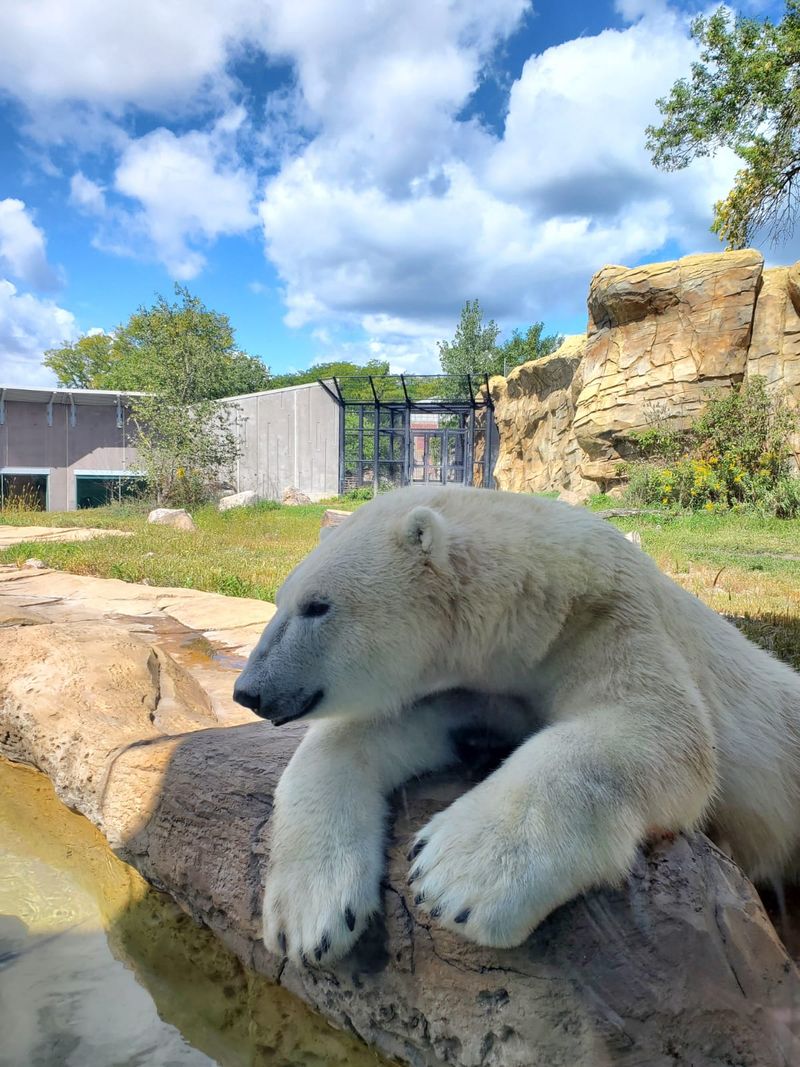
Water, rocks, and a very large bear make a memorable combination. Arctic Passage is a popular part of the zoo, and visitor reviews often single out the polar bear habitat. Its varied surfaces give families several details to study even during a quiet moment.
Rather than expecting a splashy performance, watch how the animal uses its space. A slow walk, a pause near the water, or a stretch can offer a useful glimpse of everyday behavior. Animals follow their own routines, not a family’s sightseeing schedule.
Choose a viewing spot without blocking others, especially smaller children who need a clear sightline. If the habitat looks empty, read the nearby information and consider returning later. Indoor access, care needs, weather, or exhibit work may affect what you can see.
Use the stop to discuss how wildlife depends on suitable habitats. Keep explanations simple and let children ask their own questions about fur, feet, food, and swimming. You do not need every answer ready; a good question can turn a brief bear sighting into the most thoughtful part of your visit and inspire more reading together afterward at home.
Orangutans Reward Patient Visitors
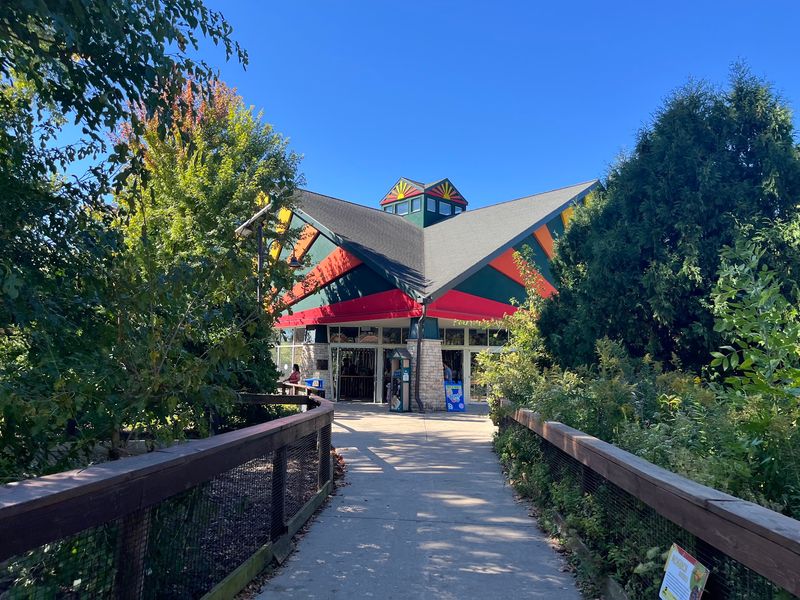
Sometimes the best zoo moment is a thoughtful face looking back through the glass. Orangutans draw plenty of attention here, and several visitors describe spending extra time around the primate exhibits. Their movements and expressions make this a rewarding stop for careful observers.
Pause long enough to notice hands, climbing choices, and interactions when animals are visible. Children may recognize familiar actions, but avoid assuming you know exactly what an animal feels. Exhibit signs and staff explanations offer better guidance than guesses based only on facial expressions.
A quieter approach makes the visit more pleasant for everyone. Keep hands off the viewing glass, leave room for other families, and remind excited children to use indoor voices.
Allow your schedule to bend if this becomes your family’s favorite stop. One visitor reported spending additional time in the primate house, while others praised the orangutans as a highlight. Those experiences suggest a useful planning lesson: leave space for unexpected interests rather than assigning every exhibit a strict time limit. A relaxed five minutes can become a lasting memory, especially when everyone notices something different and shares it afterward together.
Play Breaks Keep Little Explorers Happy
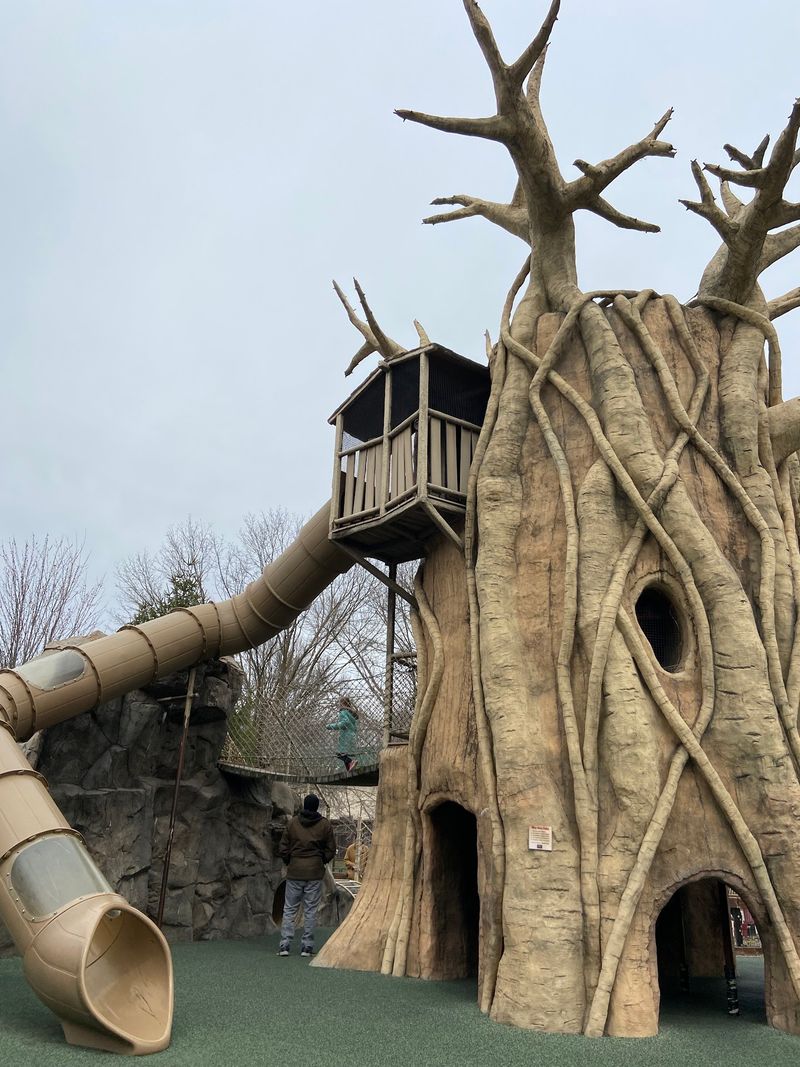
Small legs sometimes need a different kind of adventure between animal stops. The zoo’s family attractions include a playground, and visitor reviews often describe it as a welcome break. For some children, climbing and playing become highlights alongside their favorite animals.
Build that pause into your plan instead of treating it as a distraction. A child who has time to move freely may return to the exhibits with more patience. Adults can use the break to check the route and decide what comes next.
The Conservation Carousel and train offer additional fun when operating. Unlike general admission, these optional rides may require payment, so confirm current prices and availability before making promises. Seasonal schedules or maintenance can change what is running.
Set a clear spending limit before children spot every tempting extra. You might choose one ride, skip rides entirely, or save that money for a snack instead. There is no wrong approach when everyone knows the plan. The zoo remains an enjoyable outing without buying every add-on, and a few minutes of playground laughter can provide all the extra excitement your crew needs before another animal stop.
Snack Stops Help the Day Stay Friendly
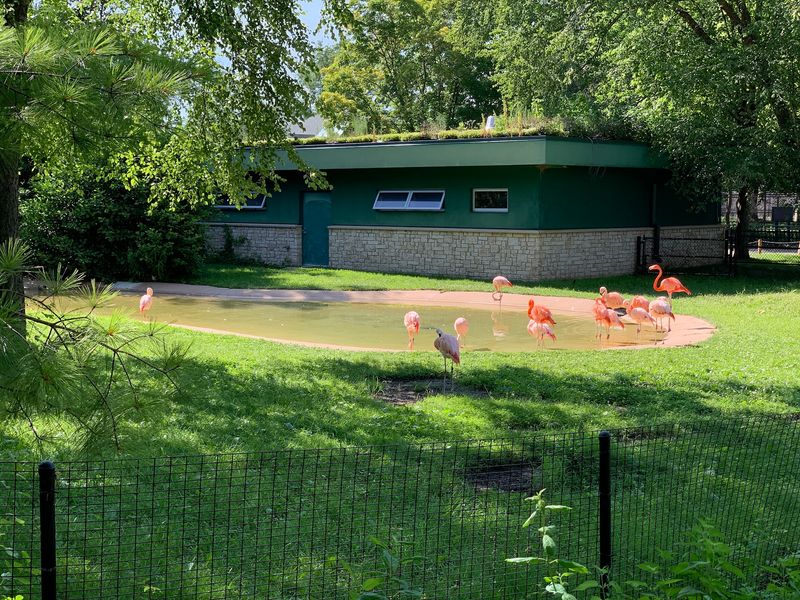
A hungry child can turn a peaceful stroll into a very loud wildlife encounter. Plan food and water breaks before everyone reaches that point. The zoo offers food and treats, giving families options without needing to interrupt their visit immediately.
Visitor reviews mention meals, ice cream, and other snacks, but menus, prices, and opening times can change. Check current options if lunch at the zoo is part of your plan. Do not assume every food counter stays open until the grounds close.
One reviewer who arrived later in the afternoon found that several food options were closing earlier than expected. That is a useful reminder to eat before the final stretch of your visit. Buying refreshments also adds costs to an otherwise free outing.
For packed snacks, check the zoo’s current food policies before you travel. Bring water as permitted, find an appropriate resting spot, and clean up every wrapper. Never share your food with animals, even when a curious face makes a convincing appeal. A calm snack break gives everyone a reset and helps keep the next exhibit interesting rather than becoming another stop on an exhausted march.
A Flexible Schedule Beats a Rushed Lap
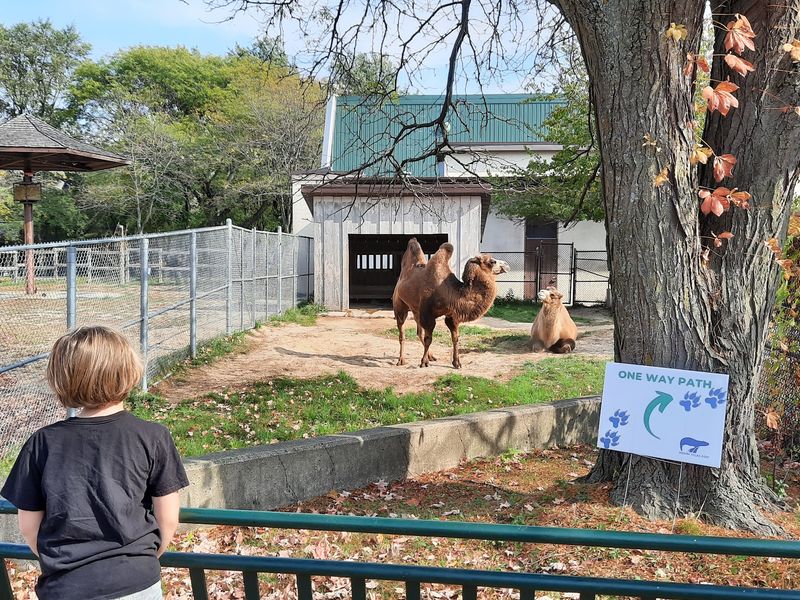
Nobody wins a prize for finishing the zoo at top speed. Posted hours list daily opening from 9:30 a.m. to 5 p.m., but confirm them on the official website before traveling. Individual buildings, rides, and food services may follow different schedules.
Reviews show that visit lengths vary widely. Some guests describe seeing exhibits in roughly an hour, while families who add play and food breaks report spending several hours. Treat those accounts as examples rather than a guaranteed timetable.
Start with a few priorities and leave the rest open. If your child loves primates or wants to linger at a bear habitat, a flexible route makes that easy. You can skip an optional extra without spoiling the outing.
Comfortable shoes, weather-appropriate layers, and a quick look at the zoo map help reduce avoidable frustration. Visitors mention shade and benches, but outdoor walking still calls for preparation. Ask staff about suitable routes or access needs rather than relying only on reviews. A manageable pace leaves room for bathroom stops, unexpected discoveries, and the occasional debate about which animal deserves the title of family favorite before everyone heads home feeling satisfied.
Small Discoveries Make the Visit Last
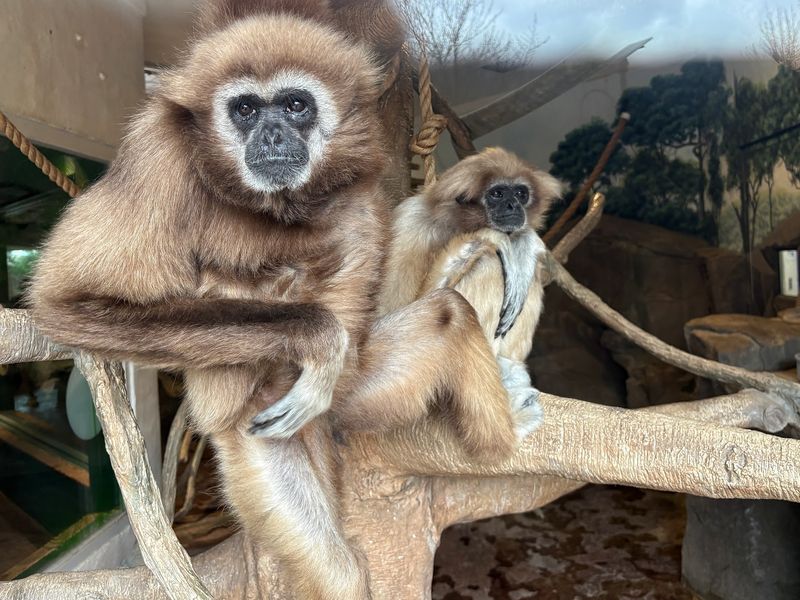
The souvenir that lasts longest might be a fact nobody expected to learn. Exhibit signs turn animal watching into a chance to understand habitats, diets, and conservation. Read one together instead of trying to absorb every panel during the visit.
Badgers offer a particularly fitting conversation starter for families curious about Wisconsin’s nickname. One visitor appreciated the connection between the Badger State name and its lead-mining history. That detail shows how a zoo stop can lead beyond animal facts into local stories.
Let each family member choose one discovery to share before leaving. It could be an unusual movement, a surprising body feature, or a question worth researching later. Children often remember more when they get to explain something themselves.
Use the official website, henryvilaszoo.gov, to check visitor updates and learn about supporting the zoo. Donations are optional, but they offer a way to show appreciation for free admission. Finish with a favorite-animal vote or a quick sketch at home rather than another purchase. The real value of the day is shared curiosity, and that can keep growing long after the last habitat disappears from view on your way out.