
Grand antebellum homes, shady streets, and front porches made for lingering give this Georgia town an irresistible, unhurried charm.
Madison sits in Morgan County, just off Interstate 20 about an hour east of Atlanta.
Its historic district is one of the largest in the state, filled with beautifully preserved homes from the 1800s.
A walkable downtown square offers local shops, cozy cafes, and friendly faces around every corner.
Museums and historic homes share stories from the town’s long past, while nearby Lake Oconee adds outdoor fun.
Slow down, stroll the tree-lined streets, and let Madison show you the sweet side of small-town Georgia.
Historic Streets Make Ordinary Walks Feel Special
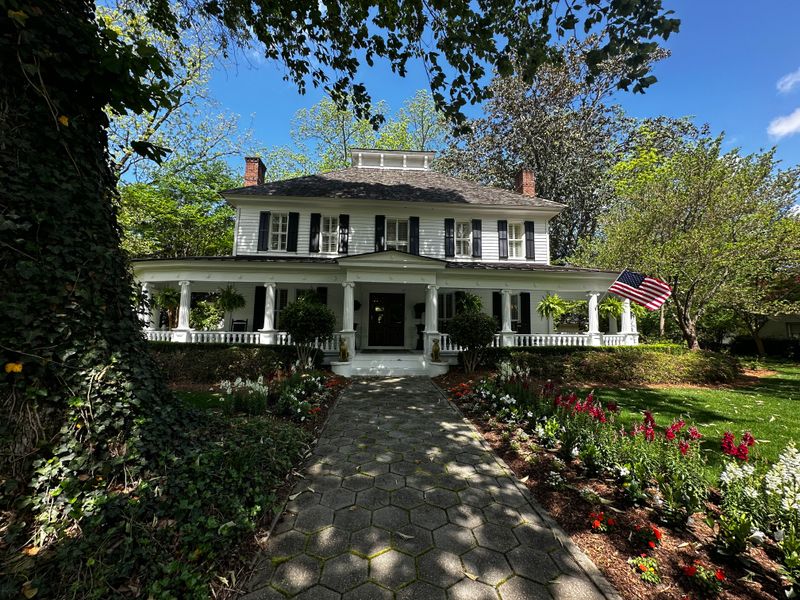
Front porches, tall trees, and old houses can turn a simple morning walk into the best part of the day. In Madison, Georgia 30650, USA, the historic district gives that everyday pleasure a strong sense of place. The town serves as the county seat of Morgan County, with the courthouse anchoring its civic identity.
Established in 1809, the community has a long history that appears in its streets and buildings. Visitors can admire different architectural styles without treating every house as a museum. Many properties remain private homes, so enjoy the view from public sidewalks and respect gates, gardens, and porches.
Start with a short route rather than trying to see everything at once. Comfortable shoes, water, and a morning departure help when summer temperatures rise. Ask the visitor center about current walking information and any houses open for tours.
For someone considering retirement, repeat the walk on an ordinary weekday. Notice traffic, sidewalk conditions, shade, and how far everyday errands would require you to travel. A beautiful neighborhood feels different when you imagine carrying groceries or walking after rain.
The attraction is not simply age or appearance. It is the chance to build familiar routines in streets with character, while understanding the responsibilities that historic surroundings bring.
Downtown Rewards an Unhurried Afternoon
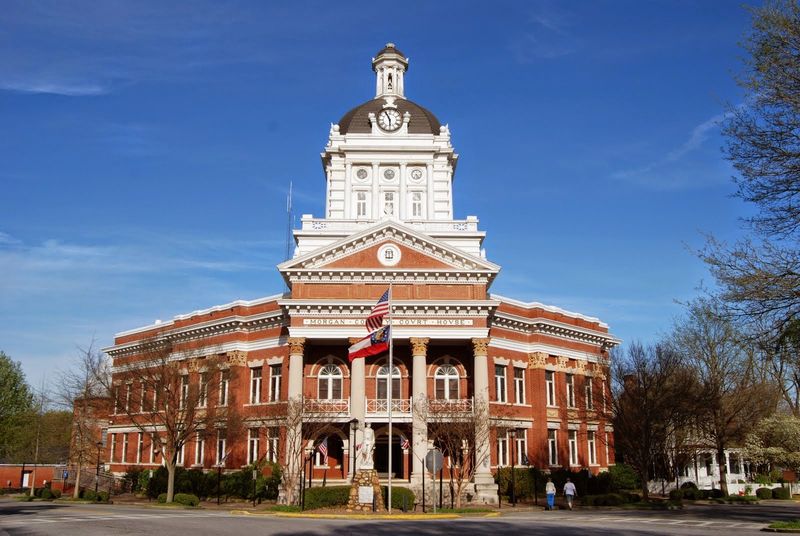
A window display catches your eye, and suddenly the afternoon has a new plan. Downtown invites that kind of wandering, with independent shops, places to eat, and historic buildings close enough for a manageable outing. The appeal comes from small discoveries rather than a packed schedule.
Browse at your own pace and leave room for conversation. A shopkeeper may offer useful suggestions about nearby businesses, but hours and offerings can change. Check current listings before making a special trip for one store.
Weekend visitors should choose a few priorities instead of assuming every business opens early or stays open late. Park legally, read posted restrictions, and take note of your route back to the car. Cross streets carefully, especially when looking at storefronts or taking photographs.
Retirement shoppers can use the same afternoon as a practical test. Look beyond gifts and antiques to consider where prescriptions, groceries, and other necessities would come from. A pleasant downtown does not automatically mean every daily need is within walking distance.
Still, having a recognizable center gives a town something valuable. It creates a place to meet a friend, welcome visiting family, or spend an hour without a major plan. That simple flexibility can make both short stays and longer chapters feel more comfortable.
Town Park Leaves Room to Breathe

Sometimes the most useful attraction is a place where nothing much needs to happen. Town Park provides an outdoor setting near downtown where visitors can pause between shopping, sightseeing, and lunch. Its open space also gives residents another place to enjoy time outside.
Bring a book, take a short stroll, or simply watch the activity around you. On event days, the mood can shift from quiet to lively. Check the city calendar if you prefer either a peaceful visit or a gathering with more energy.
Outdoor comfort depends on the season, not just the scenery. Summer afternoons can feel hot and humid, while rain can change plans quickly. Carry water, use sun protection, and identify a nearby indoor stop before setting out.
For retirees, a park visit offers a useful reminder that recreation need not involve expensive equipment or a long drive. However, assess seating, walking surfaces, shade, and restroom access for your own needs. Conditions and available facilities should be checked rather than assumed.
Families visiting for the weekend can make this an easy break instead of another scheduled attraction. Allow children space to unwind while keeping them supervised. A little breathing room often makes the rest of a trip more enjoyable, especially when several generations travel together.
Arts and Local History Add Depth to the Calendar

An old school building can keep teaching long after its classroom days end. The Madison-Morgan Cultural Center occupies a former school built in 1895, giving art and history a memorable setting. Its brick exterior is part of the experience before you even step inside.
The center presents exhibitions, performances, and educational programs, with offerings that vary throughout the year. That changing calendar matters for residents who want more than a single sightseeing visit. A return trip can offer something different from the first.
Before going, check the official schedule, admission details, and opening hours. Some performances require separate tickets, and a regular daytime visit may not include every space. Ask about accessibility if stairs, seating, or walking distances affect your plans.
Weekend travelers can pair a cultural stop with lunch and a downtown walk. Leave enough time to read exhibit labels instead of rushing through for photographs. The reward is a clearer sense of the people and stories behind the attractive streets.
For someone planning retirement, look at the full season rather than one exciting event. Consider which programs you would actually attend and whether volunteering opportunities match your interests. A cultural institution becomes especially valuable when it offers reasons to keep learning, meeting people, and returning with visiting friends.
House Tours Tell More Than a Pretty Story
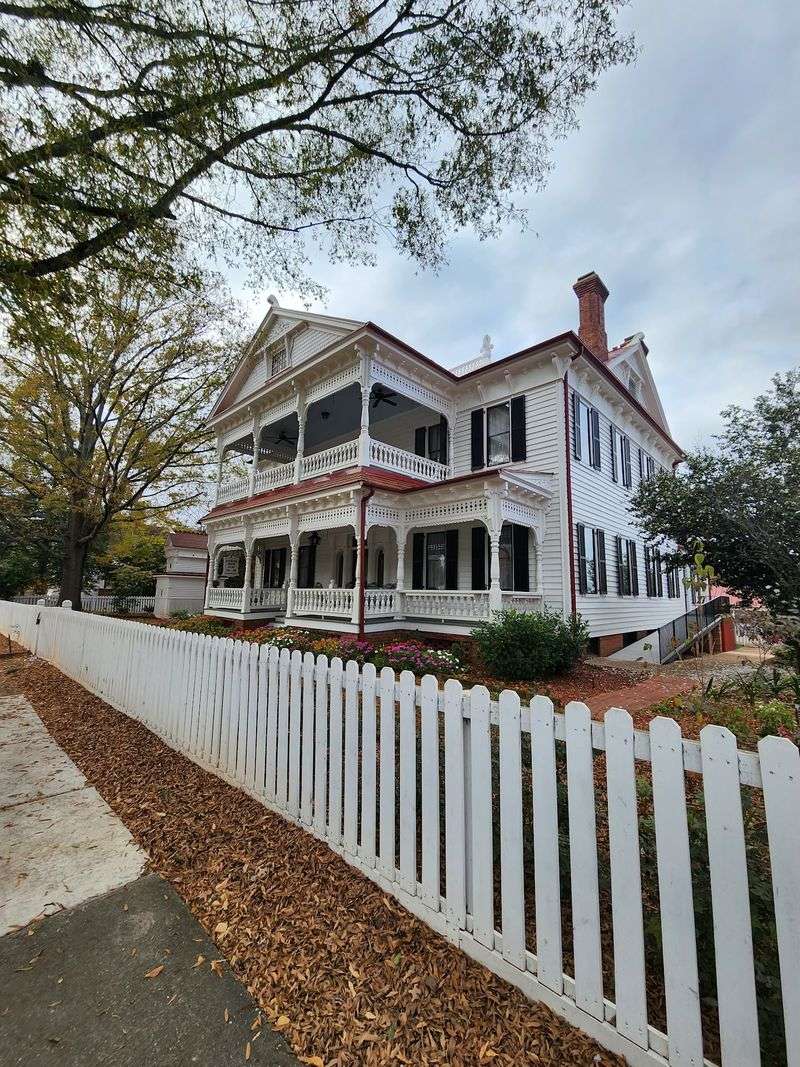
Beautiful columns may catch your attention, but the stories behind them deserve equal space. Historic house museums offer a closer look at architecture, domestic life, and the choices that shaped the town. Heritage Hall is one established stop associated with local preservation efforts.
Other historic properties, including the Rogers House and Rose Cottage, broaden the picture beyond grand rooms. Together, such sites can help visitors understand that the past was not one shared experience. Ask guides how they address work, race, slavery, and changes in ownership.
Tour arrangements may change, so confirm which properties are open and whether reservations are needed. Do not assume that separate houses share identical hours or ticket rules. Allow extra time if you enjoy asking questions.
Older buildings can also present physical challenges. Check for steps, narrow passages, restroom availability, and places to sit before purchasing admission. A thoughtful plan makes the visit more comfortable without reducing its interest.
Potential residents should separate admiration for a historic house from readiness to maintain one. Repairs, insurance, and preservation rules require careful research. Weekend visitors face fewer decisions, but both groups gain something by looking beyond the postcard view. The strongest tour leaves you with a richer understanding of beauty, hardship, and the continuing work of preserving meaningful places.
Local Meals Turn Sightseeing Into a Social Occasion

Lunch has a way of revealing whether a town suits your rhythm. A relaxed meal lets you watch the pace, hear conversation, and decide whether you would enjoy returning regularly. Downtown dining offers a natural break between shops, historic sites, and outdoor stops.
Choose a restaurant based on your actual preferences rather than a picture alone. Menus, prices, opening days, and ownership can change, so check current information before making plans. Call ahead if you need dietary accommodations or seating for a larger group.
For a weekend visit, avoid packing every meal into the busiest period. An earlier lunch can leave more time for exploring afterward. Keep a backup option in mind, especially around holidays or popular events.
Retirees can use restaurant visits to assess everyday comfort rather than vacation excitement. Consider noise levels, parking distance, portion sizes, and whether the bill fits a regular budget. An occasional treat and a weekly meeting spot may serve very different needs.
There is no need to pretend every meal delivers a life changing moment. Sometimes the pleasure is simply finding a comfortable table and a dish you like. Add good company, and the outing becomes a small tradition. Those repeatable pleasures help explain why a town can feel welcoming beyond its most photographed attractions.
Community Events Offer Reasons to Return
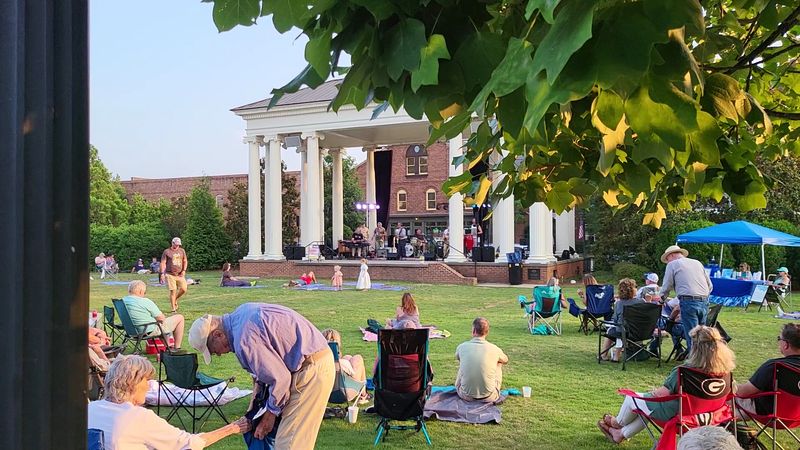
A place starts feeling familiar when you recognize people, not just buildings. Public events, library activities, and local organizations can give newcomers chances to build that familiarity over time. For visitors, the same gatherings reveal a side of town that sightseeing alone may miss.
Look at current city, tourism, and community calendars before your trip. Seasonal celebrations and special programs do not happen every weekend. Verify dates, ticket requirements, and weather plans directly with organizers.
If you are considering a move, choose an activity that reflects a genuine interest. A book discussion, volunteer project, or arts program can make conversation easier than simply hoping to meet people. Ask organizations about participation requirements and the time commitment involved.
Remember that joining a community takes patience. A friendly conversation during a visit does not guarantee an instant circle of friends after moving. Regular attendance and a willingness to help often matter more than a busy event calendar.
Weekend guests can benefit from that same respectful approach. Support local organizers, follow posted guidance, and remember that public gatherings are part of residents’ everyday lives. The goal is not to consume a picture of small town friendliness. It is to notice whether the opportunities, atmosphere, and pace fit the kind of connection you hope to build.
A Slower Pace Still Needs a Practical Plan

A lovely weekend is a good beginning, not a complete retirement plan. The 2020 census counted 4,447 residents, compared with 3,979 in 2010, showing population growth without proving a specific retirement trend. That distinction helps keep expectations grounded while exploring the town’s appeal.
Before moving, build a budget around actual housing options. Include property taxes, insurance, utilities, maintenance, and any costs linked to an older home. Do not assume that a small town automatically means inexpensive living.
Healthcare deserves its own checklist. Confirm local services, insurance acceptance, prescription access, and travel time for the specialists you use. Also consider how appointments would work if you could no longer drive.
Visit during different seasons and on ordinary weekdays. Summer heat, traffic patterns, business hours, and neighborhood noise may feel different from a pleasant spring weekend. Try the errands you would perform regularly rather than spending every hour sightseeing.
Housing accessibility matters as much as curb appeal. Look carefully at entry steps, bathroom layouts, yard upkeep, and the possibility of future mobility changes. Renting first, when suitable options exist, may offer a useful trial period.
The strongest reason to settle is a match between daily needs and daily pleasures. When both line up, the charm visitors notice can become something lasting rather than merely scenic.