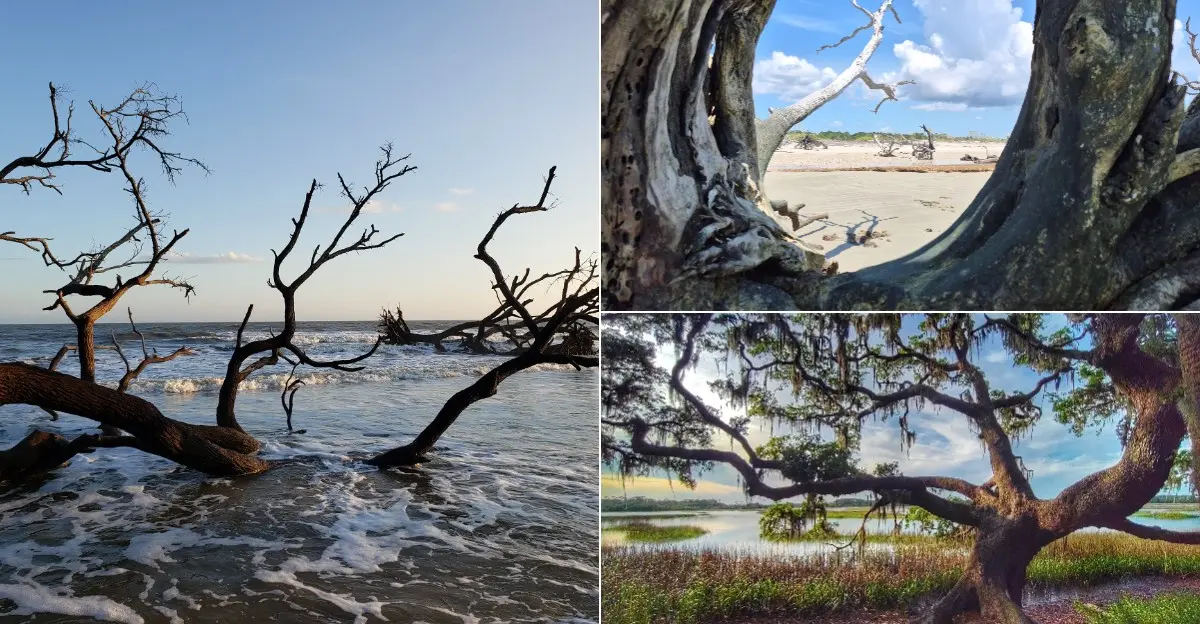
Giant live oak branches arch overhead, draped in Spanish moss, turning a simple drive into something straight out of a dream.
Botany Bay Road winds through Edisto Island, a quiet sea island south of Charleston, South Carolina.
The tunnel of oaks has become one of the most photographed roads in the Lowcountry, especially in soft morning or evening light.
At the end of the road lies the Botany Bay Plantation Heritage Preserve, with marshes, trails, and a wild, unspoiled beach.
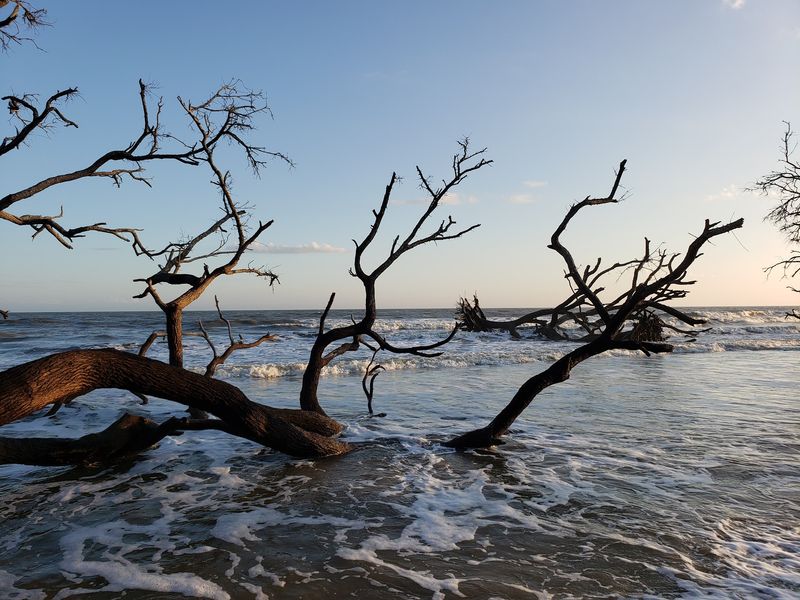
The famous boneyard beach is lined with sun-bleached trees that create a hauntingly beautiful scene along the shore.
Drive slowly, pull over safely for photos, and let this magical stretch of coastal South Carolina work its spell.
An Oak Canopy That Changes the Whole Drive
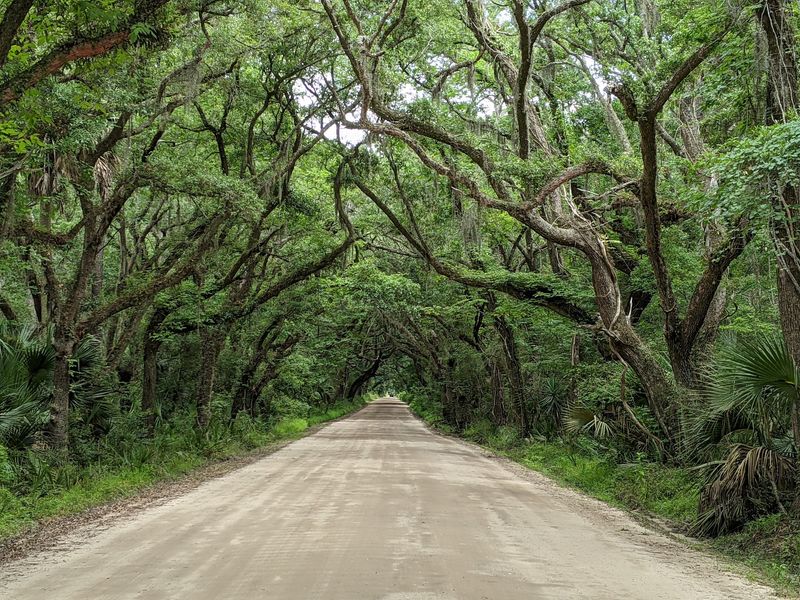
Before the beach comes into view, a tunnel of branches sets the mood for the entire visit. Along Botany Bay Rd, Edisto Island, SC 29438, spreading oaks create the leafy passage that makes this approach so memorable. Their twisting limbs pull your attention upward, while the road ahead invites you to slow down.
Spanish moss adds another layer of texture, hanging in loose strands that soften the scene. Despite its name, Spanish moss is not true moss, and it uses trees for support rather than taking food from them. You do not need to know the science to appreciate how beautifully it frames the drive.
Keep your eyes on the roadway, especially when another vehicle approaches or someone is walking nearby. Passengers can enjoy the details while the driver watches for changing surfaces, bends, and posted instructions. If you want pictures, wait until you find a permitted place to stop safely.
The best part is that the entrance feels like part of the outing, not simply a way to reach it. Give yourself enough time to notice the shapes, colors, and shifting light. Rushing through would mean missing the very feature that turns an ordinary arrival into something you remember long after leaving this remarkable coastal landscape.
Shifting Light Makes Every Visit Look Different
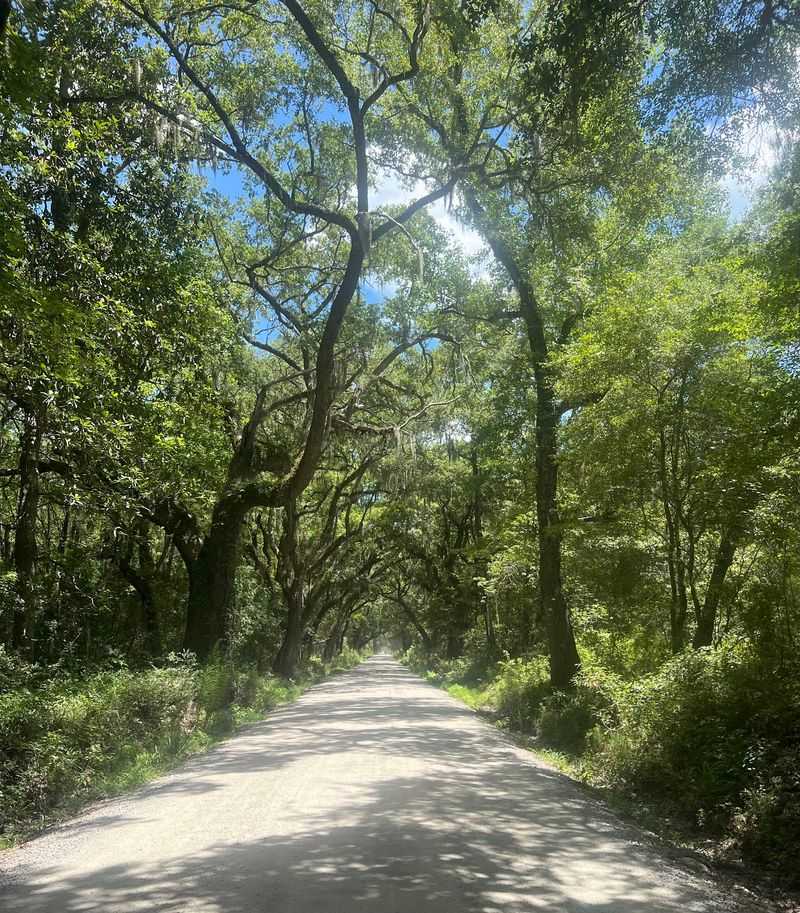
A patch of sunlight can turn a simple stretch of road into the sort of scene you wish you could bottle. Under the branches, brightness and shade trade places as leaves move and clouds pass overhead. That changing light helps explain why photographs of the same approach can look surprisingly different.
Morning often brings softer light, while midday can create stronger contrasts between the canopy and the ground. Cloudy weather has its own appeal because it spreads light more evenly across the trees. There is no single perfect forecast for enjoying the view, though storms can affect access and safety.
For pictures, start with a wide view that shows how the branches frame the roadway. Then look for smaller details, such as moss against dark bark or a bright leaf near the edge. Avoid stepping into traffic or blocking the route while trying to capture a certain angle.
A phone camera is enough to bring home a meaningful image, especially if you keep the composition simple. Tap the brightest part of the screen if the sky looks washed out, and take several versions. Most of all, put the camera away occasionally so the experience stays bigger than the photographs you make during your visit along this shaded approach.
A Slower Pace Turns the Route Into an Experience

Forget the urge to treat the entrance like the last few minutes of a commute. The reward here comes from paying attention, not from reaching the end quickly. A measured pace gives you time to see the canopy without making sudden stops or surprising other visitors.
Follow posted speed limits and any directions at the entrance to the protected property. Road conditions and access arrangements can change, so an old photograph or review should not guide your driving choices. When a safe stopping area is available, pull fully out of the travel lane before looking around.
Once inside, a numbered driving tour offers another way to explore the surrounding landscape and its history. Use the current visitor map rather than guessing which turn leads to the next stop. Having a passenger read directions lets the driver focus on the road and nearby activity.
Plan a flexible outing instead of packing every minute with another destination. You may want extra time for an interesting sign, a bird sighting, or a quiet view across the marsh. The drive works best when you let those small discoveries shape the visit, while still respecting closing times, marked routes, and the needs of everyone sharing the roadway with you that day.
Marsh Views Reveal the Coast Beyond the Trees
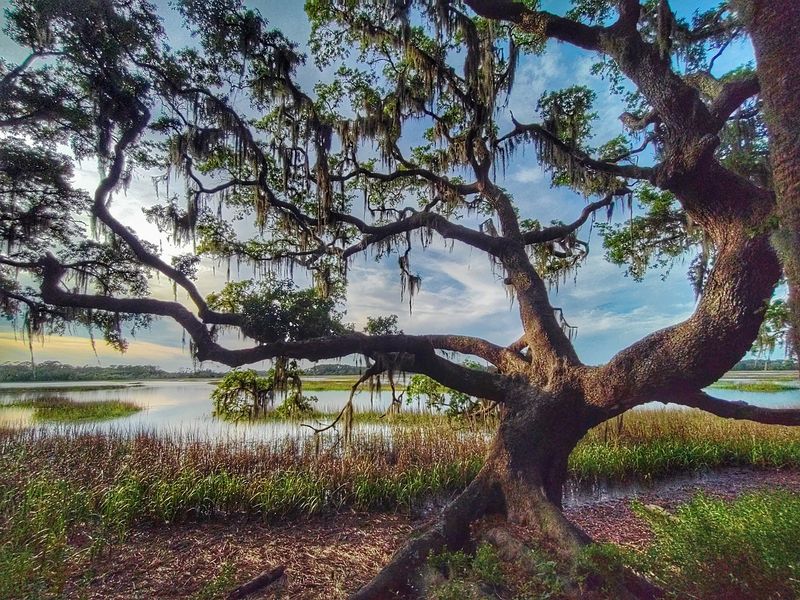
Beyond the leafy entrance, the scenery opens into a different kind of beauty. Tidal marshes bring broad skies, winding water, and grasses that change color with the season. They make the outing feel larger than a pretty road, connecting the woodland approach with the living coast.
Water levels shift with the tides, so a creek can look quite different between visits. Exposed mud, shallow pools, and flooded grass edges are normal parts of this changing landscape. Watch from designated areas rather than stepping into marsh plants or soft ground for a closer look.
Bring binoculars if you enjoy watching birds, but do not expect a guaranteed wildlife show. Visitors have reported wading birds and other animals around the property, yet sightings depend on timing and conditions. Quiet observation usually offers more than loud calls, quick movements, or attempts to lure animals closer.
Keep a respectful distance and never feed wildlife, even when an animal seems comfortable nearby. A zoom lens can help you photograph details without leaving the permitted route. For children, simply noticing a bird searching the shallows can become a memorable lesson about how food, water, shelter, and tides fit together in a coastal habitat that keeps changing throughout each day of the year.
The Beach Walk Adds a Wild Final Chapter
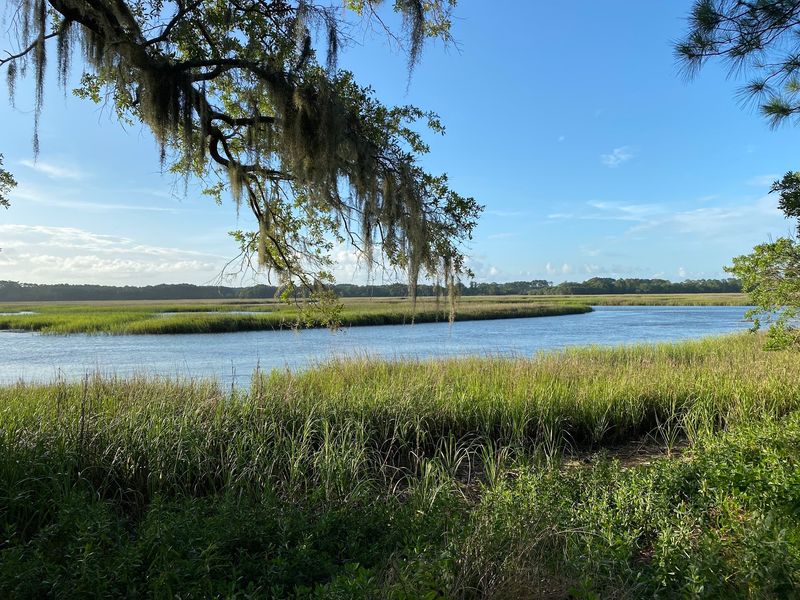
Weathered trunks standing against the sea give the beach a mood unlike a typical resort shoreline. After the shaded drive, the open coast feels bright, wide, and wonderfully exposed. Reaching it involves a walk from the designated parking area, so include that effort when planning your day.
Check a current local tide chart before setting out, because water levels strongly affect how much beach is available. Several visitors recommend going near low tide to see more sand around the fallen and standing trees. That advice does not replace watching conditions, keeping your distance from waves, and allowing time to return.
Wear shoes suitable for uneven ground, and watch for roots, sharp shells, and slippery surfaces. Avoid climbing on dead trees, which can be unstable even when they look solid. Treat the shoreline as a place for careful exploring rather than assuming it is suitable for swimming.
The walk can feel much hotter than the oak tunnel, especially when the sun is strong. Carry drinking water, wear sun protection, and turn back before anyone in your group becomes tired or overheated. You do not need to cover every stretch of sand to appreciate the striking meeting of forest remains, shifting tides, and open ocean along this protected shore.
Leaving Shells Behind Protects the Magic
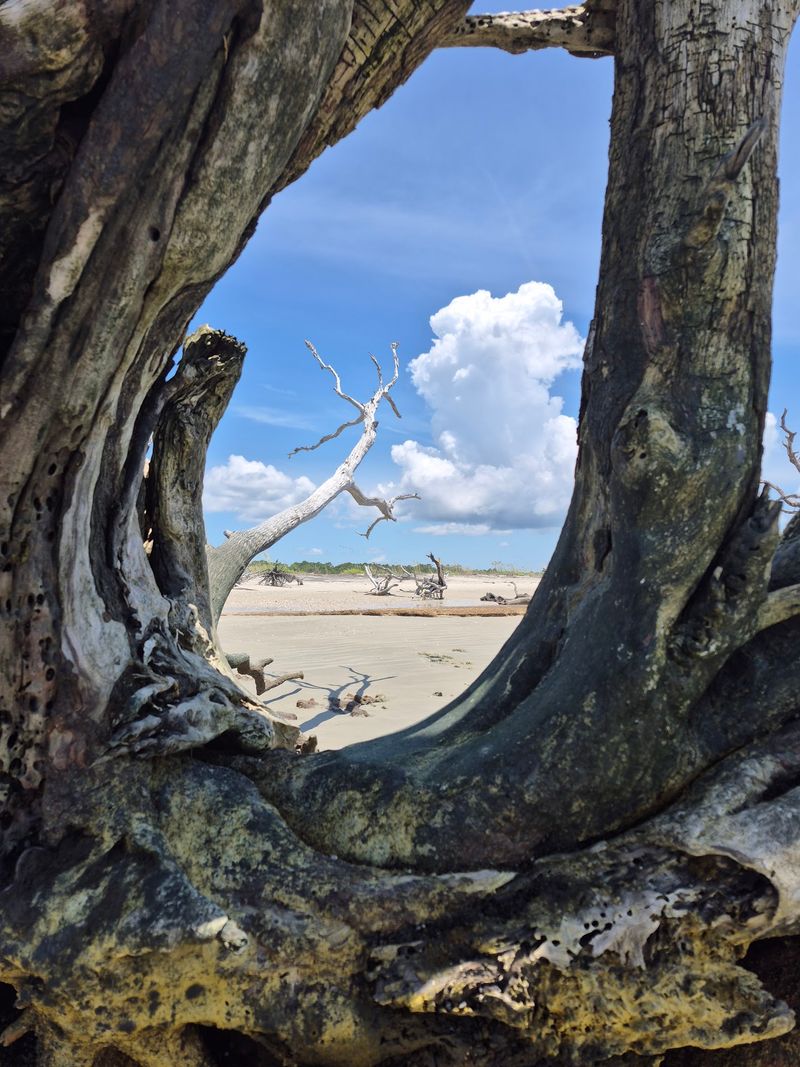
A beautiful shell can make your hand reach down before your brain catches up. Here, the better souvenir is a photograph and the memory of finding it. Rules for the protected beach prohibit removing shells and other natural or historic objects, even when something appears small or common.
Leave discoveries where they lie rather than arranging them into piles or decorating tree branches. Shells can provide shelter for animals, and moving them changes the scene for wildlife and later visitors. The same respectful approach applies to driftwood, bones, pottery fragments, and anything else that catches your attention.
If children enjoy treasure hunts, turn collecting into a spotting game instead. They can look for different shapes, compare colors, or photograph their favorite finds without taking anything away. Explain the rule before reaching the beach so leaving treasures behind feels like part of the adventure.
Pack out food wrappers, bottles, and every other item you bring with you. Stay within permitted areas, and follow current signs even if older visitor comments suggest different habits. Protecting a place this distinctive does not require a grand gesture, only thoughtful choices repeated by each person who comes to enjoy its trees, shoreline, wildlife, and quiet beauty without leaving unnecessary traces behind afterward.
Historic Stops Deserve More Than a Quick Glance
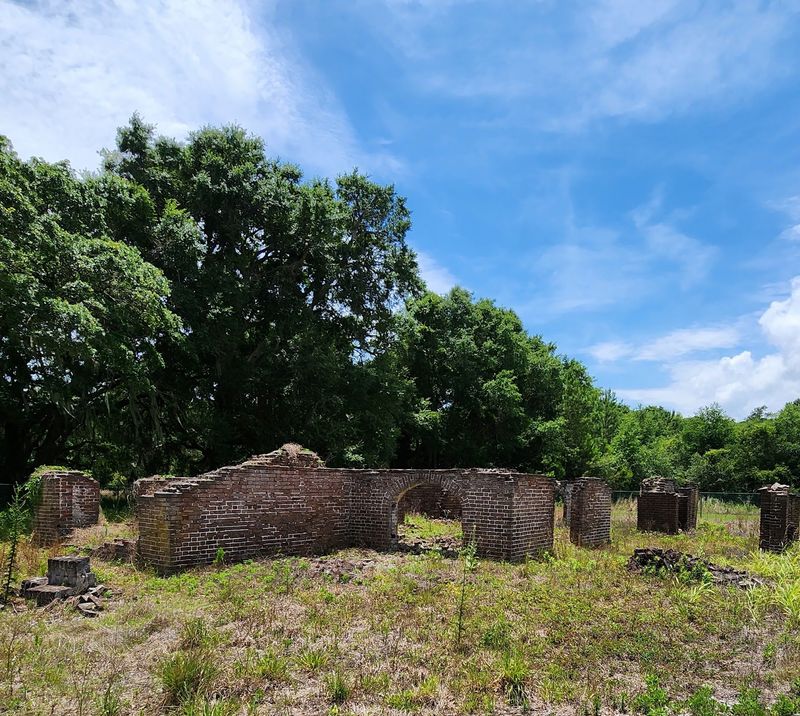
Beautiful scenery can hold a difficult past, and taking time to learn about it makes a visit more meaningful. The protected property includes former plantation lands, where surviving features and interpretive stops offer clues to earlier life. Its story should include the enslaved African Americans whose labor helped build and maintain that landscape.
Use the current tour materials to understand what each marked stop represents. A building foundation or old structure may seem plain until you learn how it was used and who worked there. Reading the signs slowly can turn a passing view into a moment of real understanding.
Remember that a scenic visit cannot tell the whole story of slavery, land ownership, or later changes. Visitor comments have called for fuller attention to African American contributions and experiences. That concern is a useful reminder to ask whose voices appear in the information and whose experiences need further study.
Do not enter closed structures, climb remains, or remove anything that might be historic. Photographs and notes are safer ways to keep track of what interests you. For families, simple conversations about work, freedom, and how history is shared can add depth without losing the sense of discovery that brought everyone along for this peaceful drive today.
Smart Planning Keeps the Day Peaceful
The dreamlike scenery is easier to enjoy when basic needs are handled before you arrive. Visitor reports repeatedly mention limited facilities, including no restrooms, and little access to supplies during the outing. Use a restroom beforehand and bring enough drinking water for the drive, stops, and beach walk.
Pack insect repellent, sunscreen, a hat, and comfortable shoes that can handle sand and uneven paths. Summer heat can make even a modest walk tiring, particularly beyond the shade of the entrance. Families should build in breaks and choose a shorter visit when conditions feel demanding.
Check current information from the South Carolina Department of Natural Resources before leaving. Confirm opening days, hours, temporary closures, beach access, and rules about pets rather than relying on older reviews. The property has scheduled closures, and weather or management needs may also change what visitors can do.
Save useful directions and tide information ahead of time, and bring the current tour map if available. Allow room in your schedule for a slower drive and an unhurried return from the shore. With those practical details settled, you can give your attention to the arching trees, changing marsh views, and small discoveries that make this coastal route feel so far removed from everyday routines.