A tall black-and-white tower rises above the palmettos and maritime forest, promising a view that makes every step worth it.
The Hunting Island Lighthouse stands in Hunting Island State Park on St. Helena Island, near Beaufort, South Carolina.
Rebuilt in the 1870s from cast-iron sections, it is one of the most beloved landmarks on the South Carolina coast.
When the tower is open, visitors can climb 167 steps to a lookout high above the beach and forest.
From the top, the Atlantic Ocean stretches to the horizon, with marshes and palm trees spread out below.
Check the lighthouse hours before you go, bring water, and get ready for an ocean view you will remember for years.
Meet the Tower Behind the Famous View
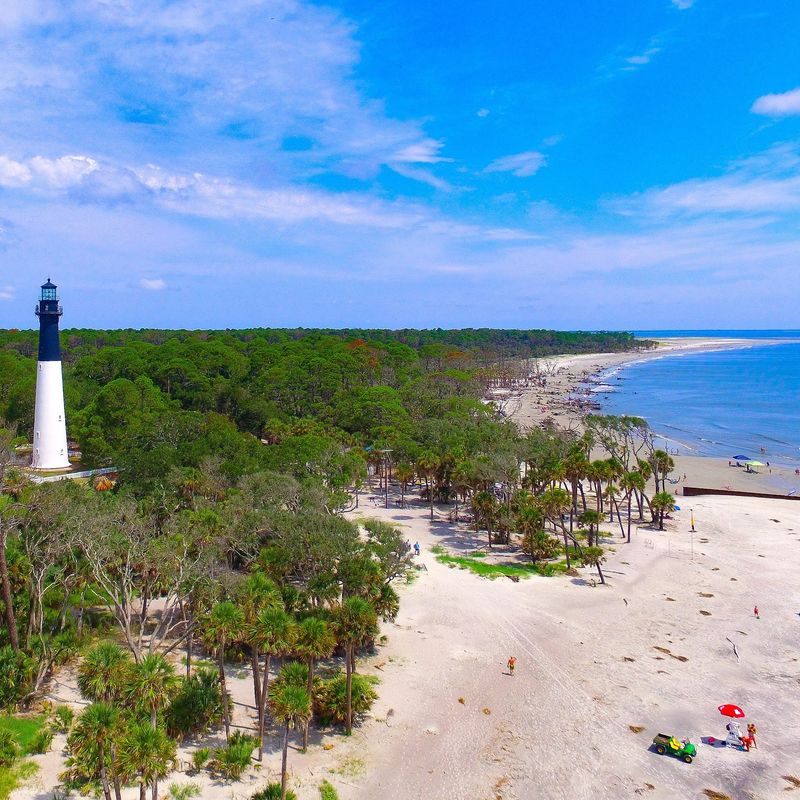
Salt air, sandy paths, and a tall striped tower set the scene for a coastal adventure before you reach the first stair. The attraction feels both historic and inviting, with its bold shape rising above the surrounding trees.
Hunting Island Lighthouse stands within the state park at 2555 Sea Island Pkwy, St Helena Island, SC 29920, United States. Use that address to reach the park, then follow posted directions toward the lighthouse area rather than assuming the entrance is beside the tower.
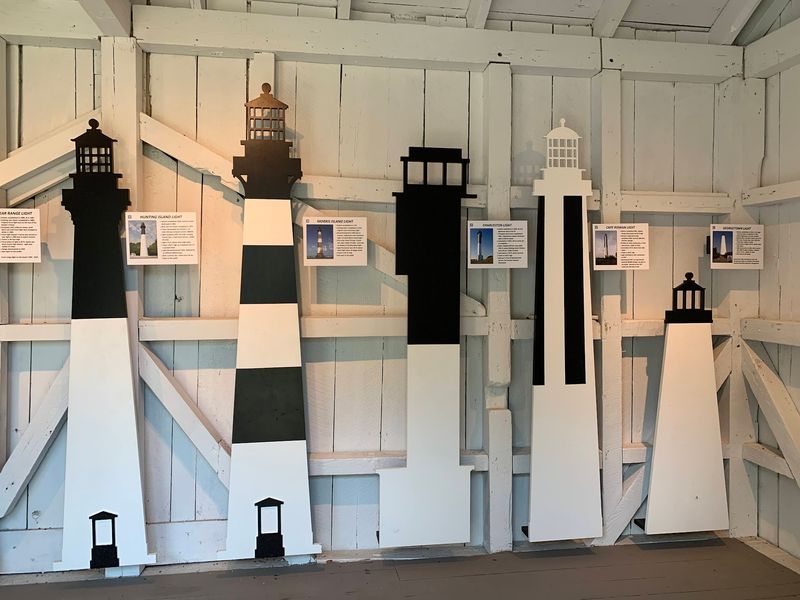
The present lighthouse dates to 1875 and was built with iron sections that could be taken apart. That unusual design later helped workers move it inland as the shoreline changed. Its black upper portion and white lower portion make it easy to recognize in photographs.
Give yourself a few minutes outside before joining any climbing line. Look upward, notice the tower’s details, and imagine the people who once depended on its light at sea. The grounds provide a rewarding first look even for visitors who cannot manage stairs. For families, this is also a useful place to explain the plan: a historic building, a steady climb, and an ocean view if access and weather allow on the day you visit the tower.
Check Climbing Access Before You Leave
A little homework can save a long drive from ending at a closed staircase. The tower has experienced repair closures, and the supplied visitor reviews include both closed visits and later reports that climbing had resumed.
Before leaving, check the official state park website or call 843-838-2011 for current lighthouse access. Ask about climbing hours, ticket availability, weather restrictions, and any work that could affect your visit. Park opening hours are not a promise that the lighthouse staircase will be available throughout the same period.
The provided listing shows general hours of 6 a.m. to 9 p.m. daily, but confirm those details directly. Recent supplied reviews mention a five dollar climbing fee per person. Treat that figure as a planning estimate, not a guaranteed current price, and remember that park admission may be charged separately.
Ask whether you need to reserve a place or join a waiting list after arrival. One reviewer mentioned a waitlist, while others described a short wait or a crowded visit. Knowing the process helps you avoid confusion at the entrance. Save the official information on your phone before traveling, especially if the climb is your main reason for coming. A quick check leaves more time for enjoying the tower itself.
Take the 167 Steps at Your Own Pace
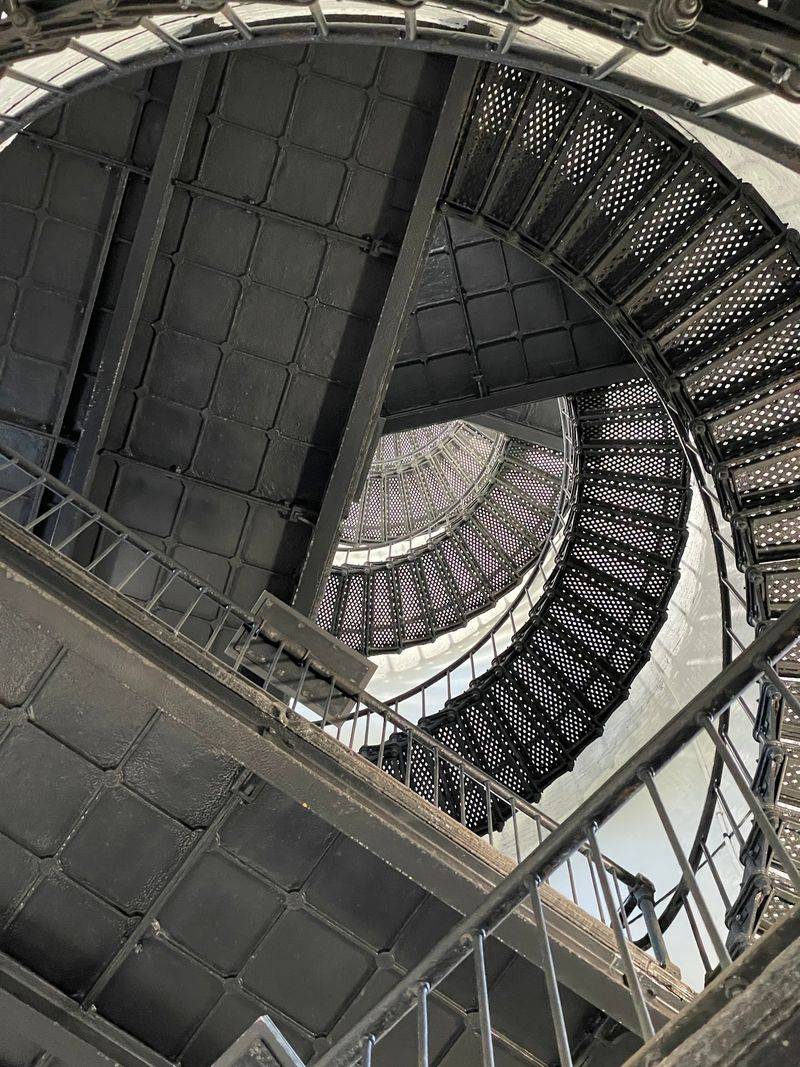
One hundred sixty seven steps sound manageable until you picture them winding upward inside a narrow historic tower. The climb is part of the adventure, but there is no prize for reaching the top faster than everyone else.
Wear sturdy shoes with good grip, preferably sneakers rather than loose sandals. Keep a hand available for the railing and carry only what you need. A bulky bag can become awkward when other visitors are moving through the same space.
Start slowly and settle into a comfortable rhythm. If you need to pause, follow staff directions and avoid blocking the stairway. Give people ahead of you enough room, especially when the line slows near the top.
Visitors with knee pain, breathing concerns, balance problems, or a strong fear of heights should consider whether the climb suits them. Ask staff about access limitations before buying tickets rather than assuming everyone can make the trip. Young climbers also need close supervision and must meet current entry rules. Save some energy for coming down, because the return journey uses the same number of steps. The best approach is simple: move carefully, listen to your body, and let the view be the reward instead of treating the staircase like a fitness challenge.
Let the Ocean View Steal the Show
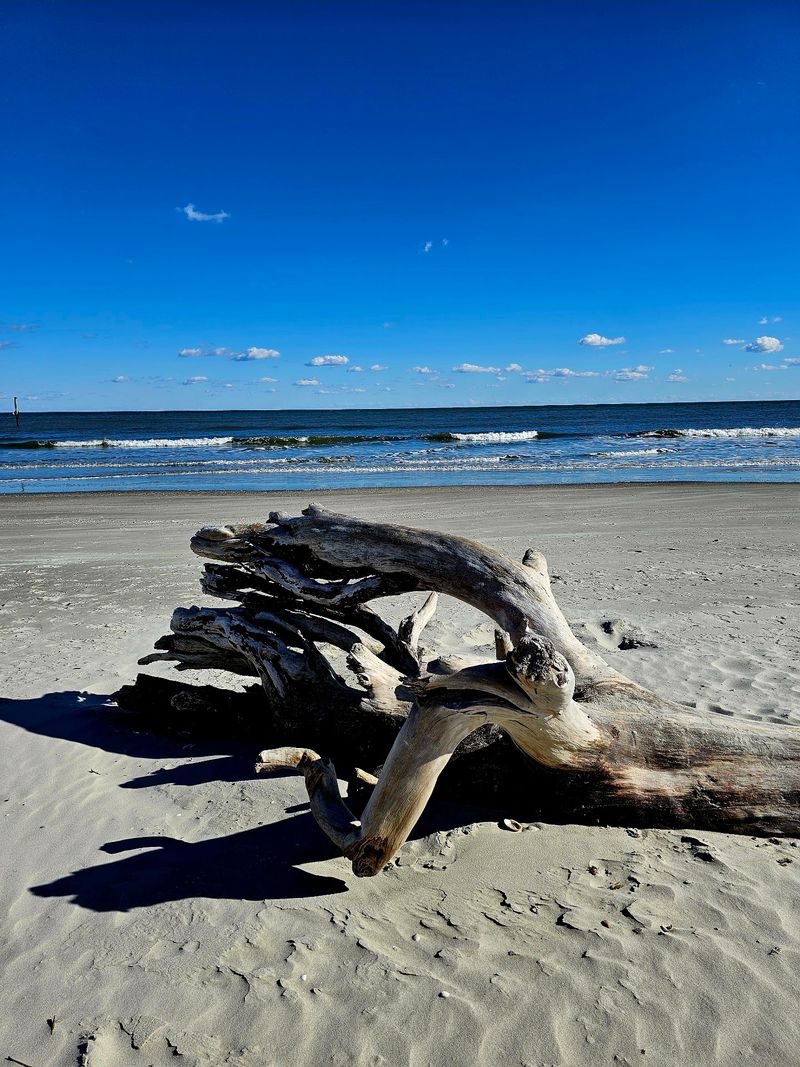
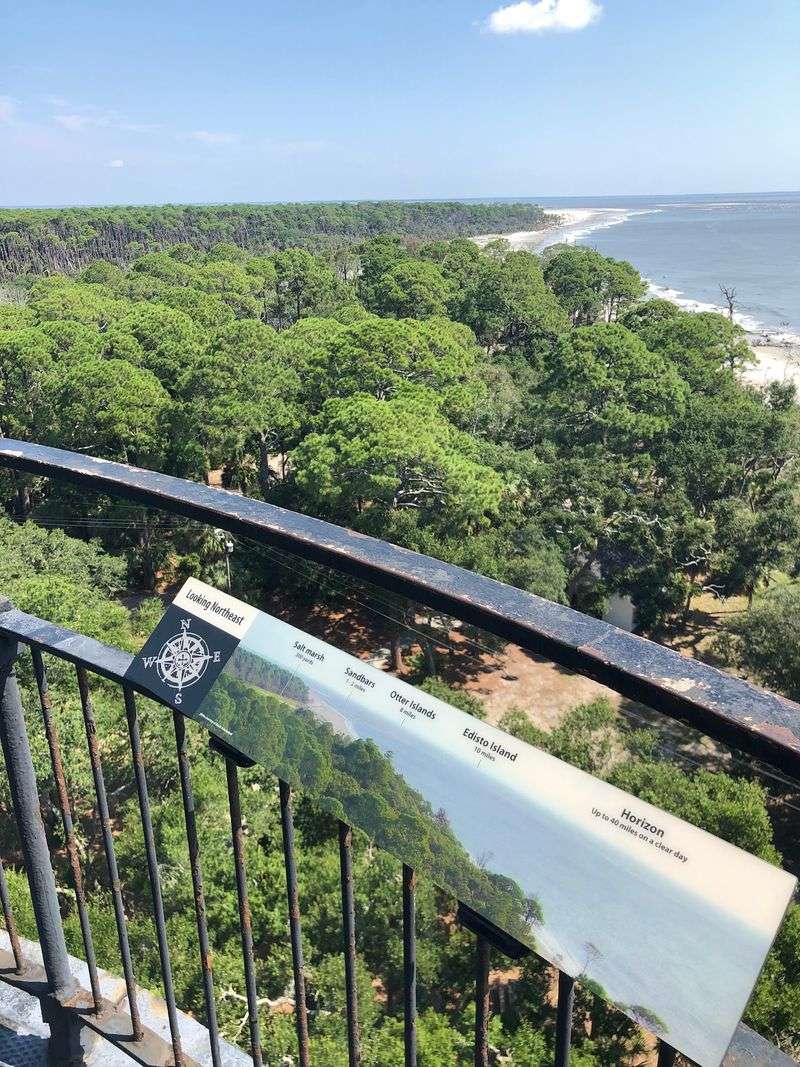
Suddenly, the staircase gives way to open sky, and the ocean becomes much bigger than it looked from the ground. That change in perspective is the moment many visitors remember most.
From the viewing area, look for the meeting of sandy beach, wooded land, and open water. On a clear day, the coastline stretches into the distance, while nearby treetops show how closely forest and shore share this landscape. Visibility depends on haze, clouds, and weather, so every visit can look different.
Pause before reaching for your camera. Watch the lines of breaking waves and notice how the water changes color farther from shore. A few quiet seconds can help you enjoy details that disappear when you rush straight into taking pictures.
Follow staff instructions and remain within all protective barriers. Never lean out for a better angle or lift a child toward the edge. If the platform feels busy, allow others space and wait patiently for an opening. The ocean view is not only a photo opportunity; it also explains why a tall navigation tower belonged here. Seeing the coast from above makes the relationship between the lighthouse and the sea feel clear, immediate, and far more memorable than looking at a map back at home.
Discover Why the Lighthouse Could Move
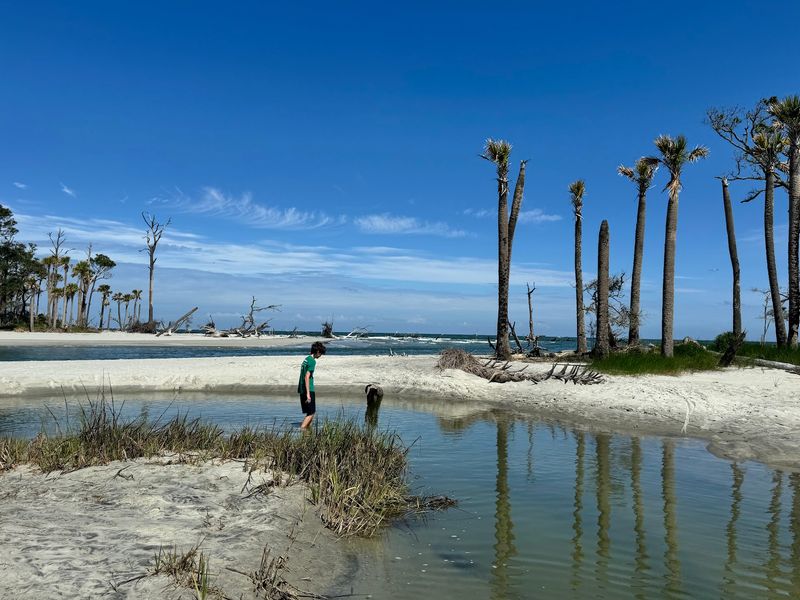
Most buildings stay where builders put them, but this tower has a story that includes a change of address. Its unusual construction made that move possible, turning a practical design into a memorable piece of history.
The current structure was completed in 1875, replacing an earlier lighthouse lost during the Civil War. Builders used iron sections that could be disassembled rather than creating a tower that could never be moved. As erosion threatened its position, the lighthouse was relocated inland in 1889.
That history offers a useful lesson about life beside the ocean. Shorelines shift, storms reshape beaches, and even strong buildings sometimes need help adapting. The tower’s survival reflects both careful engineering and the work of people determined to preserve it.
Look for interpretive information around the lighthouse and ask staff where you can learn more about its construction. Reading a few details before climbing gives the stairs and walls more meaning. Children may enjoy imagining the planning needed to take apart something so tall and put it together again. Avoid touching historic features unless signs clearly allow it. By treating the building as more than a lookout, you leave with two rewards: the ocean panorama and a better understanding of the structure that made it possible.
Prepare for Wind at the Top
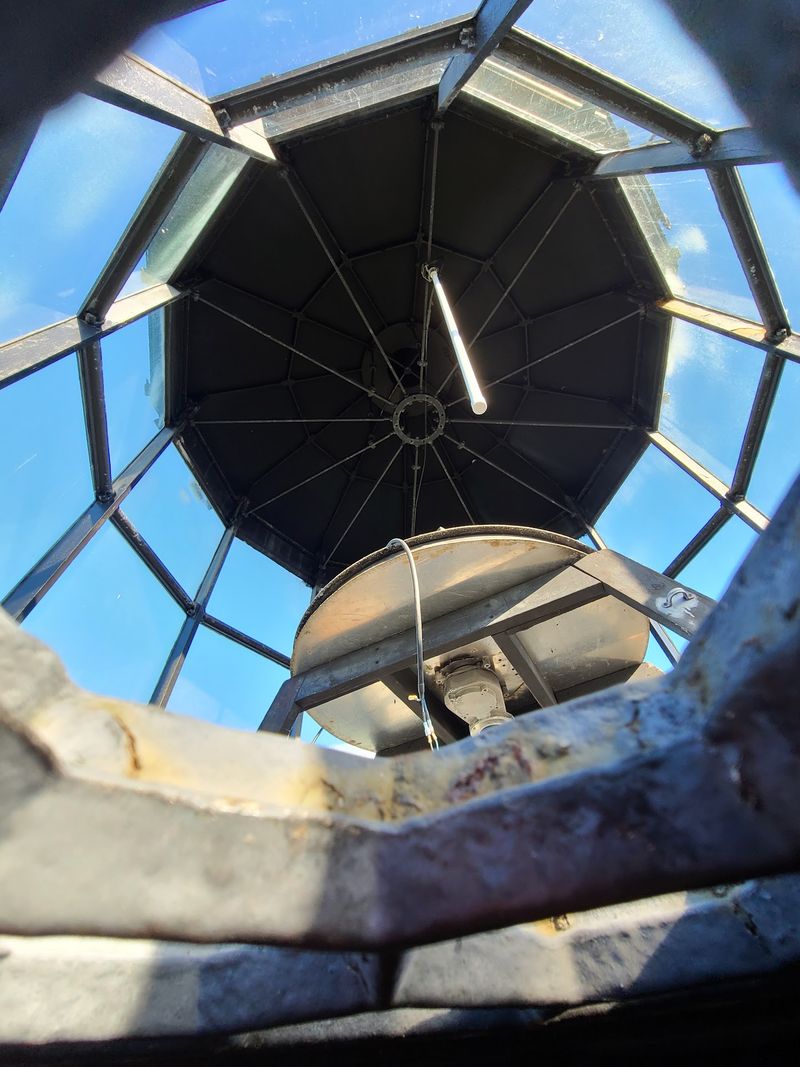
A breeze that feels mild beside the trees can feel much stronger above them. Visitors often praise the refreshing air at the top, but loose belongings need extra attention once you reach the viewing area.
One supplied review describes a hat blowing away and landing where its owner could not retrieve it. Leave an unsecured hat in your bag before stepping outside. Keep sunglasses, phones, and other small items firmly in your hands or safely stored.
Choose clothing that works for both the climb and the outdoor platform. Light layers can help when warm stairs lead to cooler air, especially outside the hottest months. Check the forecast before your visit, but remember that staff decide whether conditions allow safe access.
Never assume the tower will remain open during thunderstorms, strong winds, or changing weather. Follow closure instructions without trying to squeeze in one final photograph. If a child feels nervous when the wind picks up, stay close and keep the experience calm. The goal is to enjoy the setting, not prove that you can handle uncomfortable conditions. A little preparation keeps the breeze pleasant instead of distracting. Secure your belongings before climbing, listen carefully at the entrance, and give the weather the respect that an exposed coastal viewpoint deserves.
Bring Home Photos Without Rushing
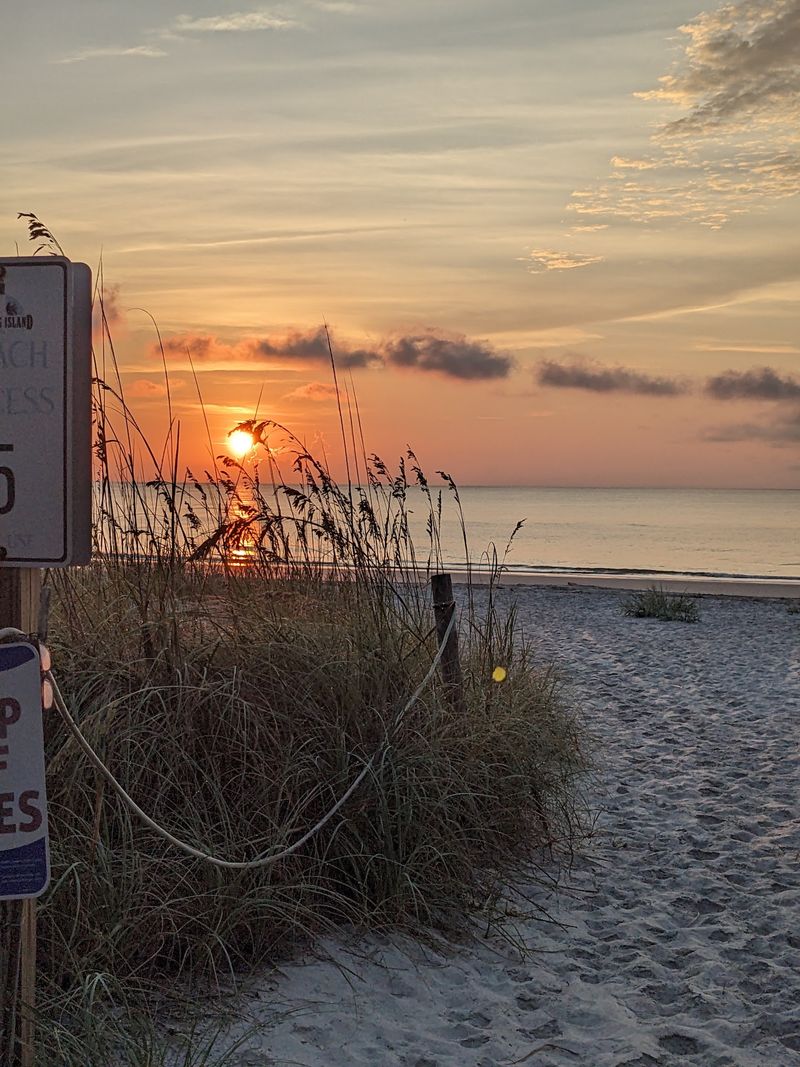
Your favorite picture may come before the climb even begins. The tower’s strong shape, contrasting paint, and wooded setting give you several ways to capture the visit without depending entirely on the view from above.
Start with a photograph from the grounds that includes the full tower. Then try a closer frame showing its curves and surface details. Stay on permitted paths and avoid stepping into protected areas just to remove a branch from your composition.
At the top, take a wide photograph of the shoreline before moving to smaller details. Keep your phone or camera inside the barrier and never hold it over the edge. If other visitors are waiting for space, take a few pictures and move along.
Bright skies and shaded land can make exposure tricky, so review one image before taking many more. A simple adjustment on your phone may help retain detail in both areas. Ask someone to photograph your group only where stopping is safe and does not block movement. Finally, put the camera away for a moment. A photograph records the colors and shapes, but it cannot fully capture the wind, the stair climb, or the feeling of looking outward. Leave room for those memories alongside the pictures you bring back home.
Make the Visit Work for Your Whole Group
Not everyone in your group needs to reach the top for the visit to feel worthwhile. Some people love heights, while others would rather admire the tower from solid ground and hear about the view afterward.
Talk about comfort levels before arriving, especially when traveling with children or older relatives. Ask staff about current height requirements, supervision rules, and restrictions on what climbers may carry. Do not rely on older reviews for rules that could have changed.
If part of the group stays below, agree on a meeting point and keep expectations flexible. Waiting times and climbing speed can vary, so avoid promising an exact return time. Visitors remaining outside can study the building, take photographs, and enjoy the setting where public access allows.
Plan a short rest after the descent rather than rushing immediately toward your next activity. Drink water, check that everyone has their belongings, and share what each person noticed. Someone may remember the winding stairs, another the ocean colors, and another the tower’s unusual history. That mix of experiences is what makes a shared outing interesting. The climb can be the highlight without becoming a test everyone must pass. Keep the day comfortable, respect personal limits, and let each visitor enjoy the lighthouse in their own way.