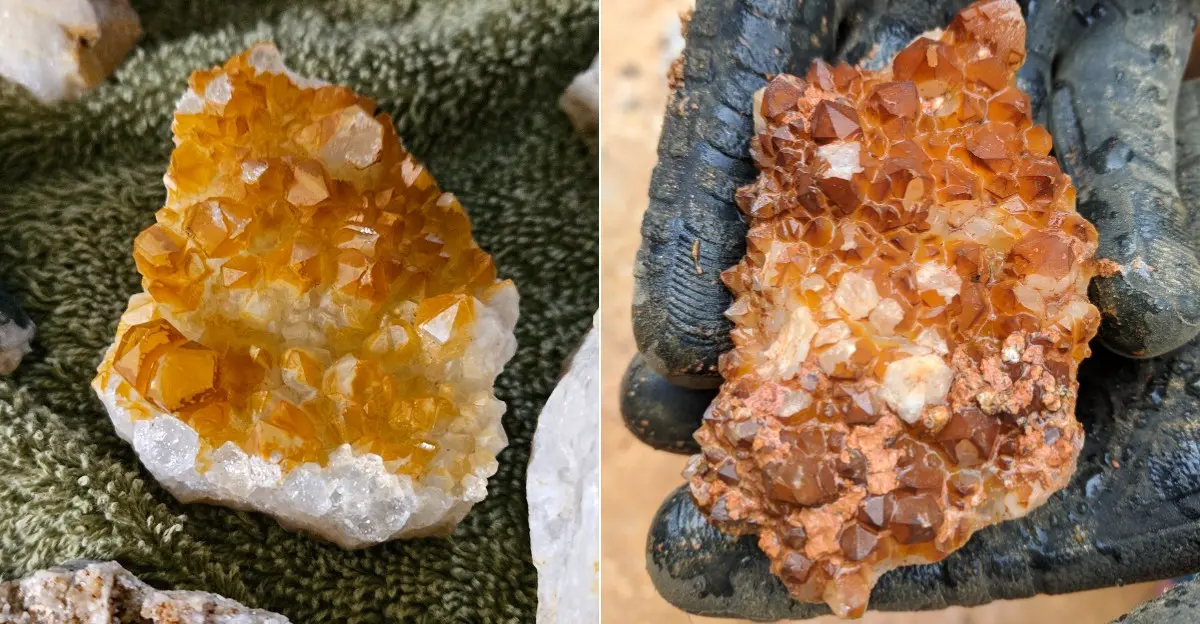
Few family outings come with the thrill of pulling a sparkling crystal straight out of the ground.
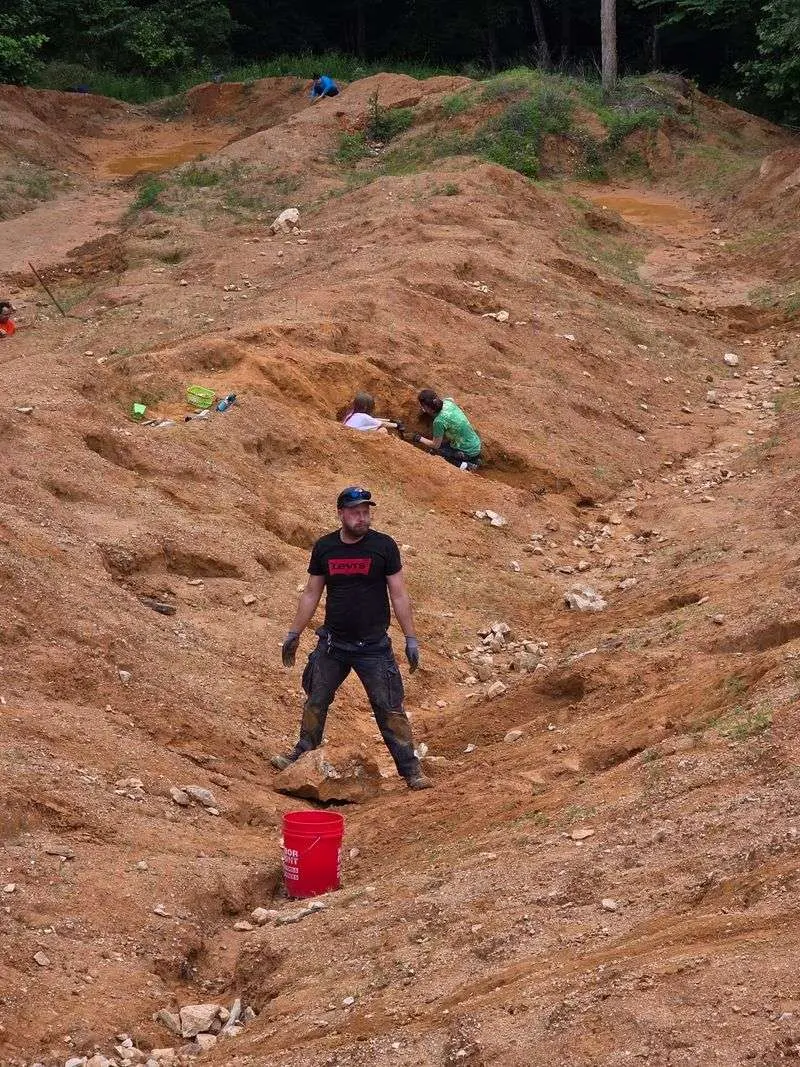
Diamond Hill Mine near Abbeville, South Carolina, is a hillside site where visitors dig for their own quartz crystals.
Despite the name, the treasures here are clear and smoky quartz points that glitter in the red clay.
Bring a shovel, a bucket, and some gloves, because finding the good stuff takes a bit of digging.
The quiet wooded setting makes it a peaceful escape from busier tourist spots.
Wear clothes you do not mind getting muddy and get ready to take home a souvenir you found yourself.
Trade Screen Time for a Real Treasure Hunt
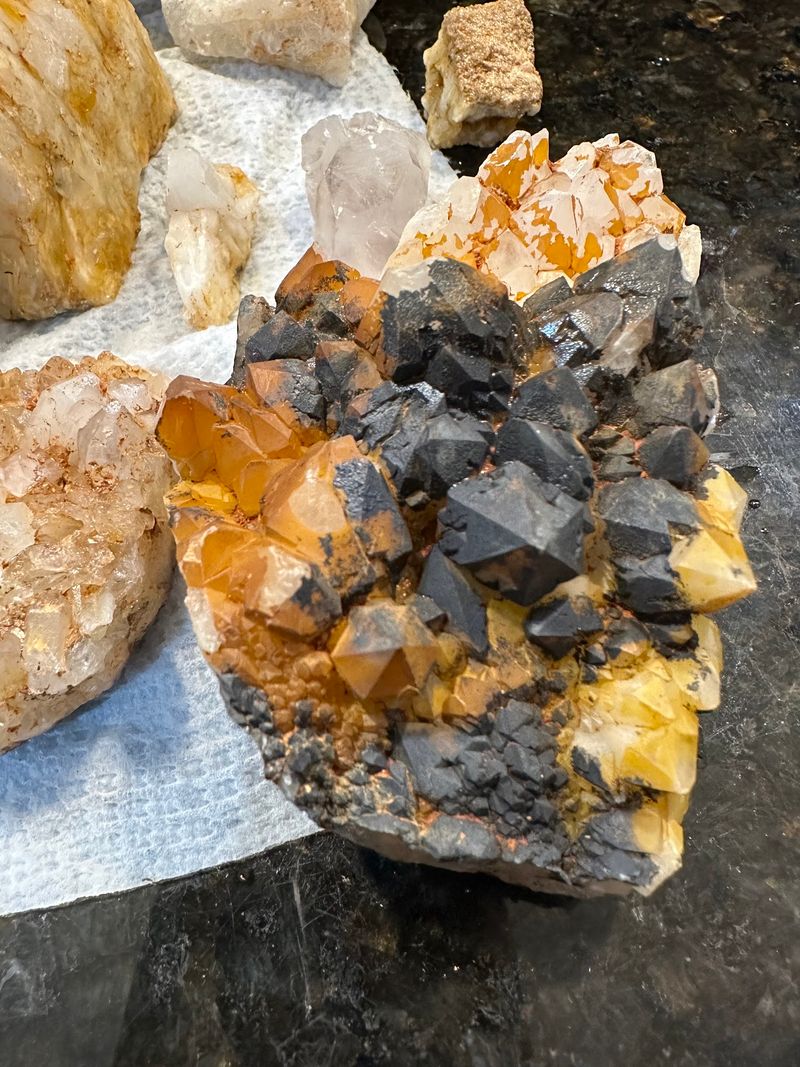
A patch of dirt becomes much more exciting when a child spots something sparkling beneath the surface. At Diamond Hill Mine, 100 Diamond Mine Rd, Abbeville, SC 29620, United States, families can search for crystals and keep their finds.
Visitors describe an outdoor digging experience with room to explore, get muddy, and work together. Rather than expecting polished gems ready for jewelry, picture rough mineral specimens that may need washing before their details appear.
Recent reviewers call the digging material unsalted, meaning discoveries come from the ground rather than stones added to create guaranteed results. That makes each find feel personal, but it also means luck plays a part.
Start by checking in and asking where beginners should search. Staff members receive frequent praise for sharing pointers and helping visitors understand what they uncover.
Give children a simple first goal, such as finding an interesting shape or spotting a crystal face. A small success can keep them engaged without turning the outing into a contest.
Plan around your family’s energy, not someone else’s impressive bucket. The best reward may be watching a child realize that an ordinary-looking rock can hold something worth investigating, especially when everyone slows down enough to notice tiny details together along the way.
Meet the Crystals Hiding Under the Dirt
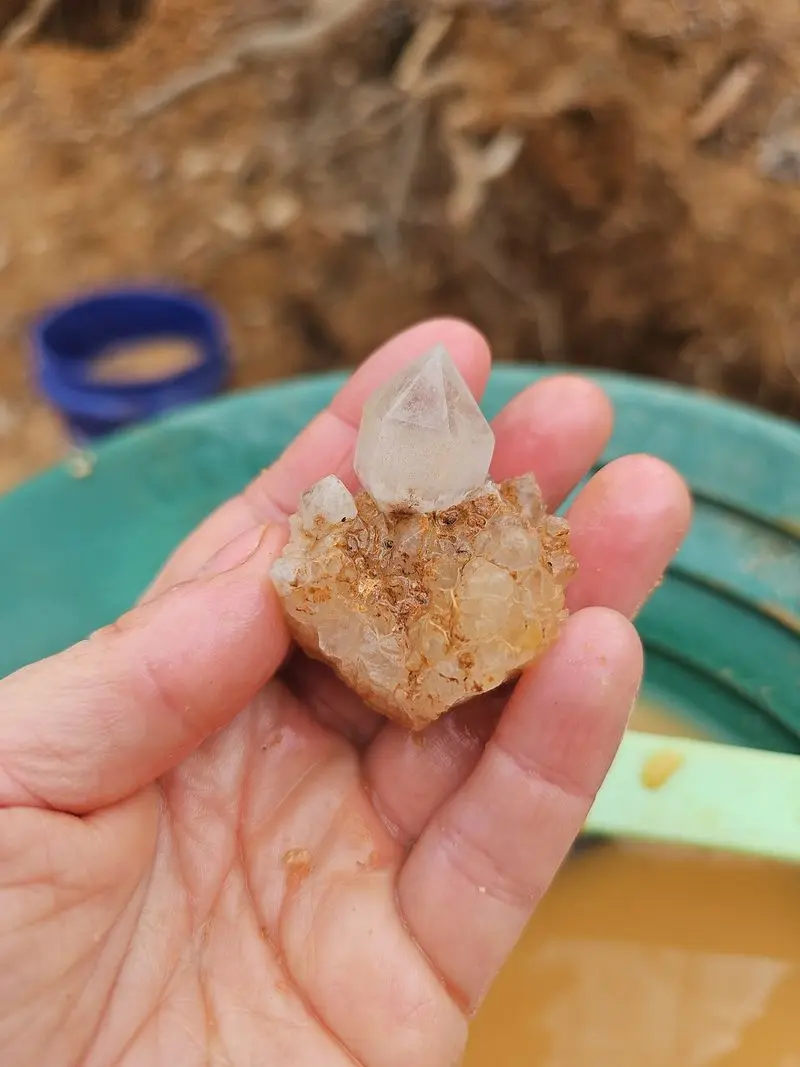
Purple hints, smoky colors, and clear crystal points give young treasure hunters plenty to watch for. Visitor accounts frequently mention quartz, smoky quartz, and amethyst, though no particular mineral or specimen size is guaranteed.
Despite the attraction’s name, families should not arrive expecting diamonds. The more useful goal is learning to recognize natural crystals and enjoying whatever the ground reveals.
Quartz can look quite different from one piece to another. Some specimens show sharp points, while others remain attached to a larger rock or appear cloudy beneath soil.
Amethyst is a purple variety of quartz, and smoky quartz has brown or gray coloring. Those simple differences give children an easy starting point for sorting discoveries.
Carry a small spray bottle so you can wet a promising surface and inspect it more closely. A little water may reveal color or shape, but avoid deciding that every shiny stone is a valuable gemstone.
Ask staff for identification help when available, especially before labeling an unusual find. Photograph uncertain pieces and keep their names tentative until someone knowledgeable checks them.
Encourage kids to compare textures, colors, and crystal edges instead of chasing the biggest prize. Even a modest specimen can become a useful starting point for conversations about geology back at home.
Pack a Digging Kit That Kids Can Handle
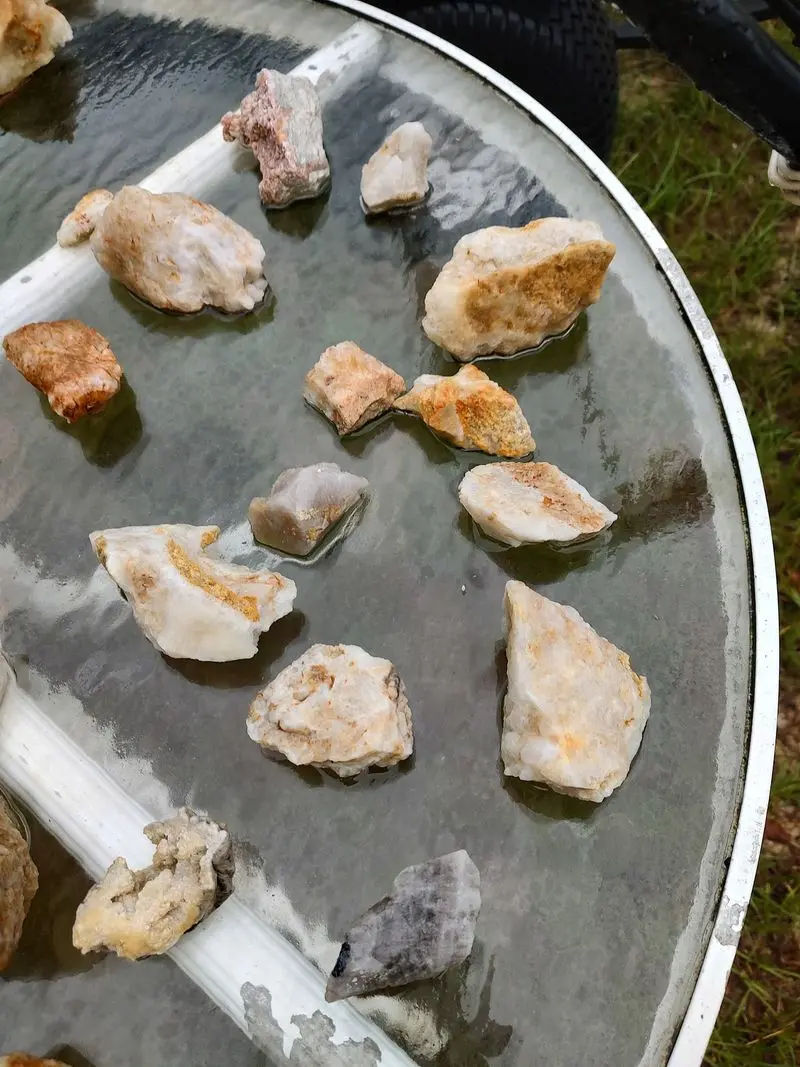
A bucket fills quickly, and muddy hands are almost part of the admission experience. Packing a few useful supplies before leaving home can prevent small problems from interrupting the fun.
Visitor recommendations repeatedly include shovels, hand tools, gloves, buckets, brushes, and water for rinsing rocks. Check the official website or call ahead for current equipment guidance rather than assuming everything will be provided.
For younger children, choose lightweight hand trowels that are easy to grip. Adults should handle heavier tools and supervise any digging that involves swinging equipment or working near other people.
Give each child a small collecting container instead of one huge bucket. It is easier to carry, makes ownership clear, and helps limit how much weight everyone brings back.
A kneeling pad can make ground-level searching more comfortable. An old toothbrush or soft brush is also handy for gently removing loose dirt from sturdy specimens.
Wear clothes that can handle stains and shoes with good traction. Pack towels, spare clothing, and a bag for muddy gear so the ride home stays manageable.
If you bring a wagon, ask whether current ground conditions suit it. Keep the kit practical: children need room to move safely, and adults need enough free hands to help when discoveries get exciting.
Learn to Look Before Digging Deep
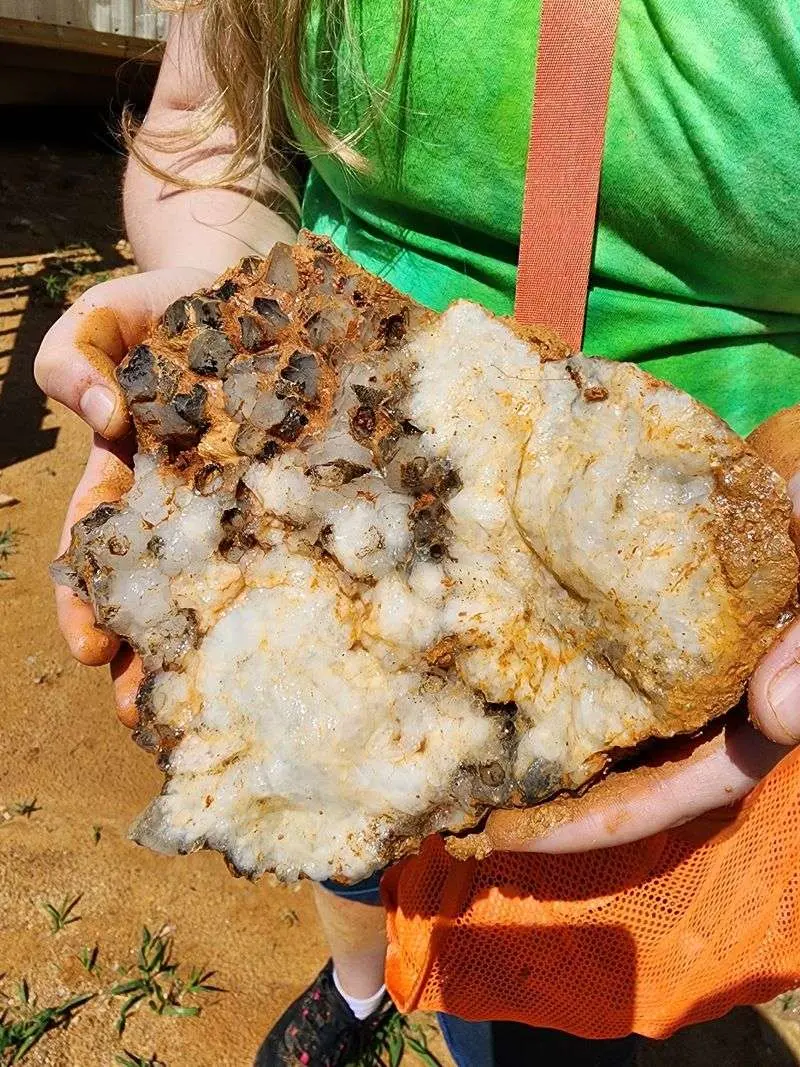
Sometimes the next interesting rock is already sitting near your shoe. Several visitors recommend checking surface material instead of spending the whole visit digging in one deep spot.
Begin with a slow walk through an approved searching area. Look for unusual edges, color changes, or a surface that reflects light differently from the surrounding dirt.
Ask staff which areas are suitable for your group and what methods they recommend. Their advice can help beginners avoid wasted effort, though it cannot promise a particular discovery.
Once you choose a spot, work carefully through small amounts of material. Children often do better with short, manageable searches than with a huge pile that feels impossible to inspect.
Set promising pieces aside before brushing or rinsing them. A muddy coating can hide details, so make your final decision after a closer look.
Keep digging spaces separated enough that tools cannot bump another person. Avoid unstable edges, follow posted rules, and never enter restricted areas just because something looks interesting.
When enthusiasm fades, change the activity rather than demanding more digging. Try a surface search, compare finds, or take a snack break.
Patient looking is a skill children can practice here. Finding less does not mean failing; it simply reflects the uncertainty that makes genuine rockhounding an adventure.
Make Room for Water, Shade, and Snack Breaks
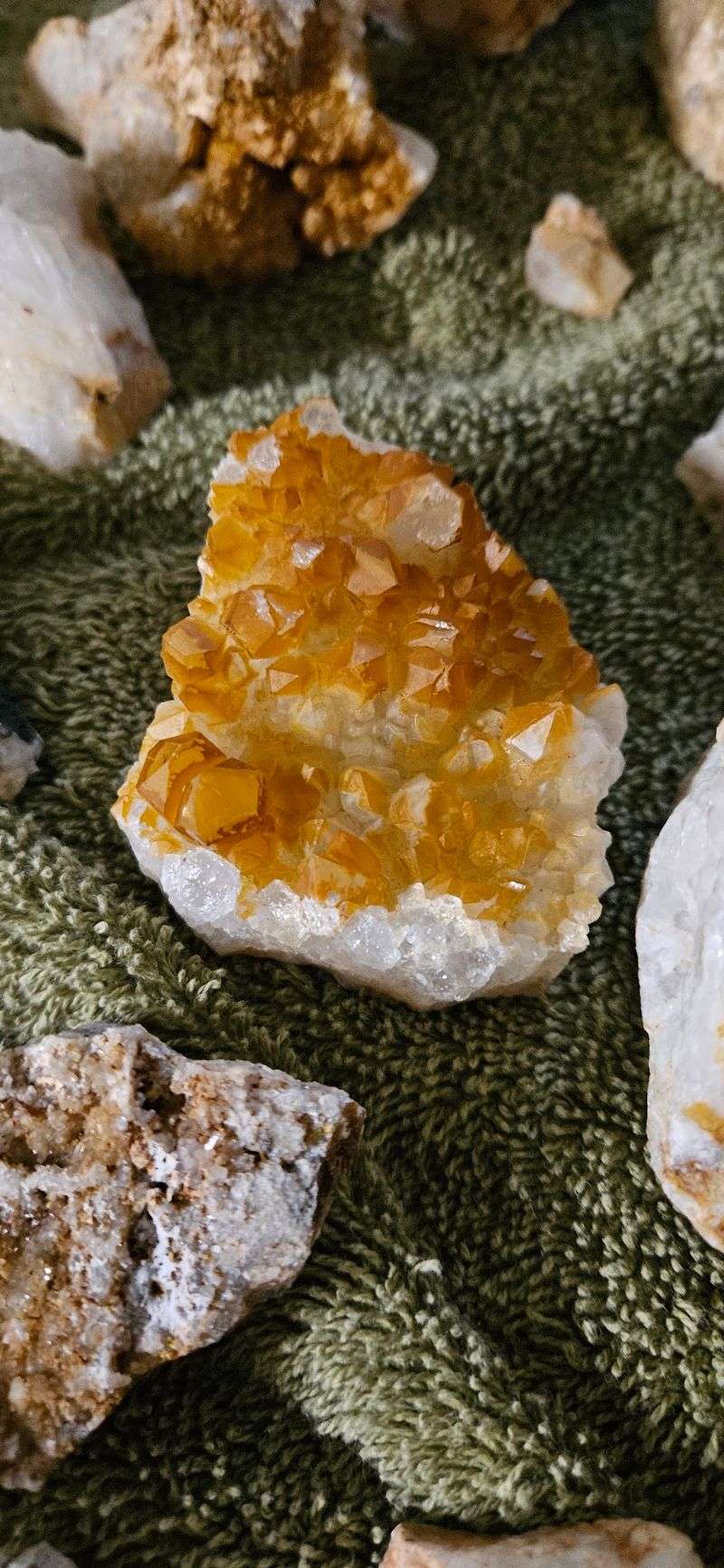
Treasure hunting can make lunchtime sneak up on everyone. Between digging, carrying buckets, and studying rocks, children may forget they are thirsty until they suddenly run out of energy.
Bring plenty of drinking water and enough food for your planned visit. Reviewers advise packing refreshments rather than relying on food or drinks being available for purchase.
A cooler keeps lunches and extra drinks easier to enjoy on warm days. Store drinking water separately from water used to rinse dirty specimens.
Families mention picnic tables and shaded areas, including places near the tree line. However, shade and seating may not be available exactly where you choose to dig.
Build breaks into the outing before anyone becomes uncomfortable. Pause regularly, check how everyone feels, and move out of direct sun when needed.
Hats and sunscreen help, but they do not replace rest and hydration. Leave early if the weather or your child’s energy makes continuing a poor choice.
Visitor reports also mention portable toilets, so prepare for basic outdoor facilities rather than a full indoor visitor center. Bring hand-cleaning supplies and confirm current amenities if your family has specific needs.
A flexible schedule keeps the day enjoyable. Nobody needs to fill a bucket before earning a sandwich, a shady seat, or a welcome rest.
Turn Every Find into a Small Science Lesson
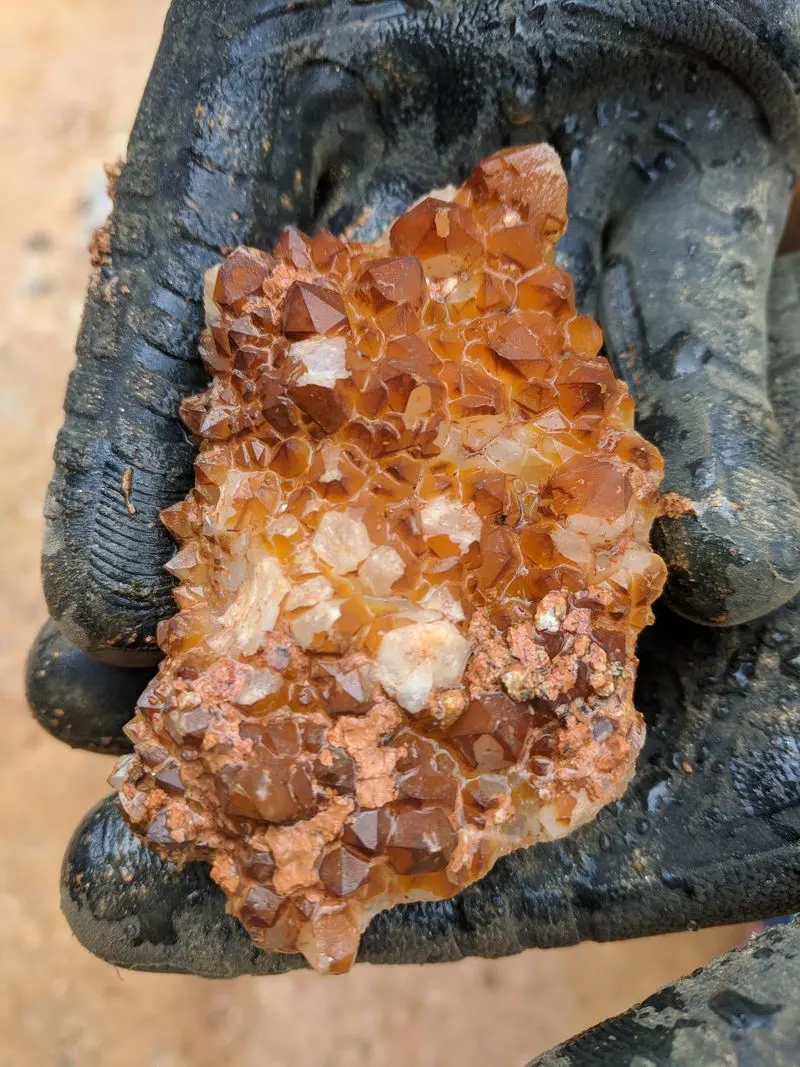
A muddy rock can become a science lesson without feeling like homework. Let children lead with what they notice: a pointed end, a purple patch, or several crystals joined together.
Ask them to describe their specimen before trying to name it. Words such as smooth, rough, clear, cloudy, and sparkly build useful observation skills.
Compare two finds side by side and look for similarities. Children may discover that rocks with different colors can still share familiar crystal shapes.
A notebook adds another layer of fun. Kids can sketch a favorite piece, record where they searched within the permitted area, and write down any identification help they received.
Keep uncertain names marked as guesses rather than facts. Visitor reviews praise knowledgeable staff, but availability and the time needed for identification can vary.
Parents can also explain that a beautiful mineral does not have to be rare or expensive. Its value to a child may come from the work and excitement involved in finding it.
Skip complicated tests during the visit, especially anything involving chemicals or breaking specimens. Careful looking is enough for a beginner’s introduction.
At home, use reliable mineral guides to continue the investigation. The outing becomes more meaningful when a child’s own discovery supplies the reason to ask another question later.
Carry Your Discoveries Home with Care
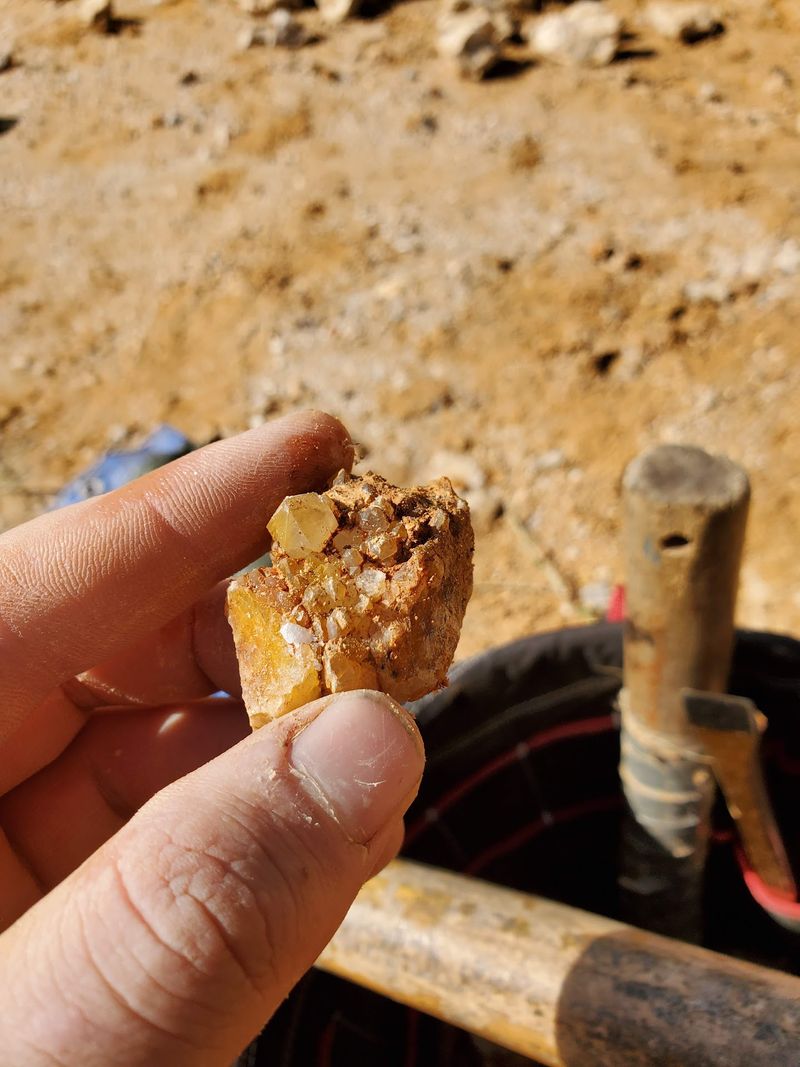
The adventure does not end when the digging stops. Visitors repeatedly report that they can keep what they find, turning the day’s discoveries into souvenirs with a personal story.
Confirm the current collecting rules when you check in, then follow any instructions about permitted areas and materials. Keeping finds should never mean removing property, tools, or anything outside the allowed activity.
Before packing, separate delicate crystal points from heavier rocks. Wrap fragile pieces in old towels or other soft material so they do not knock together during the ride.
A sturdy container helps contain dirt and keeps loose stones from rolling around the car. Avoid making buckets so heavy that a child cannot lift them safely.
At home, begin cleaning with water and a soft brush when appropriate. Do not use acids, bleach, or other strong cleaners without reliable guidance for the specific mineral.
Let each child choose a favorite piece for a small display. A handwritten label can include the date, a tentative mineral name, and a sentence about finding it.
Save a photo of the specimen before cleaning, too. Seeing the difference reminds kids how much detail was hidden beneath the dirt.
Those modest treasures can bring back the whole day, long after muddy shoes have finally dried again.
Check the Details Before Your Family Sets Out
A quick planning check can save your family a disappointing drive. The supplied business listing shows daily hours of 9 AM to 5 PM, but schedules can change.
Confirm opening times, admission prices, payment methods, and any weather restrictions before leaving. Use the official website, diamondhillmine.com, or call +1 864-934-3744 for current information.
Recent reviewers mention cash-only payment, so ask whether that still applies and bring a suitable backup. Avoid relying on an older review for exact prices or discounts.
Tell staff if you are visiting with young children or anyone who has mobility needs. Outdoor digging involves uneven ground, and your family should understand the conditions before making plans.
Check the forecast and prepare for dirt that may be dusty, wet, or muddy. Rain can change footing, while hot weather can shorten the time children comfortably spend outdoors.
Arriving earlier gives you more flexibility for breaks and exploring, but a full day is not required for enjoyment. Choose a realistic visit length based on your youngest or least energetic traveler.
Set expectations before the first shovel hits the ground. There is no promised haul, and leaving with small finds can still mean a successful day.
With practical preparation, curiosity gets more room to shine throughout the whole family adventure together.