An ice cream sundae comes with a hometown origin story inside a museum that also houses a replica parlor. I like the idea of pairing dessert with a little detective work, especially when the story involves chocolate sauce and a request that caught on.
Inside this Wisconsin landmark, the ice cream counter shares a building with local artifacts and an upstairs ballroom. Restored murals add another reason to look beyond the menu and give the museum more than a passing glance.
The parlor recreates an earlier business rather than claiming to be its original location. That distinction makes the experience more interesting to me, because preservation and storytelling work together here.
You can follow your curiosity through the exhibits and leave room for a treat. How much history can one ice cream stop hold?
Your Sundae Stop Comes With a Whole Museum
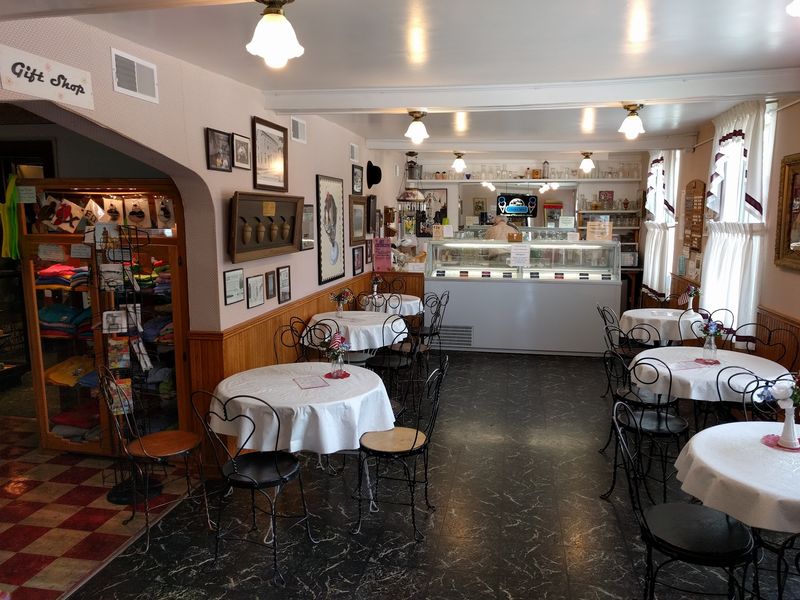
Dessert has an unusually good reason to share space with museum exhibits here. The Washington House Museum & Visitor Center combines local history with Berners’ Ice Cream Parlor in Two Rivers, Wisconsin.
The Two Rivers Historical Society operates the facility, which also serves as the city’s visitor center. That gives your stop several purposes without sending you to separate buildings or asking you to choose just one.
You can explore historical displays and make the parlor part of the same outing. I like that combination because a familiar treat gives you an easy starting point for learning something new.
Keep one useful distinction in mind before you arrive: the working parlor is a replica of Edward Berner’s earlier business. It commemorates the local sundae story, rather than occupying the original shop where that story began.
Give both sides of the building your attention instead of treating the museum as background scenery. Read the displays, follow whatever catches your interest, and check the available treats when you’re ready for dessert.
The appeal comes from that pairing of everyday pleasure and local memory. A spoon and a little curiosity make a surprisingly good team.
A Chocolate Sauce Request Still Gets People Talking
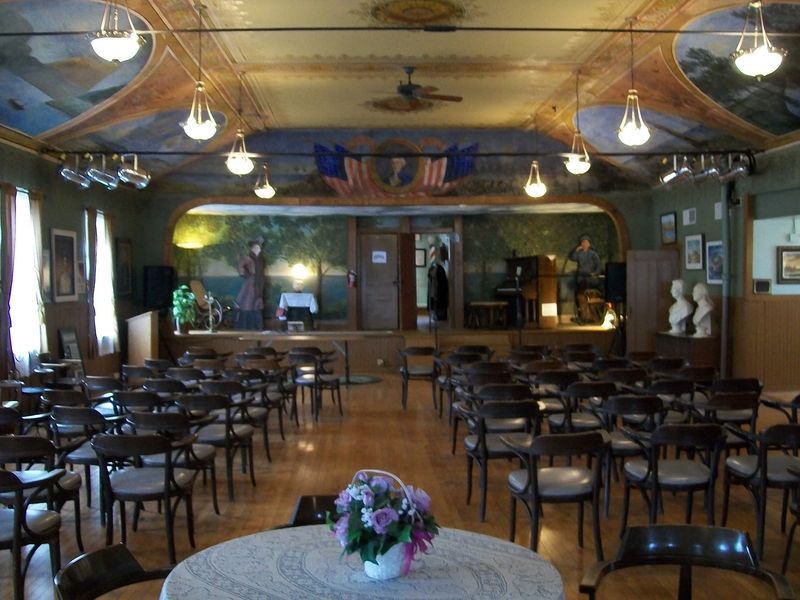
A request for chocolate sauce sits at the center of the story celebrated here. Two Rivers credits Edward Berner with creating the ice cream sundae in 1881, a claim the museum helps preserve.
According to the local account, George Hallauer asked Berner to put chocolate sauce over ice cream. The combination caught on, and its connection with Sunday became part of the dessert’s familiar origin tale.
It’s a cheerful story, but careful wording matters when you tell it afterward. Other communities also claim the sundae’s beginnings, so describe this as the Two Rivers account rather than an uncontested national fact.
That distinction doesn’t take away the fun of enjoying dessert where the local tradition receives such attention. It gives you a better question to explore: how does a simple food become part of a city’s identity?
Read the museum’s explanation before repeating the details from memory, especially the names and dates. The Washington House Museum & Visitor Center makes the story part of a broader look at community history.
I appreciate that a small request can lead to such a lasting conversation. Your next sundae might come with a better dinner-table story attached.
Let the Parlor Menu Make the Final Decision
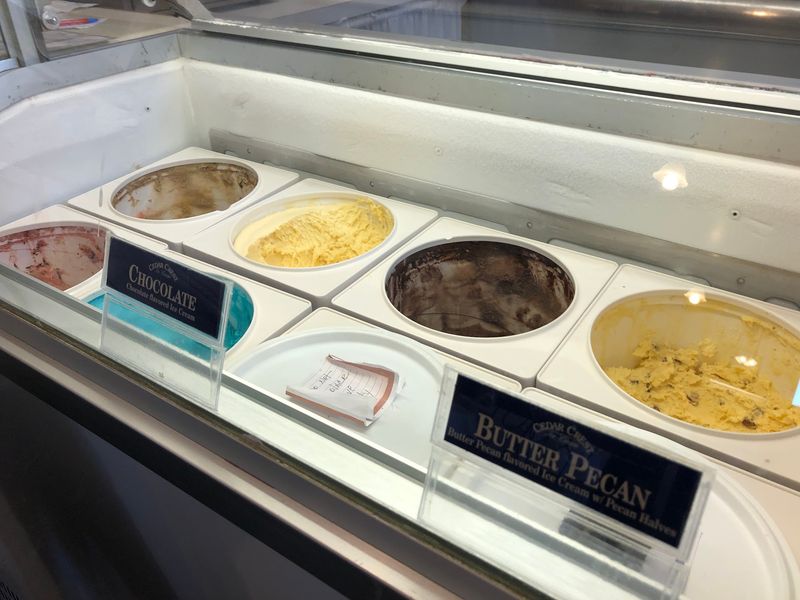
The history may bring you through the door, but the parlor still has a practical job. Berners’ Ice Cream Parlor serves ice cream treats and fountain service within the museum, keeping dessert part of the experience.
Check the menu when you arrive rather than building your plans around an older photograph or favorite flavor. Available choices can change, and a named sundae from a past season isn’t a promise for your visit.
Ask about ingredients before ordering if allergies or dietary needs affect your choice. A historical setting doesn’t answer modern food questions, and the person serving you is the right starting point for those details.
You also don’t need to turn the order into a test of historical accuracy. Pick something available that appeals to you, then enjoy how the parlor connects a present-day treat with an earlier local business.
I like keeping the food expectations simple here: check the selection, ask useful questions, and leave room for exploration. Avoid assuming portion sizes, toppings, or payment methods before you’ve confirmed them.
The museum supplies the backstory, while the day’s menu handles the dessert decision. That’s a sensible division of labor for a sweet afternoon.
The Building Had a Life Before the Ice Cream Counter
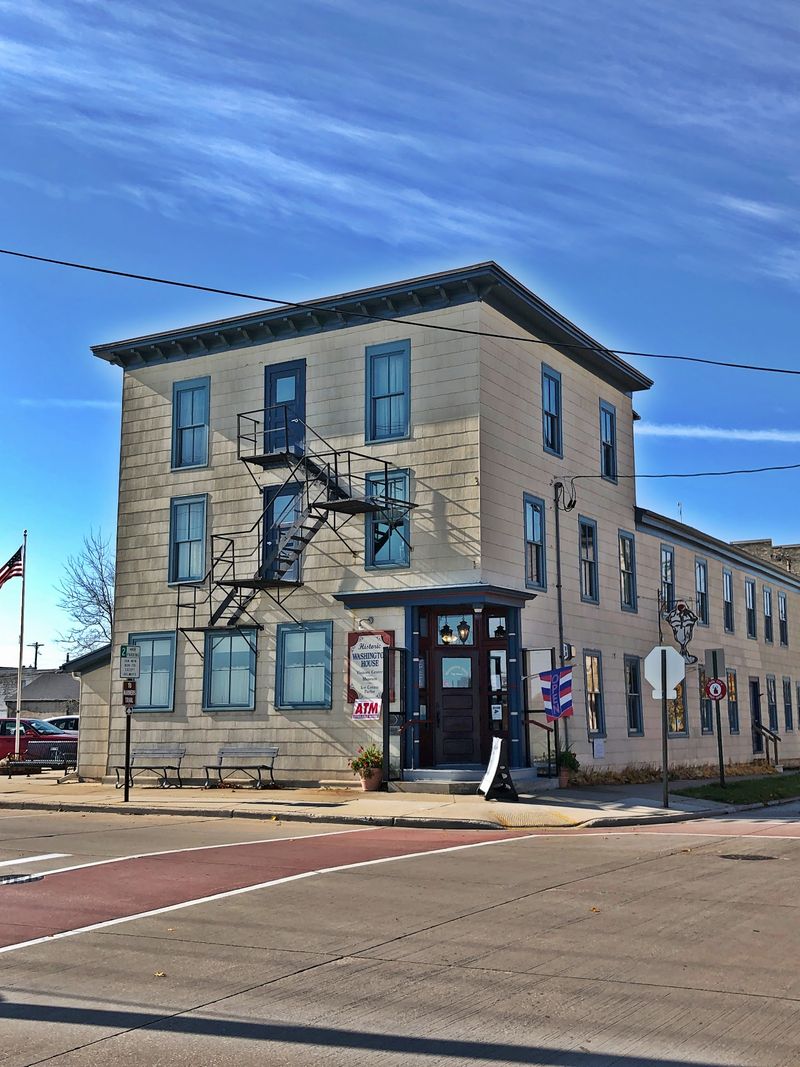
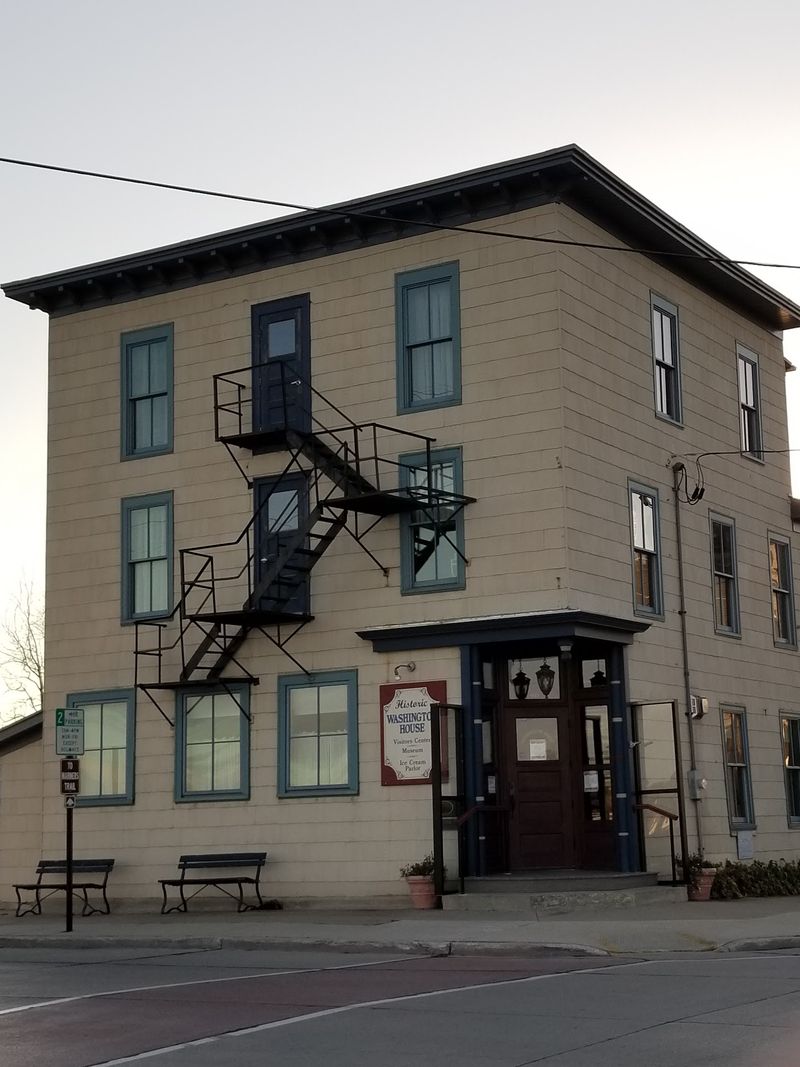
Long before its museum role, the Washington House welcomed travelers as an immigrant hotel. Built in 1850, the three-story building gives the exhibits a historical setting that belongs to the community’s own story.
That background changes how you might approach a visit, even without knowing every detail of its past. You’re exploring a building with an earlier purpose, not simply a modern room filled with old objects.
The Washington House Museum & Visitor Center preserves local history inside that former hotel. Its place on the National Register of Historic Places adds another reason to pay attention to the building itself.
Let the exhibits guide your understanding of how its uses changed over time. Avoid guessing what each room once held unless a sign or knowledgeable museum representative explains that part of the history.
A useful approach is to notice both the collection and the spaces that contain it. Ask yourself how a hotel became a place for sharing community memories.
You don’t need an architecture vocabulary to appreciate the connection between a building and its changing purpose. In Wisconsin, this address offers a particularly appealing example, with an ice cream parlor joining the conversation.
Save Some Curiosity for the Upstairs Ballroom
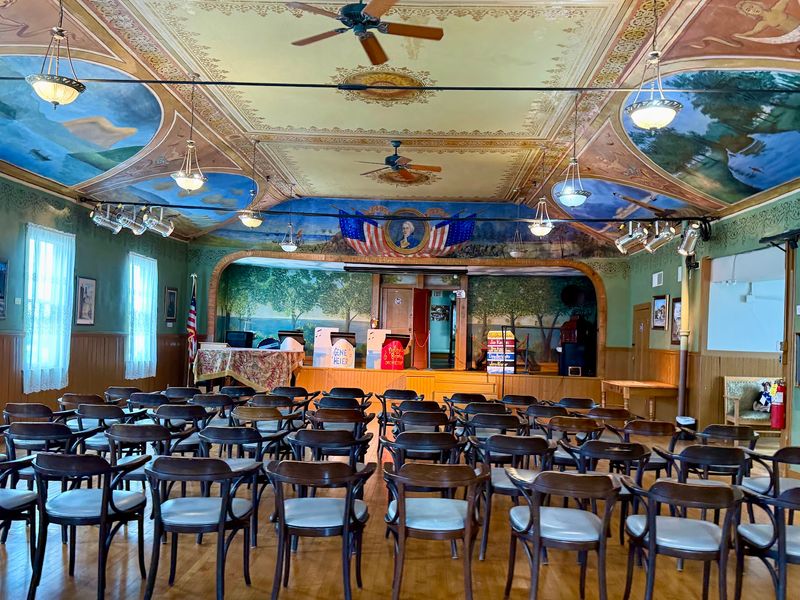
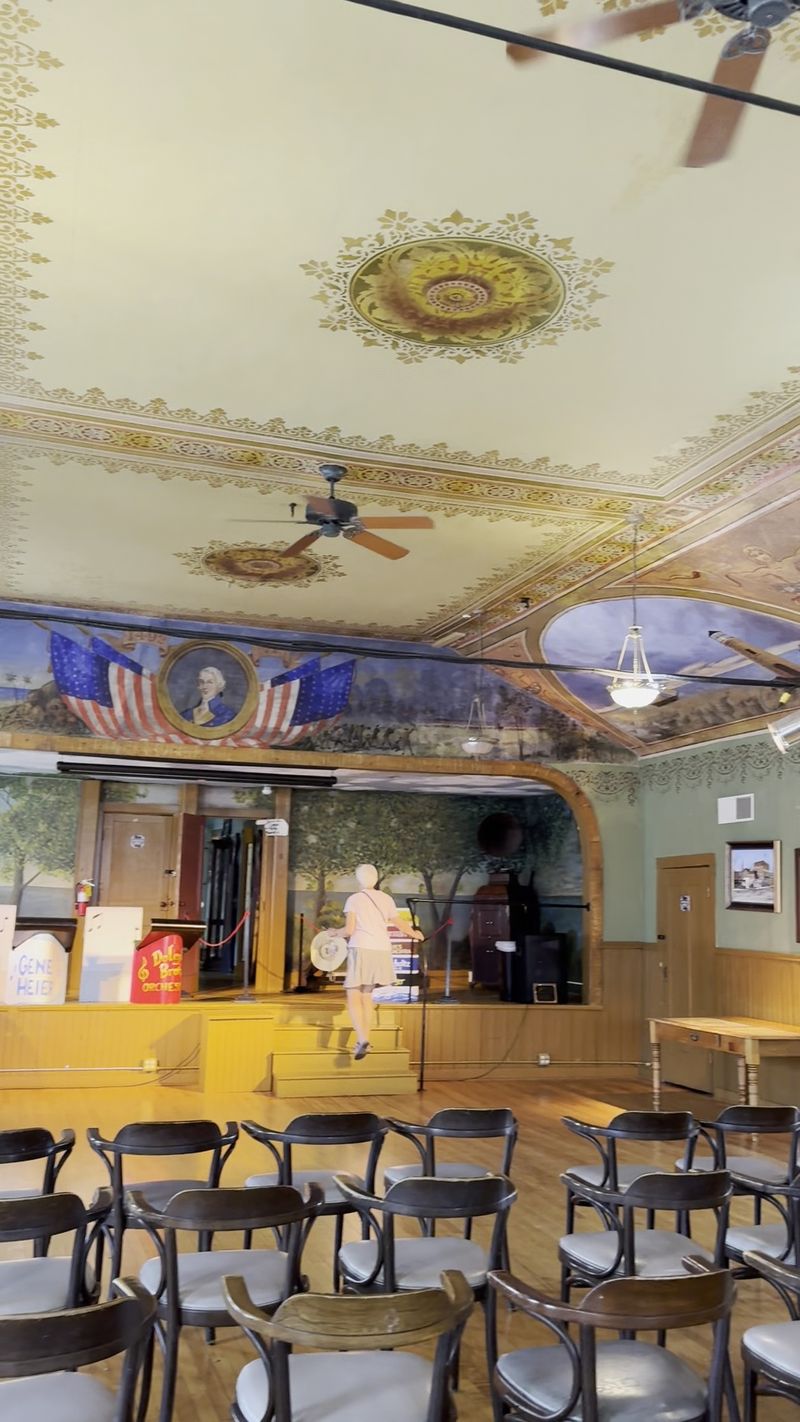
Looking beyond the parlor leads to one of the building’s most distinctive historical features. An upstairs ballroom contains restored murals added in 1906, offering another layer of the Washington House story.
The paintings illustrate Wisconsin life from that era, giving you something different from a case of artifacts. Instead of focusing only on individual objects, you can consider how images helped shape a shared gathering space.
Take time to read any accompanying explanations before deciding what a scene represents. Historical artwork often rewards a second look, especially when a label supplies context that isn’t obvious from the picture alone.
Because the ballroom is upstairs, ask about access before planning your visit around it. Don’t assume elevator availability or a particular route through a historic building without checking directly with the museum.
I would put the murals high on a curiosity list, while leaving their details for the exhibits to explain. Their date connects them to a different chapter than the hotel’s construction or the sundae story.
That makes the ballroom a worthwhile change of focus during your visit. Dessert may start the outing, but a restored painting can give you another reason to remember it.
Small Objects Can Open Surprisingly Big Conversations
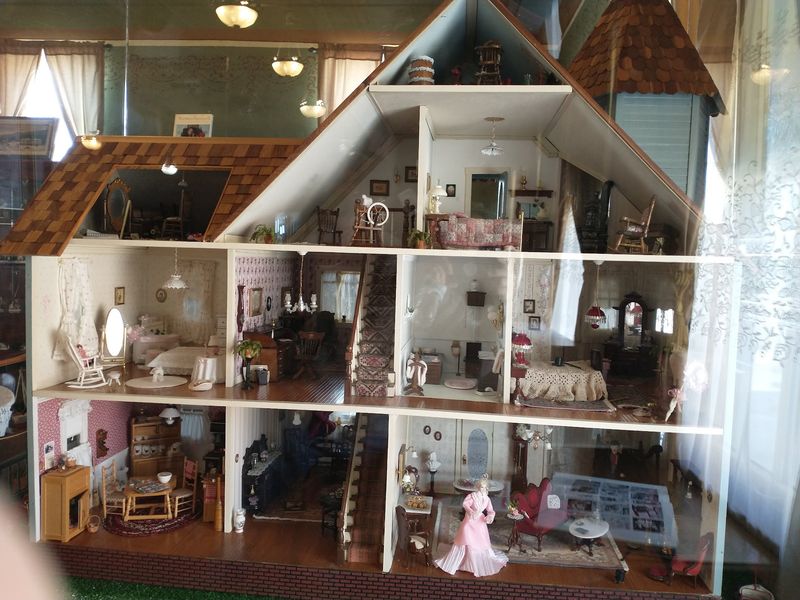
A dollhouse gives your attention somewhere very different to land after the ballroom murals. The museum’s collections include a Victorian dollhouse and antique toys, alongside other local artifacts and historical displays.
Those smaller objects offer an approachable way to talk about the past with younger companions. A toy can prompt questions about play, materials, and daily life without requiring anyone to memorize a long timeline.
Try choosing one object each and explaining what made you notice it. You might focus on its purpose, its design, or a detail in the label that connects it with another exhibit.
Keep the discussion grounded in what the museum actually tells you about the item. An old-looking object doesn’t automatically reveal its age, owner, or story, and guessing can send the conversation in the wrong direction.
Follow posted handling rules and treat displays as things to observe unless an exhibit clearly invites interaction. The Washington House Museum & Visitor Center offers plenty of reasons to practice close looking.
I like the simple challenge of finding one detail worth sharing afterward. It gives children and adults a common task, without turning a relaxed museum visit into a school assignment.
You Can Follow Your Own Trail Through Local History
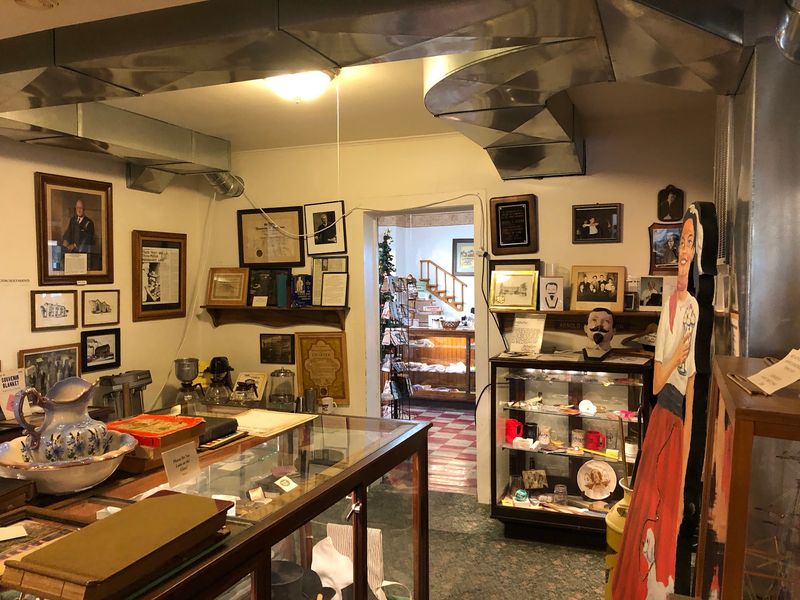
No single exhibit has to decide the shape of your entire visit. The museum offers self-guided exploration, with local antiques, artifacts, and memorabilia spread through several rooms of the historic building.
That format lets you spend more attention on the subjects that interest you most. Read closely where something catches your eye, then move along when you’re ready to explore another part of the collection.
Start with a small goal rather than trying to absorb every label in one pass. You could look for an unfamiliar object, a useful date, and one detail that connects with the sundae story.
Give yourself permission to change that plan as the displays introduce new subjects. Local museums can make ordinary things worth examining because their labels connect objects with particular people, places, and uses.
Ask questions when help is available, but don’t assume a guided tour accompanies every visit. A self-guided museum works best when you let the exhibits set the facts and your curiosity set the pace.
There is no prize for finishing first or remembering the longest list of dates. Leaving with a few clear discoveries is a perfectly satisfying result for an afternoon of exploration.
Free Admission Leaves Room for a Thoughtful Visit
Admission to the museum is free, and donations are appreciated. That makes the historical displays accessible without an entry charge, while giving you the option to support the work behind them.
Keep museum admission separate from your plans to buy something at the ice cream parlor. Free entry doesn’t mean every part of the outing is included, so check the menu before making your order.
The Two Rivers Historical Society operates the Washington House Museum & Visitor Center. Supporting a place like this can help sustain the sharing of local history, though you should choose an amount that suits you.
A free museum also allows a flexible approach when your group has different interests. One person may care most about the murals, while another wants to understand the story behind the sundae.
Before taking photographs, look for posted rules or ask about any restrictions that apply to particular exhibits. Respecting the collection matters just as much as enjoying it.
I appreciate an outing where curiosity doesn’t come with a museum admission bill. You can make the visit meaningful by paying attention, asking good questions, and considering a donation rather than simply rushing through the rooms.
A Little Planning Keeps the Time Travel on Track
Even a wonderfully old-fashioned outing needs one thoroughly modern step: checking the schedule. The museum uses seasonal hours, so confirm the opening days for your intended date before heading over.
Set your destination to The Washington House Museum & Visitor Center at 1622 Jefferson St, Two Rivers, WI 54241, United States. Using the full address helps distinguish the museum from other places with similar names.
Check the museum’s own announcements for seasonal changes, special events, and unexpected schedule updates. Don’t rely on a saved screenshot or assume that summer opening days continue through the colder months.
Ask ahead about access needs, available exhibit areas, and payment options if those details affect your plans. The building’s historic character makes it especially useful to confirm practical arrangements rather than filling gaps with assumptions.
Leave enough flexibility to enjoy both the displays and the parlor without setting an invented minimum visit time. Your pace depends on what interests you and which areas are available that day.
Once the practical questions are answered, the appealing part is simple: local history and an ice cream treat share one address. That’s a good reason to keep your afternoon open to discovery.