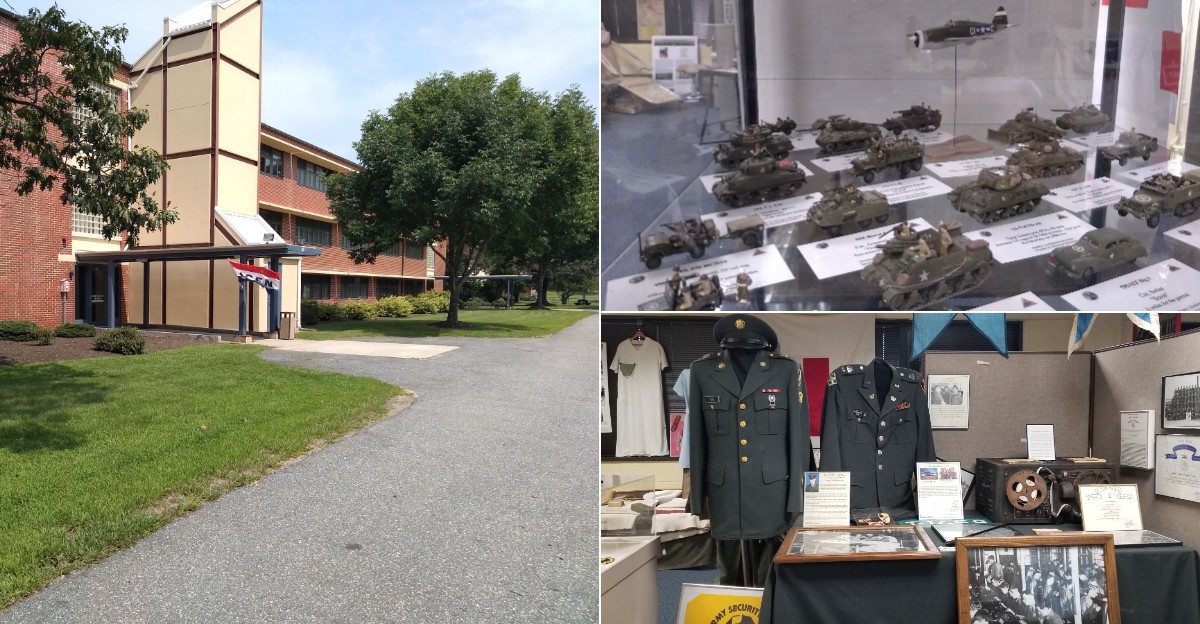
The U.S. Army once bought land from 112 different owners, all at once, to build a single training camp.
Those owners held 230 separate parcels spread across four neighboring towns.
Farms, fields, and family land in central Massachusetts suddenly became drill grounds for young soldiers. I really can’t imagine getting that letter in the mail and watching my backyard turn into barracks.
That camp grew into one of the biggest Army posts in New England. Today, a small volunteer-run museum keeps its story proudly alive, and it doesn’t charge a single cent to get in.
I love that the memories here came from real people, like letters, uniforms, and snapshots saved in family attics. So how does a quiet corner of farmland become a place thousands of soldiers called home?
Four Towns Gave Up Land So One Giant Camp Could Rise
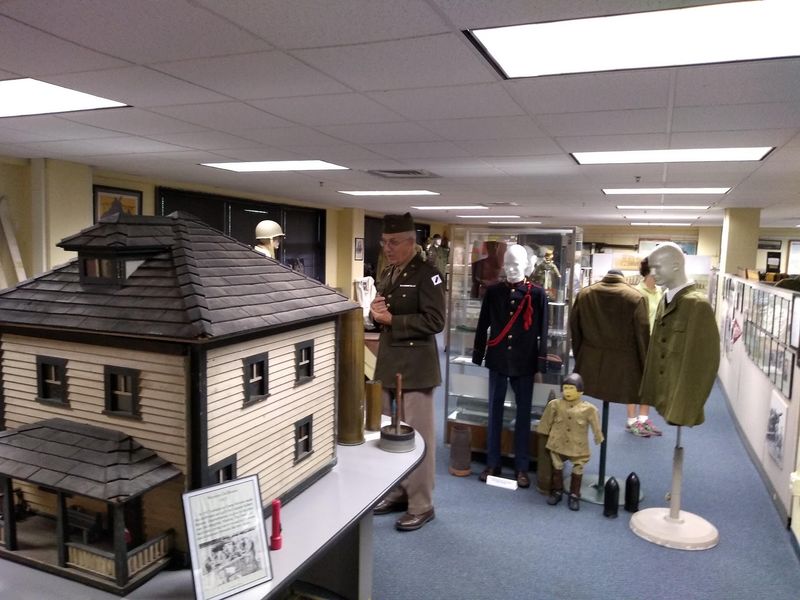
Talk about a big undertaking. In 1917, the Army acquired thousands of acres from 112 landowners across Ayer, Harvard, Lancaster, and Shirley.
The land consisted of 230 separate parcels, which were brought together to create one enormous training ground. The new site became Camp Devens, established to prepare soldiers for service overseas during World War I.
The Fort Devens Museum preserves the history of the camp and the people connected to it. Incorporated as a nonprofit in 2000, the museum is dedicated to preserving the stories of those who served here from 1917 onward.
So, did an entire town literally pack up and move? Not quite, but the creation of the camp transformed a large area of central Massachusetts.
Farmland and rural roads gave way to military buildings, camp roads, and training grounds. Communities that had once been largely agricultural found themselves next to a military installation filled with thousands of recruits.
The museum brings this history to life, showing how the acquisition of the land marked the beginning of a much larger story about military service, families, and community.
Keep that history in mind as you explore the exhibits. The uniforms, photographs, and personal artifacts help tell the story of the people connected to Camp Devens and the land on which it was built.
The Camp’s Name Has A Proud Hometown Connection
Ready for a trivia win at your next family dinner? The camp took its name from Charles Devens, a Massachusetts native and later U.S.
Attorney General.
He also served as a judge on the state’s highest court. Naming a brand-new camp after a homegrown leader was a nice nod to local roots.
Camp Devens started as a temporary cantonment, which is a fancy word for a camp of quick-built housing. It wasn’t meant to last forever, yet it kept proving useful.
In 1931, the Army made it permanent and renamed it Fort Devens. That upgrade turned a rushed WWI camp into a lasting post for generations of service members.
The Fort Devens Museum covers this whole stretch, from the earliest days through the present. You’ll see how a single name stuck around for more than a century.
I believe names matter more than we think. When a place carries a person’s name, it invites you to ask who they were and why they counted.
Ask the volunteers about the name if you’re curious. Asking questions is half the fun, and these history keepers exist to share what they know.
Free Admission Means Your Wallet Gets The Day Off
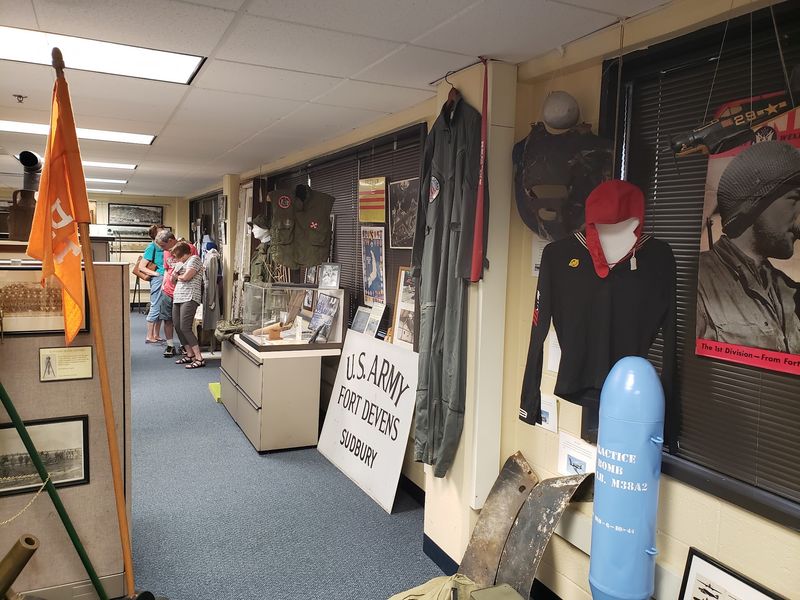
Good news for budget planners: the Fort Devens Museum charges nothing at the door. Free admission makes this an easy add-on to any central Massachusetts day trip.
That said, the museum runs as a nonprofit, so donations help keep the lights on. Tossing a few dollars in feels like a fair trade for a century of stories.
Hours are limited, so plan ahead. Doors open Tuesdays and Fridays from 10 a.m. to 3 p.m., plus the third Saturday of each month.
Weekend visitors, mark that third Saturday on the calendar right now. It’s your best shot if weekday schedules are packed with school, work, or soccer practice.
One smart tip is to arrive early rather than late in the day. Closing time comes at 3 p.m., and you’ll want room to linger without rushing.
Checking for schedule changes before you leave home is also wise. Volunteer-run spots sometimes shift hours around holidays or special events.
I love that history this personal doesn’t come with a ticket booth. Kids, grandparents, and curious teens can all wander in without anyone pulling out a credit card.
Bring questions instead of cash. They’ll go much further here.
Old Letters And Snapshots Make History Feel Personal
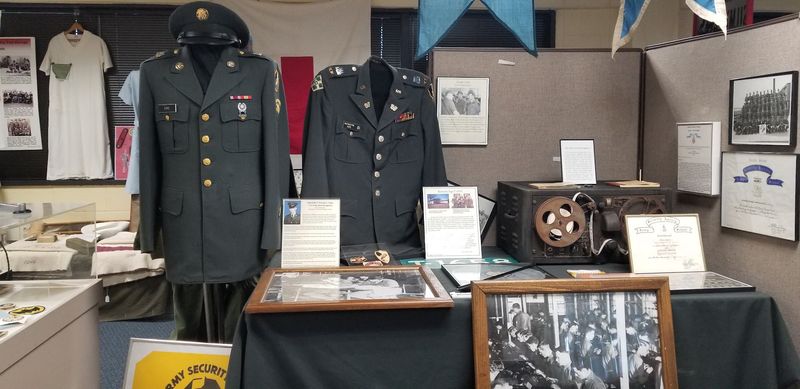
A faded letter home can say more than any textbook chapter. The museum’s collection includes letters, photographs, and documents tied to people who lived and served at the base.
Reading someone’s actual words hits differently than reading a summary. You start noticing small things, like handwriting, word choices, and everyday worries.
Photographs do their own kind of storytelling. Old photos help you see how this land changed after 1917, one snapshot at a time.
Pieces like these often come from families who wanted their loved ones remembered. The museum serves as the main home for the history of Fort Devens and today’s Devens Reserve Forces Training Area.
I can’t imagine a better way to keep memories safe than putting them where people can see them. A shoebox in an attic protects a photo, but a museum shares it.
Got family ties to the base? Consider asking the volunteers whether they’d welcome photos or items connected to Camp Devens or Fort Devens.
Your grandfather’s camp photo might fill a gap nobody knew existed. That’s a pretty cool legacy for a picture that’s been sitting in a drawer.
Uniforms And Gear Show How Soldier Life Changed Over Time
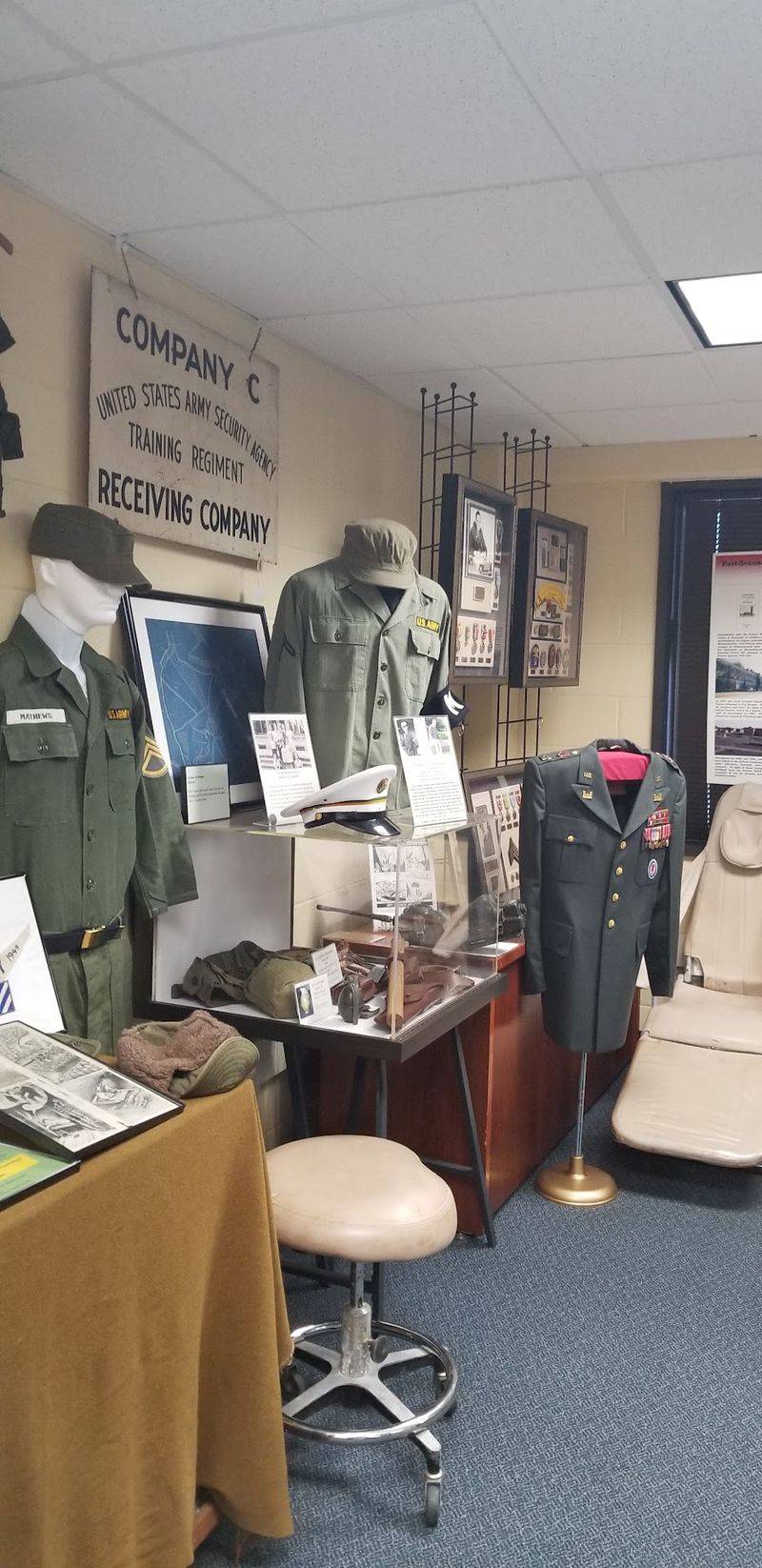
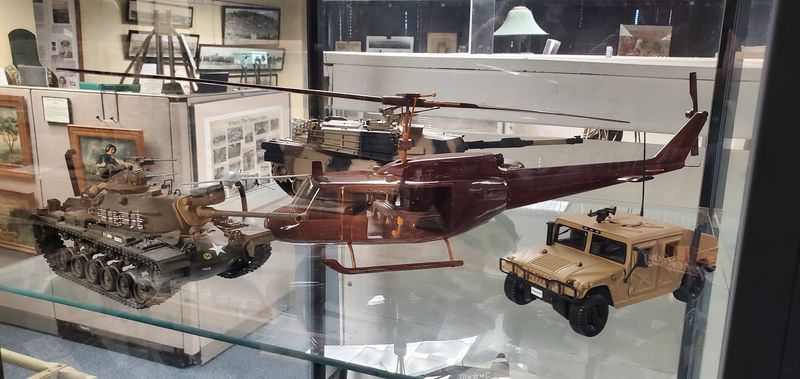
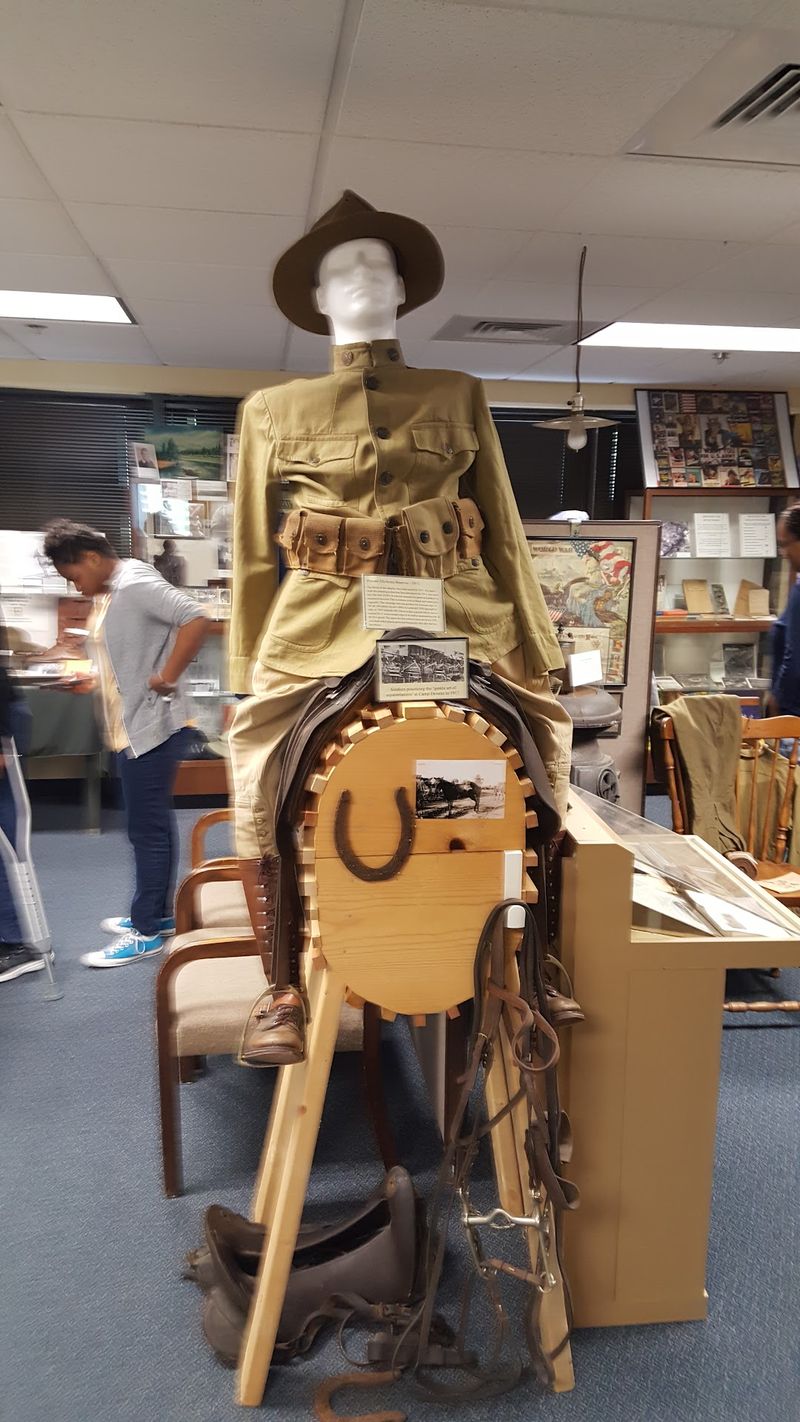
Clothing tells on us, and military uniforms are no exception. The Fort Devens Museum displays uniforms and equipment that trace how service members dressed and worked across the decades.
Comparing items from different eras is surprisingly fun. Styles, materials, and gear shifted a lot between 1917 and today, and seeing them in person makes those changes obvious.
Younger visitors may find this part the most exciting. It’s one thing to hear about soldiers, and another to stand near the actual gear they used.
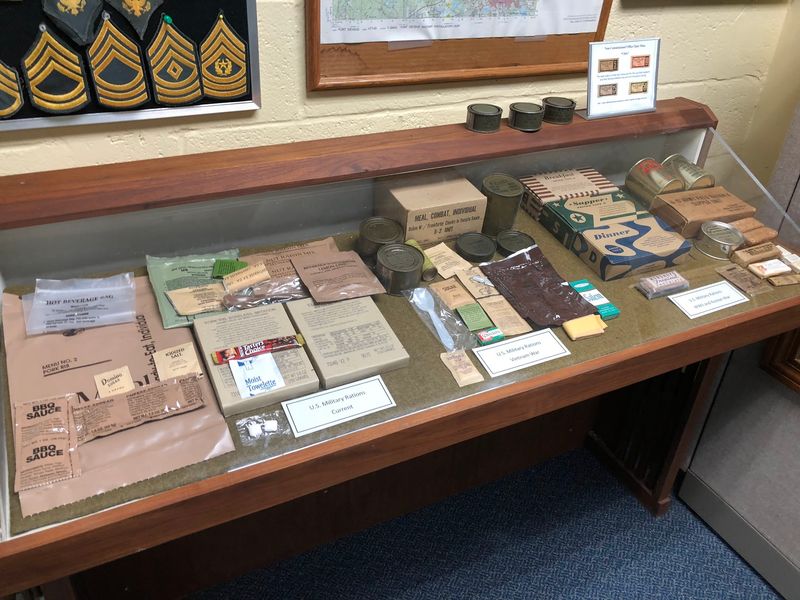
Personal artifacts round out the displays nicely. Small objects carried by real people add a human touch that big equipment sometimes misses.
Try turning the visit into a game. Challenge your crew to spot the oldest item, the newest item, and the one with the best backstory.
I believe hands-on curiosity beats memorizing dates every time. When a young visitor asks why a uniform looks a certain way, real learning starts.
Volunteers can often help fill in those details. Don’t be shy about asking what an object was used for or who might have worn it.
Every piece here connects back to this one Massachusetts post. That local link makes the gear feel less like a display and more like a neighbor’s story.
Find It On The Third Floor Of A Former Base Building
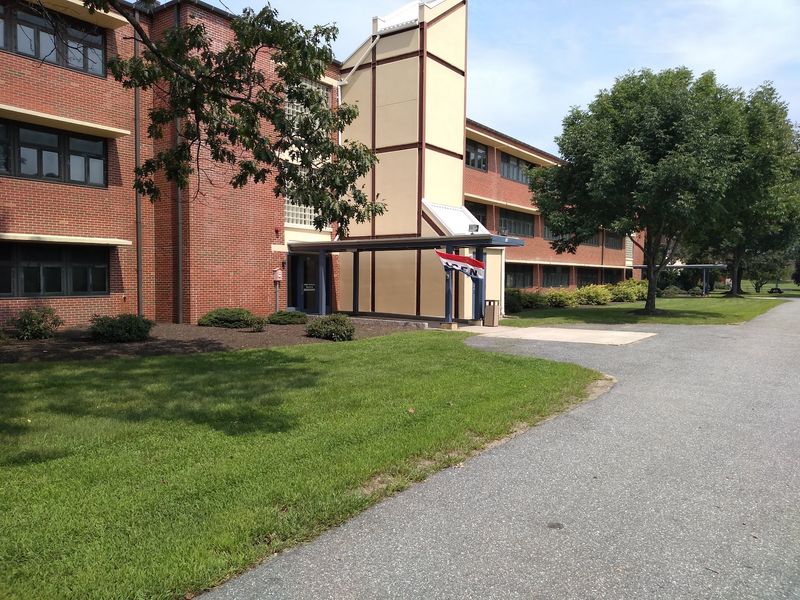
Directions first, because you’ll need them. The museum sits at 94 Jackson Road, Suite 305, Devens, MA 01434, inside an office building on the former base grounds.
Suite 305 is up on the third floor, and an elevator helps with the climb. Parking is right out front, which makes the arrival pretty painless.
Devens itself is an interesting place to visit. The old Army land is now a regional enterprise zone, managed by MassDevelopment, with businesses and homes sharing the space.
Military activity hasn’t disappeared, though. The Devens Reserve Forces Training Area still operates as an active U.S.
Army Reserve installation nearby.
That mix of old and new gives the area a layered feel. One street might hold a modern office, while another hints at decades of Army routine.
I like how the museum stays rooted right where the story happened. Learning about the base while standing on its former grounds adds a real sense of place.
Plug the address into your GPS before you head out, since office parks can feel like mazes. Once you spot Jackson Road, you’re basically home free and ready to explore.
Miniature Game Day Brings Tiny Armies To The Table
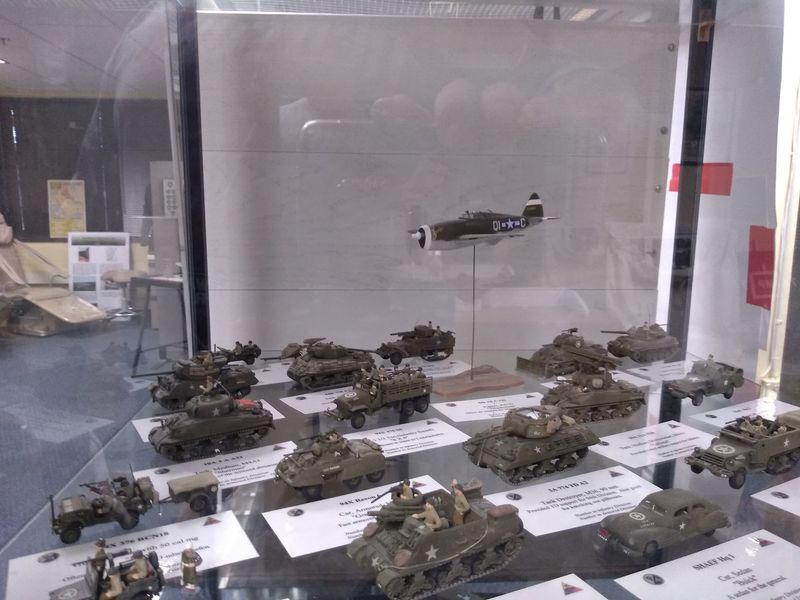
Not every museum event involves quiet whispering and polite nodding. The Fort Devens Museum hosts an annual Miniature Game Day, where history meets tabletop strategy.
Miniature gaming uses small painted figures to recreate battles and scenarios on detailed boards. It’s a hobby that rewards patience, planning, and a steady painting hand.
For families, this event can be a sneaky way to make history click. Kids who yawn at timelines might perk up when they’re moving pieces across a map.
I love when a museum embraces hobbies like this. It shows that learning about the past can be playful, social, and genuinely creative.
Event details can change from year to year, so check the museum’s announcements before planning around it. Dates and formats are worth confirming ahead of time.
Beyond game day, the museum offers other public programs throughout the year. These events give people more reasons to return after their first visit.
Hobbyists will likely enjoy meeting people who share their interests. Curious beginners can watch, ask questions, and maybe catch the bug themselves.
Who knew tiny figures could teach such big lessons? Leave room on your shelf, because a new hobby might follow you home.
The Story Keeps Going Long After 1917
Plenty of history museums freeze at one moment, but this one keeps the timeline rolling. Its mission covers the men and women who served at the post from 1917 to the present.
That long view matters here. Fort Devens served the Army for decades before closing as an active base in 1996.
The closing didn’t end the military story, though. The Devens Reserve Forces Training Area continues the tradition as an active Army Reserve site today.
For many Massachusetts families, the base wasn’t just a place on a map. Parents, grandparents, and neighbors may have trained, worked, or lived there over the years.
That’s why the museum feels so connected to the surrounding communities. Ayer, Harvard, Lancaster, and Shirley all share pieces of this long story.
I believe the best local history spans generations instead of single headlines. A grandparent and grandchild can visit together and each find a chapter that speaks to them.
Ask relatives whether anyone in your family has a Devens connection before you go. You might uncover a surprise that turns the trip into a personal mission.
Some stories just need the right question. This museum is happy to supply the backdrop.
Volunteers Keep This Whole Operation Marching Forward
Behind every great small museum stands a crew of dedicated people giving their time. The Fort Devens Museum runs as a nonprofit, powered largely by volunteers who care about preserving the base’s legacy.
That kind of commitment deserves a shout-out. Collecting, cataloging, and caring for artifacts takes steady work that rarely makes headlines.
You can support them in simple ways. Donations, spreading the word, or sharing family items connected to the base all help the mission continue.
Want to get more involved? Many history groups welcome helpers for events, research, or greeting visitors, so asking about opportunities never hurts.
I like that this museum exists because people decided the story mattered. Their effort turns scattered keepsakes into a shared community memory.
Respect their time by planning your visit within open hours. Showing up a few minutes before closing leaves little room for questions or exploring.
A thank-you goes a long way too. Small museums thrive on goodwill, and a kind word reminds volunteers their effort reaches real people.
Think of your visit as joining the effort, not just watching it. Every guest helps prove that Massachusetts history like this is worth keeping.
Make A Day Of It With Central Massachusetts Wanderings
One museum stop can easily become a full afternoon outing. The Fort Devens Museum keeps short hours, so pairing it with nearby wandering makes smart sense.
Start with the museum while the doors are open, then explore afterward. That order keeps you from racing the 3 p.m. closing time.
The neighboring towns of Ayer, Harvard, Lancaster, and Shirley all played roles in the base’s creation. Driving through them adds context to the land story you just learned.
Devens also has outdoor spaces worth exploring, including Mirror Lake. A walk there offers a calm break after an hour of absorbing history.
Pack snacks and water for the drive, especially with kids in the car. Hungry passengers rarely appreciate historical context, no matter how fascinating.
I believe the best day trips mix learning with a little freedom. Let everyone pick one stop, and suddenly the whole crew feels invested.
Fall can be an especially pretty time to visit this part of Massachusetts. Colorful leaves make even a simple drive feel like a bonus attraction.
Whatever season you choose, give this place a spot on your list. A century of stories is waiting on the third floor, free for the taking.