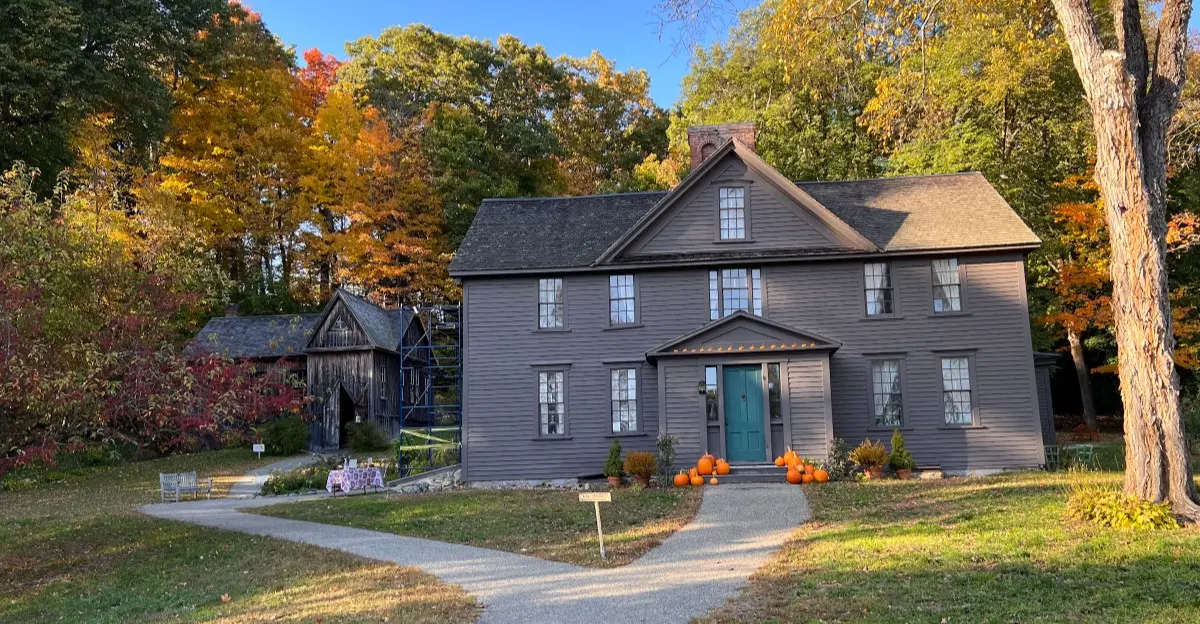
A famous American novel was finished in about three months at a desk shaped like a half-moon. A dad built that desk for his daughter, and it still sits in her bedroom.
Kids can stand a few feet from it today.
The author was a young woman with three sisters, a busy mind, and big dreams. She turned her real family into characters that millions of readers still love.
The rooms where they lived are mostly filled with their own belongings.
I like how this Massachusetts home makes a classic book feel close enough to touch.
Paintings by the youngest sister still cover parts of the walls. A soapstone sink she helped pay for sits in the kitchen.
It is a great way to show kids that great stories start at home.
The Tiny Desk Behind A Very Big Book
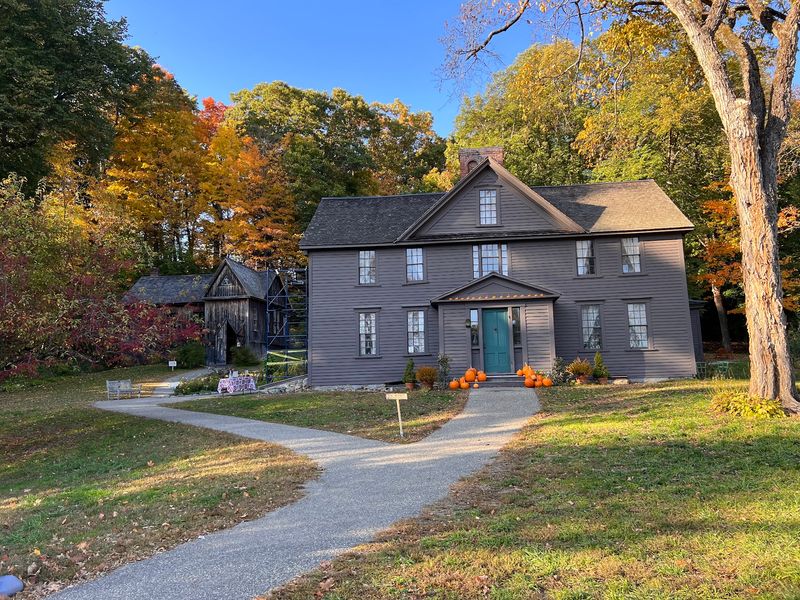
A father with a hammer and a good idea made literary history. Amos Bronson Alcott built a curved shelf desk for his daughter Louisa, right in her bedroom at Louisa May Alcott’s Orchard House.
That desk is where she wrote Little Women in 1868. She finished the book in roughly three months, which sounds wild to any kid who struggles with a book report.
The desk is often called a half-moon desk because of its shape. It’s simple, small, and wonderfully plain, which is exactly the point.
You don’t need a fancy office to write something people still read over 150 years later.
Kids usually expect a famous writer to have a grand library. Seeing a homemade shelf instead can spark a fun talk about what really makes a writer.
Hint: it’s mostly stubbornness and a stack of paper.
Before your visit, try reading a chapter or two together. Then ask your kids to imagine Louisa scribbling at that exact spot.
It turns a museum stop into a real connection.
Bring a little notebook too. Your young author may want to start a story the minute you leave.
Meet The Real Family Behind Meg, Jo, Beth, And Amy
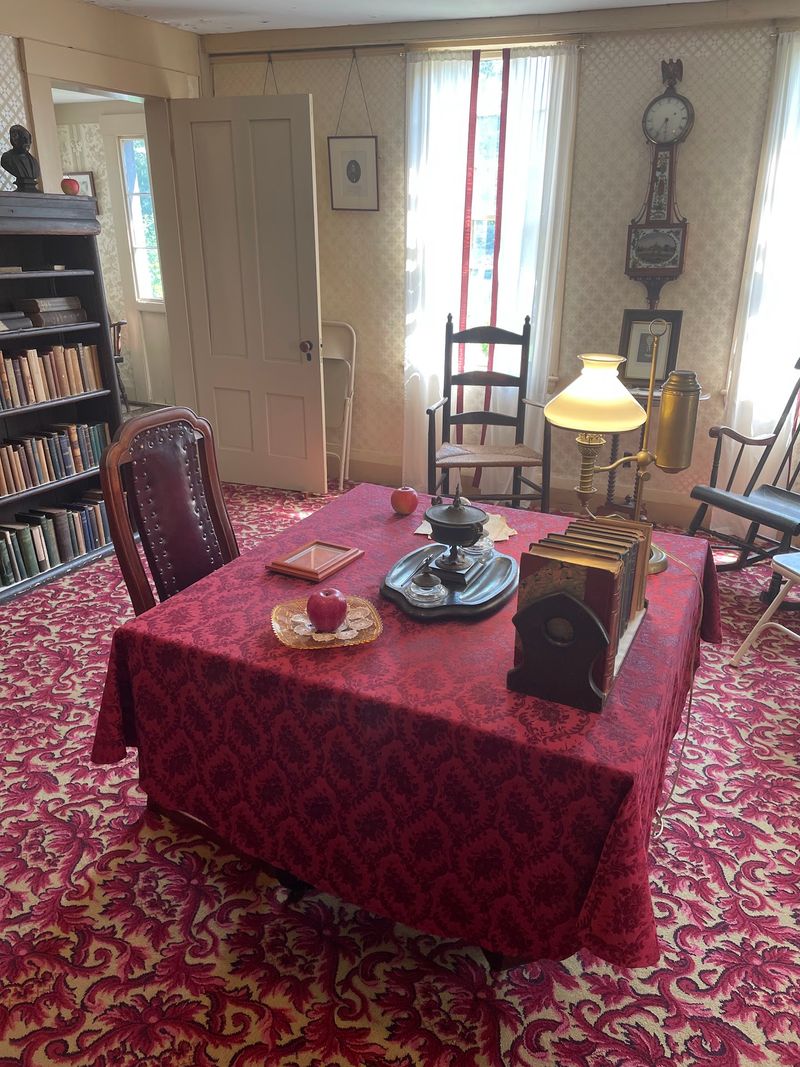
Jo March was basically Louisa wearing a costume. The characters in Little Women came from Louisa’s own family and the life they shared in this house.
The Alcotts lived here from 1858 to 1877. That’s nearly twenty years of birthdays, chores, plays, and plenty of sibling drama.
Sound familiar?
On the guided tour, kids meet each family member through their belongings and accomplishments. Guides explain how real people became the fictional sisters and their beloved Marmee.
Youngest sister May, for example, became the artistic Amy in the book.
This is a great moment for siblings visiting together. Ask your kids which Alcott sister they’d be.
You might get an honest answer that surprises everyone.
The tour also shows that the family valued learning in big ways. Their father encouraged his daughters to think, write, and create freely.
In the 1800s, that was not how most girls were raised.
Kids who love the book will spot connections everywhere. Kids who haven’t read it yet may leave wanting to start.
Either way, the March sisters stop feeling like strangers on a page and start feeling like neighbors.
Wait Until Your Kids See The Owl On The Wall
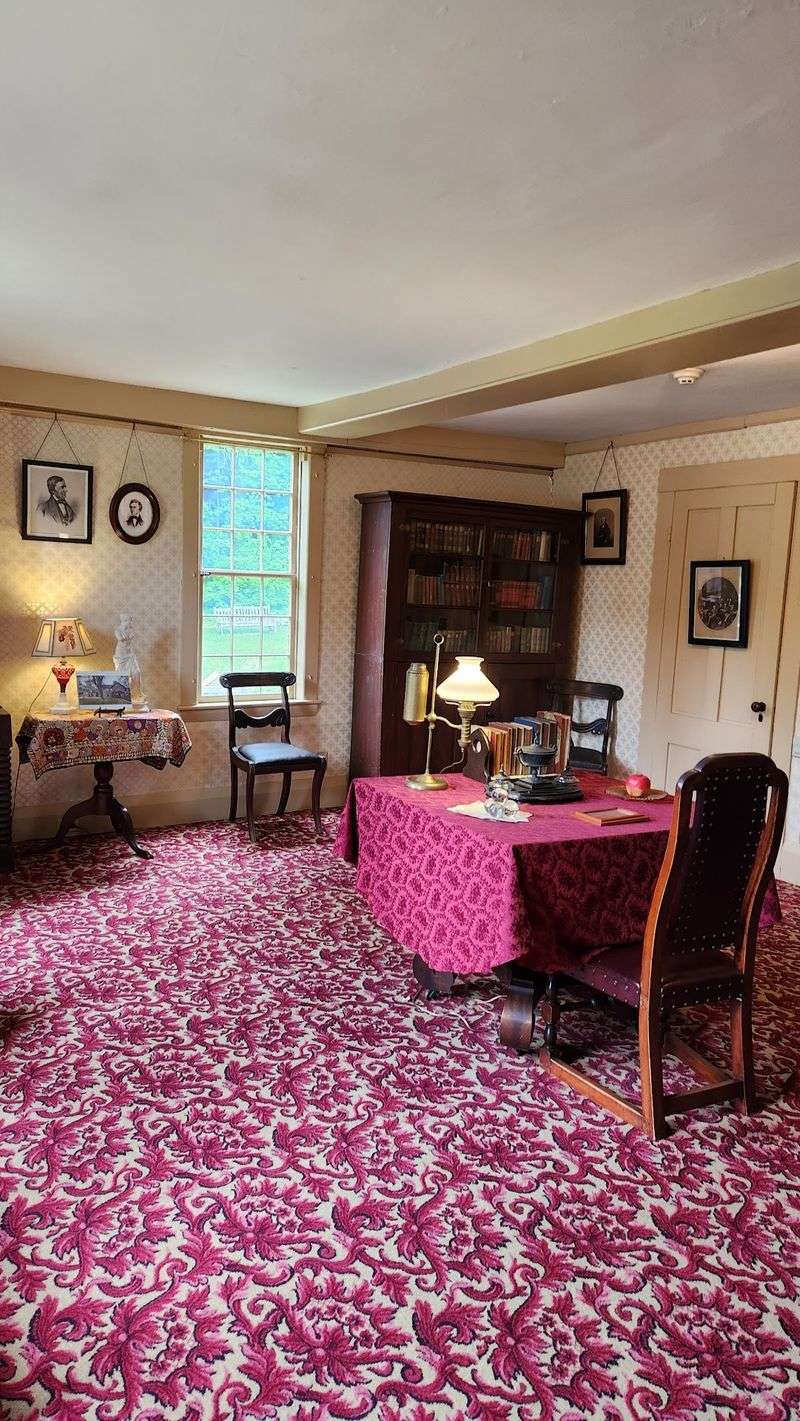
Drawing on the walls usually gets kids in trouble. In May Alcott’s bedroom, it became part of history.
May was the youngest Alcott sister and a talented artist. Her room still shows her paintings right on the walls, including calla lilies and an owl.
Her drawings also appear in other spots around the house.
Young artists will love this room most. It proves that creativity can show up anywhere, even on plaster.
Just maybe don’t let them test that idea at home.
May grew into a serious, accomplished artist. Her framed work hangs in several rooms throughout Louisa May Alcott’s Orchard House.
Her early sketches sit beside her later pieces, showing how practice paid off.
Here’s a fun idea for families. After the visit, give your kids a sketchbook and ask them to draw their own bedroom walls.
What animal or flower would they paint? The answers can say a lot about them.
May’s room also helps kids see Amy March in a new way. The character who wanted to be an artist was inspired by a real girl who actually became one.
That’s a pretty cool plot twist.
Most Of What You’ll See Actually Belonged To The Alcotts
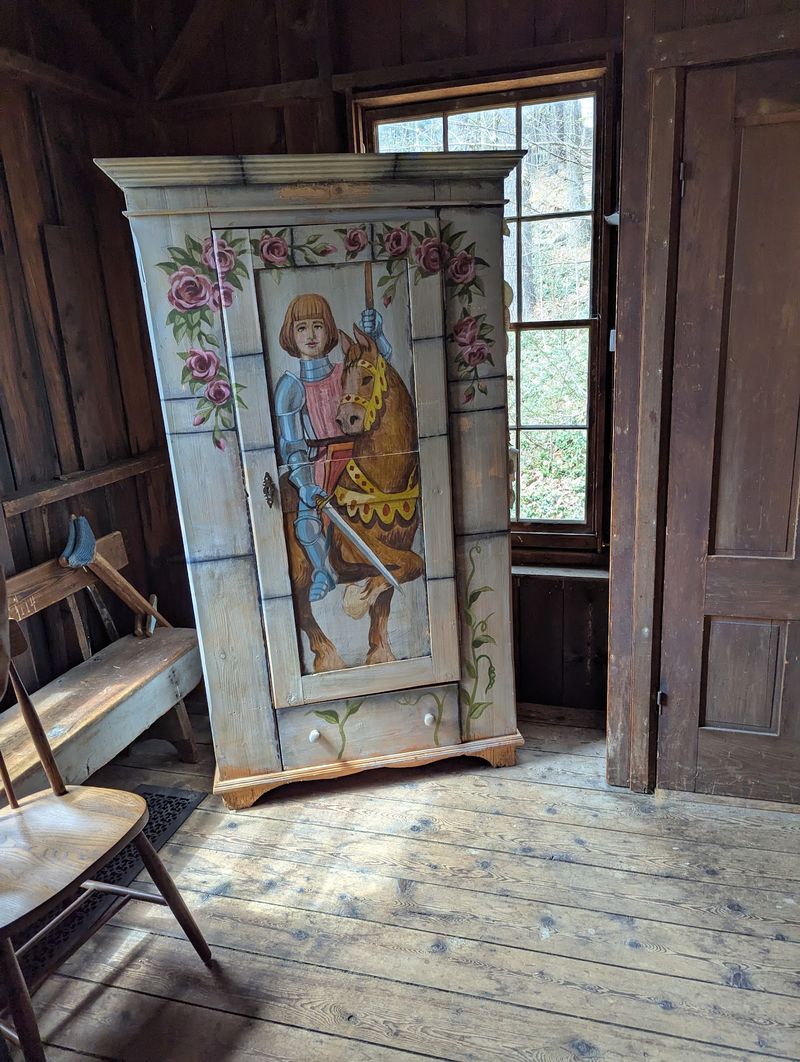
Roughly 75 to 80 percent of the furnishings inside are original to the Alcott family. That’s a huge number for a house this old.
Many historic homes fill their rooms with items that only look the right age. Here, kids are seeing chairs, books, and treasures the Alcotts really used.
That makes a difference you can feel.
The house has also had no major structural changes since the family lived here. So the layout looks much as it did in their time.
The original structure dates back to somewhere between about 1650 and 1720.
The tour moves through the kitchen, dining room, parlor, Bronson’s study, the parents’ bedroom, Louisa’s room, and May’s room. Each space adds another piece to the family story.
A friendly heads-up for parents: photos aren’t allowed inside. That actually works in your favor with kids.
Without screens, everyone looks closer and listens better.
Encourage kids to pick one object to remember from each room. Later, they can sketch or describe it.
It’s a clever memory game that also sneaks in some history homework without anyone complaining. Well, almost anyone.
The Kitchen Holds Two Clever Surprises
Laundry day in the 1800s was serious work. Bronson Alcott tackled it with a drying rack he designed himself, and it still stands in the kitchen.
That kitchen also has a soapstone sink that Louisa bought. Think about that for a second.
The famous author used her earnings to make chores a little easier for her family.
This room is a great spot to talk with kids about daily life long ago. No dishwasher.
No dryer. No microwave.
Ask them which modern machine they’d miss most, then watch them panic slightly.
Louisa’s writing helped support the Alcotts, who often struggled with money. The sink is a quiet reminder of how much her stories meant at home.
Her success wasn’t just about fame. It helped keep the household running.
Kids who like inventing things will enjoy Bronson’s rack. It shows that clever problem-solving has always been part of everyday life.
A good idea doesn’t need a lab or a computer.
Back home, challenge your kids to design a gadget for their least favorite chore. Who knows?
Their invention might not land in a museum, but it might help with the dishes.
Games, Songs, And A Treasure Hunt From The 1800s
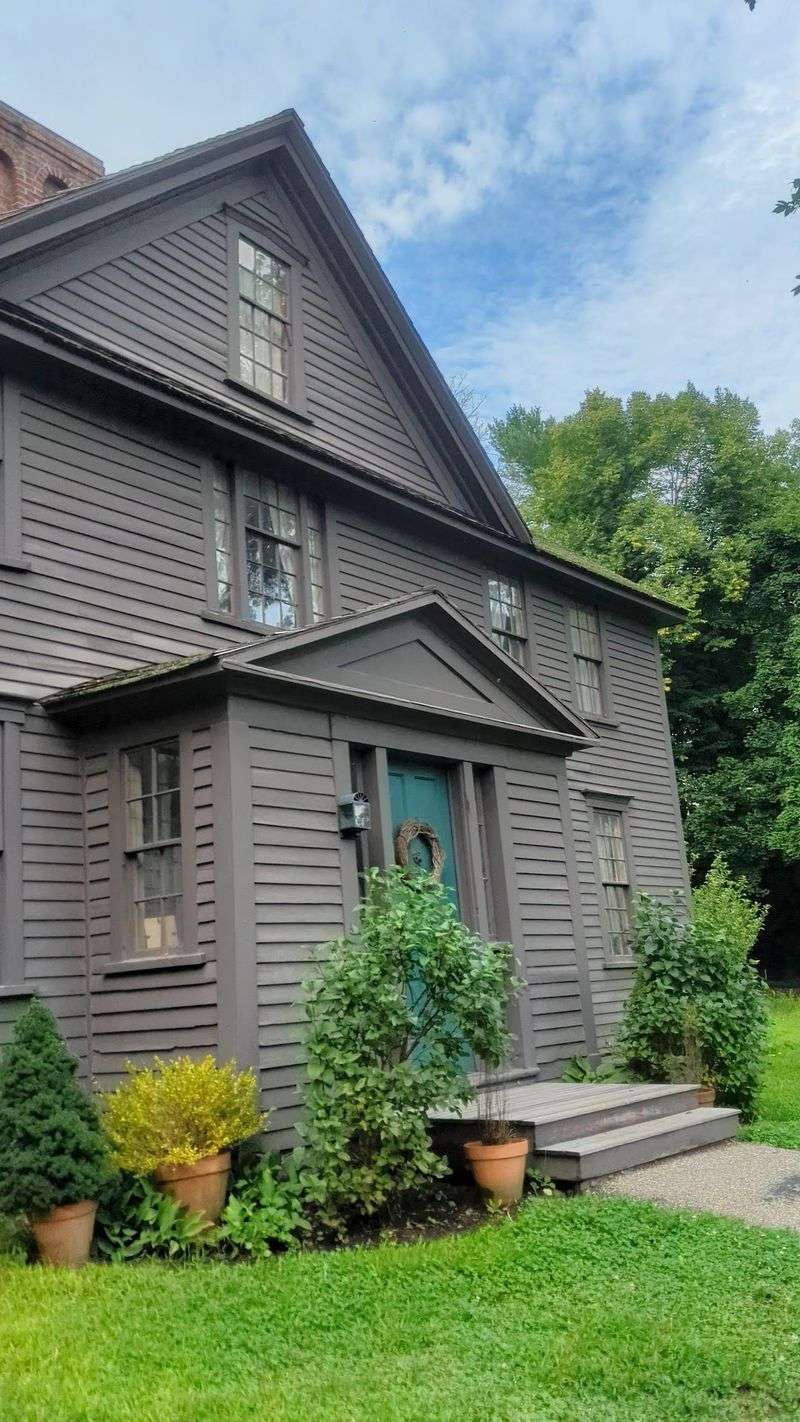
History gets a lot more fun when there’s a treasure hunt involved. Orchard House offers Welcome to Our Home Monthly Living History Tours designed for all ages.
These special tours feature 19th-century games and songs. Kids get to play the way the Alcott sisters might have, which beats staring at old furniture from behind a rope.
The treasure hunt keeps younger visitors moving and paying attention. It’s a smart way to help little ones notice details they’d otherwise breeze past.
Parents might even catch a few things themselves.
The Alcott sisters loved putting on plays and making their own fun. These tours capture that playful spirit in a way kids can actually join.
The house suddenly feels like a home again, not just a museum.
Because these events happen monthly, it’s wise to check the schedule before you plan your trip. Timing your visit around one can make the day extra memorable for the whole crew.
Families with mixed ages will appreciate the flexibility here. Teens can enjoy the history while younger siblings chase clues.
Everyone wins, and nobody asks when you’re leaving. Okay, fewer people ask.
Summer Camps Where Kids Write Like Louisa
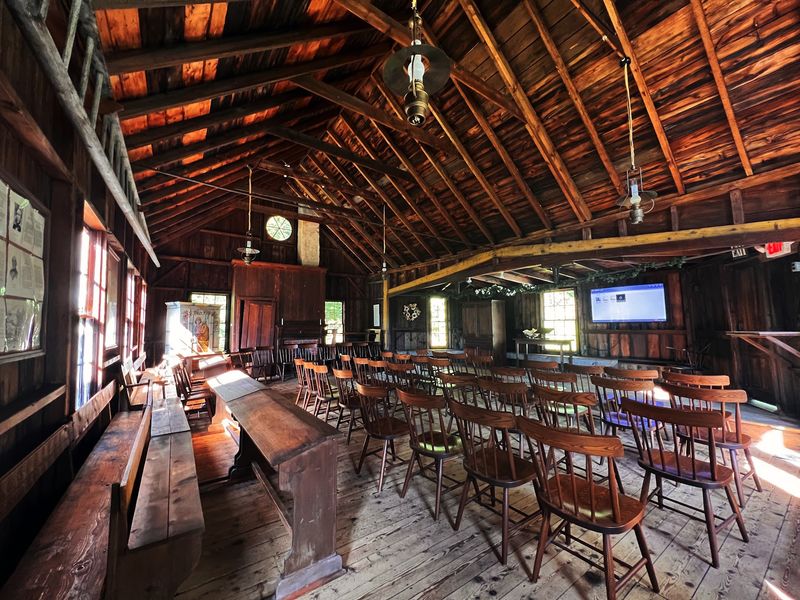
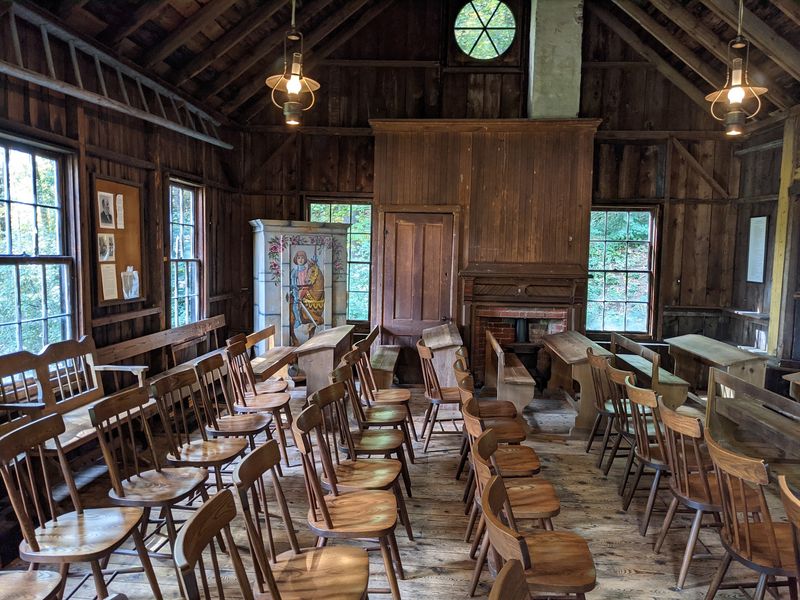
Some kids spend summer at soccer camp. Others spend it acting out scenes in the same place Little Women came to life.
Orchard House hosts summer youth camps for children ages 8 to 12. Options include the Little Women Camp and the Write Stuff!
Camp. Both lean into the creative spirit of the Alcott family.
Campers take part in period-style activities like play-acting, writing, and crafting. They may even handle real 19th-century artifacts.
For a history-loving kid, that’s basically a superpower.
These camps are perfect for young writers who fill notebooks with stories. They also suit kids who love drama and costumes, just like Jo March staging plays with her sisters.
If your child is shy, a camp like this can be a gentle confidence boost. Writing and acting with others builds teamwork and courage.
Plus, there’s no better setting for inspiration.
Spots for summer programs can fill up, so planning early is a good move. Look into dates during the spring.
Schools and scout groups can also book programs here. These introduce students to 19th-century life and the Alcott world in a hands-on way.
Plan Smart So The Visit Feels Easy
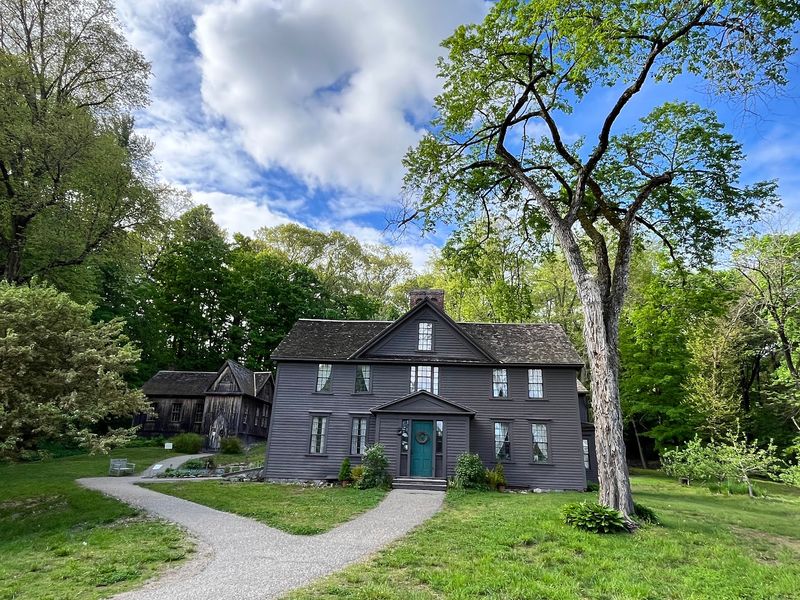
Good news for busy families. Louisa May Alcott’s Orchard House is open year-round, so a rainy weekend can still turn into an adventure.
You’ll find it at 399 Lexington Rd, Concord, MA 01742. Hours generally run 10 a.m. to 5 p.m.
Monday through Saturday, and 11 a.m. to 5 p.m. on Sunday.
Guided house tours last about 45 minutes. That’s a sweet spot for kids.
Long enough to learn something, short enough to avoid the wiggles.
Timed-entry tickets are recommended. Walk-ins can often be accommodated, but booking ahead removes the guesswork.
Nobody wants to explain to an excited kid that the tour is full.
Parking is limited right in front of the house. A larger lot sits a short block away on Hawthorne Lane, which makes things easier.
Public restrooms are inside the Museum Store. Remember that before the tour starts.
Your future self will thank you.
Face masks are optional, and the site calls itself mask-friendly. With a little planning, this Massachusetts outing can be smooth and stress-free.
Save Time For The Grounds And The Gift Shop
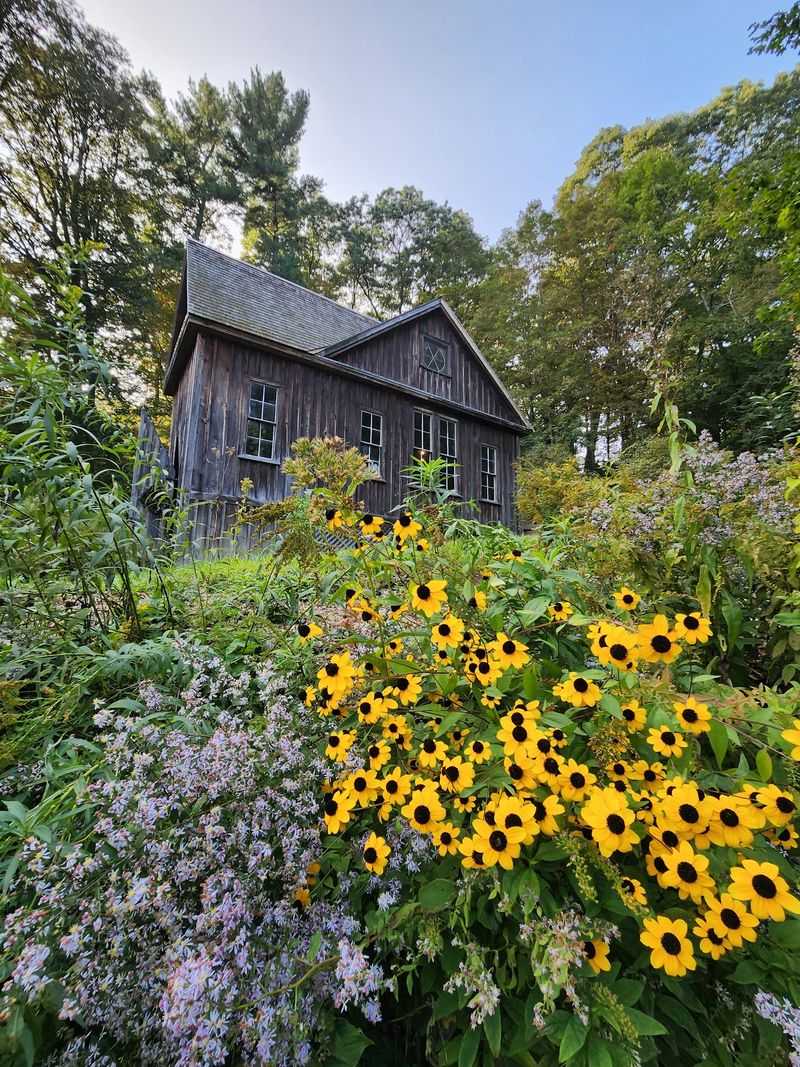
The fun doesn’t stop when the tour ends. The gardens and grounds around Orchard House are free and open to the public all year.
That makes them a perfect spot to stretch legs after spending time indoors. Kids can wander outside while you take a breather.
Everyone resets before the drive home.
Then there’s the Museum Store. It carries books, souvenirs, and other items tied to the Alcotts and their world.
Young readers might find their next favorite story right on the shelf.
A copy of Little Women makes an especially meaningful keepsake from this trip. Kids can read it knowing they stood in the very rooms that inspired it.
That’s a pretty special bookmark moment.
Since photos aren’t allowed inside the house, the shop is also a handy place to find something that helps the memory stick. Let kids pick one small item to remember the day.
Concord is packed with history, so this stop pairs well with a full day of exploring Massachusetts. Still, plenty of families leave thinking the Alcotts stole the show.
Louisa would probably say that sounds about right.