A 3,500-pound taffy machine got pulled out of storm wreckage in 1962, and it still stretches candy today.
That alone made me stop scrolling.
I can’t imagine a tougher survivor in any beach town candy shop.
The recipes here go back generations. The cooks even change the kettle temperature based on the weather outside.
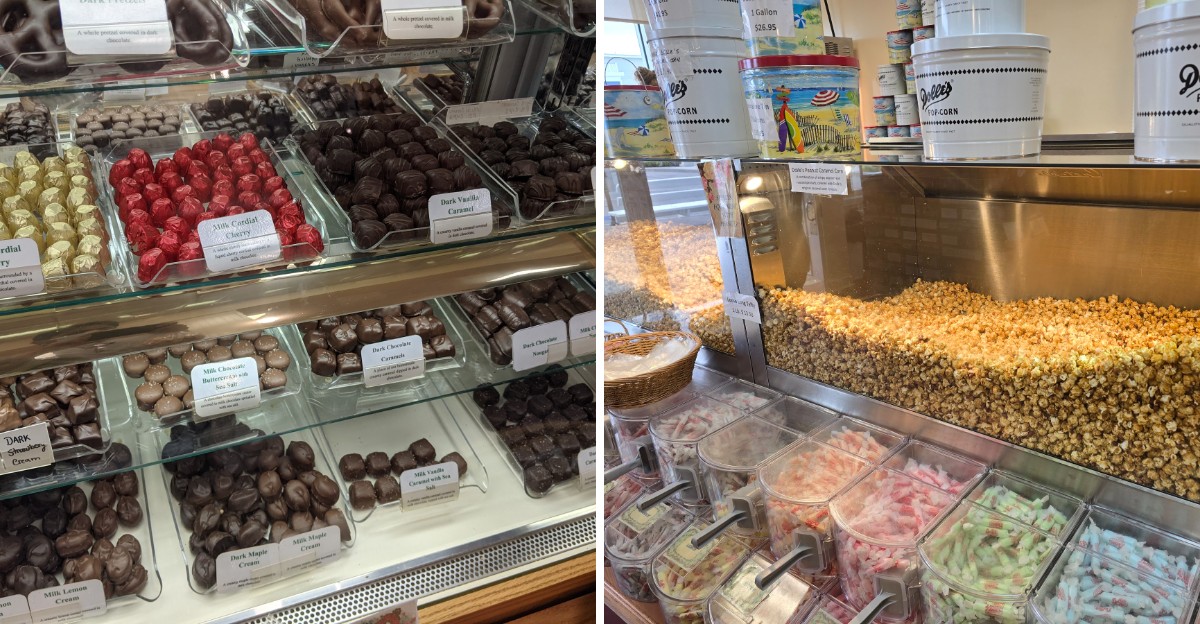
This little Delaware shop also makes fudge, brittle, and caramel corn right on site. I like how nothing here hides in a back factory far away.
The candy happens in the store.
So is it truly old-fashioned, or just old-fashioned looking?
The honest answer is a little of both.
And that mix might be the sweetest part.
The Recipes Haven’t Budged, Even If The Kettles Got Bigger
Old recipes sit at the heart of Dolle’s Candyland, and that’s the first clue to answering our big question. The shop’s taffy formulas have been handed down through generations without major changes.
Equipment is a different story, though. Batches once weighed about 18 pounds, and now they hit 70 pounds in copper kettles.
That’s a lot of sugar in one pot. Still, copper kettles are a classic candy-making tool, so the upgrade feels more like a bigger version of tradition.
Here’s where honesty matters. A mechanical pulling machine has replaced the old hook on the wall that workers once used to stretch taffy by hand.
So no, nobody is swinging taffy over a hook all afternoon. Yet the machine doing the pulling is itself a piece of history, which we’ll get to soon.
I believe that’s a fair trade. The recipe is the soul of the candy, and the gear just helps keep up with demand.
Call it old-fashioned with a few smart shortcuts. Your grandparents’ taffy and today’s taffy share the same blueprint.
That’s more than most beach candy can claim.
A Storm Couldn’t Stop This 3,500-Pound Taffy Puller
Some machines retire quietly. This one survived the Great Storm of 1962, which destroyed the original Dolle’s building.
Workers salvaged the 3,500-pound taffy machine from the wreckage. They restored it, and it’s still in use today.
Let that sink in for a second. The same heavy machine that weathered one of the East Coast’s worst storms now helps make your box of taffy.
Visitors can watch taffy being made on antique machinery right in the store. That turns a quick candy stop into a tiny history lesson with snacks.
Kids usually love watching anything stretch, twist, and fold. Adults may enjoy knowing the backstory behind all that motion.
Timing matters if you want a show. Taffy is made daily except Sundays, so plan a weekday or Saturday stop if watching is your goal.
I like how this one machine answers the article’s question better than any sign could. It isn’t a replica or a decoration.
It’s a working survivor that still earns its keep.
Old-fashioned? That machine has more old-fashioned credentials than almost anything else on the Delaware coast.
The Weather Report Actually Changes Your Candy
Most people check the forecast for beach plans. At this shop, the forecast also shapes the taffy.
Each batch’s cooking temperature gets adjusted based on the day’s outside temperature. The goal is a steady, pleasing texture no matter the season.
On cold days, the candy cooks at a lower temperature for a softer chew. On warmer days, it cooks a bit hotter for a slightly firmer piece.
That’s the kind of detail you only get from experienced candy makers. A factory line usually just follows one setting and calls it done.
Why does it matter to you? Taffy reacts to heat and humidity, so this small step helps keep each box closer to what the recipe intends.
It also proves the craft isn’t fully automated. Someone still has to think, measure, and make a call every single morning.
I find that oddly charming. It feels like a baker who knows their oven’s quirks by heart.
If you ever wondered whether old-school skill still matters, this answers it. A machine pulls the taffy, but human judgment decides how it cooks.
That balance is tradition in action.
Kisses Or Longs? Choose Your Taffy Shape Wisely
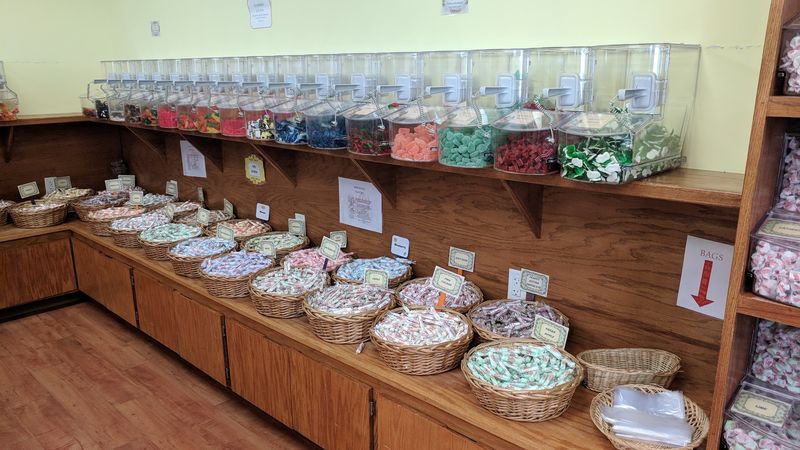
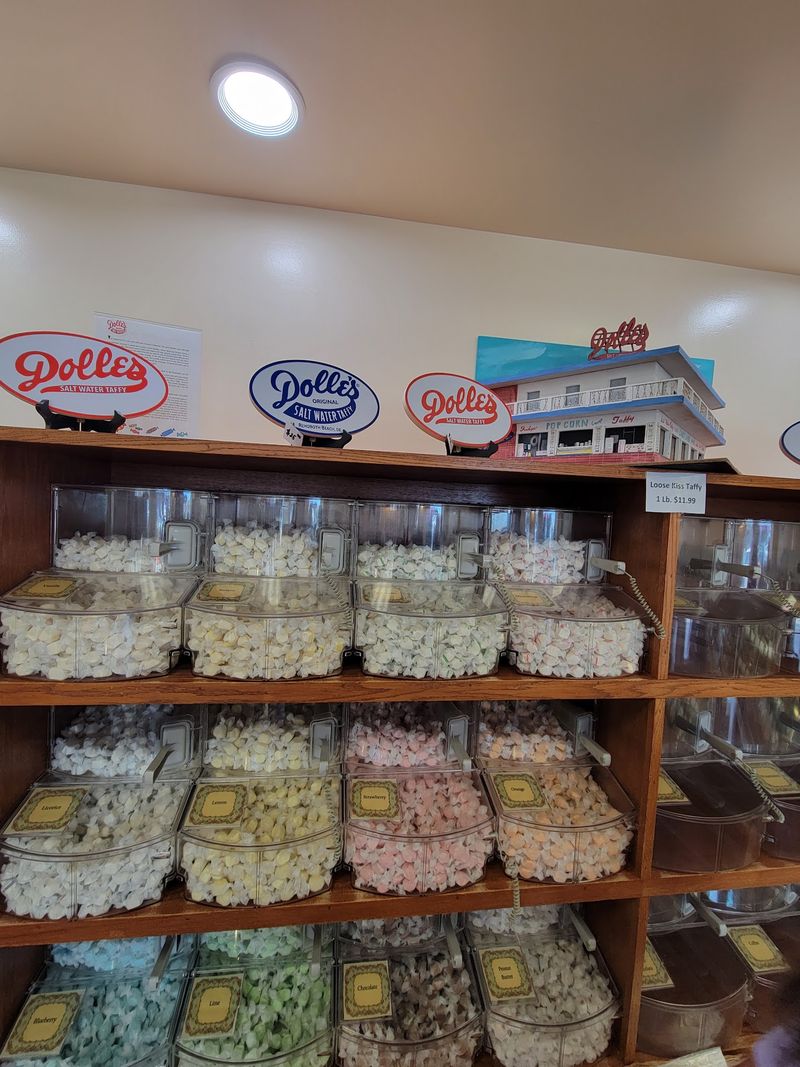
Two shapes, endless debates. Dolle’s Candyland sells saltwater taffy as “kisses” and as “longs,” and both come in assorted boxes.
Kisses are the bite-size pieces most people picture. Longs give you a stretched-out version for slower snacking.
Boxes come in 1-pound and 2-pound sizes. The bigger one makes sense if you’re bringing gifts home or sharing with a car full of hungry passengers.
Sugar-free saltwater taffy is on the shelves too. That’s a thoughtful option for anyone watching sugar but still wanting a classic beach treat.
Another plus is the short ingredient story. Dolle’s products, including the taffy, contain no preservatives.
Allergy-minded shoppers should know a few facts. The taffy machinery also handles peanuts, tree nuts, coconut, dairy, and soy.
The taffy isn’t certified gluten-free. However, no wheat products are used in the manufacturing facilities.
My tip? Grab one assorted box for yourself and a second one to give away.
Sharing taffy is easier when you aren’t secretly guarding your favorite flavor.
Two Caramel Corn Recipes Means You Should Probably Try Both
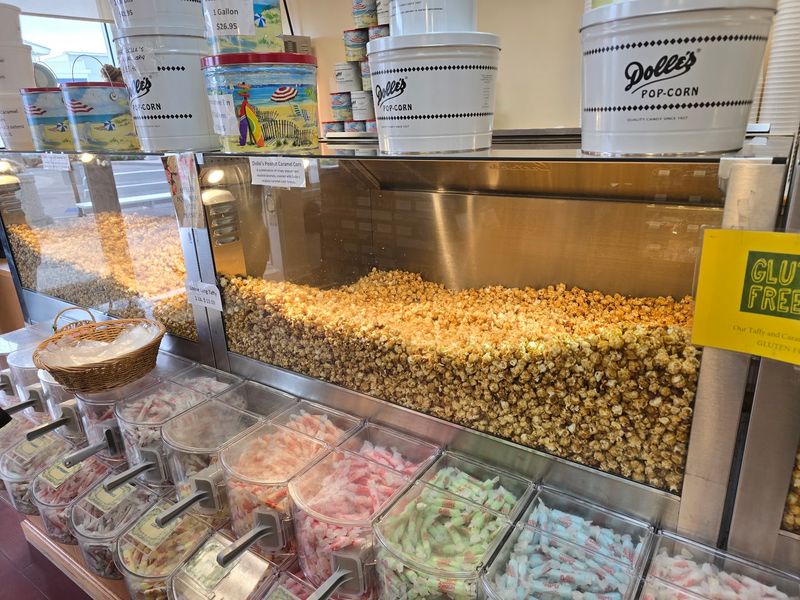
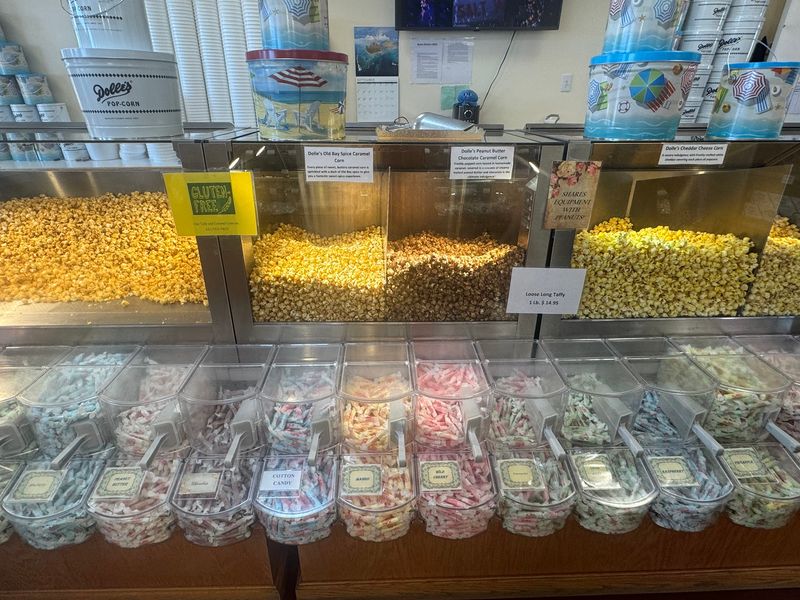
Taffy gets the headlines, but the popcorn deserves its own spotlight. The shop makes caramel corn in-house using two different recipes.
Dolle’s Caramel Corn uses white sugar and molasses. Ibach’s Caramel Corn uses brown sugar for a different spin on the classic.
That setup practically begs for a taste test. Buy a little of each, then argue about the winner on the walk back to the beach.
Caramel apples and caramellows also come out of this kitchen. Candied nuts and cotton candy round out the snack lineup.
The two recipes reflect the shop’s shared history. Since 2021, Dolle’s has operated as part of Ibach’s Candy By the Sea at this address.
So the popcorn counter tells a small story about two candy names working together. Tasty history beats a textbook any day.
A warning feels fair here. Caramel corn has a habit of vanishing before you reach the parking lot.
Maybe buy a backup bag. Your future self, stuck in beach traffic, will thank you for planning ahead.
Fudge, Brittle, And Mint Sticks Crowd The Counter
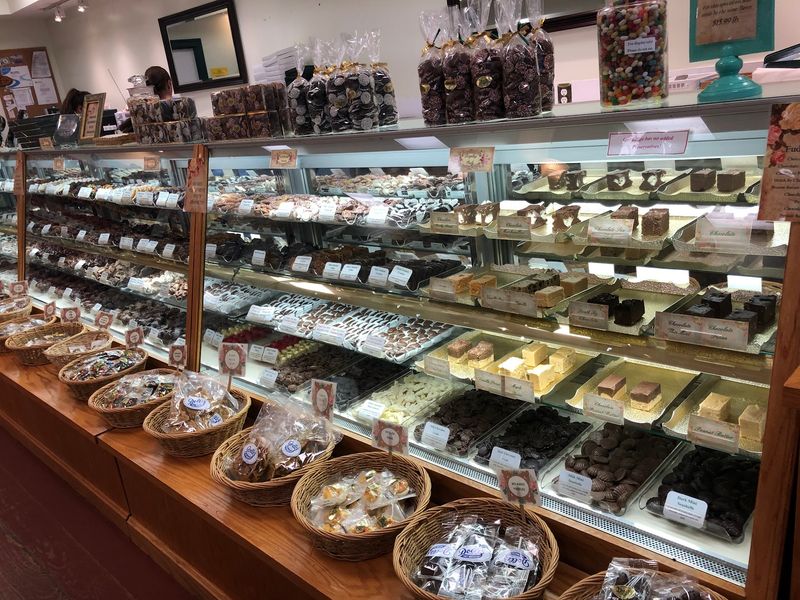
Orange Creamsicle fudge exists here, and that’s reason enough to look past the taffy. Flavors also include Chocolate, Peanut-Butter, Vanilla, and Maple Pecan.
Brittle comes in cashew or peanut. Both are made in-store along with the rest of the sweets.
Then there are the Mellow Mint sticks. You can pick regular, chocolate, or butter versions of this old-school candy.
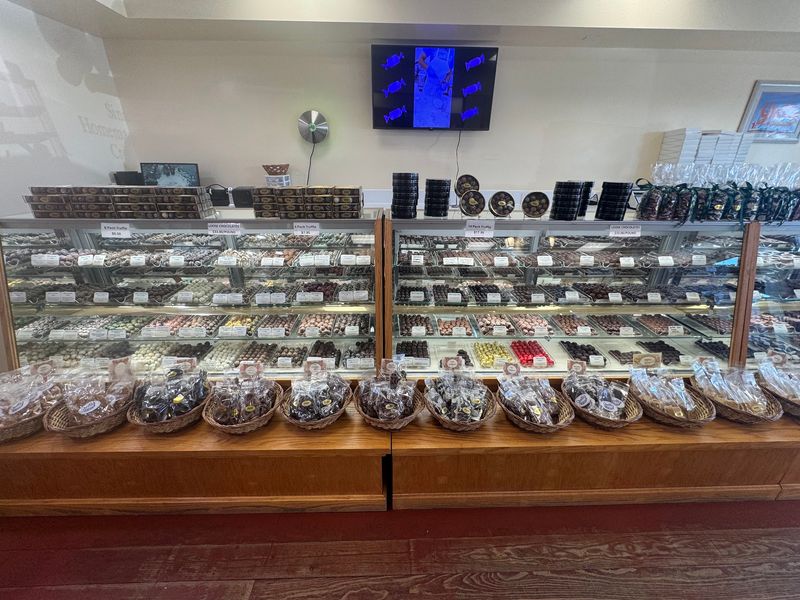
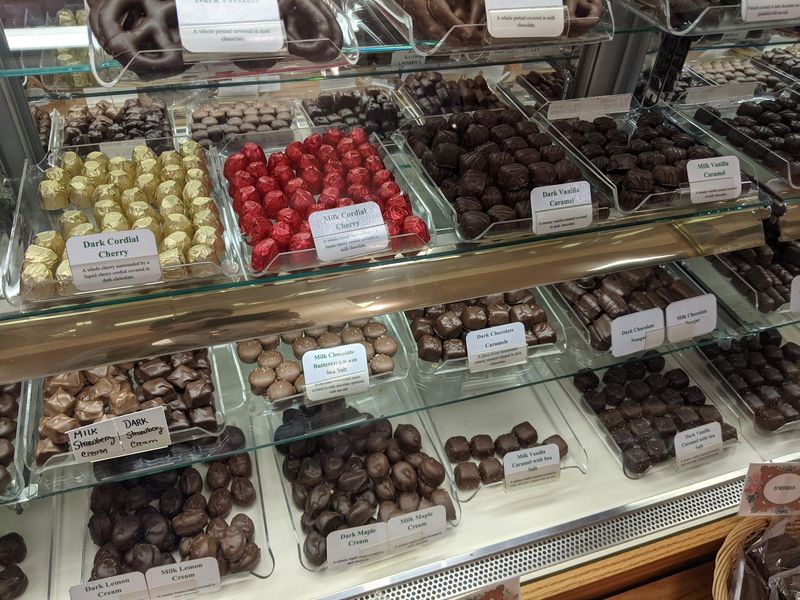
Chocolate lovers aren’t left out either. The shop offers handmade and hand-coated chocolates alongside everything else.
That’s a big lineup for one Delaware candy counter. It makes deciding hard, but in the best possible way.
Here’s a simple plan. Pick one item you know you’ll love, then one you’ve never tried before.
Maple Pecan fudge feels like a cozy fall dessert. Orange Creamsicle might bring back memories of ice truck days.
Brittle travels well, so it’s a smart pick for a long drive home. Fudge is better eaten sooner, which is honestly not a hard rule to follow.
A Century Of Sugar Started Back In 1926
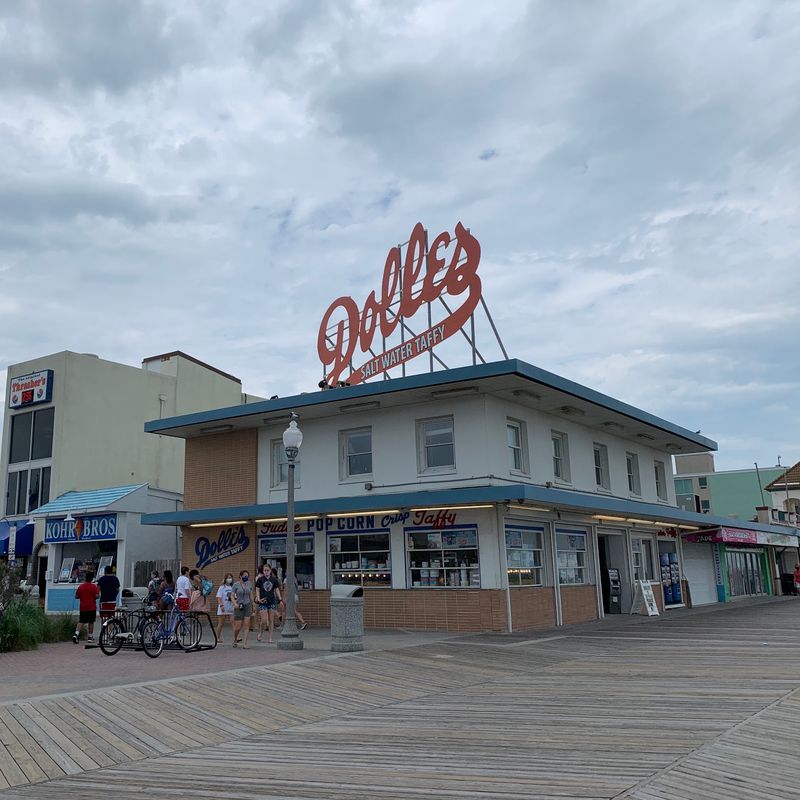
Back in 1926, Dolle’s Candyland got its start in Rehoboth Beach. A year later, co-founders Thomas Pachides and Rudolph Dolle bought the old YMCA building at Rehoboth Avenue and the Boardwalk.
Running a candy shop wasn’t always sweet. During the Great Depression and World War II, the owners had to find sugar and other ingredients on the black market.
That’s real determination. Imagine trying to make taffy when sugar itself is hard to find.
In 1959, Mr. Pachides bought Mr. Dolle’s share of the business. Then came the 1962 storm that wiped out the building.
The shop rebuilt, and a huge orange “Dolles” sign went up on top. That sign became a true Delaware landmark.
Today, the Rehoboth shop is independently owned and operated by Tom Ibach. It’s separate from the Dolle family-owned shop in Ocean City, Maryland.
Knowing all this makes every bite feel a bit richer. You’re snacking on nearly a hundred years of beach town grit.
The Famous Orange Sign Moved, But The Candy Barely Did
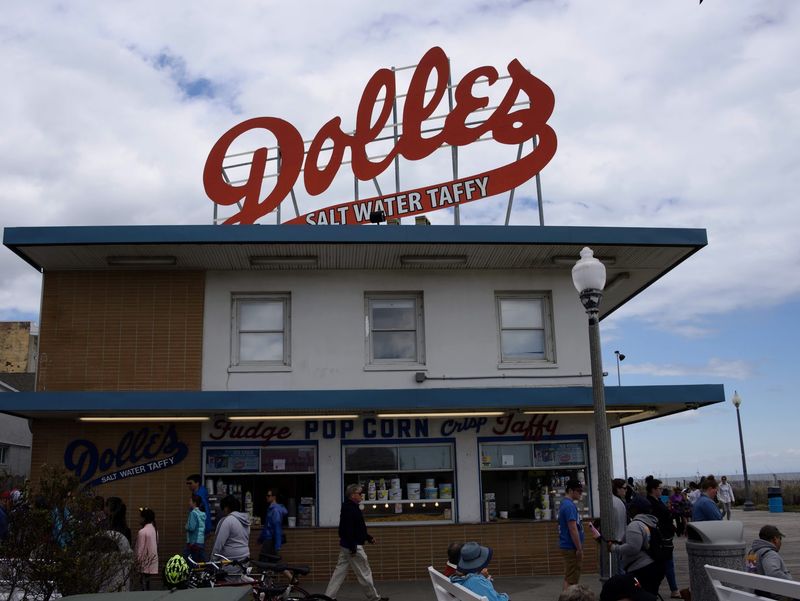
About 100 feet. That’s how far Dolle’s moved west in early 2021 when it left its landmark corner spot.
A lease expiration forced the move from the corner of the Boardwalk and Rehoboth Avenue. The shop simply hopped west down the street.
Its current home is 9 Rehoboth Ave, Rehoboth Beach, DE 19971. That puts it steps from the boardwalk, so a candy run fits easily between beach naps.
The iconic orange sign didn’t come along for the ride. After being removed from the original building, it was relocated to a local museum.
Some fans miss seeing it above the boardwalk. Still, the important parts made the trip, including the recipes and that storm-tough taffy machine.
The new spot joined Ibach’s Candy By the Sea. That’s why both names now share the space.
Think of it as a short move with big meaning. The landmark changed addresses, but the candy kept its hometown roots on Rehoboth Avenue.
Off-Season Visits Still Come With A Sweet Payoff
Good news for winter beach walkers. Dolle’s Candyland stays open year-round, not just during the busy summer months.
Hours run from 11 a.m. most days, with closing times in the late afternoon. Checking current hours before you go is smart, since schedules can shift.
Remember the taffy schedule, too. Fresh batches are made daily except Sundays.
That means a weekday or Saturday trip gives you the best shot at seeing the machines working. Sunday is still fine for shopping, just with less action.
Cooler months bring a quieter Rehoboth Beach. A candy stop pairs nicely with a breezy boardwalk stroll and a gray ocean view.
The weather-adjusted cooking matters here as well. Colder days mean a softer batch, which feels like a small winter reward.
So is this Delaware shop really making taffy the old-fashioned way? With generations-old recipes, copper kettles, and a storm-surviving machine, I’d say yes, mostly.
A few modern helpers just keep the tradition moving. Honestly, that’s the kind of old-fashioned I can get behind.