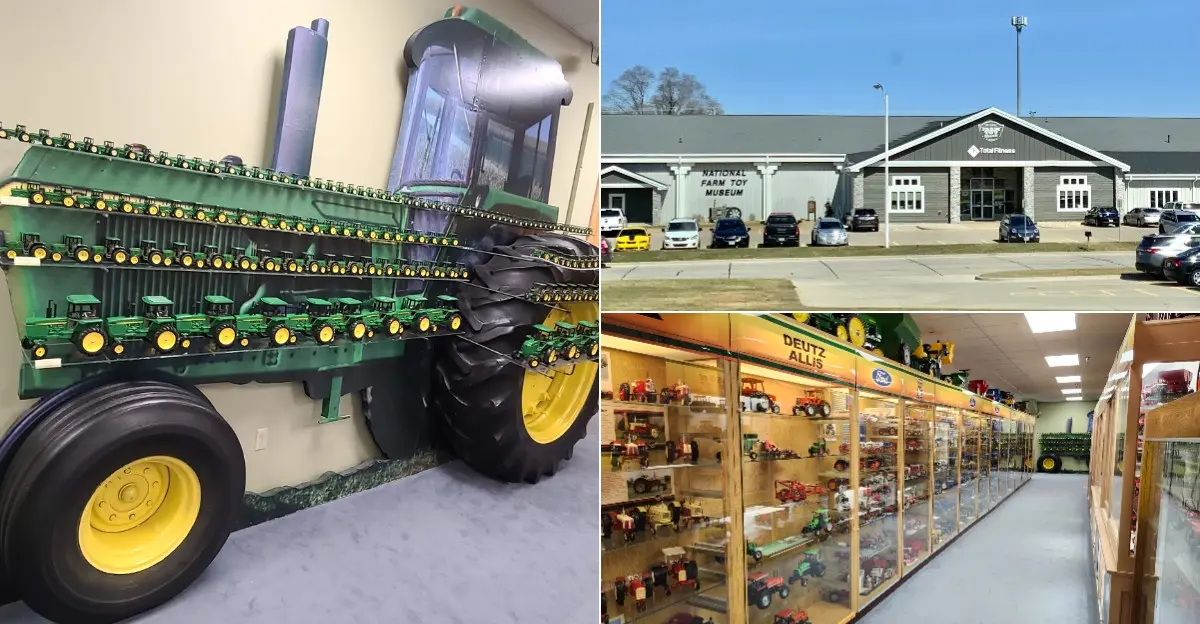
A tiny replica of a 1919 All-Wheel Drive tractor sits in one display case here. It was the first tractor ever to carry the John Deere name, and now it fits on a shelf.
That is just one piece in a collection of thousands. Farm toys, pedal tractors, and detailed dioramas fill two full floors.
Some of the toys date all the way back to the late 1800s.
I like how this place treats a childhood toy like a real piece of history. Kids see shiny tractors.
Grown-ups see the exact model they once pushed across a living room carpet.
This museum sits in a corner of Iowa that builds farm toys for the whole country. So what happens when a town that makes the toys decides to show them all off at once?
I think you will want to find out.
A Town Nicknamed for Toys Needed a Museum to Match
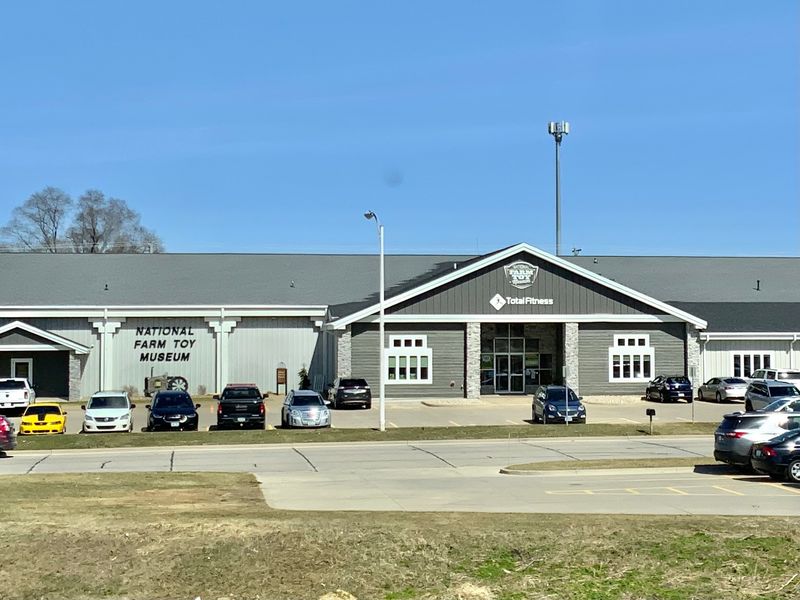
Most towns brag about a big festival or a famous diner. Dyersville, Iowa, goes a different route and calls itself the Farm Toy Capital of the World.
The National Farm Toy Museum is a big reason that title sticks. It gathers thousands of farm toys, pedal tractors, and dioramas into one building.
The nickname isn’t just a marketing idea, either. Three farm toy companies have roots right here: Ertl, Scale Models, and SpecCast Collectibles.
That gives the museum a hometown feel you can’t fake. The toys on display were often designed, built, or shipped just a short drive away.
I believe that connection makes the whole visit feel more personal. You’re not looking at random collectibles gathered from far-off places.
You’re seeing the work of a community that turned farming into a craft. Each miniature planter or combine shows how much Iowa cares about its fields.
Plan for at least an hour if you like to read signs and study details. True tractor fans may want even more time.
The building is fully accessible, with an elevator to the second floor. That makes it easy for grandparents, strollers, and wheelchairs to enjoy every level.
Two Floors Means You Should Pace Yourself
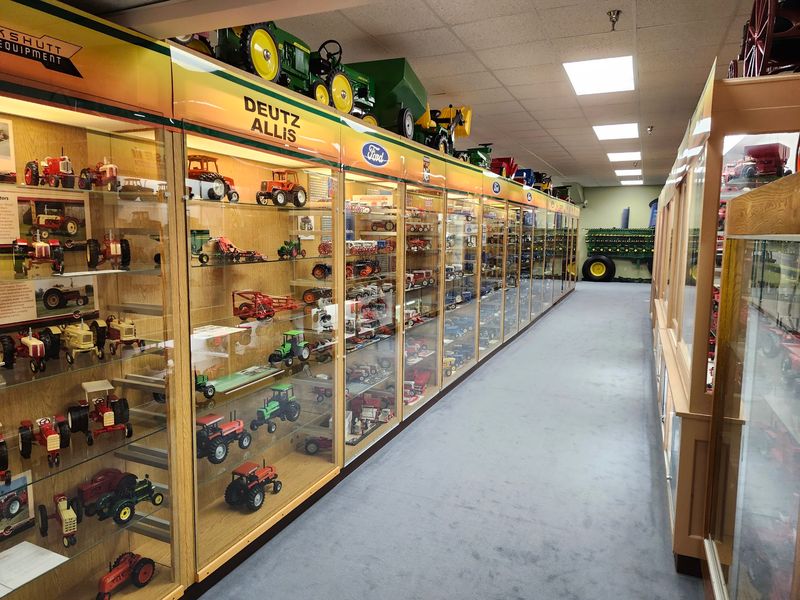
Here’s a fair warning for anyone who thinks one glance will do. The museum spreads its collection across two whole floors.
Estimates of the collection range from more than 10,000 to around 30,000 pieces. Either way, that’s a lot of tiny tires.
Rows of glass cases hold die-cast models from big names like John Deere and Case IH. Many makes are represented, so fans of almost any brand can find a favorite.
The glass is a quiet blessing for parents. Little hands can see everything clearly without grabbing that rare antique planter.
Some toys are surprisingly large, which helps break up the rows of smaller models. Others are so small you’ll lean in close to catch the details.
A smart strategy is to start upstairs or downstairs and stick with one floor first. Bouncing back and forth makes it easy to miss a case.
Wear comfortable shoes and give yourself breaks. Trying to rush thousands of toys is like trying to harvest a cornfield with a garden rake.
The slower you go, the more stories you notice tucked inside each display.
The John Deere Replica That Started a Famous Name
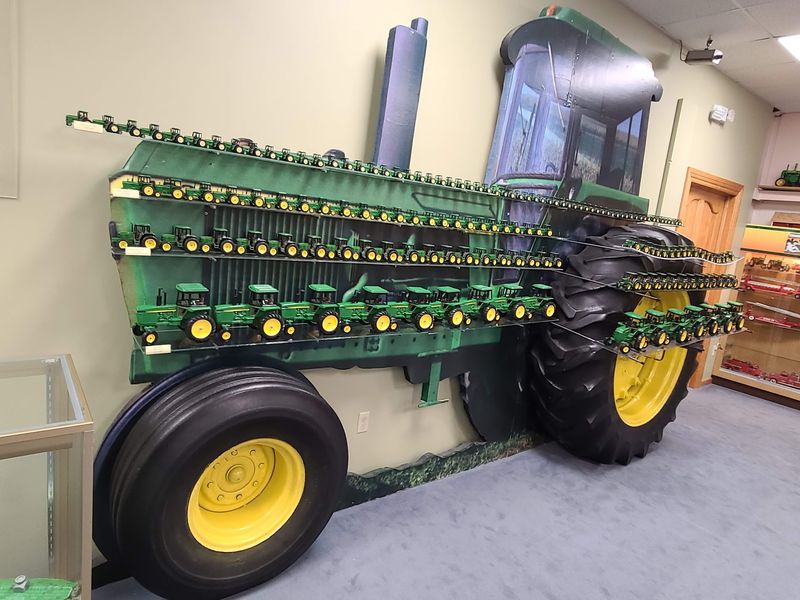
Every brand has a first chapter. For John Deere tractors, that chapter begins with the Waterloo Boy, which Deere acquired in 1918 and developed into its first major tractor line.
The National Farm Toy Museum displays a replica of the 1919 All-Wheel Drive tractor, an early machine associated with the John Deere name.
That’s a big deal for anyone who grew up around green and yellow equipment. Seeing these early machines gives the rest of the collection new meaning.
Fun fact time. Before tractors became widespread, farmers relied heavily on horses and manual labor for fieldwork.
Early tractors helped transform farming across Iowa and beyond. A replica lets you explore that turning point without needing a barn for storage.
Take a moment here, even if you aren’t a hardcore tractor person. Compare the early machines with the modern models nearby and notice how much has changed.
Wheels, engines, and cabs all look different now. The comparison feels like flipping through a family photo album of machines.
Kids might enjoy guessing which tractors are older. It turns a simple display into a quick history game.
Ever Wonder How a Toy Tractor Gets Made?
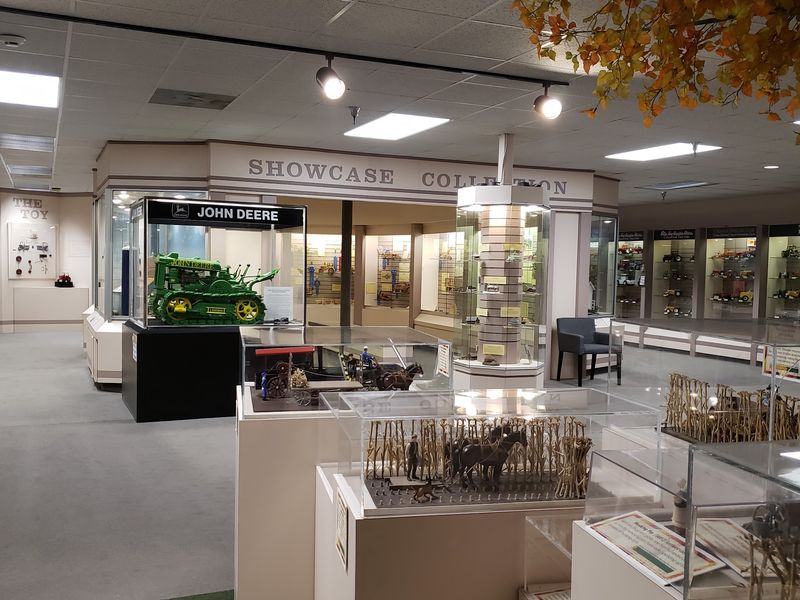
Toy tractors don’t sprout from the ground like soybeans. Somebody has to design, cast, paint, and assemble every one.
Downstairs, exhibits walk you through that process step by step. You’ll see how these miniature machines go from an idea to a finished model.
It’s one of the most eye-opening parts of the museum. Once you understand the work involved, every display case starts looking more impressive.
A short film runs about ten minutes and covers Dyersville’s history in toy production. It also features collectors sharing stories about their favorite pieces.
Ten minutes is the perfect length for restless kids. It’s also a nice chance to rest your feet before tackling more cases.
I like that the film lets real fans do the talking. Their excitement explains why people spend years hunting for one special tractor.
Watch the film early in your visit if you can. It gives helpful background that makes the rest of the exhibits easier to appreciate.
You might even leave thinking about starting a collection of your own.
Ertl Land Gives a Hometown Hero Its Spotlight
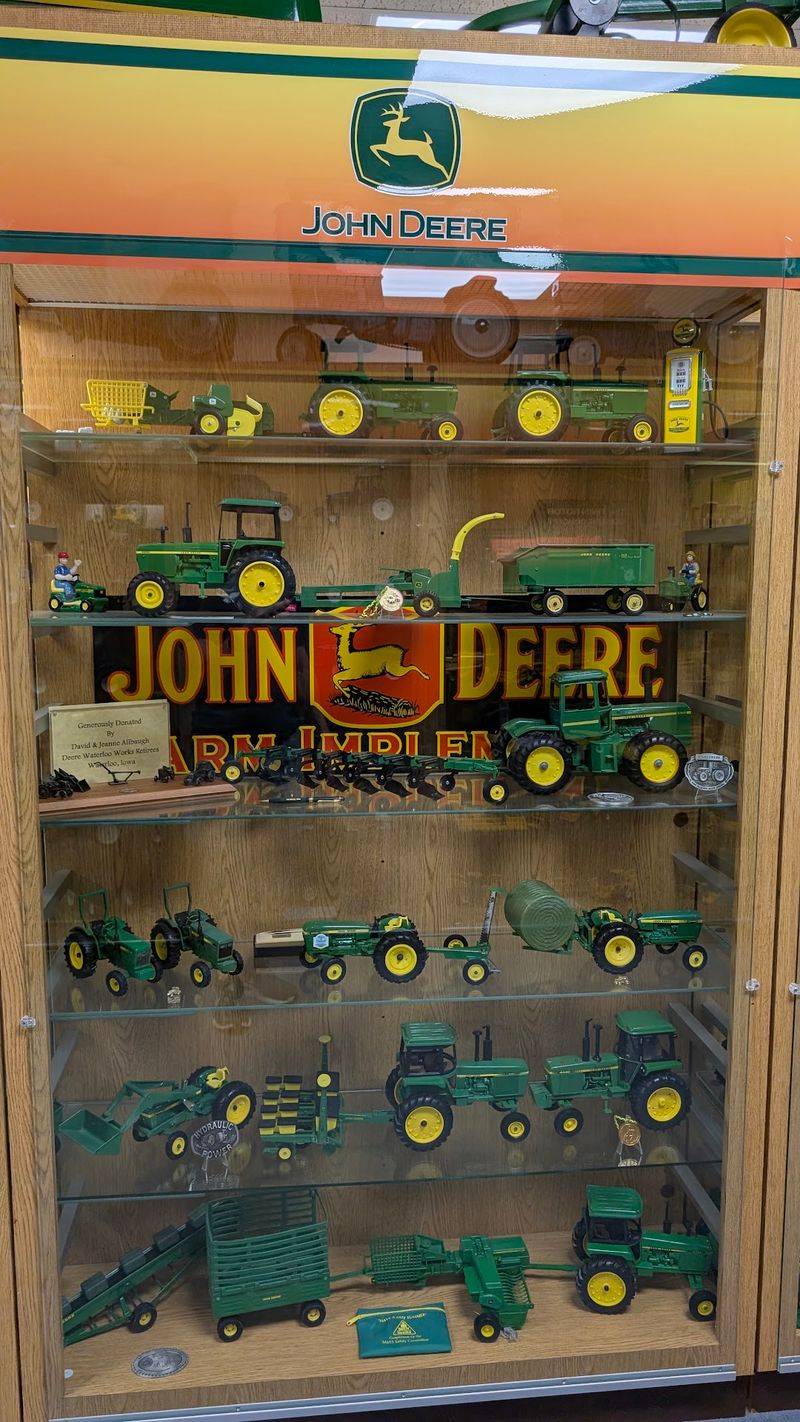
Plenty of families have at least one Ertl toy hiding in a basement box. That’s why Ertl Land feels like a reunion.
The exhibit spotlights the many farm toys created by the Ertl Company. It’s a fitting tribute, since Ertl is tied so closely to Dyersville.
The company actually began in Dubuque in 1945. It moved to Dyersville in 1959 and helped turn the town into a farm toy hub.
Walking through Ertl Land is like scrolling through decades of playtime. Styles, colors, and details shift as the years roll forward.
Parents and grandparents may spot the exact tractor they played with years ago. Be ready for a few loud announcements of “I had that one!”
Kids get something out of it too. They can see that their favorite modern toys come from a long line of earlier designs.
One thing to know before you go. The exhibit focuses on displaying models, not on recreating full playsets or farm scenes from product boxes.
Set expectations that way, and you’ll enjoy the history it shares.
Handcrafted Wood Brings a Warmer Kind of Charm
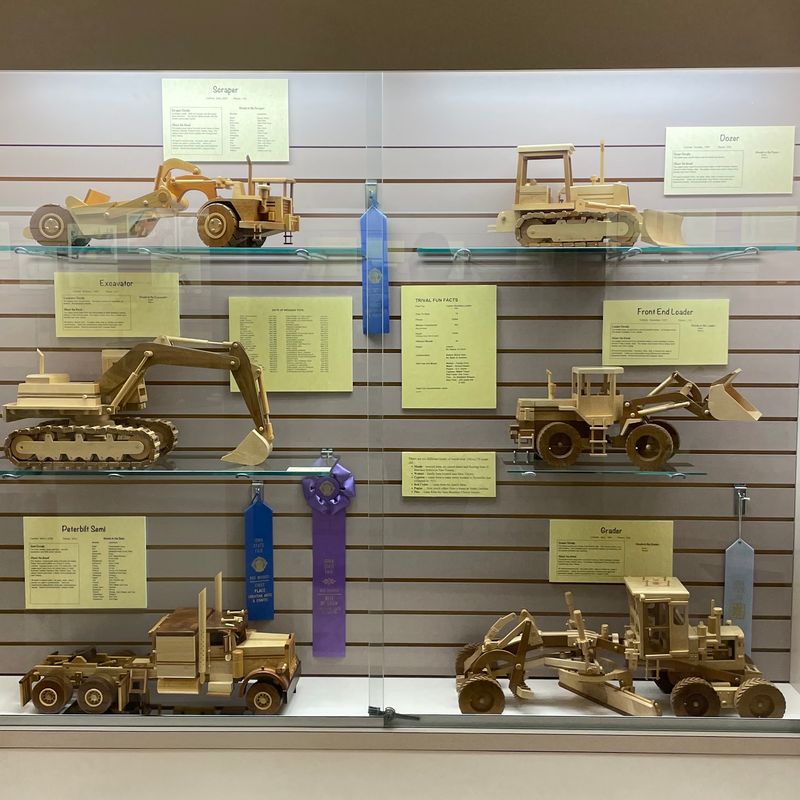
Metal and plastic get most of the attention in the farm toy world. Then along come Bernie Kluesner’s Wooden Marvels to change the mood.
This exhibit showcases handcrafted wooden farm implements. The collection joined the museum in 2017.
Wood gives these pieces a softer, homemade feel. Each one reminds you that skilled hands, not just factory machines, can build something amazing.
I can’t imagine the patience it takes to carve farm equipment this small. Every joint and wheel needs careful planning.
Take a closer look at the natural grain in each piece. No two sections of wood look exactly alike, which makes every model one of a kind.
This exhibit pairs nicely with the die-cast collections nearby. You get to compare two very different ways of shrinking a farm.
Budding builders in your group might feel inspired. A simple block of wood suddenly looks full of possibilities.
Just don’t be surprised if someone asks to try woodworking when you get home. Maybe start with a birdhouse before attempting a combine.
Little Farmers Get Their Own Fields to Work
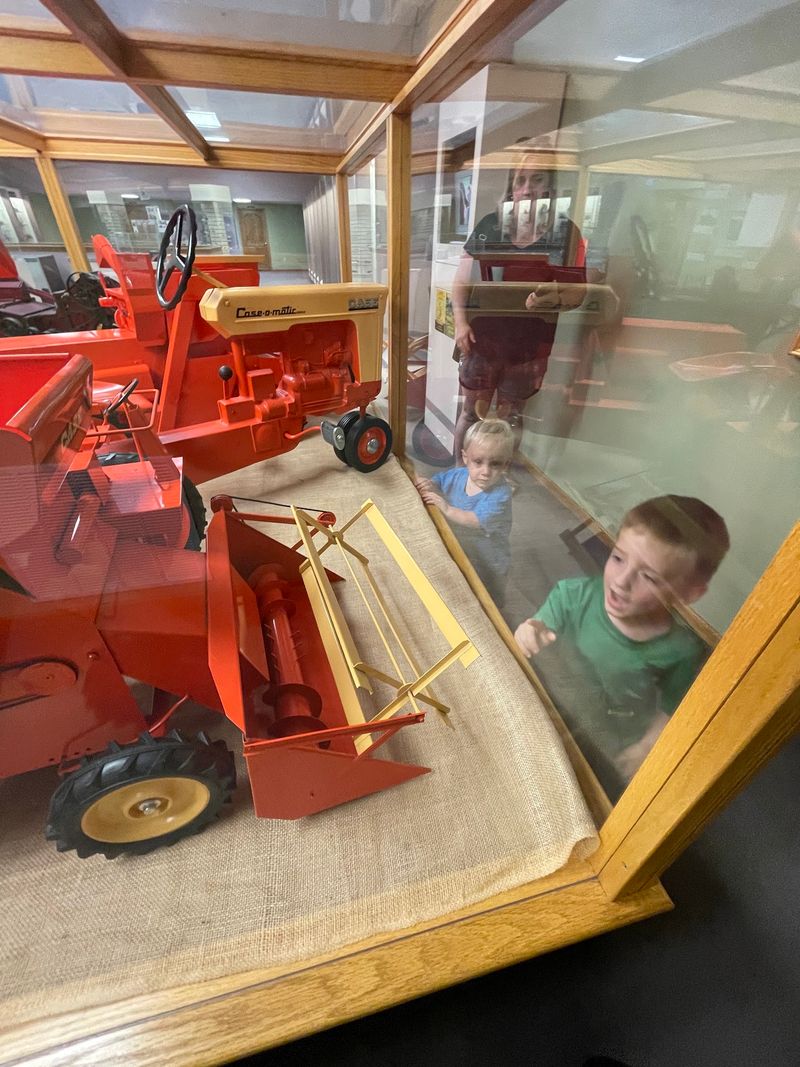
Carpet farming is serious business when you’re five. The museum respects that with a play area made for exactly this hobby.
Kids can climb onto stationary pedal tractors and pretend to work their own fields. It gives young visitors a hands-on break from looking through glass.
Play spaces like this are a smart move for families. After a stretch of reading signs, little ones can burn some energy without leaving the building.
The museum also displays pedal tractors as part of its collection. Kids can see older versions after testing out the play models.
Small farm dioramas throughout the museum add another layer of fun. Spotting tiny details in each scene can turn into a mini scavenger hunt.
Parents can use the play area as a reward. Finish one floor, then enjoy some tractor time.
Keep in mind that the play spaces are fairly simple. Think of them as a pit stop rather than an all-day playground.
Even so, a few minutes on a pedal tractor can rescue a whole afternoon.
Your Wallet May Want a Spot in the Gift Shop
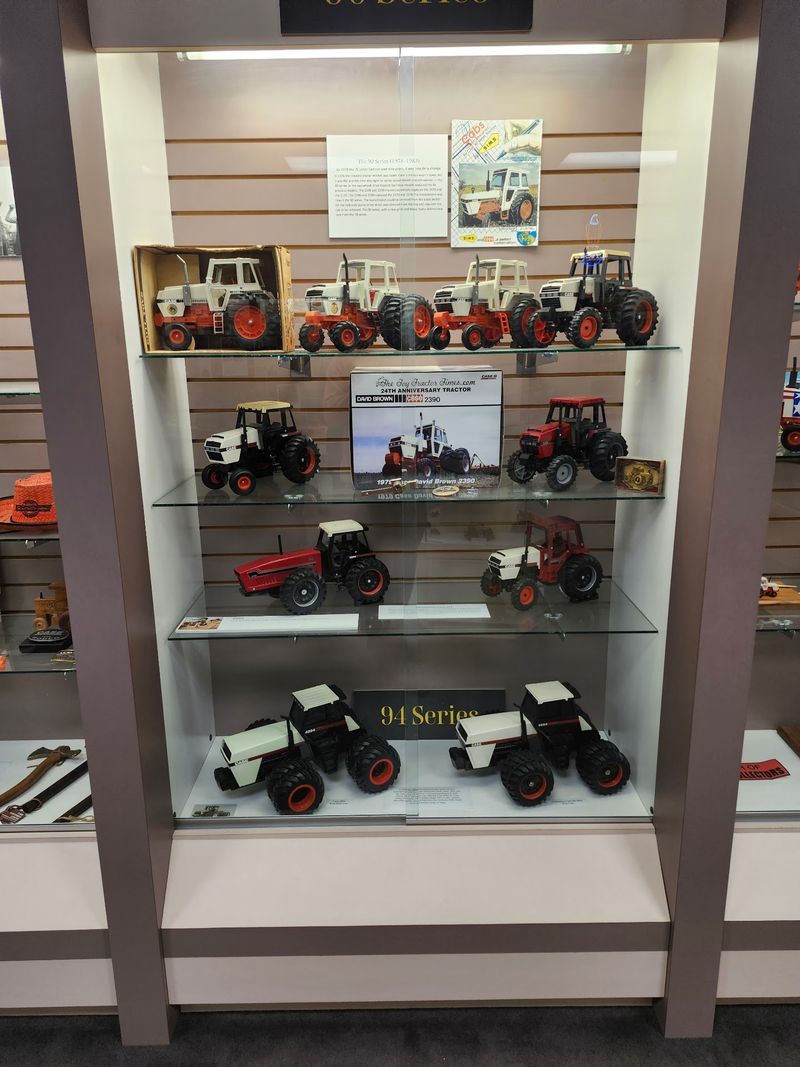
Resisting a toy tractor after seeing thousands of them takes real willpower. The gift shop knows this, and it’s ready for you.
Shelves hold collectible die-cast tractors, along with price guides for serious collectors. Those guides help you figure out what that old basement treasure might be worth.
Not into collecting? You’ll also find museum t-shirts, books, puzzles, and farm-themed home decor.
It’s a handy stop for gifts too. Grandpa’s birthday, a farm kid’s party, or a holiday stocking all suddenly feel easier.
The selection can change, so don’t count on finding one exact item. Treat it like a fun browse instead of a shopping mission.
A puzzle or book makes a nice way to stretch the visit at home. Kids can keep learning about farm history after the trip ends.
Save the shop for the end of your visit. You’ll know which tractors caught your eye most.
Plus, you won’t have to carry a shopping bag through two floors of exhibits.
Circle These Two Weekends and Plan Your Trip Right
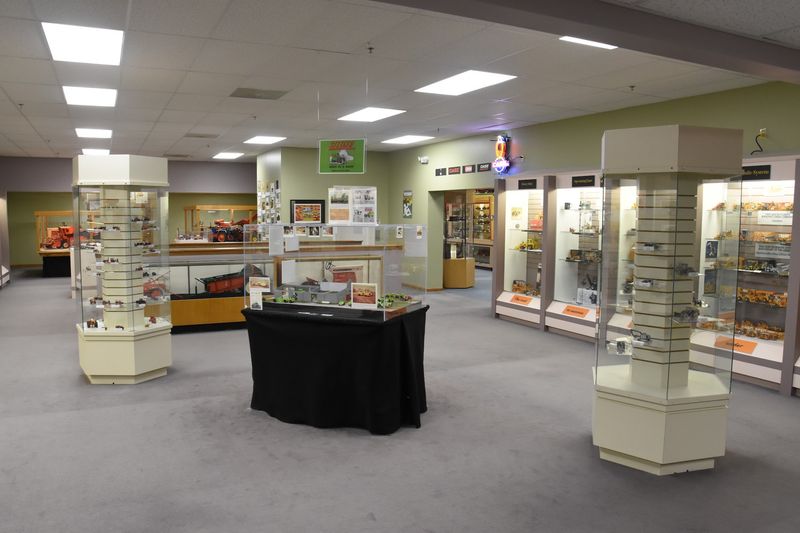
Timing can turn a good visit into a great one. The museum hosts two major farm toy shows each year.
The Summer Farm Toy Show lands on the first full weekend of June. The National Farm Toy Show follows on the first weekend in November.
Both events are a big draw for collectors and curious families alike. If you love the hunt for rare models, these weekends deserve a spot on your calendar.
Want a calmer trip instead? Any regular day works well too.
The museum sits at 1110 16th Avenue Court SE, Dyersville, IA 52040. It opens Monday through Saturday from 9 a.m. to 6 p.m.
Sunday hours run from 10 a.m. to 4 p.m. Kids 5 and under get in free, and admission stays budget-friendly for everyone else.
Parking is free, and there’s room for RVs and tour buses. That makes it an easy stop on an Iowa road trip.
Bring curiosity, comfy shoes, and maybe an extra shelf at home. Your toy collection might grow before you leave town.