Only about 200 wild trees of one ancient species are left on Earth, and a single park was named after it. Early settlers called it stinking cedar.
One old legend even links it to Noah’s Ark.
The trees grow in deep ravines below bluffs that rise more than 150 feet above a wide river. That’s not a typo.
Florida has real cliffs, and they look more like the Appalachian foothills than beach country.
This place flips every flat-Florida joke on its head. You get steep trails, a historic home that crossed a river, and fall colors that feel borrowed from up north.
I can’t imagine a better way to surprise a friend who swears the state is all sand. So how well do you really know Florida?
Say Hello To A Tree Most People Will Never See
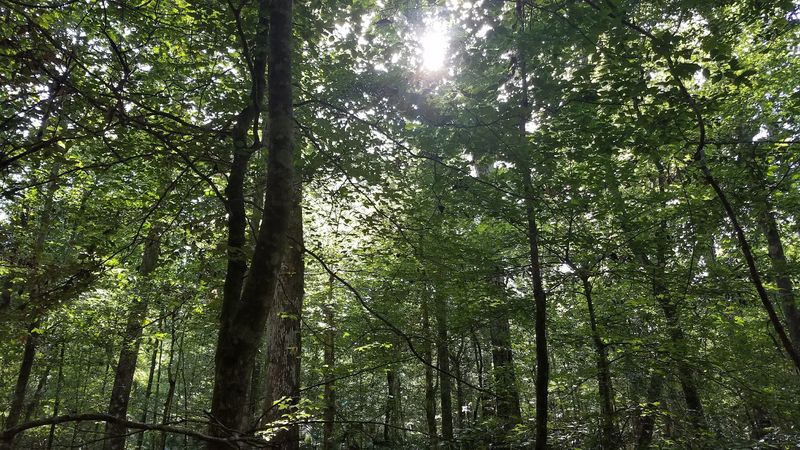
Torreya State Park takes its name from the Florida Torreya, one of the rarest trees on the planet. Around 600,000 of them once grew here in the early 1800s.
Today, only about 200 remain in the wild. Their natural range is tiny, mostly Gadsden and Liberty counties in Florida, plus a sliver of southern Georgia.
Hardy Bryan Croom, an early botanist, found the tree in the 1830s. He named it after Dr. John Torrey, a well-known botanist of the time.
Settlers gave it a less flattering nickname. They called it stinking cedar because crushed leaves and fresh-cut wood gave off a strong smell.
The wood once became fence posts, shingles, riverboat fuel, and even Christmas trees. That busy history helped push the species to the edge.
The good news is that help has arrived. The Florida Park Service works with the Atlanta Botanical Garden to grow seedlings from surviving trees.
Those young trees go back into the park’s ravines. You can spot Torreya trees along the brick walkway to the Gregory House and on nature trails.
Ask a ranger to point them out. Rare trees are easy to walk right past.
Yes, Florida Has Cliffs, And These Ones Mean Business
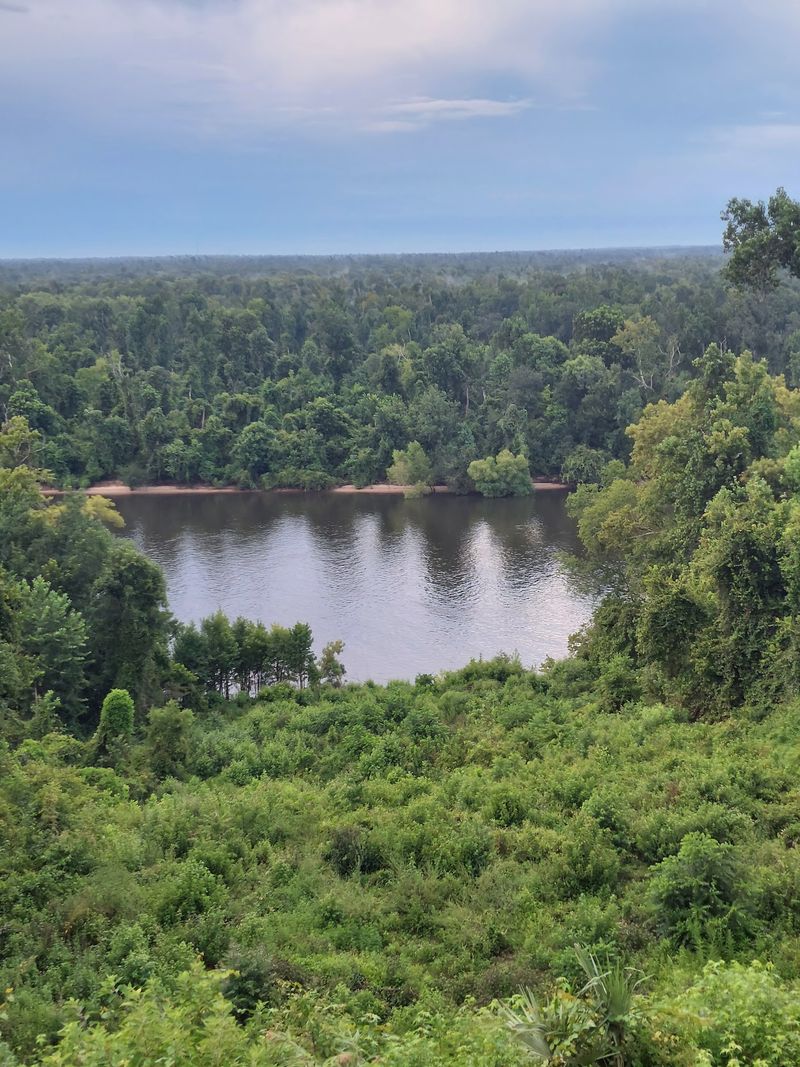
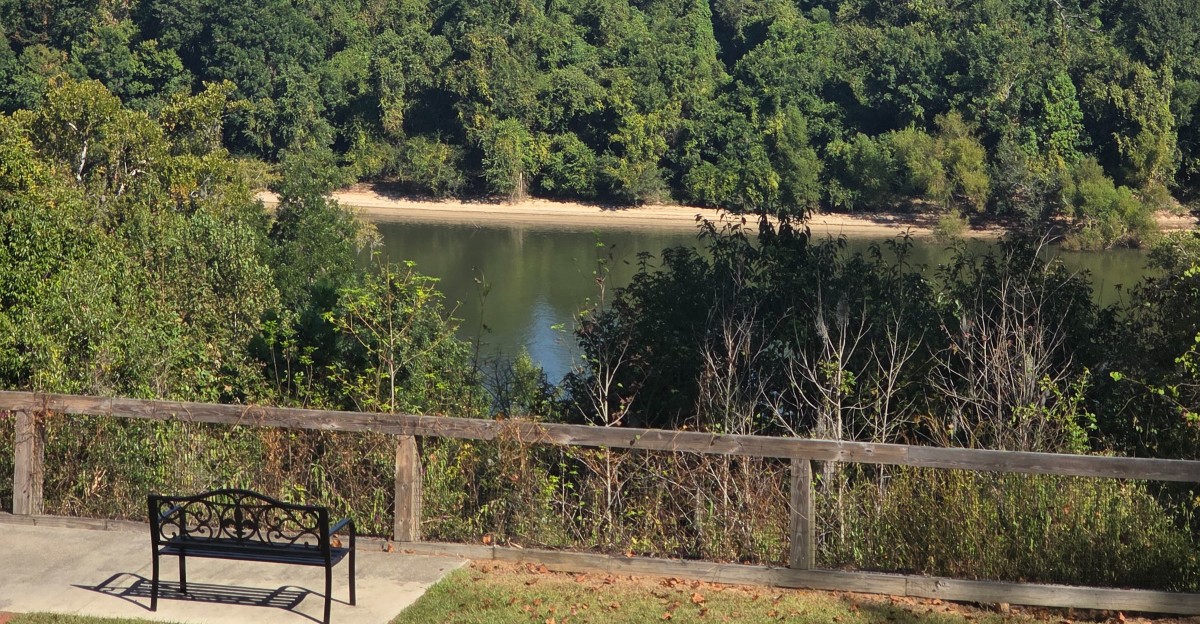
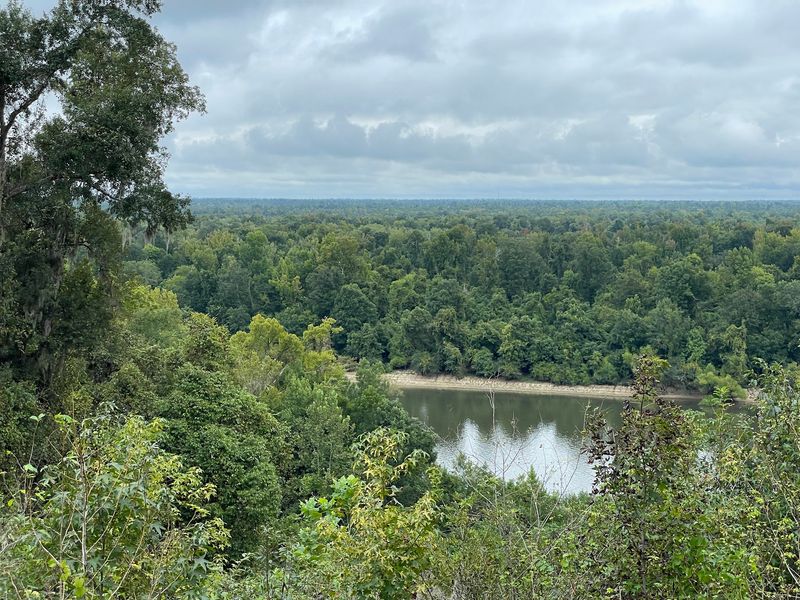
Bluffs here climb more than 150 feet above the Apalachicola River. For a state famous for flat land, that’s a serious flex.
Logan’s Bluff area reaches roughly 300 feet in elevation. Hikers often compare the scenery to the Appalachian foothills instead of anything near a beach.
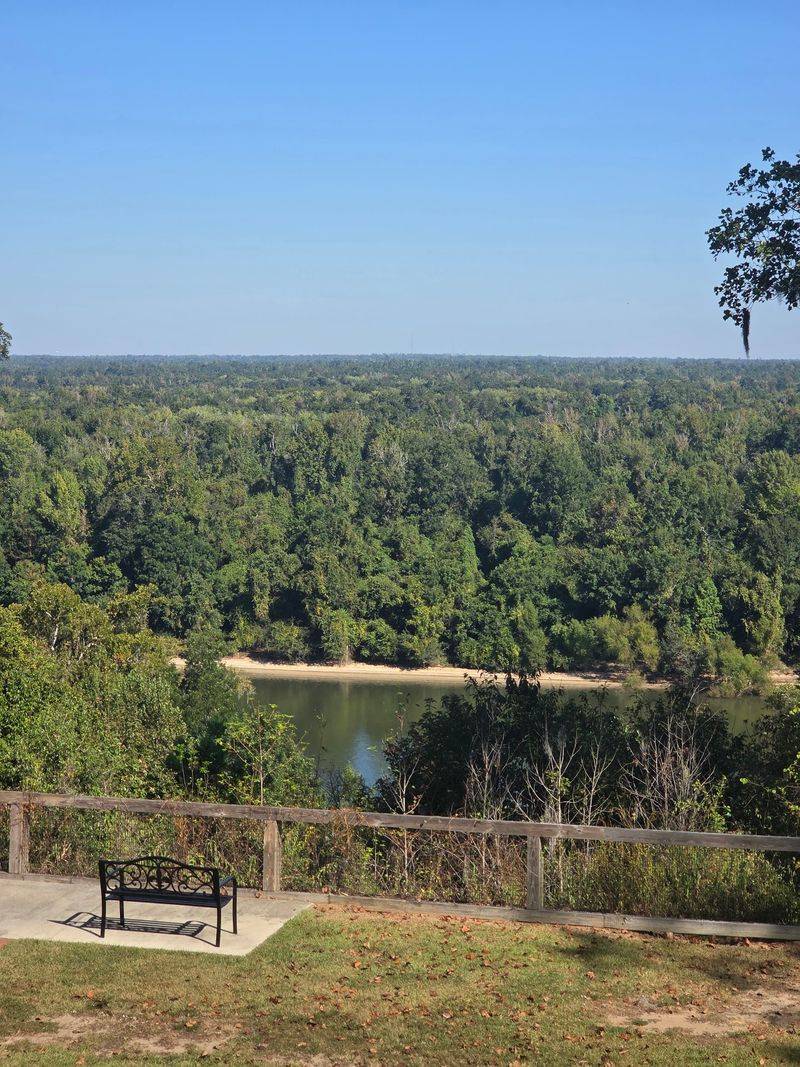
The views stretch across the river and its forested floodplain. It ranks among the most scenic spots in Florida, and it earns that reputation honestly.
The terrain changes fast. River swamps, high pinelands, deep ravines, and towering bluffs all share the same park boundaries.
That mix creates cooler, shady pockets where northern plants feel right at home. Many rare and endemic species thrive in these steep, sheltered slopes.
One easy viewpoint sits behind the historic Gregory House. You can drive straight to the back of the park and start there.
From that overlook, a trail heads down toward the river. It’s a great reward for a short effort, though the climb back up will remind your legs who’s boss.
Fall through spring brings cooler air and clearer river views. Summer works too, but pack extra water and patience.
Lace Up Tight Because These Trails Are Not Kidding
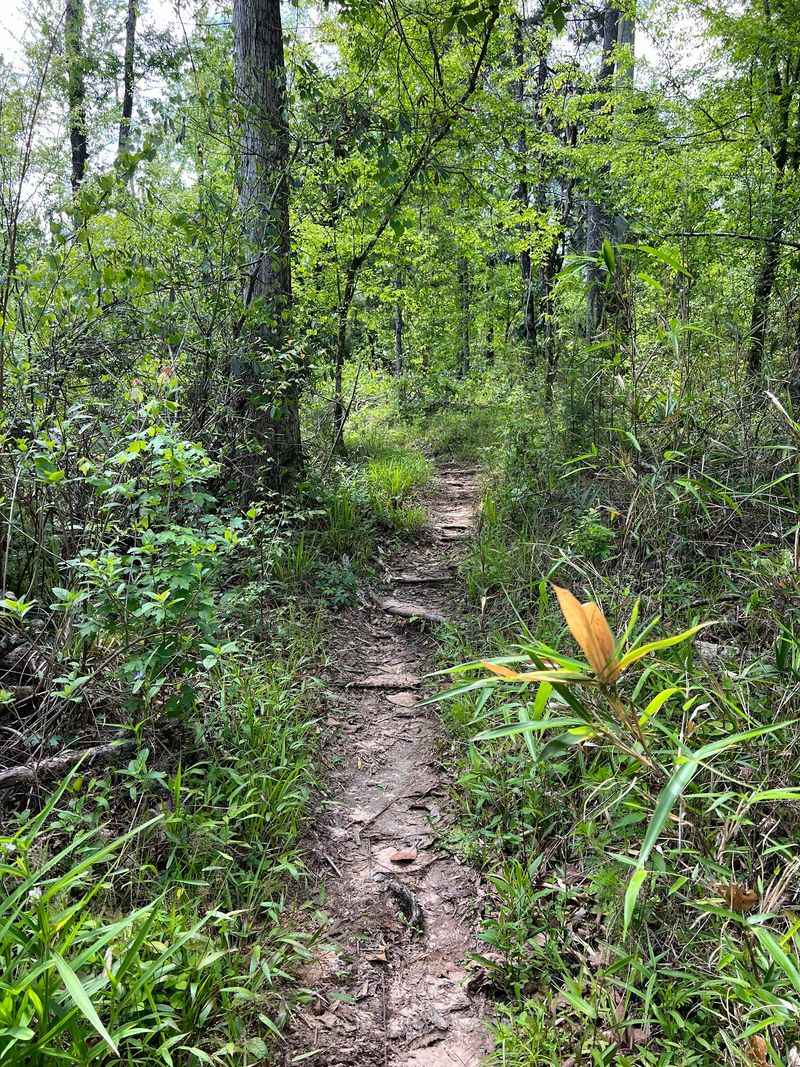
Steep ravines, wet spots, and real climbs make this one of Florida’s most rugged hiking parks. Your calves will notice by mile two.
The perimeter trail loops about seven miles around the park. It winds through ravines, along ridges, and past spots with wide river views.
Shorter options work well for day trips. The Weeping Ridge Trail leads to a small waterfall, which feels downright magical in Florida.
History hides along the paths too. Remnants of Civil War gun pits still sit on the bluffs, and a stone bridge adds rustic charm.
Sturdy shoes matter here. Roots, slopes, and muddy patches can turn sneakers into regret machines.
Carry plenty of water, especially in warmer months. Potable water is available at the Gregory House, campground, picnic area, and entrance parking lot.
Long pants and tick spray are smart choices. Copperheads and other snakes live here, so watch where you step.
Grab a map before heading out. Leashed pets are welcome on trails, so your dog can join the adventure.
Winter days run short. Start early so daylight lasts longer than your snacks.
A House That Took A Boat Ride Across The River
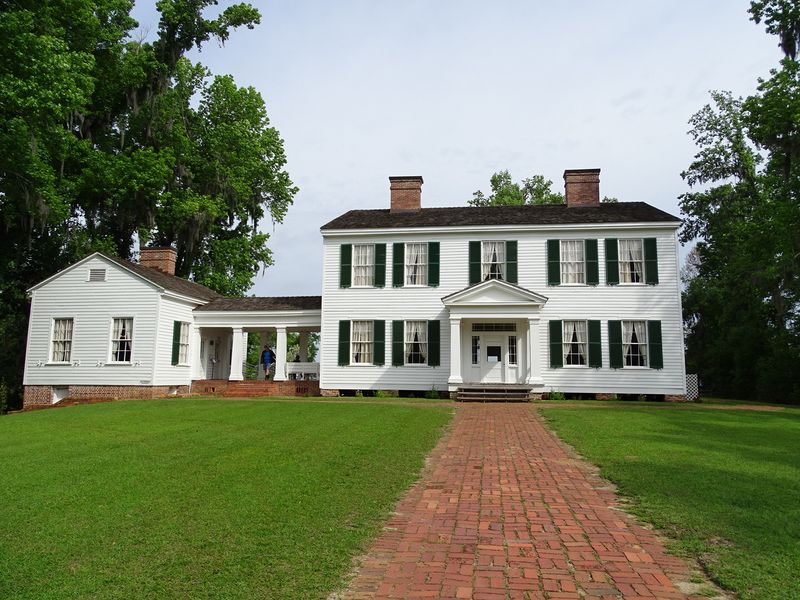
Planter Jason Gregory built his home in 1849 at Ocheesee Landing. Back then, it stood on the opposite side of the Apalachicola River.
By the 1930s, the house sat abandoned. In 1935, it was donated to the Civilian Conservation Corps.
Workers took the whole house apart piece by piece. They carried it across the river and rebuilt it on the bluff where it stands today.
That’s quite a moving day. Most of us complain about hauling one couch up a staircase.
Guided tours share the story of the house and Florida’s frontier days. Tours run at set times, so check the schedule before you go.
The setting alone is worth the visit. The house overlooks the river, and a trail behind it heads toward the water below.
Brick paths near the house also lead past Torreya trees. History and botany share the same short stroll here.
Plan your arrival around tour times. Showing up late and staring through windows isn’t nearly as fun.
Thank A 1930s Work Crew For Those Stone Details
Torreya State Park ranks among Florida’s very first state parks. The Civilian Conservation Corps developed it during the 1930s.
Much of their original stonework still survives. Rustic touches show up around the grounds, giving the park an old-time feel.
The CCC was a Depression-era program that put young men to work. They built roads, trails, and structures in parks all over the country.
Here, their biggest project might be the Gregory House move. Rebuilding a whole plantation home on a bluff is no weekend chore.
The river below carried history long before the CCC arrived. In the 1800s, more than 200 steamboats traveled the Apalachicola.
General Andrew Jackson’s army crossed this river too. The first government road across north Florida reached the river here in 1828.
During the Civil War, Confederate troops watched river traffic from the bluffs. Their gun emplacements remain visible along trails.
The park also has a museum and interpretive exhibits. Spend a few minutes inside, and every trail afterward makes more sense.
Sleep In A Yurt, A Cabin, Or Under The Stars
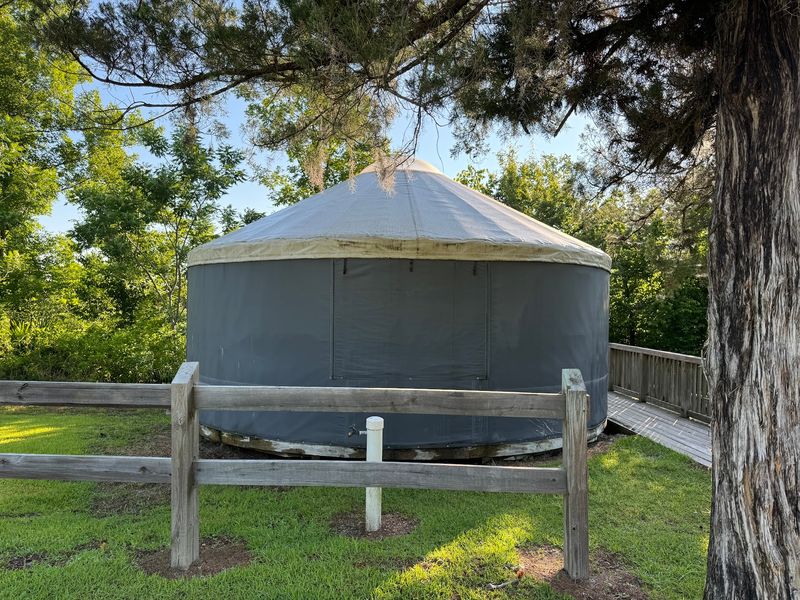
Thirty shaded campsites fill the developed campground. Each one comes with water, electric hookups at 30 or 50 amps, a picnic table, and a fire ring.
Central restrooms offer flush toilets and hot showers. A dump station sits near the entrance for RV campers.
Want walls but not a hotel? The yurt is a 20-foot domed tent with flooring, electricity, air conditioning, heat, and a skylight.
It sleeps up to five with a queen bed and a futon bunk setup. A deck, table, and chairs round it out.
The Cracker Cabin fits six people. It has a queen bed, four bunk beds, air conditioning, heat, and a deck.
Bring your own linens for the cabin. Pets aren’t allowed in the cabin or the yurt.
Craving solitude? Three primitive areas at Rock Bluff are reachable by trail, with fire rings, benches, and vault toilets.
Reserve through the Florida State Parks online system. Also check for burn bans, since campfires sometimes get paused.
Bring Binoculars, Because The Neighbors Are Wild
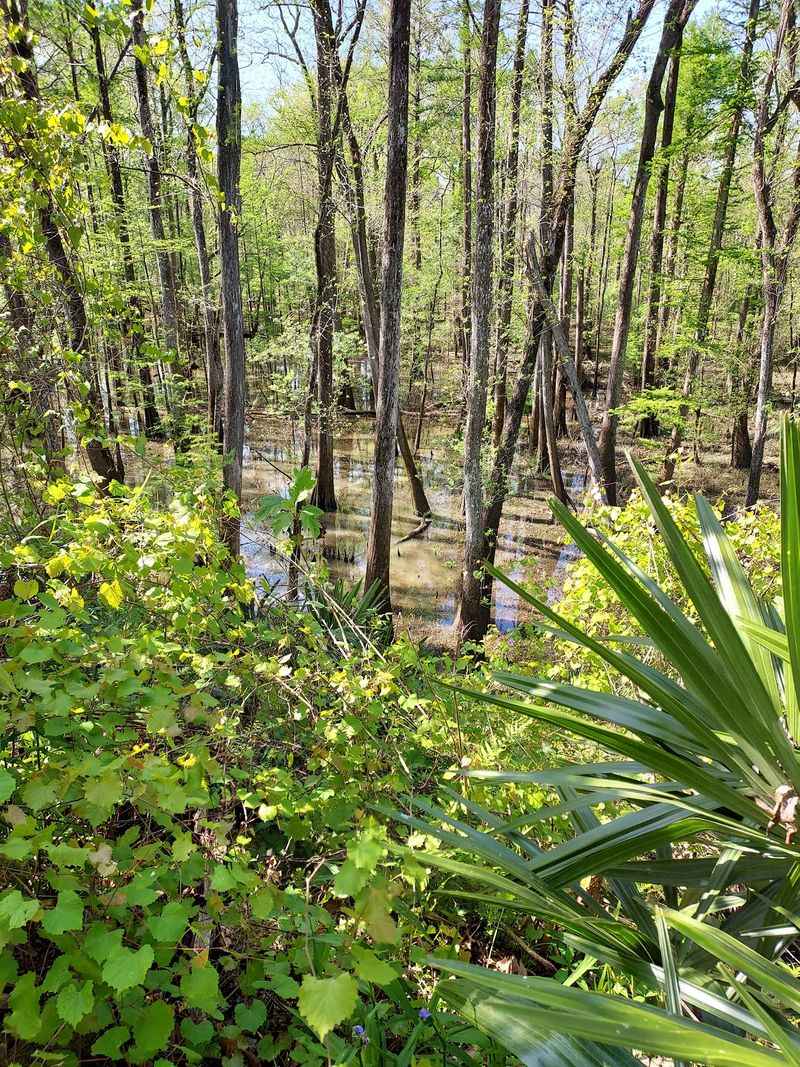
More than 100 bird species have been recorded in the park. Birders, this is your cue to pack the good binoculars.
Mammals roam here too. White-tailed deer, wild turkey, gray squirrels, beaver, bobcat, gray fox, and river otters all call it home.
The reptile list gets interesting. American alligators, box turtles, and the unusual Barbour’s map turtle live in these habitats.
Rare salamanders hide in moist spots. The park’s shady ravines suit creatures usually found farther north.
Snakes deserve respect. Venomous cottonmouths and eastern diamondback rattlesnakes live in the park, so stay alert on trails.
The plant life is just as impressive. The rare Florida yew grows here, along with the U.S.
Champion big leaf magnolia.
Spring brings dogwood, yellow jasmine, and azalea. Those blooms make an already pretty park look dressed for a party.
Move slowly and keep quiet. Wildlife rarely shows up for people stomping and chatting loudly.
Autumn Here Feels Like Florida Borrowed It From Georgia
Red, orange, and gold leaves in Florida sound like a myth. Hardwood forests here put on one of the state’s best fall color shows.
The elevation and northern-style forest make the difference. Few other spots in Florida feel this much like a mountain getaway in autumn.
Fall through spring is the sweet spot for visiting. Temperatures cool down, and river views open up from the bluffs.
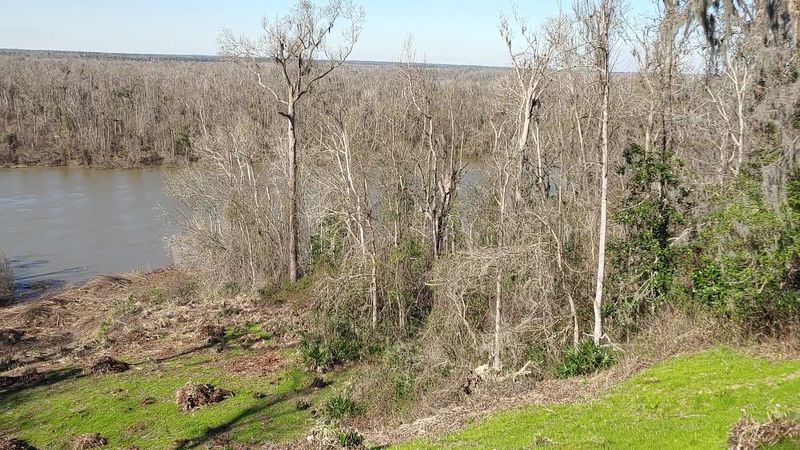
Hurricane Michael changed the landscape a few years back. Some areas still show storm damage, but the ecosystems are recovering.
That recovery is part of the story. It’s a living lesson in how forests heal over time.
Picnic areas and pavilions make easy stops between hikes. Grab a table, spread out lunch, and enjoy the view.
Leashed pets can join you in day-use areas. Just keep them out of buildings.
Pack layers for chilly mornings. A light jacket at sunrise can become a waist accessory by noon.
Stock Up Before You Go, Because It’s Wonderfully Remote
You’ll find the park at 2576 NW Torreya Park Rd, Bristol, FL 32321. It sits about 13 miles north of Bristol, off State Road 12.
The park is open daily from 8 a.m. until sunset. A small per-vehicle entrance fee applies.
There are no restaurants or stores inside. Bristol is about 20 minutes away, so grab groceries and snacks before you arrive.
Tallahassee is roughly 45 miles east. That makes Torreya an easy add-on for a north Florida road trip.
The remote setting is a big part of the charm. Fewer lights mean darker nights for stargazing.
A boat ramp offers public river access. Note that the park has no swimming, so save the bathing suit for later.
Flooding can occasionally affect areas near the river. Call ahead or check for alerts before your trip.
Torreya State Park rewards anyone willing to drive a little farther. Rare trees, high bluffs, and real hills make that extra mileage feel like a bargain.