Light-up sneakers are banned here after dark. Yes, really.
Even a kid’s glowing shoes can spoil the view through a giant telescope.
That rule tells you how seriously this mountaintop takes the night. The sky above it belongs to the largest International Dark Sky Reserve in the world.
It stretches across more than 15,000 square miles of West Texas and northern Mexico.
I love that the whole region agreed to keep things dim for the stars. I believe kids feel that difference the moment the lights go low.
Red flashlights replace white ones, and the Milky Way finally gets a turn to show off.
So what happens when a curious kid meets a sky this dark? I can’t imagine a better place to find out.
Texas has plenty of big skies, but this one comes with telescopes and guides.
The Darkest Backyard Your Kids Will Ever Borrow
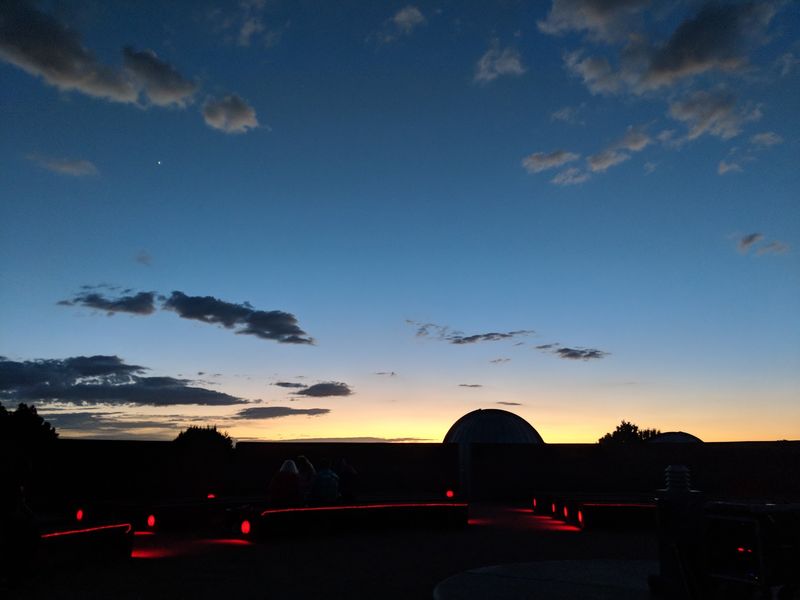
Dark skies are the whole point, and the University of Texas McDonald Observatory sits under some of the darkest in the continental United States. In April 2022, the surrounding region earned certification as the world’s largest International Dark Sky Reserve.
That title covers the Greater Big Bend region, with the observatory at its heart. It spans more than 15,000 square miles across West Texas and northern Mexico.
Why should parents care about lighting rules? Towns and neighbors in the reserve use night-sky friendly lighting.
Less glow on the ground means more stars overhead for small, wide eyes.
City kids often know only a handful of bright dots after sunset. Out here, the sky can feel crowded in the best way.
Some families even get their first real look at the Milky Way.
The protected darkness helps more than tourists, too. It supports serious astronomy research and keeps nighttime wildlife on a natural schedule.
Your kids get to share the sky with scientists and critters alike.
One tip makes a big difference. Plan around the moon, because a bright full moon washes out fainter stars.
Crescent and quarter phases usually leave more of the show visible.
The Star Party Is Basically A Sleepover Without The Sleeping
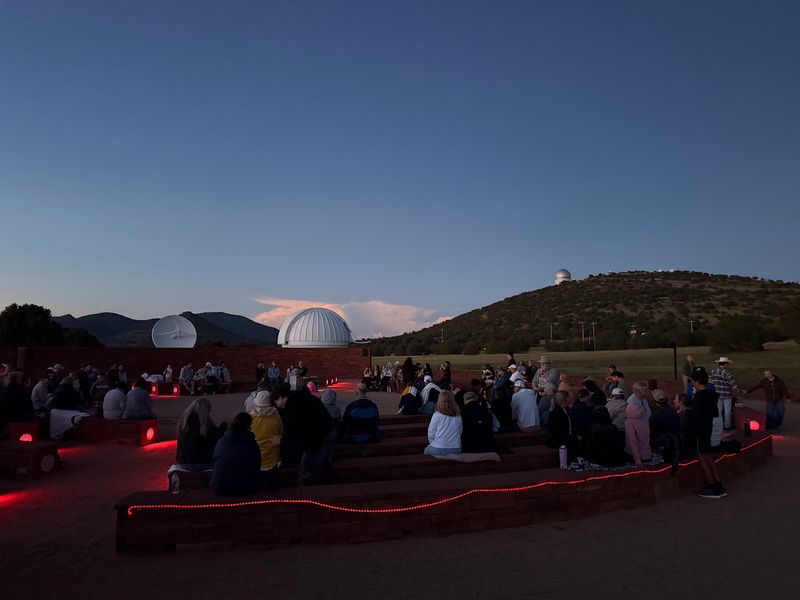
A green laser beam slicing across the stars tends to hush even the chattiest kid. That’s how the Star Party often begins at the Helen S.
Martin Star Amphitheater.
This flagship evening program runs about two hours. A guide leads an open-air constellation tour first, pointing out patterns your family can find again at home.
Next comes the part kids talk about for weeks. Everyone heads to the Rebecca Gale Telescope Park for a look through dedicated public telescopes.
Staff and volunteers aim them at planets, star clusters, and nebulae.
Which objects appear depends on the season and the weather. Saturn’s rings or Jupiter’s moons might be waiting at the eyepiece.
A glowing nebula could be next in line.
The observatory recommends the Star Party for families with children under 8. That makes it the easy pick for younger stargazers.
Bigger, more technical programs have age limits, but this one welcomes everyone.
Programs usually run on select Tuesday, Friday, and Saturday nights. Start times shift with the seasons, since nobody can rush sunset.
Tickets can sell out, so reserve ahead and check the forecast before you book.
Your Kids Can Stare At The Sun Without Getting In Trouble
Every parent has said it a hundred times. Don’t look at the Sun!
Here, the rule gets a happy exception.
Solar Viewing lets families observe our nearest star safely. Kids may spot sunspots and flares through a dedicated solar telescope.
Sometimes the views appear as projections in the Visitor Center theater.
The program usually runs Tuesday through Saturday at 1 p.m. That timing works well for families with little ones who fade fast after dark.
Nap schedules everywhere say thank you.
Daytime programs also give the drive up a purpose before night falls. The mountain views around the observatory are worth seeing in sunlight.
You can scout the grounds while everyone still has energy.
Solar Viewing is a shorter, simpler option than some longer tours. It suits kids who want cool science without a lot of waiting.
The live images of the Sun do most of the talking.
Pair it with an evening Star Party and you’ve covered both day and night skies. Your kids get to compare the star we live with to the faraway ones.
That’s a pretty great science lesson.
Giant Telescopes Up Close Feel Like Meeting Celebrities
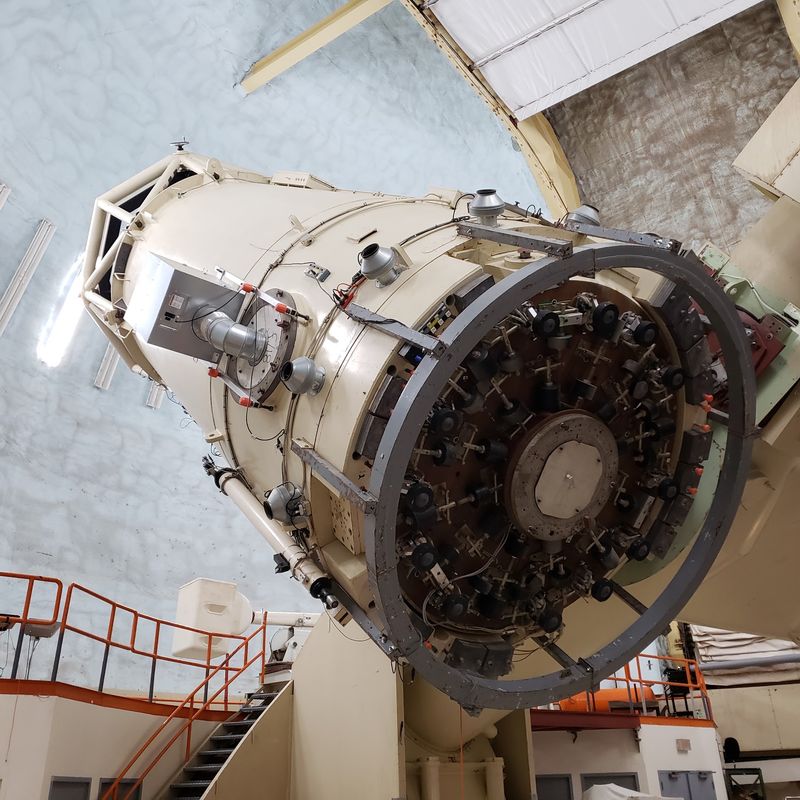
Some telescopes fit on a tripod in the backyard. The ones on these peaks need entire buildings.
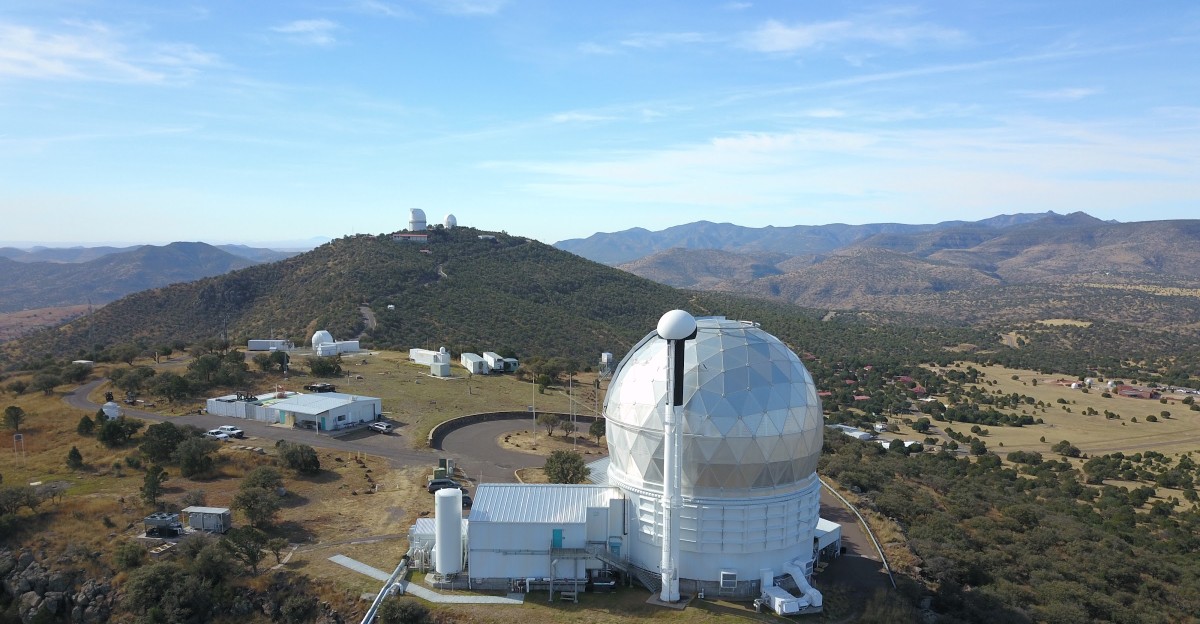
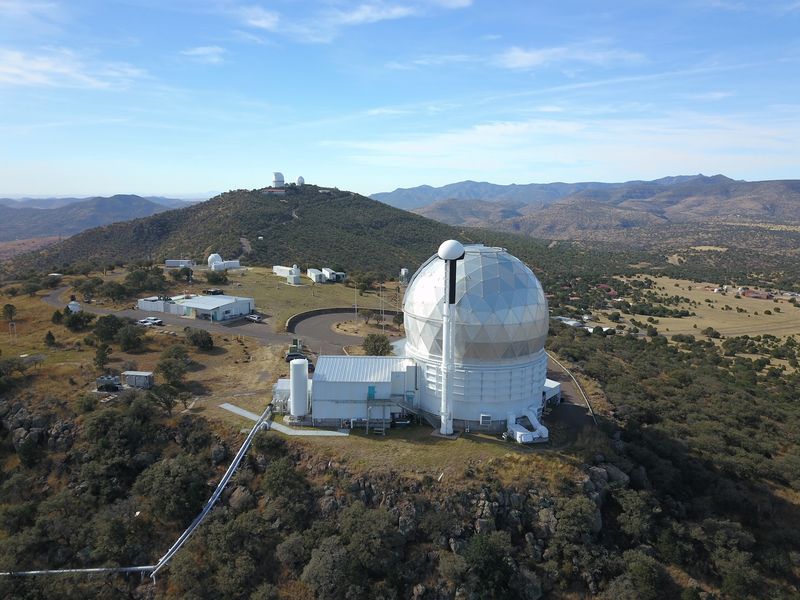
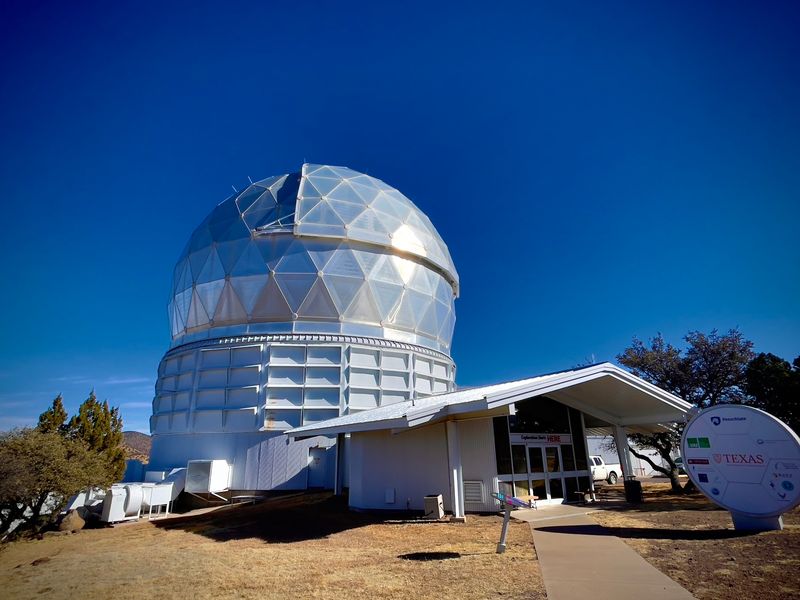
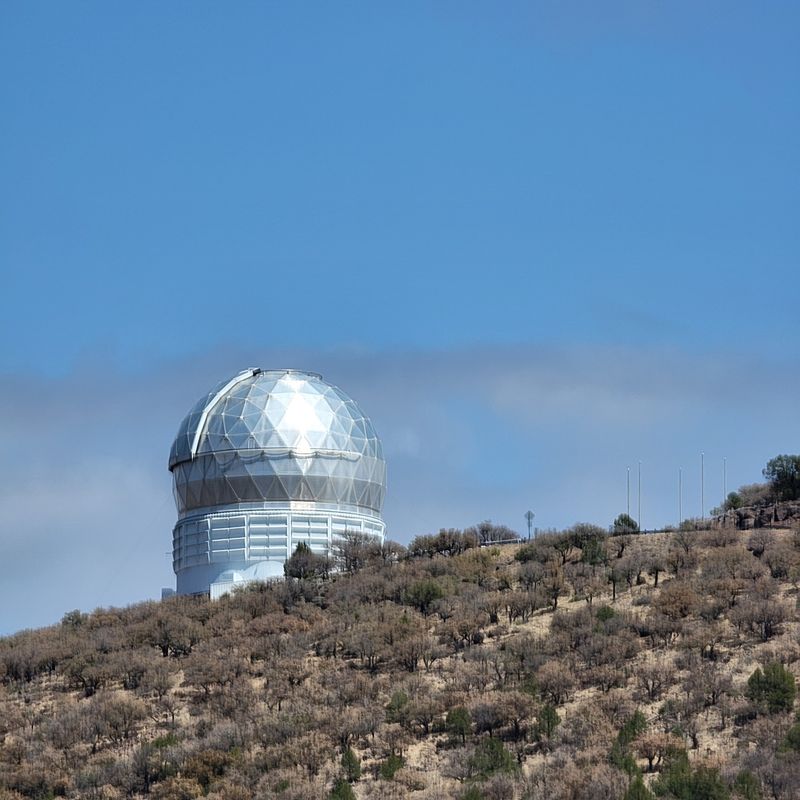
Guided tours at the University of Texas McDonald Observatory bring visitors close to big research telescopes. The Hobby-Eberly Telescope and the Harlan J.
Smith Telescope are among the stars of the show.
Kids who love huge machines will be thrilled. Seeing tools that real astronomers use makes science feel less like a textbook.
It suddenly has a size, a shape, and a purpose.
There’s also an 82-inch Telescope Guided Tour. It explores the story of the first telescope built at the observatory.
History buffs and gadget fans can both get something out of it.
Fair warning for parents of the youngest crew members. Daytime tours lean on explanation and can run about two hours.
Older kids with real curiosity usually get the most from them.
Tour visitors don’t look through the research telescopes during the day. Pair the tour with an evening program for that hands-on payoff.
Then your kids can see what these giant instruments are built to chase.
Red Flashlights Turn Everyone Into A Secret Agent
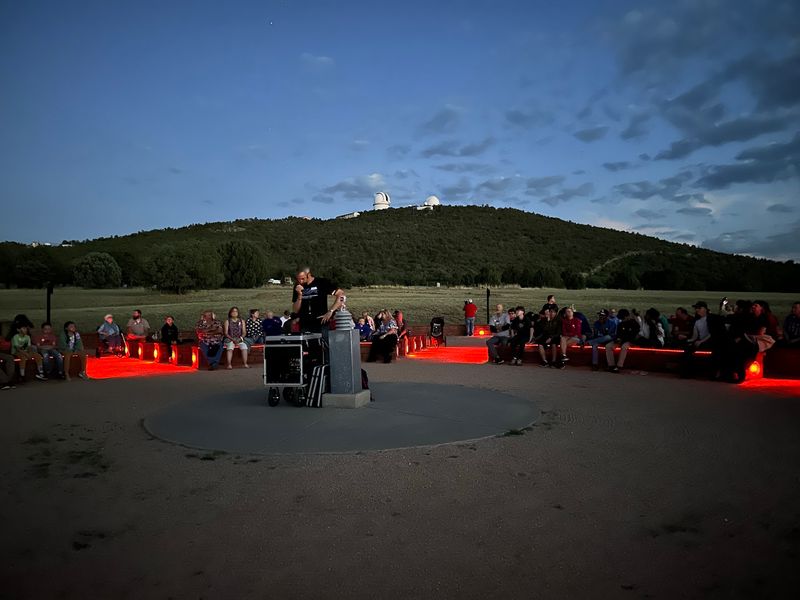
Red flashlights: required. Light sticks and glowing shoes: please leave them in the car.
Kids tend to find these rules surprisingly exciting.
During evening programs, lighting stays low to protect everyone’s night vision. Human eyes need time to adjust to darkness.
One bright flash can reset that process for a whole group.
That’s why white flashlights, light sticks, and light-up shoes aren’t allowed in the Telescope Park and Amphitheater. Visitors are asked to use red-filtered flashlights instead.
Red light helps you see the path without ruining your dark-adapted eyes.
Turn this into a fun mission before you leave home. Let kids pick or make a red flashlight with red cellophane and a rubber band.
Explain that astronomers use the same trick.
Check shoes, too, because blinking sneakers are easy to forget. Packing plain sneakers saves a disappointed moment at the gate.
Bring a jacket as well, since mountain nights can turn chilly.
Minors must stay with an adult who is 18 or older. In the dark, holding hands is just smart.
It also makes the experience feel a little cozier.
Head To The Visitor Center Before Anything Else
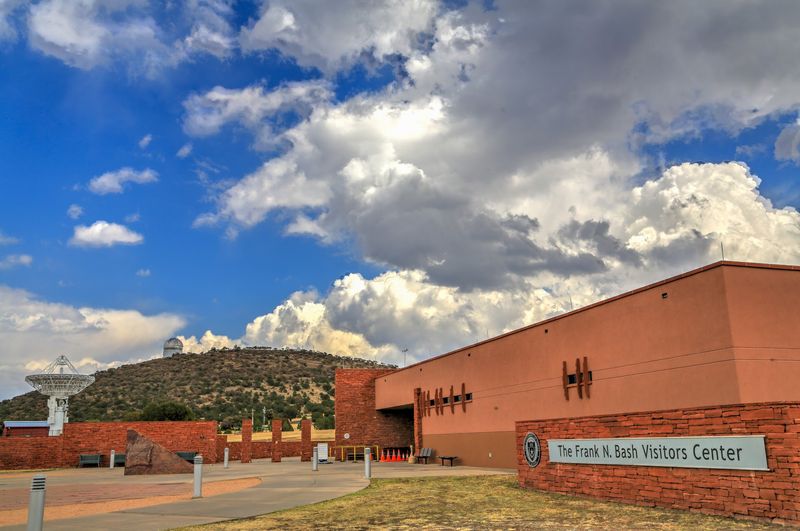
Every adventure here starts at the same front door. All visitors check in at the Frank N.Bash Visitor Center when they arrive.
Inside, exhibits explain astronomy and the research happening on the mountain. General admission covers access to these displays.
It’s a solid warm-up for kids before the sky does its thing.
Accessibility is a real strength. All spaces within the Visitor Center are ADA accessible.
Transport chairs are available free, and wheelchair-accessible restrooms are on site.
Daytime hours usually run from noon to 5 p.m., Tuesday through Saturday. The center closes on Sundays and Mondays.
Check the official calendar before driving, since special closures can happen.
Here’s a detail that matters for planning. Cell service in the area is often spotty or missing.
There’s no public Wi-Fi at the Visitor Center either.
Download tickets, maps, and directions before you head up. Write down any reservation details on paper as a backup.
Kids may grumble about no internet, but the stars make a decent replacement.
Pack Water Because This Mountain Sits Way Up There
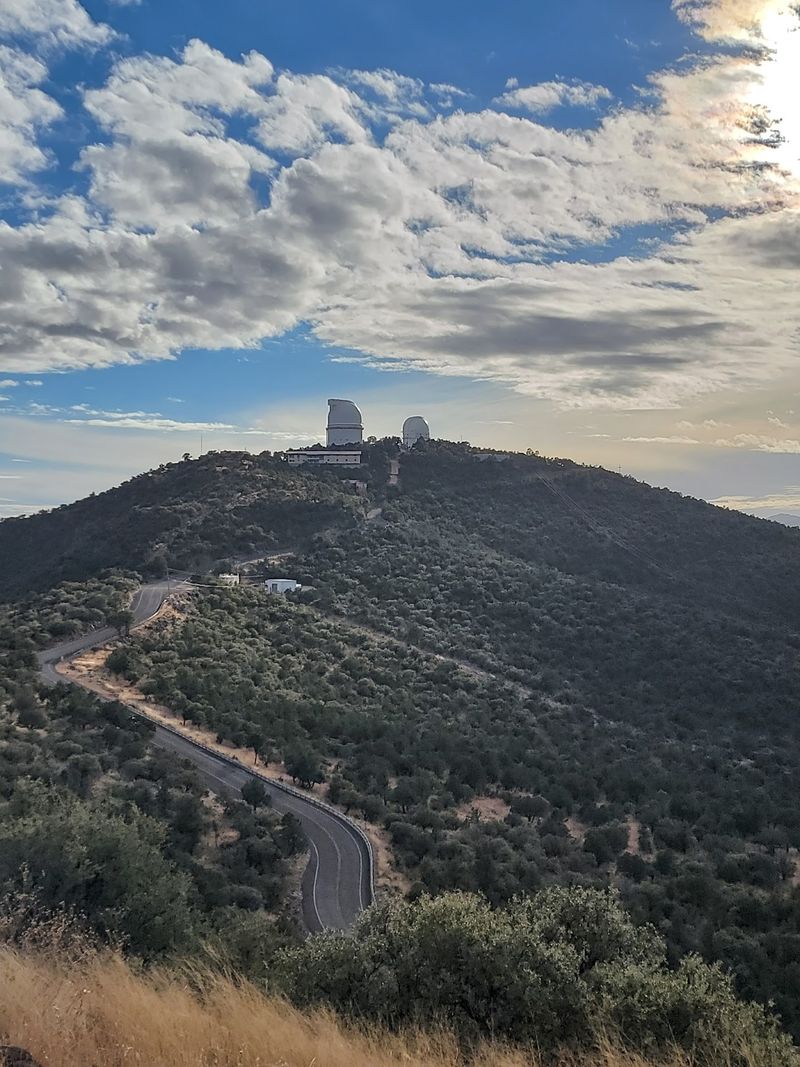
At 6,235 feet above sea level, the Visitor Center sits higher than many famous mountain towns. Some public program areas reach around 6,800 feet.
That height helps make the skies so clear. It also means some visitors may feel the altitude.
Fatigue or dizziness can show up, especially after a long drive.
Kids won’t always tell you they feel off. Watch for extra tiredness or crankiness beyond the usual road-trip kind.
Keep water bottles handy and encourage frequent sips.
The observatory is about 15 to 16 miles northwest of Fort Davis. The full address is 3640 Dark Sky Dr, Fort Davis, TX 79734.
The route winds through the Davis Mountains of West Texas.
Snacks and layers make the trip smoother. Afternoon warmth can turn into a cool evening fast at this elevation.
Pack hoodies even if the day feels toasty.
Give yourself extra time on the road, too. Mountain driving isn’t something to rush, especially after dark.
Arriving relaxed means everyone starts the night in a better mood.
Learning Keeps Going Long After You Drive Home
Not every family can make the trip right away. The University of Texas McDonald Observatory still finds ways to reach curious kids.
Free monthly livestreams feature tours of the Moon, the Sun, and deep sky objects. Hosts also talk about current events happening in the sky.
Some sessions teach backyard astronomy with small telescopes or binoculars.
That’s a great way to prep before visiting. Kids can learn a few constellations at home first.
Then the real sky feels like meeting old friends.
Homeschool Days have offered free programs for ages 5 to 11. They often include activities, a take-home craft, and a snack.
Topics like the Sun and Moon keep things kid-sized.
Demand has been high, though. Registration for the 2026-2027 Homeschool Day programs is currently paused.
Keep an eye on the observatory’s updates for future openings.
Teachers have options as well. The observatory offers K-12 education programs, including field trips and distance learning.
Texas classrooms far from the mountains can still borrow a little starlight.
A Banker’s Gift Built This Starry Playground
A banker from Paris, Texas, made all of this possible. William Johnson McDonald left a large fortune in 1926 with a clear goal.
He wanted it used to build and equip an astronomical observatory for The University of Texas. The observatory was established in 1933.
Its first telescope was dedicated in 1939.
That story makes a fun car-ride fact for kids. One person’s generosity still lets families look at Saturn decades later.
Not a bad legacy for a banker.
Today, the observatory operates as a research unit of The University of Texas at Austin. Scientists still work here, studying the universe from these dark peaks.
Your family visits a working lab, not a museum piece.
Older kids, ages 8 and up, may want Special Viewing Nights someday. These use larger research telescopes and involve steps and low lighting.
Viewings on the 36-inch telescope are paused through fall 2026 for maintenance.
For younger crews, the Star Party remains the best choice. It’s the friendliest door into this Texas treasure.
Who knows, maybe your kid becomes the next astronomer up here.