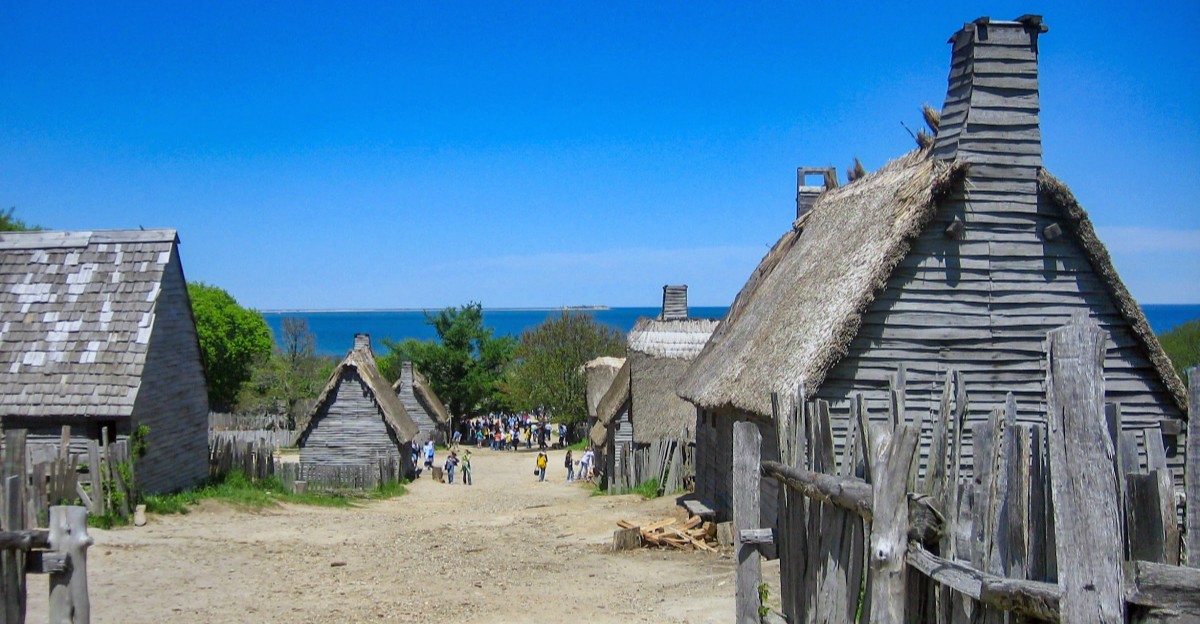
The people in this village will tell you it’s 1627, and they won’t budge. Ask about your phone, and you’ll probably get a puzzled look and a question about your strange accent.
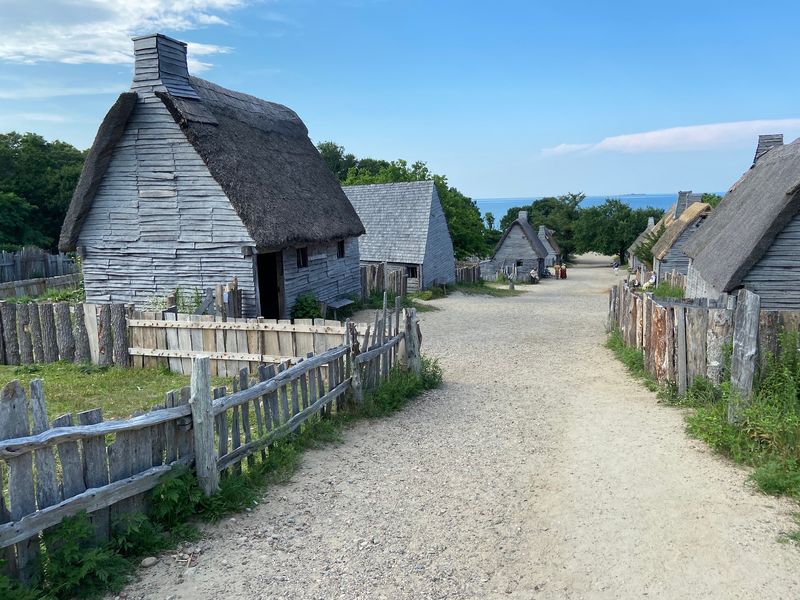
Kids can roll hoops, try stoolball, and even practice a pike drill with costumed colonists. About a dozen timber-framed houses are open for poking around, and touching things is part of the deal.
Just down the path, Wampanoag interpreters share a culture that’s been rooted here for over 12,000 years. They speak as themselves, in modern clothes, and they might be shaping a canoe from a whole log.
I like how this Massachusetts spot treats history like something you do, not something you read. I can’t imagine a better way to make a kid ask, “Wait, they really lived like this?” So where does the adventure start?
Say Hello To Neighbors Who Swear It’s Still 1627
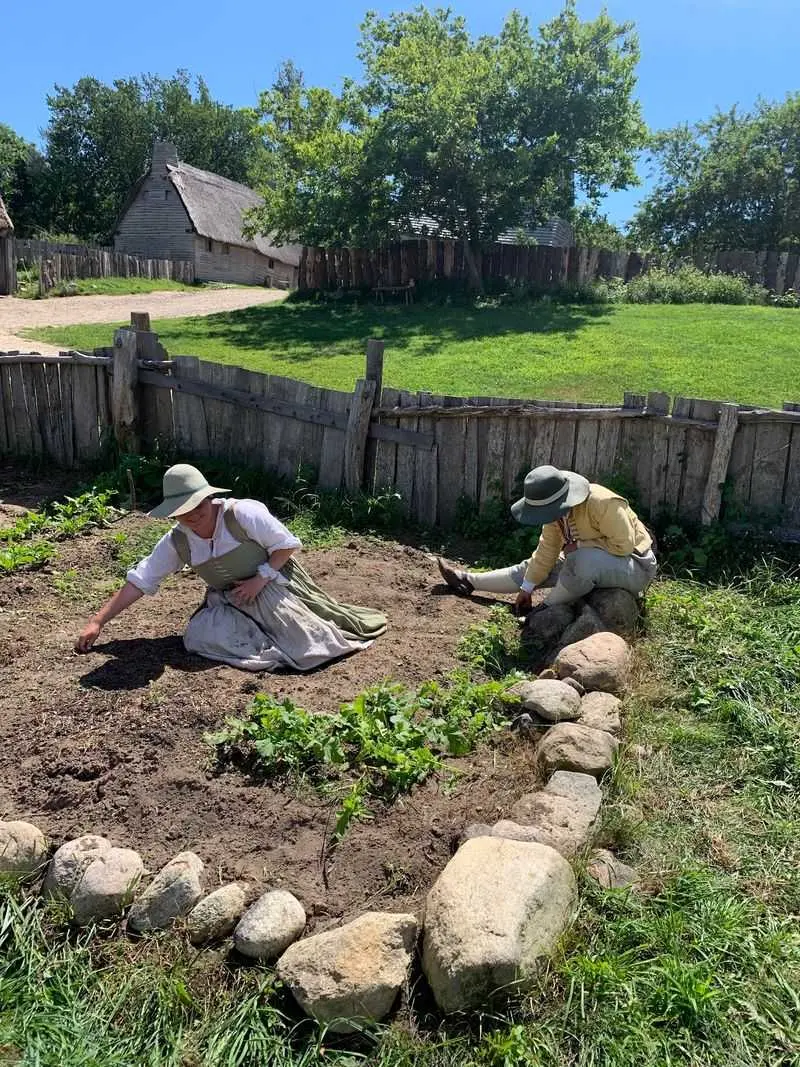
Time travel usually needs a machine, but Plimoth Patuxet Museums only needs a footpath. The 17th-Century English Village recreates the Plymouth colony as it stood in 1627.
Costumed role-players portray real colonists going about their daily lives. They cook, tend gardens, and chat with visitors in the speech and mindset of their time.
That last part is the fun twist. Ask a colonist about cars or pizza, and you’ll likely get a baffled stare or a polite question about your odd ideas.
Kids catch on fast. Soon they’re asking about chores, food, and why anyone would cross an ocean in a cramped wooden ship.
Each role-player represents an actual person from the colony’s history. So the answers come with names, families, and opinions attached, which makes history feel like gossip with a lesson inside.
My tip is simple. Let your kids lead the questions, even the silly ones, because the best conversations often start there.
Shy kids can warm up by listening first. Before long, they’ll probably want a turn asking about bedtime, school, or what supper tastes like in 1627.
Go Ahead And Touch Stuff, Seriously
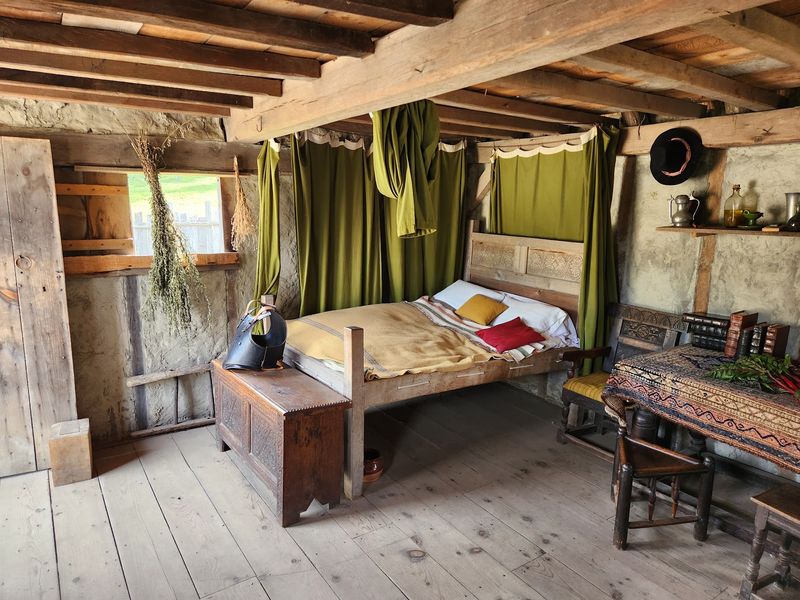
Most museums guard their treasures with ropes and stern signs. Here, about a dozen recreated buildings swing open for curious hands and feet.
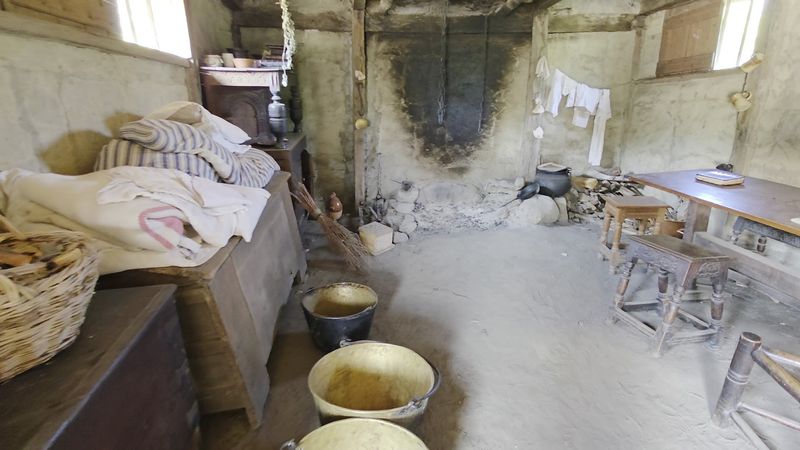
The timber-framed houses hold reproductions of 17th-century objects. Since they’re copies, kids can explore without anyone gasping at a fingerprint.
Inside, you’ll notice how small these homes feel. Families cooked, ate, worked, and slept in very close quarters, which might make a shared bedroom at home look roomy.
Tables, beds, tools, and cooking gear sit right where colonists would use them. It’s a great chance to ask kids what they’d miss most from modern life.
Expect some lively answers. Refrigerators, video games, and indoor bathrooms tend to top the list.
Here’s a practical idea for families with younger kids. Turn each house into a mini scavenger hunt by spotting a spoon, a bed, or a cooking pot.
It keeps little explorers focused and moving. It also sneaks in plenty of looking closely, which is exactly what this village rewards most.
Hoops, Stoolball, And A Pike Drill For Tiny Recruits
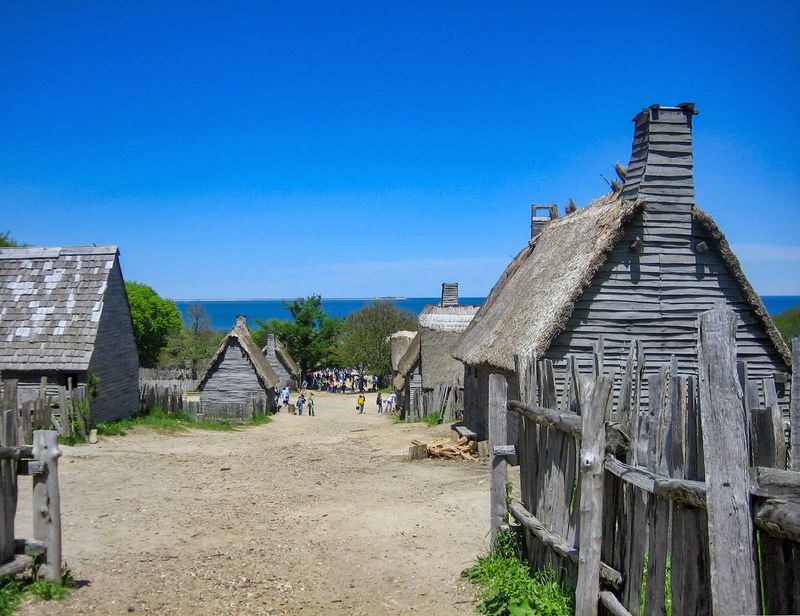
Recess in 1627 looked a lot different. No swings, no slides, just a wooden hoop, a stick, and a whole lot of running.
At Plimoth Patuxet Museums, kids can try 17th-century games like hoop-rolling and stoolball. Wampanoag football is part of the game lineup too, so there’s plenty of variety.
Hoop-rolling sounds easy until you try it. Keeping that hoop upright while running takes more skill than most kids expect.
Stoolball is an old English game that’s often called a cousin of cricket. It’s a fun way to show kids that people long ago loved sports as much as we do.
Then there’s the pike drill. Kids can practice the moves colonists used, holding long poles and following commands like a tiny militia.
No real danger here, just giggles and serious faces trying to stay in step. Families can also join in traditional chores and crafts.
Wear sneakers for this part. You’ll want comfortable feet if your kid challenges you to a hoop race.
Meet The Culture That Was Here Long Before The Mayflower
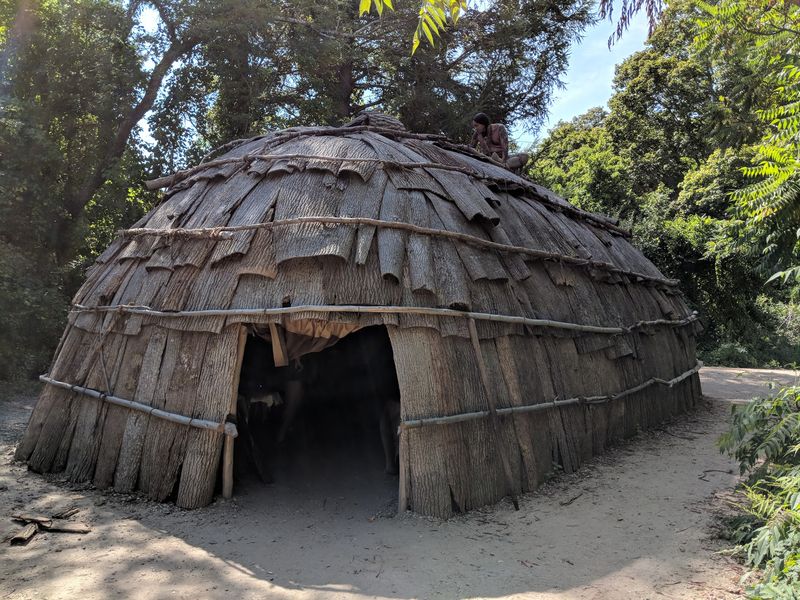
Twelve thousand years is a long time to call a place home. The Wampanoag people have lived in this region for over 12,000 years, and their culture continues today.
The Historic Patuxet Homesite tells that story. Unlike the English village, the interpreters here are contemporary Native people speaking from a modern viewpoint.
That difference matters. Kids can ask real questions and get answers from people whose families carry these traditions forward.
You’ll see traditional homes called wetus. One standout is a large nuhshwetu, which represents a winter shelter.
It’s a cool chance to compare building styles. How did families stay warm, store food, and live with the seasons in Massachusetts winters?
The museum’s Wampanoag Indigenous Program celebrated its 50th anniversary in 2023. That’s five decades of sharing Indigenous voices and perspectives with visitors.
I believe this part gives the whole visit its balance. It reminds kids that Plymouth’s story has more than one side, and both deserve attention.
Encourage respectful questions here. Curiosity is welcome, and learning from living voices beats any textbook chapter.
Somebody Is Burning Out A Canoe, And It’s Fascinating
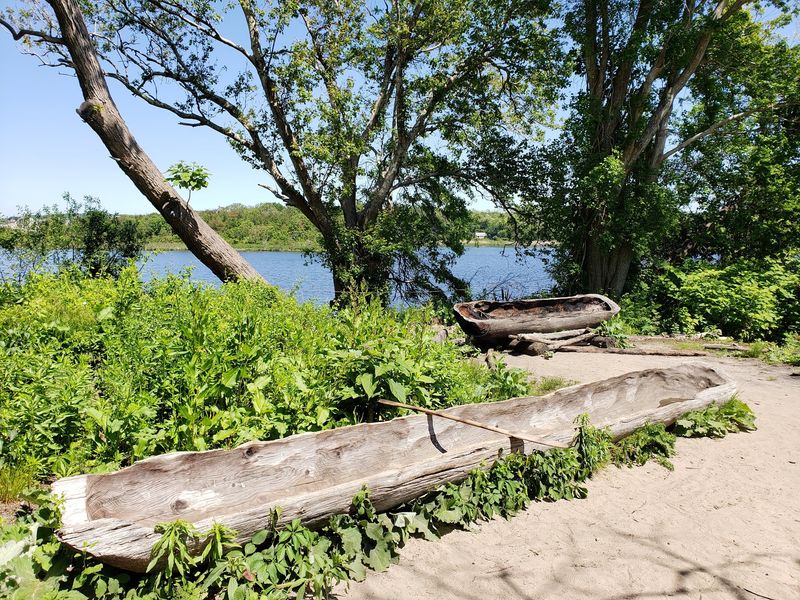
A whole tree trunk slowly becoming a boat is not something you see every day. At the Historic Patuxet Homesite, that’s exactly the kind of work that might be happening.
Interpreters demonstrate how to build dugout canoes, called mishoons. The traditional process uses fire and tools to hollow out a single log.
Kids usually have a lot of questions about this. How long does it take, and does the fire ever get out of hand?
Those are great questions to ask the interpreters directly. They can explain the skill, patience, and teamwork behind every mishoon.
It’s a good reminder that technology didn’t start with electricity. Clever problem-solving has been around for thousands of years.
Try turning this into a quick talk on the drive home. Ask your kids what they’d build if all they had was a log, fire, and a few tools.
Odds are you’ll hear some wild ideas. A treehouse, a raft, maybe even a log-powered race car, which nobody has invented yet.
The Café Pays You A Little Bonus Just For Showing Up
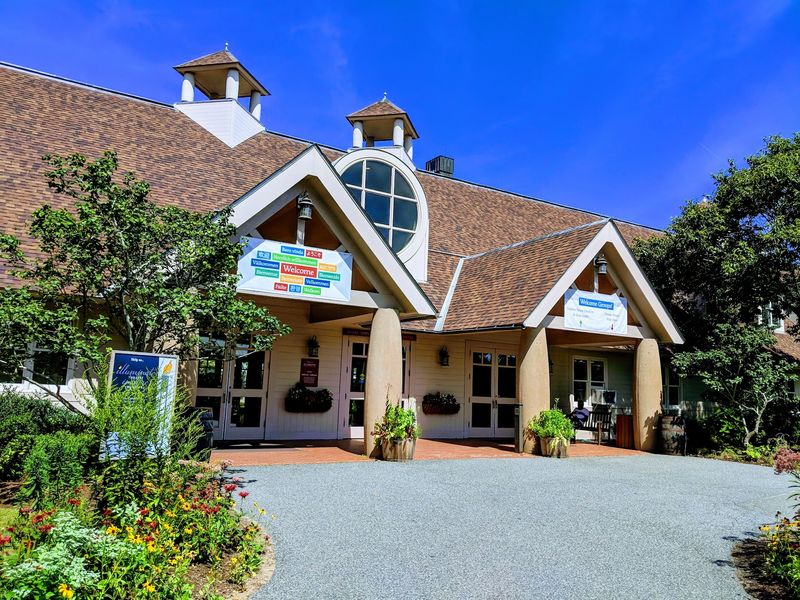
Hungry kids can turn a history lesson into a negotiation fast. Luckily, the Plentiful Café sits right in the Visitor Center.
It’s a quick-service spot, so you won’t lose half your day waiting. The menu mixes dishes inspired by Wampanoag and English food traditions with modern choices.
Salads and sandwiches cover the picky eaters. Snacks are available too, for those moments when someone is suddenly starving after five minutes.
Here’s a nice perk. Every admission ticket includes a small added value you can use at the café.
It won’t cover a feast, but it’s a friendly bonus. Think of it as a tiny thank-you for visiting.
Seating comes both indoors and outdoors. On a nice day, eating outside makes a great pit stop before or after exploring.
A smart move is grabbing food before you head out to the villages. Visiting usually involves about half a mile of walking over uneven ground.
Full stomachs make that stroll a lot cheerier. Trust me, your legs and your patience will appreciate it.
Little Ones Get Their Very Own Playtime With The Past
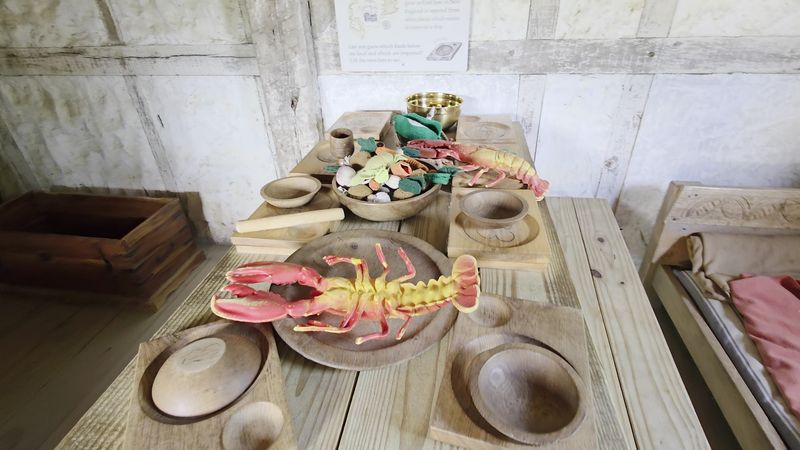
Preschoolers aren’t known for long lectures. So the museum smartly offers special events built just for them.
The Past in Play is designed for kids ages 3 to 5. It features sensory stations, takeaway activities, and storytime.
Sensory stations let little hands feel textures and materials. That’s often how the youngest learners make sense of new things.
Takeaway activities mean the fun follows you home. Your kitchen table might become a tiny history workshop for an afternoon.
The museum also offers programs and workshops tailored for young learners in PreK through 2nd grade. These are great for families whose kids need hands-on, bite-sized learning.
Check the event calendar before planning your trip. Special programs run on certain dates, and you won’t want to miss one by a day.
Bring snacks and a flexible attitude. Toddlers set their own schedules, even in 1627.
I like that the museum doesn’t treat little kids as an afterthought. Starting curiosity early can spark a lifelong love of stories from the past.
Your Ticket Might Lead You To A Ship And A Mill
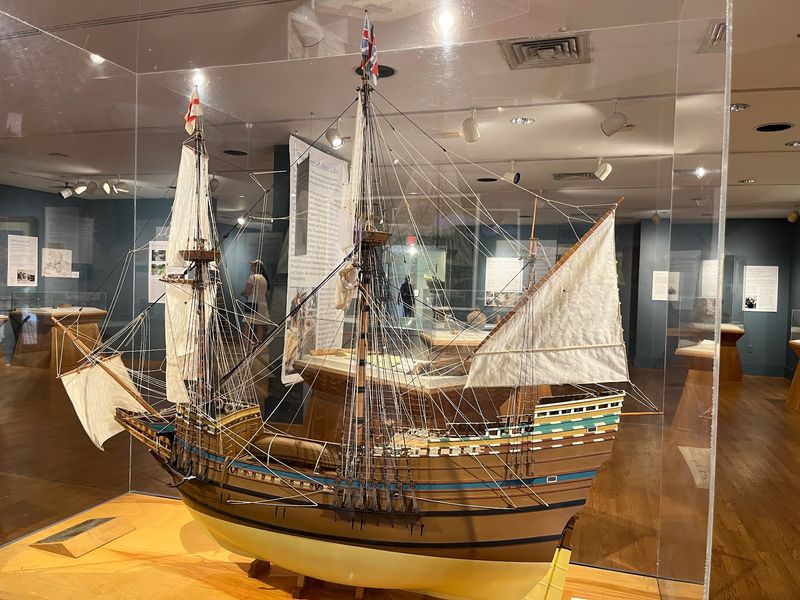
History here doesn’t stay on one campus. Plimoth Patuxet Museums also operates Mayflower II, a full-scale reproduction of the ship that carried the Pilgrims in 1620.
The ship docks at State Pier in downtown Plymouth. After a major restoration, it joined the National Register of Historic Places in 2020.
Climbing aboard helps kids grasp how tight the journey felt. More than 100 passengers crossed the Atlantic in a space that seems tiny today.
Mayflower II is typically open to the public from early May through late November. Plan around that if the ship is a must-see.
Then there’s the Plimoth Grist Mill. It’s a reconstruction of the colonists’ original 1636 mill on Town Brook.
Watching how grain became flour adds a whole new piece to the colony puzzle. Kids who love machines often find it surprisingly cool.
Doing everything in one day can be a lot. Splitting the sites across two days keeps legs fresh and attention spans happy.
Plan Smart And Beat The School Bus Rush
Timing is everything, especially with school groups around. Plimoth Patuxet Museums sits at 137 Warren Avenue, Plymouth, MA 02360.
For GPS directions from Route 3, the museum suggests using 26 River Street, Plymouth. That helps you dodge road work delays.
The museum is open seasonally, typically March through the Sunday after Thanksgiving. During the season, hours run daily from 9 AM to 5 PM.
Weekday mornings from 9 AM to 1 PM tend to be the busiest. Afternoons are usually calmer, which can make conversations with role-players feel more relaxed.
Parking is free on-site, which is always a pleasant surprise. The museum is also wheelchair accessible.
Expect about half a mile of walking over uneven terrain. Sturdy shoes beat fancy ones every single time.
Plymouth is less than an hour’s drive south of Boston. It’s also about 15 minutes north of Cape Cod, so it pairs nicely with a Massachusetts beach trip.
That combo sounds like a pretty great family weekend to me.
The Season Gets Cozier When The Fires Come Out
Thanksgiving in Plymouth hits a little differently. The museum hosts Fall Harvest Dinners, including The Story of Thanksgiving Dinner and a Thanksgiving Day Homestyle Buffet.
Some of these dinner packages include two days of museum admission. That’s a sweet deal for families who want more time to explore.
When the weather turns chilly, the fun keeps going. Firelight and Candlelight: Winter After Dark brings music, stories, dancing, and warm fires.
Visitors explore after dark and learn about Wampanoag winter traditions. The 17th-Century English Village glows by firelight, which sounds downright magical.
The Winter Fine Arts and Craft Fair is another seasonal favorite. It features handmade gifts from independent artists and Indigenous Artisan Fellows.
Live music and hay rides round things out. It’s a holiday shopping trip that doesn’t involve a crowded mall parking lot.
Workshops pop up through the season too, covering topics like Wampanoag pottery and the Mayflower Compact. Check the calendar and grab spots early.
Honestly, Plimoth Patuxet Museums might just become your family’s favorite yearly tradition in Massachusetts.