A live oak estimated to be more than a thousand years old sits on one small town’s official seal. It stands 68 feet tall, and its branches can spread up to 120 feet wide.
That tree is only the start. Shrimp boats line a quiet creek here, and homes still run on wells and septic tanks.
There’s no public water or sewer system at all.
I love that this South Carolina village feels so deliberately slow. Streets are shaded by mossy oaks, and the seafood often comes straight off nearby docks.
One restaurant here has been in business since 1894.
The whole place hugs the edge of a wild coastal refuge and a giant national forest. So how does a town this small pack in this much personality?
Let’s walk the main street and find out.
Slow Down On A Street Built For Strolling
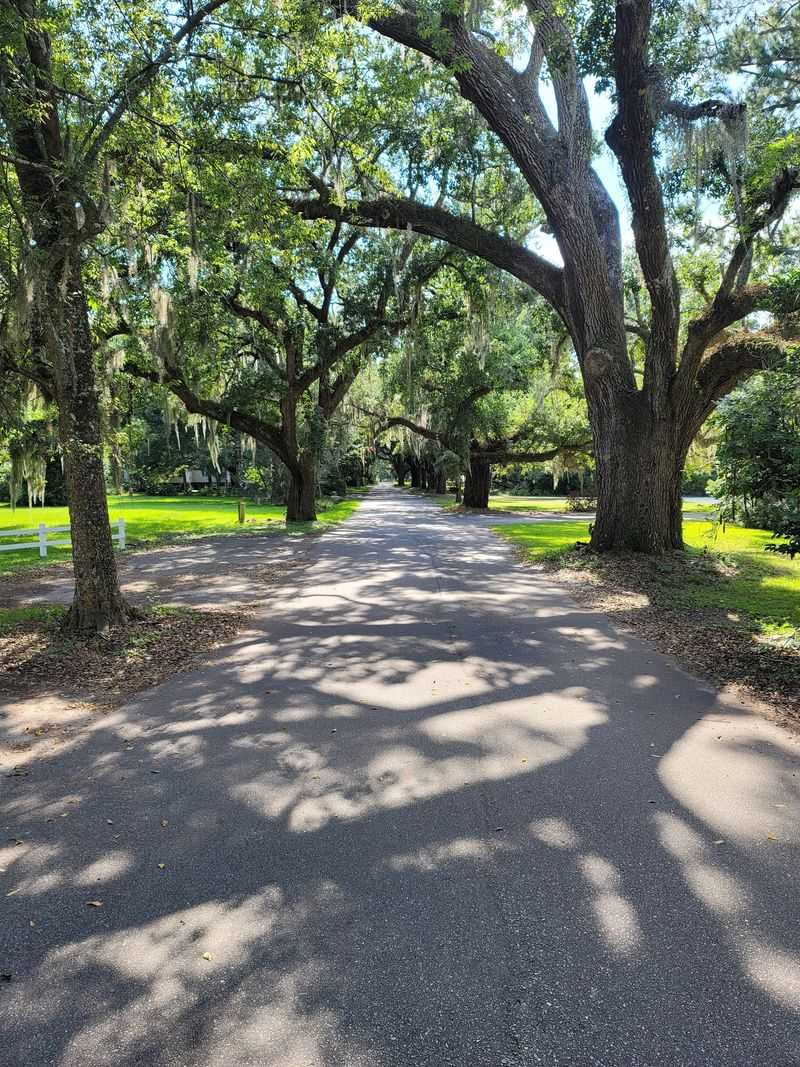
McClellanville, South Carolina, runs on a slower clock than most beach towns. Pinckney Street is the main road, and it practically begs for a leisurely walk.
Huge live oaks arch over the pavement here. Spanish moss hangs from the branches like old lace curtains on a breezy porch.
Historic homes line the route, and much of the town sits inside a historic district. That district landed on the National Register in 1982, so the old character is here to stay.
The quiet isn’t an accident, either. Homes and businesses use wells and septic tanks instead of public water and sewer lines.
That setup keeps building spread out and low-key. The result feels more like a village than a busy resort strip.
Town Hall sits at 405 Pinckney Street, McClellanville, SC 29458. It’s a handy anchor point when you’re getting your bearings.
Wear comfortable shoes and leave the rush at home. A stroll here works best with plenty of pauses for shade and staring at porches.
Bring a camera, too. Those oak tunnels are basically free scenery, and the light under them changes all day long.
A Thousand-Year-Old Tree Gets Top Billing On The Town Seal
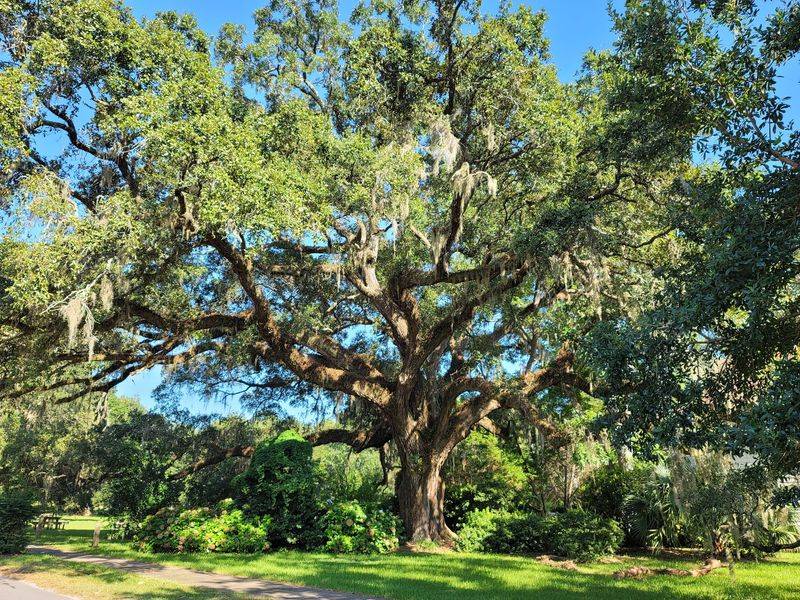
Plenty of towns put a building or a founder on their official seal. McClellanville chose a tree, and honestly, that tree earned it.
The Deerhead Oak is a live oak estimated to be over a thousand years old. It reaches 68 feet tall, with a trunk more than 20 feet around.
Then come the branches. They can stretch up to 120 feet wide, which is wider than many houses are long.
Do the math for a second. This oak was likely growing long before French Huguenots settled the area around 1685.
It has also outlasted some rough chapters. Hurricane Hugo made landfall here in 1989, yet the town’s leafy symbol still stands proud.
A visit takes just a few minutes, but it sticks with you. Kids especially love trying to picture how many of them could link arms around that trunk.
Be respectful while you admire it. Stay off fragile roots and give the old giant some breathing room.
Morning or late afternoon light makes for the best photos. The moss glows, and the shadows stretch out like the tree is showing off.
Grab A Table Where Business Started Back In 1894
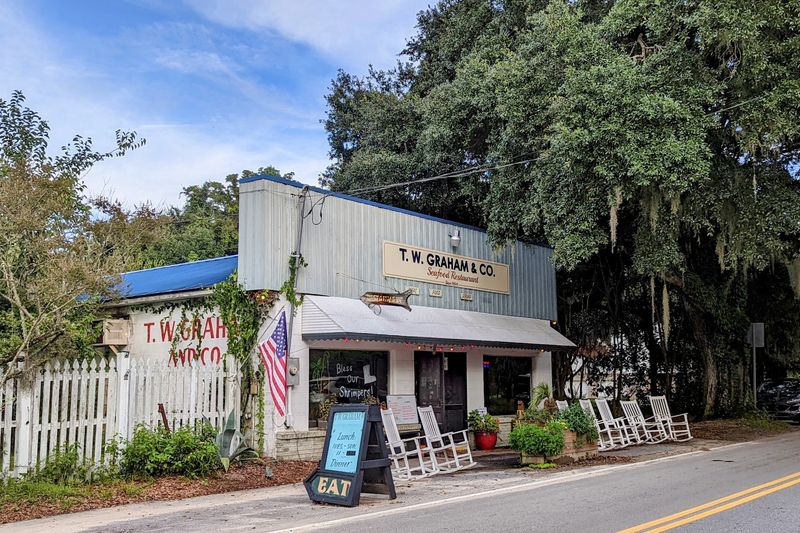
Opening in 1894 makes T.W. Graham & Co. the oldest business in town.
It began as a general mercantile store, selling everyday goods to local families.
Today, it’s a Lowcountry seafood restaurant at 810 Pinckney Street. The menu leans hard into the coast, and that’s exactly the point.
Shrimp, oysters, scallops, flounder, grouper, and crab all show up here. Some crab dishes come from the chef’s own pots, which is about as local as dinner gets.
Not everyone in your crew loves seafood? No problem.
Burgers and steak are on the menu, too.
Thursdays bring a fun twist with Mexican Night. It’s a nice surprise in a town so famous for shrimp boats.
Eating here feels like getting a slice of McClellanville history with your meal. The building has watched the town change for well over a century.
Plan your visit around dinner if you can. A sunset stroll on Pinckney Street afterward makes a pretty great dessert, even without a spoon.
Hours can shift by season. Check ahead before you make the drive.
Breakfast Grits And Banana Pudding Make A Strong Case For The Diner
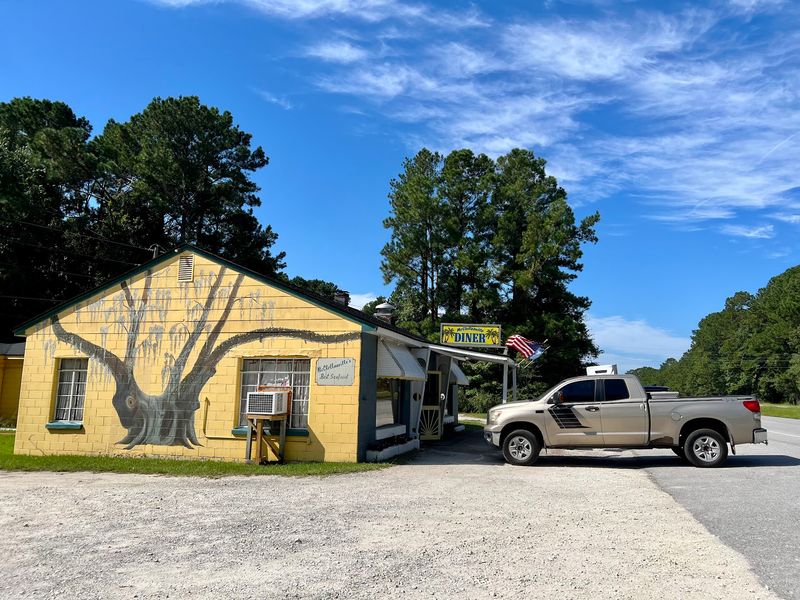
Banana pudding is a big part of the reputation at McClellanville Diner. Honestly, that’s a pretty sweet thing to be known for.
You’ll find it at 9905 N Highway 17, right along the main coastal route. That makes it an easy stop if you’re driving through.
Mornings start with breakfast and classic Southern staples like grits. It’s a solid way to fuel up before a day outdoors.
Later in the day, the menu covers diner favorites like burgers and fries. Local flavor sneaks in, too.
Shrimp and grits, crab soup, and oyster po’boys all represent the coast here. So yes, you can stay casual and still eat like you’re near the docks.
The vibe fits families, road-trippers, and anyone who just wants an easygoing meal. No fancy outfit required.
My advice? Save room for that pudding no matter what you order first.
If you’re heading to the national forest or the wildlife refuge, this spot works well as a starting point. A full stomach makes the trails feel shorter, or at least it feels that way.
Shrimp Boats Steal The Show Along Jeremy Creek
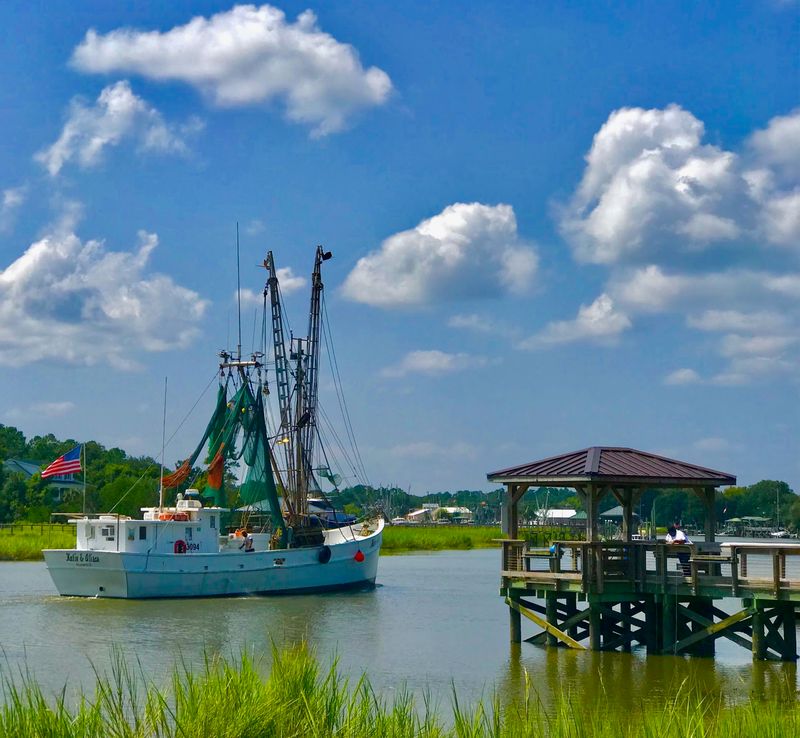
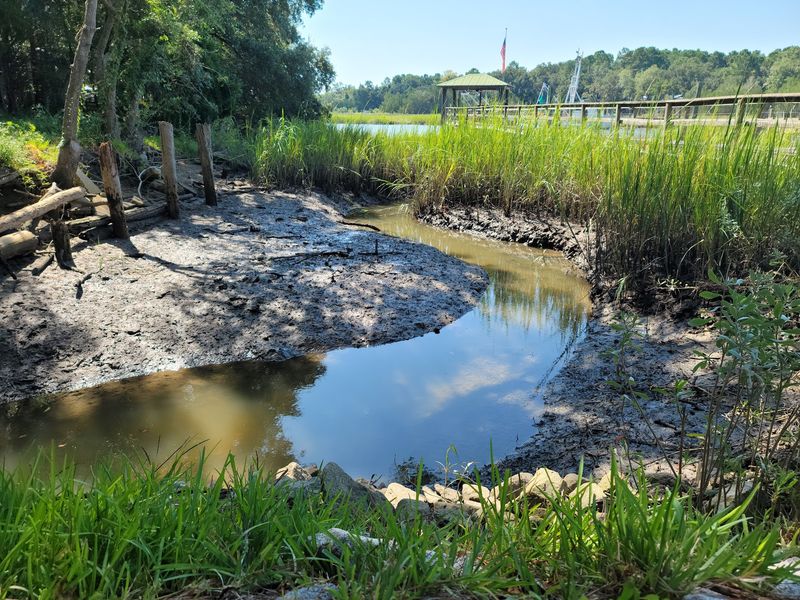
Working shrimp boats crowd the docks on Jeremy Creek. They aren’t props for tourists, either.
They’re the heart of the local economy.
The town once relied on rice, indigo, and cotton. Over time, the seafood industry took over, and shrimping, fishing, and oystering shaped daily life.
That’s great news for anyone who cooks. Local docks like Carolina Seafood and Livingston’s Bulls Bay Seafood sometimes sell shrimp and other catches straight from the source.
Availability depends on the season and the catch. A cooler in your trunk is a smart backup plan.
Boaters have options here, too. The town keeps a boat landing tied to 405 Pinckney Street, and launching watercraft requires a permit.
Even if you never touch the water, the creek is worth a long look. Rigging, nets, and marsh grass make a scene that feels pulled from an old postcard.
Be polite around the docks, since people are working. Watch your step and stay clear of gear.
Buying seafood this close to the boat feels special. Supper tastes better when you know exactly where it came from.
Local Stories And Local Art Live Right On Pinckney Street
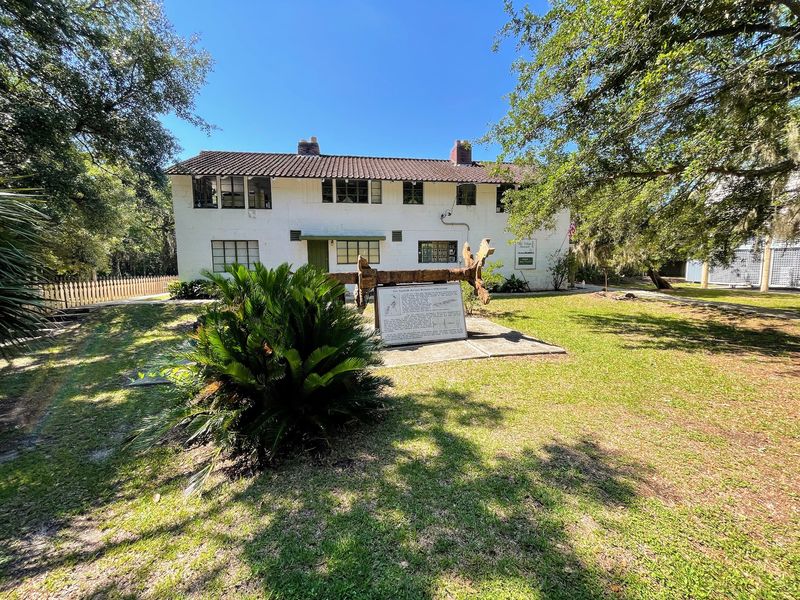
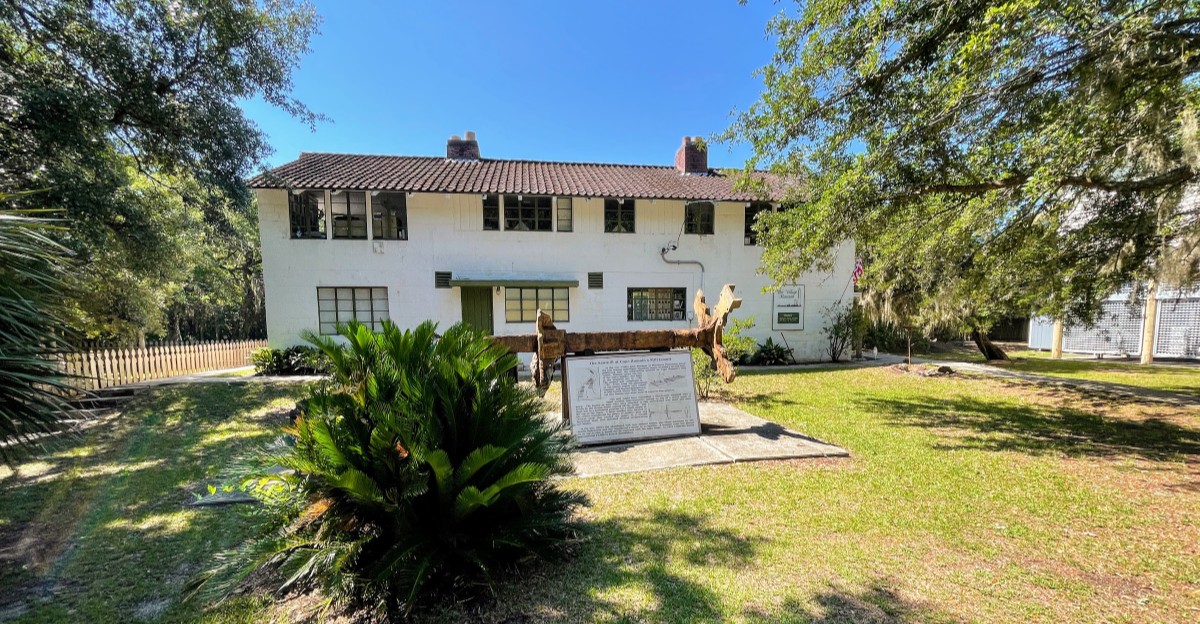
Reconstructed 19th-century cabins are just one surprise at The Village Museum. You’ll find it at the end of Pinckney Street.
The museum traces local history from early Indigenous communities to the Santee Delta plantation era. It also covers the rise of the seafood industry.
Look for boatbuilding tools, maritime accounts, and Native American stories. Photographs from before Hurricane Hugo add a powerful look at the town’s past.
Timing matters here. The museum opens on Thursdays, Fridays, and Saturdays, so plan your trip with that in mind.
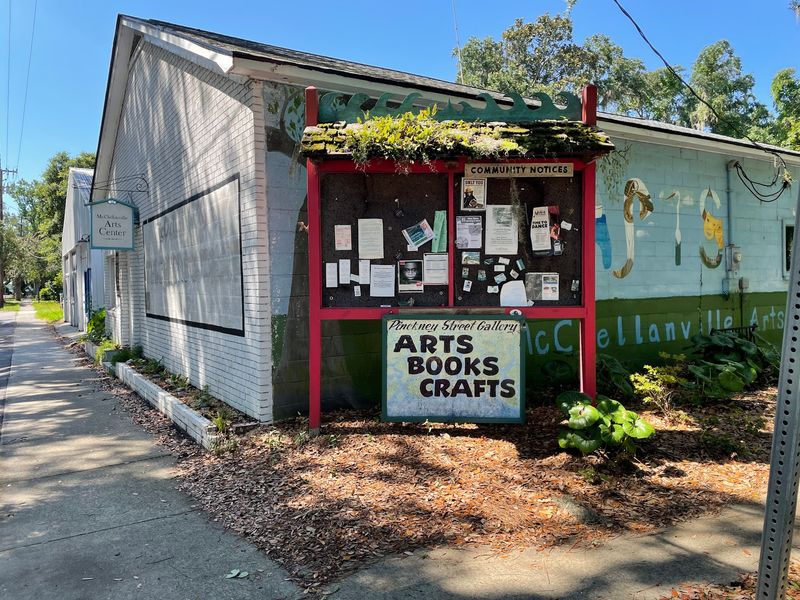
Art lovers have another stop on the same street. The McClellanville Arts Council shows work by local artists in rotating exhibits that are free to the public.
Expect pottery, jewelry, stained glass, and paintings. It’s a great place to see how the marsh and creek inspire creative minds.
Pairing both spots makes for a fun rainy-day plan. You’ll learn the story, then see the art it sparked.
For a quiet extra, the C. Thomson Labyrinth is a brick maze on private property that welcomes guests.
Walk it slowly and let your thoughts wander.
Old Churches Hold Centuries Of Lowcountry History
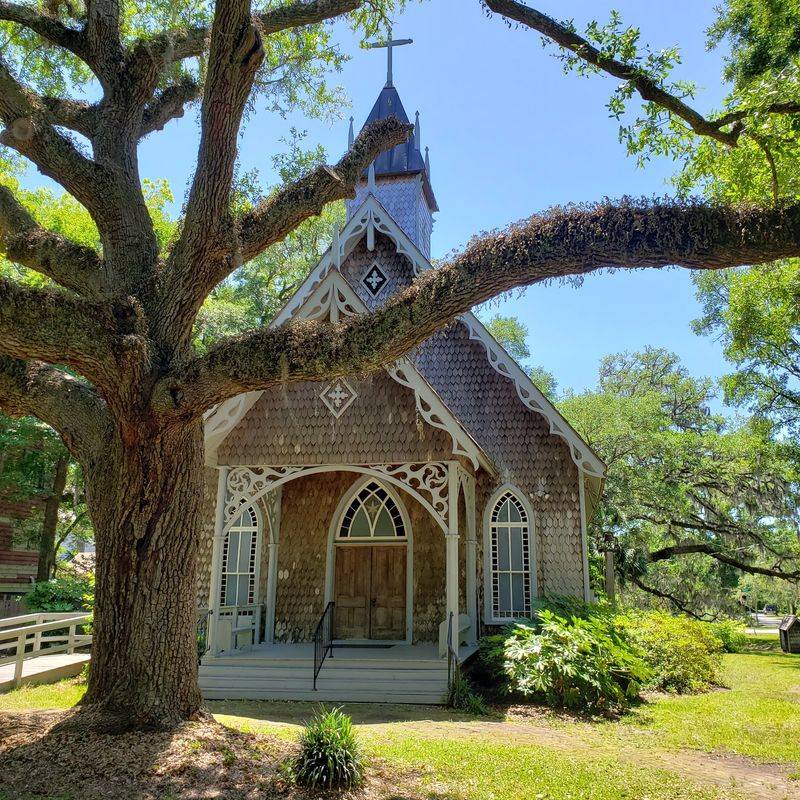
Some history lessons come with brick walls and very old trees. Near McClellanville, two churches tell stories that stretch back a long way.
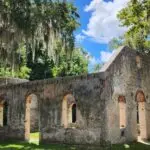
The Brick Church at Wambaw dates to the early 1700s. That’s older than the United States, which is a fun fact to drop on a car ride.
St. James Santee Episcopal Church was built in 1890. It reflects South Carolina’s long colonial and religious roots in this part of the coast.
The town itself grew from a summer retreat for rice and indigo planters. They came seeking cooler coastal air and relief from summer fevers.
The McClellan family, among the area’s earliest settlers, gave the town its name. Official incorporation came much later, in 1926.
Visiting these sites feels calm and thoughtful. Keep voices low and treat the grounds with respect.
Photographers will appreciate the old brickwork and quiet settings. History buffs will enjoy connecting each building to the bigger story.
Pair a church visit with a museum stop. Together, they turn a simple day trip into a real time-travel adventure.
Wild Beaches And Swamp Trails Wait Just Beyond Town
Bare, sun-bleached trees stand right in the surf at Boneyard Beach on Bulls Island. It looks like a forest wandered into the ocean and stayed.
That island sits inside Cape Romain National Wildlife Refuge, which borders McClellanville. The refuge stretches 22 miles along the South Carolina coast.
More than 300 bird species use the area. Sea turtles and dolphins show up, too.
Bulls Island has seven miles of undeveloped beach and 16 miles of trails. Coastal Expeditions runs ferries and eco-tours there from Garris Landing in Awendaw.
Inland, the Francis Marion National Forest covers 259,000 acres. Hikers, bikers, horseback riders, and paddlers all find room to roam.
Try the Sewee Shell Mound or I’on Swamp interpretive trails. Paddlers can explore the Wambaw Creek kayak and canoe trail through blackwater cypress-tupelo swamp.
Buck Hall Recreation Area sits six miles south of town on the Intracoastal Waterway. It offers camping, picnic areas, a boat ramp, and Palmetto Trail access.
Pack bug spray, water, and sunscreen. Nature here is gorgeous, but it doesn’t run a snack bar.
Plan Around The Festivals And You Won’t Regret It
May kicks off with a big party on the water. The Lowcountry Shrimp Festival and Blessing of the Fleet lands on the first Saturday of the month.
Expect seafood, food vendors, and live music. The traditional boat blessing happens on Jeremy Creek at the Robert E.
Ashley Boat Landing.
Spring also brings the Wisteria Parade. Golf carts, strollers, floats, and even pets get decked out in purple blooms.
From spring through December, the McClellanville Land and Sea Market sets up weekly under the oaks. Local growers, bakers, and artisans fill Pinckney Street.
Summer brings a Fourth of July Picnic at the town bandstand. Live music and a community choir add to the old-fashioned fun.
Holiday shoppers can enjoy the Village Holiday Art Walk. Local artists line the street while live music plays.
2026 is extra special because the town turns 100. The Centennial series includes the exhibit “A Village Shaped by the Tides,” opening June 27, 2026.
Check event dates before you go. A small town throwing a big birthday party is something you’ll want to see.