A crater from an exploded powder magazine still dents the ground beside a Civil War fort. The fort’s earthen walls still rise from the grass, too.
And you can walk right up to them without paying a dime.
The fight here happened on September 27, 1864. It was the opening clash of a Confederate general’s raid through Missouri.
The Union troops inside held on with a deep moat, steep walls, and hand grenades.
I like how small the fort looks compared to the size of the story. That gap makes the history hit harder.
A modest museum fills in the details with relics and a short film.
I can’t imagine a better free history lesson for a grandkid who thinks the past is boring. So what does a battlefield in the Missouri hills look like today?
A Free Civil War Stop In The Missouri Hills
Grassy mounds don’t usually make history buffs drive across the state. The Battle of Pilot Knob State Historic Site is the happy exception.
The park sits in the small town of Pilot Knob in southeast Missouri. It protects the remains of Fort Davidson, a Union earthwork that once guarded this valley.
Here’s the welcome part for anyone watching the budget. Both the fort grounds and the museum are free to enter.
The site carries a 4.6-star rating across more than 600 Google reviews. That’s a strong showing for a park built around dirt walls and a small museum.
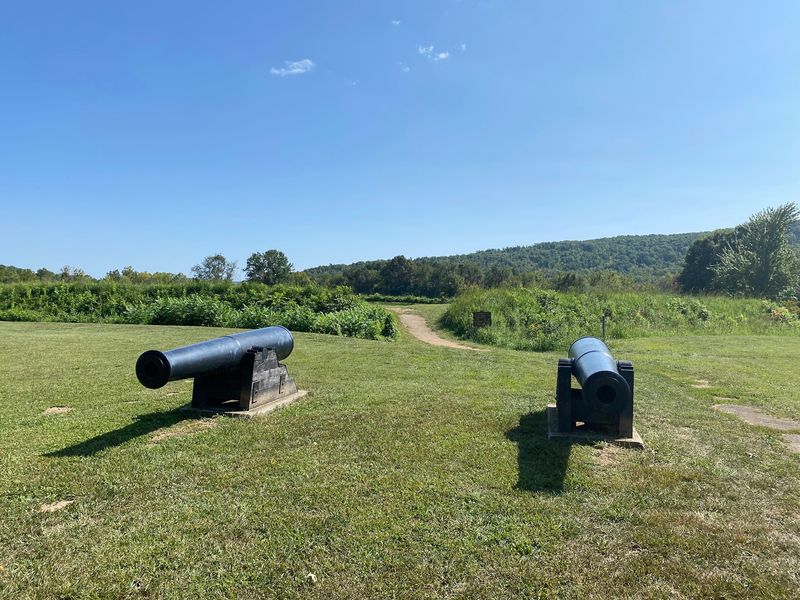
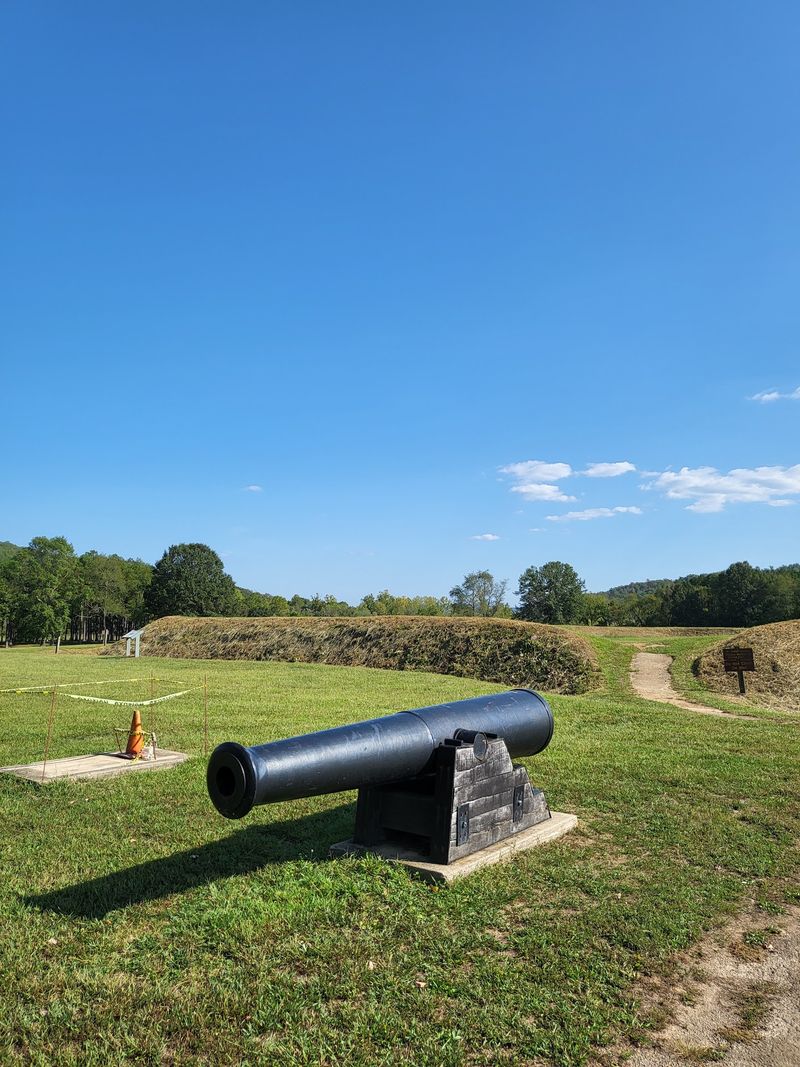
Fort Davidson itself is the main draw. Its earthen walls still poke up from the landscape, and the shape of the old fort is easy to trace.
Around it, history markers walk you through the story outside. A museum and visitor center add relics, exhibits, and a film inside.
The setting helps, too. Rural scenery and rolling Missouri hills frame the whole place.
It works as a quick stop off the highway or a planned day trip. Either way, you’ll leave knowing a chapter of Missouri history most folks never learned in school.
September 1864 And The Fight For A Tiny Fort
On September 27, 1864, this quiet valley turned loud. A Confederate general opened his raid into Missouri by attacking the Union fort here.
The defenders were badly outnumbered. Still, they had a few tricks working in their favor.
A deep moat surrounded the fort. Steep earthen walls and covered firing positions made a direct charge brutal for the attackers.
The Union troops also used Ketchum hand grenades. Those early grenades helped keep the Southern soldiers at bay.
Confederate losses ran heavy, with well over a thousand casualties reported in the attack. For such a small fort, that number stops you cold.
The site’s story also explains why this spot mattered at all. The museum covers the importance of Fort Davidson’s location to the larger Union effort.
That context changes how the grounds feel. One visitor noted the fort seems far more interesting after reading about the battle first.
So give yourself a little time with the background. The earthworks outside become a lot more than bumps in the grass once you know what happened around them.
Earthen Walls You Can Still Trace Today
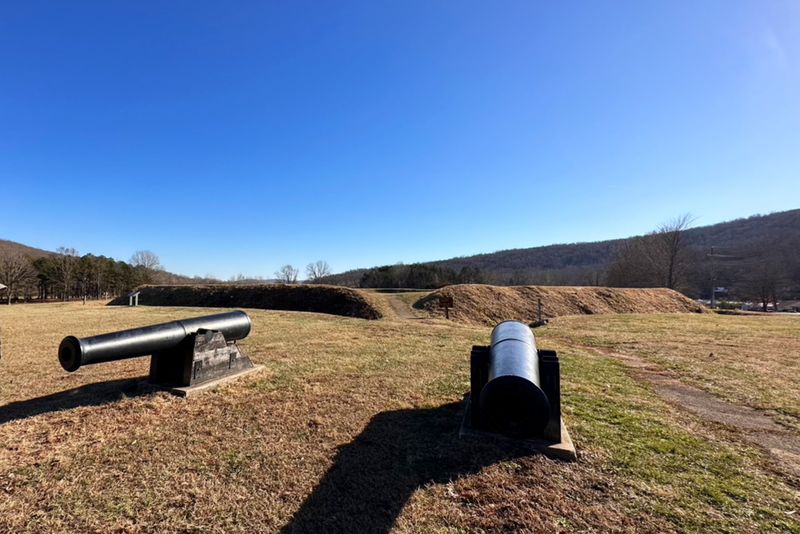
Nobody poured concrete here in 1864. Soldiers shaped Fort Davidson out of packed earth, and much of that work still rises from the field today.
You can walk around the remains and follow the outline of the old fort. Several visitors mention being surprised by how small it really was.
That small size is part of the punch. A modest dirt enclosure held off a much larger force, and you can see the scale with your own eyes.
Look for the remains of the moat surrounding the walls. It helps you understand why attackers struggled to get close.
The grounds stay well kept, with mowed grass around the earthworks. It’s easy walking for most ages, with no steep trails to tackle.
Kids tend to like anything they can climb near or peer into. Grandparents tend to like a history lesson that doesn’t require a long hike.
Bring a little imagination along. Once you picture the walls full of soldiers, the quiet field starts telling its story pretty fast.
That Hole In The Ground Has A Wild Backstory
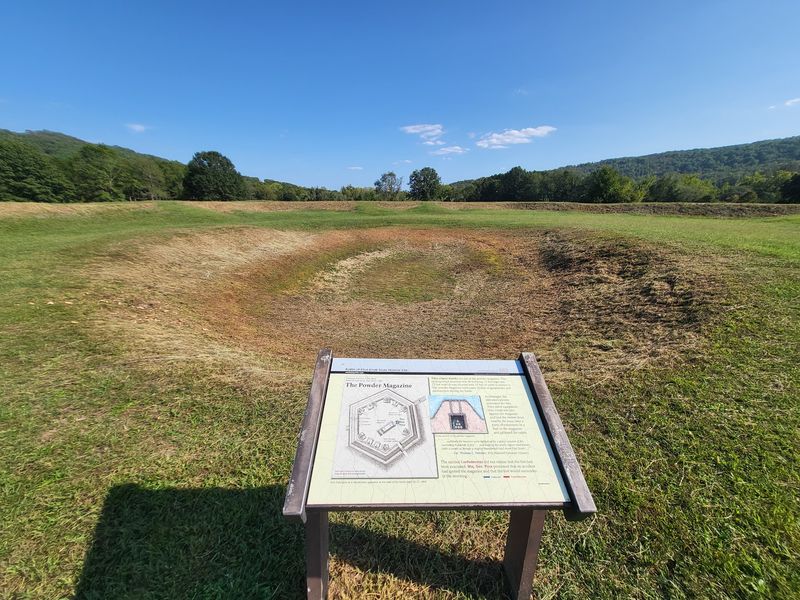
Some battlefield souvenirs fit in a display case. This one is a crater you can stand beside.
When the Union troops pulled out of Fort Davidson, the fort’s powder magazine was blown up. The blast left a hole that still exists inside the old fort today.
It’s one of the most talked-about details at the site. Visitors point it out as a cool surprise after seeing how compact the fort was.
Picture a fort’s whole gunpowder supply going up at once. The ground still remembers it more than 150 years later.
The crater gives kids something concrete to latch onto. A dent in the earth makes the story feel real in a way a textbook rarely does.
It’s also a great photo stop. Have the grandkids stand at the edge and you’ve got a picture with an actual Civil War story behind it.
Read the nearby markers before you move on. They help connect the crater to the end of the fight and the troops’ retreat from the valley.
Relics, A Short Film, And A Cool Spot On Hot Days
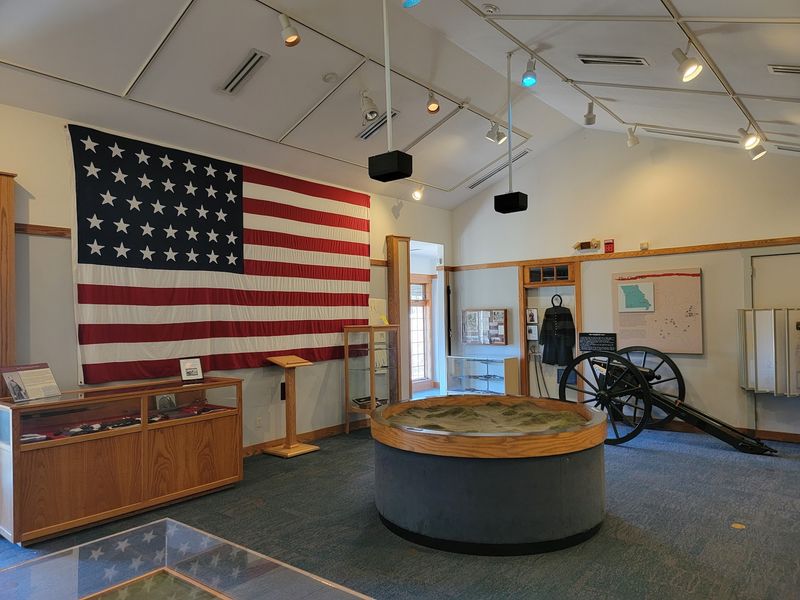
Start indoors, and the outdoors makes more sense. The visitor center museum at Battle of Pilot Knob State Historic Site is small, but it’s packed with relics from the area.
Display cases hold Civil War artifacts with explanations beside them. Exhibits lay out the battle and why this valley mattered.
A film offers an overview of the area and the fight. Visitors describe it as roughly 20 to 30 minutes, which is a nice sit-down break.
Watching it first is a smart move. Several visitors recommend seeing the video before touring the battlefield and fort remnants.
One exhibit reportedly shows the battle’s action in a display. It isn’t always running, so ask the staff whether it’s working that day.
The staff often earns kind words for being friendly and knowledgeable. Questions are welcome, and the answers usually beat any sign.
On a sticky Missouri summer afternoon, the museum doubles as a cool place to rest. That’s a welcome perk for older travelers and worn-out little ones alike.
Follow The Markers Across The Battlefield
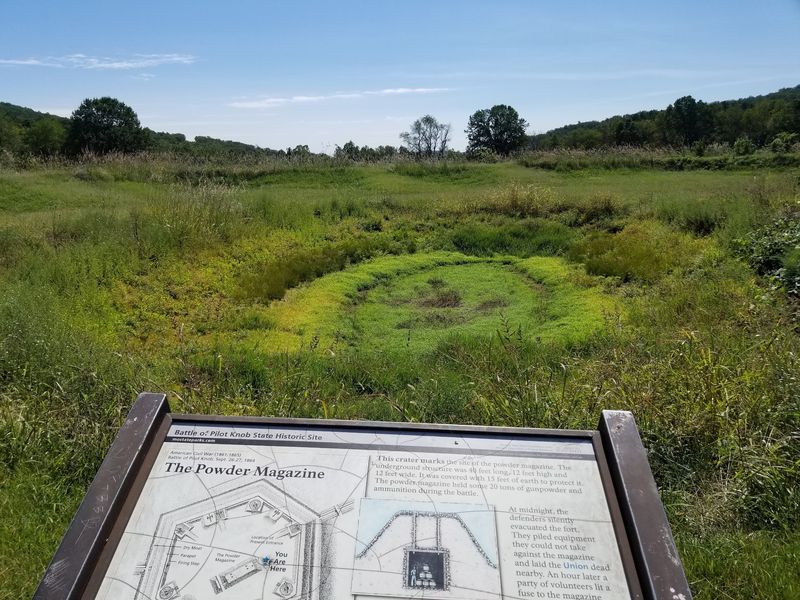
Good signs make a self-guided tour feel easy. Here, interpretive markers lead you through the battle in chronological order.
That setup works nicely for families. You can move at your own pace and read as much or as little as you like.
The markers sit around the fort and battlefield. Each one adds another piece of what happened on that September day.
Better yet, the outside grounds are always open to walk around. Late arrivals can still explore the earthworks after the museum closes.
Large groups may get a bonus. Staff have reportedly taken groups on outdoor tours, so it doesn’t hurt to ask ahead.
Wear comfortable shoes and bring water in warm weather. Open fields can feel hotter than you expect under a full Missouri sun.
One tip for grandparents: let the kids read a marker aloud. It turns the walk into a game and keeps everyone listening.
By the last sign, the field looks different. The quiet grass suddenly feels full of movement and noise from long ago.
Pack A Lunch For The Shady Picnic Spots
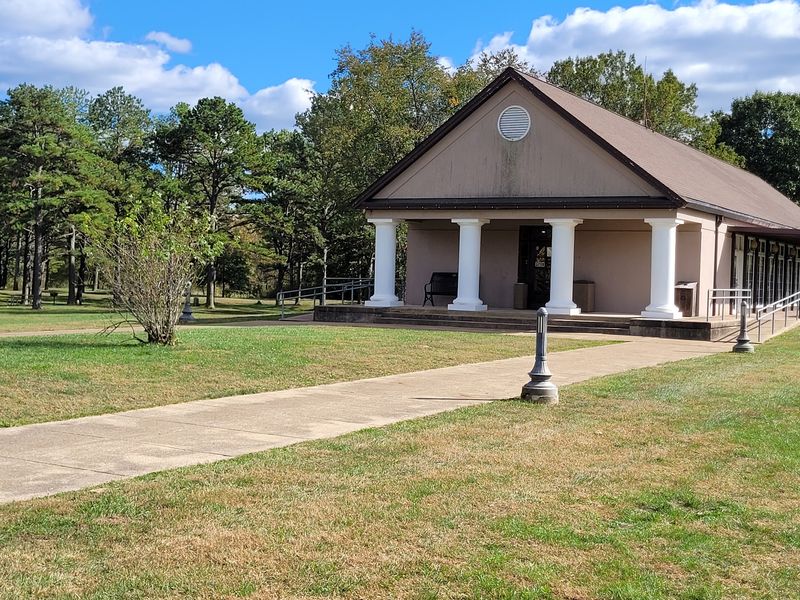
History and a sandwich pair better than you’d think. The park has multiple small pavilions, picnic tables, and benches scattered across the grounds.
Shady trees and well-cut grass make it a comfortable lunch stop. Visitors regularly describe the space as clean and well maintained.
There’s also a playground. Younger kids can burn off energy after all that reading and walking.
Parking is plentiful, so pulling in with a car full of family is no hassle. That counts for a lot on a day trip.
Honestly, it’s a terrific budget plan. Free admission plus a packed cooler adds up to a whole afternoon for very little money.
The open park area won’t wow everyone on its own. Pair it with the fort and museum, though, and it feels complete.
Hungry crowds who skip the cooler have options too. The surrounding area has places to grab lunch, which makes a sit-down meal easy to add.
Either way, plan to linger. A slow lunch under the trees is part of the charm here.
Reenactment Weekends Bring The Past Roaring Back
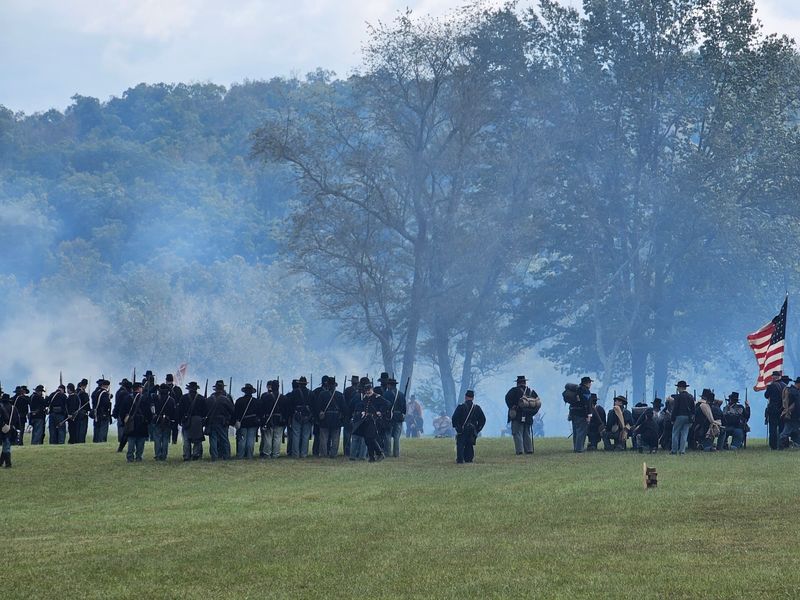
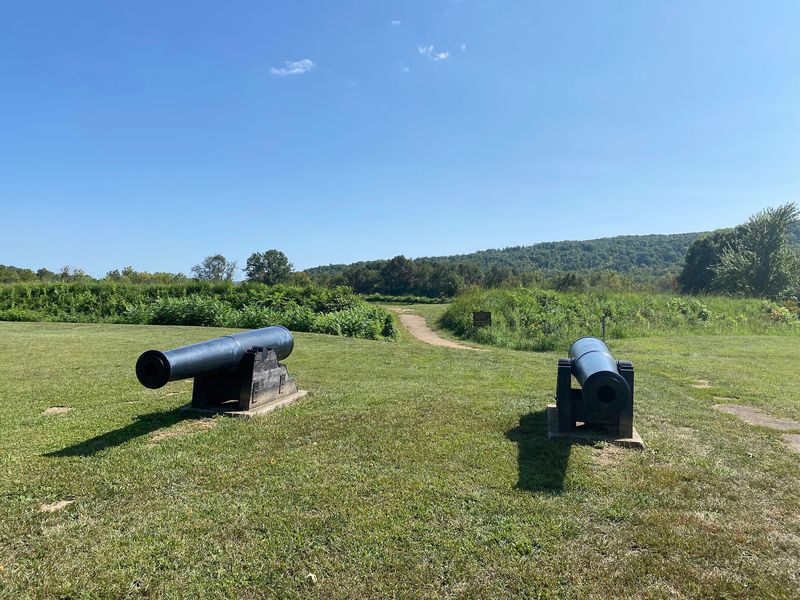
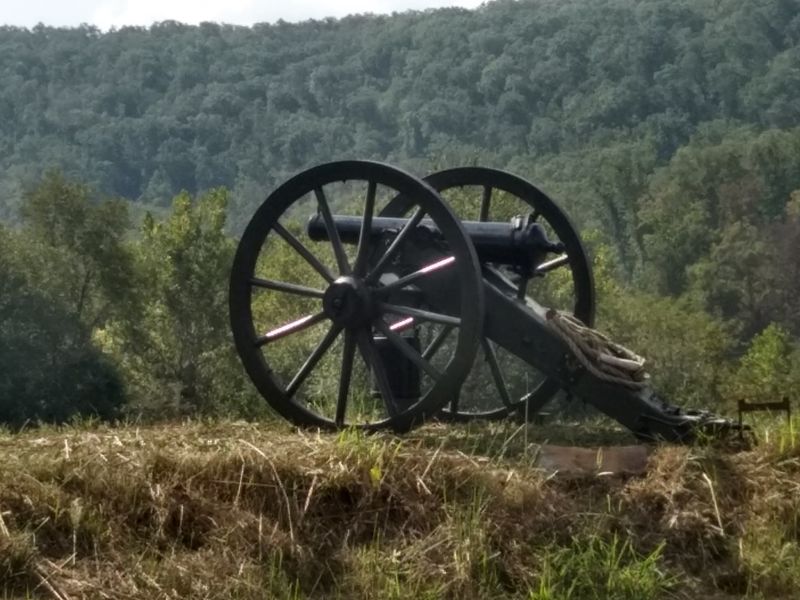
Cannons get people talking, and this site has the reenactment buzz to prove it. An annual event brings the battle story to life in costume.
Visitors who love it mention lots of vendors setting up. They describe it as a fun time for the whole family.
Reenactments add sights and sounds the quiet grounds can’t offer on a normal day. Kids who yawned at markers may perk right up.
Dates aren’t fixed in stone, so check with the site before planning. Missouri State Parks posts event details as they’re scheduled.
Expect a livelier scene than a regular weekday. Arriving earlier is usually a smart idea for any outdoor event with vendors.
Grandparents, this is the trip to bring the grandkids on. Few things beat watching history play out in front of the actual earthworks.
Even outside event season, the stories carry the visit. Still, catching a reenactment weekend turns a good day trip into one families talk about for years.
Worth The Drive For A Free Day Of History
Plug 118 Maple St, Pilot Knob, MO 63663 into your map and enjoy the ride. Visitors describe the drive as easy and quite beautiful.
The museum is reportedly open daily from 10 a.m. to 4 p.m. Hours can change by season, so call ahead before a long trip.
One visitor found the door locked during posted hours. A quick check saves you that letdown.
The outdoor grounds stay open for walking anytime. Admission is free for both the fort and the museum.
Nearby, the old Arcadia Academy sits about a mile away. It makes an easy add-on for history-loving families.
So is Battle of Pilot Knob State Historic Site worth it? For anyone curious about Missouri’s Civil War past, I believe the answer is yes.
It’s small, honest, and full of story. You get earthworks, a crater, relics, a film, and shady picnic tables for zero dollars.
Call the family, pack the cooler, and point the car toward the Missouri hills. Somebody in the back seat is about to fall for history.