You can walk inside a council chamber with a clay floor dated to 1015 CE. That floor is over a thousand years old, and it’s still right where its builders left it.
The room around it is the only reconstructed earth lodge of its kind on the continent. Outside, a flat-topped mound rises 55 feet above the grass.
People built it by hand, one basket of soil at a time.
I love that this sits in central Georgia, not some faraway desert canyon. The Muscogee (Creek) Nation calls this ground the place where their ancestors first sat down.
That’s a homecoming story written into the land itself.
I can’t imagine standing on that old floor without feeling small in the best way. So what else is waiting out there along those quiet trails?
Step Through A Low Doorway Into A Room From 1015 CE
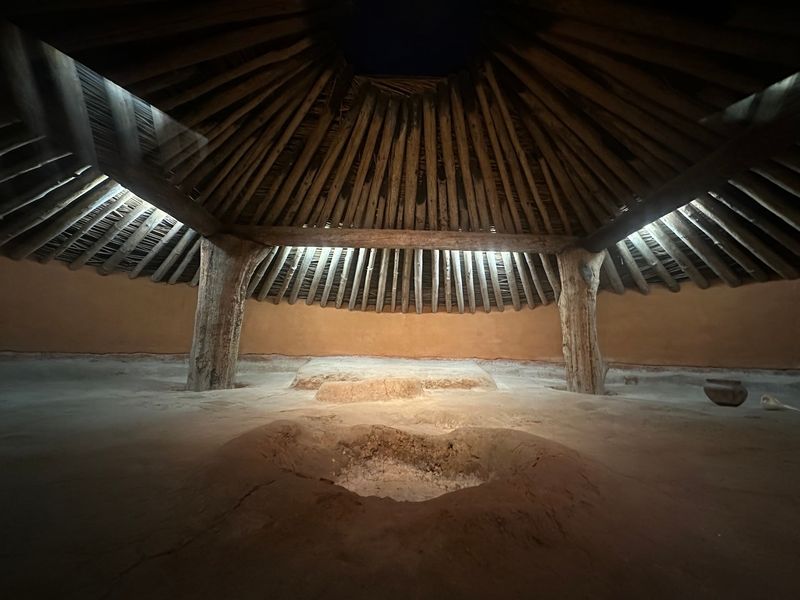
Few doors in America lead somewhere this old. At Ocmulgee Mounds National Historical Park, a narrow tunnel opens into the Earth Lodge, a round council chamber with a floor dated to 1015 CE.
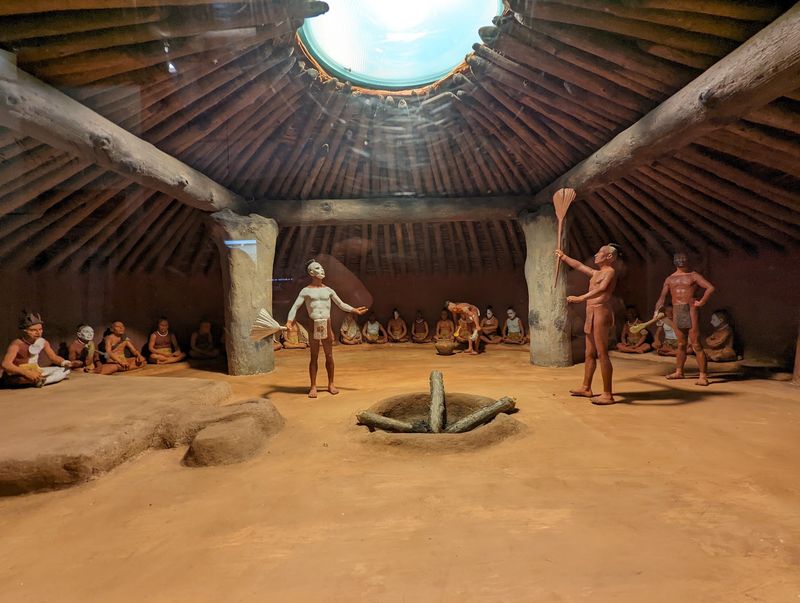
That clay floor is original. The dome above it is a reconstruction, built to protect what Mississippian people left behind more than a thousand years ago.
Leaders gathered here for important meetings and ceremonies. A raised clay bench circles the room, with seats molded right into it.
Near the far wall sits a platform shaped like a bird, which makes the space feel both formal and personal.
It’s the only reconstructed earth lodge of its kind on the continent. Out of all seven mounds, this is the one you can actually walk into.
The entrance path is narrow, so tall folks should mind their heads. Once inside, let your eyes adjust to the softer light.
Details pop out slowly, like a photograph developing.
Ranger-led programs here pop up from time to time. The lodge keeps the same hours as the visitor center, from 9 a.m. to 5 p.m.
Plan your walk so you don’t arrive just as the doors close for the day.
Your Legs Will Grumble, But The View From 55 Feet Is Worth It
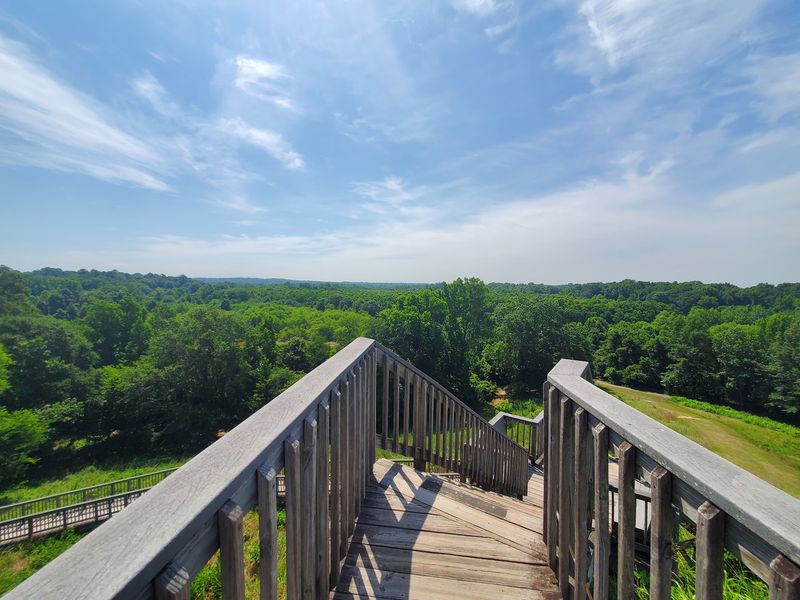
Fifty-five feet doesn’t sound like much until you remember people built it with baskets of dirt. The Great Temple Mound is the tallest at the park, and a staircase now leads straight to the flat top.
Up there, the Ocmulgee River valley spreads out in every direction. You can spot treetops, open fields, and even the Macon skyline on a clear day.
Experts believe the mound served ceremonial or religious purposes. A building likely once stood on that flat summit, looking over the whole community below.
The climb takes some effort, especially in summer. The area around the big mounds sits mostly in open sun, and Georgia heat doesn’t play around.
Bring water, a hat, and sunscreen before you start.
If walking long distances is tough, there’s good news. A park road winds through the grounds, with parking near the base of the steps.
That means you can save your energy for the stairs themselves. Take breaks on the way up if you need to.
Nobody is timing you, and the view isn’t going anywhere.
Once you reach the top, linger a while. The breeze alone earns its keep.
The Muscogee Story Starts Right Here, Where Ancestors First Sat Down
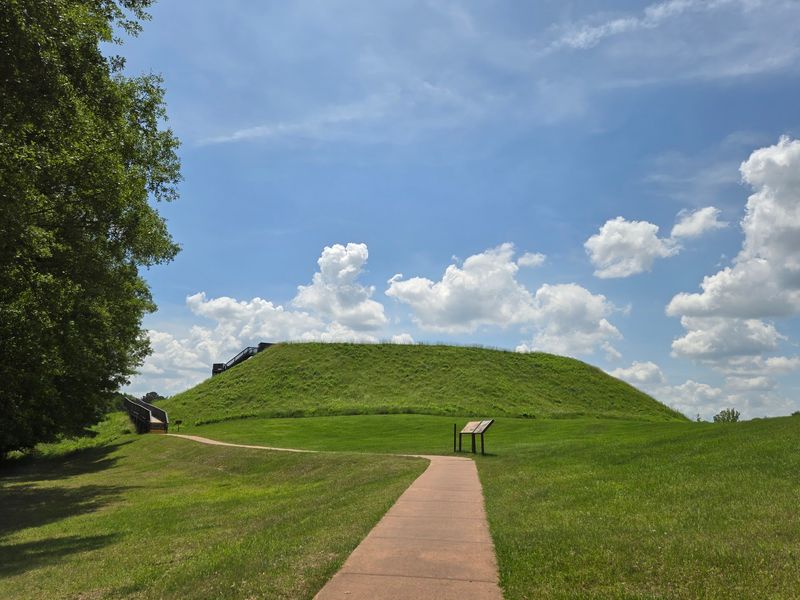
Long before Georgia had a name, this land had a meaning. Muscogee oral tradition describes Ocmulgee as the place where their ancestors first sat down after a long migration.
That idea changes how the whole park feels. These aren’t just old hills of dirt.
They’re part of a living homeland story that a nation still carries today.
The Muscogee (Creek) Nation was forced west in the 1800s. Its capital in Oklahoma is named Okmulgee, honoring this exact spot in Georgia.
A city name became a way to keep home close.
Mississippian people built the mounds between about 900 and 1250 CE. Their culture is recognized as part of the ancestral line connected to today’s Muscogee people.
Here’s a tip that makes the visit richer. Read about the tribe’s ties to the land before you arrive, or start at the museum exhibits.
With that background, every mound feels less like a landmark and more like a chapter. Walk slowly and respectfully.
You’re on ground that still matters deeply to real families.
I believe that’s what makes this park stand apart. The past here never fully became the past.
Start Inside An Art Deco Museum Packed With 2,000 Artifacts
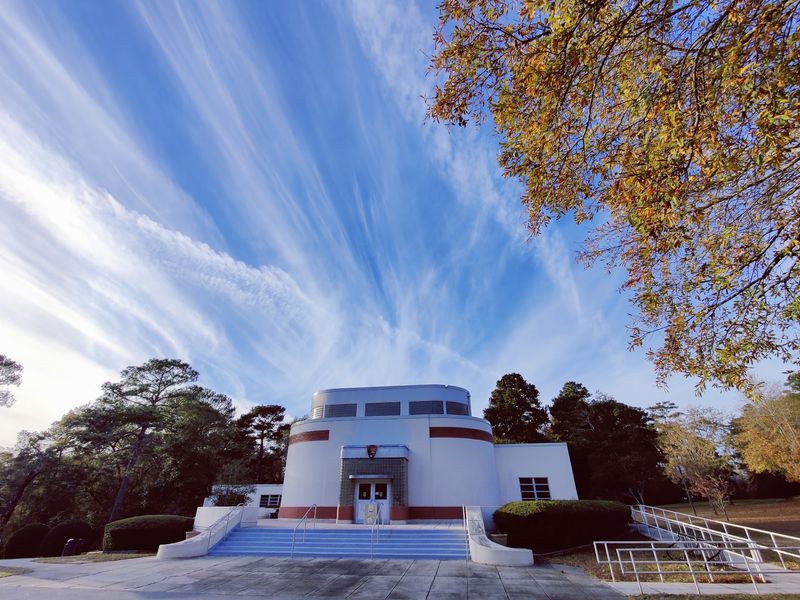
Arrowheads, pottery, tools, and treasures spanning thousands of years fill one surprisingly stylish building. The visitor center is a 1930s Art Deco gem, which feels fitting for a park born in that same era.
Inside, the museum holds more than 2,000 artifacts pulled from this very site. Some date back to 10,000 BCE, while others come from the 1800s.
That’s an enormous stretch of time packed into a few rooms. One display walks you through many styles of arrowheads, sorted by their age.
A 17-minute orientation film sets the scene before you head outdoors. It’s a smart first stop, because the mounds make far more sense once you know their backstory.
Kids can work toward a Junior Ranger badge, which turns the visit into a fun mission. The park also has public restrooms here, a welcome detail before hitting the trails.
Don’t skip the bookstore and souvenir shop. It carries books and keepsakes, plus pieces from local artisans.
Doors open at 9 a.m. and close at 5 p.m. daily. Give yourself at least an hour here, because rushing through this much history feels like skimming a great novel.
Workers Once Dug Up Millions Of Clues During The Great Depression
Picture a giant treasure hunt funded by a jobs program. Between 1933 and 1941, Ocmulgee hosted one of the largest archaeological digs in American history.
Works Progress Administration crews did the heavy lifting under archaeologist Arthur Kelly. Their shovels and screens turned up somewhere between two and three million artifacts.
That number is hard to wrap your head around. It’s like every pebble on a beach telling part of a story.
Those finds helped scholars understand Native American life across thousands of years. The Earth Lodge floor itself was uncovered during this era, which led to its reconstruction.
The digging also led to protection. The site was authorized as a national monument in 1934 and officially established in 1936.
For decades it carried the name Ocmulgee National Monument. In March 2019, it became Ocmulgee Mounds National Historical Park, adding about 2,100 acres along the way.
Why does this matter on your visit? Many objects in the museum came from that Depression-era work.
Seeing them feels different once you know about the crews who carefully brought them back into daylight.
Eight Miles Of Trails Mean Every Visit Can Look Different
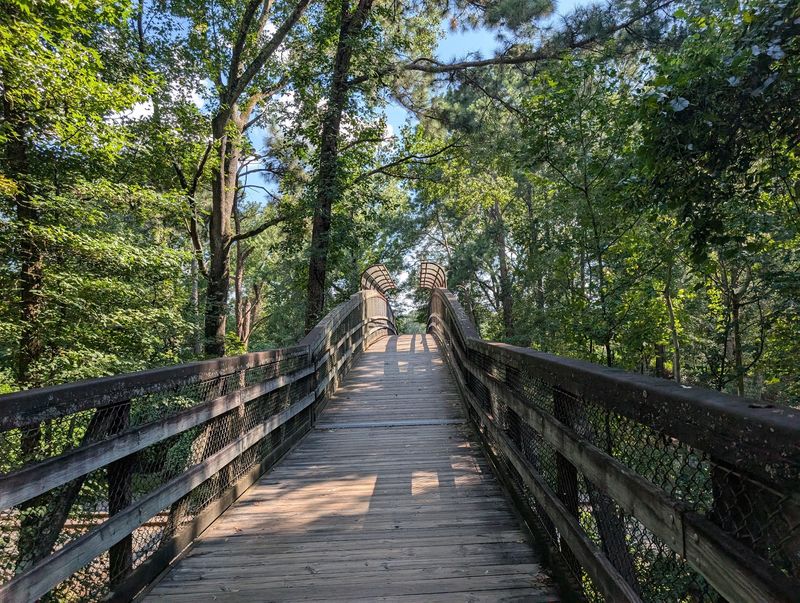
Sneakers matter here. Ocmulgee Mounds National Historical Park offers more than 8 miles of trails through forest, wetlands, and land near the Ocmulgee River.
The Main Path is the classic route at half a mile long. It links the visitor center to the Earth Lodge, the old trading post site, and the Great and Lesser Temple Mounds.
Want wheels instead? The paved Heritage Trail runs 1.75 miles and welcomes bikes and e-bikes.
The short Dunlap Trail covers just a quarter mile. It leads to earthworks from the 1860s, adding yet another layer of history to your walk.
Benches dot the trails, so you can rest whenever your feet ask nicely. Leashed pets are welcome too, which makes this a solid outing for dog owners.
One quick heads-up for planning. A boardwalk along the River Trail is currently closed, though every mound site remains open and reachable.
Grounds and trails open daily from 8 a.m. to 5 p.m. Early mornings are a smart pick in warmer months.
Bring water no matter the season, and grab a trail map at the visitor center first.
Bring Binoculars, Because The Wetlands Steal The Show Too
Osprey, anhinga, and egrets all make guest appearances along one quiet trail. The Opelofa Trail runs about a mile through the Walnut Creek Wetlands, and bird fans adore it for good reason.
The scenery shifts fast once you leave the open mound fields. Tall trees, marshy water, and thick greenery take over.
Anhingas are especially fun to spot. They often perch with wings spread wide, drying off like they just left a swimming pool.
Clay Pond is another favorite stop for wildlife watching. Patience pays off here, so find a spot and let the area come alive around you.
Spring and summer bring wildflowers and native plants too. Plant lovers might end up spending as much time looking down as looking up.
A few practical tips help a lot. Pack bug spray, wear shoes that handle damp ground, and keep a respectful distance from any critters you meet.
Binoculars or a zoom lens make a huge difference. It’s easy to forget you’re near a city out here.
Georgia’s natural side shows up in full color, right next to thousands of years of human history.
A Spiral Mound, A Trading Post, And More Layers Than A Birthday Cake
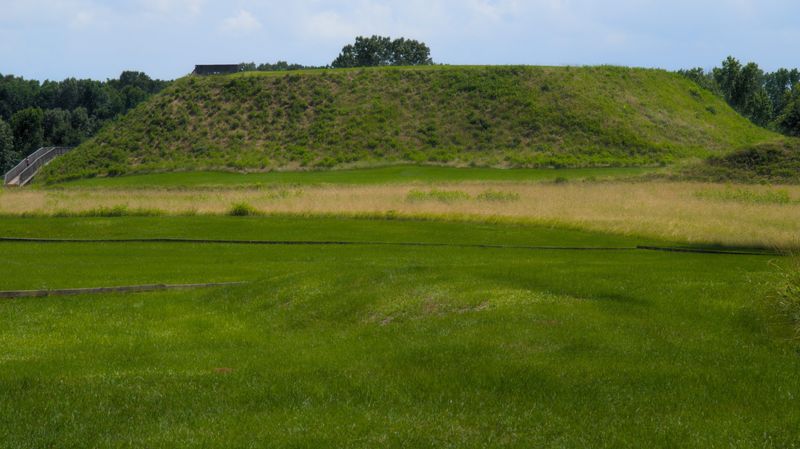
Seven mounds survive here, and each one has its own personality. The Funeral Mound sits at the end of the park road, where archaeologists made some of their most important discoveries.
Nearby, the Lesser Temple Mounds add more variety to the landscape. They’re smaller than the big one, but they help you see how the community was laid out.
Then there’s a curveball. A spiral mound from the later Lamar Period breaks the usual flat-topped pattern.
The history keeps stacking up from there. Ancient trenches cut across the grounds, likely tied to protection or boundaries.
A British trading post also stood here from 1690 to 1715. Its archaeological site sits right along the Main Path, so you’ll pass it on the way to the big mounds.
Evidence shows people lived around here for more than 12,000 years. The earliest were Paleo-Indians who hunted Ice Age animals.
Short on time or energy? Many mounds can be seen from parking areas along the park road.
Interpretive signs help explain each stop, so even a slow drive becomes a lesson you’ll actually remember.
Lantern Tours, Fall Celebrations, And A Free Ticket In Macon
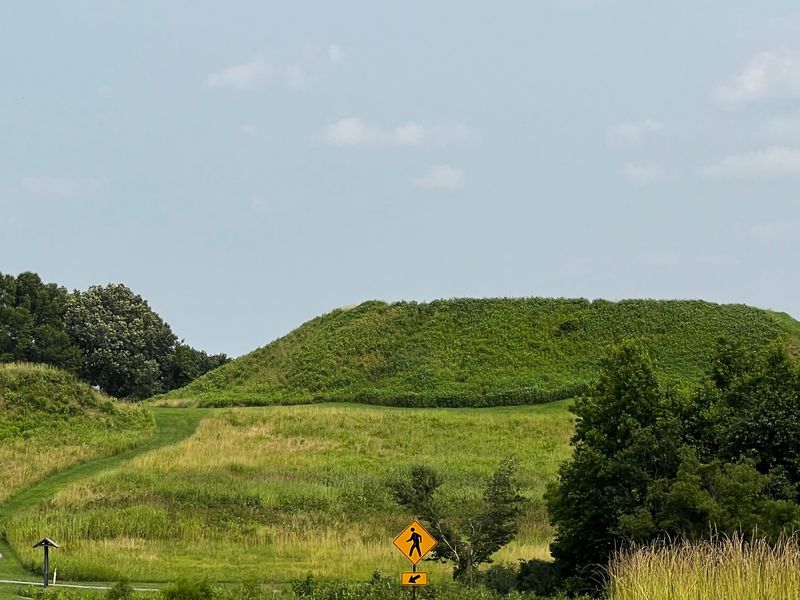
Lanterns glowing near ancient mounds sounds like a movie scene. Each spring, Lantern Light Tours run during Macon’s Cherry Blossom Festival, offering a rare evening look at the park.
September brings the Ocmulgee Indigenous Celebration. Native American singing, storytelling, art, and cultural displays fill the grounds for this lively gathering.
Big events can mean special parking plans, sometimes with shuttles from a separate lot. Check event details ahead so the logistics don’t catch you off guard.
Now for the best part. There’s no admission fee to enter the park, which makes it one of the friendliest bargains in Georgia.
Plan around the calendar, though. The park closes on Thanksgiving, Christmas, and New Year’s Day.
You’ll find everything at 1207 Emery Hwy, Macon, GA 31217. A shaded picnic area near the visitor center makes lunch easy, so pack sandwiches and stay a while.
There’s also exciting news brewing. Supporters are pushing to make this Georgia’s first National Park and Preserve, possibly co-managed with the Muscogee (Creek) Nation.
Visiting now means seeing a park that may soon write its next big chapter.