The world’s first nuclear-powered submarine sits on a river, and you can climb aboard for free. Yes, free.
The same sub that sailed under the North Pole in 1958 now waits for curious visitors.
Inside, the bunks are stacked three high.
I can’t imagine trying to sleep with a stranger snoring a few inches above me.
Then again, I’ve never been brave enough to live underwater for weeks.
This Connecticut museum is also the only submarine museum run by the United States Navy.
That means the collection goes far beyond one famous boat.
There’s a Revolutionary War-era sub replica, working periscopes, and millions of archival documents.
I like how the whole place mixes big history with small, human details. You get the science and the crowded sleeping quarters.
So how cramped was life beneath the waves, really?
Climb Aboard The Sub That Sailed Under The North Pole
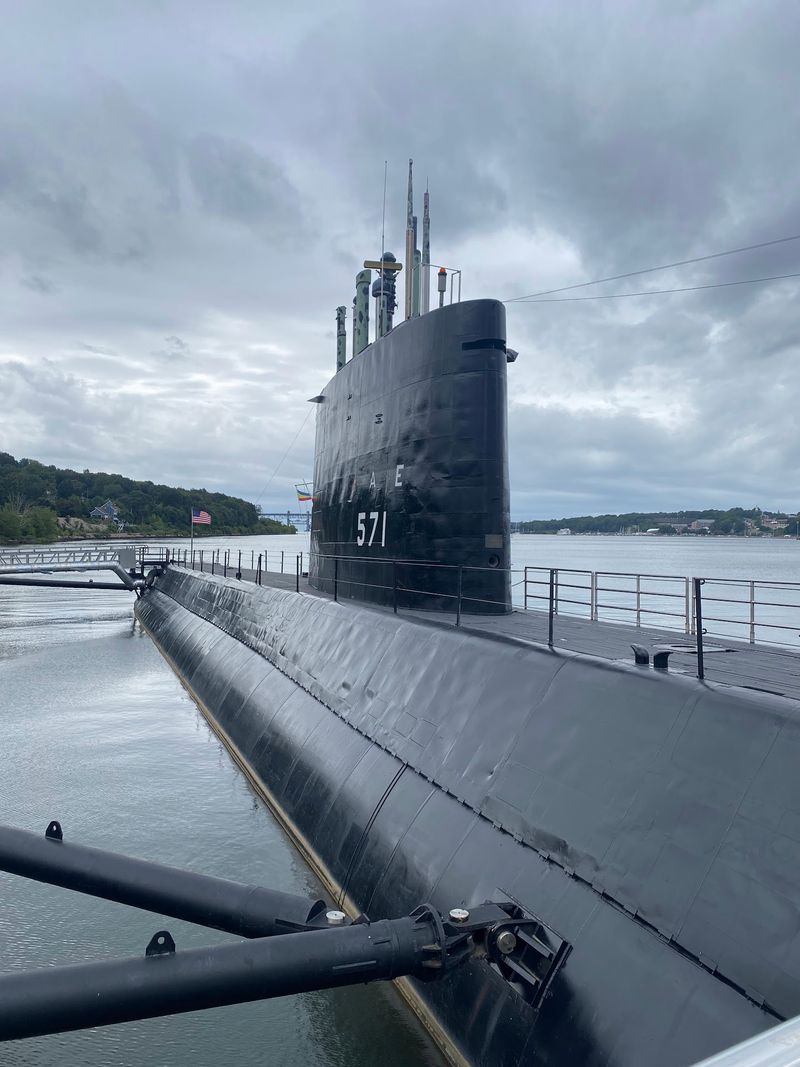
History doesn’t usually let you walk through it, but the USS Nautilus does. At the Submarine Force Library & Museum, this legendary boat waits right beside the building on the Thames River.
Nautilus was the world’s first nuclear-powered submarine. In 1958, it became the first vessel to travel under the North Pole ice.
That trip sounds like science fiction even today. Picture a crew steering beneath a frozen ceiling with no sky in sight, then quietly making history.
Better yet, the sub has deep local roots. Electric Boat Company built Nautilus right here in Groton after Congress authorized it in July 1951.
So this famous ship basically came home to retire. Not many record-breakers get to settle down in their own hometown.
Touring the boat follows a self-guided audio tour. You move at your own speed, which is handy if you want to linger over every gauge and valve.
The museum provides an audio wand for the self-guided tour, so you don’t need to bring earbuds or a charged phone. Also wear comfortable shoes, because hatches and narrow passages keep you on your toes.
Head here first if your group has limited energy. Nautilus is the star, and stars deserve fresh legs.
Bunks Stacked Three High Will Change Your Idea Of Personal Space
Three bunks, one on top of another, in a space smaller than most closets. That’s how sailors slept aboard Nautilus, and seeing it in person makes your bedroom feel like a palace.
The audio tour leads you through the crew quarters, torpedo room, control room, and wardroom. Each stop shows how people worked and lived packed closely together.
The wardroom served as the officers’ space for meals and meetings. Nearby, the control room bristles with equipment that once guided the boat through deep water.
Then there’s the torpedo room. It’s a reminder that this was a working Navy vessel, not a floating hotel.
Families with younger kids usually find this part the most memorable. Kids can compare their own rooms to these tiny bunks and start asking great questions.
One honest heads-up matters here. The ship’s construction can be tough for visitors with certain physical limitations, so plan accordingly.
If tight spaces make you nervous, take it slowly. The indoor museum offers plenty to enjoy if you decide the sub isn’t for you.
Either way, you’ll leave with real respect for submariners. Sharing a bunk stack takes serious teamwork and a good sense of humor.
A Wooden Sub From The Revolution Steals The Spotlight
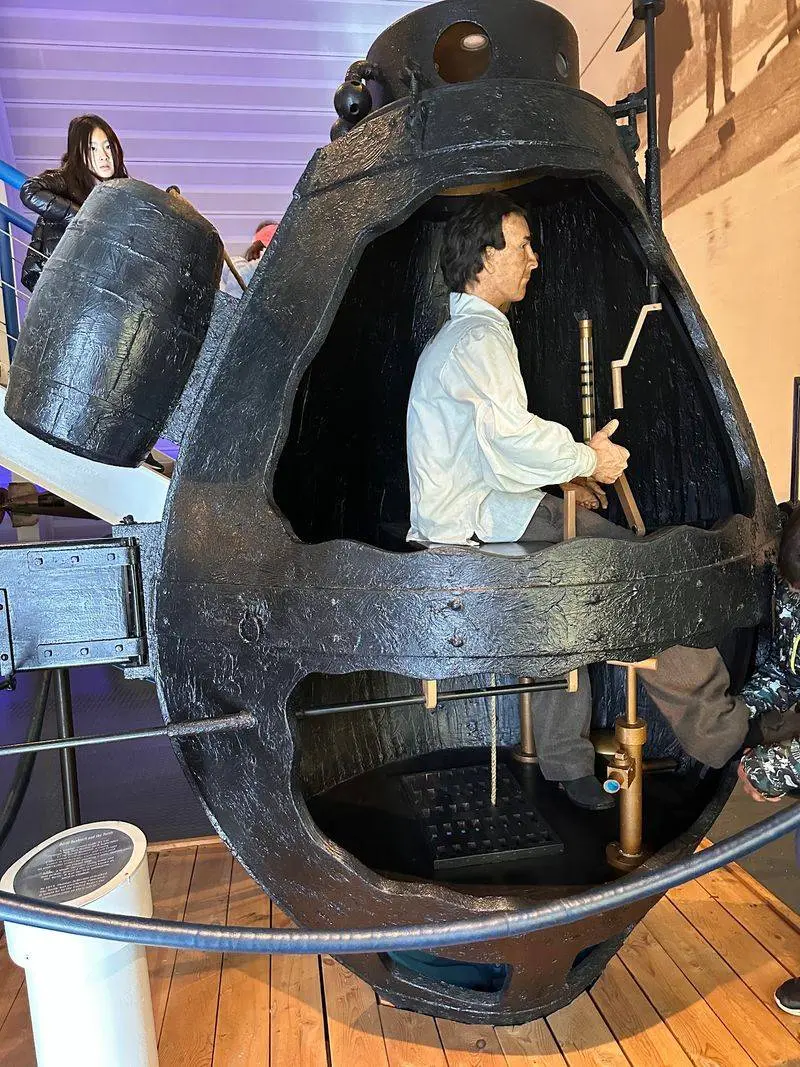
Long before nuclear power, someone tried fighting at sea inside a wooden shell shaped like a giant egg. The Submarine Force Library & Museum displays a full-size replica of David Bushnell’s Turtle from the Revolutionary War era.
Standing next to it is a little mind-blowing. One person operated the Turtle by hand, cranking and steering in a space barely bigger than a barrel.
The replica helps show how far submarines have come. It’s the perfect starting point for understanding the whole story of undersea travel in America.
Kids often love this one because it looks almost like a homemade invention. Adults tend to love it because it was so wildly bold.
Take a moment to look at the details up close. Notice the size and imagine squeezing inside with only basic tools.
Then compare it with Nautilus outside the window. The gap between those two machines covers nearly two centuries of clever engineering.
Honestly, the Turtle makes a great conversation starter. Ask your group whether they would have volunteered to climb in.
My guess is most people would politely decline. Bravery in the 1700s clearly came in a very different size.
Peek Through Real Periscopes And Spot The River
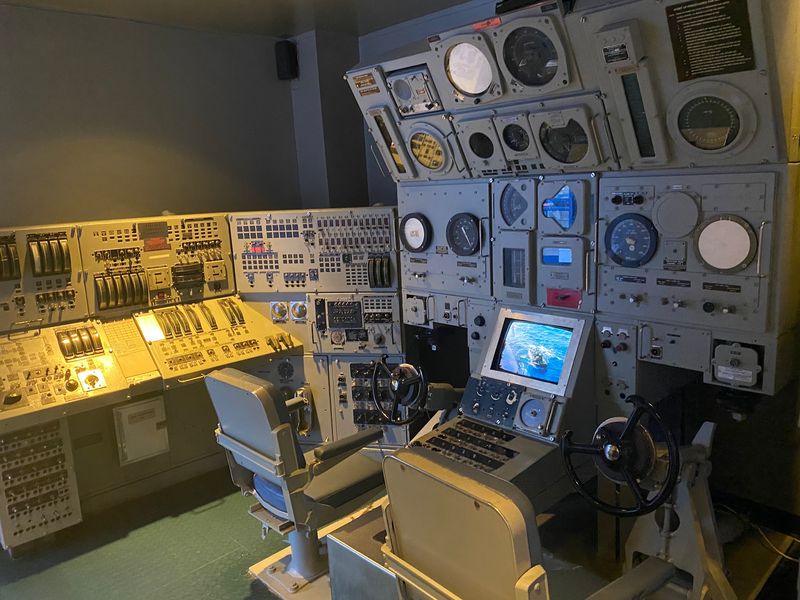
Few museum exhibits let you play lookout. The attack center does exactly that, with three operational periscopes waiting for curious eyes.
Each periscope offers a different view. You can spot the USS Nautilus, the Thames River, and the U.S.
Coast Guard Academy across the water.
That’s a pretty fun reward for pressing your face to an eyepiece. It also shows how submarine crews checked the world above without surfacing.
Nearby, old control consoles let visitors flip switches and explore submarine technology. Hands-on displays like these make the science feel less like a textbook.
Here’s a practical tip for families. Let everyone take turns at each periscope so nobody misses the Coast Guard Academy view.
Patience pays off here, especially if a few eager kids arrive first. The periscopes are a favorite stop, so a short wait is worth it.
Try connecting what you see with the outdoor scenery afterward. Finding the same landmarks from the riverbank makes the experience click.
You might even catch yourself saying “up periscope” out loud. Don’t worry, nobody here will judge your inner submarine captain.
Models So Detailed You Can See Inside The Hull
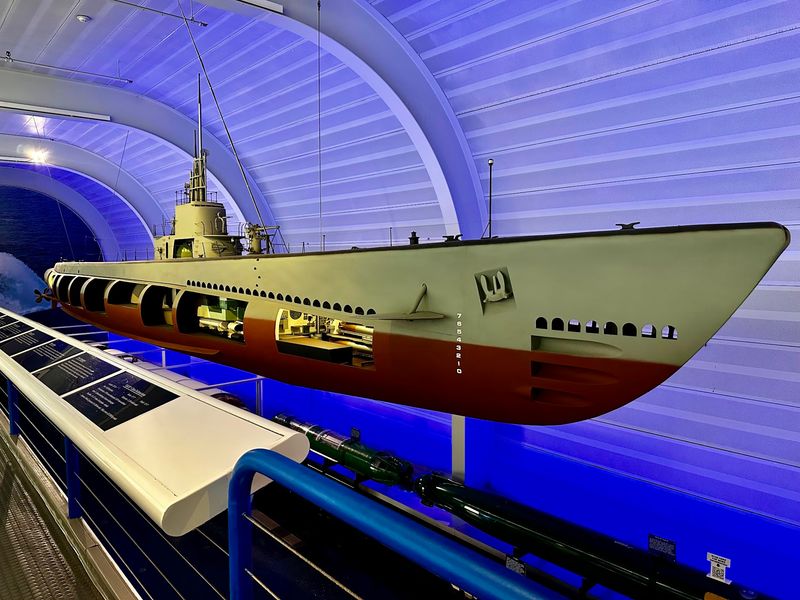
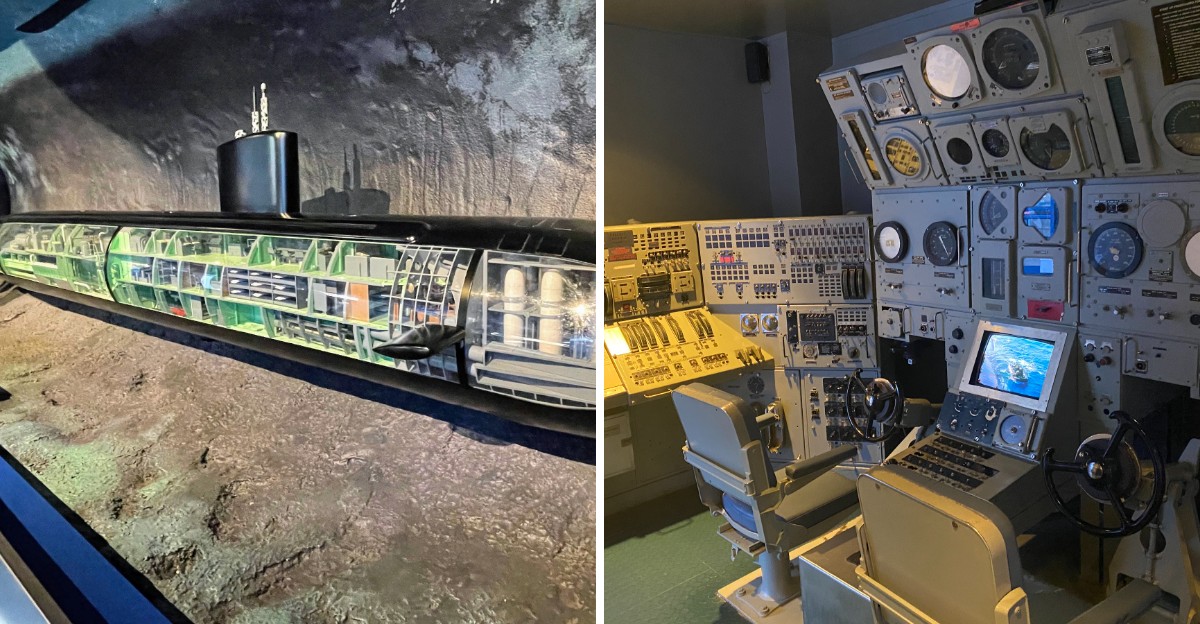
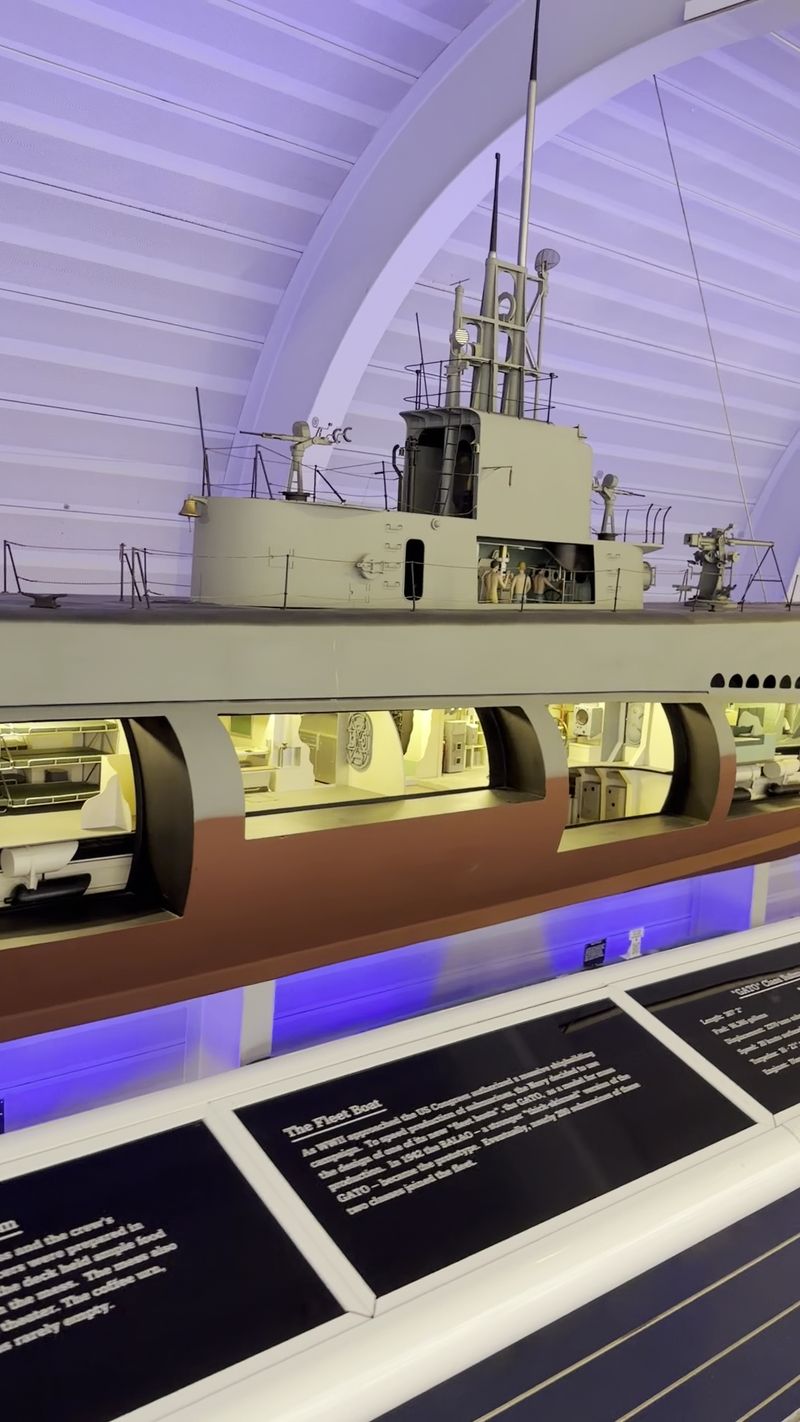
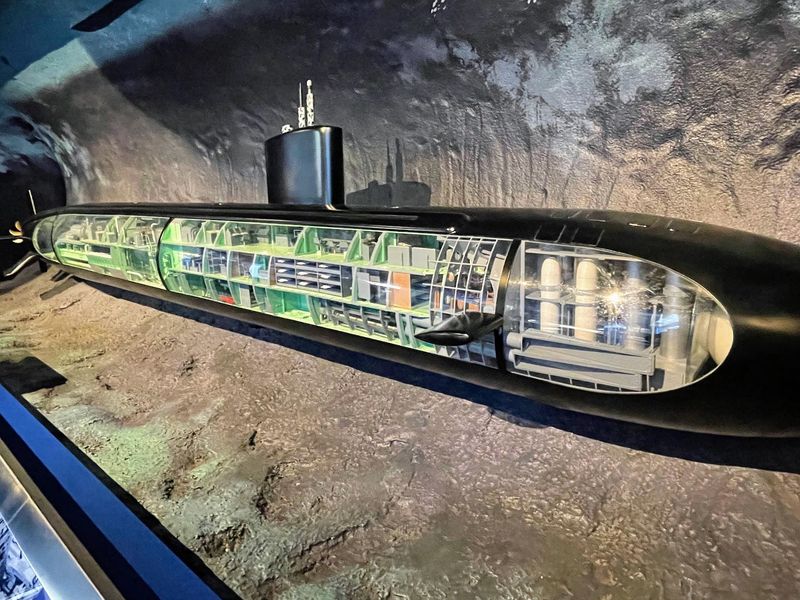
Scale models usually sit quietly on shelves. The 1/6th scale Gato-class submarine model here shows off both its interior and exterior in impressive detail.
Gato-class boats were a major part of American submarine history. Looking inside the model helps you understand how all the compartments fit together.
It’s like seeing a dollhouse version of a working warship. Every section has a purpose, and the layout explains a lot about crew life.
The museum also covers modern Ohio and Virginia class submarines. That range lets you follow submarine design from early experiments to today’s advanced boats.
Exhibits include torpedo models, photographs, and plenty of artifacts. You can easily spend a good chunk of time in these galleries.
Here’s a smart approach for curious minds. Visit the Gato model after touring Nautilus, so you can compare real spaces with the miniature version.
Second-floor exhibits are reachable by elevator. That’s helpful for strollers, wheelchairs, or anyone with tired knees.
Budget extra time if your group loves engineering. Models this detailed tend to keep builders and tinkerers glued to the glass.
Millions Of Documents Hide Upstairs For Research Fans
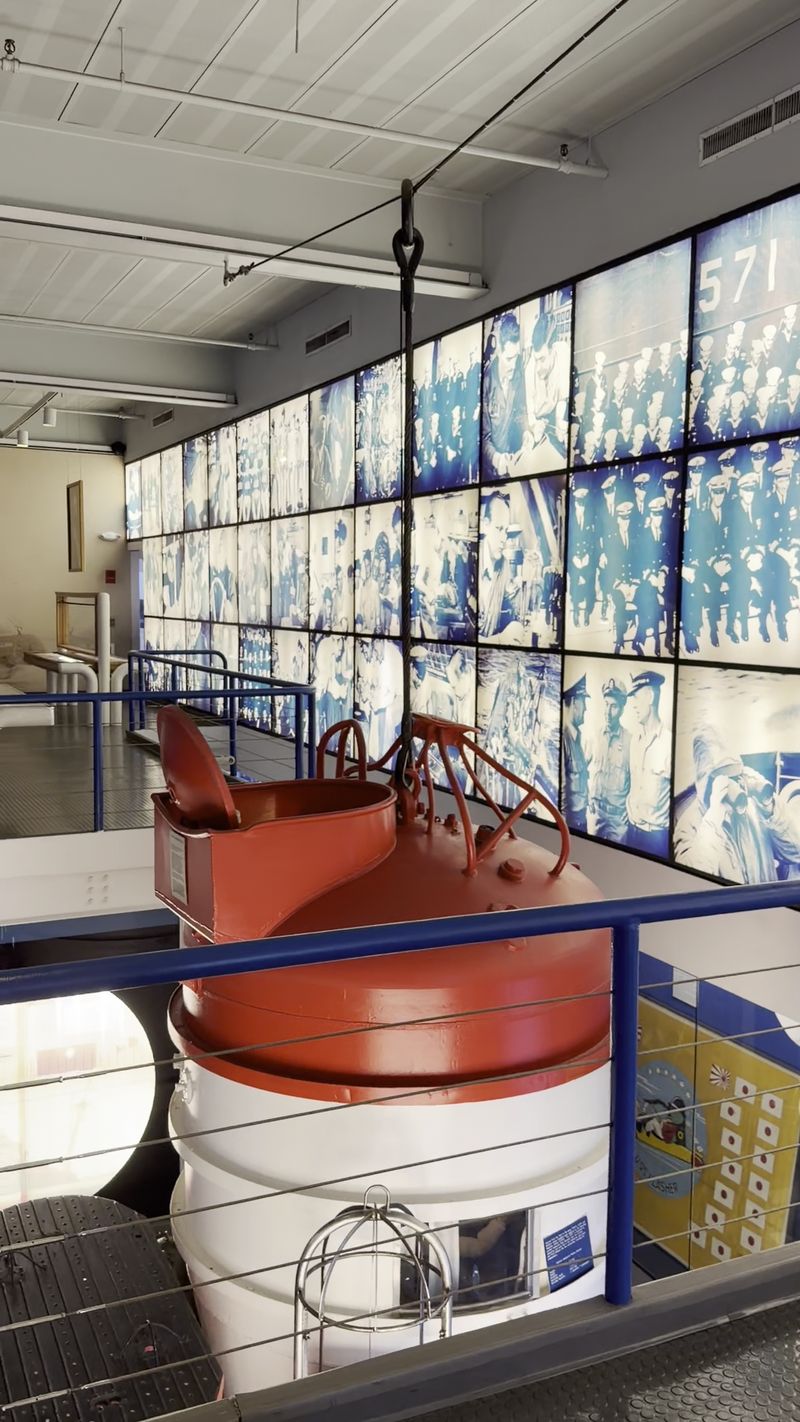
Over 2.5 million archival documents and photographs live in the Submarine Force Library and Archives. It’s the official home for historical records of the U.S.
Submarine Force.
The library also holds more than 6,000 titles. That’s a serious collection for anyone researching submarine history.
Notable collections include papers from inventors John P. Holland and Simon Lake.
These two names are huge in early submarine development.
There are also reports from the Naval Submarine Medical Research Lab. Artwork, audio-visual materials, and Electric Boat Shipyard records round out the archive.
Visiting the library works differently than browsing the museum. Research happens by appointment on Monday, Wednesday, Thursday, and Friday.
Sessions run from 9:00 AM to 11:30 AM and 1:00 PM to 3:45 PM. Plan ahead, because this isn’t a drop-in reading room.
Students working on history projects could find real treasures here. Family historians tracing a submariner relative might also strike gold.
I believe archives like this keep stories alive. Without careful record-keeping, so much of this history would quietly drift away.
Free Admission Makes Planning Your Day Delightfully Easy
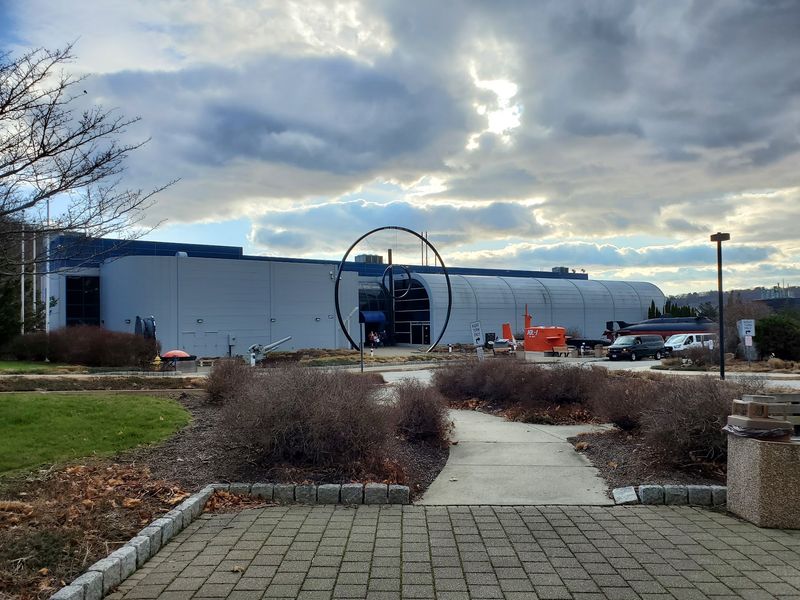
Good news for every budget: admission and parking are both free at the Submarine Force Library & Museum. That includes touring the USS Nautilus.
You’ll find it at 1 Crystal Lake Rd, Groton, CT 06340. The museum sits near Naval Submarine Base New London on the Thames River.
Hours change with the seasons. From May 1 to October 31, doors open 9:00 AM to 5:00 PM.
From November 1 to April 30, hours run 9:00 AM to 4:00 PM. Winter visitors should arrive earlier to see everything.
The museum opens Wednesday through Monday. It closes on Tuesdays, Thanksgiving Day, Christmas Day, and New Year’s Day.
Tuesday road-trippers, consider yourselves warned. Nobody wants to stare at a locked door after a long drive across Connecticut.
There’s no restaurant on site, so plan meals around your visit. Groton has options nearby for a quick bite afterward.
Accessible restrooms and an elevator help make the building easier to explore. A little planning turns a free outing into a smooth one.
Outdoor Exhibits And Riverside Views Deserve A Slow Stroll
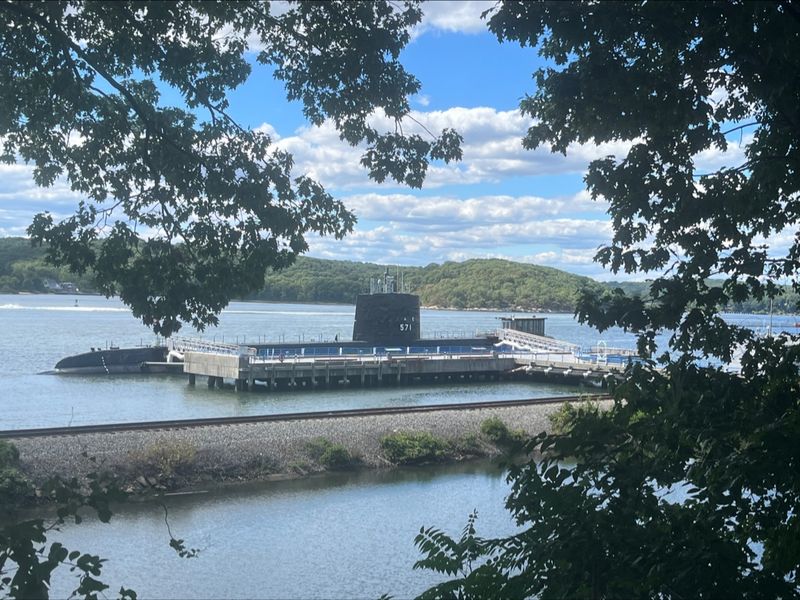
Step outside and the history keeps going. The museum grounds include outdoor exhibits and memorials along the Thames River.
These spaces offer a calmer pace after the indoor galleries. They’re a nice spot to stretch your legs and catch some fresh air.
The memorials honor the people who served in the Submarine Force. Taking a quiet moment here adds meaning to everything you’ve seen inside.
Nautilus stays in view from the grounds, too. Seeing the full length of the hull from outside helps you grasp its size.
Photographers will appreciate the waterside setting. The river, the sub, and the museum building make a classic Connecticut snapshot.
Dress for the weather before heading out. Riverside spots can feel breezier, especially during the cooler months.
This is also a smart spot for a family regroup. Kids can burn off energy while adults compare favorite exhibits.
Don’t rush this part of the visit. Sometimes the open air is exactly where all the history finally sinks in, pun fully intended.
School Groups And Souvenir Hunters Both Leave Happy
Teachers, take note. The museum offers educational programming and welcomes school group visits.
That makes sense when you consider its mission. The museum works to collect, preserve, and interpret the history of the U.S.
Naval Submarine Force.
Its story started in 1955 as The Submarine Library, created by the Electric Boat Division of General Dynamics. In April 1964, the collection was donated to the Navy.
The name Submarine Force Library and Museum became official in 1969. Decades later, it remains the only submarine museum operated by the U.S.
Navy.
Before leaving, swing by the gift shop. It’s an easy place to grab a reminder of your trip beneath the waves, figuratively speaking.
Kids might want something tied to Nautilus after touring it. A small souvenir can keep the excitement going on the ride home.
Since entry costs nothing, a gift shop purchase or donation is a nice way to show support. Every bit helps keep these stories shared.
Groton earns its submarine reputation honestly. This museum proves Connecticut has a deep, fascinating story worth exploring.