A quiet two-lane road near Bradley International Airport does not look like the start of an adventure. The building at the end of it looks like any other airport shop.
Then the doors open, and a hall packed with real airplanes and helicopters changes the whole mood of the day. In Windsor Locks, Connecticut, kids slide into fighter cockpits, grown-ups sit where bomber pilots once sat, and volunteers who once flew or built aircraft share stories that never made it into textbooks.
There is a giant bomber with only a handful of siblings left on Earth. There is a flying boat that is the last of its kind.
There is even a piece of a famous airship. Keep reading for the full tour, plus the tips that help a visit go smoothly from takeoff to landing.
The Hangar Hiding Near the Runway
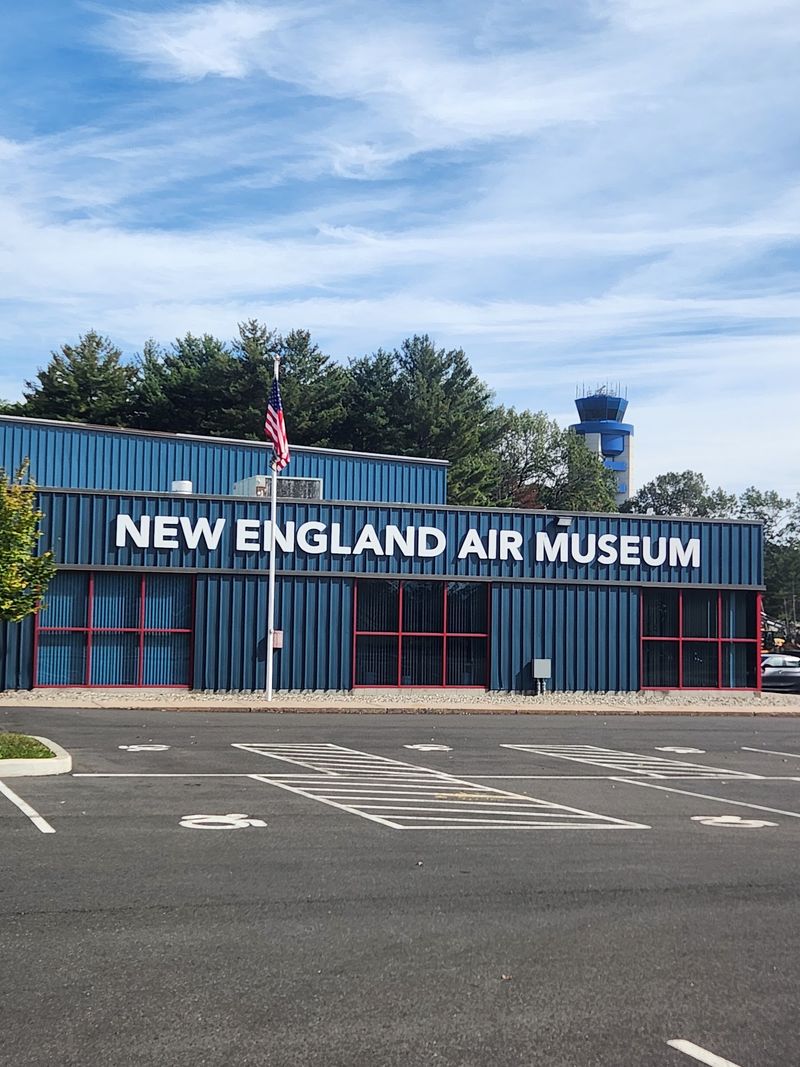
Plenty of great places look ordinary from the parking lot, and this one wins that contest easily. The New England Air Museum sits at 36 Perimeter Rd, Windsor Locks, CT 06096, right beside Bradley International Airport in Connecticut.
The road leading in is a calm two-lane stretch. The building itself looks a lot like an industrial shop at any airport.
Neither detail hints at the collection waiting inside.
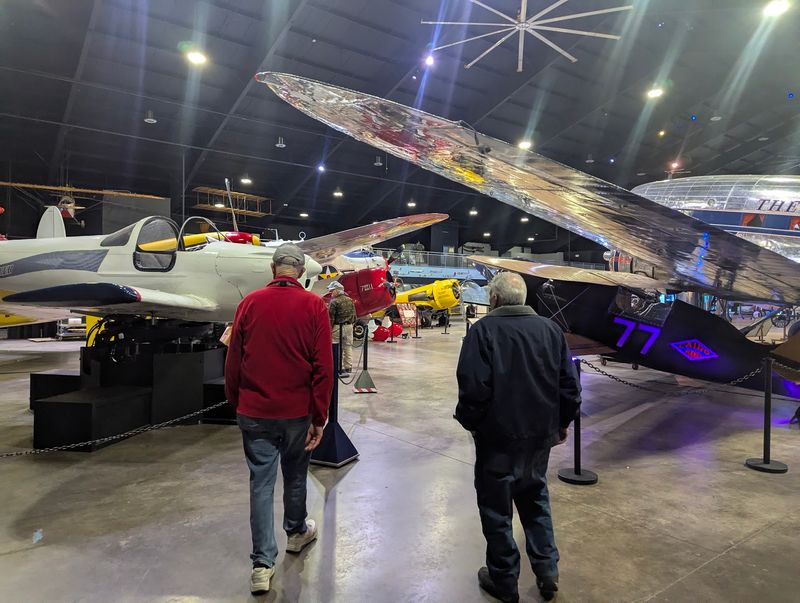
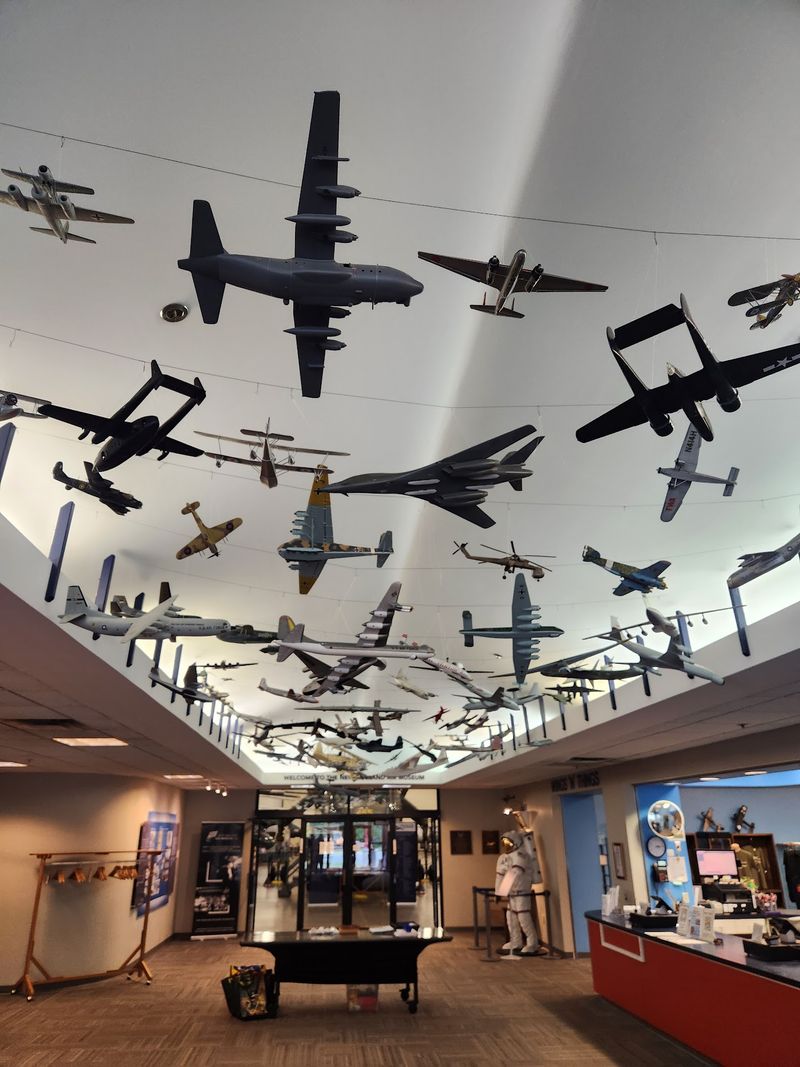
Once guests buy tickets and pass the gift shop, the first exhibit hall opens up. It is filled wall to wall with airplanes and helicopters from many eras of flight.
The museum is open Tuesday through Sunday from 9 AM to 4 PM. It closes on Mondays, so plan around that day.
Parking is free and plentiful, which makes arrival easy for families. Its spot next to the airport also makes it a handy stop for travelers with a few spare hours before a flight.
Keep that in mind, because the plain outside is only the opening act.
Three Hangars and an Outdoor Field
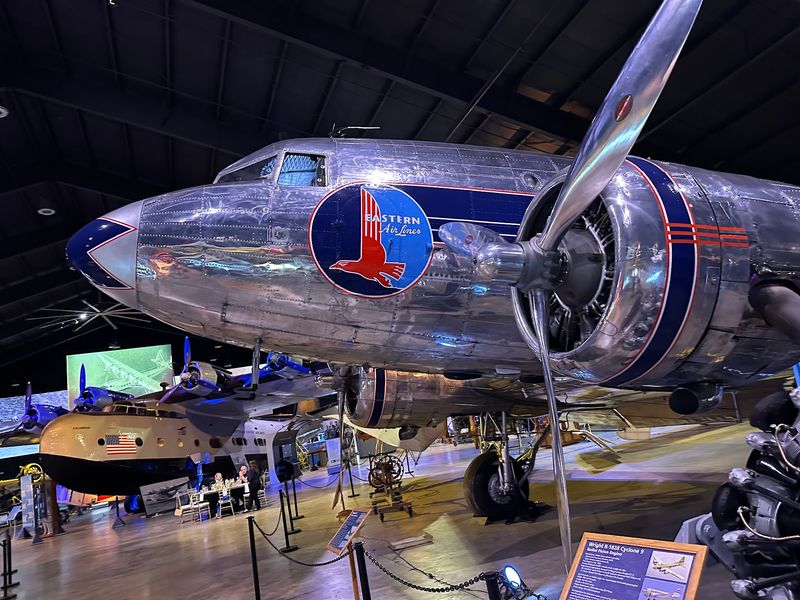
Size surprises almost everyone here. Many guests arrive expecting a small local exhibit and find something much bigger.
The museum spreads across three large hangars. More aircraft and equipment sit outside on an open field, so the tour does not end when the walls do.
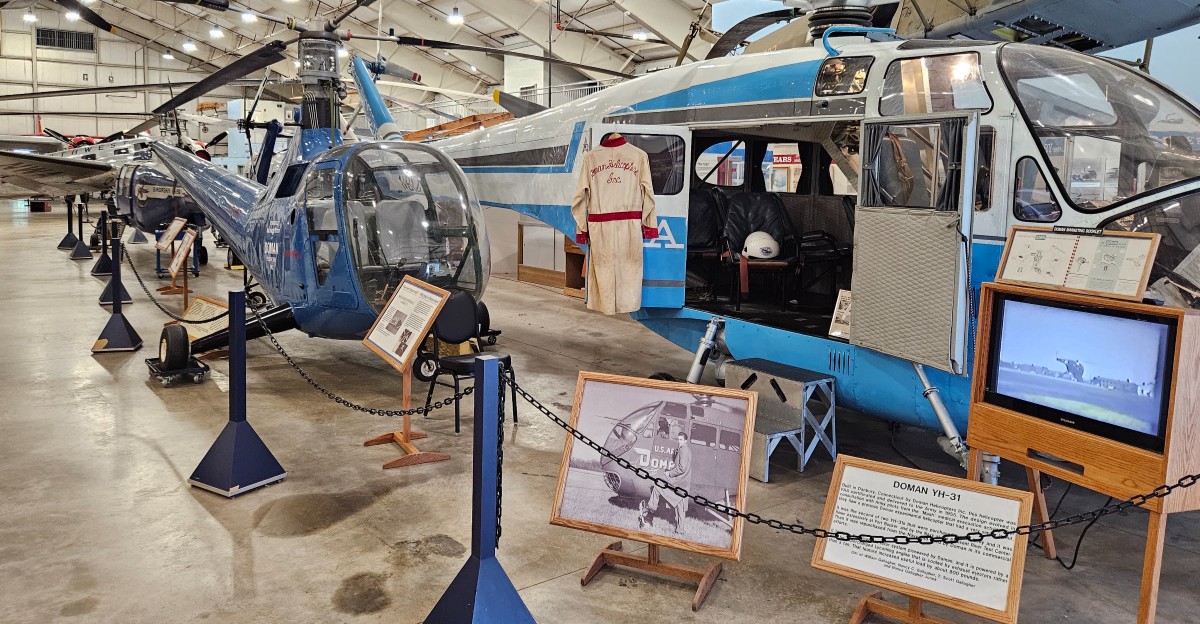
Each hangar has its own focus. One holds a dense mix of planes and helicopters.
Another features rare civilian and lighter-than-air pieces. A third is home to a massive military bomber.
Long hallways connect the spaces. Those hallways are not just walkways, since they carry their own exhibits worth stopping for.
The collection covers both military and civilian flight. Vintage biplanes, Cold War jets, and experimental designs all share the floor.
Wear comfortable shoes, since there is real ground to cover. Air conditioning keeps the halls pleasant during warm months, and clean, accessible restrooms are spread throughout the building.
With this much room to roam, the smartest move is to slow down and let each hangar have its turn.
Climb Into the Cockpit
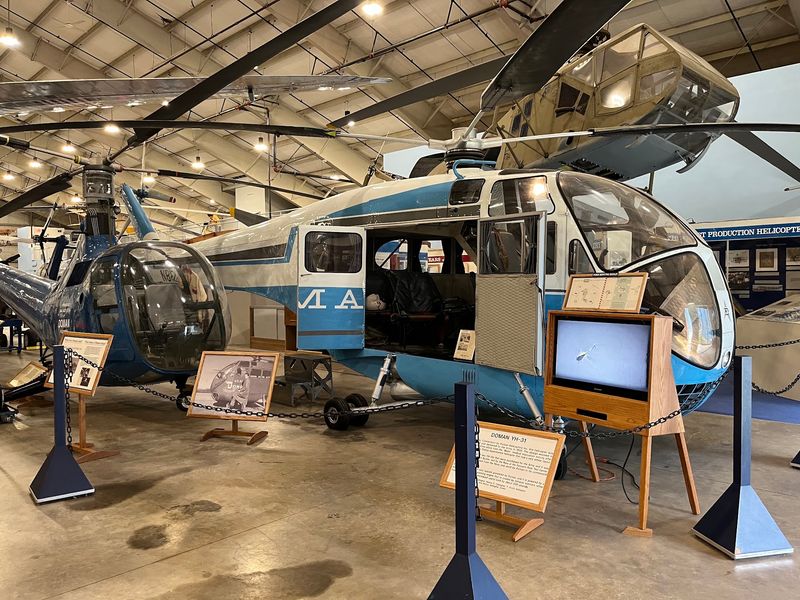
Ropes and glass cases keep most museum treasures at a distance. This place takes a different approach.
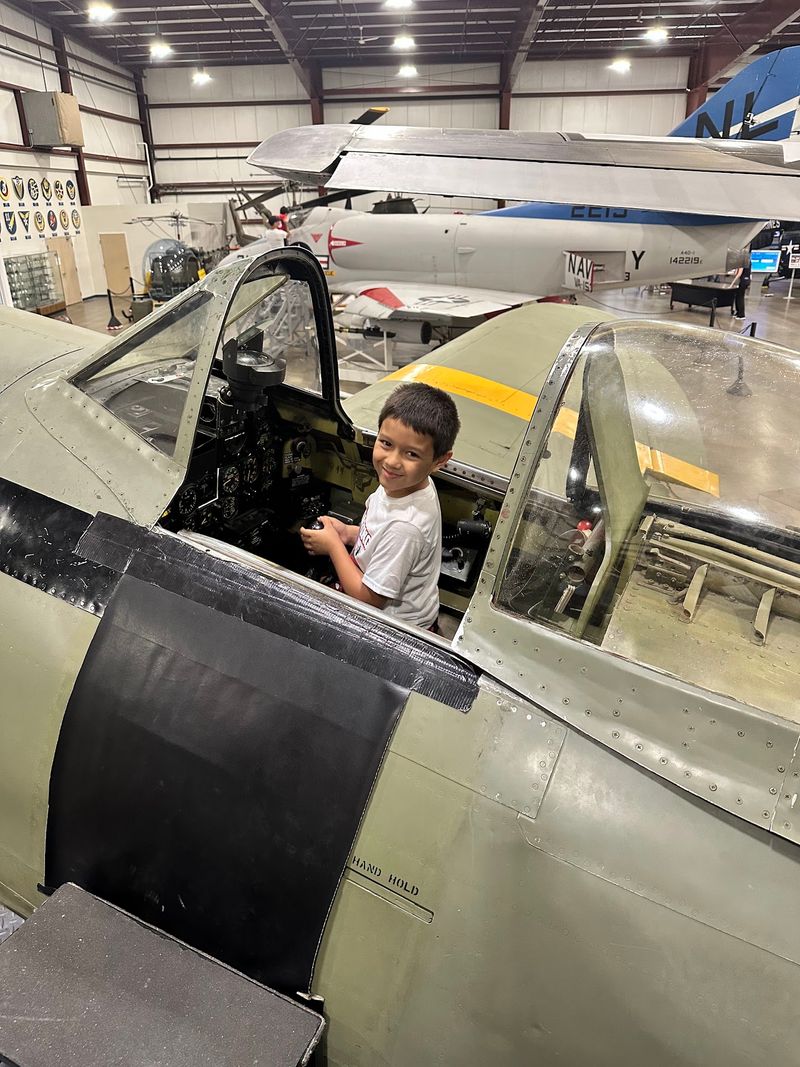
Several aircraft have openings that let guests step inside or sit down. In some cockpits, people can move the control stick and press the pedals to see how they work.
One favorite moment involves the P-47 Thunderbolt, a World War II fighter. A docent helps a young pilot-in-training climb in, slides the canopy closed, and lets them take the controls for a bit.
The museum also runs volunteer-led open cockpit tours. These guided sessions give extra context about what each control did and how pilots handled them.
Seeing a single seat inside a huge machine shows how big these aircraft really are compared to one person. That sense of scale is hard to get from a photo.
Budget extra time for cockpit stops, especially with kids along. A few minutes behind the controls often becomes the story everyone retells on the drive home.
Jack’s Hack Steals the Show
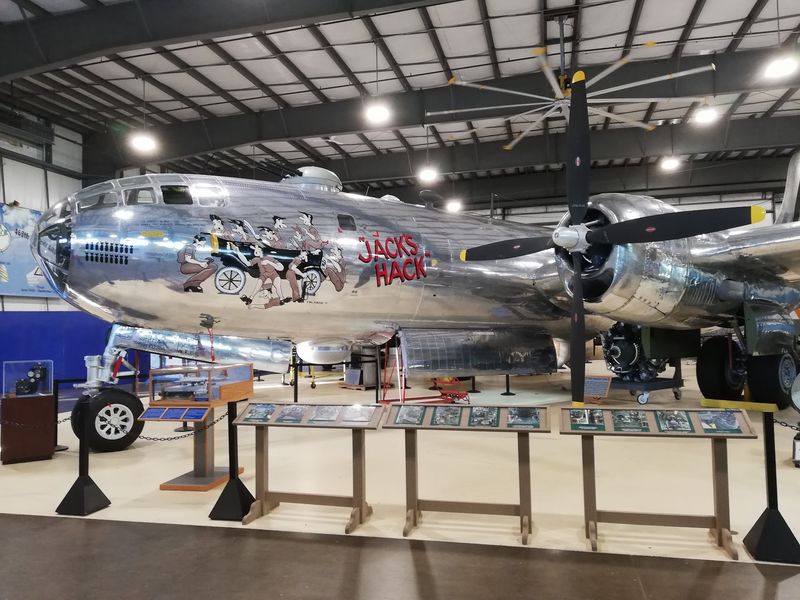
Thousands of B-29 Superfortress bombers were built during the 1940s. Only about twenty-two remain today, and one of them lives in Windsor Locks.
Known as Jack’s Hack, this bomber fills its own exhibit hall at the end of a long corridor. It is easily one of the largest objects in the entire collection.
Standing beneath its wings gives a true sense of how massive the aircraft is. The bomber looks even larger once people notice how small the crew spaces were.
On certain occasions, guests may get to sit in the cockpit. Staff members sometimes offer a closer look at areas that are usually kept behind the ropes.
Here is a fun bit of history worth knowing before arrival. Some of the first pilots to fly the B-29 were women, a story told in the museum’s hallway on women in aviation.
Read that exhibit first, then head back to the bomber. The giant machine makes even more sense with that chapter fresh in mind.
Blimps, Balloons, and a Hindenburg Fragment
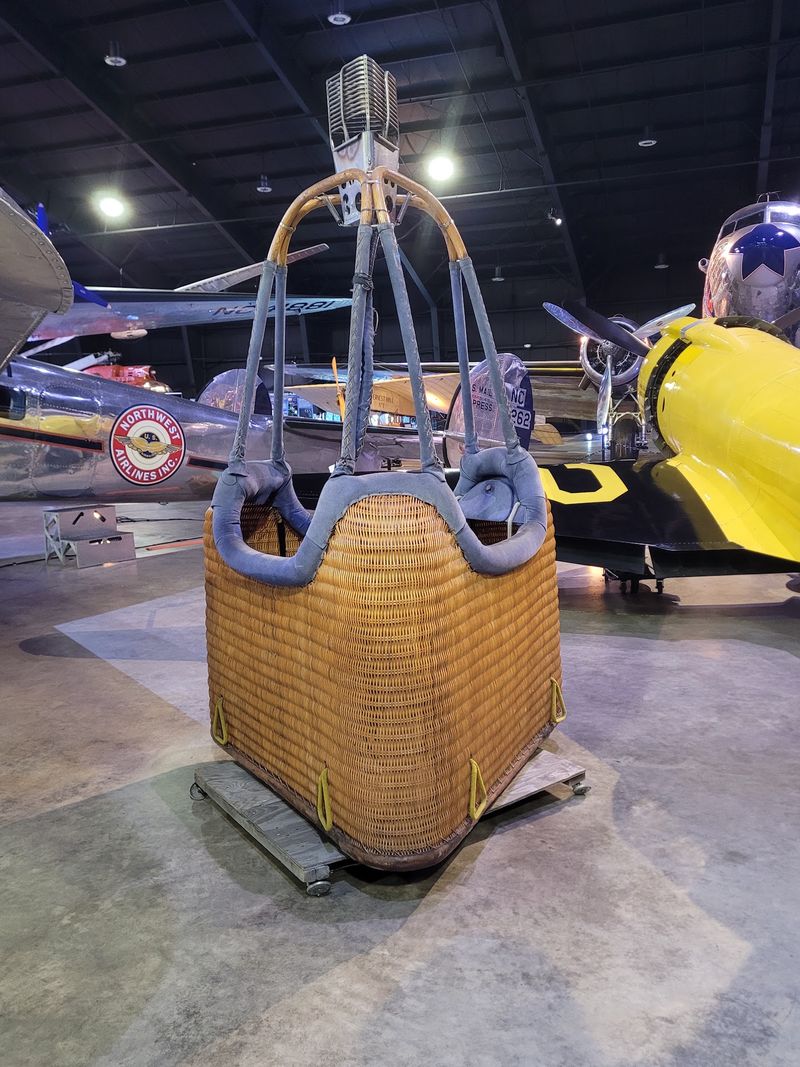
Not every flying machine needs wings. The museum gives lighter-than-air flight its own corner, and it often turns into an unexpected favorite.
A K-28 blimp car sits up close for inspection. This gondola hung beneath a blimp, and the nearby exhibit explains how blimps were used during wartime.
Many people have never seen a blimp gondola in person. Getting near enough to study the cabin makes the old photos of airships feel much more real.
The collection also includes a rare Goodyear blimp control car. Hot air balloon baskets round out the display and show another chapter of early flight.
Then comes a true conversation starter. The museum holds a piece of the historic Hindenburg airship, a small object tied to one of the most famous names in aviation.
Take a moment to read the signs here. Most use large text and short paragraphs, which makes it easy to absorb the story without feeling rushed or overwhelmed.
Women Who Took the Controls
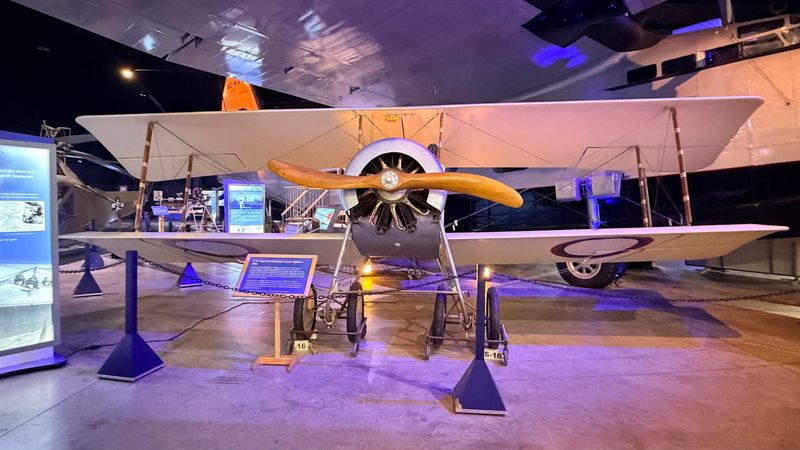
Between the big hangars runs a hallway that deserves more than a quick glance. It tells the story of the women who shaped early aviation.
Historic photos and artifacts line the walls. Written panels explain how these pilots, builders, and pioneers contributed at a time when few people expected them in the field.
Many guests walk through quickly on their way to the next hall. Later, they often wish they had paused, because the stories connect to aircraft elsewhere in the building.
The link to the B-29 is a good example. Learning that women flew that bomber early on changes how the giant plane looks when guests reach it.
Families with young readers will find this section especially useful. It shows kids that the sky has welcomed many kinds of dreamers.
A smart plan is to walk this hallway slowly on the way in. That way, every later exhibit carries a little more meaning, and nobody has to backtrack.
Honoring the Tuskegee Airmen
History hits differently when it is told with care. The Tuskegee Airmen exhibit is one of the most talked-about spaces in the museum for that reason.
The Tuskegee Airmen were the first Black military aviators in the United States armed forces. They served during World War II and broke barriers both in the air and on the ground.
This exhibit blends history with stories of resilience and inspiration. It is thoughtfully put together and gives proper attention to people whose courage changed the military and the country.
Many families find it a meaningful stop for conversations with older kids. It opens the door to talks about fairness, teamwork, and persistence.
Plan a few quiet minutes here rather than rushing through. The details reward patient reading.
The exhibit reflects a bigger theme across the museum. Aircraft are impressive, but the people who flew, fixed, and fought for the right to fly them are the heart of the story.
Docents With Real Flight Time
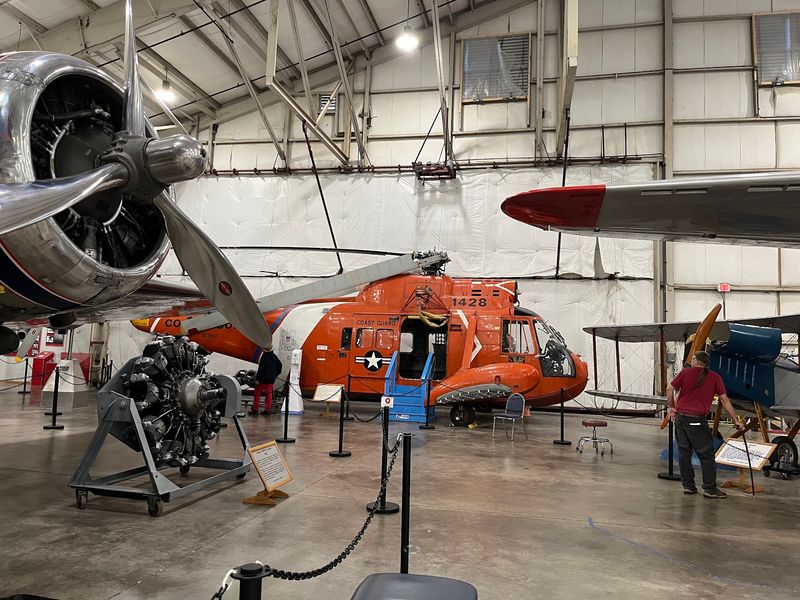
Ask one question here, and the answer might come with a story from an actual cockpit. Many of the museum’s docents were once pilots or engineers.
These volunteers are known for being friendly, patient, and happy to chat. They love what they do, and it shows in every conversation.
Some will offer to let guests inside certain planes. Others share stories about specific aircraft that bring the displays to life in ways a sign cannot.
Volunteers also handle much of the restoration work. Their skill in rebuilding and maintaining these old machines is a big reason the collection looks so good.
Here is a simple tip. Do not be shy about starting a conversation, since docents are usually eager to share.
Kids especially benefit from this. A question about a propeller can quickly turn into a mini lesson on engines, wartime travel, or how a crew moved from the front of a bomber to the back.
Watching History Get a Tune-Up
Old aircraft do not stay museum-ready on their own. Behind the polished displays sits a team that brings tired machines back to life.
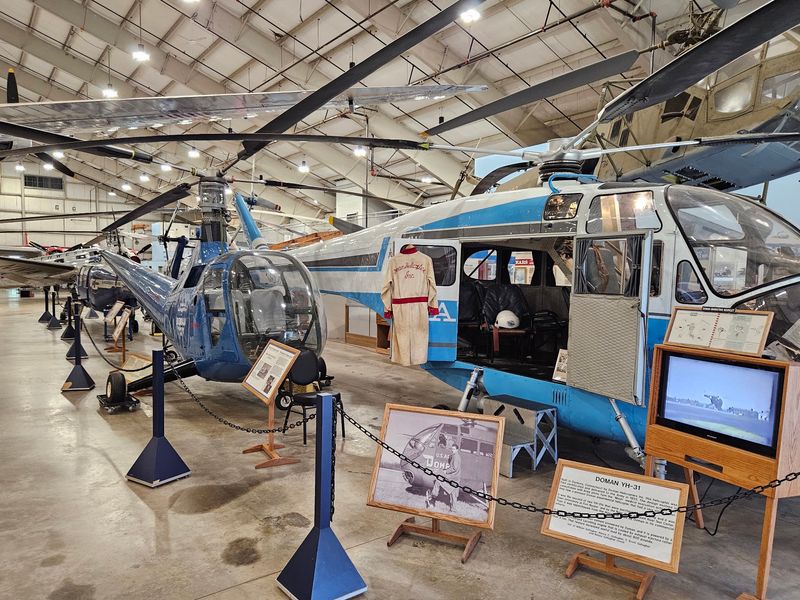
The museum has a restoration hangar where guests can watch volunteers at work. It is a rare look at the slow, careful process of saving aviation history.
Restored aircraft across the halls show the quality of this effort. Pieces that are not finished yet are often waiting their turn in line.
That means the collection keeps changing over time. A return trip may reveal an aircraft that was only a project during the last visit.
Engines and inner workings also get attention in the exhibits. Guests can learn how these machines actually flew, not just what they looked like.
Members of the family who enjoy building things will find this area especially interesting. Watching skilled hands tackle a real fuselage can spark a fresh appreciation for every shiny plane on the floor.
Simulators and Hands-On Fun
Looking at airplanes is fun. Pretending to fly one is even better, and the museum has that covered.
Flight simulators give guests a chance to try their hand at the controls. They are popular, so set aside time if this is on the wish list.
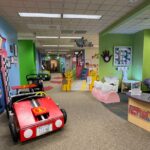
A play area gives younger children space to burn off energy. A build-and-fly zone lets kids experiment with how flight works in a simple, playful way.
Other displays cover flight-related toys and NASA artifacts. Videos and short written panels help explain each topic without overload.
Here is a planning tip that matters. Many guests budget two hours and leave wishing they had more, especially if simulators and cockpit tours are part of the day.
Plan on at least two to three hours, and longer with little ones. The museum has also announced plans to grow, with more educational space, a planetarium, and a Challenger Learning Center on the way.
Smart Tips Before Takeoff
A little planning helps a visit fly smoothly. These small details can save money and time.
Many local libraries offer half-off admission with a library card. Check a library website and reserve the discount online before heading over.
Veterans have received free admission, so it is worth asking at the desk. Yearly passes are also available, which makes sense for families with a young aviation fan who wants repeat trips.
The museum hosts special events throughout the year, including a popular World War II weekend. Check the official website for the current calendar.
Accessible seating appears in many spots, which helps guests who need a break. Snacks are available too.
Save time at the end for the gift shop. Toy airplanes there make easy souvenirs for young pilots.
From a plain building by the runway to a giant bomber and a one-of-a-kind flying boat, this museum proves that the best journeys sometimes stay on the ground.