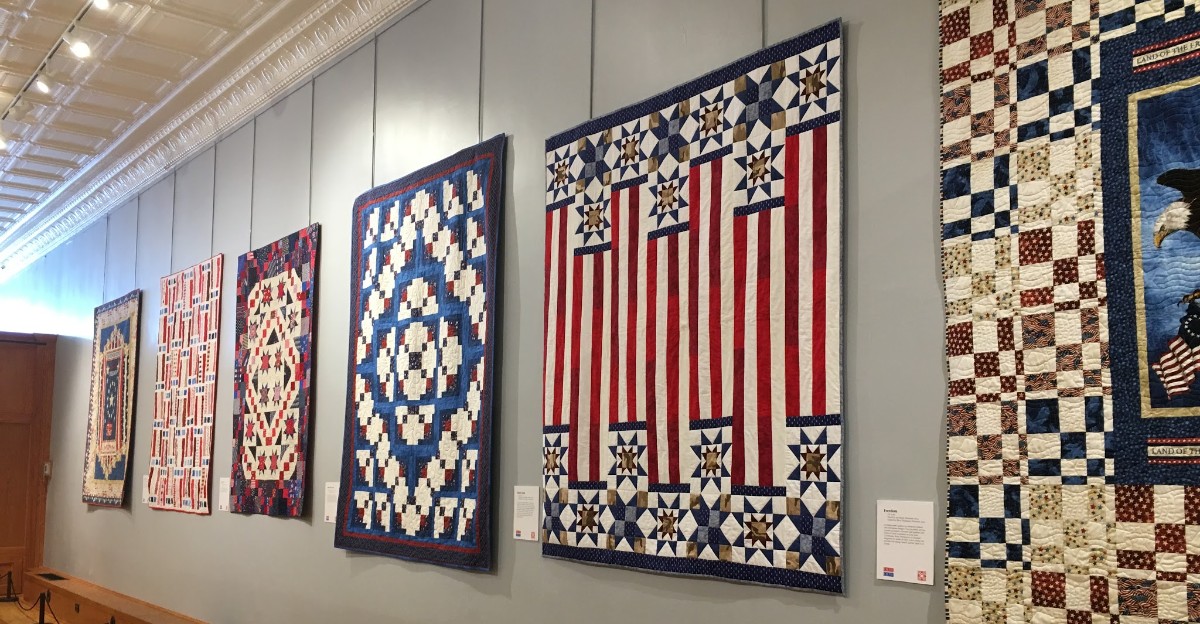
Some art never hung in a fancy gallery. It sat folded at the foot of a bed, got pulled out for cold nights, and was passed down from one family member to the next.
In a small town in Iowa, one museum takes those blankets and gives them the spotlight they always deserved.
The walls hold quilts that are more than a hundred years old, along with bold modern pieces that look nothing like the ones at a grandparent’s house.
Each one carries clues about the people who made it, the tools they used, and the times they lived in.
The shows change a few times a year, so there is always a fresh reason to stop.
Let’s find out what makes this spot special, how to plan a visit, and why even people who have never threaded a needle walk out impressed.
A Downtown Address With Deep Roots
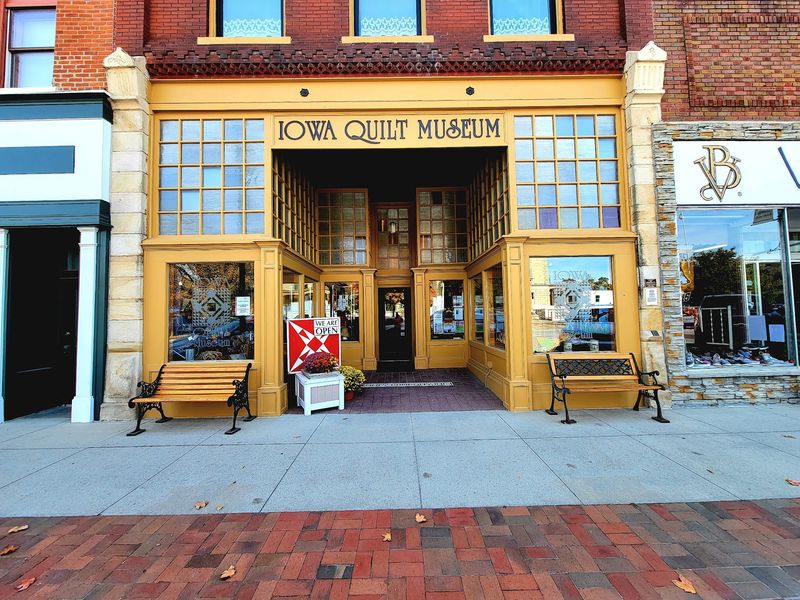
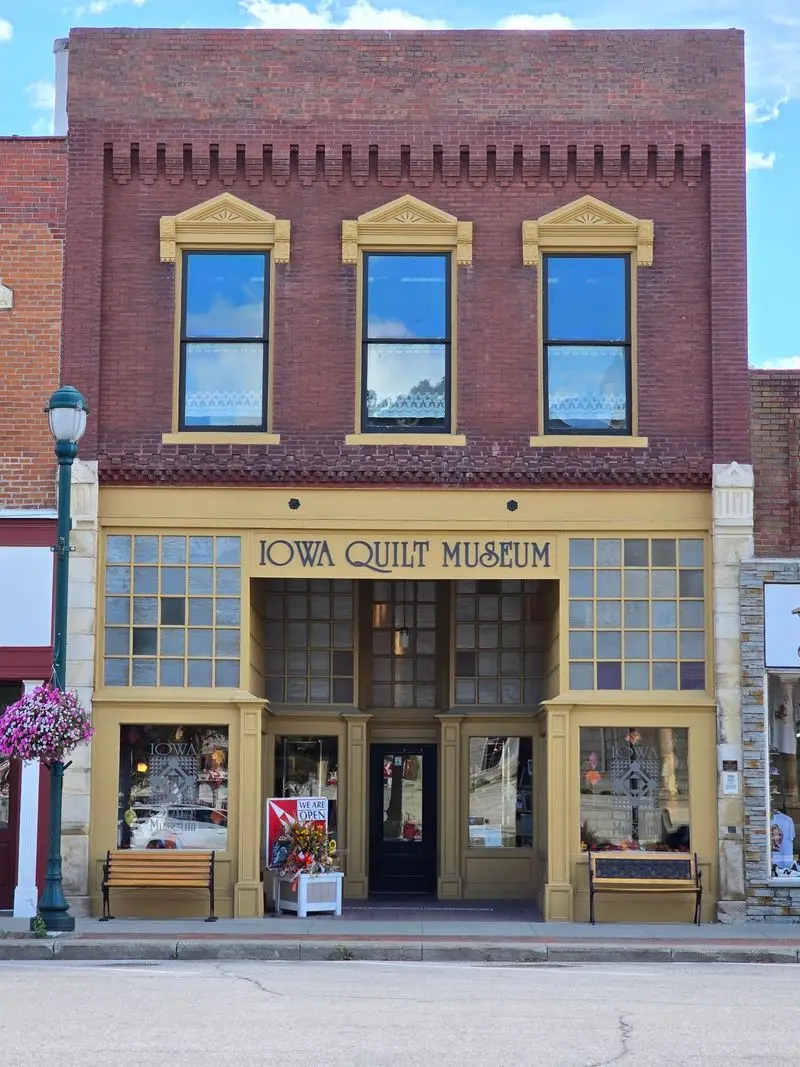
Winterset is a small town with a big list of reasons to stop, and this museum sits right in the middle of them. The Iowa Quilt Museum is found at 68 E Court Ave, Winterset, IA 50273, in the United States.
The building has a story of its own. It once housed a JC Penney department store, so the space has spent a long time serving shoppers and townspeople.
Today, the old store front welcomes a different kind of crowd. People who love art, history, sewing, and simple road trip detours all wander through the same door.
Parking is usually easy to find near the entrance. That makes it a stress-free stop, even for travelers who are just passing through on their way to somewhere else.
The downtown setting also means other shops and attractions are close by. A short visit here fits neatly into a larger day of exploring.
The classic old building gets plenty of love from people who stop in. Many leave talking about the architecture almost as much as the quilts on the walls.
Quilts Treated Like Fine Art
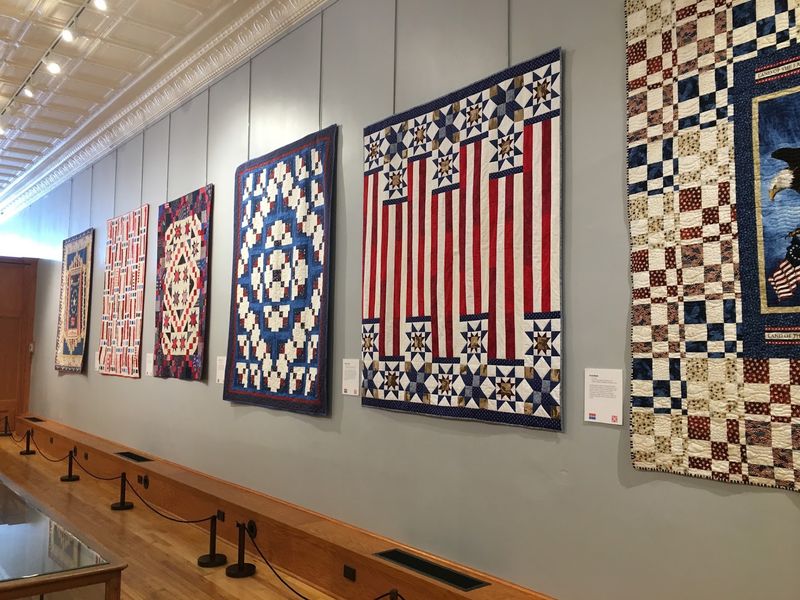
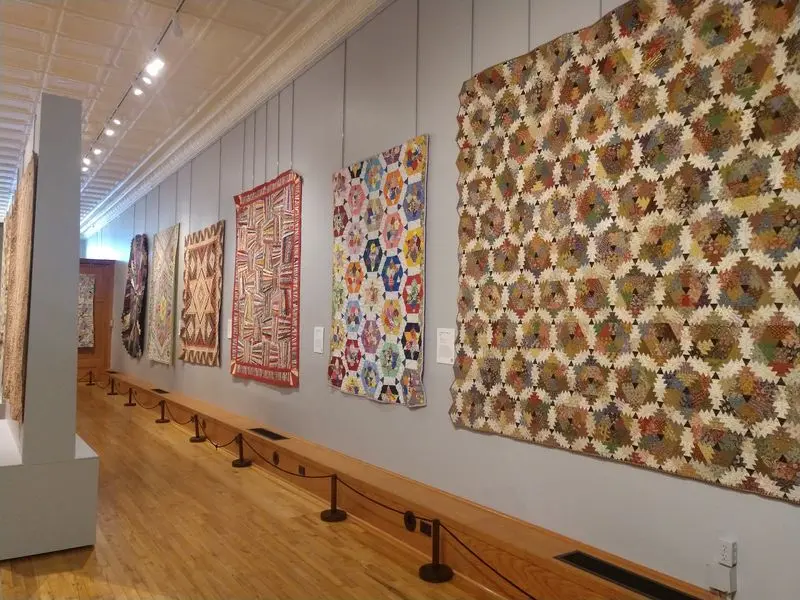
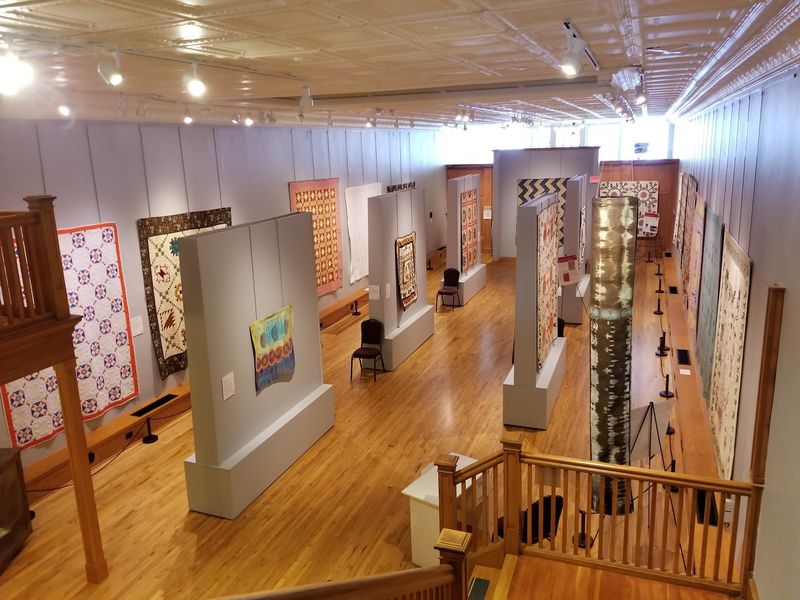
Forget the idea of a dusty blanket tossed over a chair. Here, quilts hang flat on the walls with room to breathe, the same way a painting would in a city art museum.
That choice changes everything. When a quilt is displayed this way, the patterns, color choices, and tiny stitches suddenly become the main event.
The museum’s mission leans hard into this idea. Recognizing quilting as a true art form is a big part of what drives the people who run it.
Geometry fans tend to have a great time here. Many quilt designs rely on careful shapes, angles, and repeating patterns that take real math skills to plan.
The exhibit space is easy to move through. There is enough distance between pieces to step back and take in a whole design, then lean closer to study the details.
Chairs are placed at display corners, too. That small touch lets guests rest and take their time instead of rushing past a piece that deserves a second look.
New Shows Every Few Months
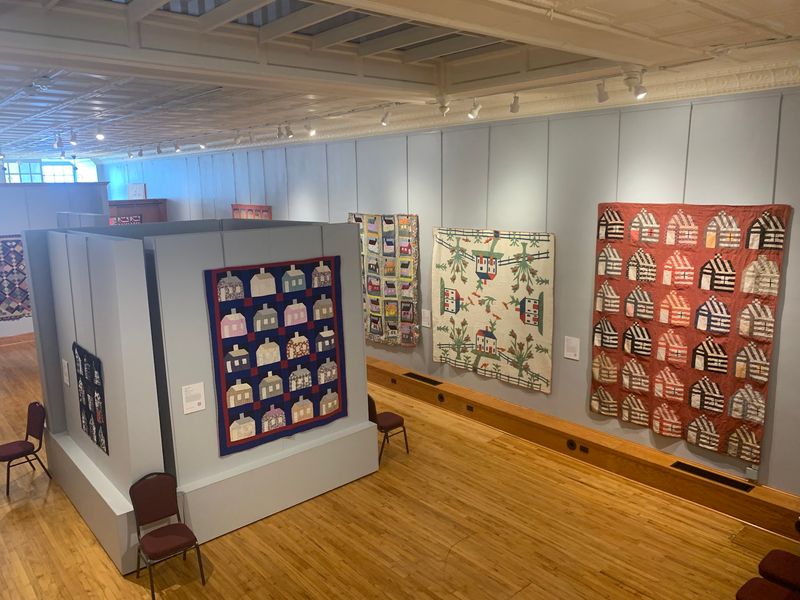
Here is the clever part. The main exhibit does not stay put for long, so a repeat trip almost never looks the same.
Shows rotate about three or four times each year. That means roughly every four months, the walls get a fresh set of quilts with a brand new theme.
Past exhibits have ranged widely. One focused on nineteenth century indigo quilts, another highlighted the modern quilt movement, and another centered on poppies.
The museum even created a retrospective show. It gave guests a look back at the kinds of exhibits the museum has hosted over roughly ten years.
For locals, this rotating setup is a real treat. A favorite museum can feel new again without needing to drive far from home.
For travelers, it is smart to check the museum website before arriving. Knowing the current theme helps set expectations and might even help choose the best time to plan a return visit.
Every new show is like a fresh chapter in an ongoing book.
Indigo Blues From the 1800s
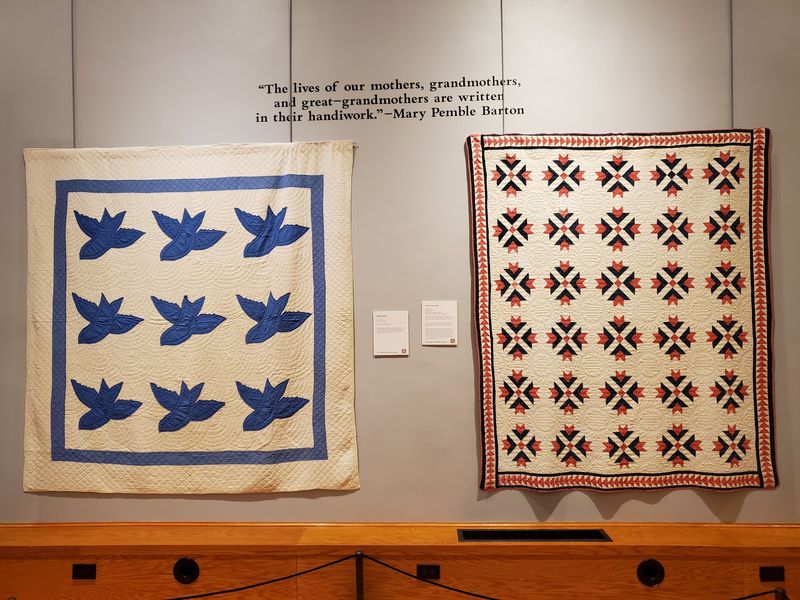
Blue and white might sound simple. One past exhibit proved that two colors can hold a whole century of stories.
The show was called Mama’s Got The Blues: Nineteenth Century Indigo Quilts from a Daughter’s Collection. It featured more than 20 full size handmade quilts in indigo and white.
Most of these quilts came from Michigan around the 1870s and 1880s. A few came from New York, and one or two traveled from Ohio.
Indigo dye was very popular in the late 1800s. Seeing so many pieces together showed how quilters back then made creative choices with a limited palette.
Several of the quilts used trapunto. That is a technique where certain areas are stuffed to raise parts of the design, giving the quilt a sculpted look.
This exhibit was a perfect example of stitching as history. Each quilt quietly recorded the skills, materials, and tastes of families who lived over a hundred years ago.
Not Your Grandma’s Quilt
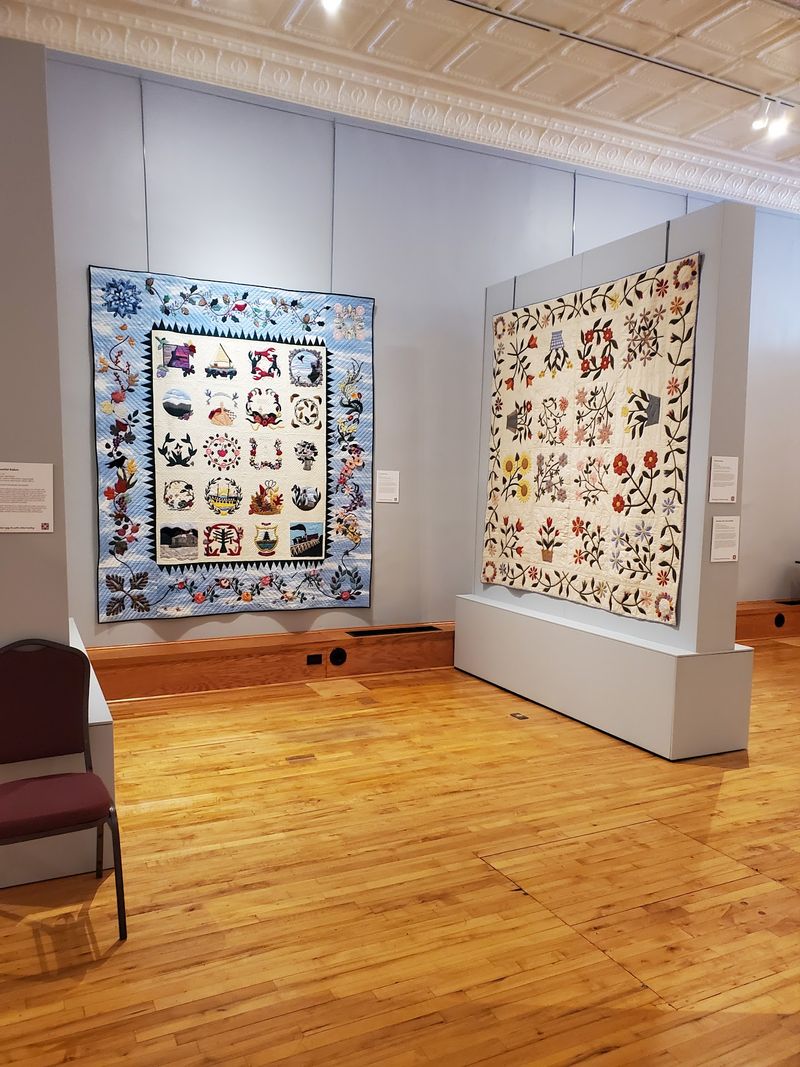
Bright colors, bold shapes, and wide open spaces can surprise anyone expecting only old patchwork. Modern quilts have a strong place at this museum, too.
One exhibit was filled entirely with works from the modern quilt movement. These pieces often break traditional rules and lean into fresh, graphic designs.
Seeing old and new side by side over time tells an interesting story. Quilting did not freeze in the past; it kept growing and changing with each new generation of makers.
That is why even people who say they are not quilt people often enjoy a stop. The pieces read as artwork first and bedding second.
Themed shows add even more variety. The poppy exhibit, for example, gathered smaller quilts built around a single flower, and it was well displayed.
Quick tip: take time to read the signs beside each piece. The background notes often explain what inspired the quilter, which makes a modern design much easier to understand and appreciate.
White Gloves for a Closer Look
Most museums keep guests at arm’s length from the art. This one hands out white gloves.
Gloves are available for anyone who wants a closer examination of certain pieces. Wearing them protects old fabric from the oils on human skin.
The staff often take a hands on approach while introducing an exhibit. With gloves on, an attendant may show the back of a quilt or point out tiny details that are easy to miss.
That close view reveals a lot. Stitch size, fabric wear, and quilting patterns can say a great deal about how and when a piece was made.
After the introduction, guests are free to explore at their own pace. Photos are allowed, so there is time to snap pictures of favorite designs.
For kids and curious adults, this small experience can be the highlight. Learning how to handle history carefully turns a quick look into a memory that sticks around long after the trip ends.
Up the Stairs to the Mezzanine
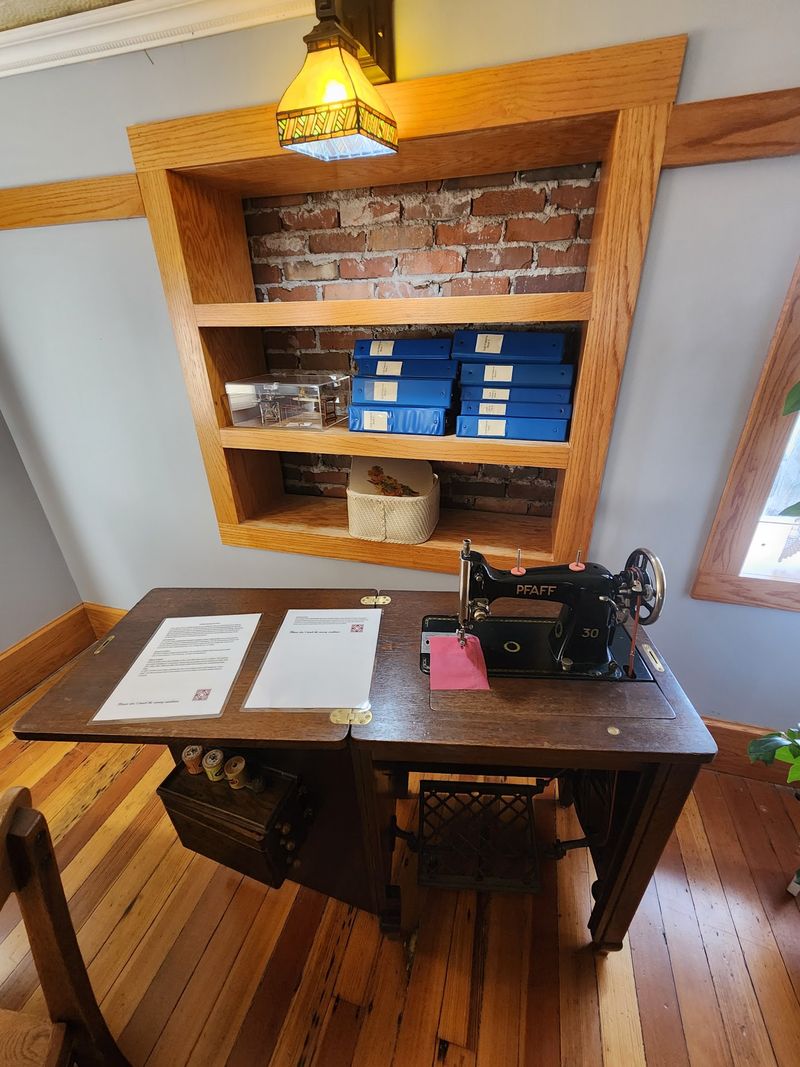
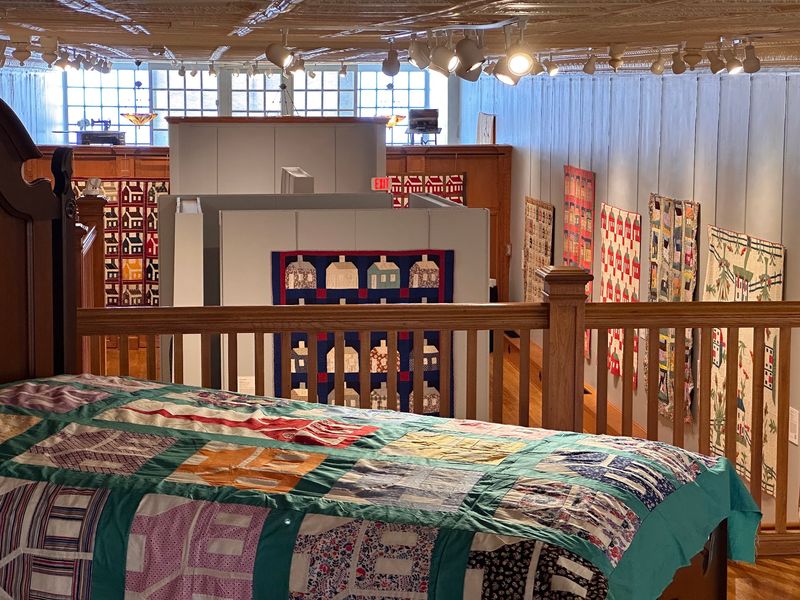
Plenty of people almost miss it. The main show sits on the ground floor, but a set of stairs leads up to a loft area with permanent displays.
The mezzanine holds several antique sewing machines. They come from well known American and European companies, showing how the tools of the craft developed over the years.
Looking at these machines helps connect the dots. Many of the quilts downstairs were shaped by whatever tools their makers had available at the time.
A small dollhouse also sits up there. It is a charming little extra that often catches the attention of younger guests and anyone who loves miniatures.
The loft also shares facts about quilts and the history of the craft. These details fill in the social roots of quilting and why it mattered to so many families.
Save a few minutes for this level. Skipping it would be like leaving a good book before the final chapter.
Friendly Faces Who Know Their Stitches
A warm hello at the door sets the tone here. The people working at the museum are known for being kind, welcoming, and quick to share what they know.
Their knowledge runs deep. Attendants are well versed in quilting arts and history, so they can explain techniques, dyes, and patterns in plain terms.
That help matters most for first timers. A non quilter can walk in knowing nothing and walk out understanding why a certain stitch or fabric is special.
Couples with mixed interests tend to leave happy. One person may love the craft, while the other ends up enjoying the history behind it.
The staff also keep guests updated on upcoming events and new shows. Asking at the desk is a great way to learn what is coming next.
Small museums often run on passion, and that energy is easy to notice. Support from guests helps keep this kind of place going, which makes every visit count a little more.
Gift Shop Finds and Big Events
Before the exhibit even starts, guests pass through the gift shop and check in desk. It is easy to make a mental note to return on the way out.
The retail space carries a nice variety of items. Postcards are available, which collectors appreciate, and quilts are sometimes offered for sale as well.
Quilters should keep an eye on the museum’s event calendar. A big fundraiser called the Share Your Stash Sale has drawn plenty of interest from crafters.
The museum also promotes an annual quilt event in summer. Winterset is known for the Airing of the Quilts, when quilts are shown around town.
Event days can bring bigger crowds and more energy. Regular days stay quieter, which is ideal for slow browsing and reading every sign.
Shopping here does more than fill a tote bag. Purchases and event support help the museum keep bringing new exhibits to its walls for years to come.
Smart Tips Before You Go
Good planning makes a short stop even better. The museum is open Monday through Saturday from 10 AM to 4 PM, and Sunday from noon to 4 PM.
Admission is $12 for adults. Military members and people 62 and older pay $10, while students and children ages 3 to 12 pay $5.
Members of the Iowa Quilt Museum and NARM get in free. There is also a $1 off coupon available from the John Wayne Birthplace and Museum, which is also in Winterset.
Expect to spend about 30 minutes to an hour. Avid quilters who read every sign may happily stay longer.
The space is small, with roughly 25 to 35 quilts on display depending on the show. Quality over quantity is the theme here.
Pairing this stop with other Winterset attractions makes for a full, easy day. In the end, these quilts prove that history does not always live in textbooks; sometimes it is stitched right into the fabric.