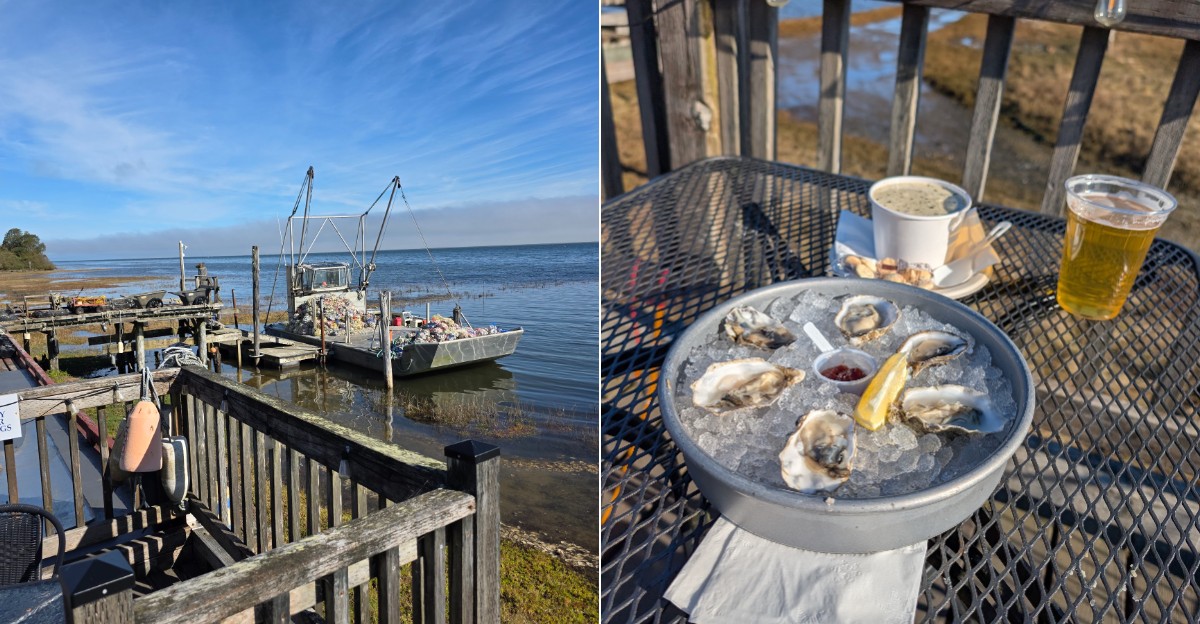
A working oyster farm serves fresh shellfish beside the very bay that supplies its harvest.
The waterfront setting also connects today’s seafood experience to a village founded during the nineteenth-century oyster boom.
That history stretches back to 1854, when oysters from Washington’s Willapa Bay found eager buyers in San Francisco.
I love that the area’s original industry remains part of the experience rather than just a story on a historical marker.
Today, visitors can enjoy oysters, browse a seafood market, and look across the working tideflats.
The combination makes this more interesting than an ordinary stop for lunch.
There’s also a chance to learn how oysters are raised through guided farm experiences offered by the business.
Between the seafood, the bay views, and the remarkable history, this waterfront destination gives curious travelers plenty of reasons to linger.
Where the Peninsula Runs Out of Road
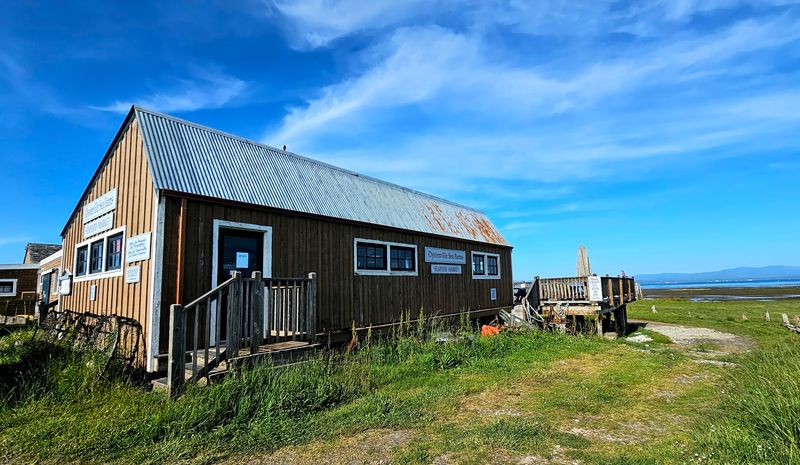
Keep driving north on the Long Beach Peninsula, and eventually the road simply runs out of town to cover. Oysterville Sea Farms sits along Willapa Bay in the historic village of Oysterville, Washington.
The working oyster farm combines a seafood market with a waterfront dining experience.
The building sits right on the edge of Willapa Bay, in the historic working waterfront district of a village that dates back to 1854. Many travelers stay farther south in towns like Long Beach or Seaview and make the drive up as a day trip.
That drive takes a little while, so plan your timing with care. The trip is part of the fun, though, since the road passes small farms, cranberry country, and quiet stretches of shoreline.
Once you arrive, parking is close to the building, and the entrance leads straight into the shop. From there, the deck out back opens onto the bay.
Tiny town, big payoff. Few lunch stops in Washington come with this much history packed into one small corner of the map.
A Town Built on Shells
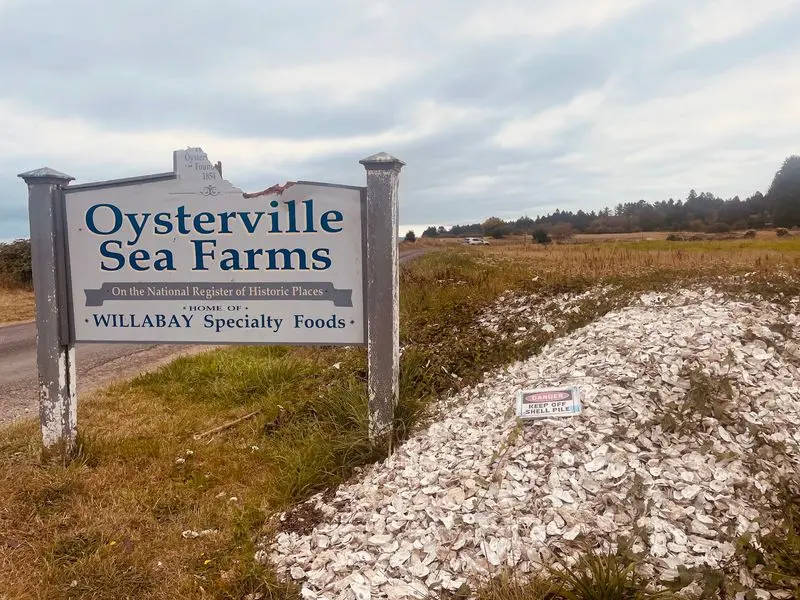
Back in 1854, two men named R. H.
Espy and I. A.
Clark founded a settlement here because of one thing: oysters. The native shellfish of Willapa Bay were in high demand, and ships carried them south to San Francisco.
During the Gold Rush years, those oysters fetched remarkable prices. The town grew quickly and even served as the county seat for a time.
Later, the native oyster beds declined, and the boom faded. Oysterville became the quiet village it is today, with old homes, a white church, and a historic district listed on the National Register of Historic Places.
What makes a stop at the sea farm special is that the oyster story never really ended here. Farming continues on the tidelands, and the business sits right inside that historic setting.
A short walk around the village before or after lunch adds a lot of meaning to the meal. Seeing the old buildings helps you understand why a plate of oysters in this town carries more than flavor alone.
Fresh Off the Tideflats
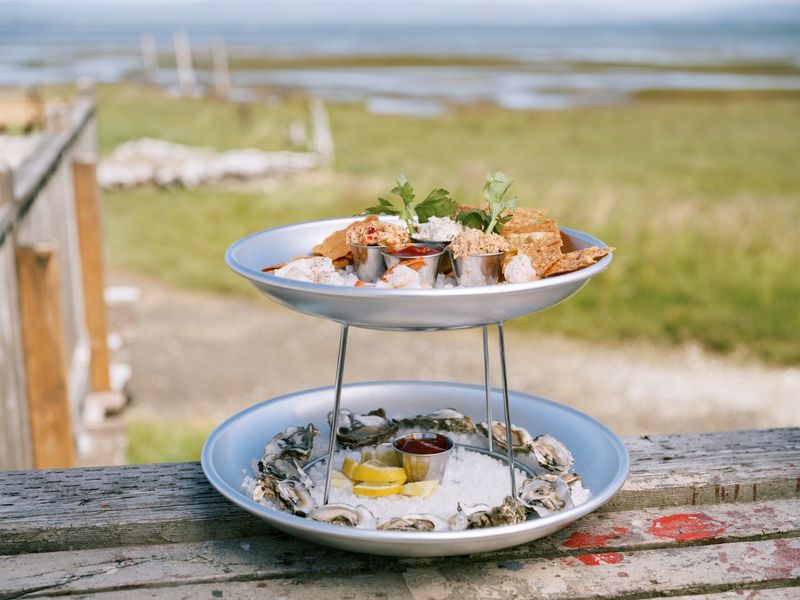
Distance matters when it comes to oysters, and here the distance is about as short as it gets. The farm grows its shellfish in Willapa Bay, so the oysters on the menu come from waters right in front of the deck.
Guests can order oysters raw on the half shell or cooked, including grilled versions with garlic butter. Steamed oysters show up on the menu too, which is handy for anyone who wants to ease into the experience.
One detail surprises some first-timers. The farm intentionally serves petite half-shell oysters, since many guests are trying them for the first time and find smaller ones more approachable.
Prefer something bigger? A limited number of larger oysters, called Big and Bold, are available for a small extra charge.
Just ask when you order, because supplies can run short.
That small choice can shape your whole meal. Knowing it ahead of time means you get exactly the oysters you came for, without any surprises at the table.
Farming Without the Dredge
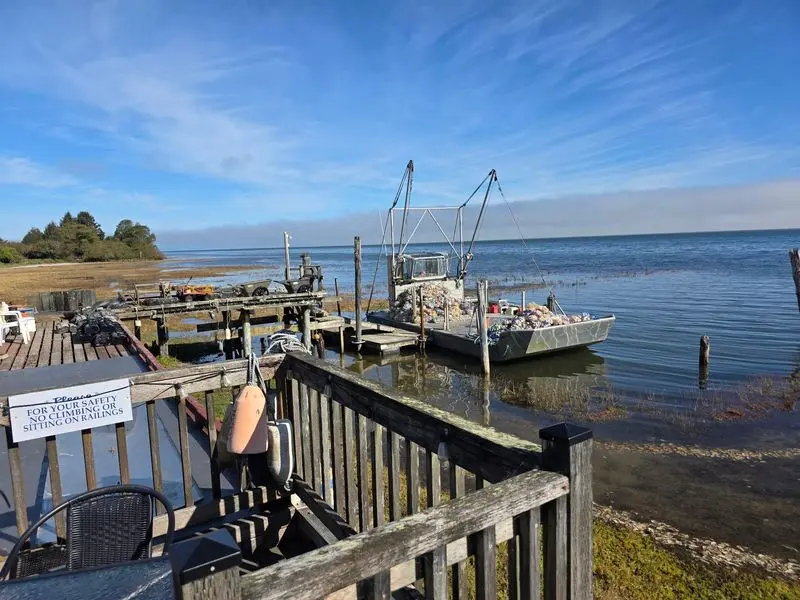
Plenty of shellfish operations rely on dredging, a method that drags equipment across the bay floor. Oysterville Sea Farms proudly takes a different path and advertises a 100 percent no-dredging approach.
Why does that matter? Leaving the bottom undisturbed helps the bay’s natural system stay healthy, which supports the plankton and other tiny life that keep the estuary working.
The farm brands its products under the name Willapa Wild, a nod to the bay that makes everything possible. That name appears on packaged goods in the shop as well.
For families, this is a great teaching moment. Kids can look out at the tideflats and learn that the lunch on their table came from a place that is cared for, not stripped bare.
Willapa Bay is known as one of the cleanest estuaries in the country, and it produces a large share of the oysters grown in the United States. Supporting a farm that protects it feels like a small way to help keep that record going strong.
A Deck With a Front-Row Seat
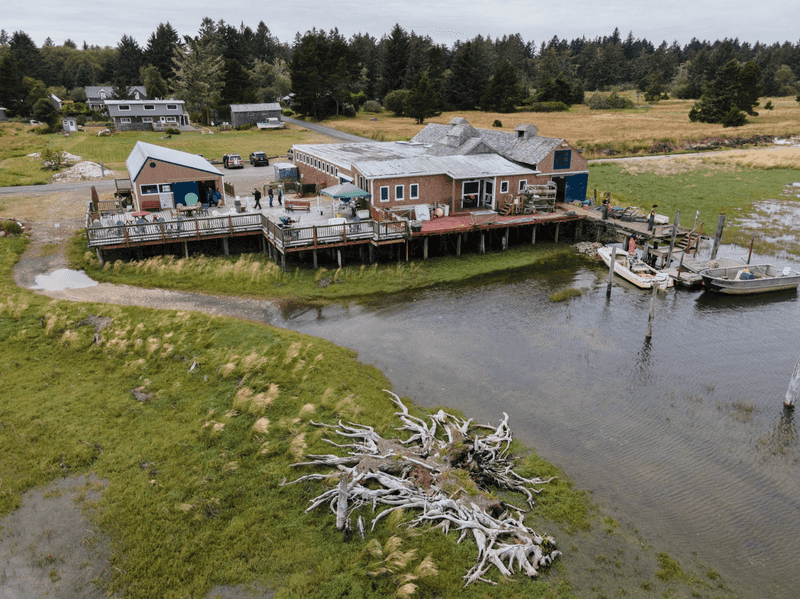
Out back, an expansive wooden deck stretches toward the water, and it is easily the most popular seat in the house. Tables offer wide views across Willapa Bay, the second largest estuary on the West Coast.
Some tables sit in the shade, which helps on bright summer days. Others are out in the open for anyone who wants the full view of the tideflats.
Indoor seating exists but is limited, so most people end up outside. That makes weather a key part of planning.
Winds off the estuary can turn chilly even when the sun is out. Pack a jacket or an extra layer, especially for kids, and you will be far more comfortable lingering over your meal.
The view across Willapa Bay connects the dining experience with the farm’s daily work. Visitors can appreciate the surrounding tideflats while enjoying seafood from the region.
Few lunch tables anywhere come with a working oyster bay as the backdrop.
Beyond the Half Shell
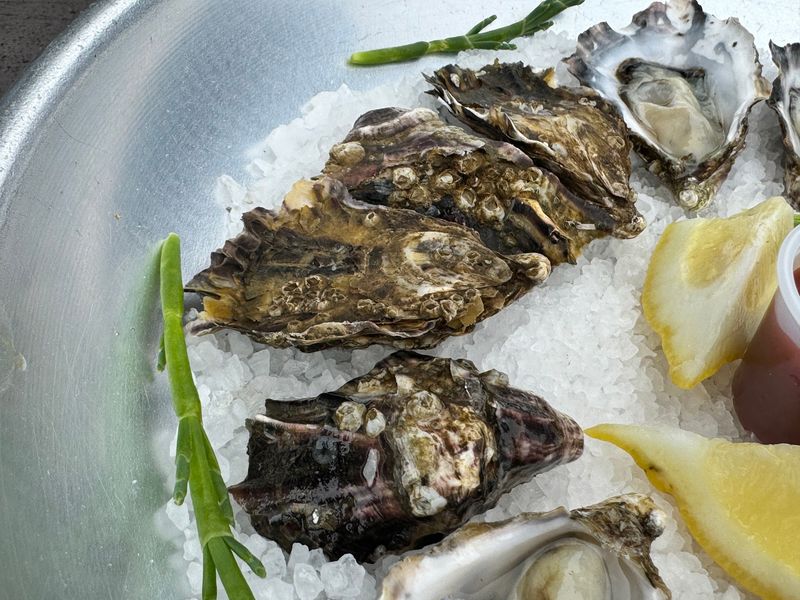
Not everyone in the family wants oysters, and that is perfectly fine. The menu covers plenty of other local seafood favorites.
Clam chowder is the star for many guests and might be the most talked-about item of all. It pairs well with the sourdough bread sold here.
Steamer clams are another popular pick, along with grilled clams in garlic butter. Smoked salmon spread shows up on many tables too, and it works well for anyone new to seafood.
More adventurous eaters can try the squid salad, which is unusual compared to most salads. Dungeness crab, shrimp, scallops, and smoked salmon round things out depending on the season.
A seafood tower is also offered as a cold platter that changes with whatever is freshest that day. Spreads, shrimp, and oysters typically make an appearance.
Ordering a few small plates to share is a smart move for groups. Everyone gets a taste, and nobody has to commit to one dish they might not love.
Order at the Counter, Shop on the Way
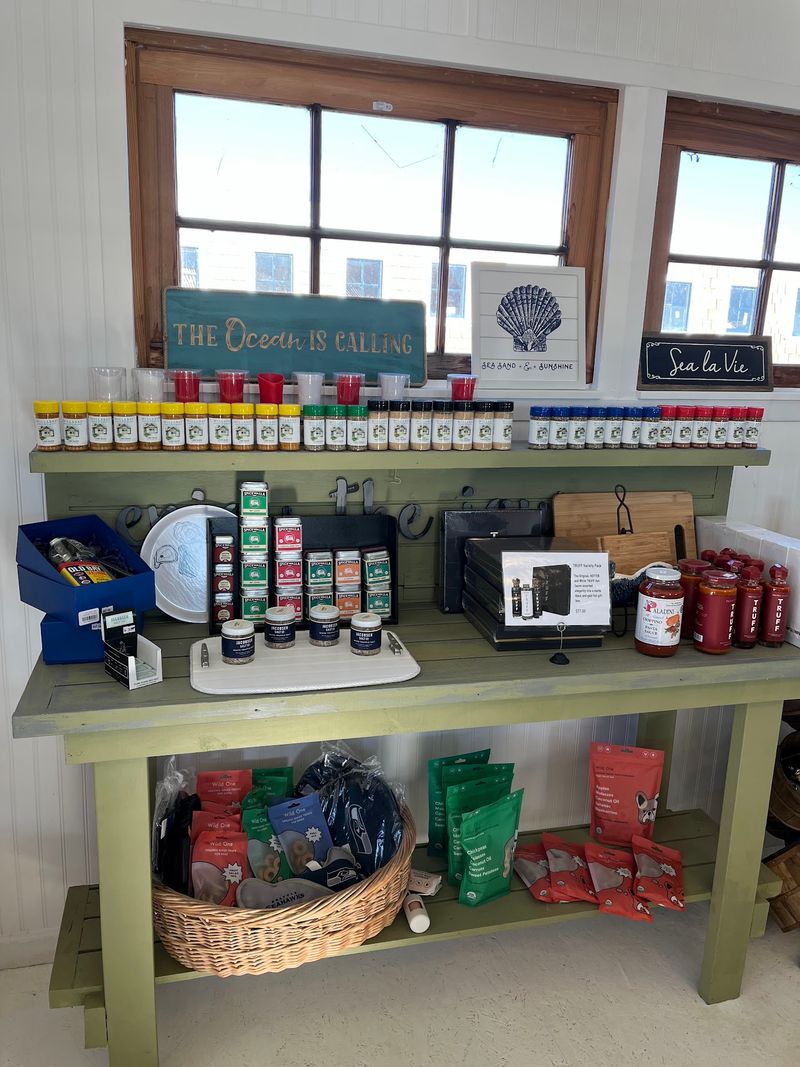
Forget waiting for a host. The routine here is simple: walk in, order at the register, and find a table.
The farm is located at 34300 1st Street, Oysterville, WA 98641. Its waterfront setting places visitors beside the working tideflats that shape the business.
On the way to the counter, you pass through a gift shop packed with edible treats, apparel, stickers, tote bags, and other souvenirs. It is easy to lose a few minutes browsing.
The seafood store side stocks fresh and frozen oysters, clams, chowders, smoked salmon, crab, and canned local specialties. Many people grab packaged smoked salmon or other goods to take home.
Keep in mind that this is not a full-service restaurant. Some packaged items, like sandwiches, are served cold by design, and the kitchen setup does not allow reheating on demand.
The staff tend to be friendly and happy to help with suggestions. If you are unsure what to try, asking for a recommendation is a great place to start.
Bringing a small cooler in the car is a clever trick. That way, your seafood souvenirs survive the ride back to wherever you are staying.
Timing Your Trip Right
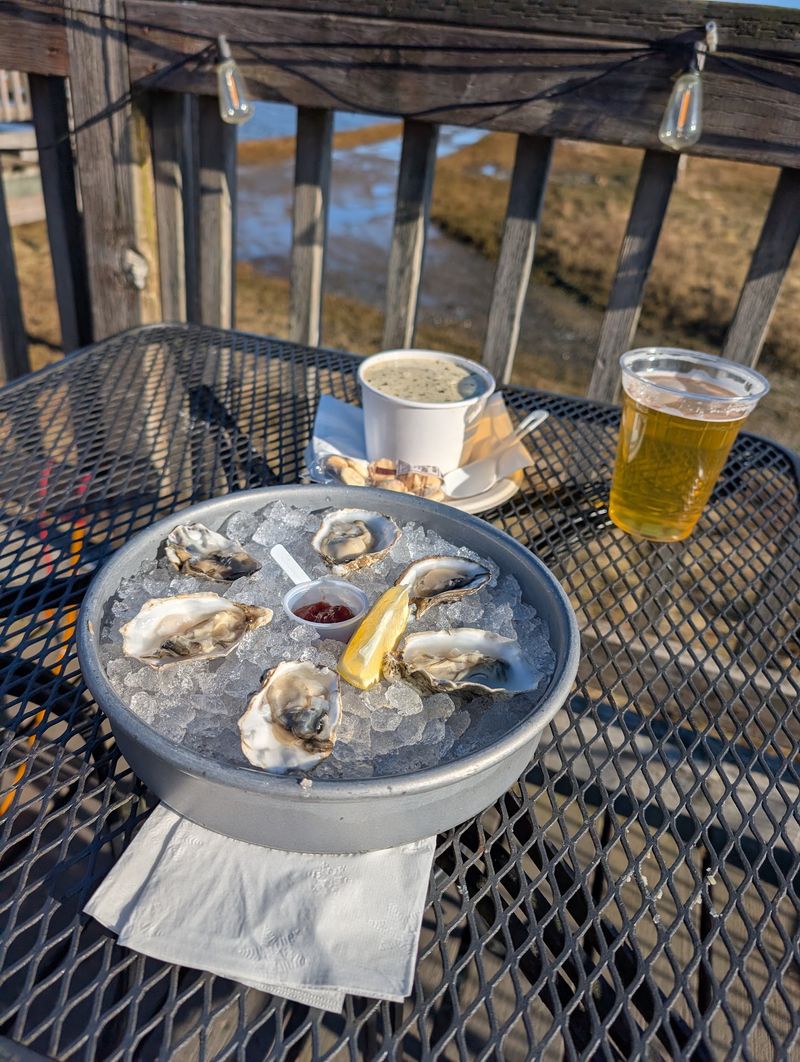
Oysterville Sea Farms lists daytime operating hours, making it a natural stop for lunch or an afternoon visit. Because published schedules can differ, checking the latest hours before making the drive is a sensible precaution.
That four-hour window means lunch is the main event. Arriving closer to opening gives you the best shot at a wide menu.
Oysters can sometimes run short later in the day, especially the larger ones. Early birds get the shells, so to speak.
Quieter weekdays, like Thursday or Monday, are often calmer choices. Spring and early fall can also offer a more relaxed pace with fewer people on the deck.
Build some buffer time into your day. With a slower start, nobody feels rushed, and the whole outing becomes far more enjoyable for every member of the group.
Practical Things Worth Knowing
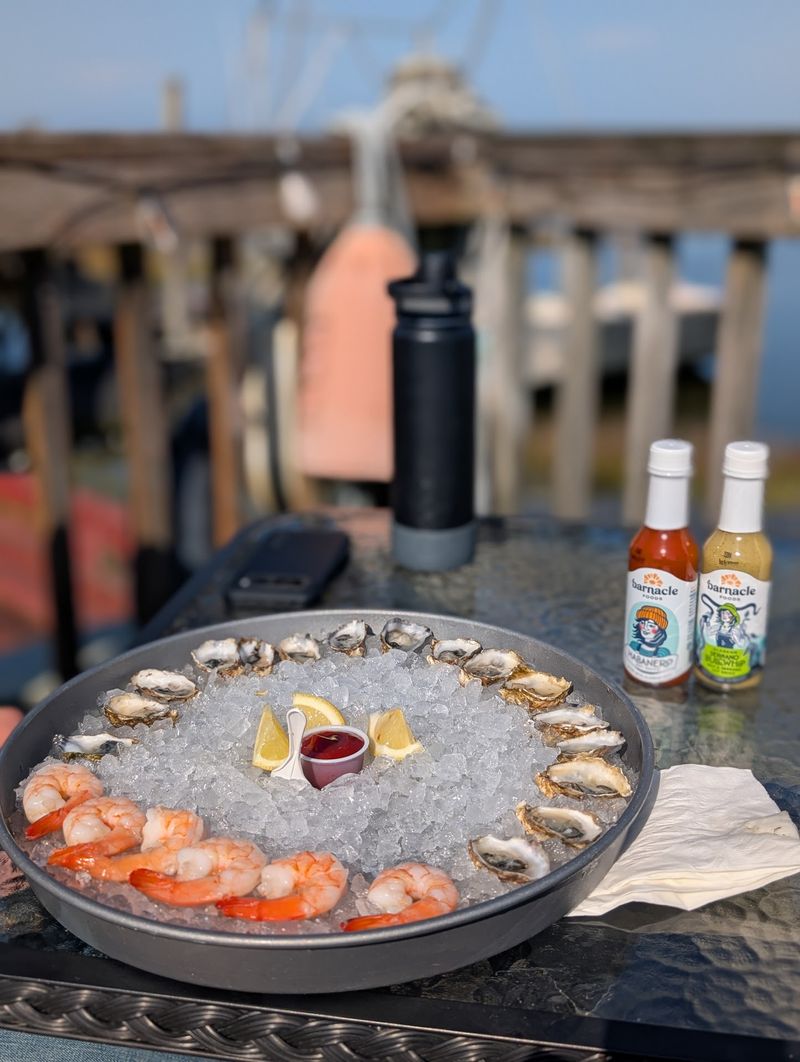
Small details can make or break a family outing. A few facts about this spot will help everyone stay happy.
Restrooms are limited to portable units with handwashing stations. The historic waterfront district has no city water or sewer, so indoor facilities are not an option.
Bringing hand wipes or sanitizer is a smart idea, especially after eating oysters with your fingers. Kids will thank you later.
Travelers bringing pets should confirm the farm’s current animal policy before visiting. Rules for outdoor dining areas may differ from those for the seafood market and guided tours.
Costs can add up quickly with many small seafood plates, particularly for big groups. Setting a rough budget before ordering keeps surprises away.
Layers, sunscreen, and a little patience round out the packing list. Weather by the bay can change fast, and busy days may slow things down.
Prepared families tend to have the best time. A few small steps before leaving home turn a good lunch into an easy one.