Some of the best bird stories in Oregon start before breakfast. In the high country of southern Oregon, early risers grab binoculars, a thermos, and a field guide, then head out while most people are still asleep.
A short morning outing here can fill a notebook with ducks, hawks, cranes, and tiny marsh birds that most folks have never heard of.
The place sits at the edge of pine forest and open wetland, far from busy cities and crowded trails.
It is quiet, a bit remote, and full of surprises for anyone patient enough to wait.
Keep reading to learn where this spot is, what lives there, how to get around, and the simple tricks that help early walkers build a bird list longer than they ever expected.
Where the Map Turns Wild
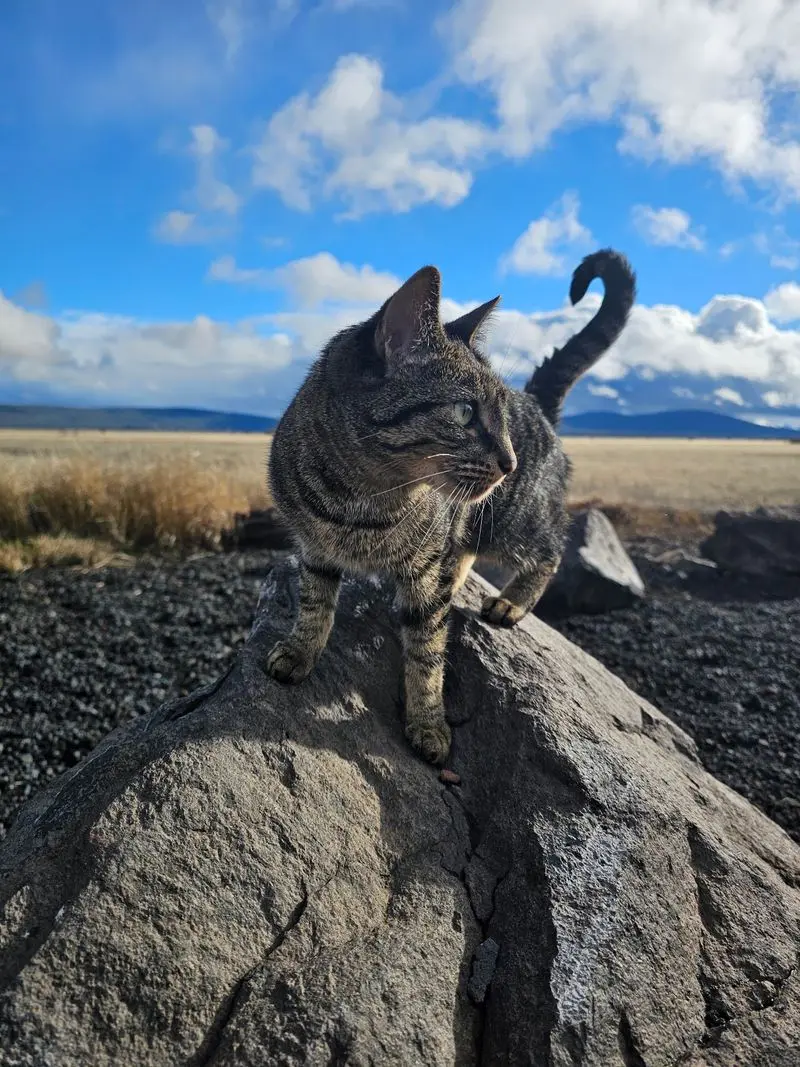
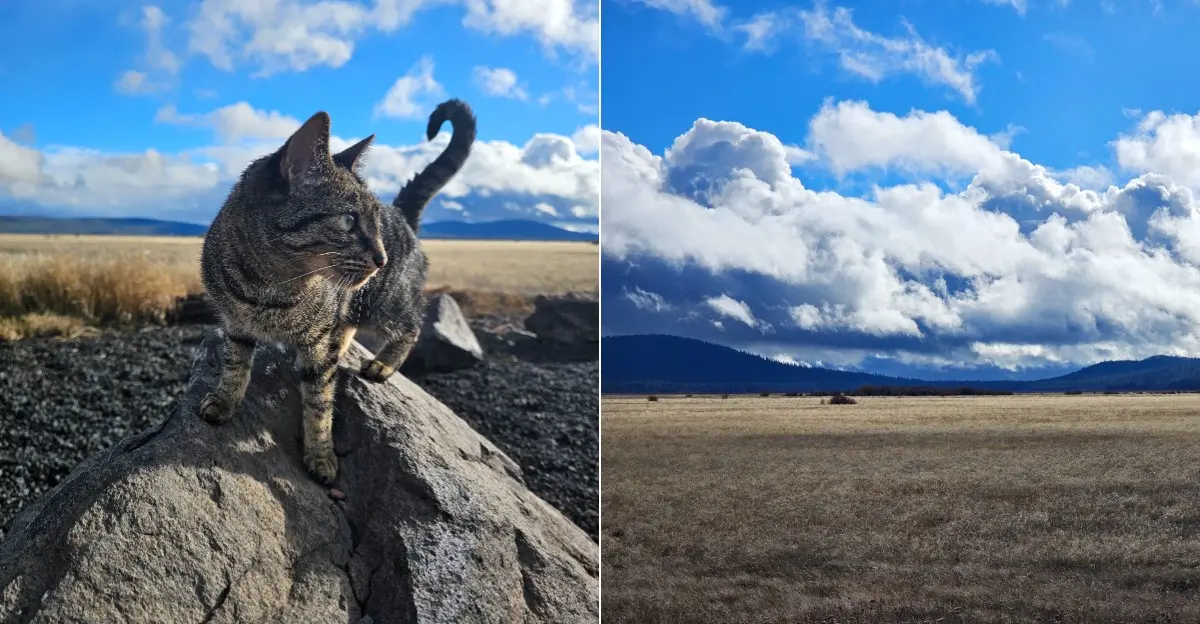
Out past the small town of Chiloquin, the pavement gives way to wide open marsh and endless sky. Klamath Marsh National Wildlife Refuge is the spot, and its listed address is Chiloquin, OR 97624, in southern Oregon.
The refuge sits north of Upper Klamath Lake, in Klamath County. It was set up in 1958 to protect habitat for migrating and nesting birds.
Today it covers more than 40,000 acres of marsh, meadow, and pine forest. That is a lot of room for wings to stretch.
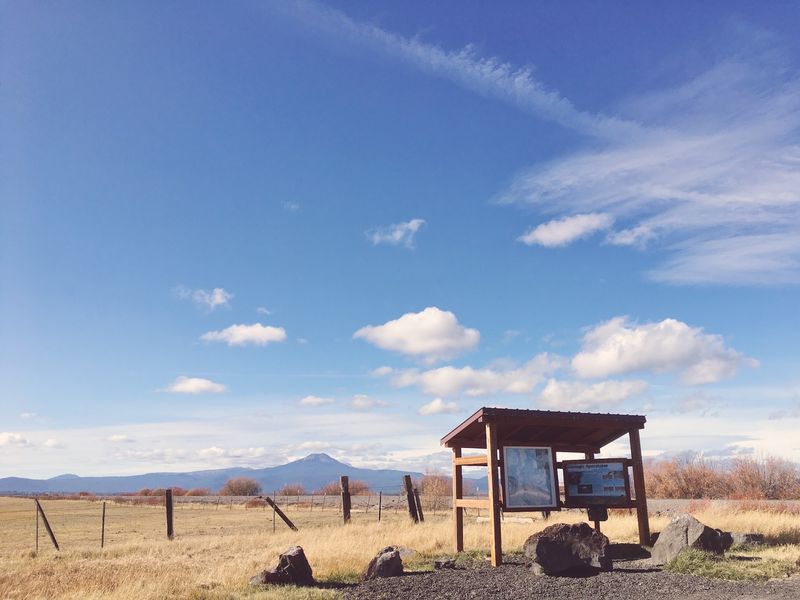
Most people reach it by driving Silver Lake Road, which crosses the marsh. Maps are posted at several places along the way, so it is easy to get your bearings.
Cell service can be spotty in this part of the state. Download maps before you leave home, and fill your gas tank in town.
The refuge is open during daylight hours, so dawn is the earliest welcome mat. Plan to arrive as the sky starts to brighten, because the first hour is when the marsh wakes up fastest.
A Marsh With Mountain Height
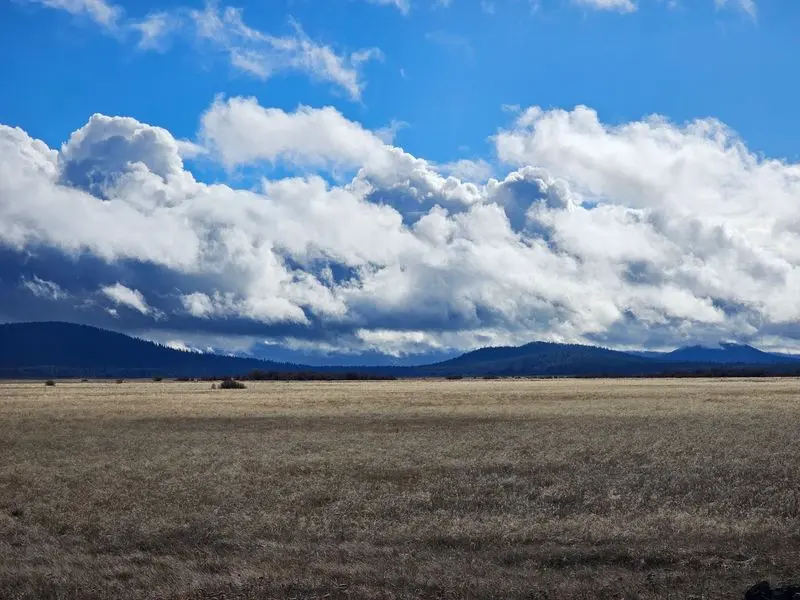
Here is a fun fact to share on the drive. This marsh sits at roughly 4,500 feet above sea level, which makes it a high-elevation wetland.
That height shapes everything. Winters are long and snowy, and summers are short and busy.
Water levels rise in spring when snow melts from the surrounding hills. By late summer, many parts of the marsh dry out and turn into meadow.
Birds plan around that rhythm, and smart walkers should too. Spring brings the most water and the most nesting activity.
Early fall is another strong window, when migrating flocks stop to rest and feed. Winter can be very quiet, and some roads may be hard to travel after storms.
Bring layers no matter the month. Mornings at this height can start chilly even in July, then warm up quickly by noon.
Knowing the season ahead of time helps you set the right goals. A June list and an October list can look like they came from two different places.
Why Early Birds Win the List
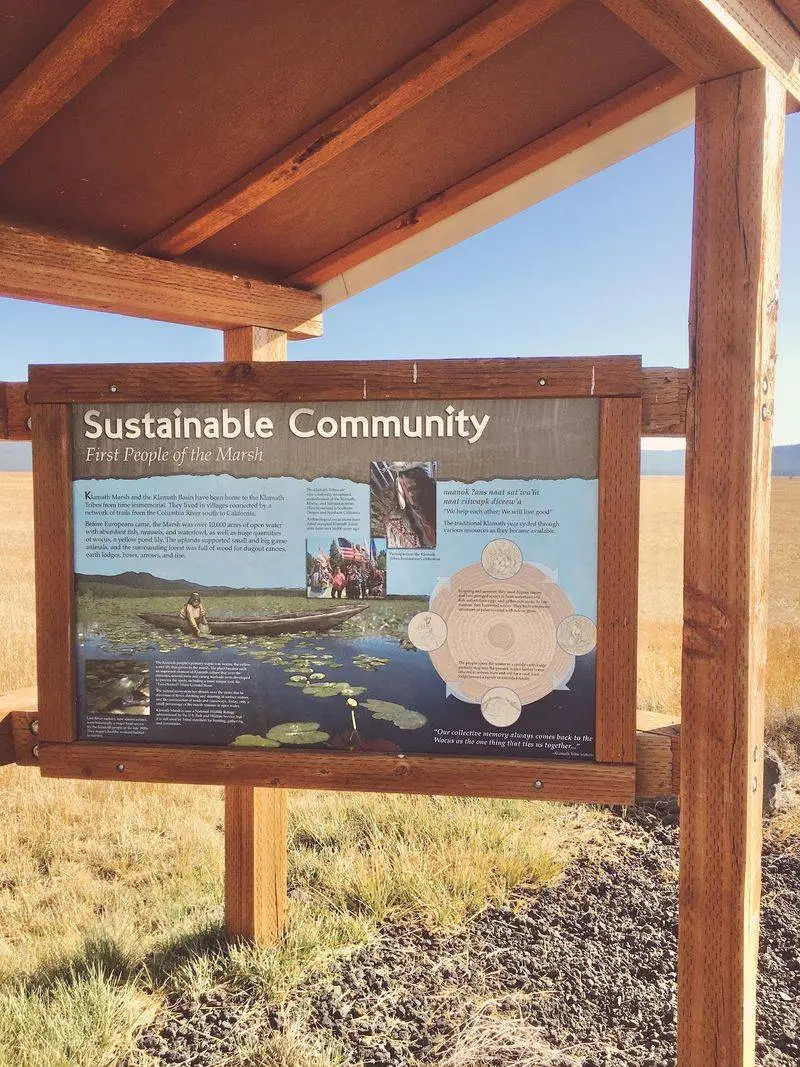
Ask any experienced birder the secret to a long list, and the answer is usually the same. Get up early.
Birds are most active in the first hours after sunrise. They sing, feed, and move between spots, which makes them easier to find.
At a marsh this size, that early burst matters a lot. Ducks shift between ponds, hawks start hunting, and songbirds call from the forest edge.
A short walk at dawn can cover several habitats at once. Water, grass, and trees all meet near the roads that cross the refuge.
That mix is why a brief outing can turn up dozens of species. You are not just walking past one kind of home, but three or four.
Keep the pace slow. Stopping every few minutes to scan gives shy birds time to show themselves.
Carry a small notebook or a birding app to keep count. By breakfast, the tally might surprise even a seasoned list keeper.
The Tiny Star Nobody Sees
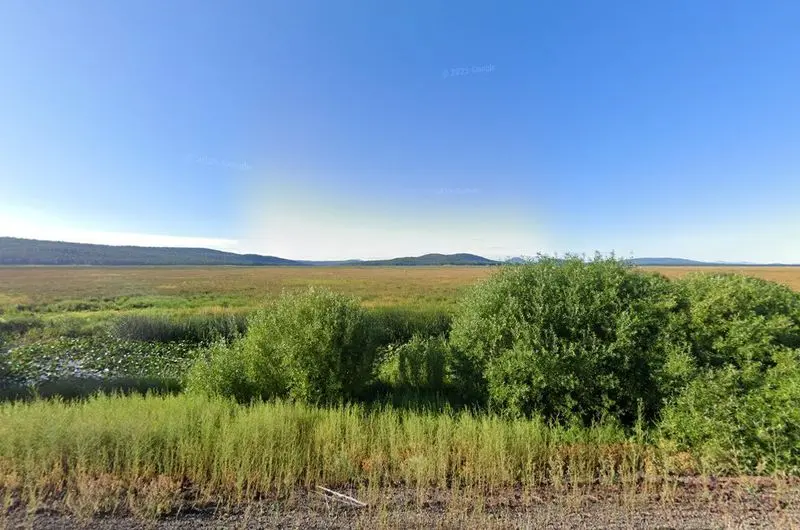
Some celebrities avoid the spotlight, and the yellow rail is a champion at it. This small marsh bird is famous among birders for being almost impossible to spot.
Klamath Marsh is one of the most important nesting areas for yellow rails in the western United States. That alone puts the refuge on many bird lovers’ wish lists.
The rails live in shallow, grassy wetland and stay hidden in thick sedges. Most people find them by their clicking calls rather than by sight.
Those calls are often heard at night or very early in the morning. A dawn visit gives you a fair shot at hearing one.
Please stay on roads and public areas when listening. Walking into the grass can disturb nests and damage the habitat these birds need.
Even if you never see a rail, knowing they are out there adds a little thrill to every quiet stretch of marsh. It is the ultimate game of hide and seek.
A Name Rooted in Tribal History
Long before it was a refuge, this marsh was a homeland. The Klamath Tribes have lived in this region for thousands of years.
The word wocus refers to the seeds of the yellow pond lily. These seeds have been gathered from the marsh as a traditional food by Klamath people for generations.
That is why Wocus Bay carries its name. The landscape itself holds a record of how people have relied on it.
The area was part of the Klamath Reservation until the federal government ended recognition of the tribe in 1954. The Klamath Tribes regained federal recognition in 1986.
Knowing this history adds depth to a simple morning walk. The marsh is not just a bird spot, but a place with deep cultural meaning.
Treat it with care. Leave plants and natural objects where you find them, and follow posted guidelines.
A little respect goes a long way in a place shaped by so many generations before us.
Smart Habits for a Bigger Bird Count
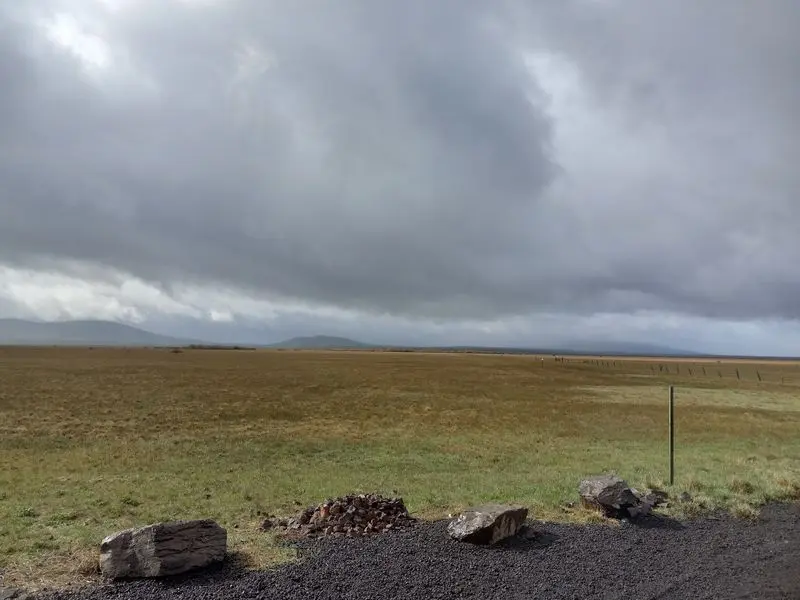
Building a big list is less about luck and more about habits. A few simple steps can double what you find.
Start before sunrise and stay until mid-morning. Bird activity often slows as the day warms.
Use pullouts along the roads and scan in every direction. Look at the water, the grass, the fence lines, and the treetops.
Watch your safety near traffic. Cars can move fast on these roads, so park fully off the pavement and stay alert.
Learn a few common calls before your trip. Many marsh birds are heard long before they are seen.
Remember that some areas have changed after recent wildfires in the region. Burned patches can still attract woodpeckers and other birds, so do not skip them.
Share your sightings on a birding app when you get home. Your list helps scientists track how birds use the refuge over time.
With patience and an early alarm, this quiet marsh can turn a short morning into one of your best birding days ever.