Some towns ask you to slow down, and one small river city in Oregon practically insists on it. Its downtown rolls uphill from the Columbia River, with locally owned shops, busy cafes, and people who seem to have nowhere better to be.
Happiness rankings have pointed to towns like this for good reason: short commutes, big outdoor playgrounds, and neighbors who still wave. Fewer than 9,000 people call it home, yet it draws crowds from around the world.
Wind surfers, hikers, fruit lovers, and families all find their own reason to stay a little longer.
Keep reading to learn where this town sits, why its Main Street mood is so catching, and how to plan a trip that feels just as cheerful as the place itself.
Where the Good Mood Begins
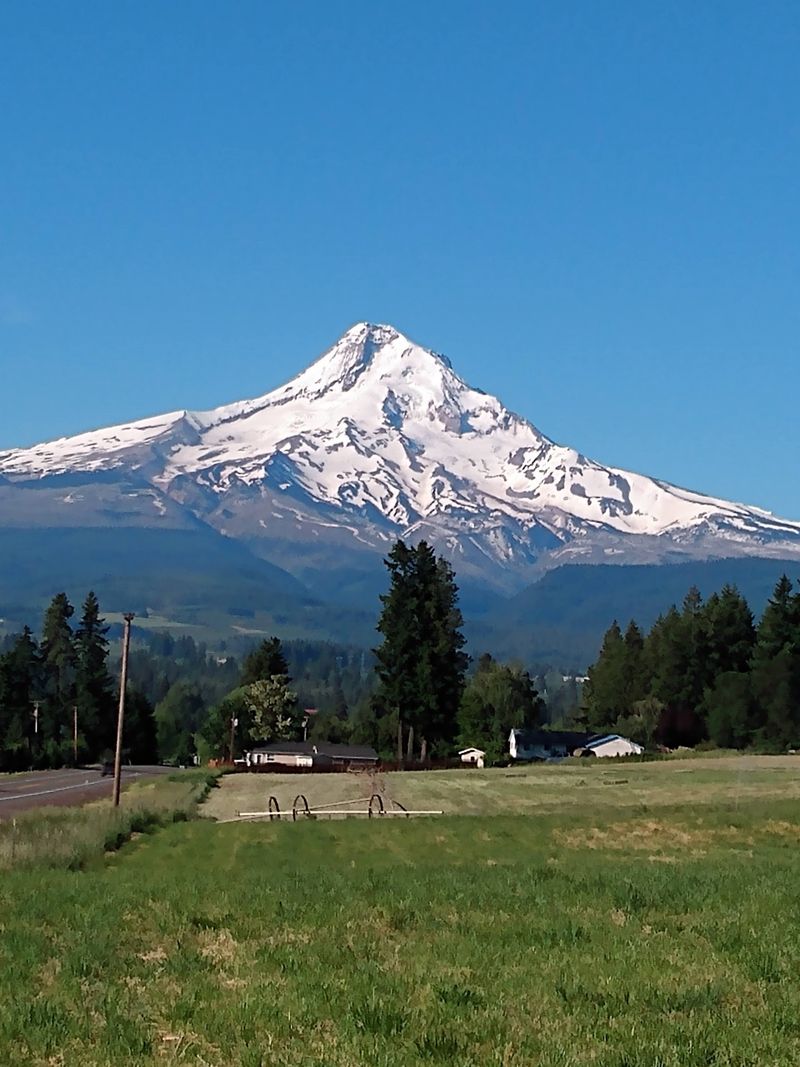
Hood River sits along the south bank of the Columbia River, about an hour east of Portland. It serves as the county seat of Hood River County.
The town takes its name from the nearby Hood River, which flows down from Mount Hood and meets the Columbia right at the edge of town. That meeting point shaped everything here, from early trade to today’s outdoor fun.
Getting there is simple. Interstate 84 runs right past downtown, so most travelers arrive by car in a short, scenic drive through the Columbia River Gorge.
The 2020 census counted 8,313 residents. That small number is part of the charm, since the town feels easy to learn in a single afternoon.
Washington State is just across the river, linked by a bridge to the town of White Salmon. Many people explore both sides during one trip.
Once you have your bearings, the next stop is obvious: the hilly, friendly downtown where the happy reputation really comes to life.
Main Street Smiles
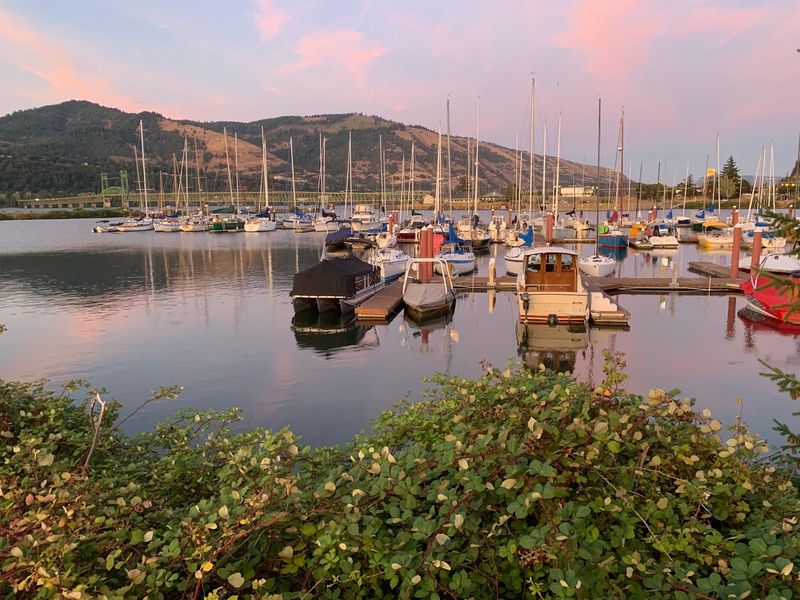
Downtown Hood River is small enough to walk end to end, yet packed with reasons to linger. Oak Street and the cross streets around it hold the heart of the action.
Most storefronts are run by local owners rather than big chains. That means bookstores, outdoor gear shops, clothing boutiques, and art spaces with their own personality.
Shop owners often chat with customers like old friends. Many of them moved here for the lifestyle, and that relaxed attitude spreads quickly.
The streets climb steeply uphill from the river. Wear comfy shoes, because those slopes give your legs a mini workout between stops.
Benches, sidewalk seating, and plenty of window displays make it easy to take your time. Nobody seems to rush here, and that is sort of the point.
A smart tip is to park once and explore on foot. Parking fills up on summer weekends, so arriving in the morning saves stress.
After a stroll, many people head toward the water to find out why this town is famous far beyond Oregon.
Windsurfing Capital Status
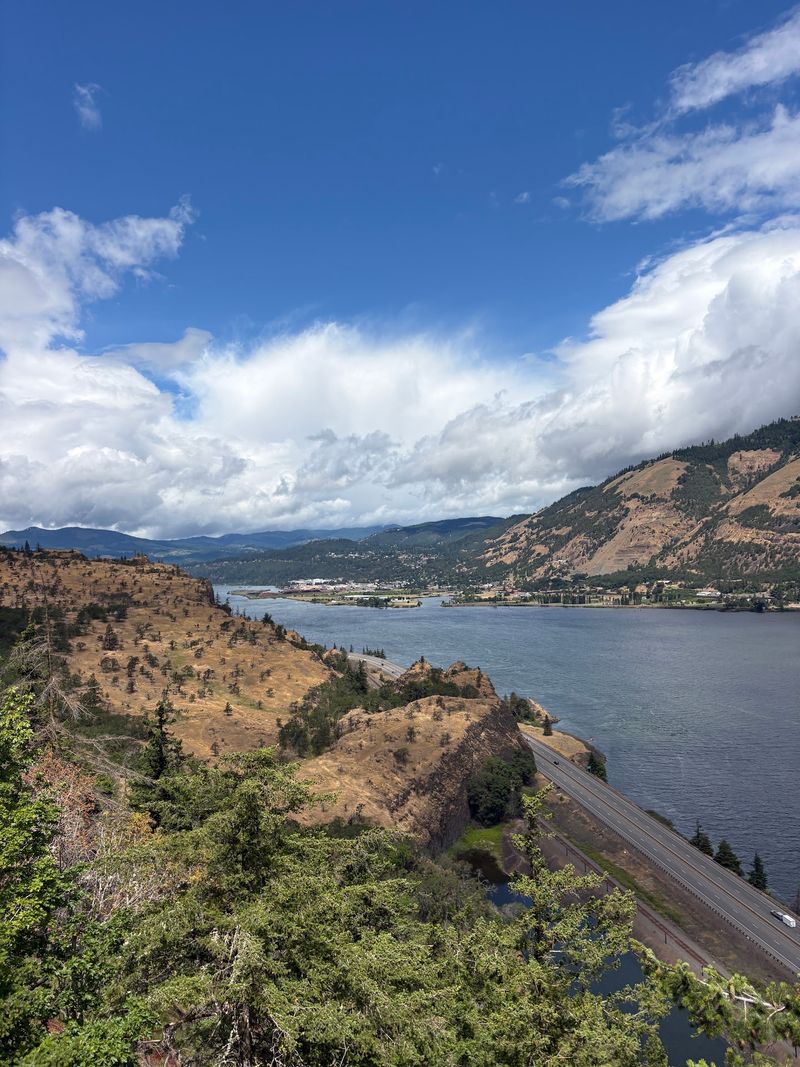
Strong, steady winds blow through the Columbia River Gorge, and Hood River has turned that breeze into a worldwide calling card. The town is widely known as a windsurfing capital.
Back in the 1980s, windsurfers discovered the reliable summer winds here. Word spread fast, and the sport helped change the town from a quiet farm community into an outdoor hub.
Today, kiteboarding sails fill the sky too. On windy days, dozens of bright kites zip across the river at once, which makes for an easy free show.
Beginners are welcome. Local schools offer lessons and rentals, and calmer areas help newcomers learn the basics without too much trouble.
Summer brings the steadiest wind, so June through September is prime time. Check wind forecasts before heading out, since conditions change quickly.
Not into getting wet? Watching from shore counts as an activity here.
That love of the water connects directly to a riverside spot where locals and travelers gather on sunny days.
The Waterfront Hangout
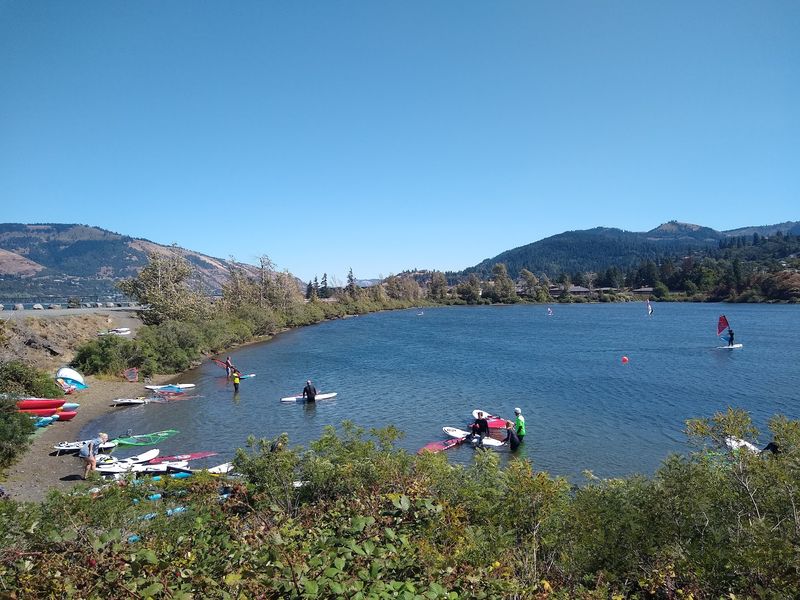
Down by the river, Hood River’s waterfront feels like the town’s shared backyard. Families, athletes, and dog walkers all seem to end up there eventually.
Waterfront Park offers grassy lawns, a sandy beach area, and paths along the shoreline. Kids play in the shallows while adults watch kiteboarders fly by.
The Event Site nearby is a popular launch area for wind sports. Even if you never touch a board, it is a great place to see the action up close.
Picnics are a common move here. Pack lunch from downtown, grab a spot on the lawn, and enjoy the open views of the gorge.
Bring layers, though. The same wind that makes sailors happy can make a picnic blanket try to escape.
Summer evenings get lively, while mornings stay calmer and quieter. Early birds often have the best pick of space.
From the river, look south and you will spot the snowy mountain that gives this whole region its famous backdrop.
A Mountain on the Horizon
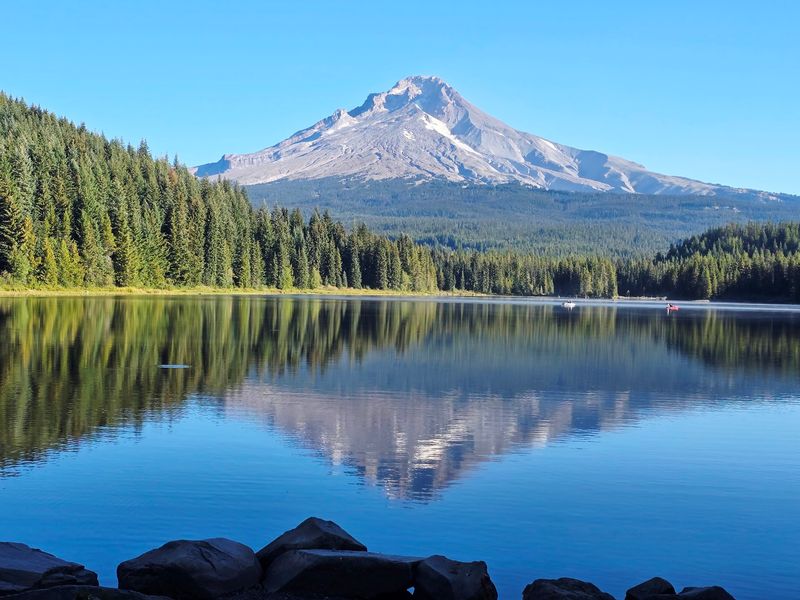
Few small towns can claim a volcano as a neighbor. Mount Hood, Oregon’s tallest peak, rises south of town and shows up in countless local photos.
The mountain stands over 11,000 feet tall. On clear days, it seems to watch over the valley like a friendly giant.
Winter brings skiing and snowboarding at resorts on its slopes, roughly an hour’s drive away. That means locals can sail on the river and ski on the mountain in the same season.
Warmer months open hiking trails, lakes, and scenic drives around its lower slopes. The Mount Hood Scenic Byway connects the area for road trippers.
Weather on the mountain can change fast. Check road conditions in winter, and carry chains when they are required.
Fun fact: the Hood River itself starts with water from Mount Hood’s glaciers. The town and the mountain are literally connected.
Between the river and that peak lies a valley that has grown fruit for generations, and it deserves its own visit.
Trails Right Out the Door
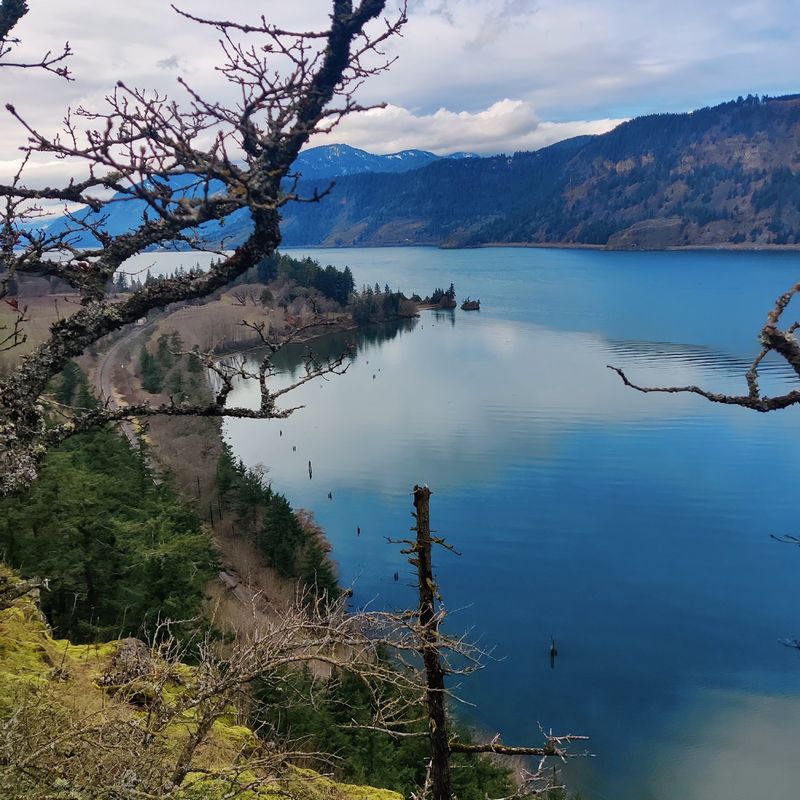
Hikers and mountain bikers get spoiled in Hood River. Trails start close to town, so adventure rarely requires a long drive.
The Columbia River Gorge National Scenic Area surrounds the region. It offers waterfall hikes, ridge walks, and paths with wide river views.
Mountain bikers often head to trail systems in the hills south of town. Local bike shops can point riders toward routes that match their skill level.
The Historic Columbia River Highway State Trail is a gentle option for walkers and cyclists. Its paved section near Hood River includes the Mosier Twin Tunnels.
Some popular gorge trailheads need permits during busy months. Check rules ahead of time so a fun plan does not hit a roadblock.
Bring water, snacks, and a map. Cell signal can get spotty in parts of the gorge.
After a day of exploring outdoors, the town offers some quirky indoor stops that are just as memorable as any trail.
All Aboard the Valley
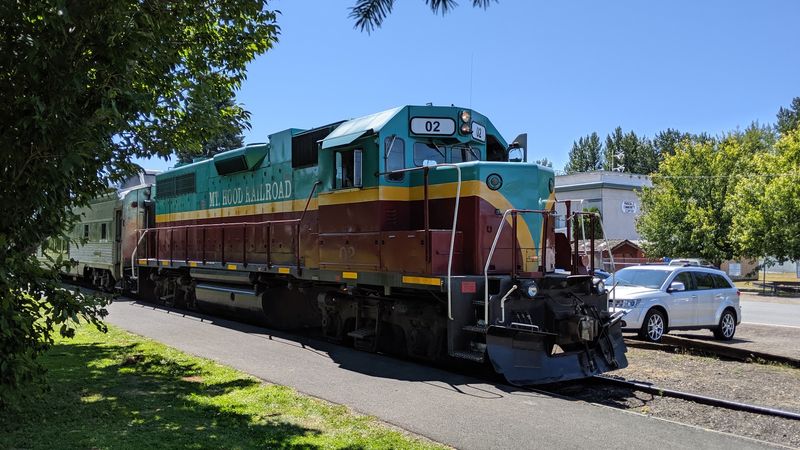
Trains have chugged through the Hood River Valley for more than a century. The Mount Hood Railroad began in the early 1900s to carry fruit and lumber.
Today it runs scenic excursions for travelers. The ride passes orchards, farmland, and views of the surrounding mountains.
Special themed trips appear during holidays and certain seasons. Families especially enjoy the winter holiday rides.
Trains depart from a depot near downtown, so the trip fits easily into a day of walking around town. Schedules change by season, so check before you go.
Booking ahead is wise for popular dates. Seats on holiday trains can sell out early.
The pace is slow by design. Nobody boards a scenic train to break speed records.
Planning around train times leads to a bigger question: when is the best season to visit the town overall?
Timing Your Happy Trip
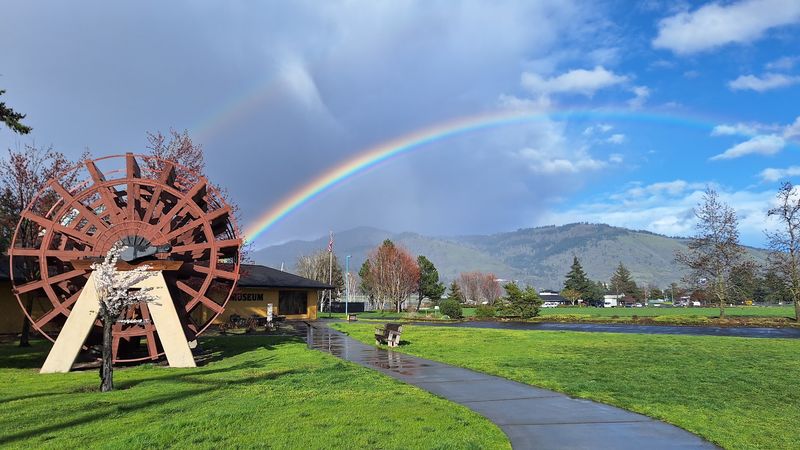
Every season gives Hood River a different personality, so the best time depends on what you want. Summer is the busiest, thanks to wind sports and long, bright days.
Spring brings orchard blossoms and fewer crowds. It is a great choice for hikers and anyone who enjoys a calmer pace.
Fall may be the sweet spot. Harvest season fills fruit stands, festivals pop up, and the gorge looks colorful.
Winter is quieter in town, but Mount Hood ski areas stay busy. Lodging prices may also be easier on the wallet.
Wherever you stay, book early during summer and festival weekends. Hotels, inns, and rentals in town are limited.
Pack layers year-round, since gorge winds can make any day feel cooler. A light jacket earns its spot in your bag.
Choose your season, slow your pace, and let Main Street work its magic. Hood River proves that a small town can carry a big, lasting sense of joy.