Most people think Iowa is flat as a tabletop, covered in cornfields from one end to the other.
Then they drive into the far northeast corner of the state and hit a surprise.
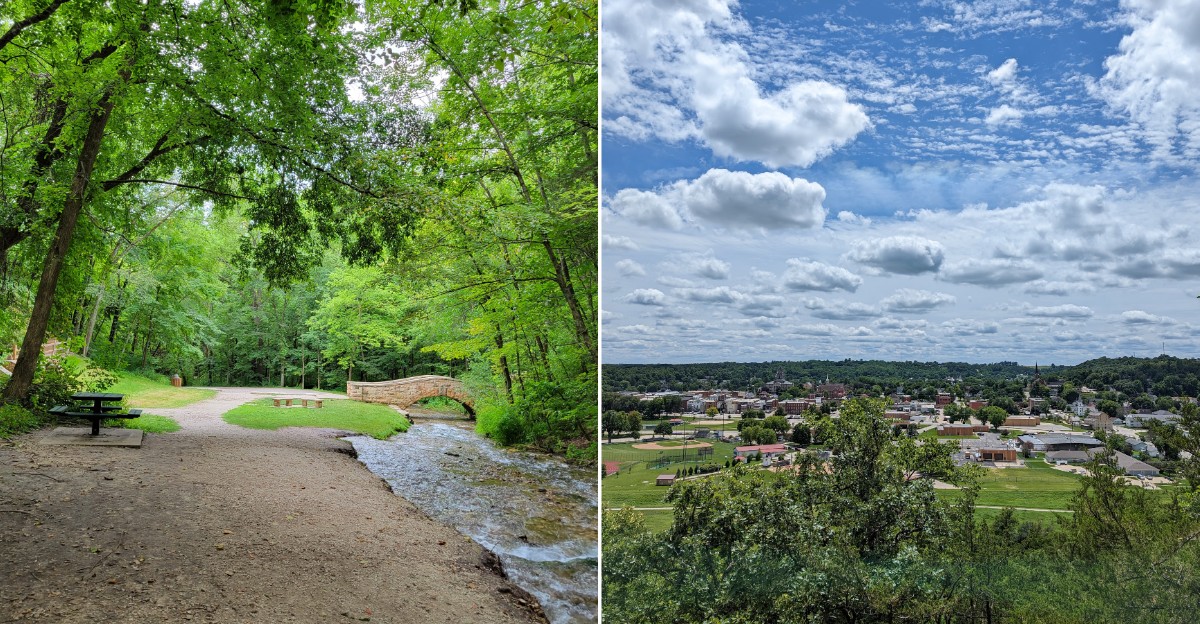
Steep bluffs, cold trout streams, rocky caves, and miles of winding trails show up out of nowhere.
This little town has a famous family of bald eagles, a river made for paddling, and a trail system that loops right through its neighborhoods.
Locals here would rather spend a Saturday on a bike or in a kayak than on the couch, and it is easy to see why.
Stick around, because the outdoor list is longer than most folks expect, and every stop below is one you can actually visit.
Where Iowa Stops Being Flat
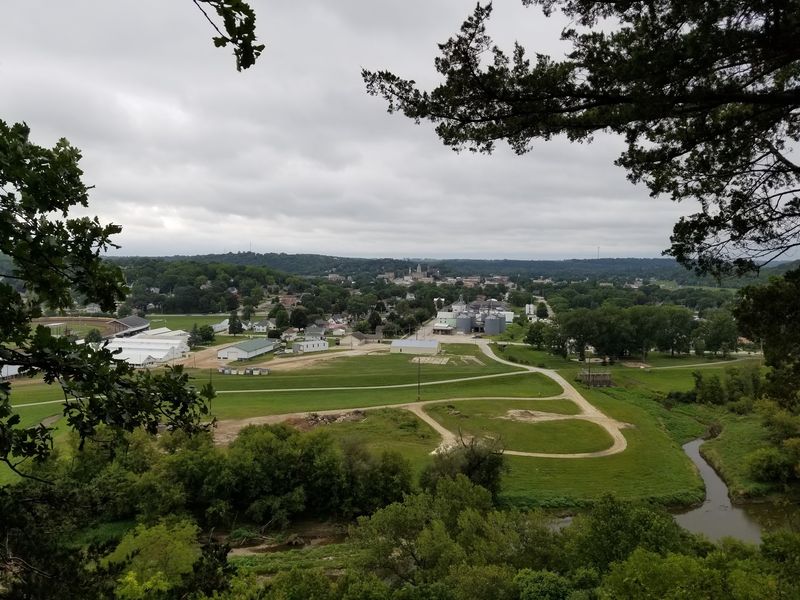
Drop a pin at Decorah, Iowa 52101, USA, and you land in the heart of the state’s most rugged corner. The town sits in Winneshiek County, where it serves as both the largest city and the county seat.
Around 7,587 people called Decorah home at the 2020 census. That small number hides a big personality, especially when the weather turns nice.
The secret is geography. Decorah lies in the Driftless Area, a region that glaciers skipped during the last ice age.
Without those giant sheets of ice flattening everything, the land kept its steep valleys, limestone cliffs, and spring-fed streams. The result looks nothing like the rest of Iowa.
Luther College, a private liberal arts school, also calls the town home. Its students add youthful energy to trails and rivers all year long.
For first-time guests, a smart plan is to grab a paper trail map from a local shop or the visitor center. Cell service can get spotty in the deeper valleys, so having a backup helps a lot.
The Trout Run Loop
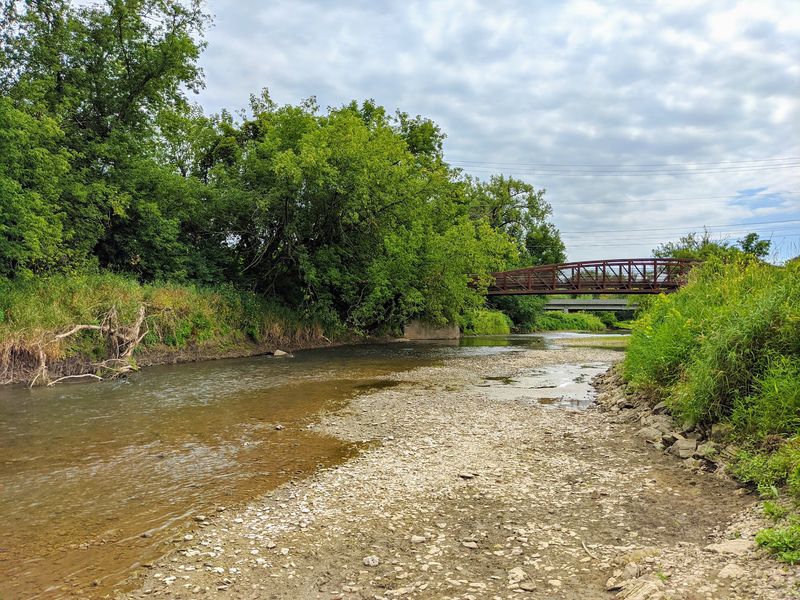
About 11 miles of paved path wrap around the whole town, and locals treat it like a backyard. The Trout Run Trail circles Decorah in one big loop.
Along the way, riders pass the fish hatchery, cross bridges over the Upper Iowa River, and tackle a famous set of switchbacks. Those switchbacks climb a steep bluff, so legs get a real workout.
The good news is that the climb pays off with wide views over the valley. Many people stop at the top just to catch their breath and snap a photo.
Families like the flatter river sections, which work well for strollers and young bikers. Runners and walkers share the path too, so a friendly bell ring goes a long way.
Bike rentals are available in town during the warmer months. Checking hours ahead is wise since they can change by season.
A full loop takes most casual cyclists between one and two hours. Pack water, because shady rest stops are spread out, and that bluff climb has a way of making everyone thirsty.
Eagles With Their Own Fan Club
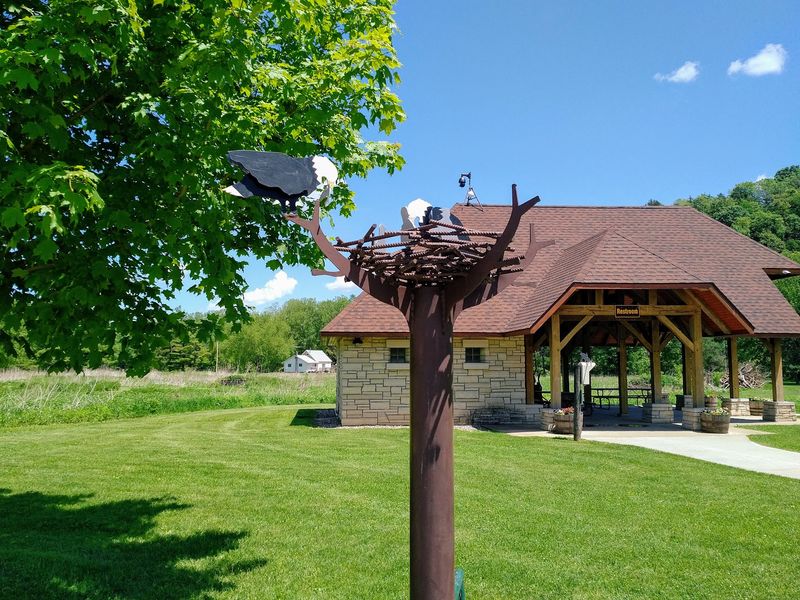
Few birds can claim millions of online fans, but the Decorah eagles pulled it off. A pair of bald eagles nesting near the Decorah Fish Hatchery became internet stars thanks to a live nest camera.
The Raptor Resource Project runs the cameras, letting people around the world watch eggs hatch and eaglets grow. Classrooms across the country have tuned in during spring.
Seeing the area in person is a different kind of fun. The nest area sits close to the Trout Run Trail, so a bike ride can turn into a bird-watching break.
Bring binoculars for the best view, and keep a respectful distance from nest trees. Rules and posted signs help protect the birds during sensitive seasons.
Eagles have used different nests in the area over the years, so the exact spot can shift. Asking a local or checking the Raptor Resource Project updates before heading out saves guesswork.
Spring is prime time for nest action. Patience matters here, since eagles keep their own schedule and do not care about anyone’s lunch plans.
A Hatchery Full of Hungry Fish
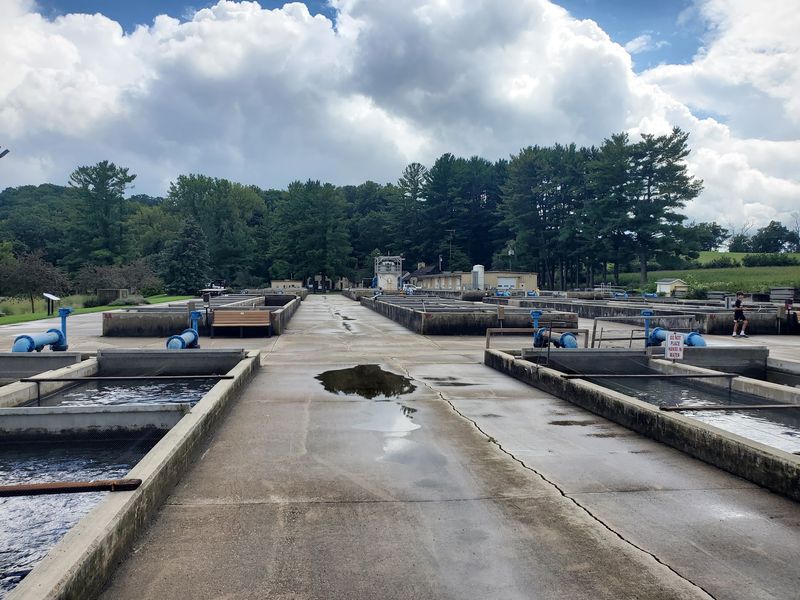
Kids with a handful of fish food and a pool of hungry trout make for pure entertainment. The Decorah Fish Hatchery, run by the Iowa Department of Natural Resources, raises trout to stock streams across the region.
Long outdoor raceways hold thousands of fish at different sizes. Coin-operated feeders often let guests toss pellets in and watch the water turn into a splashy frenzy.
The hatchery gets its water from Siewers Spring, one of many cold springs that keep Driftless streams chilly enough for trout. That cold water is the reason this corner of Iowa is a trout hot spot.
Right next door, Trout Run creek is open for fishing. Anglers need a valid Iowa fishing license plus a trout fee, which is easy to buy online before arriving.
The grounds work great as a short stop between bigger adventures. Restrooms and parking are nearby, and the Trout Run Trail passes close by.
Early mornings tend to be calmer. Midday weekends bring more families, which is half the charm anyway.
Paddling the Upper Iowa
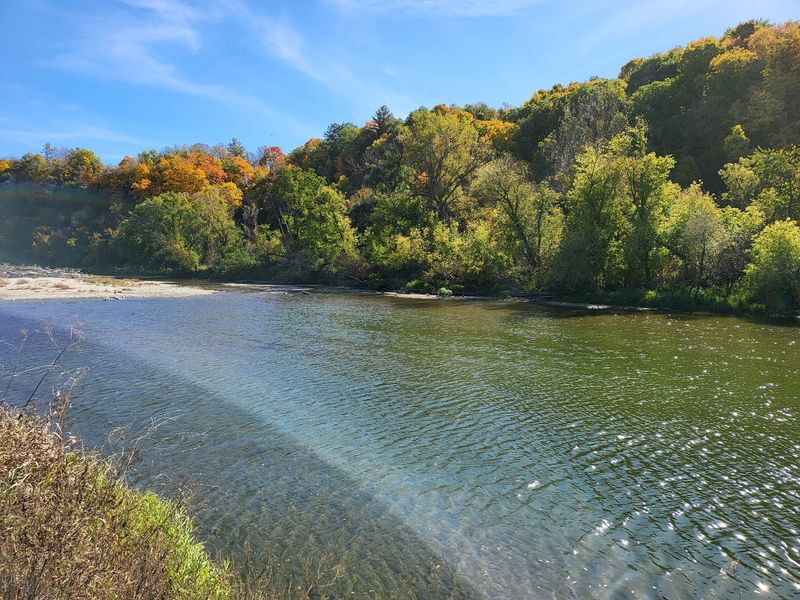
Ask a Decorah local for the best summer plan, and odds are good the answer involves a paddle. The Upper Iowa River runs right through town and keeps going past towering limestone bluffs.
Many paddlers consider it one of the most scenic rivers in the Midwest. Stretches upstream toward Kendallville and Bluffton feature some of the tallest cliffs along the water.
Local outfitters rent canoes, kayaks, and tubes, and many offer shuttle rides back to your car. That shuttle service is a big deal, since nobody wants to paddle upstream.
Water levels change with rainfall, so call an outfitter before planning a trip. High water after storms can make the river fast and risky.
Life jackets are a must, even for strong swimmers. Sunscreen, a dry bag for phones, and sturdy water shoes round out the packing list.
Trips can range from a lazy two hours to a full day. Beginners usually do best on shorter floats, saving the epic routes for a second visit.
Dunning’s Spring Steals the Show
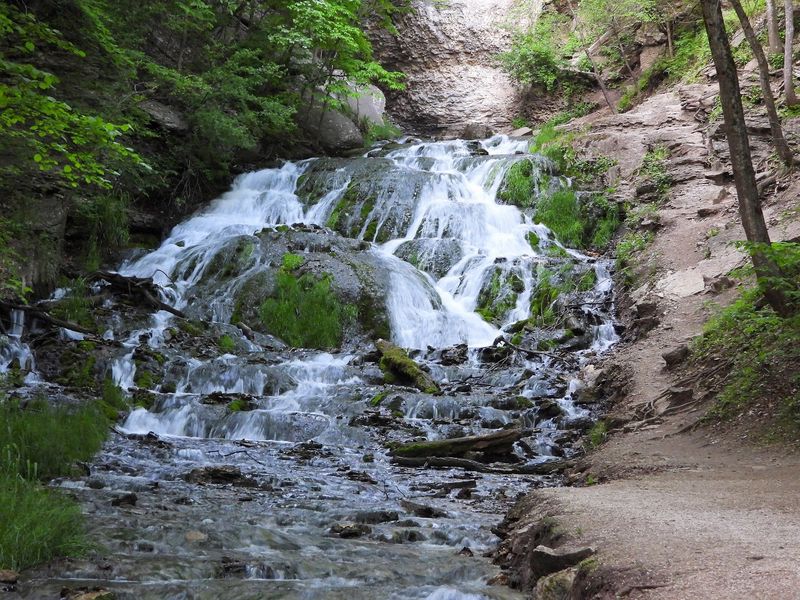
Waterfalls are rare in Iowa, which makes Dunning’s Spring Park feel like a small miracle. Water spills about 200 feet down a rocky hillside in a pretty cascade just minutes from downtown.
The falls sit within easy walking distance of the parking area. That short stroll makes it a favorite for families, grandparents, and anyone short on time.
Nearby, the park connects to a network of trails. Mountain bikers and hikers use these paths to reach the wooded bluffs above town.
Spring tends to bring the strongest water flow after snowmelt and rain. Late summer can slow things down, though the spot stays lovely.
Rocks near the falls get slippery, so careful footing matters. Kids should stay close when climbing around the base.
Photographers love this place for good reason. Overcast days often make for even, soft light on the falls, and early hours mean fewer people in the frame.
Pair a quick stop here with a walk downtown for an easy half-day outing.
An Ice Cave That Breaks the Rules
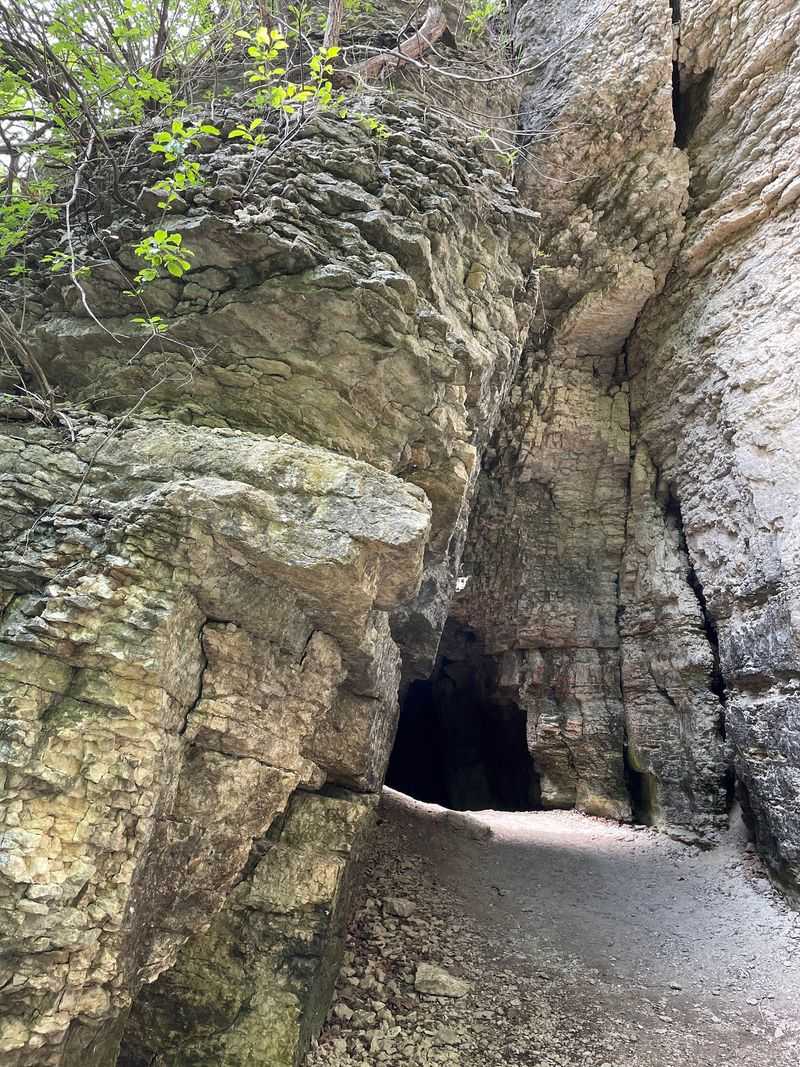
Here is a puzzle for science fans: a cave that can hold ice into summer. The Decorah Ice Cave, found in Ice Cave Hill Park, is known as one of the largest ice caves in the Midwest.
Ice tends to form inside during spring and can linger well into warm months. Cold air trapped in the cave all winter slowly freezes water that trickles in later.
Access has changed over the years for safety and conservation reasons. Checking with the city or local visitor center before visiting is a smart move.
Even if the cave is closed, the park itself offers wooded paths and views over the river valley. Interpretive information helps explain the unusual geology.
Bats live in many Driftless caves, and some sites limit entry to protect them from disease. Respecting posted signs keeps those little flyers healthy.
Sturdy shoes are a must on the rocky ground. A curious kid and a parent with a few science questions could easily spend an hour exploring the surrounding hill.
Palisades and the Big View
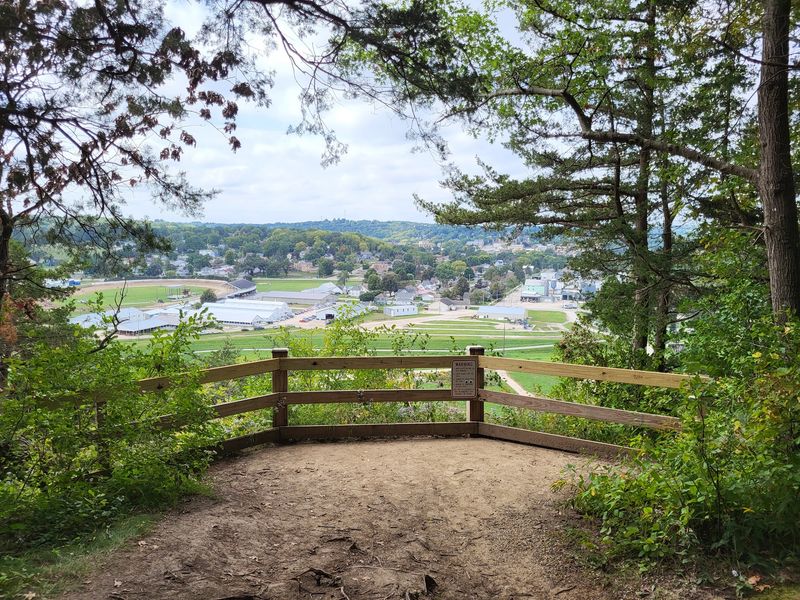
Sometimes the best reward for a short drive is a long look. Palisades Park sits high on a bluff, offering some of the widest views around Decorah.
From the overlook, the Upper Iowa River valley stretches out below. Rolling hills, farm fields, and treetops fill the scene.
The park also features Pulpit Rock and connects to nearby Phelps Park. Phelps adds stone shelters, walking paths, and more overlooks built decades ago.
Autumn is a showstopper season here. Hardwood forests turn red, orange, and gold, usually peaking around early to mid October.
Trails near the bluff edge are steep in spots, and railings are limited. Keeping little ones close and staying on marked paths is the safest approach.
Picnic tables make this a natural spot for a packed lunch. Arrive close to sunset for warm, golden light across the valley.
Bring a jacket, since bluff tops can feel breezier than town. A short visit here often turns into a much longer one.
Mountain Bikers Find Their Happy Place
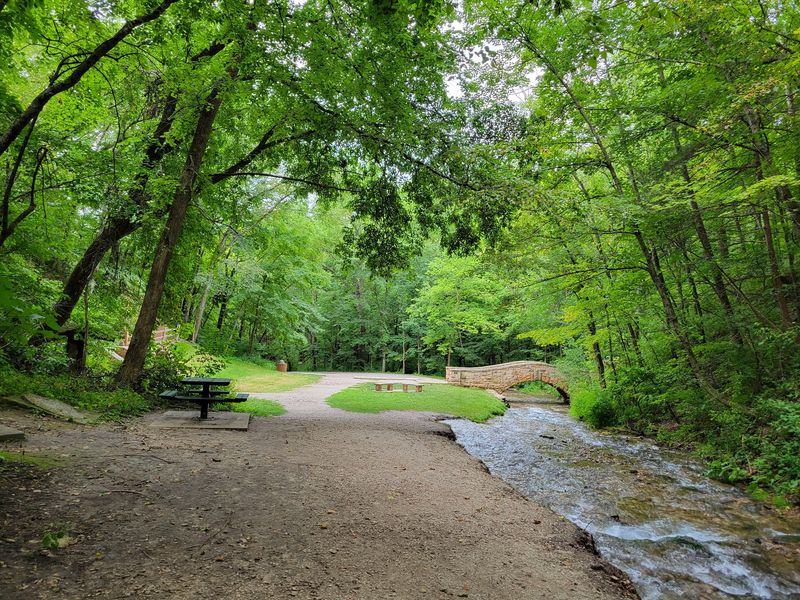
Who knew Iowa had singletrack worth bragging about? Decorah’s bluffs hold a network of dirt trails that draw mountain bikers from across the region.
Many of these trails wind through Van Peenen Park, Palisades Park, Dunning’s Spring, and the Trout Run area. Volunteers with local groups help build and care for them.
Routes range from beginner-friendly paths to rooty, rocky climbs that test experienced riders. Trail maps help match skill levels with the right loops.
Trail etiquette matters here. Riders yield to hikers, and everyone stays off muddy trails after heavy rain to prevent damage.
Local bike shops can point newcomers toward good starting routes. Some also offer rentals and quick repairs.
A helmet is non-negotiable on these steep hills. Gloves and a basic repair kit save a lot of trouble if something goes wrong in the woods.
Hikers and trail runners share many of the same paths. Weekday mornings are a quiet time to explore without much traffic on the dirt.
Campfires by the River
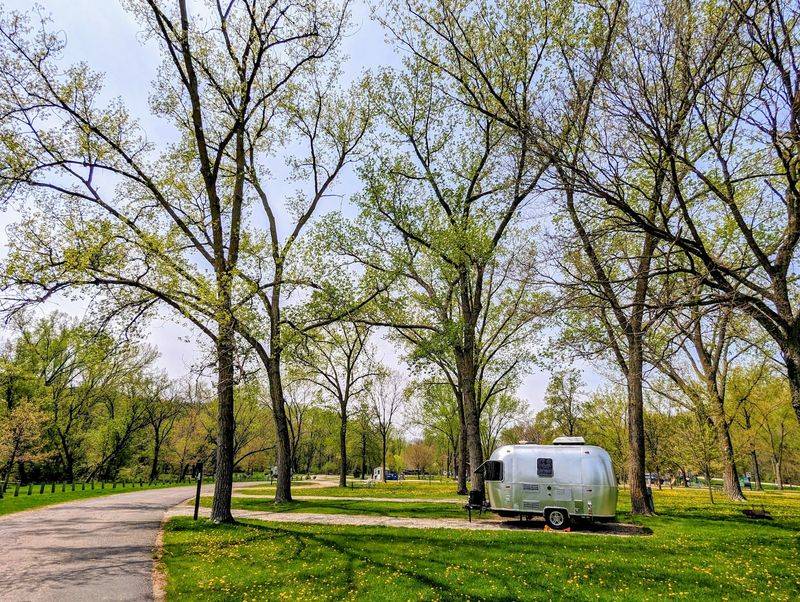
Nothing caps off a day of paddling quite like setting up camp a few steps from the water. Decorah makes overnight stays easy, with campgrounds tucked right into town.
Pulpit Rock Campground, operated by the city, sits along the Upper Iowa River. Campers can reach the Trout Run Trail and downtown without needing to drive.
Both tent sites and RV spots are available. Popular summer weekends fill quickly, so reserving early is a good idea.
Private campgrounds and cabins in the surrounding countryside offer more options. Some sit right on the river, which helps paddlers plan easy launches.
Camping in the valley can bring cool nights even in summer. Packing an extra layer and a warm sleeping bag keeps everyone comfortable.
Firewood rules exist to stop the spread of tree pests. Buying wood locally instead of hauling it from home protects Iowa’s forests.
Morning brings a fresh chance to fish, paddle, or ride. Waking up this close to the action is half the fun.
Winter Does Not Slow Anyone Down
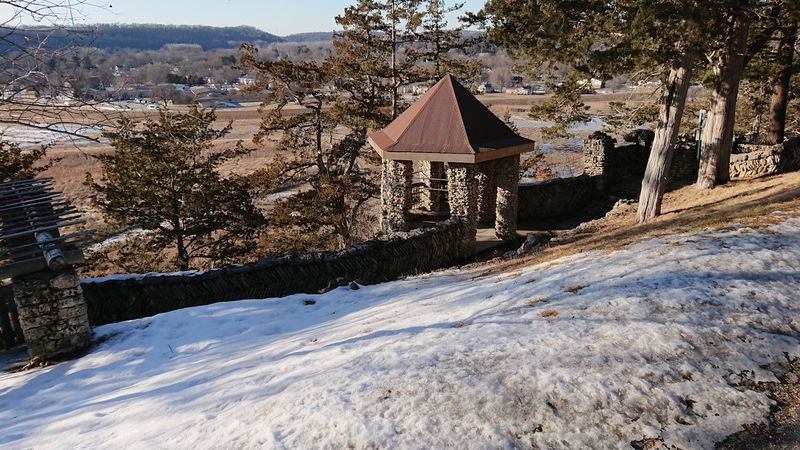
Snow falls, and Decorah simply swaps out its gear. Winter turns the trail system into a playground for cross-country skiing, snowshoeing, and fat-tire biking.
Some trails get groomed for skiing when there is enough snow. Local trail groups often share conditions online, which helps plan a day out.
Fat-tire bikes have become a cold-weather favorite. Their wide tires roll over packed snow on certain trails in the parks.
Sledding hills pop up around town, too. Kids and adults alike take full advantage after a fresh snowfall.
The eagles stay active in winter as well. Open water near the springs can attract birds even on frosty days.
Dressing in layers is the golden rule. Waterproof boots, a warm hat, and gloves turn a chilly outing into a fun one.
Days are short in December and January, so starting early matters. A thermos of hot cocoa waiting in the car makes the ride home feel like a celebration.
Planning Your Outdoor Weekend
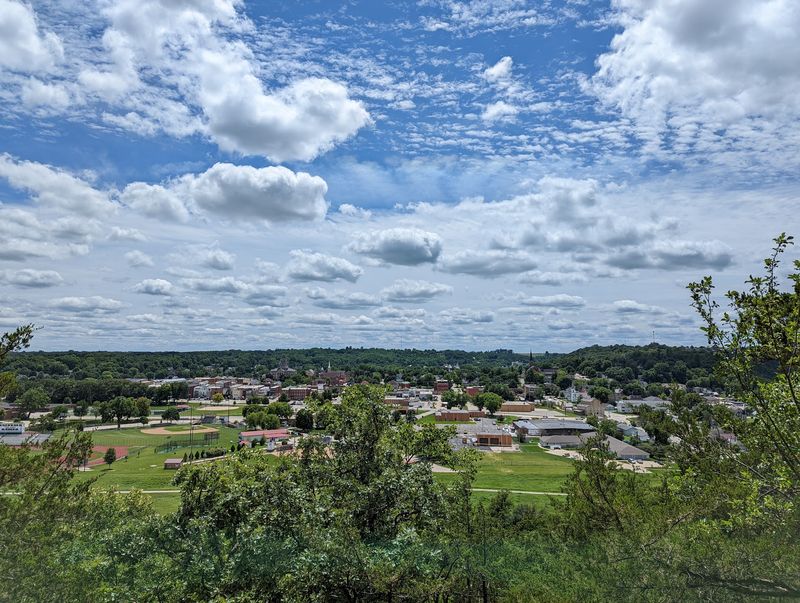
Smart timing turns a good trip into a great one. Late spring through early fall brings the widest range of activities, while October wins for colorful hillsides.
Downtown Decorah makes a handy home base. Water Street holds shops, outfitters, and places to refuel between adventures.
Norwegian heritage runs deep here, and the Vesterheim National Norwegian-American Museum shares that story. It is a nice indoor pick on rainy days.
Nordic Fest, held each July, brings crowds to town. Booking lodging early during festival weekend is a must.
Weather in the Driftless can change fast. Packing rain gear and checking forecasts each morning keeps plans flexible.
Leave No Trace habits help keep trails and rivers clean. Pack out trash and stick to marked paths to protect fragile plants.
Two or three days gives enough time to bike, paddle, and hike without rushing. After one weekend here, most people start plotting a return trip, and that might be the truest sign of an outdoorsy town.