Some old houses get a fresh coat of paint every few years. One house near Charleston has gone almost three centuries without the usual makeover, and that is exactly why people travel to see it.
Construction on it began in the 1740s, and it is often described as the oldest unrestored plantation house in America that is open to the public.
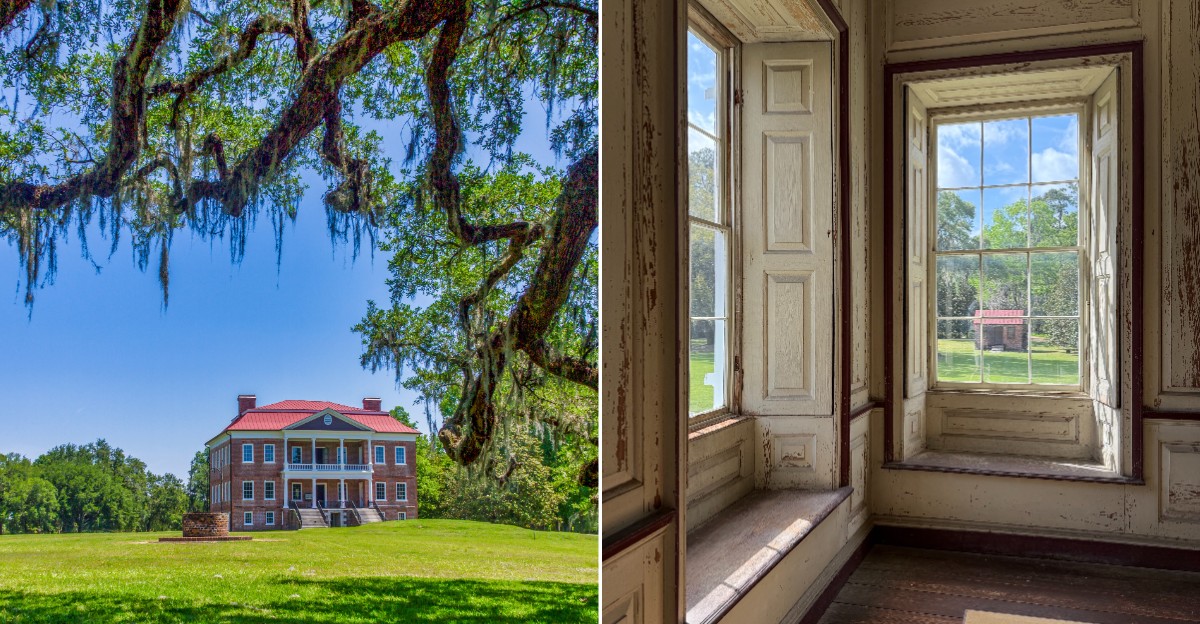
Its walls still hold original plaster, hand-carved details, and stories of the people who built and lived around it.
Inside, the rooms sit empty on purpose, so the building itself becomes the main event.
Outside, live oaks line the paths, a river runs along the edge of the property, and an alligator or two might be resting near the water.
From its remarkable architecture to the stories of the people who lived and worked here, Drayton Hall offers a fascinating glimpse into South Carolina’s complex history.
Where the Road Leads
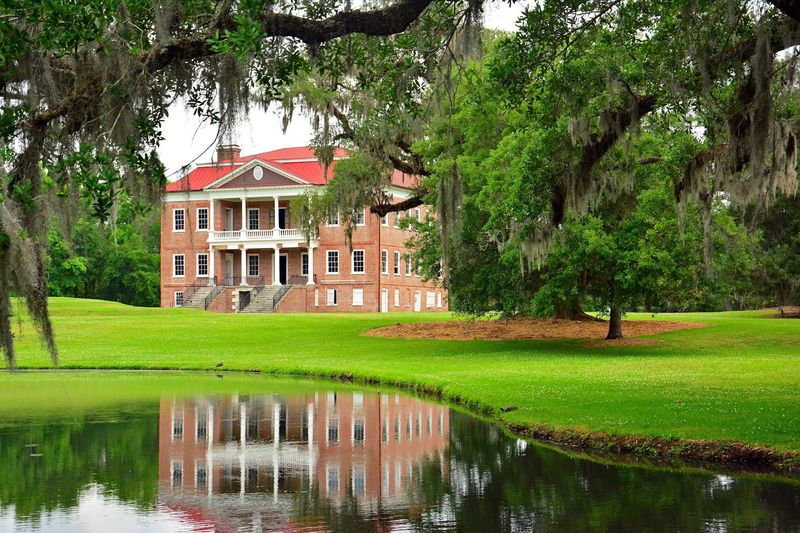
Ashley River Road has a reputation for history, and one stop along it stands out above the rest. Drayton Hall sits at 3380 Ashley River Rd, Charleston, SC 29414, in the Lowcountry of South Carolina.
The property lies northwest of downtown Charleston, along the banks of the Ashley River. It shares this historic corridor with other well-known Lowcountry estates, which makes it easy to plan a full day of exploring.
Drayton Hall is open Wednesday through Monday from 9 AM to 4:30 PM, with the entrance gate closing at 3 PM. The property is closed on Tuesdays and selected holidays, so check the schedule before visiting.
The site is operated as a museum, and the focus is on history and preservation. A modern visitor center greets guests near the entrance, with ticketing, restrooms, and a gift shop all in one spot.
One quick heads up about the drive in. The long driveway and parking area are unpaved, and potholes can show up, so take it slow.
Patience on that road pays off fast once the house comes into view.
A House Older Than the Nation
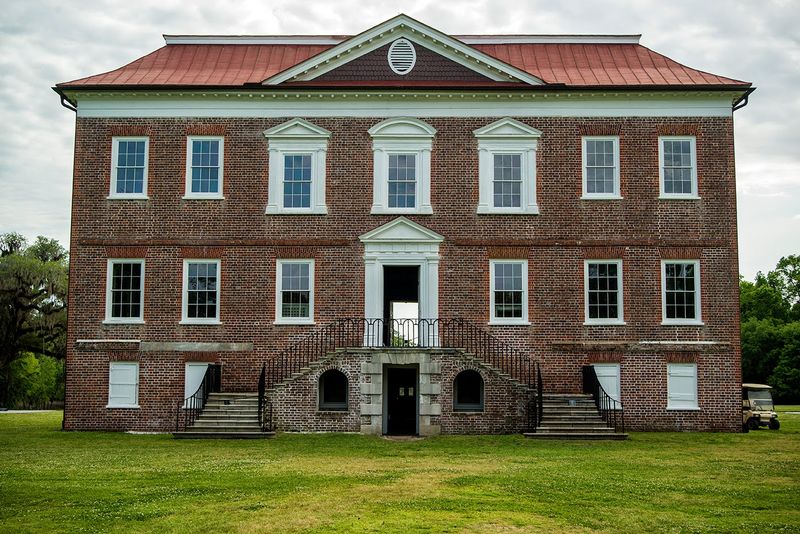
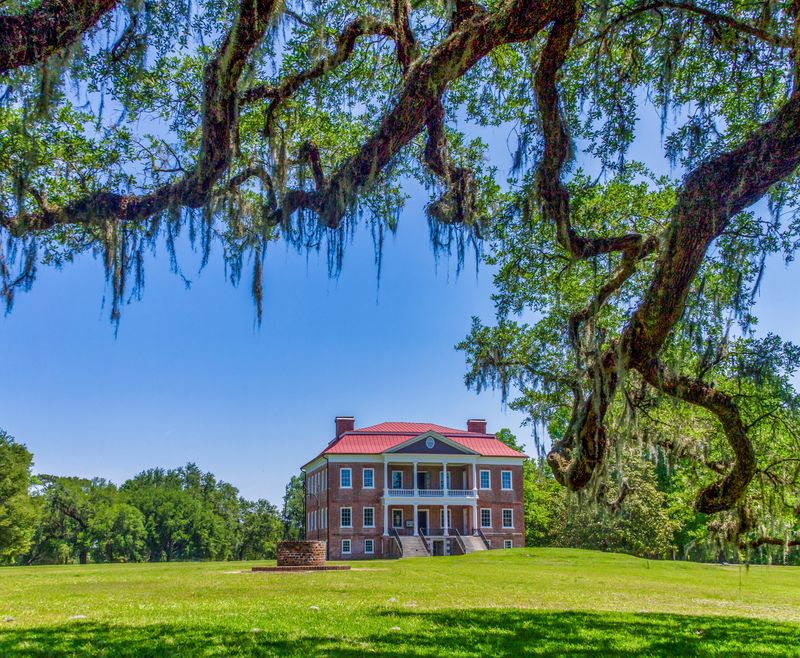
Long before the Declaration of Independence was signed, bricks were already being stacked here. John Drayton began building the main house in the 1740s, making it older than the United States itself.
That age alone is impressive. What makes the place truly rare is that the house has survived without being heavily changed or modernized.
Many historic homes in the South were damaged or destroyed during the Revolutionary War and the Civil War. Drayton Hall made it through both conflicts, along with hurricanes and the 1886 Charleston earthquake.
The Drayton family owned the property for seven generations. In 1974, the house came under the care of the National Trust for Historic Preservation.
Today the Drayton Hall Preservation Trust runs the site and keeps the research going. Work on the house and grounds continues year after year.
Few buildings can claim a birthday this early in American history. Even fewer still look so much like their original selves, which is the real headline of this story.
Preserved, Not Restored
Here is a twist that surprises plenty of first-timers. The rooms inside Drayton Hall have no furniture, no fancy displays, and no fresh paint.
That choice is deliberate. The goal is preservation, which means keeping what survived instead of rebuilding what was lost.
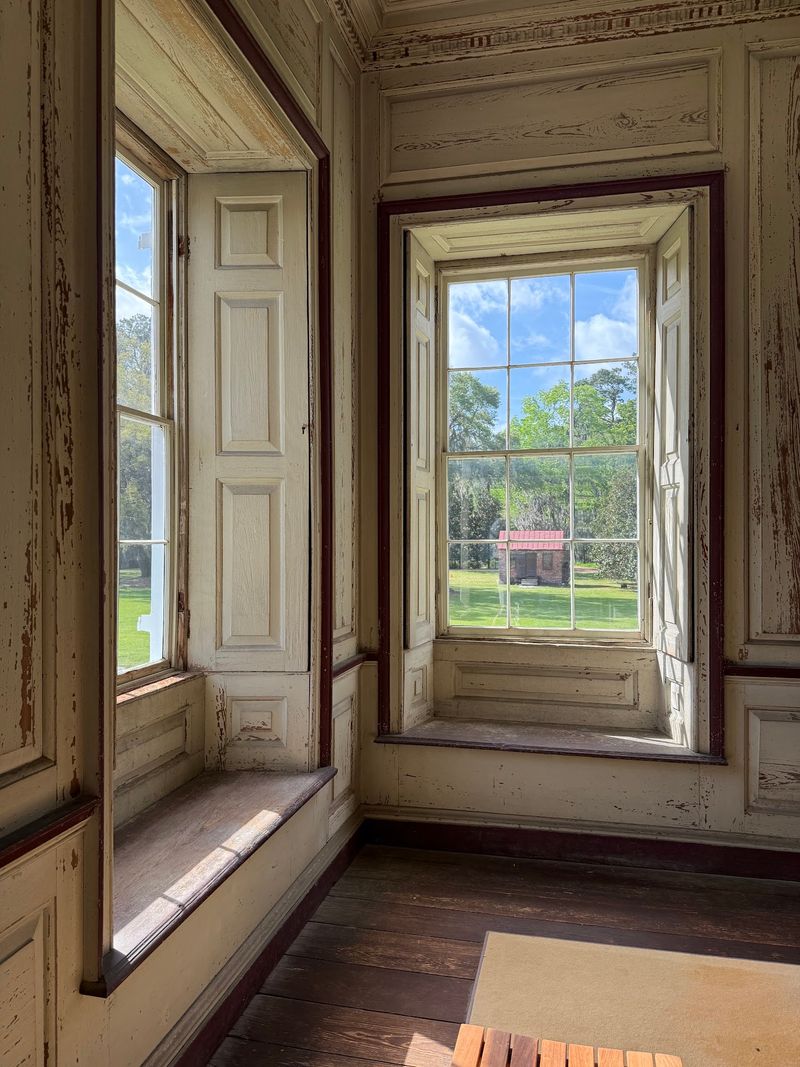
Historic sites often restore homes to look brand new. Here, the walls still show worn paint layers, and the original materials are left to tell their own story.
Students of historic preservation often study this house as a textbook example. It shows how a building can be protected without being turned into a copy of its past.
Guests sometimes expect antique chairs and portraits, so set your expectations ahead of time. The star of this show is the architecture itself.
Look closely at the ceilings, the doorways, and the floors. Every scuff and faded patch is part of a record that stretches back nearly 300 years.
Bare rooms, it turns out, can say quite a lot.
Palladian Style in the Lowcountry
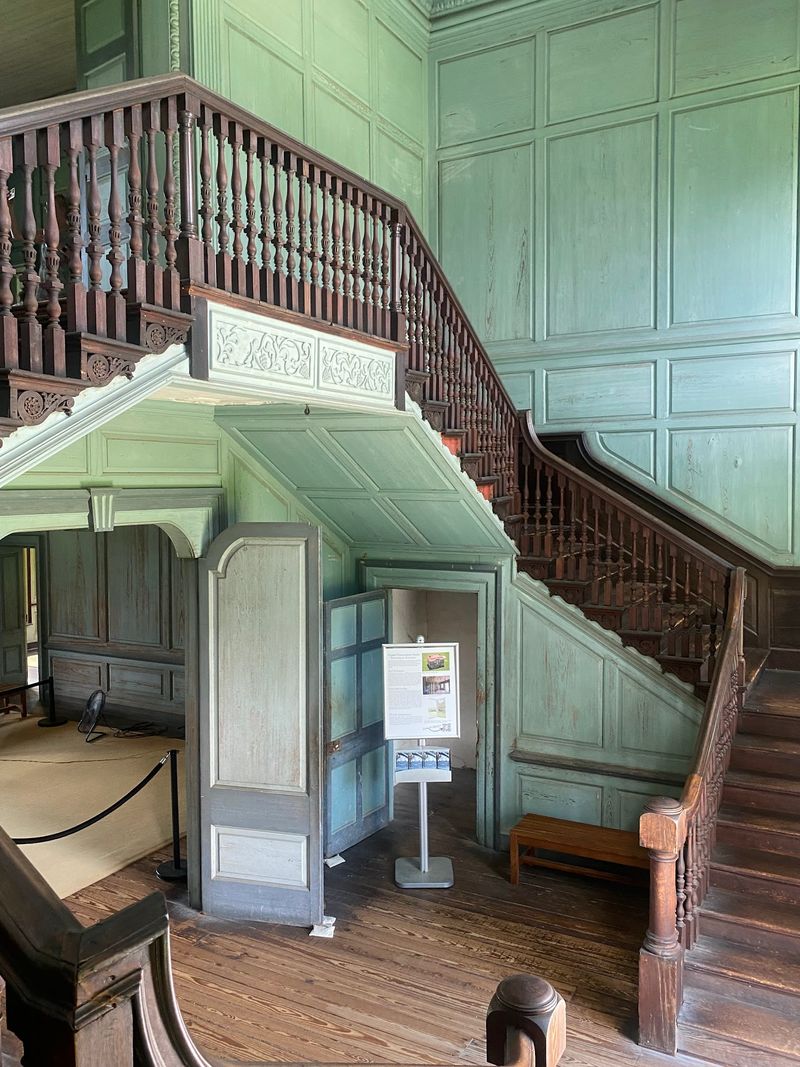
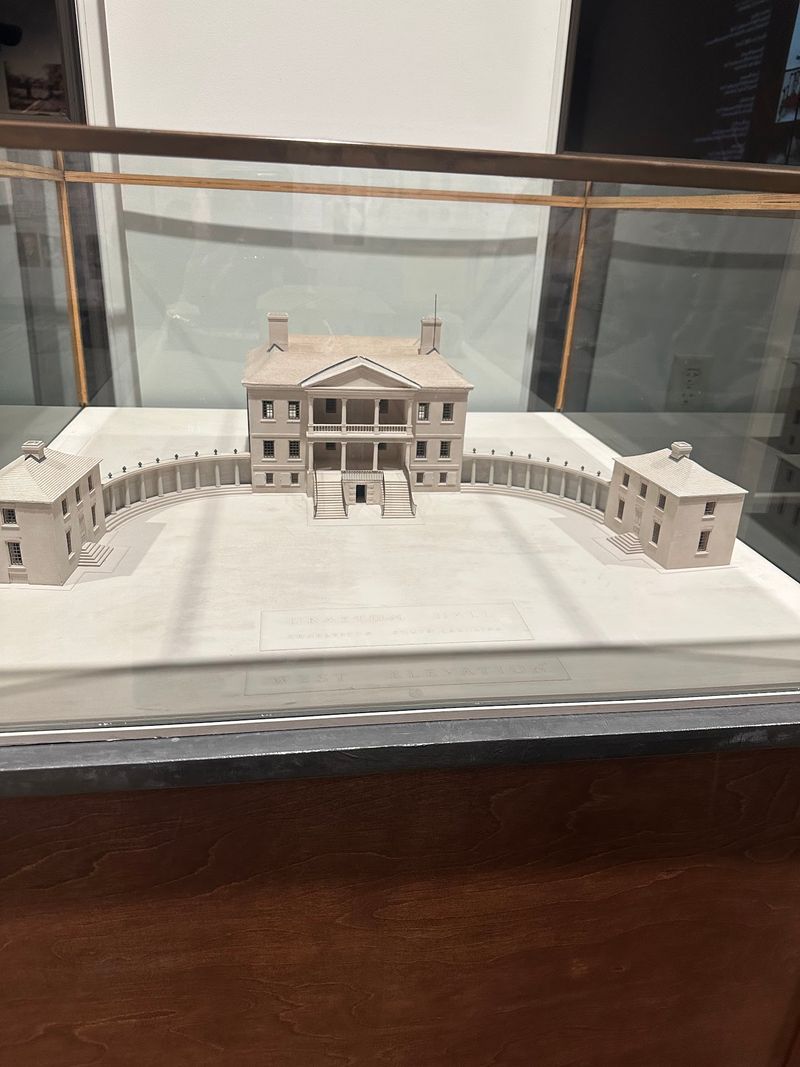
Andrea Palladio was an Italian architect from the 1500s, and his ideas traveled a long way. Drayton Hall is considered one of the finest early examples of Palladian architecture in America.
So what does that mean in plain terms? Palladian buildings focus on balance, symmetry, and classical details borrowed from ancient Rome and Greece.
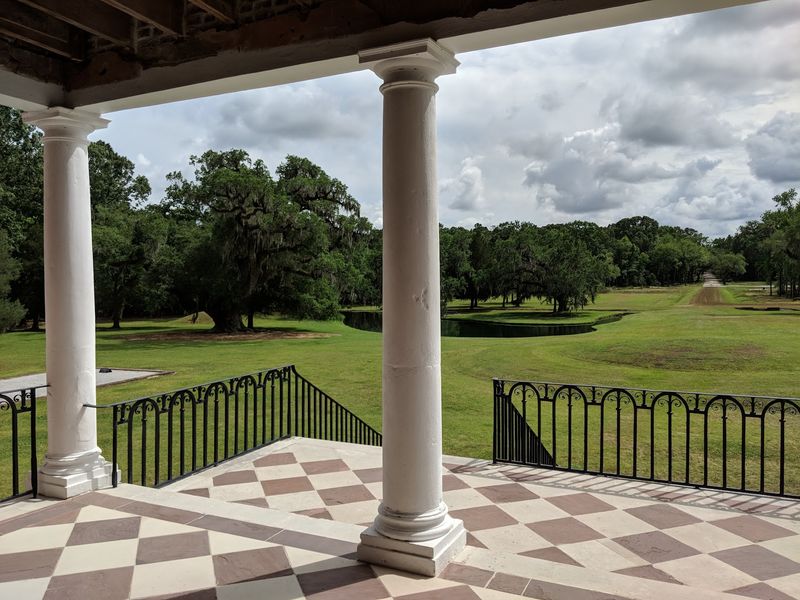
The front of the house shows this clearly. A two-level portico with columns sits right at the center, and everything on one side mirrors the other.
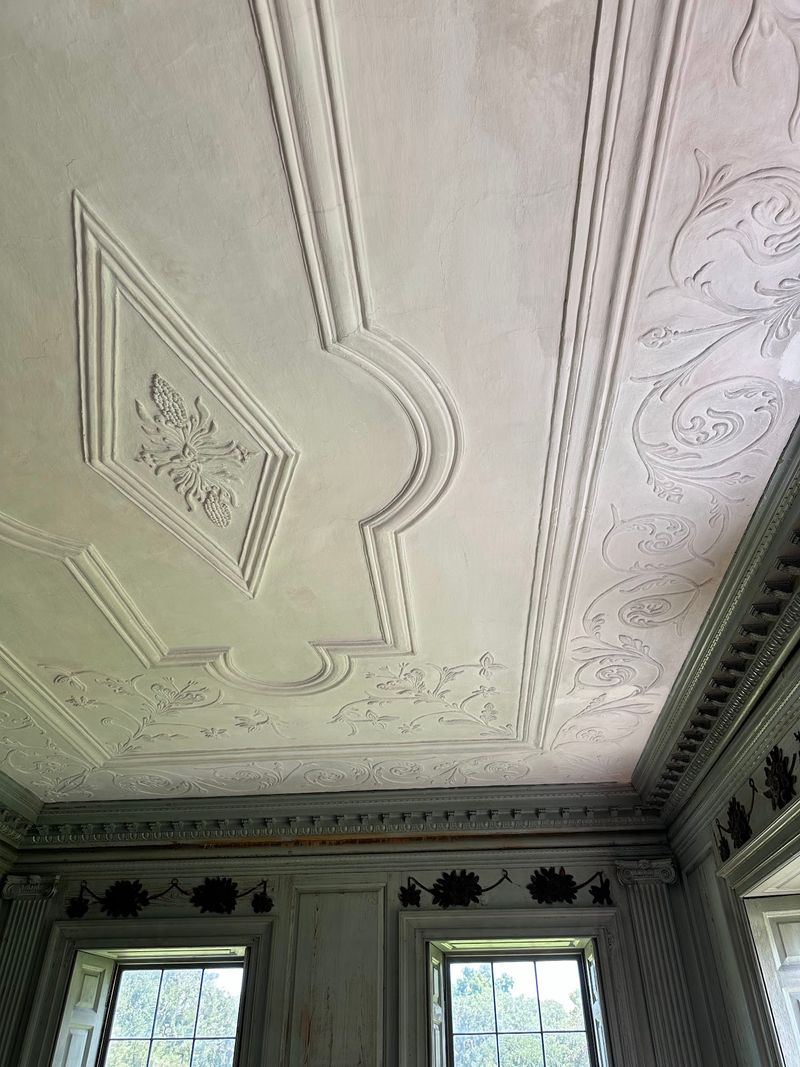
Inside, skilled artisans added carved woodwork, decorative plaster ceilings, and detailed mantels. These touches reveal how much wealth and planning went into the project.
Architecture fans can spend a long time tracing patterns in the paneling and moldings. Even casual guests tend to notice how carefully everything lines up.
A quick tip helps here. Ask your guide to point out the original handwork, since some of the best details are easy to miss.
Symmetry has rarely looked so good after three centuries.
Why the Guided Tour Matters
Want to see the inside of the house? Then the guided tour is the ticket you need.
Access to the interior is tied to a guided tour with a set start time. Guests who skip it may find the upper floors roped off.
The guided house tour lasts approximately one hour and takes visitors through three levels of the historic building, including the cellar, main floor, and second floor.
Guides here are known for being well-researched and engaging. Some are trained archaeologists or historians, so questions about construction, daily life, and the Lowcountry economy get thoughtful answers.
The pace stays comfortable, and there is time to look around each room. Guides also explain how indigo and rice shaped life on the property.
Arriving a bit late is not ideal, so plan to show up early. Staff have been known to help guests catch up, but it is smarter not to rely on that.
Book your time slot in advance and the rest falls into place.
Stories That Deserve to Be Told
History at Drayton Hall is not only about one family. The plantation depended on the labor of enslaved Africans and African Americans, and the site works to share their stories honestly.
Exhibits and tours explain how enslaved people grew crops, built structures, and kept the property running. Their skill and knowledge shaped the land in lasting ways.
The grounds include an African American cemetery, one of the oldest documented ones of its kind in the nation still in use. It is a place for quiet respect, so keep voices low and stay on the paths.
Inside the house, typed copies of diary entries from a Drayton family member are available. They offer a look at daily routines, holidays, and the lives of the people who worked there.
These records give the tour real depth. They connect the beautiful architecture to the people whose work made it possible.
Taking time with these stories is one of the most meaningful parts of any visit.
Digging Up the Past
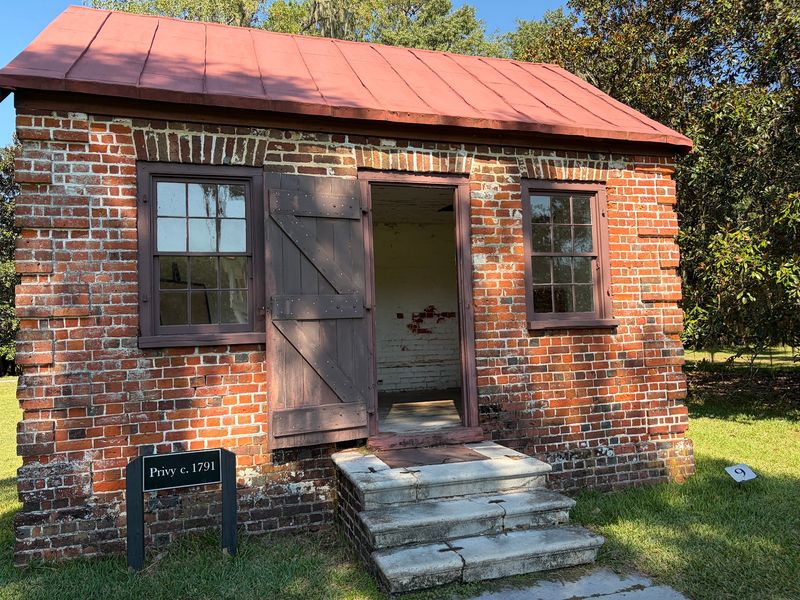
Archaeological research continues to uncover important details about life at Drayton Hall. Visitors can learn about these discoveries through the site’s exhibits and conservation laboratory, although opportunities to observe active work vary.
Researchers have recovered a huge number of artifacts from the property over the years. Pieces of pottery, tools, and household items help explain how people lived and worked on the land.
A conservation lab on site handles this careful work. It is a real working space, not just a display.
Kids and adults alike tend to enjoy watching the process. It turns history into something you can see happening right now.
One practical note matters here. Wasps can gather near the excavation area, so anyone with allergies should bring their medication along.
The dig schedule can change, so check the website or call ahead if seeing the excavation is high on your list.
Every bucket of soil could hold a new clue, and that keeps the story of this place growing.
Grounds Made for Wandering
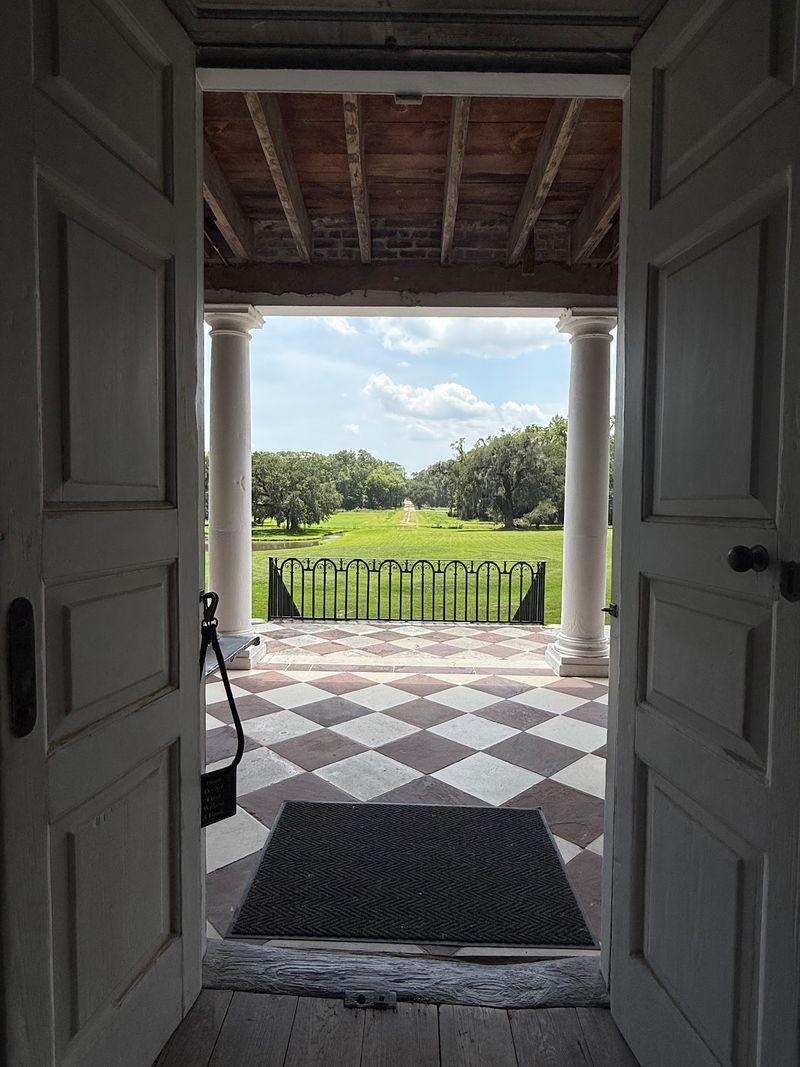
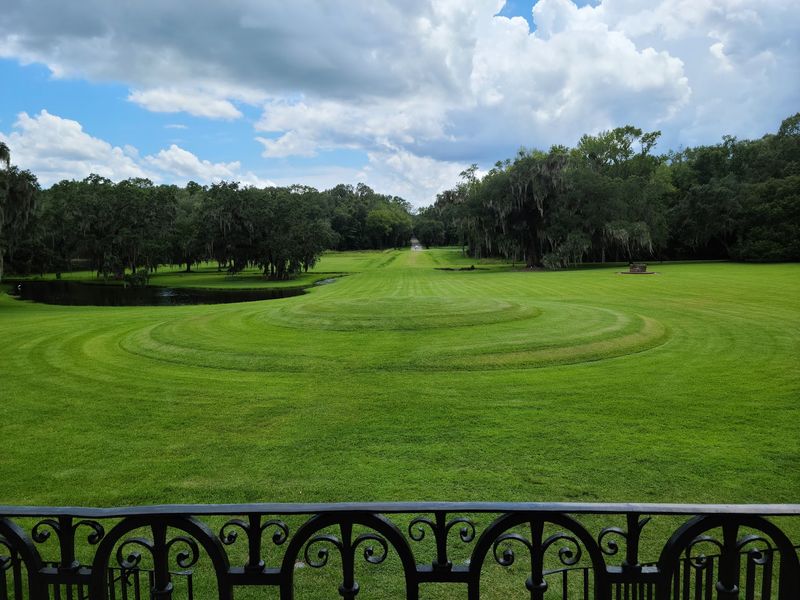
Live oaks steal the show once the house tour wraps up. Their wide branches stretch over paths that lead all the way down to the Ashley River.
The landscape is open and easy to explore. Flat walkways, river views, and wide lawns make for a calm stroll.
An audio tour guides you around the grounds at your own pace. It shares background on the land, the river, and the outbuildings along the way.
The Caretaker’s House and Lenhardt Garden add more to explore after the guided tour, while the historic lawns offer beautiful views toward the Ashley River.
Photographers will find plenty to work with here. The oaks, the river edge, and the house facade all make strong subjects.
The grounds can feel peaceful, especially on quieter weekdays. Many guests spend extra time here simply because it is so relaxing.
Give yourself at least an extra half hour outside. The landscape has as much history to share as the brick walls do.
Gators on the Guest List
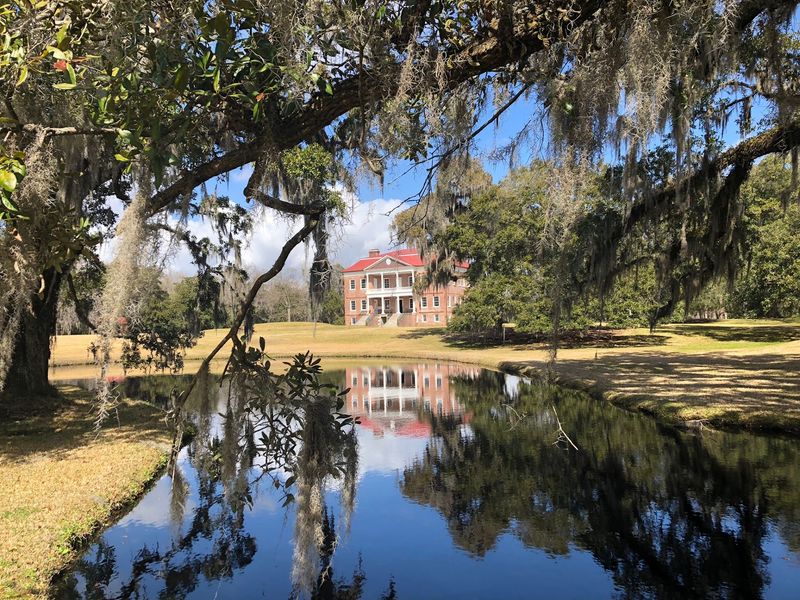
Not every resident here pays attention to history. Alligators live around the ponds and wet areas of the property, and they sometimes show up in surprising places.
The reflecting pool is a common spot to see them. Some are small, while others are a bit larger.
Gators have even been spotted resting along the drive leading toward the house. Drive slowly and keep your eyes open.
Seeing one can be a fun bonus, especially for kids. Still, these are wild animals, so keep a safe distance and never try to get closer for a photo.
Stay on marked paths and keep children close near the water. Staff can share guidance if you have questions.
This Lowcountry wildlife adds a different kind of memory to the trip. Most people come for colonial architecture and leave talking about reptiles too.
Respect their space, and they will happily keep ignoring you.
Inside the Visitor Center
Modern comforts wait right at the start of your visit. The visitor center houses ticketing, clean restrooms, a small museum, and a gift shop.
A short video, around seven minutes long, introduces the history of Drayton Hall. Watching it before the tour makes everything else easier to follow.
Display cases show artifacts uncovered on the property. Seeing them up close adds context to the archaeology happening outside.
The gift shop carries books, items from local artists, and souvenirs. History lovers often find a good read to take home.
A gate created by Philip Simmons, the famous Charleston blacksmith, can also be found on the property. His ironwork is beloved throughout the city, so look for it during your visit.
Plan to arrive early enough to browse before your tour time. The center fills up a bit during busy periods.
A few minutes spent here sets the stage for everything waiting down the path.
Timing Your Trip Right
South Carolina summers do not play around. Heat and humidity can make the outdoor parts of a visit tough, so timing matters.
Spring and fall are popular choices. Milder weather makes walking the grounds much more comfortable.
The house itself has no air conditioning. Fans help, but warm days can feel stuffy indoors.
Early mornings are a smart move. Weekday visits around opening time tend to be quieter, with fewer crowds on the paths.
Bring water, sunscreen, and comfortable shoes. Some walking happens on uneven ground, especially near the dig areas.
Restoration work may be underway during your trip. That can mean scaffolding or limited access in certain spaces, though it also offers a look at preservation in action.
Special events, like candlelight tours, happen at certain times of year. Free community days have also been offered.
A little planning keeps the focus on history instead of the thermometer.
Tickets and Smart Savings
Good news for budget planners: a few simple tricks can trim the cost. Buying tickets online usually saves a few dollars compared to paying at the gate.
Adult admission has been around $32, with reduced prices for kids ages 7 to 15. Younger children have been admitted free.
Prices can change, so check the official website before you go.
Combo tickets with nearby Middleton Place are another option. They let you explore two historic Ashley River properties in one trip.
Locals should ask about resident specials. Calling ahead can also reveal special events or discounted days.
Families should think about attention spans. The tours are detailed and focused on architecture, which suits older kids and teens best.
Plan for at least one to two hours total. That covers the guided tour, the grounds, and the museum.
For travelers who love history, Drayton Hall belongs near the top of any Charleston list. A house this old deserves an unhurried afternoon.