In 1862, on the north end of Hilton Head Island, formerly enslaved people did something bold.
They built a town of their own, with homes, churches, and a school that every child had to attend.
Their descendants, many of them Gullah Geechee families, still carry those stories today and share them with anyone willing to listen.
The land where it all began is now a peaceful park beside a salt marsh, and it holds far more than signs and trails.
Today, Historic Mitchelville Freedom Park offers visitors a meaningful connection to the families, traditions, and remarkable history that helped shape Hilton Head Island.
Where Freedom Found an Address
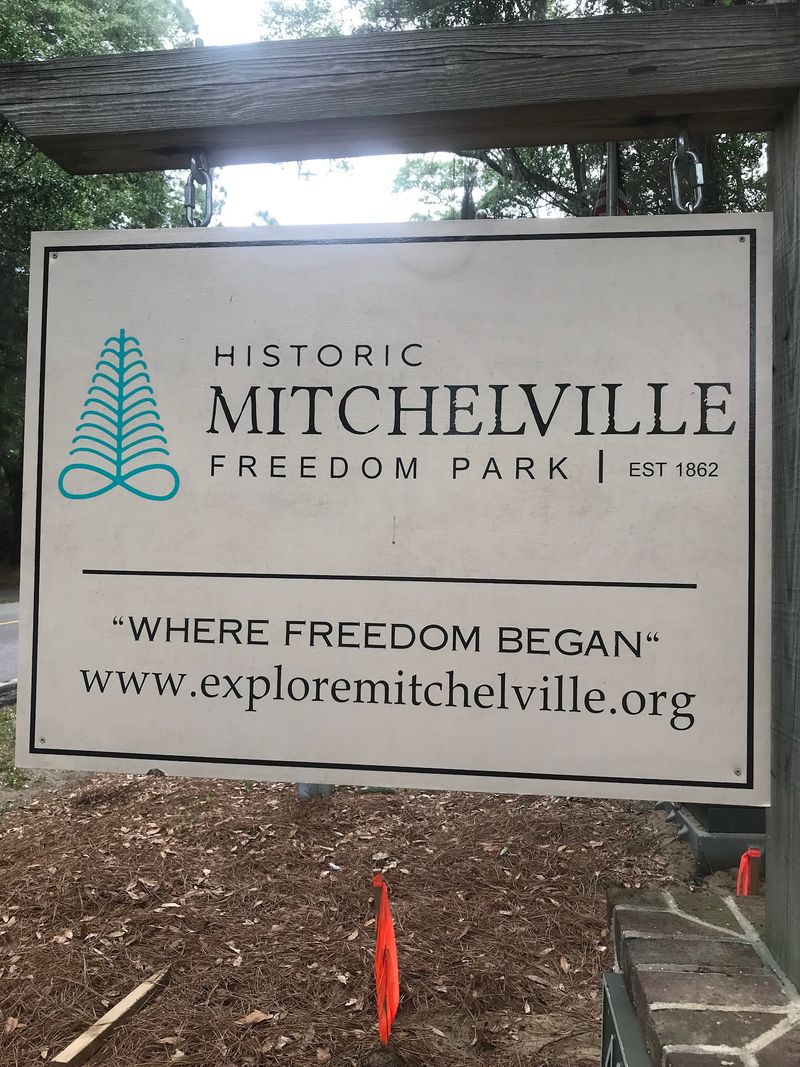
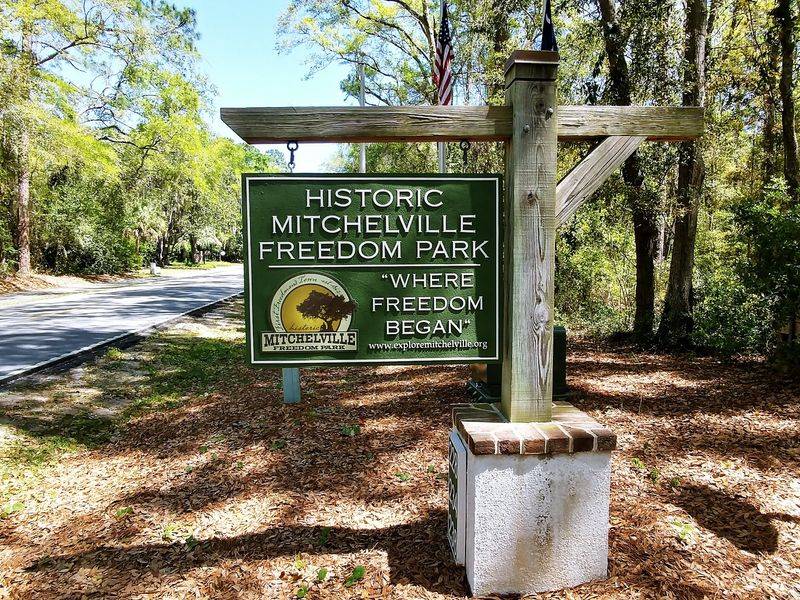
Some history lives in books, but this story has a street address. Historic Mitchelville Freedom Park sits at 40 Harriet Tubman Way, Hilton Head Island, SC 29926, on the quiet northern end of the island in South Carolina.
The drive there is part of the fun. It takes you away from the busy resort areas and up the island toward Fish Haul, where homes and roads give way to tall pines and open land.
The park is open every day from 6 AM to 9 PM. That long window makes it easy to fit a visit into a beach week, whether you like early walks or evening strolls.
There is parking near the front, plus restrooms and a water fountain on site. The trails are flat, with no big hills, so most people can manage them without trouble.
Construction work has been part of the scene recently. Main areas, panels, and recreated buildings have stayed open, so check the official website before you go for the latest updates.
A Town Built by Its Own People
Few places in America can claim a first like this one. Mitchelville is known as the first self-governed town of freed African Americans in the United States.
It started during the Civil War, after Union forces took control of Hilton Head in 1861. People who had escaped enslavement came to the island seeking safety and work.
General Ormsby Mitchel, a Union commander, helped set aside land for a town. Families received plots and lumber, and they built their own homes with their own skilled hands.
The residents did much more than build houses. They elected leaders, created rules, and ran their community on their own terms.
At its peak in the 1860s, Mitchelville was home to roughly 3,000 residents, although its population declined after the Civil War.
Standing on these grounds helps the story click. A town grew from courage and teamwork, and its legacy did not fade when the war ended.
The roots stayed planted in the island soil, ready for the next generation.
The Gullah Geechee Thread
Ask anyone in the Lowcountry about Gullah Geechee culture, and you will hear words like family, faith, and land. These communities descend from West Africans who were enslaved along the coasts of the Carolinas, Georgia, and Florida.
Over generations, they kept many traditions alive. Their language, crafts, farming skills, and songs survived thanks to the strength of tight knit island communities.
Mitchelville is a key chapter in that story. Many of the town’s residents were Gullah people who now had the chance to shape their own future.
After the town faded, families did not simply leave. Many stayed on Hilton Head, holding on to land and passing down memories through kitchen tables and church pews.
Today, some descendants still live on the island. A few share their family histories with guests at the park, which turns facts on a sign into a living connection.
Hearing a story from someone whose ancestor walked these paths is a moment worth slowing down for.
Tours With a Song in Them
History comes alive through guided tours that explore the remarkable stories of Mitchelville’s residents. Visitors learn about the town’s early homes, churches, schools, and the people who helped build a community around freedom.
Guides explain how families lived, worked, and worshipped in Mitchelville. The guides connect historical events with the experiences of the families who lived here, making the town’s story feel personal rather than distant.
Those details are hard to forget. Kids who might roll their eyes at a textbook often lean in when someone says, my great great grandmother lived right here.
Tour times and options can change, so plan ahead. The official website, exploremitchelville.org, is the best place to check what is offered during your trip.
Here is a helpful tip. Bring questions, because guides are usually happy to talk about family names, island life, and how the community kept going after the war.
You may walk in as a tourist, but you will likely leave feeling more like a guest of the family.
Little Houses, Big Lessons
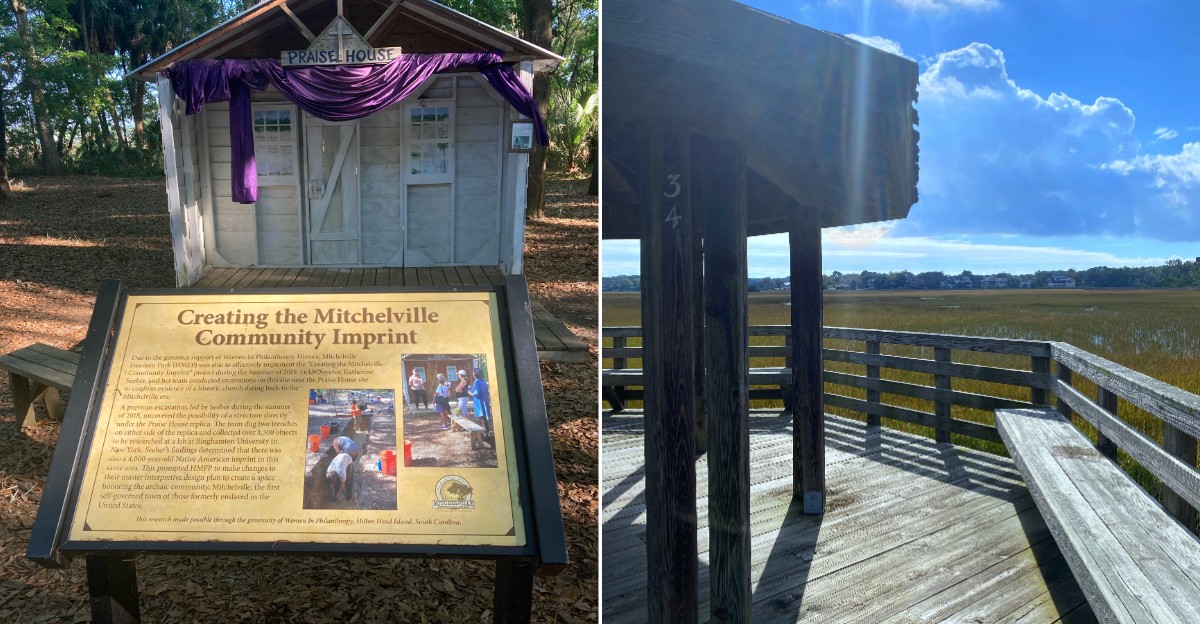
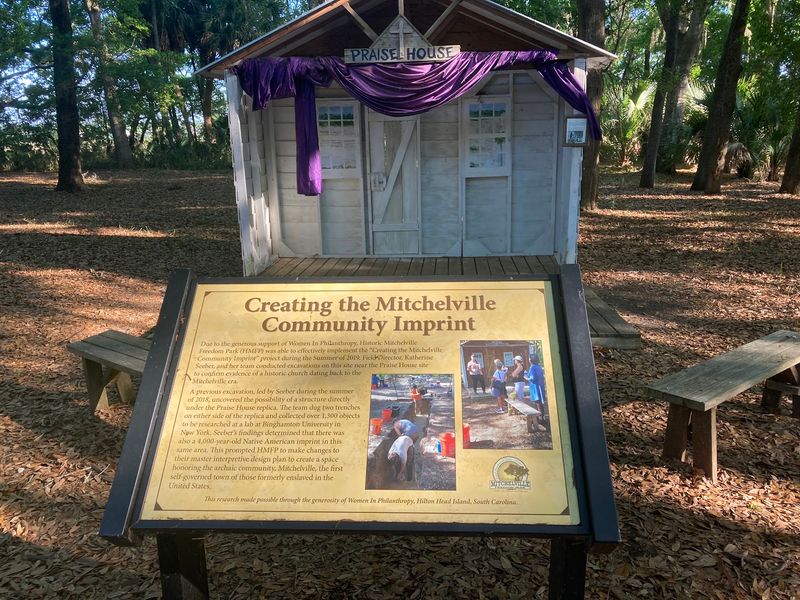
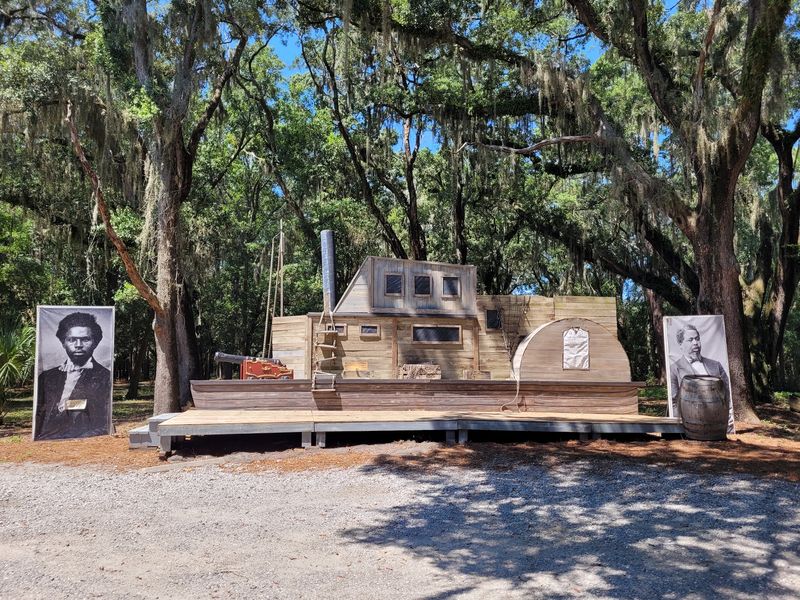
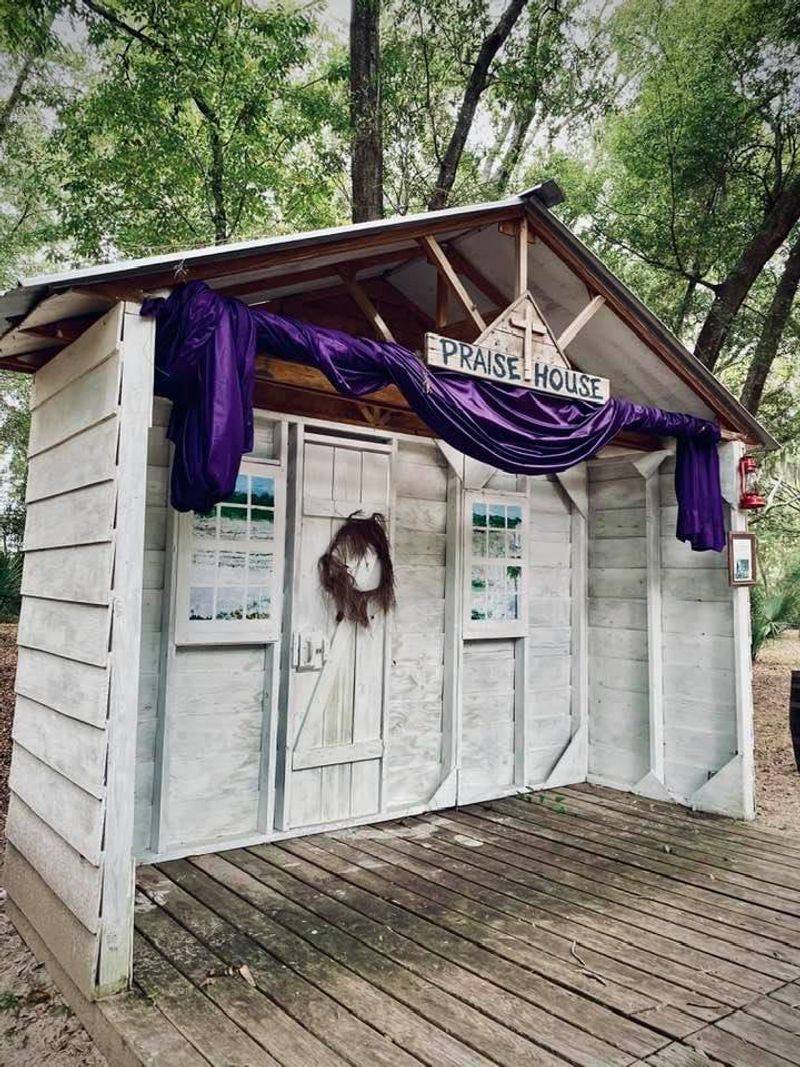
Small wooden structures dot the grounds, and each one has a job to do. They model parts of daily life in the historic town, from home life to religious gatherings.
Next to each exhibit, you will find panels with clear text, and some include old photos. They explain what people ate, which tools they used, and the many skills they needed to get by.
One story stands out. Black builders in Mitchelville used their own talents to construct homes, proving their skill at a time when many people doubted them.
The panels are written for all ages, though older kids tend to get the most out of them. Plan for some reading time, since there is plenty to absorb.
A smart move is to split up the reading. Let each family member pick one exhibit, then share the most surprising fact with everyone else.
Those simple buildings carry stories much bigger than their size, and they reward anyone who takes the time to read closely.
School Was Not Optional
Here is a fact that surprises many guests. Mitchelville is known for requiring education for children, making school mandatory for kids roughly between the ages of 6 and 15.
That was a big deal. Just a short time earlier, many of these families had been denied the chance to learn to read or write.
Parents in the town understood that learning meant power and opportunity. They made sure the next generation had what they had been refused.
Churches also played a large role. Residents built several places of worship, and these became centers for meetings, faith, and community support.
For families visiting today, this part of the story opens great conversations. Kids can compare their own school days with what school meant to children in the 1860s.
Try asking your young travelers what they would want to learn first if school had once been off limits. Their answers might surprise you, and they will remember the visit long after the beach towels are packed away.
Harriet Tubman Was Here
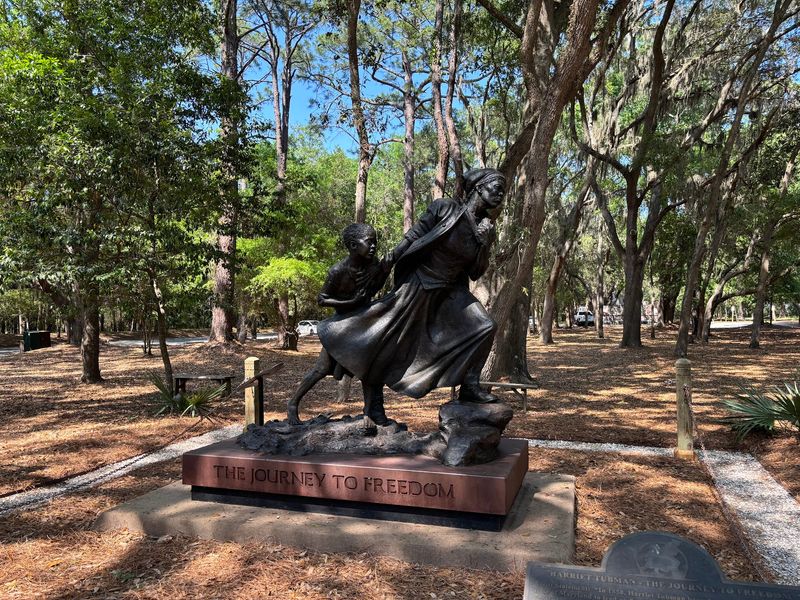
The street outside is named Harriet Tubman Way for a reason. The famous freedom fighter spent time in the area during the Civil War, working with Union forces in the Port Royal region.
Tubman served as a nurse, scout, and spy. She also helped lead the Combahee River Raid in 1863, which freed hundreds of enslaved people in South Carolina.
The park honors Harriet Tubman’s role in the struggle for freedom through its historical interpretation, connecting her work in the Lowcountry with the larger story of emancipation.
Standing near the place linked to her story gives many guests a real sense of pride. It turns a name from history class into someone who moved through these same islands.
Take a moment here before you rush to the next panel. Reading about her bravery while surrounded by the land she knew adds weight to every word.
Her courage and the town’s courage are part of the same chapter, and that pairing makes this stop especially meaningful.
Digging Up the Past, Right Now
History is not finished here. Archaeological research continues to reveal details about the original settlement, with discoveries helping historians better understand everyday life in Mitchelville.
Researchers search for items like tools, pottery, and building remains. Each find helps fill in the details of how Mitchelville families lived day to day.
The park has also been adding an Archaeological Research Facility. It is part of larger plans to grow the site into a fuller educational center.
Learning how archaeologists carefully uncover and document artifacts offers a valuable lesson in patience.
Respect the marked zones and give crews their space. The dig areas generally do not block the main paths, so you can still explore comfortably.
Every return trip might reveal something new. The story of the town is still being uncovered, one small piece at a time, and that makes this park feel alive in a way few historic sites can match.
Out on the Marsh Boardwalk
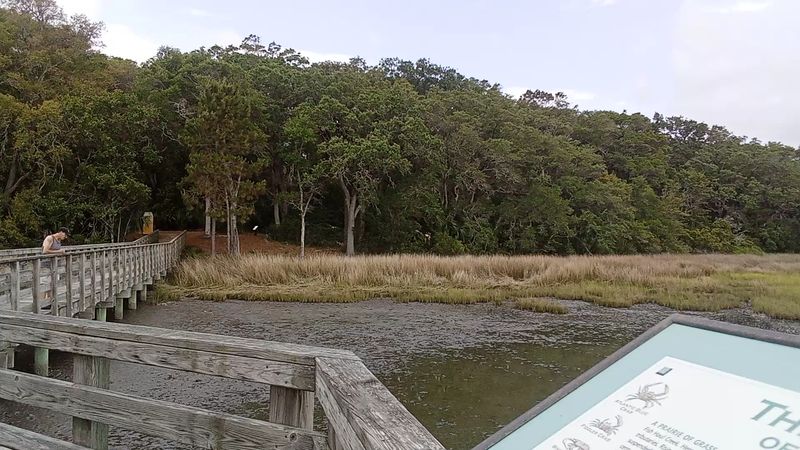
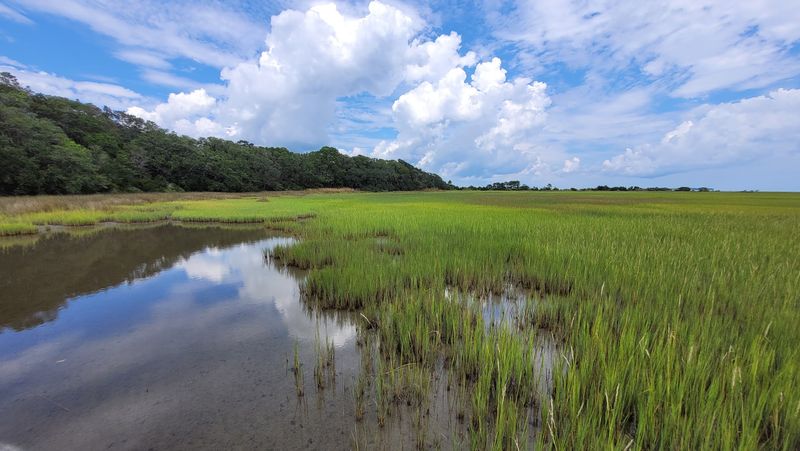
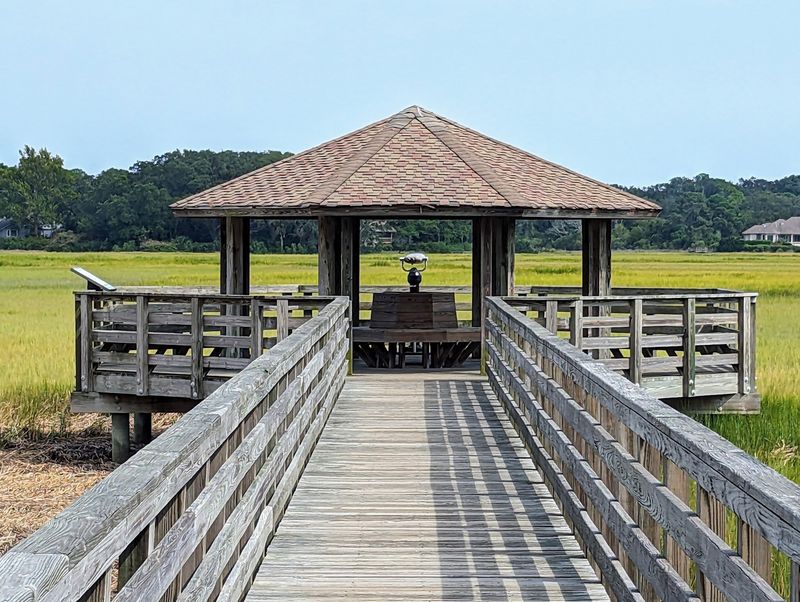
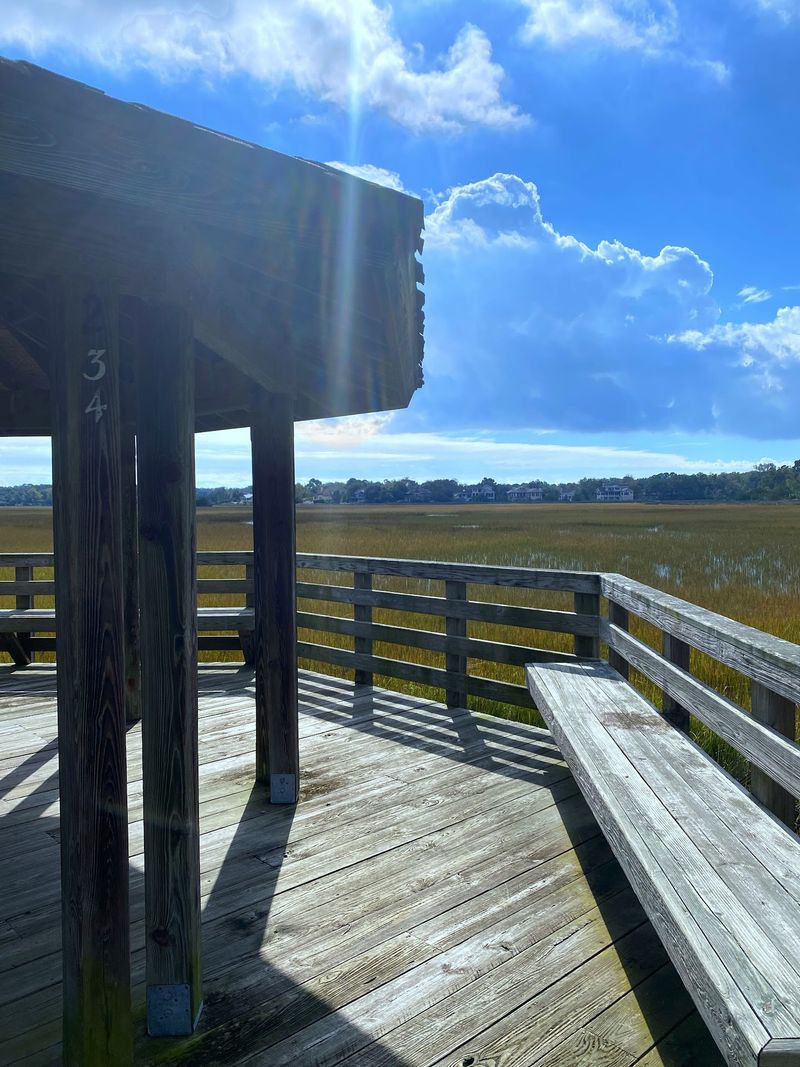
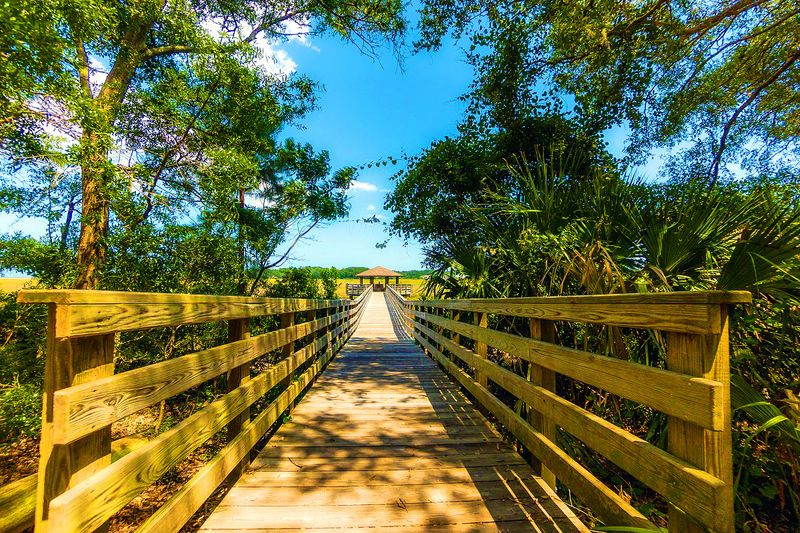
After all that history, a little breathing room helps. A wooden boardwalk stretches out toward the salt marsh, ending at a covered observation area.
The shaded deck makes a nice resting place. It is a good spot to sit, think about the stories you just learned, and snap a few photos.
Wildlife fans should keep their eyes open. Eagle sightings have been reported near the park, and the marsh supports many kinds of birds.
The marsh also tells part of the story. The island’s waterways shaped how Gullah communities fished, traveled, and made a living for generations.
Bring binoculars if you have them. A small camera with a good zoom also helps if you hope to catch birds without disturbing them.
Most people find this the calmest part of the visit. It is an easy walk, and it gives everyone a moment to slow down before the trip continues toward the shoreline just beyond the trees.
A Trail That Ends at the Beach
Plenty of people do not expect this twist. A trail from the park leads to a beach along the water, giving your history trip a bonus shoreline stop.
The beach is quieter than the crowded spots on the south end of the island. Families often wade along the edge and enjoy the open views.
Jellyfish can show up in the water, so keep watch. Some kinds are harmless, but it is smart to be careful, especially with small children.
Pack well for this part of the outing. Extra water and sunscreen make a big difference, since the walk and beach time can easily stretch longer than planned.
Good shoes help on the trail too. Flip flops are fine at the shore, but sneakers handle the path better.
A morning visit pairs nicely with this stretch. You can explore the exhibits first, then wander down to the water before lunch, turning one stop into a half day adventure.
Shade, Picnics, and Four Legged Friends
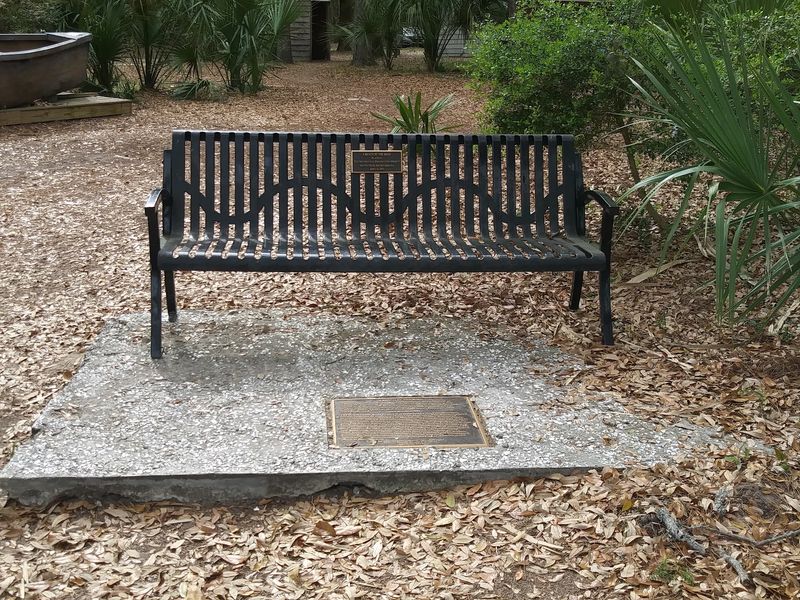
Hungry hikers are in luck. The park has a picnic pavilion and benches where families can sit down and refuel between exhibits and trails.
Tall pines and oaks provide plenty of shade. That cover is a real gift during warm South Carolina afternoons.
Dog owners will be happy to know the park is pet friendly. Signs allow dogs, and pet bags are available, though leashes and good manners are a must.
The restrooms tend to be clean and stocked. A water fountain is also on site, which helps both people and pups stay comfortable.
A simple packed lunch works best. Bring a small trash bag so you can leave the grounds as tidy as you found them.
Many locals return just to walk. The flat paths and peaceful setting make it a favorite spot for daily exercise, and it is easy to see why some people come back again and again with their furry companions in tow.
Juneteenth and Growing Plans
Mark your calendar, because this park knows how to gather a crowd. Mitchelville has hosted an annual Juneteenth event for over a decade, bringing families and neighbors together each June.
Juneteenth honors the end of slavery in the United States. Celebrating it on land where freedom took root gives the day extra meaning.
Events like this are a chance to meet local Gullah Geechee families and hear their stories firsthand. It is community history, shared out loud.
The park keeps growing too. Plans include new buildings and amenities designed to share even more of Mitchelville’s story with future guests.
Construction updates can change visiting conditions. Checking exploremitchelville.org before your trip helps you know which areas are open and what new features are ready.
Each visit becomes part of the story. By showing up, learning, and spreading the word, guests help keep the legacy of these families strong, and that may be the best souvenir Hilton Head has to offer.