Somewhere in the quiet countryside near Saxapahaw, a crew of artists spends months building puppets so big they need several people to move them. Kids who see them for the first time often forget to blink.
The puppets are made by hand from paper, cardboard, and a lot of patience, and every summer they march onto a stone stage with live music playing behind them. The shows tell stories about nature, community, and hope, and they manage to hold the attention of a four-year-old and a grandparent at the same time.
Families come back year after year, and some even drive in from other states to see the newest production. Keep reading to learn where the magic is made, what the shows are like, and how to plan a visit that your kids will talk about for weeks.
A Workshop Hiding in Alamance County
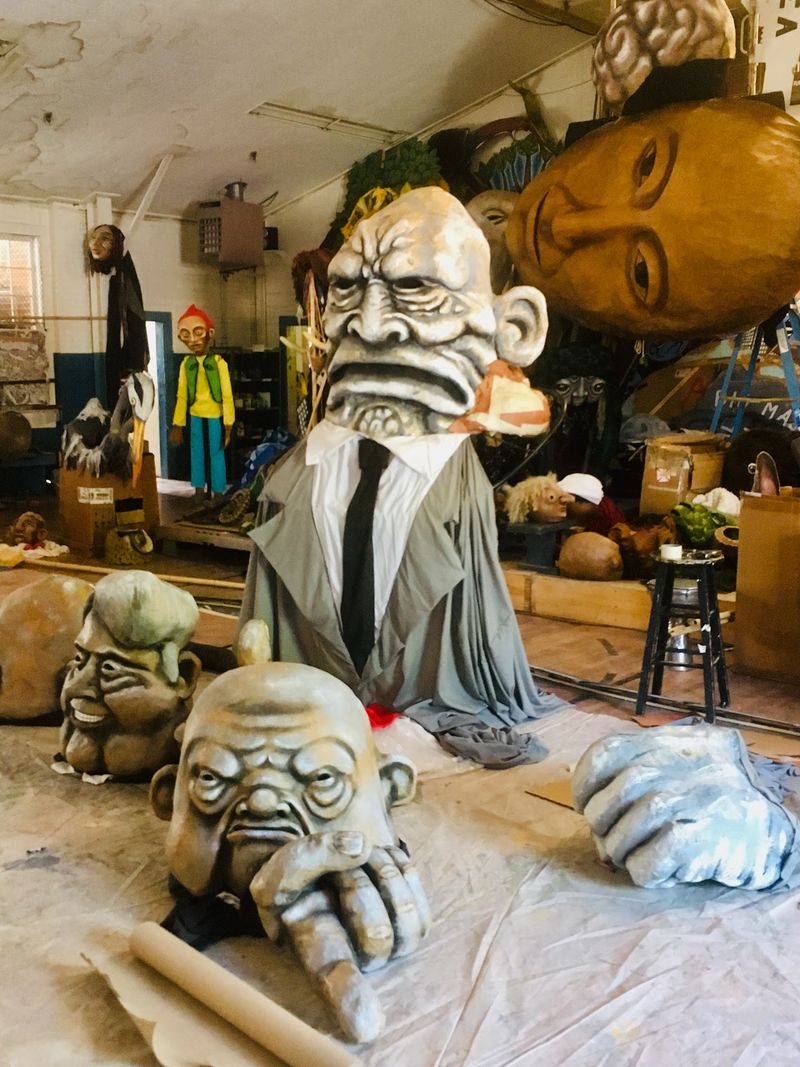
Out on a country road in North Carolina, there is a building full of giant faces, painted wings, and paper hands bigger than a car tire. It belongs to the Paperhand Puppet Project, a nonprofit puppet theater group known across the region.
The workshop sits at 2800 Austin Quarter Rd, Graham, NC 27253, United States, in the Saxapahaw area of Alamance County. It is a working studio, not a shopping mall attraction, so it helps to know what you are heading toward.
Most of the big public shows happen at other venues, while this spot is where the building, painting, and planning take place. Think of it as the home base where every towering creature begins life as a sketch and a pile of materials.
The setting is rural and calm, with fields and woods nearby. One small, funny detail is that people have stumbled onto the workshop by accident while hunting for a nearby canoe rental entrance.
A wrong turn rarely ends up this creative.
Puppets That Look Down at Grown-Ups
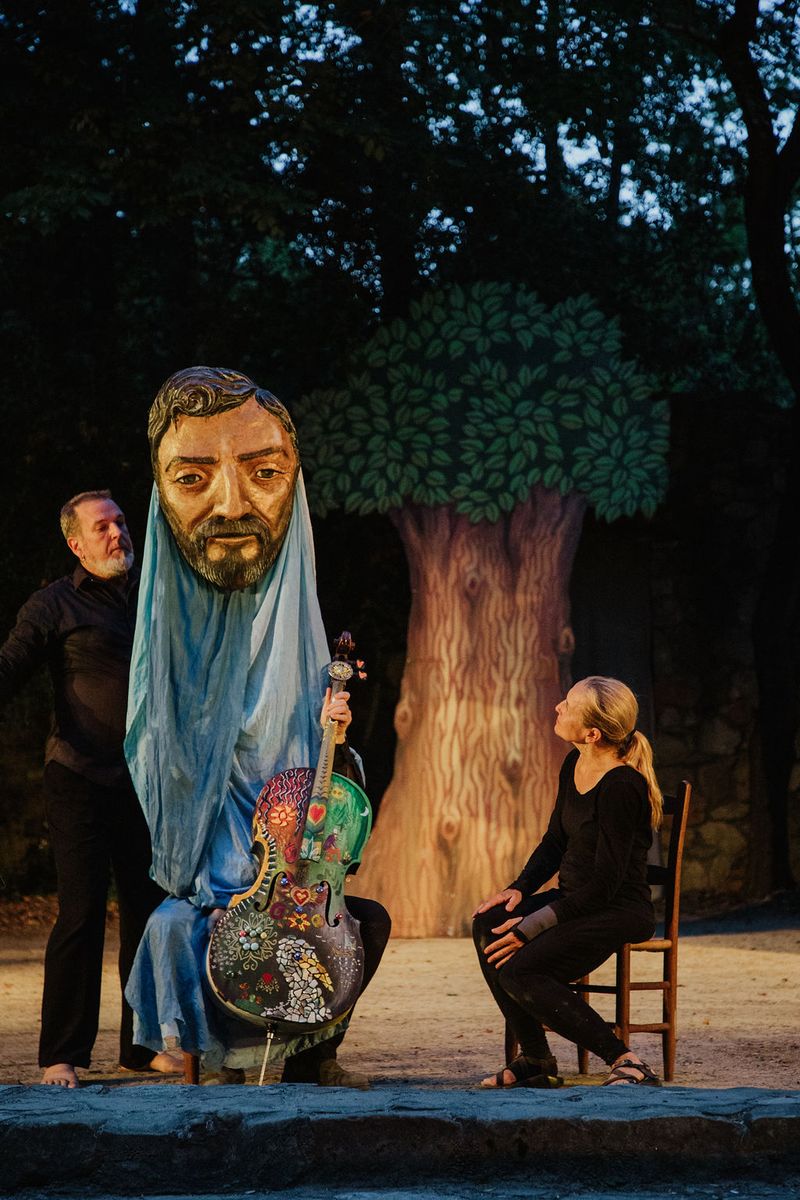
Small hand puppets are cute. The ones built here are a different story, because many of them stand far taller than any adult in the audience.
Paperhand creates huge papier-mache puppets, along with masks and moving figures that sometimes need a whole team of puppeteers. Some characters have arms on long poles, while others are worn like giant costumes.
For kids, the scale is the first big wow. A creature that leans over the crowd feels like it stepped out of a storybook and decided to stay a while.
Parents often find that their children stay focused through the whole performance, even younger ones around four years old. Older kids tend to start asking how the puppets are made before the show even ends.
Here is a helpful tip for families. Talk with your kids beforehand about how big the puppets might be, so shy little ones feel ready instead of surprised.
Once they settle in, the giants usually become new favorite friends.
From Cardboard to Center Stage
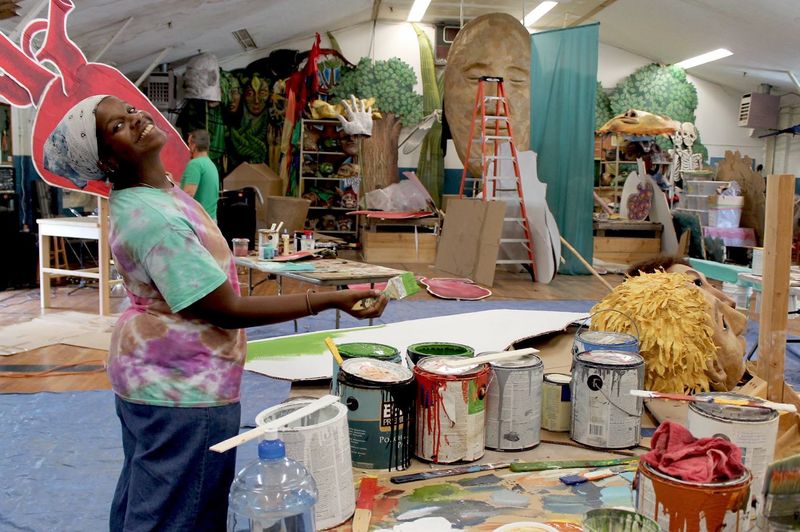
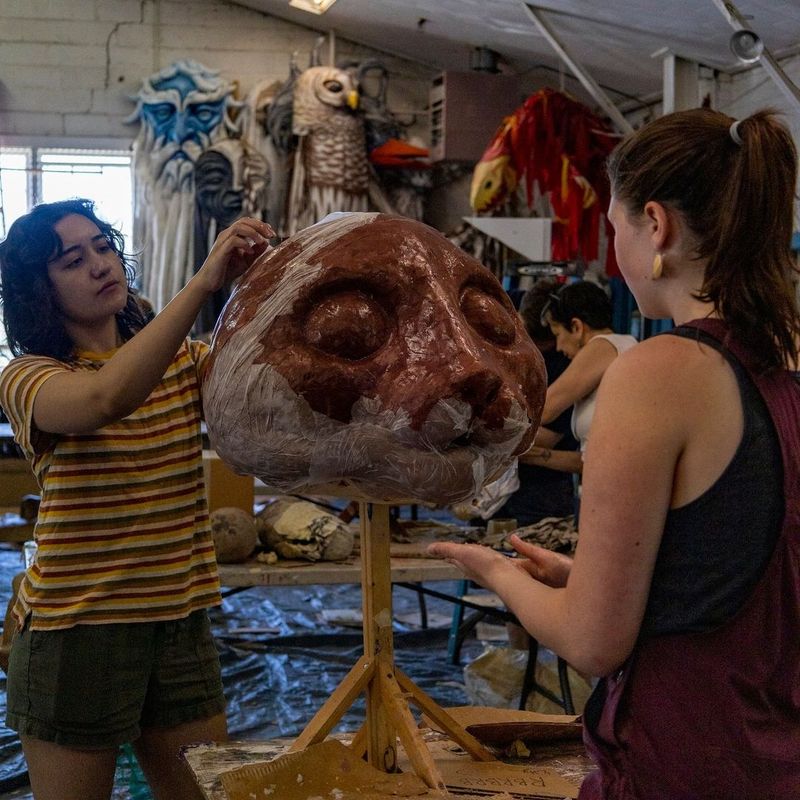
Every giant starts small. Long before a show opens, artists at the workshop are cutting cardboard, layering paper, and painting faces with steady hands.
The group writes its shows from scratch, so each new production means brand new characters. That takes many collaborators, from puppet builders to musicians to writers.
Papier-mache is a simple craft that many kids try in school with balloons and glue. Paperhand takes that same basic idea and pushes it to an enormous size, which makes it a great conversation starter for young artists at home.
A fun way to connect with the experience is to try a mini puppet project after a show. Grab some newspaper, flour paste, and a cardboard base, then let your kids design their own creature.
It will not be ten feet tall, but that is probably best for your living room.
Seeing the finished puppets on stage often makes children realize that big art can come from ordinary supplies and a lot of teamwork.
Summer Nights at a Stone Theater
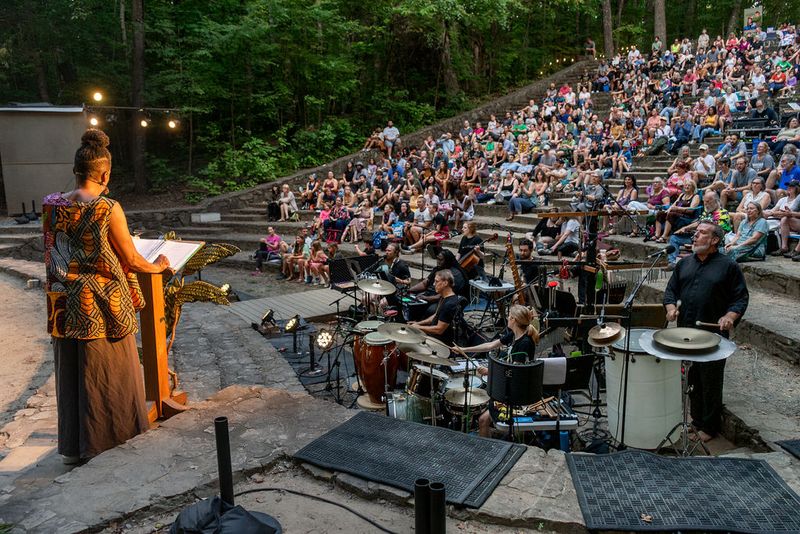
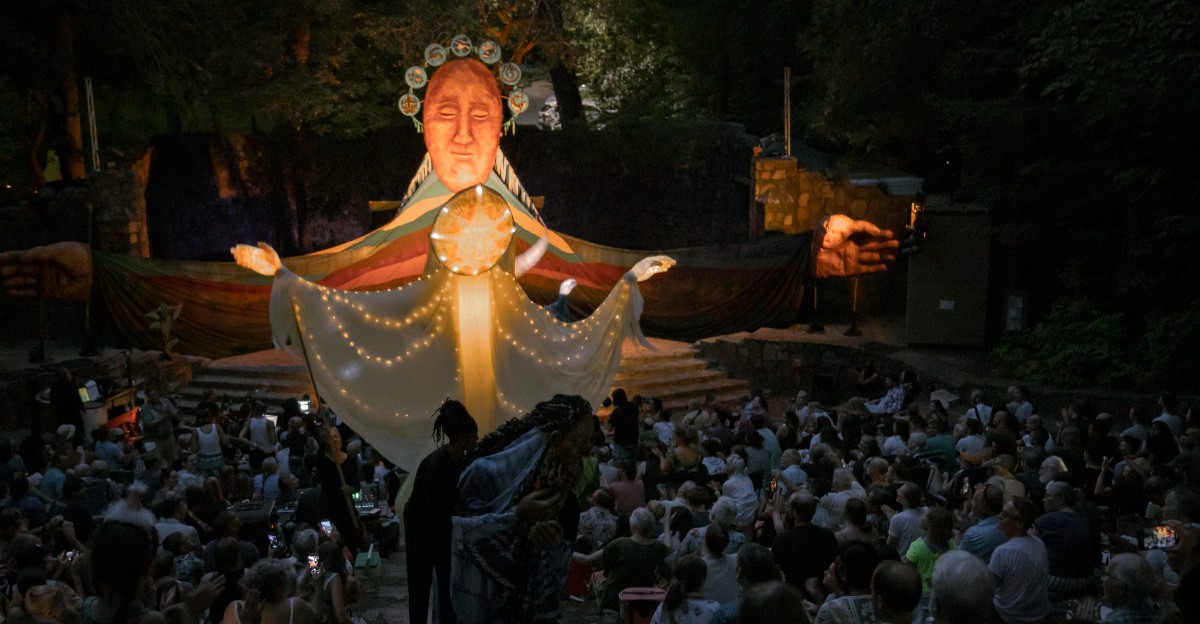
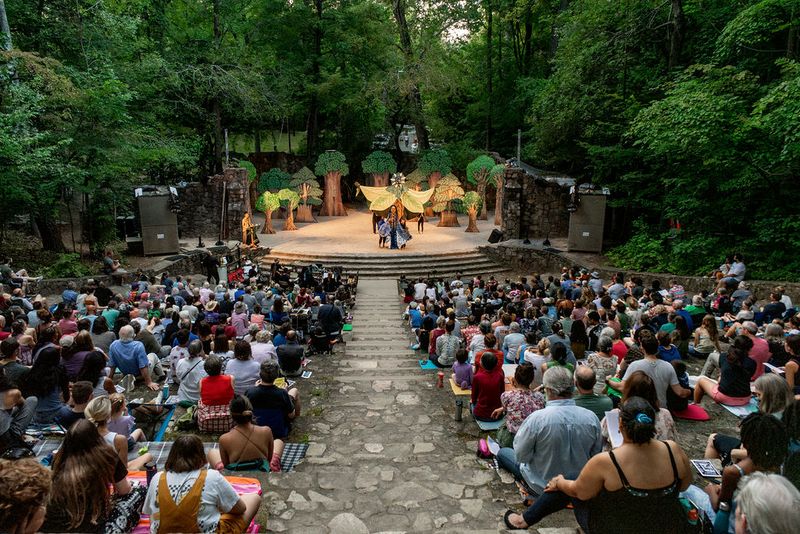
Summer is the season most fans circle on their calendars. That is when Paperhand brings its main production to the Forest Theater in Chapel Hill, an outdoor stone amphitheater tucked among trees.
The space has a storybook feel, with stone seating and woods all around. Many families say it is part of what makes the evening memorable.
Shows there usually begin with an opening act around 6:20, and the main performance starts around 7. Arriving early helps you find seats and settle the kids before the giants appear.
Since it is outdoors, plan for summer weather. Bring a cushion for the stone seats, water, and bug spray, and dress the kids comfortably.
One more thing to know is that tickets are not refundable, and the group states this clearly on its website. If a show is called off, options may include attending another date.
Checking the schedule and policies ahead of time keeps your evening smooth from start to finish.
Stories With Something to Say
Paperhand does not just make pretty puppets. Its shows carry clear themes about caring for the planet, living in balance with nature, and working together for a better future.
Recent productions have included titles like The Wild Wisdom of the World and The Gift. Each one blends puppetry, poetry, music, and storytelling into one connected experience.
Some stories gently point out real problems in the environment. Then they leave the audience feeling hopeful that people can still make a difference.
That balance makes the shows a nice way to start family talks. On the car ride home, ask your kids what the story was about and what they might do to help nature in their own neighborhood.
The cast and creative team are diverse, and the stories share many perspectives. Some years lean on more spoken dialogue than others, so expect a bit of variety.
Meaningful messages with giant puppets attached tend to stick with kids long after the curtain call.
Live Music Keeps the Giants Moving
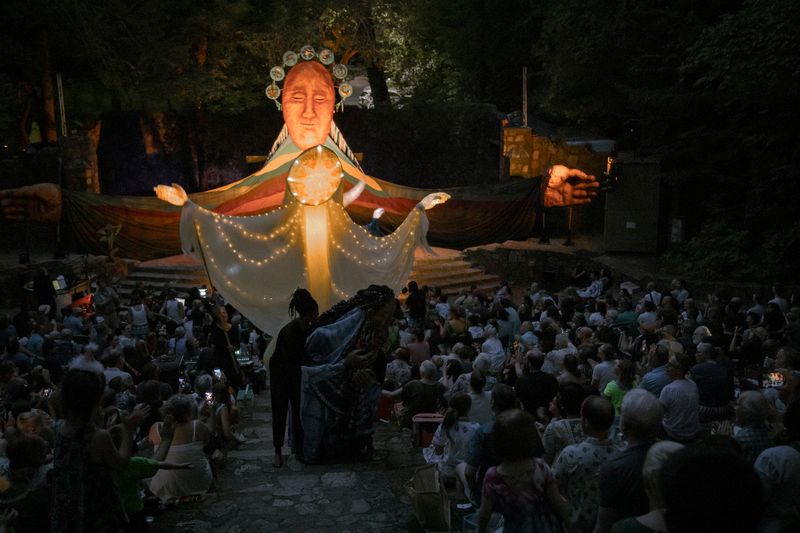
A puppet show without music would feel like a parade without a band. At Paperhand, live musicians play throughout the performance, helping each scene move along.
The music is part of the storytelling, not just background noise. Songs help set the mood, mark big moments, and give the puppeteers a rhythm to follow.
Before the main show, an opening performer usually takes the stage. Some guests love this warm-up, while others prefer to head straight to the puppets, so plan your arrival time based on your family’s patience level.
Kids who enjoy music often have fun watching the band as much as the puppets. Point out the different instruments and see who can spot the drummer first.
Audience interaction is also part of the fun. Performers sometimes invite the crowd to join in, which helps wiggly kids feel included rather than stuck in a seat.
Between the songs and the giants, there is rarely a dull minute for young fans.
Stay Put for the Shadow Show
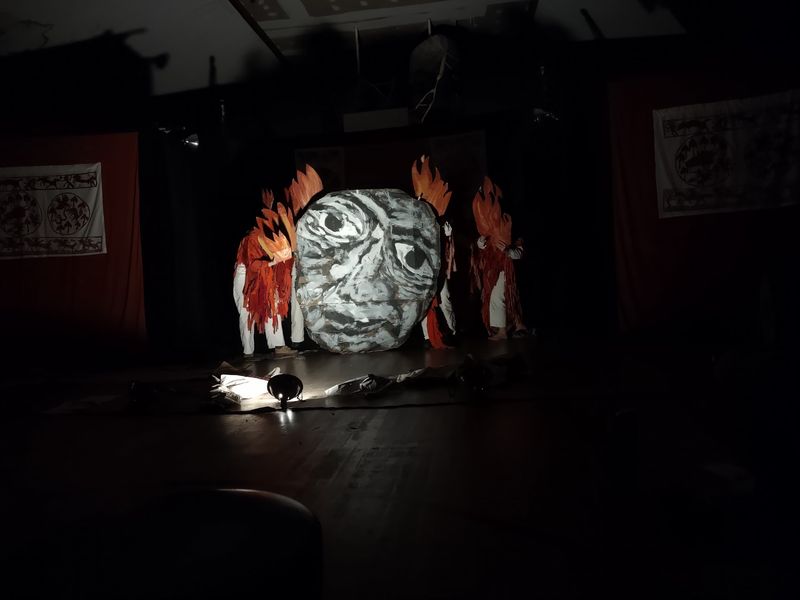
Here is a tip many first-timers miss. After the main performance, Paperhand often presents a shadow puppet show, and it is worth sticking around for.
Shadow puppetry is one of the oldest forms of puppet theater in the world. Flat cutout figures are held behind a lit screen, so the audience watches their outlines tell a story.
It is a nice contrast to the giant puppets. One part of the night is huge and bold, while the other is delicate and detailed.
For families, the shadow show can be a calm way to wind down before heading home. Younger children may be getting sleepy by then, so bring a blanket or sweatshirt to keep them comfortable.
Want to try it at home? A flashlight, a white sheet, and some cardboard cutouts are all you need for a simple bedtime shadow show.
Your kids might just discover a new favorite way to tell stories before lights out.
Behind-the-Scenes Tours in Saxapahaw
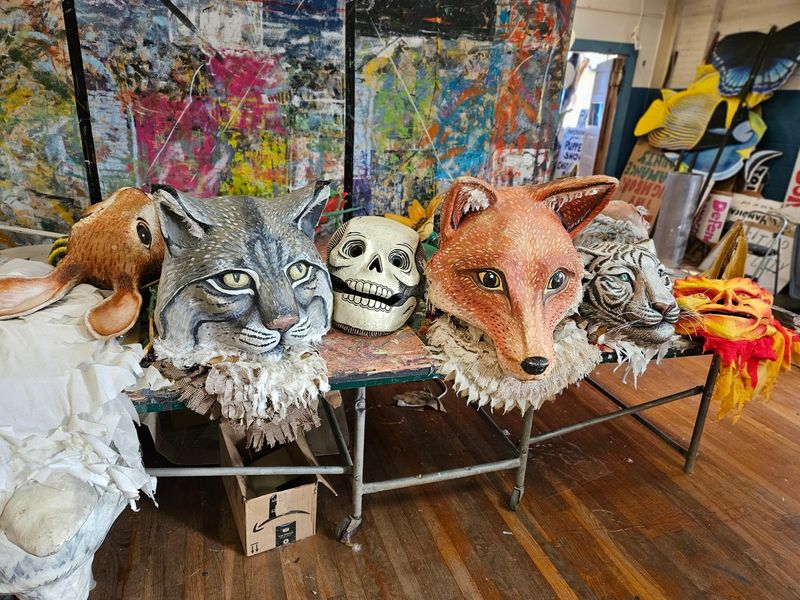
Ever wondered what it feels like to move a giant puppet hand? At the Saxapahaw workshop, some groups have gotten the chance to find out.
Paperhand has offered programs and tours at its workshop, including sessions led by cofounder Donovan Zimmerman. Guests have learned about the artistry, the philosophy behind the work, and how the operation runs.
Walls of handmade masks give a peek at years of past productions. Trying out a larger-than-life puppet part turns the visit into something hands-on and memorable.
The key thing to remember is that this is a working studio. Tours are not a drop-in activity, so reach out in advance to arrange a visit for your group.
Schools, scout troops, and homeschool groups may find a tour especially valuable. It connects art, teamwork, and creative problem-solving in a way textbooks cannot.
A little planning ahead can open the door to the place where the giants actually live.
Roaming Beyond the Home Base
The giants do not always stay near Saxapahaw. Paperhand takes its shows to other stages around North Carolina, which gives more families a chance to see them.
Performances have reached places like the Wortham Center in Asheville. Audiences there have left the theater with big smiles, which says a lot about how well the shows travel.
The group also appears at community events and festivals. Many people first meet these puppets at a local gathering before ever attending a full sit-down show.
The workshop space has hosted guest performers too, including the well-known Bread and Puppet Theater. That shows how connected Paperhand is to the wider puppetry world.
The best way to catch a show near you is to check the official website at paperhandpuppet.org. Signing up for the newsletter and following the group online will help you hear about dates early.
With a little watching, the giants may end up wandering into a town close to yours.
A Community Worth Joining
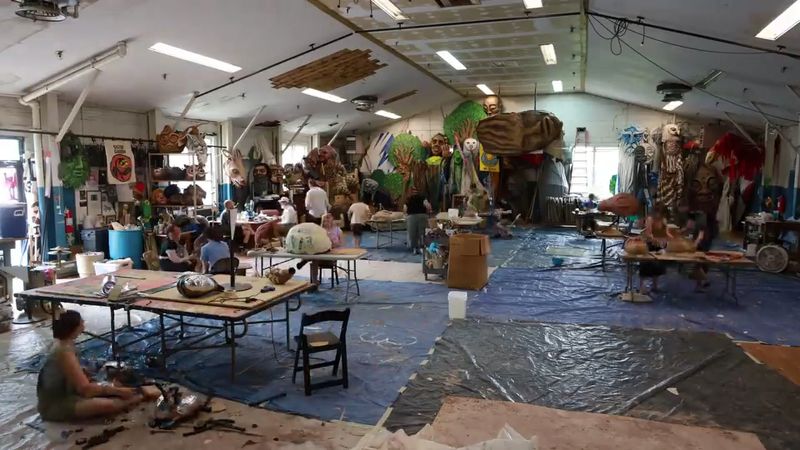
Watching a show is only one way to be part of the Paperhand story. The group has a loyal community of fans, volunteers, and artists who keep coming back.
People can volunteer, attend gallery exhibits, and join events tied to the project. As a nonprofit, Paperhand depends on that support to keep building new shows each year.
For many families, the summer show has become an annual tradition. Kids who see it young often grow up looking forward to the next production every year.
Getting involved can be a great lesson for older children and teens. Volunteering shows them how much teamwork goes into art that looks effortless from the audience.
Even small actions help. Sharing a show with friends, following the group’s updates, or donating supplies can make a difference.
In the end, the biggest thing these puppets build might be the community gathered around them, and there is always room for one more family in it.