Dwight D. Eisenhower led the largest military invasion in history and served two terms in the White House.
Yet for most of his life, he never had a house he could call his own.
Army life kept him and his wife Mamie moving from post to post, more than thirty times by some counts.
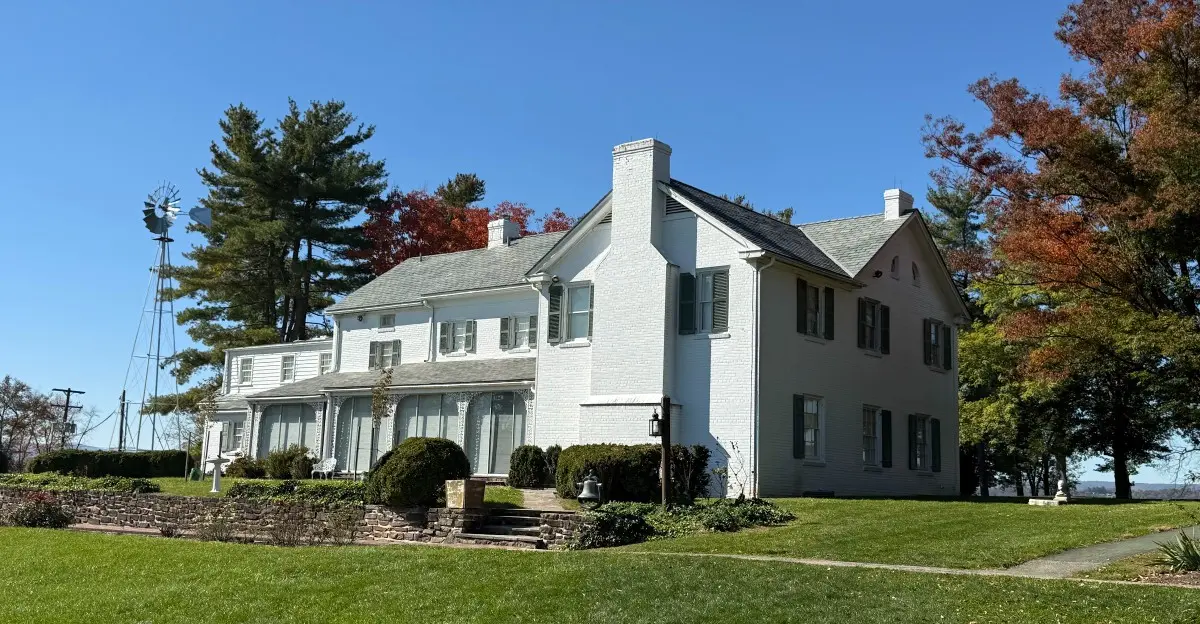
That changed in the early 1950s, when the couple bought a farm in the rolling countryside just outside Gettysburg, Pennsylvania.
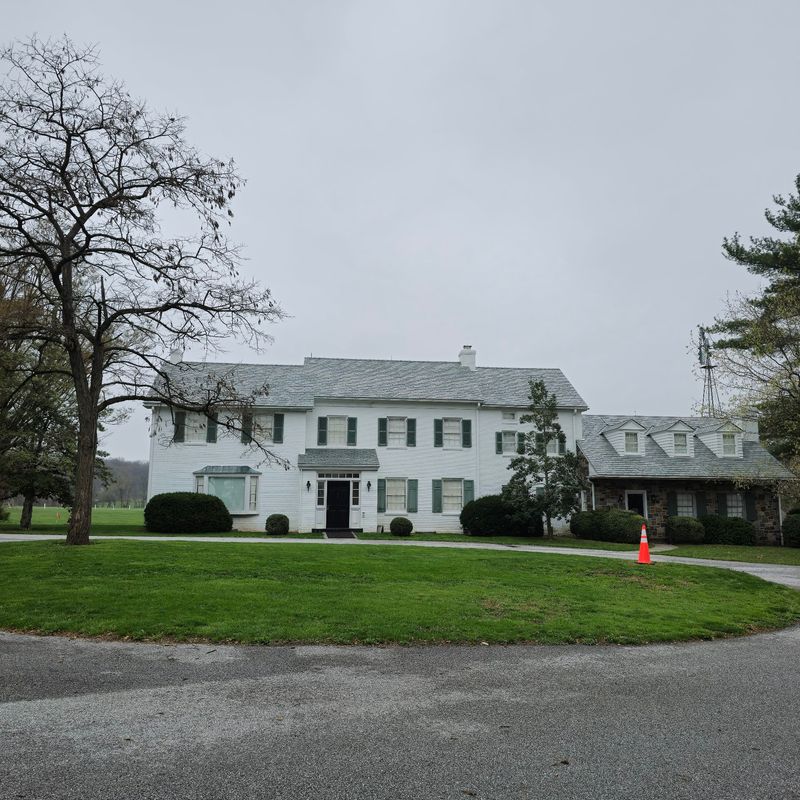
The house still stands today, filled with the furniture, paintings, and personal touches the family left behind.
World leaders came here to talk. A president practiced his putting here.
Cattle grazed in the fields.
Keep reading to learn the story behind this farm, what you can see on a tour, and the handy tips that will make your trip smooth and memorable.
A Farm With a Famous Address
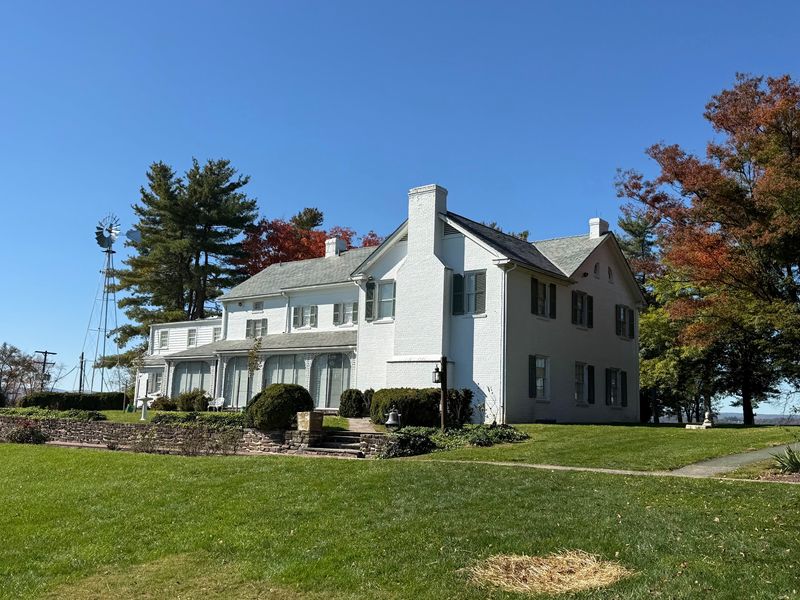
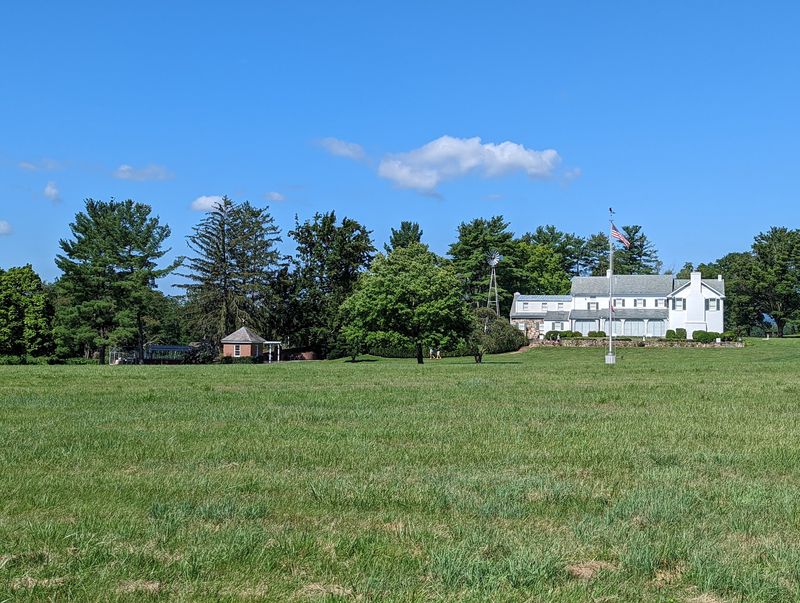
Every great story needs a setting, and this one sits on a quiet country road south of a very famous battlefield. The Eisenhower National Historic Site is located at 243 Eisenhower Farm Rd, Gettysburg, PA 17325, United States.
The property is run by the National Park Service. It sits right next to Gettysburg National Military Park, so the two make an easy pairing for a single trip.
Dwight and Mamie Eisenhower bought the farm in 1950. It became the only home the couple ever owned after decades of living in Army housing and official residences.
The old farmhouse on the land needed major work, so the Eisenhowers rebuilt much of it. The finished home was ready in the mid-1950s, while Ike was serving as president.
Today, the site covers the home, barns, garages, and wide farm fields. Most of the original contents belong to the family, so the place feels lived in rather than staged.
Not a bad first stop for anyone curious about how a five-star general chose to settle down.
Why Gettysburg, of All Places
Long before he was president, Eisenhower already had ties to this town. During World War I, he commanded Camp Colt, a tank training center set up on the Gettysburg battlefield in 1918.
He and Mamie lived in Gettysburg during that time, and the area stayed in their memories.
Ike also had deep family roots in Pennsylvania. His ancestors had farmed in the state before moving west to Kansas, where he grew up.
So when the couple finally went shopping for a permanent home, a farm near Gettysburg felt like a natural fit. It offered peace, space, and a link to the past.
There is also a practical side to the story. Gettysburg was close enough to Washington, D.C., for a president to travel back and forth.
That mix of history and convenience explains a lot. The farm was not just a retreat for a famous man.
It was a homecoming for someone who had spent most of his adult life packing boxes.
Mamie’s Touch on Every Room
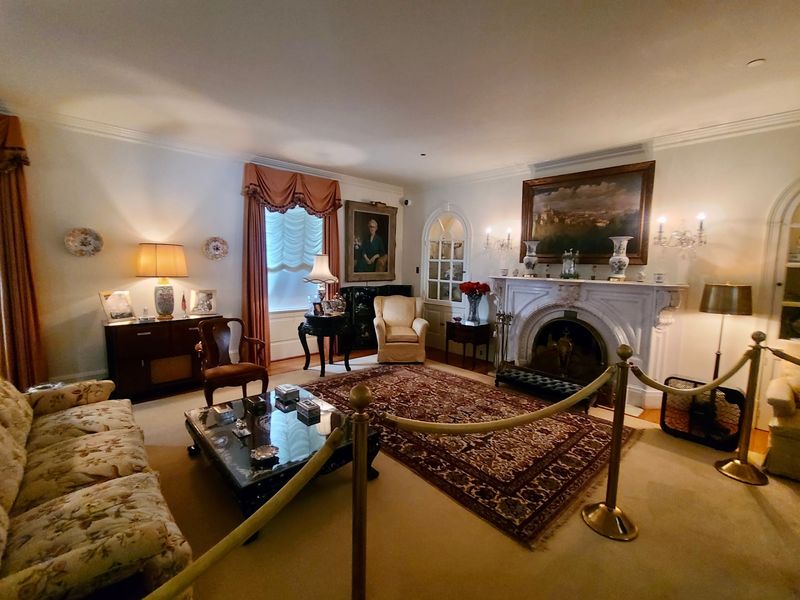
Ike may have run the free world, but the house was Mamie’s project. She guided the renovations and chose much of the design, from layouts to decorations.
The result is a home that feels warm and family centered. It is about 4,000 square feet, which is modest for a two-term president.
One fascinating detail adds real weight to the tour. Most of the furnishings were donated by the couple’s son, John Eisenhower.
That means the items inside are the ones Mamie actually used, right up until she passed. Nothing here is a lookalike pulled from a warehouse.
Gifts from world leaders sit near everyday family pieces. That combination shows both sides of the couple’s life, the public and the personal.
Fans of mid-century style will want extra time in each room. The home works like a time capsule from the 1950s and 1960s.
Spend a few minutes reading about Mamie before the trip, and every room will tell you a bit more.
The Pink Bathroom Has Fans
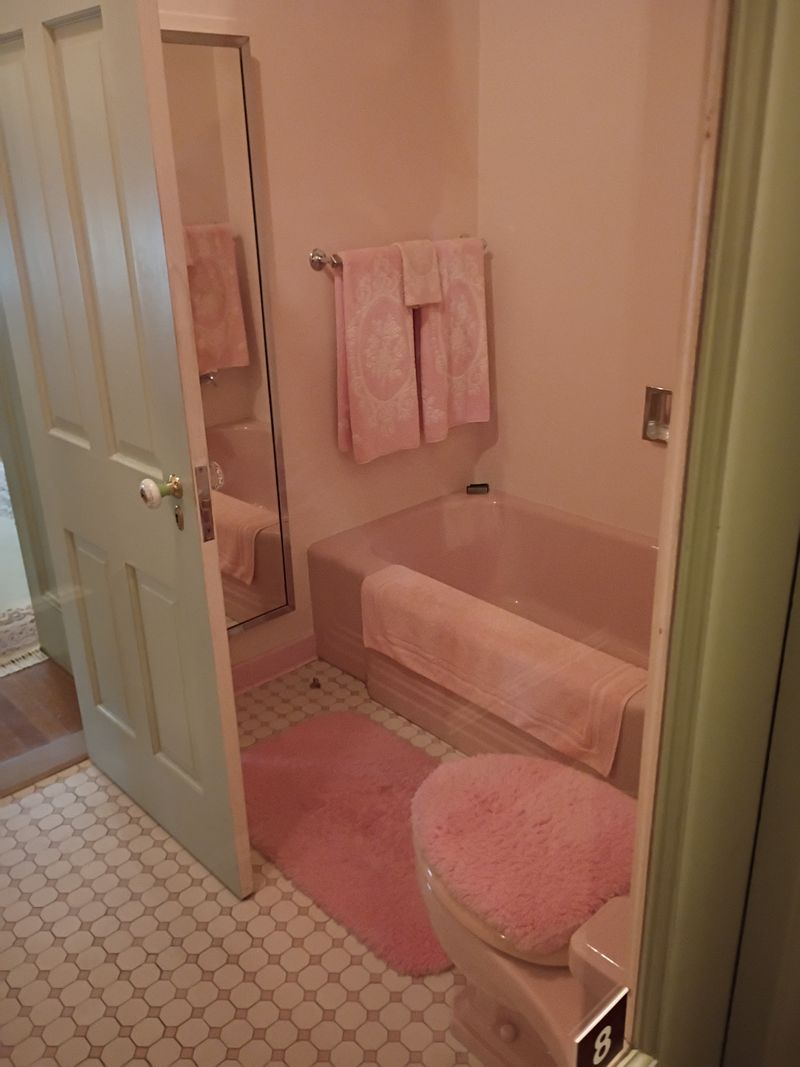
Some rooms get attention because of famous meetings. One room gets attention because of its color.
Mamie Eisenhower loved pink so much that a shade became known as Mamie Pink. Her taste shows up throughout the house, and the pink bathroom is a crowd favorite.
It is a fun reminder that this was a real home with real personal choices. Presidents and first ladies have hobbies and favorite colors like anyone else.
The 1950s and 1960s style carries through other spaces too. Tile, wallpaper, and furniture all show the trends of the era.
Families with kids often find this part of the tour the easiest to connect with. Younger guests may not know much about world politics, but they understand a favorite color.
Bring a camera if photos are allowed during your visit. Ask the ranger or volunteer about current house rules first.
Plenty of people walk out talking about treaties and wars. Plenty of others walk out talking about pink.
Where World Leaders Came to Talk
History did not stop at the front door. During his presidency, Eisenhower used the farm as a place to meet with important guests.
The most famous visitor was Nikita Khrushchev, leader of the Soviet Union. He came to the farm in 1959, during the height of the Cold War.
Think about that for a moment. Two rival superpowers met in a quiet Pennsylvania farmhouse rather than a grand palace.
Other leaders also stopped by, including Charles de Gaulle of France and Winston Churchill’s fellow wartime allies. Ike believed a relaxed setting could help people speak more openly.
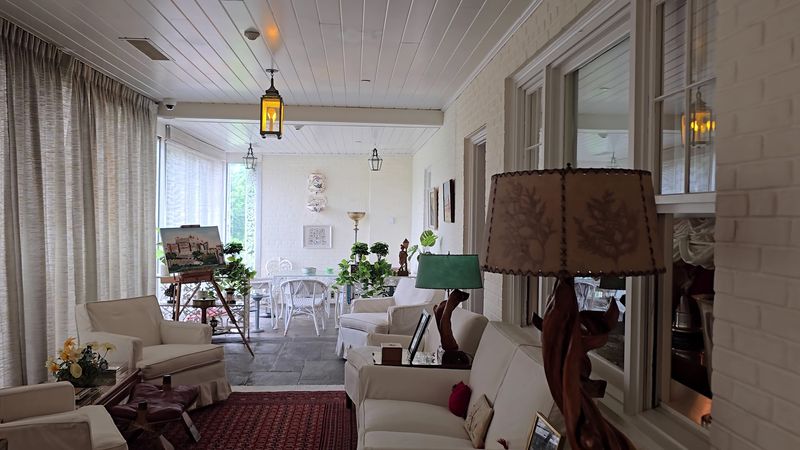
The glassed-in porch was one of the couple’s favorite spots. It served as a gathering place for family and for some of these talks.
Rangers often share stories about these meetings during introductions and outdoor programs. Ask questions, since the staff knows plenty of details.
Standing on the same grounds where Cold War diplomacy played out is a strange and memorable feeling.
Grab a Putter and Play Through
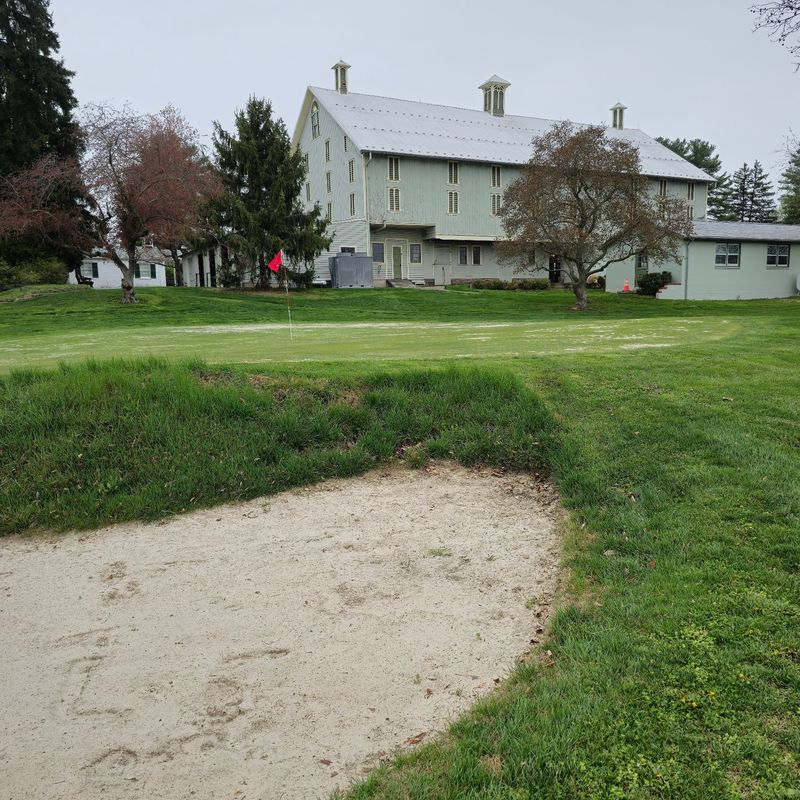
Golf was one of Ike’s great loves, and he made sure his home had room for it. A putting green sits right in the backyard.
Here is the best part. Guests can often borrow a putter and a golf ball to try a few strokes on the same green.
That makes this one of the few presidential homes where you can actually play on the property. It is hands-on history in the most literal sense.
Eisenhower also enjoyed painting, and some of his artwork is part of the story here. Hobbies like these helped him relax after long days of hard decisions.
Kids usually enjoy the putting green, and adults tend to get competitive. A friendly family match can turn into a highlight of the day.
Equipment availability may change, so check with staff when you arrive. Rules and programs vary by day and season.
Sink a putt here, and you will have a small story to bring home.
Barns, Cattle, and Classic Cars
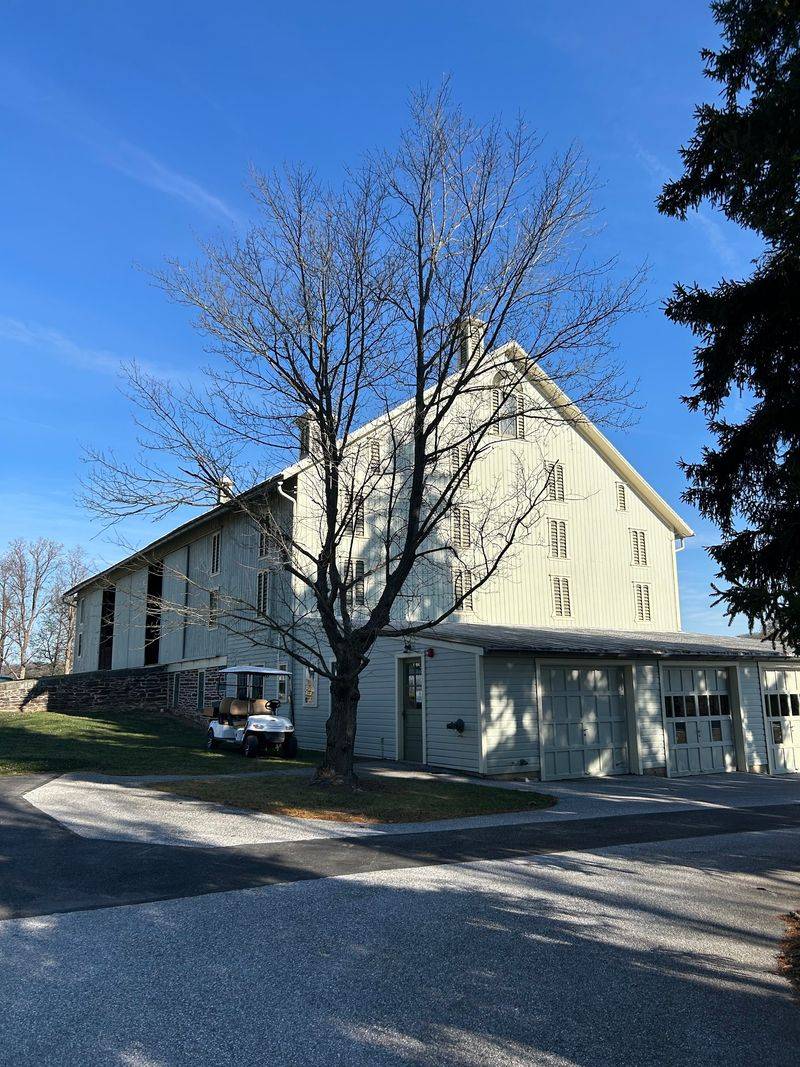
Ike was serious about farming. He raised show cattle, especially Black Angus, and took real pride in the herd.
The barns on the property tell that part of the story. A trail leads to an area known as Farm 2, where the show barn and related buildings stand.
Out near the house, the garages hold old vehicles connected to the family. Car fans will enjoy a close look at these mid-century rides.
The farm stretches across wide fields with views toward the mountains. The scenery changes with the seasons, so a return trip can feel different each time.
Walking trails loop around much of the land. They let you explore at your own pace after the house tour.
Leashed dogs are welcome on the grounds, which is great news for pet owners. Just keep them out of the buildings.
Wear good shoes, since the farm is large. A quick house visit can easily grow into an afternoon outdoors.
Rangers Who Know Their Stuff
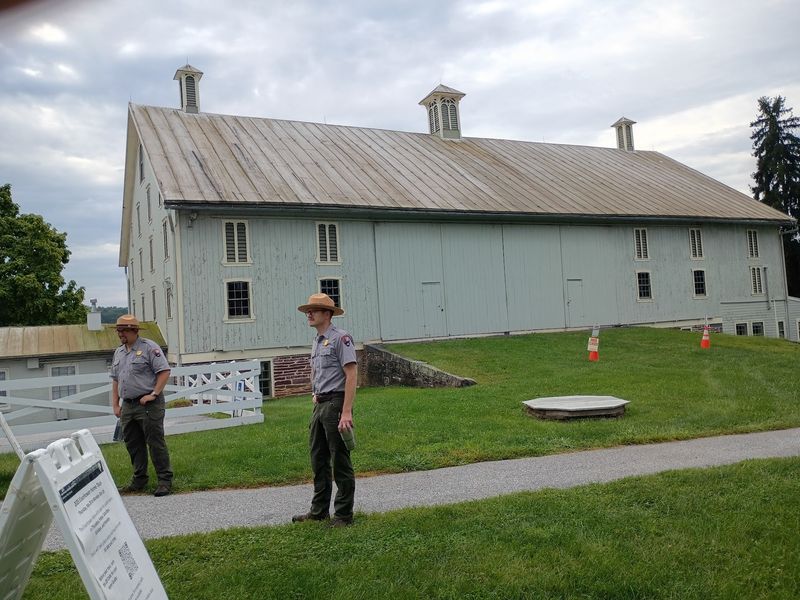
A great guide can turn a house into a story. The staff here are known for being friendly and full of useful information.
House visits often begin with a short introduction from a National Park Service ranger. After that, the tour inside and out is usually self-guided.
Volunteers inside the home can answer questions as you move from room to room. Do not be shy about asking for details.
Outdoor ranger programs also run on some days. They cover topics like the farm, the Cold War, and Ike’s military career.
Kids can join the Junior Ranger program. It gives younger guests activities to complete and a fun way to learn while exploring.
Groundskeepers and other workers on the property are often happy to chat too. Many of them know small stories you will not find on a sign.
Signs on the grounds are limited, so the people working here are your best resource. Plan to listen as much as you look.
Special Weekends Worth Timing
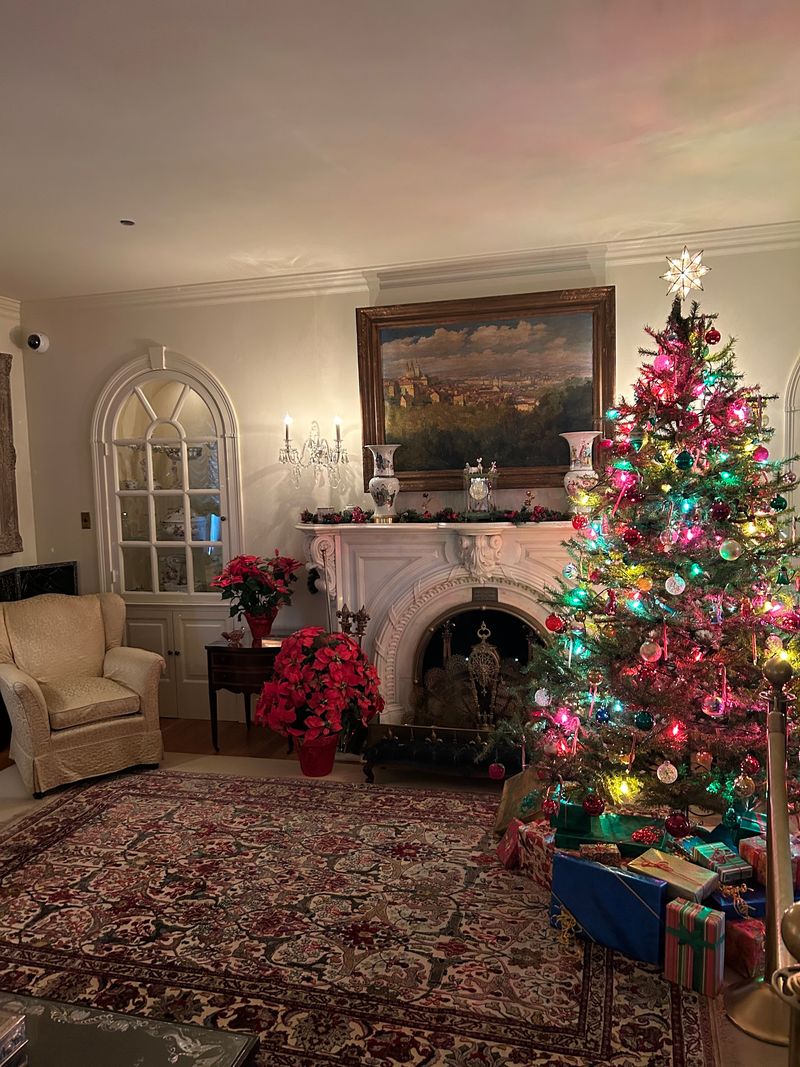
Some dates bring extra action to the farm. The site hosts a World War II weekend that features living history programs.
Reenactors set up camps and show off gear from the era. Groups like the Civil Air Patrol cadets explain equipment and answer questions.
It ties in neatly with Ike’s role as Supreme Allied Commander in Europe. Seeing wartime gear helps the house tour make even more sense.
Other events and ranger programs pop up during the year as well. Schedules can shift, so checking ahead really matters.
House tours do not run every day. Some days the home is closed while the grounds stay open.
The official park website at nps.gov/eise lists current hours and events. Look there before you leave home.
A little planning can mean the difference between peeking through windows and walking through the rooms. Time it right, and you may catch the farm at its busiest and most lively.
Smart Tips Before You Go
Getting there takes a bit of care. Use Emmitsburg Road to reach the entrance road, since Red Rock Road serves as the exit.
Some map apps point drivers the wrong way, so follow the park signs. The shuttle from the Gettysburg visitor center has been replaced by on-site parking.
General parking is in a gravel lot. From there, a short hard-surface path leads to the house in about three minutes.
Accessible parking is available closer to the home. Portable restrooms are located in the parking area.
Plan around one to one and a half hours for the house and nearby grounds. Add more time for the trails and barns.
Entry to the site is free, which makes it an easy addition to any Gettysburg trip. Weekday mornings tend to be quiet.
Read a little about the Eisenhowers before arriving, since outdoor signs are few. With those basics handled, the only thing left to do is enjoy a peaceful farm with a presidential past.